
Cooking Tools of the Trade: Essential Utensils in Feudal Japanese Kitchens

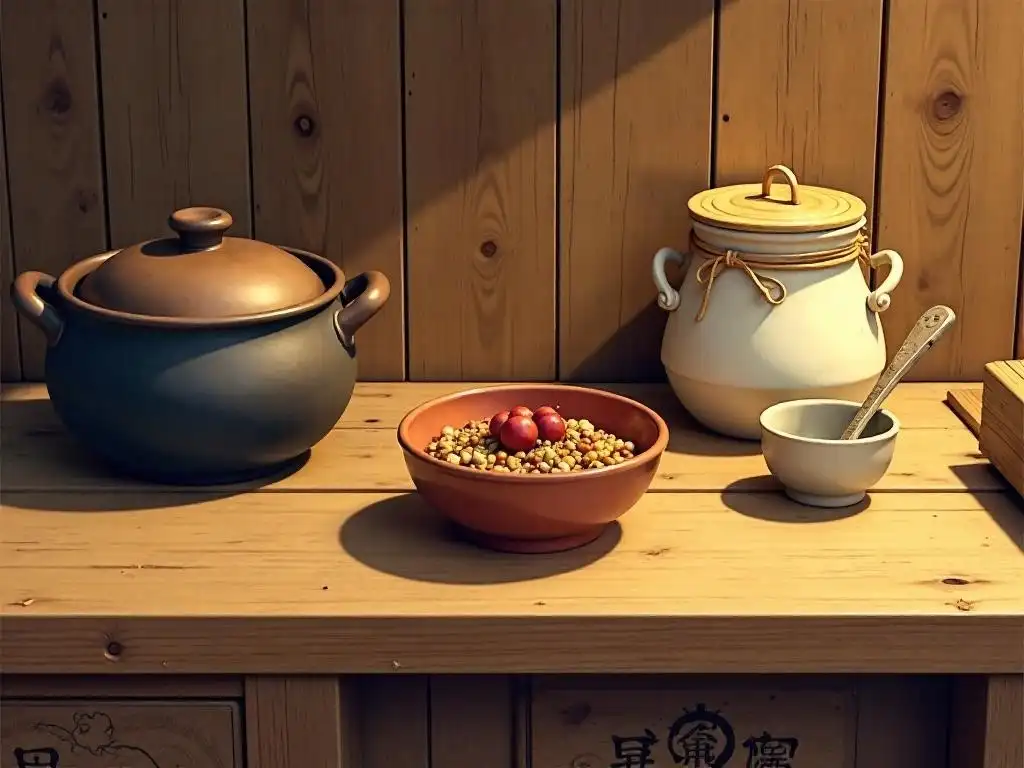
Welcome to Feudal Japan History, where we invite you to journey through the intricate tapestry of Japan’s feudal era. Delve into our latest article, “Cooking Tools of the Trade: Essential Utensils in Feudal Japanese Kitchens,” and uncover the fascinating culinary instruments that shaped daily life and culture during this pivotal period. From the humble knife to the intricate bamboo whisk, each tool tells a story of artistry and practicality.
Join us as we explore how these essential cooking tools not only nourished bodies but also reflected the societal values of their time. Are you ready to stir the pot of history? Let’s dive deeper!
Feudal Japan, a period spanning several centuries, was marked by a rich tapestry of cultural, societal, and culinary developments. The cooking tools of this era were not merely functional implements but reflections of the intricate relationship between food, society, and tradition. Understanding the essential cooking tools used in feudal Japanese kitchens provides a window into daily life, revealing how these instruments shaped culinary practices and reflected the values of the time. This article delves into the indispensable utensils that characterized the culinary landscape of feudal Japan, exploring their historical significance and the materials from which they were crafted.
Introduction to Feudal Japanese Cooking Tools
Overview of Feudal Japan's Culinary Landscape
During the feudal period, Japan's culinary practices were heavily influenced by the availability of local ingredients, seasonal changes, and the social hierarchy that defined daily life. The kitchen was often the heart of the home, where families gathered to prepare and share meals. Key elements of this culinary landscape included:
- Rice: The staple food, often considered a symbol of wealth and prosperity.
- Fish and seafood: With Japan being an island nation, these were abundant and central to the diet.
- Vegetables and legumes: Seasonal and regional varieties played a significant role in meal preparation.
- Fermented foods: Such as miso and soy sauce, which were essential for flavoring dishes.
The tools used in feudal Japanese kitchens were designed to facilitate the preparation of these ingredients, reflecting both practicality and artistry.
Importance of Cooking Tools in Daily Life
The cooking tools of feudal Japan were vital not only for sustenance but also for cultural expression. Every utensil bore significance, often tied to social status, regional customs, and the philosophies of the time. For instance:
- Simplicity and functionality: Many tools were designed for efficiency, aligning with the Zen principles of harmony and balance.
- Craftsmanship: Artisans took pride in their work, and utensils were often handmade, showcasing skill and tradition.
- Ceremonial significance: Certain tools were reserved for special occasions, reflecting the importance of food in rituals and celebrations.
These cooking tools were more than just equipment; they played an integral role in shaping the culinary identity of feudal Japan.
Essential Cooking Tools in Feudal Japan
Traditional Utensils: A Historical Perspective
The essential cooking tools in feudal Japan varied widely, but several key utensils emerged as staples in the kitchen. Notable examples include:
- Hōchō (Chef's knife): The primary tool for slicing and preparing ingredients, reflecting the artistry of Japanese knife-making.
- Nabemono (Hot pot): A communal cooking vessel that emphasized sharing and togetherness during meals.
- Suribachi (Mortar): Used for grinding spices and making pastes, highlighting the importance of flavor in Japanese cuisine.
- Mizusashi (Water container): Essential for preparing tea, demonstrating the cultural significance of this beverage.
Understanding these tools from a historical perspective reveals their evolution and enduring relevance in modern culinary practices.
Key Materials Used in Kitchen Tools
The materials employed in the creation of cooking tools were crucial to their functionality and durability. Common materials included:
| Material | Description |
|---|---|
| Wood | Often used for utensils like spoons and bowls, favored for its natural properties. |
| Bamboo | Lightweight and flexible, used in a variety of tools, including steamers and strainers. |
| Iron | Commonly used for cookware, providing even heat distribution. |
| Ceramics | Utilized for serving dishes and storage, valued for aesthetic appeal. |
These materials not only contributed to the efficacy of the tools but also reflected the materials available in Japan's diverse landscapes.
By exploring the essential cooking tools of feudal Japan, we gain insight into the cultural and societal dynamics of the time, revealing how these utensils were intertwined with the daily lives of the people who wielded them.
Types of Essential Cooking Tools in Feudal Japan
In feudal Japan, cooking was not only a necessity but also an art form deeply intertwined with cultural practices and traditions. Various cooking tools were essential for preparing meals, reflecting the unique culinary practices of the era. These tools were crafted with precision and purpose, each serving a specific function that contributed to the rich tapestry of Japanese cuisine. Understanding these essential cooking tools provides insight into the daily lives and culinary practices of people during this period.
Knives and Cutting Tools
Knives were perhaps the most critical tools in a feudal Japanese kitchen, used for various tasks ranging from slicing fish to chopping vegetables. The most notable types included:
- Yanagiba: A long, slender knife traditionally used for slicing raw fish, especially for sashimi. Its sharp, single-bevel edge allowed for clean cuts, preserving the delicate texture of the fish.
- Deba: A heavy, thick-bladed knife designed for filleting fish and butchering meat. Its robust construction made it ideal for cutting through bones, making it a staple in many kitchens.
- Usuba: A vegetable knife with a straight edge, primarily utilized for precision cutting and decorative slicing of vegetables. The Usuba's design allowed for intricate presentations, reflecting the aesthetic values in Japanese cuisine.
These knives were often crafted by skilled blacksmiths, who honed their trade over generations, ensuring that each piece was both functional and beautifully designed.
Cooking Vessels and Pots
Cooking vessels in feudal Japan were diverse and tailored for specific cooking methods. Here are some of the most important:
- Donabe: A traditional earthenware pot used for stewing and simmering ingredients. Donabe pots were prized for their ability to retain heat and moisture, enhancing the flavors of soups and stews.
- Nabemono: A type of pot used for hot pot dishes. These pots were often made from clay or metal and were designed to cook ingredients at the table, fostering a communal dining experience.
- Tekkiryori: Iron cooking vessels that provided even heat distribution. They were typically used for grilling and frying, essential for preparing various dishes.
These cooking vessels reflected the agricultural practices of the time, as they were often made from locally sourced materials, contributing to the regional diversity of Japanese cuisine.
Serving and Eating Utensils
The presentation of food was as important as its preparation in feudal Japan, leading to the development of specific serving and eating utensils:
- Chopsticks (Hashi): Essential for both eating and serving food, chopsticks varied in design and material. Commonly made from bamboo, wood, or lacquered materials, they were often ornately decorated, reflecting the user's status.
- Lacquerware: Beautifully crafted bowls and plates used for serving food. Lacquerware was not only functional but also a symbol of elegance and artistry, often adorned with intricate designs.
- Serving Trays (Obento-bako): Used for presenting meals, these trays facilitated communal dining. They were typically crafted from wood or lacquer and could be elaborately decorated for special occasions.
The utensils used in feudal Japan emphasized the cultural importance of dining, where aesthetics and functionality went hand in hand.
The Craftsmanship Behind Feudal Japanese Cooking Tools
The tools used in feudal Japanese kitchens were not merely practical items; they were products of meticulous craftsmanship. The creation of these utensils involved a deep understanding of materials, techniques, and cultural significance, making them unique to the period.
Artisanal Techniques in Tool Making
The craftsmanship behind feudal Japanese cooking tools was characterized by artisanal techniques that have been passed down through generations. Blacksmiths and craftsmen specialized in different types of tools, employing methods such as:
- Forging: Traditional blacksmithing techniques were used to create high-quality knives, where steel was heated and hammered into shape, ensuring durability and sharpness.
- Carving: For wooden utensils and lacquerware, intricate carving techniques were employed to create detailed designs that reflected natural motifs and cultural symbols.
- Glazing: Pottery and cooking vessels were often glazed to enhance their durability and aesthetic appeal. The glazing process involved applying a mixture of minerals that would form a glass-like surface upon firing.
These artisanal techniques not only ensured the functionality of the tools but also imbued them with artistic value, making each piece a unique creation.
Regional Variations of Cooking Tools Across Japan
The diversity of Japan's geography and culture led to significant regional variations in cooking tools and techniques. Different areas developed their own styles based on local ingredients and culinary practices:
- Kanto Region: Known for its emphasis on seafood, knives like the Yanagiba were prevalent in this area, reflecting the local cuisine's reliance on fresh fish.
- Kansai Region: Here, the Usuba knife was favored for its precision in preparing vegetables, aligning with the region's focus on seasonal and colorful dishes.
- Hokkaido: The northernmost region utilized iron cooking vessels, suited for the harsher climate and the need for robust cooking methods.
These regional variations highlight the adaptability of feudal Japanese cooking tools, shaped by local resources and culinary traditions, contributing to the rich and diverse food culture of Japan during the feudal era.
Cultural Significance of Cooking Tools in Feudal Society

In feudal Japan, the kitchen was not only a place for preparing meals but also a reflection of the broader cultural and social dynamics of the time. Cooking tools served as essential instruments in daily life, embodying the values, traditions, and hierarchy of feudal society. Each utensil and tool carried its own significance, enhancing not only the culinary experience but also contributing to the social fabric of the era.
Cooking tools were often crafted with exceptional skill, demonstrating the artistry and craftsmanship that were highly valued in Japanese culture. The materials used, such as iron, wood, and clay, were chosen not only for functionality but also for their aesthetic qualities. This reverence for craftsmanship extended to the way these tools were treated; for instance, many households would perform rituals to honor their cooking instruments, reflecting a deep respect for the role of food in community and family life.
Moreover, the arrangement and type of cooking tools available in a household could indicate the status and wealth of its owners. The presence of specialized tools often denoted a higher social standing, while simpler utensils were typical in less affluent homes. Thus, cooking tools transcended their practical use, becoming symbols of identity and status within feudal Japanese society.
Tools as Symbols of Status and Wealth
In feudal Japan, the array of cooking tools available in a household often mirrored the socio-economic status of its inhabitants. Wealthy samurai and aristocrats had access to a wide range of specialized utensils, such as ornate ladles (called hishaku) and beautifully crafted knives ( hocho), which were not only functional but also served as status symbols. These tools were often made from precious materials and adorned with intricate designs, showcasing the owner's wealth and taste.
Conversely, commoners and farmers typically possessed more rudimentary cooking implements. Their tools were functional, designed for efficiency rather than aesthetics. For example, a simple kettle or a wooden mortar would suffice for their daily cooking needs. This disparity in cooking tools highlighted the differences between social classes, where the kitchen became a microcosm of the larger societal hierarchy.
Moreover, it was not just the type of tools that indicated status but also the care and maintenance of these utensils. Wealthier households often had dedicated staff to ensure that their cooking tools were well-kept and polished, whereas common families relied on their members to manage these responsibilities. This further emphasized the role of cooking implements as markers of status within feudal society.
The Influence of Cooking Tools on Japanese Cuisine
The development and refinement of cooking tools directly influenced Japanese cuisine in significant ways. The unique shapes and materials of utensils allowed for distinct cooking techniques that shaped the flavors and textures of dishes. For instance, the tatara, a traditional iron-making furnace, enabled the production of high-quality knives that became essential for slicing fish, a staple in Japanese cuisine.
Additionally, tools such as ihō (grills) and kamado (cooking stoves) facilitated the preparation of various regional dishes. The use of clay pots for stewing and simmering allowed for a depth of flavor that became integral to many traditional recipes. The precision of the tools encouraged meticulous cooking methods, which emphasized seasonality and the natural flavors of ingredients.
As culinary techniques evolved, so too did the tools. Innovations led to the creation of new utensils that enhanced cooking efficiency and allowed for more diverse cooking styles. This adaptability not only enriched Japanese cuisine but also reflected the ingenuity and resourcefulness of cooks during the feudal era.
Conclusion: The Legacy of Essential Cooking Tools in Feudal Japan
The essential cooking tools of feudal Japan have left an indelible mark on the culinary landscape of the nation. Their influence extends beyond mere functionality; these tools encapsulated the cultural, social, and artistic values of the time. Understanding their significance provides a deeper appreciation of the historical context of Japanese cooking and the evolution of its culinary practices.
Lasting Impact on Modern Japanese Cooking
Many of the cooking tools developed during the feudal period continue to be fundamental in modern Japanese kitchens. For example, the traditional hocho remains a staple for chefs, prized for its sharpness and precision. Similarly, the techniques and methodologies established during feudal times are still practiced today, ensuring that the culinary heritage of Japan is preserved and celebrated.
Moreover, as contemporary Japanese cuisine embraces both tradition and innovation, the foundational cooking tools serve as a bridge connecting past and present. The respect for craftsmanship and the emphasis on seasonal ingredients are concepts that have persisted through generations, highlighting the enduring legacy of feudal culinary practices.
Reflection on Culinary Traditions and Innovations
The evolution of cooking tools in feudal Japan reflects a broader narrative of adaptation and innovation within the culinary arts. As society changed, so did the tools and techniques used in kitchens across the country. This dynamic interplay between tradition and change is central to understanding how Japanese cuisine has developed into its current form.
As we reflect on these culinary traditions, it becomes clear that the essential cooking tools of feudal Japan were not only instruments of preparation but also carriers of cultural identity. They embody the resilience, creativity, and artistry of a society that has continually valued the act of cooking as a means of connection, expression, and sustenance. The legacy of these tools continues to inspire chefs and home cooks alike, ensuring that the spirit of feudal Japan lives on in every dish served today.
References and Further Reading
To delve deeper into the culinary practices of feudal Japan, a variety of resources are available that provide both historical context and practical insights into traditional cooking methods and tools. This section highlights suggested books, articles, and online platforms that explore the rich tapestry of Japanese culinary history.
Suggested Books and Articles on Feudal Japanese Cooking
-
"Japanese Cooking: A Simple Art" by Shizuo Tsuji
This comprehensive guide offers an in-depth look at Japanese cooking techniques, including the tools and utensils essential in feudal kitchens. Tsuji's work is respected for its detailed illustrations and clear explanations, making it a valuable resource for both beginners and seasoned cooks.
-
"The Book of Sushi" by Kenjiro Hosaka
This book traces the history of sushi from its origins to modern interpretations, shedding light on the tools used in sushi preparation during the feudal era. It provides cultural insights alongside practical information about utensils like the hangiri (sushi rice mixing bowl) and the yanagiba (slicing knife).
-
"A Taste of Japan: The Flavors of Japan" by Yoshihiro Murata
Renowned chef Yoshihiro Murata explores the seasonal ingredients and traditional methods that shaped feudal Japanese cuisine. The book highlights indispensable cooking tools and their evolution over time.
-
"Japanese Foodways, Past and Present" edited by Eric C. Rath and Stephanie Assmann
A collection of essays that examines the historical development of Japanese food practices, including the role of cooking utensils. This scholarly work provides a comprehensive overview of food culture, including the essential tools of feudal Japan.
-
Articles from the Journal of Japanese Studies
This academic journal often publishes articles that discuss various aspects of Japanese culture, including culinary practices. Specific articles can provide insights into the historical significance of cooking tools and their cultural impacts.
Online Resources for Exploring Japanese Culinary History
-
Nippon.com
This website offers articles and features on various aspects of Japanese culture, including cuisine. It often discusses traditional cooking methods and the tools used in feudal Japan, providing an accessible entry point for readers.
-
The Kyoto Culinary Institute
The institute's website includes resources related to traditional Japanese cooking techniques and tools. They offer various articles that detail the history and use of essential cooking utensils in feudal kitchens.
-
Japanese Cooking 101
This educational platform covers authentic Japanese recipes and techniques. It provides valuable information about essential cooking tools, historical contexts, and practical tips for modern-day cooks.
-
YouTube Channels such as "Just One Cookbook"
While primarily focused on contemporary recipes, some videos explore traditional cooking methods and the tools used in Japanese kitchens, offering visual insights into the utensils of feudal Japan.
These resources collectively provide a robust foundation for understanding the essential cooking tools of feudal Japan and their significance in Japanese culinary history. Whether through academic texts or engaging online content, readers can gain a well-rounded perspective on this fascinating aspect of Japan's past.
- Introduction to Feudal Japanese Cooking Tools
- Essential Cooking Tools in Feudal Japan
- Types of Essential Cooking Tools in Feudal Japan
- The Craftsmanship Behind Feudal Japanese Cooking Tools
- Cultural Significance of Cooking Tools in Feudal Society
- Conclusion: The Legacy of Essential Cooking Tools in Feudal Japan
- References and Further Reading
- What were the essential cooking tools used in feudal Japan?
- How did cooking tools impact Japanese cuisine?
- Were there any specific materials used in crafting cooking tools in feudal Japan?
- Did the social class affect the types of cooking tools used in feudal Japan?
- How did cooking techniques evolve with the use of these tools in feudal Japan?
Frequently Asked Questions
What were the essential cooking tools used in feudal Japan?
The essential cooking tools included rice cookers, grills, and mortars and pestles. These utensils were fundamental in preparing traditional Japanese dishes during the feudal era.
How did cooking tools impact Japanese cuisine?
The development of cooking tools greatly influenced Japanese cuisine by enhancing flavor, improving food preservation, and enabling the preparation of complex dishes that define the culture today.
Were there any specific materials used in crafting cooking tools in feudal Japan?
Yes, many cooking tools were made from wood, bamboo, and ceramics. These materials were chosen for their availability and functional properties, suited for various cooking methods.
Absolutely. The social class played a significant role, as wealthier households had access to more specialized and refined tools, while commoners relied on simpler, multi-purpose utensils.
How did cooking techniques evolve with the use of these tools in feudal Japan?
With the introduction of new cooking tools, techniques evolved to include steaming, grilling, and fermentation, allowing for a richer variety of flavors and textures in Japanese dishes.
Final Reflection: The Enduring Legacy of Essential Cooking Tools in Feudal Japan
The exploration of essential cooking tools in feudal Japan reveals not only the ingenuity of a culture but also the profound connection between culinary practices and daily life. Today, as we navigate a world increasingly focused on sustainability and tradition, the significance of these tools remains strikingly relevant. Understanding how these utensils shaped the culinary landscape of feudal Japan offers us valuable insights into our own cooking practices and the importance of preserving cultural heritage.
Cooking tools are more than mere implements; they are a reflection of societal values, craftsmanship, and the evolution of food culture. The meticulous design and purpose of each utensil tell a story of innovation and adaptation that resonates even in contemporary kitchens. As we embrace global culinary influences, we can appreciate the wisdom embedded in these traditional tools. A kitchen is a place of transformation, where the ordinary becomes extraordinary.
This quote encapsulates the essence of how cooking tools can elevate our culinary experiences, reminding us of the artistry involved in the preparation of food.
As you reflect on the essential cooking tools of feudal Japan, consider how these lessons can inspire your own culinary journey. Embrace the spirit of tradition while infusing your personal touch into your cooking. Whether it's using a simple wooden spatula or a beautifully crafted knife, let these tools remind you of the rich history behind each meal you prepare. Take a moment to explore the stories of your own kitchen utensils and how they connect you to a broader tapestry of culinary heritage.
Unlock the Secrets of Traditional Japanese Cooking!
Thank you for diving into the fascinating world of feudal Japanese kitchens! By exploring the essential utensils that shaped culinary practices, you’ve taken a step towards understanding a rich and vibrant culture. Now, it’s time to bring this knowledge into your own kitchen and make your cooking experience even more fulfilling.
Here’s how you can get started:
- Invest in a traditional Japanese tool: Whether it's a measuring stick or a slicing knife, choosing one can enhance your cooking techniques.
- Experiment with a new recipe: Try integrating an authentic Japanese dish into your meal plan and use your newly acquired utensils.
- Join a cooking community: Engage with fellow enthusiasts online or locally to share recipes, tips, and experiences in traditional Japanese cooking.
As you embrace these culinary traditions, what dish will you create using your new knowledge and tools? Share your thoughts below!