
The Role of Natural Materials in Feudal Japanese Architecture


Welcome to Feudal Japan History, where we embark on a captivating journey through the intricate tapestry of Japan’s feudal era. In this exploration, we delve into the profound influence of natural materials in Japanese architecture, revealing how nature shaped not only the structures but also the very essence of daily life and society during this remarkable period.
As you navigate through the rich narratives and expert insights, prepare to uncover the secrets behind these architectural marvels, and discover how they reflect the values and beliefs of a bygone era. Dive in and let your curiosity guide you through the past!
Introduction to Natural Materials in Japanese Architecture
Feudal Japan, a period marked by the rise of samurai culture and the establishment of various clans, also gave way to a unique architectural style deeply rooted in the natural environment. The use of natural materials in Japanese architecture not only reflects the aesthetic sensibilities of the era but also highlights the harmonious relationship between humans and nature.
This article delves into the essential role that these materials played in shaping the structures of feudal Japan, exploring how they influenced both the functionality and beauty of the buildings. From the majestic castles of feudal lords to the humble abodes of peasants, natural materials were pivotal in crafting the architectural identity of this historical period.
Overview of Feudal Japanese Architecture
Feudal Japanese architecture is characterized by its diverse forms and functions, ranging from fortified castles to serene temples and traditional homes. This architectural style is distinguished by its:
- Simplicity and elegance: Designs often incorporate minimalistic features that emphasize natural beauty.
- Integration with nature: Structures are frequently designed to blend seamlessly into their surroundings, using materials sourced from the local environment.
- Adaptability: The architecture is designed to withstand the various climatic conditions across Japan, showcasing ingenuity in construction techniques.
Notable examples include the Himeji Castle, renowned for its elegant white exterior and strategic design, and the Kinkaku-ji (Golden Pavilion), which exemplifies the integration of nature within architectural design.
Importance of Natural Materials in Construction
Natural materials were not merely a choice in construction; they were a necessity driven by availability, sustainability, and cultural practices. Their significance can be summarized as follows:
- Sustainability: Utilizing materials derived from the environment ensured that construction practices were sustainable and less harmful to nature.
- Cultural symbolism: Many materials held cultural significance, representing aspects of spirituality and tradition. For instance, wood is often associated with life and growth.
- Functional advantages: Natural materials provided practical benefits, such as insulation, durability, and ease of availability, which were crucial for the daily lives of feudal Japanese people.
Types of Natural Materials Used in Feudal Japanese Architecture
Wood: The Primary Building Material
Wood stands as the cornerstone of feudal Japanese architecture. The abundant forests of Japan provided a variety of wood types, including cedar, cypress, and pine, each chosen for its unique properties.
- Durability and resilience: Wood structures are known for their ability to withstand earthquakes, an essential feature in Japan's seismic landscape.
- Aesthetic appeal: The natural grains and colors of wood contribute to the visual warmth and beauty of buildings.
Bamboo: Versatile and Sustainable
Bamboo is another essential material in feudal architecture, revered for its versatility and rapid growth.
- Structural use: Bamboo was employed in both construction and interior design, offering flexibility and strength.
- Cultural significance: Bamboo is often associated with simplicity and elegance in Japanese culture, making it a popular choice for various structures, including tea houses.
Straw and Thatch: Traditional Roofing Materials
Straw and thatch have been used for centuries as roofing materials, showcasing the ingenuity of feudal Japanese builders.
- Insulation properties: These materials provide excellent insulation, keeping homes warm during winter and cool in summer.
- Aesthetic charm: Thatched roofs, in particular, evoke a rustic beauty that is emblematic of rural Japanese architecture.
Clay and Earth: Foundations and Walls
Clay and earth materials, including rammed earth and plaster, were commonly used in feudal construction.
- Stability and strength: These materials create strong foundations and sturdy walls that are durable and resistant to fire.
- Natural aesthetics: The earthy tones and textures of clay add to the overall harmony of the architectural design.
Through the exploration of these natural materials, we gain insight into how feudal Japanese architecture was not only a reflection of the society's needs but also a testament to its reverence for nature.
The Cultural Significance of Natural Materials
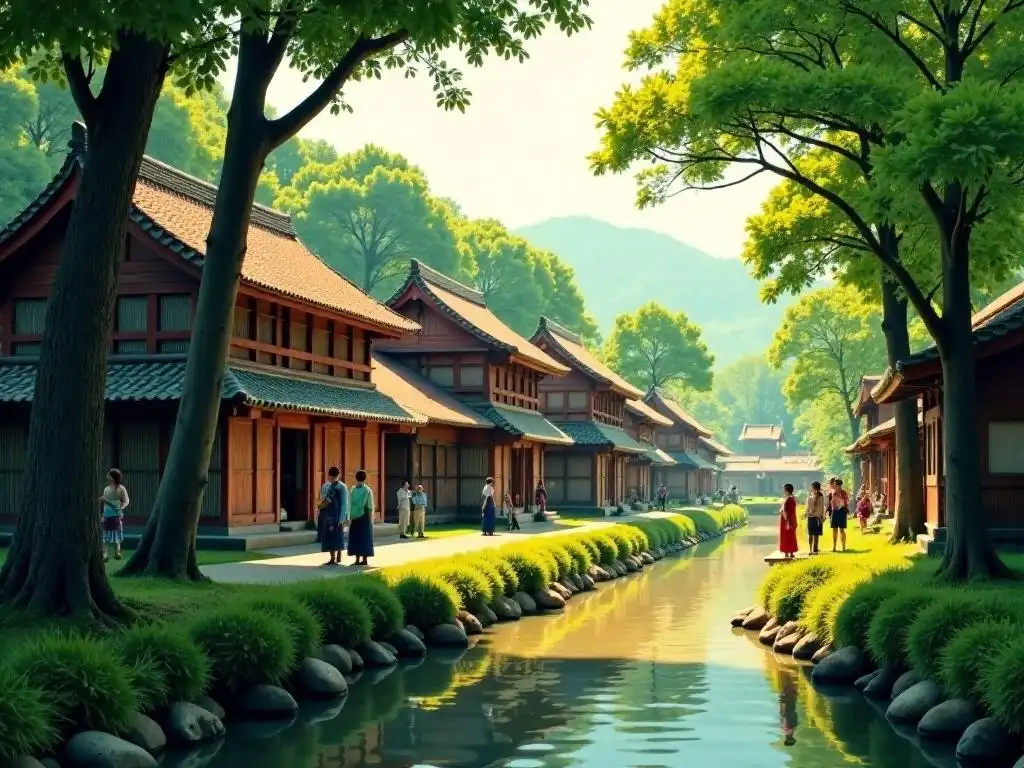
Natural materials played a pivotal role in the architectural landscape of feudal Japan, not only influencing the aesthetic and structural aspects but also deeply embedding themselves in the cultural fabric of the era. The use of materials such as wood, bamboo, thatch, and clay exemplified the Japanese ethos of harmony with nature, reflecting a reverence for the environment that is still celebrated today. These materials were not merely functional; they were laden with meanings that connected the built environment to the broader cultural and spiritual beliefs of the time.
The choice of materials also underscores the importance of locality and sustainability, with builders often selecting resources based on their immediate surroundings. This practice not only facilitated a unique architectural style that was regionally distinctive but also promoted environmental stewardship, aligning with the Japanese philosophy of living in balance with nature. By embracing natural materials, feudal Japanese architecture served as a testament to the ingenuity of its people, showcasing a deep understanding of the interplay between the environment and human habitation.
Connection to Shinto Beliefs and Nature
Shinto, the indigenous spirituality of Japan, emphasizes a profound connection to nature, positing that natural elements possess divine attributes. This belief system significantly influenced architectural practices during the feudal era. Shinto shrines, for instance, are often constructed from natural materials, symbolizing the sacred relationship between humanity and the deities inhabiting the natural world.
Wood, in particular, holds a special place in Shinto beliefs. The use of unpainted, untreated wood in shrine construction reflects a commitment to purity and simplicity, resonating with the natural state of the material. This connection is exemplified in the iconic Ise Jingu shrine, which is rebuilt every 20 years using freshly harvested timber, signifying renewal and the continuity of life. Such practices highlight how architecture served not just as a shelter but as a medium through which spiritual beliefs and respect for nature were expressed.
Symbolism of Natural Materials in Japanese Culture
In Japanese culture, natural materials transcend their physical properties to embody deeper meanings and symbols. For example, wood represents life and growth, while bamboo symbolizes flexibility and resilience. The choice of materials thus becomes an expression of cultural values and philosophies, integral to the identity of feudal Japanese society.
Moreover, the aesthetic principles of wabi-sabi, which celebrate imperfection and transience, strongly influence the use of natural materials in architecture. This philosophy encourages the incorporation of materials that age gracefully and reflect the passage of time, such as weathered wood or thatched roofs. Such choices not only enhance the beauty of the structures but also create spaces that resonate with the human experience, evoking feelings of nostalgia and serenity.
Architectural Styles Utilizing Natural Materials
Throughout feudal Japan, various architectural styles emerged that prominently featured natural materials, each serving distinct purposes while reflecting the cultural and societal values of the time.
Traditional Japanese Houses (Minka)
Minka, or traditional Japanese houses, exemplify the harmonious use of natural materials in domestic architecture. Typically constructed from wood, thatch, and clay, these houses were designed to blend seamlessly with their surroundings. The use of local timber for framing and thatch for roofing not only provided excellent insulation and durability but also allowed families to live in close contact with nature.
The layout of minka often included open spaces, tatami-matted rooms, and sliding doors, facilitating a fluid connection between indoor and outdoor environments. This architectural style reflects the Japanese concept of engawa, a corridor that serves as a transition between the home and the garden, further emphasizing the importance of nature in daily life.
Temples and Shrines: Spiritual Spaces
Temples and shrines in feudal Japan were often constructed using natural materials, embodying the sacred relationship between architecture and spirituality. The use of untreated wood in sacred spaces symbolizes purity and the ephemeral nature of life, aligning with Buddhist beliefs in impermanence.
The architectural style of these structures varied, with Shinto shrines typically featuring simple, elegant designs that harmonize with their natural settings. The torii gate, often made of wood, marks the transition from the mundane to the sacred, highlighting the importance of natural materials in delineating spiritual spaces.
Castles: Fortified Structures with Natural Elements
Feudal Japanese castles, while primarily military structures, also incorporated natural materials in their design, reflecting a blend of functionality and aesthetics. Typically constructed with timber and stone, these castles utilized local resources to create formidable defenses while maintaining a connection to the landscape.
The use of wooden beams and clay walls provided both strength and flexibility, essential for withstanding earthquakes common in the region. Many castles also featured gardens and moats, integrating natural elements into their design to enhance both beauty and strategic advantage. Thus, feudal Japanese castles serve as a testament to the sophisticated interplay of natural materials, architectural ingenuity, and the cultural values of the time.
The Role of Natural Materials in Sustainability
Natural materials have played a crucial role in the sustainability of feudal Japanese architecture, reflecting a deep-rooted philosophy that emphasizes harmony with nature. The use of locally sourced materials such as wood, bamboo, clay, and straw not only minimized transportation costs but also aligned with the ecological balance of the environment. This approach fostered an architectural style that was both practical and aesthetically pleasing, allowing structures to blend seamlessly with their surroundings.
The sustainable nature of these materials is inherent in their renewability and biodegradability. For instance, timber sourced from sustainable forests can be replanted, ensuring a continuous supply. Additionally, the natural aging process of these materials contributes to their unique character over time, requiring less energy-intensive maintenance and renovation compared to synthetic alternatives. Overall, the reliance on natural materials in Japanese architecture underscores a commitment to sustainability that resonates even today.
Environmental Impact of Natural Materials
The environmental impact of using natural materials in feudal Japanese architecture is largely positive. By favoring materials like wood and clay, builders reduced the carbon footprint associated with construction. These materials, often harvested from local sources, not only lessened the need for transportation but also minimized environmental degradation. This local sourcing meant that the ecological balance of the region was maintained, as the materials were part of the natural ecosystem.
Moreover, structures made from natural materials typically exhibited superior thermal performance. For example, wooden buildings provided excellent insulation, which reduced the need for heating and cooling systems. This energy efficiency contributed to a lower environmental impact throughout the building's lifecycle, from construction to eventual degradation. In this way, feudal Japanese architecture exemplified an environmentally conscious approach that is increasingly relevant in contemporary discussions about sustainable building practices.
Traditional Building Practices Supporting Sustainability
Traditional building practices in feudal Japan were inherently sustainable, driven by an understanding of ecological principles and a respect for natural resources. Techniques such as "tatami" flooring and "shoji" screens not only utilized renewable materials but also promoted airflow and natural light, reducing reliance on artificial heating and lighting. The use of earth and straw in wall construction allowed for effective insulation while also being largely biodegradable.
Additionally, the craftsmanship involved in constructing traditional Japanese buildings emphasized quality over quantity. Structures were designed to last, incorporating flexible joints and modular components that allowed for easy repairs and upgrades. This approach not only reduced waste but also extended the lifespan of buildings, aligning with sustainable principles. Moreover, the practice of reusing materials from older buildings in new constructions ensured that resources were utilized efficiently, further promoting sustainability in architectural practices.
Challenges and Limitations of Using Natural Materials
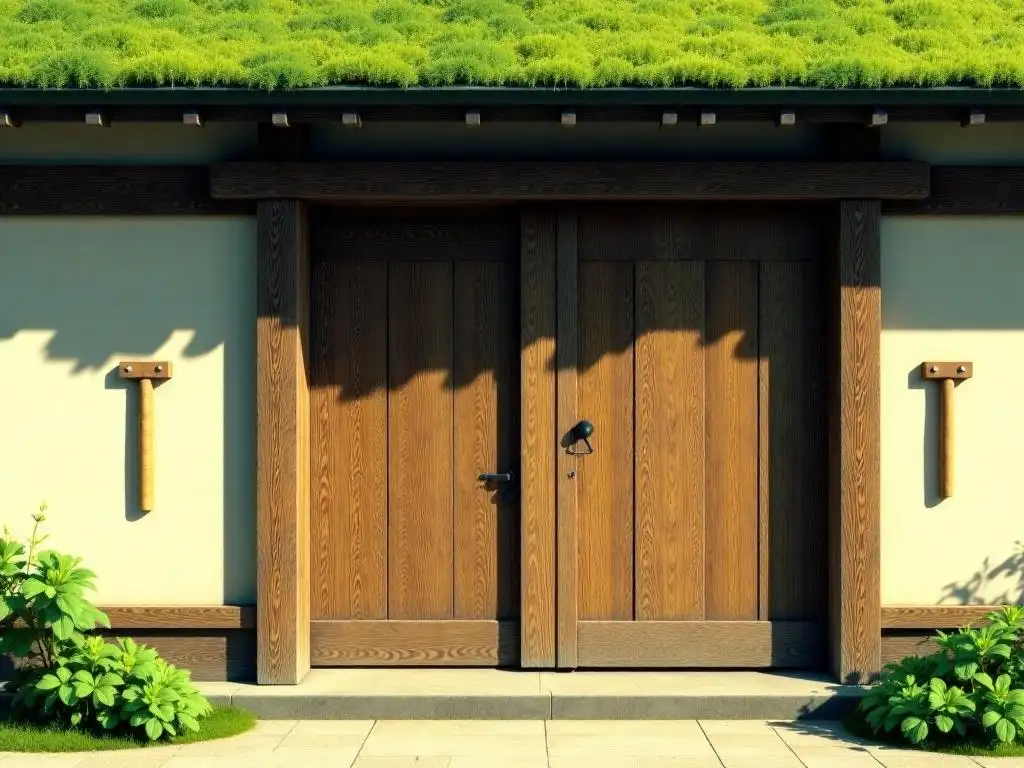
Despite their many advantages, the use of natural materials in feudal Japanese architecture also presented significant challenges and limitations. These materials, while environmentally friendly, often faced issues related to durability and resilience, particularly in the face of natural disasters.
Vulnerability to Natural Disasters
One of the primary challenges of using natural materials is their vulnerability to natural disasters such as earthquakes, typhoons, and floods. Traditional wooden structures, while flexible and lightweight, can suffer considerable damage during seismic events. The risk of wood rot and decay from water exposure also poses a threat, especially in regions prone to heavy rainfall or flooding.
Historically, this vulnerability led to the development of specific architectural features designed to mitigate damage. For instance, the implementation of elevated wooden platforms helped protect structures from flooding, while the use of intricate joinery allowed for greater flexibility and stability during earthquakes. However, these adaptations were not foolproof, and many historic buildings were lost due to environmental stresses, highlighting a significant limitation of natural materials in architecture.
Maintenance and Longevity Concerns
Another limitation of natural materials in feudal Japanese architecture relates to maintenance and longevity. While these materials can offer durability, they often require regular upkeep to ensure their integrity over time. For example, wooden structures need to be treated to prevent pest infestations and decay, which can be resource-intensive and laborious.
The inherent aging process of natural materials can also lead to aesthetic changes that may not be desirable to all homeowners. Cracking, warping, and fading are common issues that can affect the visual appeal of a building. Additionally, the need for repairs and maintenance can pose financial burdens for owners, particularly in rural areas where access to skilled labor and resources may be limited. Thus, while natural materials offer sustainable benefits, the challenges associated with their maintenance and longevity must be carefully considered in the context of feudal Japanese architecture.
Conclusion
The exploration of natural materials in feudal Japanese architecture reveals a profound connection between the built environment and the surrounding landscape. The use of wood, bamboo, stone, and clay not only reflects the available resources but also embodies the philosophical and aesthetic principles inherent in Japanese culture. This architectural style, characterized by harmony with nature, demonstrates an enduring legacy that continues to influence contemporary design. By understanding these historical practices, we gain insights into the values and traditions that shaped Japanese society during the feudal era and understand their relevance in modern architecture.
Summary of the Role of Natural Materials
Natural materials played a pivotal role in feudal Japanese architecture, contributing to both the structural integrity and the aesthetic appeal of buildings. Wood, particularly from local trees such as cedar and cypress, was the primary material used in constructing homes, temples, and castles. Its availability and workability made it ideal for crafting intricate designs and ensuring durability.
Bamboo, another essential resource, was utilized for various purposes, from structural support to decorative elements. Its flexibility allowed for innovative designs, while its strength made it a reliable choice for construction. Stone was often used in the foundations of temples and castles, providing stability and a sense of permanence. Clay, used in the form of tiles and walls, contributed to thermal regulation and was essential in the construction of traditional thatched roofs.
The careful selection of these materials not only reflects practicality but also embodies the spiritual and aesthetic philosophies of the time, emphasizing a deep respect for nature and an understanding of the environment.
The Lasting Legacy of Natural Materials in Japanese Architecture
The legacy of natural materials in Japanese architecture extends far beyond the feudal era. Modern architectural practices in Japan still draw inspiration from these traditional methods, highlighting the importance of sustainability and environmental harmony. Contemporary architects often utilize wood and other natural materials to create spaces that resonate with the essence of their surroundings.
Moreover, the principles derived from feudal architecture, such as simplicity, natural beauty, and the integration of indoor and outdoor spaces, continue to influence architectural design today. This enduring legacy serves as a reminder of the cultural significance of natural materials, showcasing how they can be used to foster a connection between architecture and nature in a world increasingly focused on sustainability and ecological considerations.
Further Reading and Resources
Recommended Books on Japanese Architecture
-
"Japanese Architecture: A Cultural History" by David Young
This comprehensive text delves into the evolution of Japanese architecture, exploring the influence of natural materials throughout the ages.
-
"The Art of Japanese Architecture" by David and Michiko Young
A beautifully illustrated book that examines the aesthetic qualities and cultural significance of traditional Japanese architecture.
-
"The Japanese House: A Tradition for Contemporary Architecture" by Alexandra Black
This book offers insights into the architectural features of traditional Japanese homes, emphasizing the use of natural materials.
Online Resources for Learning More About Feudal Japan
-
The National Museum of Japanese History
A valuable resource for articles and exhibits related to Japanese history, including architecture.
-
Japan National Tourism Organization (JNTO)
Offers insights into traditional Japanese architecture, including historical sites and buildings.
-
Japanese Architecture and Art Net Users System (JAPAN)
A comprehensive database providing access to research papers, articles, and resources on Japanese architecture and art.
- Introduction to Natural Materials in Japanese Architecture
- Overview of Feudal Japanese Architecture
- Importance of Natural Materials in Construction
- Types of Natural Materials Used in Feudal Japanese Architecture
- The Cultural Significance of Natural Materials
- Architectural Styles Utilizing Natural Materials
- The Role of Natural Materials in Sustainability
- Challenges and Limitations of Using Natural Materials
- Conclusion
- Further Reading and Resources
- What are the primary natural materials used in feudal Japanese architecture?
- How did natural materials influence the aesthetic of Japanese buildings?
- What are some examples of architecture that highlight the use of natural materials?
- How did the choice of materials affect the durability of structures in feudal Japan?
- In what ways did cultural beliefs shape the use of natural materials in architecture?
Frequently Asked Questions
What are the primary natural materials used in feudal Japanese architecture?
Feudal Japanese architecture predominantly utilized wood, clay, straw, and stone. These materials were readily available and contributed to the sustainable design of structures.
How did natural materials influence the aesthetic of Japanese buildings?
The use of natural materials allowed for a seamless integration between the built environment and nature, creating a harmonious aesthetic that reflects simplicity and elegance.
What are some examples of architecture that highlight the use of natural materials?
Prominent examples include shrines, temples, and castles, where materials like cypress wood and thatched roofs showcase traditional craftsmanship and respect for nature.
How did the choice of materials affect the durability of structures in feudal Japan?
Natural materials, when used appropriately, provided a balance of strength and flexibility, allowing buildings to withstand earthquakes and other environmental factors common in Japan.
In what ways did cultural beliefs shape the use of natural materials in architecture?
Cultural beliefs in Shinto and Buddhism emphasized harmony with nature, leading to a preference for natural materials that reflect the beauty and transience of the natural world in architectural design.
Final Reflection: Embracing Nature's Legacy in Japanese Architecture
The role of natural materials in Japanese architecture is not just a historical footnote; it is a living testament to our relationship with the environment. As we navigate the complexities of modern life, the principles of harmony and sustainability found in feudal Japanese architecture resonate more than ever. The integration of wood, stone, and other natural elements into architectural design serves as a reminder that our built environments can reflect and respect the natural world around us.
The influence of natural materials in Japanese architecture extends beyond aesthetics; it shapes cultural identity and social values. The use of local resources not only demonstrates a deep respect for the environment but also fosters a sense of community and belonging. As architect Tadao Ando once said, The essence of architecture is to create a space that reflects the spirit of the place.
This philosophy underscores the importance of using natural materials to create spaces that resonate with their surroundings, allowing us to connect more deeply with the places we inhabit.
As we reflect on the lessons from feudal Japanese architecture, let us consider how we can incorporate these principles into our own lives and communities. Take a moment to appreciate the natural materials around you and think about how they can inspire your own spaces. Whether through sustainable building practices or simply choosing to surround ourselves with nature, we can honor the legacy of natural materials in Japanese architecture and contribute to a more harmonious relationship with our environment.
Unveil the Beauty of Nature in Architecture!
Thank you for taking the time to explore the fascinating role of natural materials in Feudal Japanese architecture. You’ve delved into how these elements not only shaped structures but also the culture surrounding them. Now, it's time to transform that knowledge into action!
Here are a few ways you can deepen your connection with this captivating topic:
- Visit a shrine or temple that exemplifies the use of natural materials—experience firsthand the harmony between architecture and nature.
- Join an online community or forum dedicated to Japanese architecture and share your thoughts on how natural materials influence contemporary design.
- Create your own miniature model of a Feudal Japanese structure using sustainable materials, challenging yourself to incorporate the principles you’ve learned.
What new insights about the relationship between nature and architecture have you gained that could inspire your own living spaces?