
Traditional Japanese Games: How Feudal Society Found Joy in Play

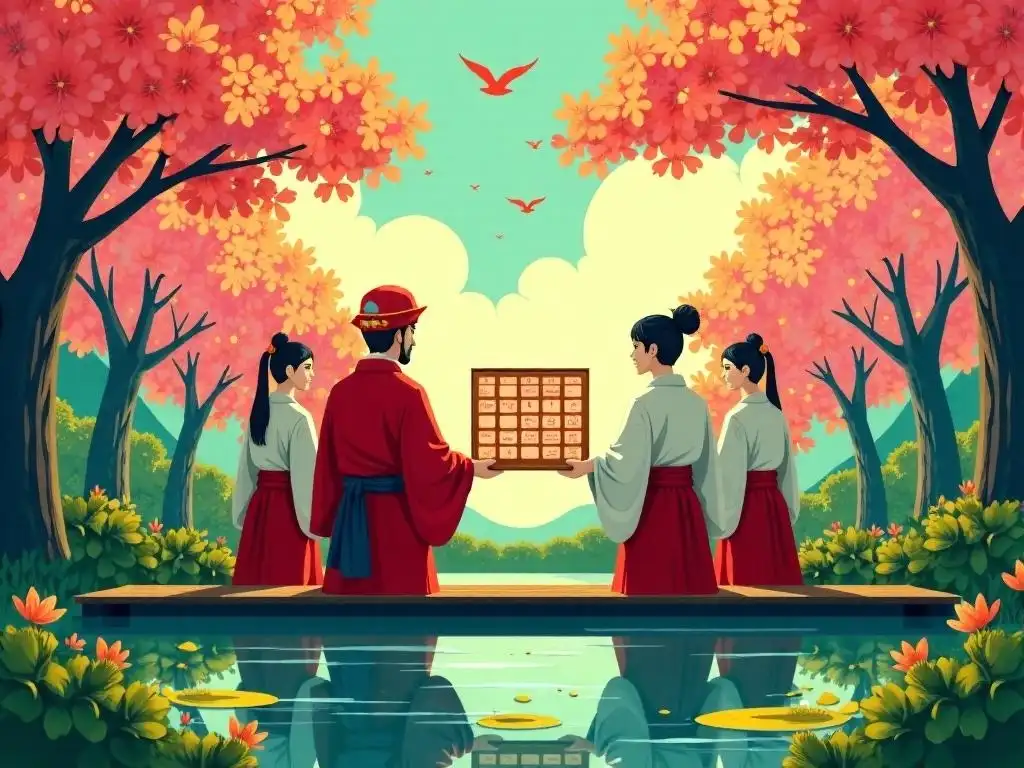
Welcome to Feudal Japan History, where we invite you to embark on an extraordinary journey through the captivating world of Japan’s feudal era. In our featured article, “Traditional Japanese Games: How Feudal Society Found Joy in Play,” we delve into the fascinating intersection of leisure and culture, uncovering how games reflected the values and societal norms of the time. Prepare to uncover the hidden layers of joy that flourished amidst the rigid structures of feudal life, and let your curiosity guide you deeper into the rich tapestry of Japan’s past.
What secrets do these traditional games hold? Join us as we explore!
Introduction to Traditional Japanese Feudal Games
The rich tapestry of feudal Japan is not only woven with tales of samurai valor and political intrigue but also with the vibrant threads of its leisure activities. Traditional Japanese feudal games played a significant role in the daily lives of people across various social strata during this period. These games were more than mere pastimes; they reflected the cultural values, social hierarchies, and spiritual beliefs of the time. This article delves into the fascinating world of traditional Japanese games, exploring their historical roots, the societal context in which they thrived, and their evolution throughout the feudal era.
Overview of Feudal Japan and Its Cultural Context
Feudal Japan, spanning from the late 12th century to the mid-19th century, was characterized by a strict social hierarchy, with the shogun at the top, followed by the daimyo (feudal lords), samurai (warriors), farmers, artisans, and merchants. This period fostered a unique culture that embraced art, philosophy, and play.
- Cultural Influences: The arrival of Buddhism and Confucianism brought new perspectives on life and leisure. Games were often infused with spiritual significance, serving as a medium for social interaction and cultural expression.
- Regional Variations: Different regions of Japan developed unique games that reflected local customs, resources, and societal norms. For instance, some games incorporated elements of nature, while others emphasized strategy and skill.
Importance of Play in Feudal Society
In a society where duty and honor were paramount, play offered a necessary escape from the rigid expectations of everyday life. Traditional games provided an avenue for relaxation, creativity, and social bonding.
- Community Engagement: Games often brought people together, fostering community spirit and reinforcing social ties. Events such as outdoor festivals showcased a variety of games, allowing different classes to interact and enjoy shared experiences.
- Education and Skill Development: Many games were designed to teach skills essential for survival and success, such as strategy, teamwork, and critical thinking. These games often mirrored the martial training of the samurai, allowing participants to hone their abilities in a less formal setting.
The Evolution of Traditional Japanese Games in Feudal Japan
As feudal Japan progressed through its various phases, so too did the games that were played. This evolution was influenced by shifts in societal structures, technology, and cultural exchanges.
Historical Origins of Feudal Games
The origins of traditional Japanese games can be traced back to ancient Japan, where various forms of play were integral to community life. Over time, these early games evolved into more structured activities enjoyed by all levels of society.
- Ancient Influences: Many games drew inspiration from Chinese culture, which was highly regarded in Japan. Aspects of Chinese board games and physical contests were adapted to fit Japanese traditions and materials.
- Documentation and Codification: By the Edo period (1603-1868), several games were documented in literature and art, showcasing their significance and popularity. This period saw a flourishing of cultural production, including game manuals and illustrated guides.
Influence of Social Classes on Game Development
The development of traditional Japanese games was heavily influenced by the social classes of feudal society. Each class contributed to the style and nature of games, leading to a rich diversity of play.
- Samurai Games: The samurai class often favored strategy-based games that reflected their warrior ethos. Games like shogi (Japanese chess) and go were popular among them, emphasizing tactical thinking and foresight.
- Commoner Games: In contrast, commoners engaged in more physical games, such as kemari (a traditional ball game) and various forms of fishing games, which were both entertaining and reflective of their everyday experiences.
- Cultural Exchange: The interaction between different classes often resulted in the cross-pollination of game ideas, leading to the creation of hybrid games that incorporated elements from various traditions and societal roles.
Traditional Japanese feudal games provide a captivating lens through which to view the cultural and social dynamics of feudal Japan. Understanding these games allows us to appreciate the value placed on play and leisure in a society that was otherwise dominated by duty and hierarchy.
Types of Traditional Japanese Feudal Games
Traditional Japanese feudal games played a vital role in the leisure activities of the samurai, peasants, and even the ruling class. These games not only provided entertainment but also served as a medium for social interaction, strategic thinking, and cultural expression. The following sections explore various types of these traditional games, categorized into board games, outdoor games, and card games.
Board Games: Shogi and Go
Shogi and Go are two of the most esteemed board games in Japan, deeply embedded in the country's feudal culture.
- Shogi: Often referred to as Japanese chess, Shogi is a strategic game that involves two players commanding armies of pieces, each with unique movements. The objective is to checkmate the opponent's king. Shogi's intricate rules and the potential for endless variations make it a favorite among feudal lords and samurai, who used the game to sharpen their tactical skills and strategic thinking.
- Go: Go is an ancient board game that emphasizes territorial control and strategy. It is played on a grid with black and white stones, where players take turns placing their stones to capture territory and surround their opponent's pieces. Feudal societies valued Go for its complexity and the philosophical lessons it imparted about patience, foresight, and the balance of power.
Both games were not only recreational activities but also tools for developing the mental acuity necessary for leadership and warfare.
Outdoor Games: Kemari and Rago
Outdoor games like Kemari and Rago were popular among the samurai and commoners alike, emphasizing physical skill and social interaction.
- Kemari: This ancient game resembles a form of soccer, where players aim to keep a ball made from deer hide in the air using their feet, without allowing it to touch the ground. Kemari was often played during festivals and gatherings, showcasing agility, coordination, and teamwork. It was a favored pastime for the nobility and served as a means to maintain physical fitness and camaraderie among participants.
- Rago: Also known as "Japanese football," Rago involved kicking a ball through a series of goalposts. It was played in a more competitive format and often took place during village festivals. The game fostered community spirit and encouraged friendly rivalry among the participants, making it an integral part of social gatherings.
These outdoor games not only provided physical exercise but also promoted social bonds and community cohesion.
Card Games: Hanafuda and Aoi
Card games, especially Hanafuda and Aoi, were a significant aspect of entertainment in feudal Japan, often played during social events and gatherings.
- Hanafuda: This traditional card game uses a deck featuring seasonal flowers and is played in various ways, including matching games and point-scoring contests. Hanafuda was popular among different classes, allowing people from various social standings to engage in friendly competition. The game's rich imagery reflects Japan's natural beauty and cultural heritage.
- Aoi: Aoi is a lesser-known card game that involves a deck of cards marked with symbols and colors. Players aim to win by forming specific combinations or achieving particular objectives. While less prominent than Hanafuda, Aoi served similar social functions, providing entertainment and fostering relationships among players.
Both card games were essential in bringing people together, facilitating social interaction, and enhancing the communal experience.
The Role of Traditional Games in Feudal Society
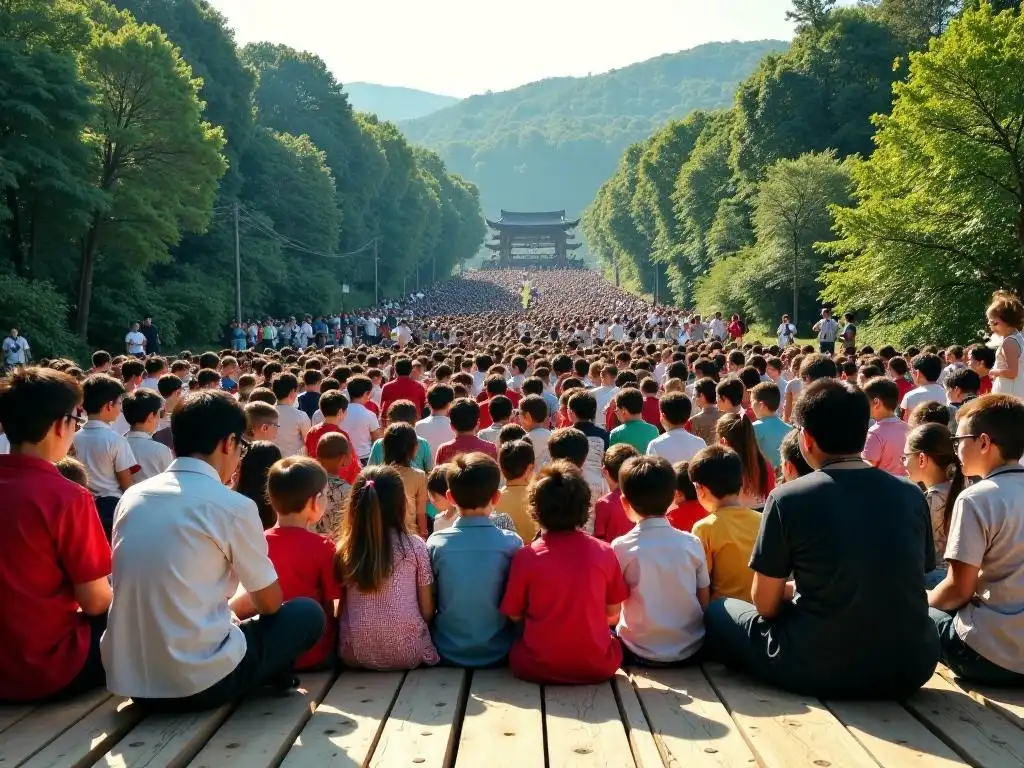
Traditional games in feudal Japan played multifaceted roles that transcended mere entertainment. They served as tools for social engagement, education, and cultural expression, reflecting the values and dynamics of feudal society.
Social Function: Community Engagement and Bonding
Traditional games were instrumental in fostering community spirit and social bonds among individuals. They provided opportunities for people from different backgrounds to come together in a shared activity, whether at festivals, in homes, or during gatherings.
- Festivals and Celebrations: Games like Kemari and Rago were integral to festivals, where entire communities participated, reinforcing social ties and collective identity.
- Family and Friends: Board games like Shogi and Go were often played among family and friends, allowing for quality bonding time and the sharing of wisdom across generations.
Through these social interactions, traditional games nurtured a sense of belonging and camaraderie, which was essential in the hierarchical and often tumultuous world of feudal Japan.
Educational Aspects: Teaching Strategy and Leadership
In addition to their entertainment value, traditional games functioned as educational tools, particularly for the samurai class.
- Strategic Thinking: Games like Shogi and Go honed critical thinking and strategic planning skills. Samurai would engage in these games to prepare for battles, learning to anticipate opponents' moves and develop tactical approaches.
- Leadership Qualities: Participation in competitive games instilled valuable leadership qualities, such as decisiveness, patience, and the ability to adapt to changing circumstances. These traits were crucial for samurai and feudal lords in their roles as leaders and warriors.
Thus, traditional games were not merely pastimes but vital components of the educational fabric of feudal society.
Cultural Significance: Reflection of Feudal Values
Traditional Japanese feudal games also held significant cultural meaning, reflecting the values, beliefs, and aesthetics of the time.
- Philosophical Depth: Games like Go embodied the philosophical concepts of balance and harmony, mirroring the feudal ideals of social order and respect for nature. The slow, contemplative nature of Go encouraged players to engage in deep reflection, aligning with the Zen principles prevalent during the feudal era.
- Artistic Expression: The craftsmanship of game components, from intricately designed Hanafuda cards to beautifully crafted Shogi pieces, showcased the artistic talents of the period. These games served as a canvas for cultural expression, highlighting the importance of aesthetics in daily life.
Through these lenses, traditional games encapsulated the essence of feudal Japan, intertwining leisure with deeper cultural narratives and societal values.
Traditional Japanese Games in Festivals and Celebrations
Traditional Japanese feudal games have been integral to the cultural fabric of Japan, particularly during festivals and celebrations. These games served not only as a source of entertainment but also as a means of reinforcing community bonds and cultural identity. During feudal times, festivals were often elaborate events filled with colorful displays, music, and the joyous spirit of participation. Games played during these times were reflective of agricultural cycles, seasonal changes, and local traditions, making them a vital aspect of communal life.
Participants in these festivals engaged in a variety of games that were often tied to symbolic meanings or seasonal themes. The games could range from physical challenges, such as tug-of-war and races, to more skill-based activities like traditional board games and card games. These games were typically organized in a competitive spirit, encouraging teamwork and camaraderie among participants of all ages.
Moreover, these activities often included prizes or offerings, which could be items related to the season or culturally significant gifts that enhanced the festive atmosphere. This practice not only promoted a sense of unity within the community but also celebrated the rich heritage of traditional Japanese feudal games.
Seasonal Festivals Featuring Games
Seasonal festivals in Japan, such as Hanami (cherry blossom viewing), Tanabata (Star Festival), and Obon (Festival of the Dead), prominently featured traditional games that varied by region and season. Each festival brought unique games that reflected the specific themes or activities associated with that time of year.
- Hanami: Often celebrated in spring, during the blooming of cherry blossoms, this festival included games like Uta-gassen (singing competitions) and Koma (spinning tops). These games encouraged families and friends to gather under the cherry trees, enjoying food, drinks, and entertainment together.
- Tanabata: During this summer festival, people would write their wishes on colorful strips of paper and hang them on bamboo branches. Traditional games like Shuriken (throwing stars) and Kite flying were popular, allowing participants to engage in friendly competition while celebrating their hopes and dreams.
- Obon: This festival is dedicated to honoring deceased ancestors. Games such as Bon Odori (traditional dance) and Hyakunin Isshu (a card game played with poetry cards) fostered connection among participants, blending remembrance with joy and festivity.
These seasonal games not only provided entertainment but also reinforced the seasonal cycles of life, death, and renewal, tying the community closer through shared experiences and traditions.
The Role of Games in Religious and Cultural Ceremonies
In feudal Japan, traditional games often played significant roles in religious and cultural ceremonies. These games were not merely for amusement but held deeper meanings related to spirituality and tradition. For instance, certain games were performed as part of Shinto rituals, symbolizing the connection between the physical and spiritual worlds.
- Shinto Ceremonies: Games like Taka no Hama (a type of hunting game) were sometimes included in Shinto ceremonies to invoke the blessings of deities for a bountiful harvest. Participants would perform these games with reverence, believing that their actions would please the kami (spirits) and ensure prosperity.
- Cultural Rituals: Other games, such as Kagamimochi (a game involving rice cakes), were integral to New Year celebrations. This game involved stacking rice cakes in a specific way and was believed to bring good luck for the upcoming year. The rituals surrounding these games often included prayers and offerings, emphasizing their significance in cultural heritage.
The intertwining of games with religious and cultural practices illustrated how play was deeply embedded in the societal norms of feudal Japan. It showcased the balance between joy and reverence, highlighting the essential role of traditional games in maintaining cultural continuity.
The Decline of Traditional Japanese Feudal Games
The decline of traditional Japanese feudal games can be attributed to a combination of social, economic, and cultural shifts that took place during the Meiji Restoration and beyond. As Japan began to modernize and industrialize, many aspects of traditional life were altered or lost. Traditional games, once vibrant within the fabric of society, began to fade as new forms of entertainment emerged.
Factors Leading to the Decline
Several factors contributed to the decline of traditional Japanese feudal games:
- Modernization: The rapid modernization during the Meiji period brought about significant changes in lifestyle and leisure activities. Traditional games were often overshadowed by western influences, leading to a shift in the types of games played and enjoyed by the public.
- Urbanization: As people migrated to urban areas for work, the communal settings where traditional games thrived diminished. The close-knit rural communities that supported these games were gradually replaced by more individualistic urban lifestyles.
- Cultural Shifts: The introduction of Western education systems and entertainment forms, such as sports and cinema, led to a decline in interest in traditional games. Younger generations began to gravitate toward new forms of leisure, diminishing the transmission of traditional games through familial and communal channels.
Impact of Western Influence on Japanese Play
The influence of Western culture on Japanese play during the late 19th and early 20th centuries profoundly affected traditional games. As Japan opened its doors to the world, Western practices and games were embraced, leading to a transformation in leisure activities.
- Introduction of Western Sports: Games such as baseball, soccer, and basketball gained immense popularity, often overshadowing traditional games. Schools and communities began to prioritize these sports, leading to a decline in the practice of traditional feudal games.
- Cultural Assimilation: The blending of Western and Japanese cultures resulted in the emergence of hybrid games and activities, which appealed to a broader audience. This assimilation diluted the distinctiveness of traditional games, leading to a loss of cultural heritage.
- Commercialization of Entertainment: The rise of commercial entertainment options, including television and video games, further marginalized traditional games. The entertainment landscape transformed, and traditional games struggled to compete for attention in a rapidly changing society.
As a result, the legacy of traditional Japanese feudal games became at risk of being forgotten, with only fragments of their history and significance remaining in contemporary culture. Efforts to revive and preserve these games have emerged in recent years, highlighting their importance in understanding Japan's rich cultural heritage.
Resurgence and Preservation of Traditional Japanese Games Today
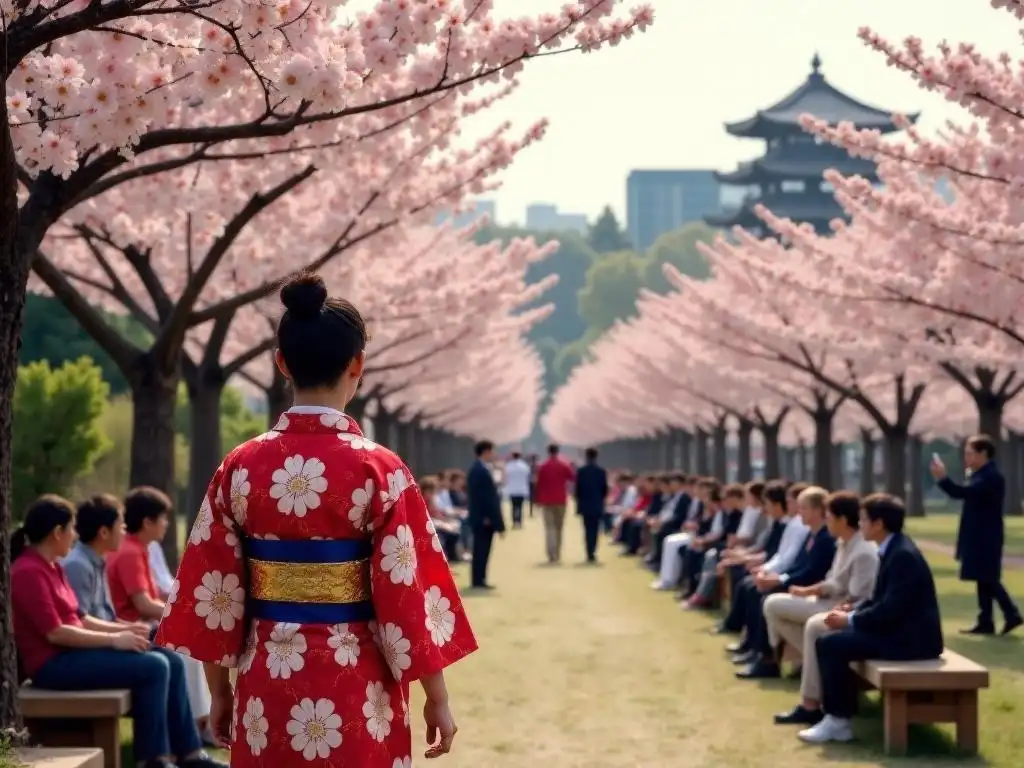
In recent years, there has been a notable resurgence in the interest and appreciation for traditional Japanese feudal games. This revival is not only a reflection of nostalgia but also a recognition of the cultural significance these games hold in Japan’s rich historical tapestry. Individuals and communities are increasingly seeking to connect with their heritage, leading to a renaissance of these pastimes that once thrived in feudal society.
Modern Interest in Feudal Games
The modern interest in feudal games can be attributed to several factors. Firstly, there is a growing movement among younger generations to rediscover traditional Japanese culture, which includes music, art, and of course, games. Events such as cultural festivals often showcase traditional games, drawing crowds eager to experience a piece of history firsthand. Moreover, social media platforms have played a crucial role in spreading awareness. Videos and posts featuring traditional games like kemari (a form of football) and go (a strategic board game) have garnered substantial attention, sparking curiosity and participation.
Additionally, educational institutions are incorporating traditional games into their curricula as a way to teach students about Japanese history and societal values. This educational approach not only engages students but also fosters a deeper appreciation for the cultural heritage embedded in these games.
Efforts to Preserve and Revive Traditional Games
Various organizations and community groups are actively engaged in efforts to preserve and revive traditional Japanese games. Cultural heritage associations often host workshops and tournaments that encourage participation across all age groups. These events serve as platforms for teaching the rules and history of traditional games, ensuring that knowledge is passed down from one generation to the next.
Furthermore, collaborations between artisans and game developers have also emerged, leading to the creation of modern adaptations of traditional games. These adaptations maintain the essence of the original games while making them more accessible to a contemporary audience. For instance, digital versions of classic board games have been developed, allowing enthusiasts to enjoy them online, thus broadening their reach and appeal.
Conclusion: The Legacy of Traditional Japanese Feudal Games
The legacy of traditional Japanese feudal games is profound, extending beyond mere entertainment to encompass cultural identity and social interaction. These games were not only leisure activities but also important social tools that fostered community bonding and reflected the values of the time.
Lasting Impact on Japanese Culture and Society
The impact of traditional feudal games on Japanese culture and society is enduring. They have influenced various aspects of Japanese life, from art and literature to modern recreational activities. The strategic thinking and social skills developed through games like shogi (Japanese chess) and go continue to resonate with contemporary Japanese society, where strategic planning and community engagement remain valued traits.
Moreover, the aesthetics and philosophies derived from traditional games have permeated other cultural domains, inspiring contemporary art forms and practices. This intertwining of past and present serves as a reminder of the importance of cultural heritage in shaping modern identity.
Encouragement to Explore Traditional Games
As we navigate an increasingly digital landscape, it is crucial to encourage exploration of traditional Japanese feudal games. Engaging with these games not only provides entertainment but also offers valuable insights into Japan's historical and cultural narratives. By participating in traditional games, individuals can cultivate a deeper understanding of Japan's rich heritage and contribute to the ongoing preservation of these cultural treasures. Whether through community events or personal exploration, the invitation is clear: dive into the world of traditional Japanese games and experience the joy they bring.
References and Further Reading on Traditional Japanese Feudal Games
Exploring the world of traditional Japanese feudal games offers a fascinating glimpse into the cultural practices and leisure activities that shaped the lives of people during Japan's feudal era. For those interested in delving deeper into this topic, a variety of resources are available that cover historical, cultural, and social aspects of these games.
Suggested Books and Articles
-
"The Culture of Japan as Seen Through Its Leisure" by Sepp Linhart and Sabine Frühstück
This book provides an in-depth analysis of leisure activities in Japan, including traditional games. It explores how these activities reflect societal values and historical contexts.
-
"Japanese Traditional Games: A Historical Overview" by Michiko Nishida
This article provides a comprehensive overview of various traditional games played during the feudal period, including their origins and significance in Japanese culture.
-
"Games and Play in Japanese Society" by Hiroshi Hirabayashi
This scholarly work investigates the role of games in Japanese society, focusing on how they contributed to social bonding and cultural expression during the feudal era.
-
"Playing with Tradition: The Role of Games in Japanese Culture" by Yuki Takahashi
This book examines the intersection of traditional games and cultural practices, highlighting how play has been a vital part of Japanese heritage.
Online Resources for Exploring Traditional Games
-
National Museum of Japanese History
The museum's website offers resources and exhibitions related to traditional Japanese games, including detailed descriptions and historical contexts of various games played during the feudal era.
-
Japanese Folklore and Traditional Games
This online collection provides an array of resources, including articles, photos, and videos, that showcase the diversity and richness of traditional games in Japan.
-
YouTube Channels Focused on Japanese Culture
Channels such as "Japanology" and "Nihon no Asobi" feature videos that explore traditional Japanese games, demonstrating how they have been played historically and their relevance in modern society.
-
Academic Journals on Japanese Studies
Platforms like JSTOR and Project MUSE host numerous articles and papers that delve into the academic study of traditional Japanese games, offering a wealth of scholarly insights.
These resources serve as a valuable starting point for anyone looking to understand the intricate relationship between traditional games and the cultural fabric of feudal Japan.
- Introduction to Traditional Japanese Feudal Games
- The Evolution of Traditional Japanese Games in Feudal Japan
- Types of Traditional Japanese Feudal Games
- The Role of Traditional Games in Feudal Society
- Traditional Japanese Games in Festivals and Celebrations
- The Decline of Traditional Japanese Feudal Games
- Resurgence and Preservation of Traditional Japanese Games Today
- Conclusion: The Legacy of Traditional Japanese Feudal Games
- References and Further Reading on Traditional Japanese Feudal Games
Frequently Asked Questions
What are traditional Japanese feudal games?
Traditional Japanese feudal games were recreational activities enjoyed during Japan's feudal era, reflecting the culture and societal norms of the time.
How did feudal society influence these games?
Feudal society shaped these games by incorporating class distinctions and cultural values, often mirroring the hierarchical structure of samurai, peasants, and merchants.
What types of games were popular in feudal Japan?
Popular games included board games like Go and Shogi, along with physical activities such as Naginata and archery, which emphasized strategy and skill.
How did traditional games contribute to societal cohesion?
These games fostered community bonding and social interaction, allowing people from different classes to engage and share experiences in a structured environment.
Are there modern equivalents to these traditional games?
Yes, many traditional Japanese feudal games have modern adaptations, maintaining their cultural significance while evolving to fit contemporary gameplay and interests.
Final Reflection: The Enduring Legacy of Traditional Japanese Feudal Games
The exploration of traditional Japanese feudal games reveals a profound connection between play and the cultural fabric of society. In an era defined by rigid social hierarchies, these games provided a unique avenue for joy, creativity, and community bonding. Today, as we navigate a world increasingly dominated by technology and individualism, the lessons from these games remind us of the importance of shared experiences and the joy that can be found in simple pastimes.
Cultural practices, such as traditional Japanese feudal games, continue to resonate in our modern lives, shaping our understanding of community and leisure. These games were not merely forms of entertainment; they were reflections of societal values, fostering connections among people across different classes. As we engage with contemporary forms of play, we should remember the words of the Japanese poet Matsuo Bashō: Every day is a journey, and the journey itself is home.
This sentiment underscores the idea that the essence of play transcends time and space, inviting us to find joy in our shared human experience.
As you reflect on the themes presented in this article, consider how you can incorporate the spirit of traditional Japanese feudal games into your own life. Embrace the joy of play, seek connections with others, and create moments of shared laughter and creativity. In doing so, you not only honor the legacy of these games but also enrich your own life and the lives of those around you. Let us carry forward the wisdom of the past, ensuring that the joy of play remains a vital part of our present and future.
Unleash the Spirit of Play: Dive into Traditional Japanese Games!
Thank you for exploring the fascinating world of traditional Japanese games and discovering how feudal society embraced joy through play. You've gained insights into enriching cultural practices that shaped social interactions and leisure! Now, let’s turn that knowledge into action.
- Try your hand at a traditional Japanese game like Go or Shougi and gather friends for an engaging experience!
- Share your newfound knowledge on social media or within your community—spark curiosity about Japan’s rich cultural heritage!
- Explore more games: Research other lesser-known traditional games and share your discoveries with others!
What traditional game are you most excited to try, and how do you believe it could foster connections among people?