
Food as Status: How Cuisine Reflected Social Hierarchies in Feudal Japan

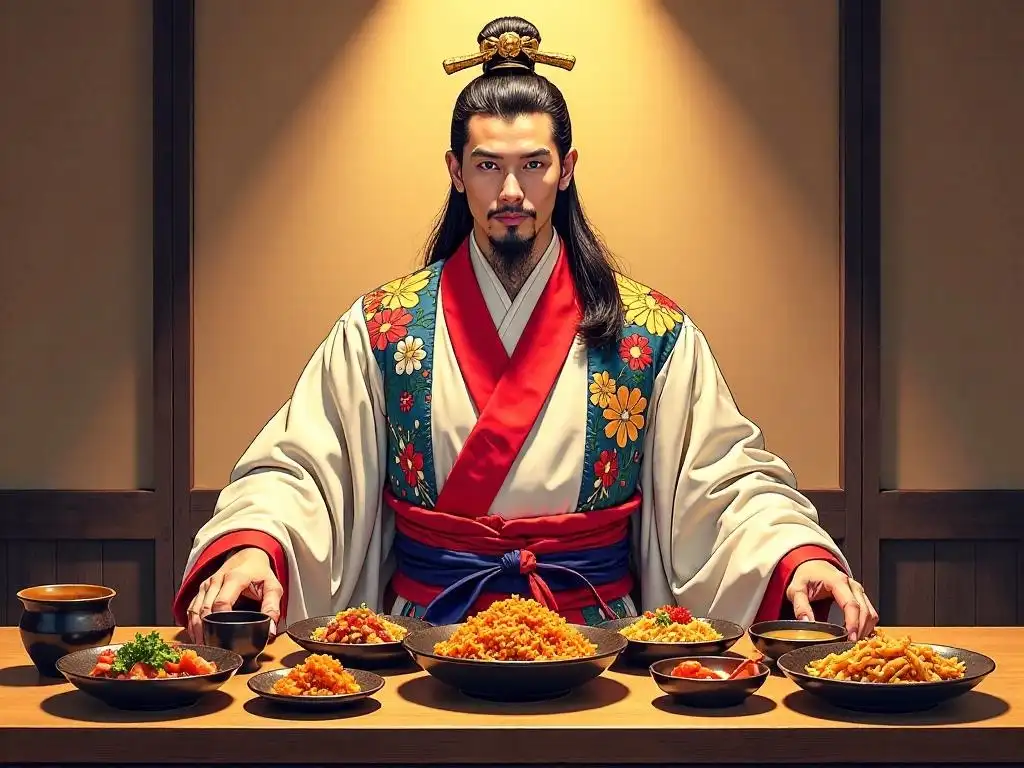
Welcome to Feudal Japan History! Immerse yourself in the intricate tapestry of Japan’s feudal era, where every layer of society reveals fascinating insights into daily life. In our featured article, "Food as Status: How Cuisine Reflected Social Hierarchies in Feudal Japan," we delve into the culinary customs that not only satisfied appetites but also served as a vivid reflection of the complex social structures of the time.
Curious about which delicacies defined nobility and how commoners dined? Join us on this journey through history and culture, and discover how food played a pivotal role in defining status and identity in feudal Japan!
In the complex tapestry of feudal Japan, social hierarchies played a pivotal role in shaping every aspect of life, including culinary practices. The stratification of society during this era was not merely a matter of class; it was intricately tied to the food people consumed, the manner in which it was prepared, and the rituals surrounding meals.
Understanding how cuisine reflected these social hierarchies provides valuable insight into the cultural and societal dynamics of feudal Japan. By examining the relationship between food and status, we can unravel the nuances of daily life and the values upheld by different classes, from the ruling samurai to the peasant farmer.
Overview of Feudal Japan's Social Structure
Feudal Japan was characterized by a rigid social hierarchy that defined individuals' roles and responsibilities. At the apex of this structure were the daimyōs, powerful feudal lords who governed vast estates and commanded armies of samurai. Below them were the samurai themselves, warriors who upheld the code of bushido. The middle tier consisted of artisans and merchants, while the base of the pyramid was populated by peasants, who worked the land. This structure was not only political but also deeply embedded in the cultural fabric of Japan, influencing everything from art to cuisine.
| Class | Description |
|---|---|
| Daimyō | Feudal lords with significant power and land |
| Samurai | Warrior class, adherents of bushido |
| Artisans | Skilled craftsmen producing goods for trade |
| Merchants | Traders who facilitated commerce |
| Peasants | Farmers who formed the backbone of society |
Importance of Food in Cultural Representation
Food in feudal Japan was more than sustenance; it was a cultural symbol that conveyed status, identity, and values. The types of ingredients used, the complexity of dishes prepared, and the manner of serving food were all reflections of one's social standing. For instance, while the upper classes indulged in a variety of seasonal ingredients and elaborate presentations, the lower classes often had to make do with simpler, more utilitarian meals. This disparity not only highlighted economic differences but also reinforced the cultural ideals of hierarchy and respect within society.
Cuisine during feudal Japan served as a critical marker of social status, with certain foods being exclusive to specific classes. The claim to certain dishes was not just about taste; it was a reflection of power, prestige, and cultural heritage. By understanding the significance of traditional foods and the influence of geography on culinary practices, we can better appreciate how food functioned as a status symbol.
Traditional Foods and Their Significance
Traditional Japanese cuisine varied widely across different social classes, with each class having distinct preferences and access to certain foods. For example, the samurai and daimyōs often enjoyed kaiseki, a multi-course meal that showcased seasonal ingredients and intricate presentation. In contrast, the peasant diet was more limited, typically consisting of rice, vegetables, and occasionally fish. The preparation and presentation of food were also significant; elaborate meals were often accompanied by specific etiquette that reinforced social norms.
- Kaiseki: A ceremonial multi-course meal reserved for the elite.
- Sushi: Initially a preservation method, evolved into a luxury item for the wealthy.
- Miso Soup: A staple found in all classes, but variations existed based on class access to ingredients.
Regional Variations: How Geography Influenced Cuisine
Geography played a vital role in shaping the culinary landscape of feudal Japan, influencing not only the types of food available but also the preparation methods and cultural significance attached to them. Coastal regions had access to fresh fish and seafood, while mountainous areas relied more on agriculture and foraged goods. This geographical diversity led to distinct regional cuisines, with certain foods becoming emblematic of specific areas.
- Hokkaido: Known for its seafood and dairy products.
- Kanto: Famous for sushi and rice dishes.
- Kansai: Renowned for its rich culinary traditions, including obi (simmered dishes).
By exploring these elements, we gain a clearer understanding of how food was not just a means of sustenance but a powerful indicator of social hierarchies in feudal Japan.
Class Distinctions in Diet: Nobility vs. Commoners
In feudal Japan, the diet was a clear reflection of the social hierarchies that defined the era. The distinctions between the food consumed by the nobility and that of the commoners were stark, highlighting not only differences in lifestyle but also the cultural values associated with each class. The samurai, as the warrior class, enjoyed access to a wide variety of foods, often featuring expensive ingredients and elaborate preparation methods. In contrast, commoners, including farmers and laborers, had a more limited diet that was primarily based on what they could grow or procure locally.
The nobility's meals often included meat, fish, and imported delicacies, showcasing their wealth and status. In contrast, the diet of the common people was predominantly vegetarian, consisting mainly of rice, vegetables, and occasionally fish. This division in diet not only illustrated economic disparities but also reinforced the social structure, where the quality and variety of food became a symbol of one’s position within society.
Foods of the Samurai Class
The samurai class enjoyed a diverse and lavish diet, heavily influenced by their status and the resources available to them. Their meals often included high-quality rice, which was considered a staple, accompanied by a variety of side dishes such as grilled fish, pickled vegetables, and occasionally meat, particularly from game animals like deer and boar.
Luxury items, including delicacies such as sashimi and sushi, became popular among the samurai, often prepared with the freshest ingredients available. Moreover, elaborate dishes such as kaiseki, a multi-course meal emphasizing seasonal ingredients, reflected the samurai's refined tastes and appreciation for aesthetics in dining. The presentation of food was equally important, with intricate plating and garnishes that demonstrated both skill and wealth, further distinguishing the samurai from the lower classes.
Peasant Diet: Staples and Limitations
The peasant diet was far more austere, driven by necessity and the limitations of agricultural production. Rice served as the primary staple, but due to economic constraints, it was often replaced with barley or millet, which were more affordable and easier to cultivate. Vegetables such as turnips, radishes, and various greens made up the bulk of their meals, alongside legumes like soybeans.
Fish was a common protein source for coastal communities, while inland peasants relied on foraged foods and the occasional small game. Meals were typically simple, often boiled or steamed, and lacked the variety and sophistication found in the samurai diet. This disparity in food consumption not only highlighted the economic limitations faced by the lower classes but also underscored the social hierarchies that dictated access to resources and culinary experiences.
The Role of Festivals and Feasts in Social Hierarchies
Festivals and feasts played a significant role in reinforcing social hierarchies in feudal Japan. These events provided opportunities for the nobility to showcase their wealth and status through extravagant banquets that featured an abundance of food and entertainment. During these gatherings, elaborate dishes were served, and the presentation of food was as important as the food itself, often involving intricate designs and seasonal themes that reflected the host's affluence.
For commoners, festivals also held importance, but their celebrations were markedly different in scale and substance. While they might enjoy communal meals, these occasions were often characterized by simpler fare, such as rice cakes and seasonal vegetables. The contrast between the festivals of the samurai and those of the commoners further emphasized the existing social stratifications, as the nobility’s lavish celebrations reinforced their superior status within the feudal hierarchy.
Rituals and Ceremonies: Food as a Symbol of Status
Food in feudal Japan was not merely sustenance; it was imbued with cultural significance and served as a powerful symbol of social status. Various rituals and ceremonies revolved around food, highlighting its role in both personal and communal identity. These practices allowed individuals and families to express their social standing and cultural values, reinforcing the established hierarchies of the time.
Tea Ceremony: A Reflection of Zen and Status
The tea ceremony, or chanoyu, epitomized the intersection of food, ritual, and social status in feudal Japan. Originating from Zen Buddhist practices, the tea ceremony was a highly formalized event that emphasized simplicity, mindfulness, and aesthetics. The preparation and serving of tea were steeped in tradition, with each movement carefully choreographed to reflect discipline and respect.
For the samurai and the upper classes, participating in the tea ceremony became a means to display their cultural refinement and social standing. The choice of tea, utensils, and the setting all contributed to the overall experience, allowing hosts to convey their status through the careful selection of high-quality materials and an aesthetically pleasing environment. The tea ceremony not only served as a spiritual practice but also as a social event that reinforced the participants' positions within the feudal hierarchy.
Banquets and Their Cultural Significance
Banquets in feudal Japan were grand affairs that showcased the wealth and power of the host, particularly among the samurai and nobility. These gatherings often featured a variety of seasonal dishes, skillfully prepared and presented to impress guests and solidify social ties. The elaborate nature of these banquets served multiple purposes: they were occasions for diplomacy, celebration, and the demonstration of one’s status and influence.
Each banquet was carefully planned, with attention to the guest list, menu, and even the seating arrangements, which reflected the hierarchical nature of feudal society. The higher one's status, the more prestigious the seating position. This practice illustrated the intricate social dynamics at play, where food served as both a literal and figurative representation of power, wealth, and societal roles. Through these communal meals, the fabric of feudal society was woven tighter, with food acting as a medium for both connection and distinction among its members.
The Influence of Buddhism and Shintoism on Cuisine
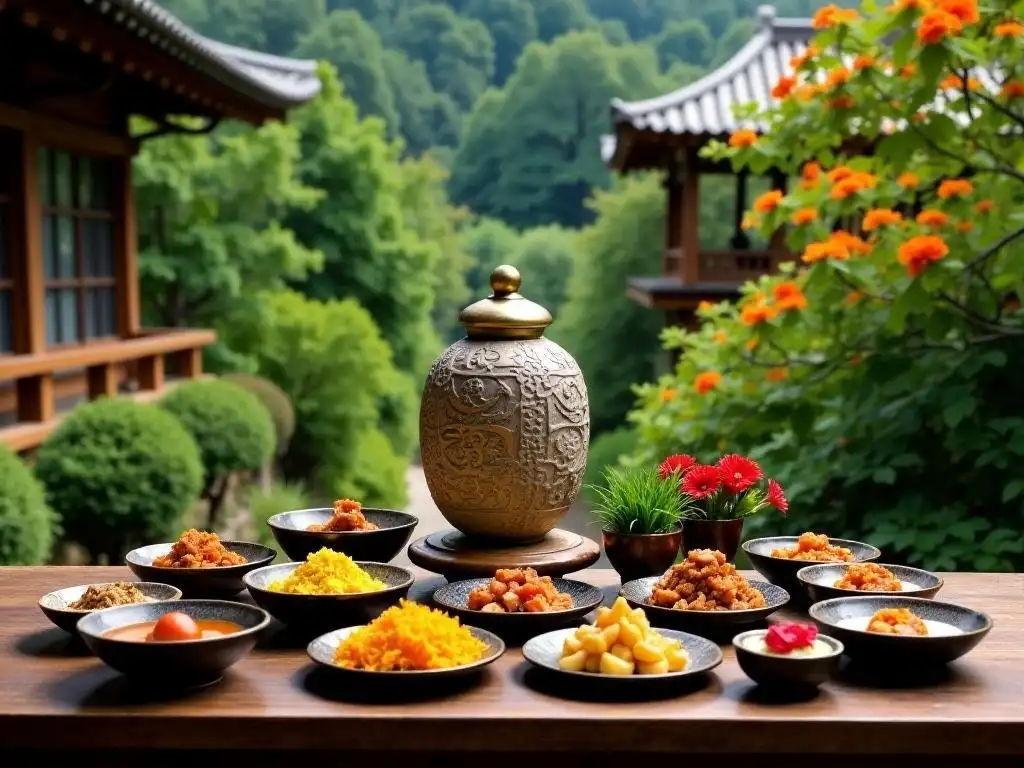
Buddhism and Shintoism played pivotal roles in shaping the culinary practices of feudal Japan, reflecting the spiritual beliefs and social norms of the time. Buddhism, which arrived in Japan during the 6th century, introduced the concept of ahimsa, or non-violence, which led to a significant emphasis on vegetarianism. This dietary practice was not merely a reflection of personal choice; it became a status symbol among the elite who adhered to Buddhist teachings.
Moreover, Shintoism, the indigenous spirituality of Japan, emphasized the importance of purity and the seasonal aspects of life. The Shinto belief in kami (spirits) residing in natural elements influenced the Japanese to consume seasonal foods, which were considered offerings to these deities. The meals prepared during festivals and rituals often included ingredients that were fresh and locally sourced, showcasing the connection between food, spirituality, and social standing.
The interplay between these religions and cuisine created a complex hierarchy where food choices were laden with moral and spiritual significance. The elite would often showcase their wealth and status through elaborate meals that adhered to these religious principles, thereby reinforcing their social position within the feudal structure.
Vegetarianism and its Status Implications
During the feudal era, vegetarianism was not just a dietary choice; it was intertwined with one's social identity and moral standing. The samurai class, in particular, often adopted vegetarian diets as a way to embody the principles of Buddhism. Consuming meat was sometimes viewed as a reflection of a lack of discipline or spiritual failure.
As such, the practice of vegetarianism became a marker of sophistication and piety among the nobility. The types of vegetarian dishes prepared were intricate and often involved seasonal vegetables, demonstrating culinary skill and an appreciation for nature. This not only elevated the samurai's status but also reinforced the societal belief that true strength came from restraint and moral integrity, contrasting sharply with the more meat-heavy diets of the lower classes.
Seasonal Foods and Their Spiritual Significance
The concept of seasonal foods in feudal Japan was deeply rooted in the cultural and spiritual beliefs of the time. Each season brought specific ingredients that were celebrated through seasonal festivals, reflecting the cyclical nature of life and the connection to the kami. For instance, the arrival of spring was marked by the consumption of bamboo shoots and wild plants, while autumn was celebrated with chestnuts and persimmons.
These foods were not only important for sustenance but were also imbued with spiritual significance. Consuming seasonal ingredients was seen as a way to honor the gods and express gratitude for nature's bounty. This practice highlighted a hierarchy where the consumption of high-quality, seasonal foods was primarily accessible to the wealthier classes, while the lower classes often had to rely on preserved or less desirable ingredients.
In this context, the presentation and preparation of seasonal dishes became a reflection of one’s status. The elite would often engage in extravagant meals that showcased seasonal ingredients, further distinguishing themselves from the common populace.
The evolution of food and its relationship to social hierarchies in feudal Japan illustrates the dynamic interplay between culture, economy, and class structure. As Japan transitioned from the Heian period (794-1185) to the Edo period (1603-1868), the culinary landscape underwent significant transformations that mirrored shifts in societal norms and hierarchies.
Changes from the Heian to the Edo Period
During the Heian period, the aristocracy enjoyed a refined culinary culture characterized by elaborate kaiseki meals, which were meticulously prepared and presented. The emphasis was on aesthetics, taste, and the use of seasonal ingredients, reflecting their elevated status and cultural sophistication. However, as the political landscape shifted and the samurai class rose to power during the Edo period, the focus of cuisine began to change.
The Edo period saw the emergence of a more egalitarian food culture, where urbanization and trade allowed for a wider variety of ingredients to become accessible to the lower classes. While the samurai and elite still enjoyed luxurious meals, the common people began to develop their culinary practices, leading to the creation of dishes like sushi and tempura. This democratization of food shifted the perception of culinary status, illustrating how social hierarchies were evolving alongside economic changes.
Impact of Trade and Foreign Influence on Japanese Cuisine
The influx of foreign trade during the late feudal era significantly impacted Japanese cuisine, introducing new ingredients and cooking techniques that would reshape traditional practices. Contact with the Portuguese and Dutch traders brought items such as potatoes, tomatoes, and various spices that slowly integrated into Japanese cooking.
This foreign influence, while initially met with resistance, ultimately enriched the culinary landscape of Japan, leading to hybrid dishes that reflected both local and international flavors. The incorporation of these new foods created opportunities for the lower classes to experiment with their diets, thereby blurring the lines of culinary exclusivity previously upheld by the elite.
However, despite these changes, food remained a powerful symbol of social hierarchy. The elite continued to emphasize traditional practices and seasonal ingredients, while the common populace embraced the new offerings in a way that still highlighted their economic status. Thus, cuisine continued to serve as both a reflection and reinforcement of the prevailing social hierarchies throughout feudal Japan.
Food in feudal Japan was not merely sustenance; it was a significant marker of social identity and status. The types of ingredients, preparation methods, and even the presentation of meals varied dramatically across the social strata, from the ruling samurai class to the peasant farmers.
Through the examination of culinary practices and dietary restrictions, we can glean insights into the rigid social hierarchies that characterized this era. The nuances of feudal Japanese cuisine serve as a reflection of the broader societal values and power dynamics at play, illustrating how food became a medium for expressing one's position within the social order.
Reflecting on the Importance of Cuisine in Historical Context
Cuisine in feudal Japan was deeply intertwined with cultural and historical factors. The samurai, who epitomized the warrior class, often consumed sophisticated dishes that symbolized their status and adherence to bushido, the way of the warrior. Foods such as sushi, sashimi, and elaborate kaiseki meals were not just meals but statements of refinement and discipline. In contrast, the lower classes had limited access to a diverse range of ingredients and often relied on simple, seasonal fare, such as rice, vegetables, and fish.
The disparities in diet highlight the significant impact of social hierarchy on daily life. For instance, the ruling elite had the privilege of enjoying imported delicacies and seasonal ingredients, while the peasants faced restrictions that influenced their culinary practices. This division not only affected what was eaten but also how food was perceived in society—where lavish banquets showcased wealth and influence, and humble meals were a testament to survival and endurance.
Final Thoughts on Social Hierarchies and Culinary Practices
The relationship between food and social hierarchies in feudal Japan reveals much about the complexities of its society. Culinary practices were a reflection of not only individual status but also collective cultural norms. The samurai's elaborate meals demonstrated their power, while the simplicity of peasant food underscored their subjugation.
Understanding these dynamics allows us to appreciate how food served as a social marker, influencing interactions among classes and shaping cultural identities. As we reflect on this historical context, it becomes evident that cuisine was more than a means of nourishment; it was a crucial component of social structure, embodying the values, beliefs, and power relations that defined feudal Japan. By studying these culinary practices, we gain a richer understanding of the intricate tapestry of social hierarchies that characterized this pivotal period in Japanese history.
- Introduction to Social Hierarchies in Feudal Japan
- The Role of Cuisine in Establishing Social Status
- Class Distinctions in Diet: Nobility vs. Commoners
- Rituals and Ceremonies: Food as a Symbol of Status
- The Influence of Buddhism and Shintoism on Cuisine
- The Evolution of Food and Social Hierarchies Over Time
- Conclusion: Food as a Lens to Understand Social Hierarchies in Feudal Japan
- What role did cuisine play in social hierarchies in feudal Japan?
- How did the availability of ingredients affect social status?
- Were there specific dishes associated with certain social classes?
- Did social hierarchies influence how food was prepared and served?
- How did cultural practices around food reflect social divisions?
Frequently Asked Questions
Cuisine was a significant indicator of social status, with elaborate dishes and rare ingredients reserved for the upper classes, while simpler meals were common among the lower classes.
The availability of ingredients varied by region and class; the elite had access to luxury foods like sushi and sake, while commoners often relied on rice and vegetables for sustenance.
Yes, certain dishes were emblematic of social classes. For example, kaiseki dining was a ritual of the nobility, showcasing their wealth and sophistication, while ramen was a staple for the working class.
Absolutely. Social hierarchies dictated not just the ingredients but also the preparation methods and presentation styles, with higher classes enjoying more elaborate meals served in intricate styles.
Cultural practices around food, including ceremonies and festivals, reinforced social divisions, as upper classes often participated in elaborate feasts that emphasized their status, while lower classes engaged in communal and simpler meals.
Final Reflection: The Enduring Legacy of Culinary Status in Feudal Japan
The exploration of social hierarchies in feudal Japan through the lens of cuisine reveals a profound connection between food and power that resonates even today. As we navigate a world where social stratification persists, understanding how culinary choices reflected societal status in the past can illuminate our contemporary struggles with inequality. The intricate relationship between food and social standing serves as a striking reminder that what we consume often speaks volumes about who we are and where we belong.
Cuisine has always been a powerful marker of identity and status, shaping not only personal experiences but also broader cultural narratives. The rituals surrounding food in feudal Japan were not merely about sustenance; they were a reflection of the intricate social tapestry that defined the era. As we witness the ongoing influence of these historical practices, we can appreciate how they inform our modern culinary landscape. Food is not just what we eat; it is a reflection of our culture, our values, and our social structures.
This quote encapsulates the essence of how food continues to serve as a lens through which we can examine societal dynamics.
As you reflect on the lessons drawn from the culinary traditions of feudal Japan, consider how these insights can inspire your own understanding of social hierarchies today. What role does food play in your life, and how does it connect you to your community or social identity?
Embrace the opportunity to engage with the diverse culinary practices around you, recognizing that each dish carries a story that transcends time. Let this reflection encourage you to not only appreciate the flavors on your plate but also to contemplate the broader implications of food as a symbol of status and belonging in our ever-evolving society.
Savor the Rich Tapestry of Feudal Japan’s Culinary Culture!
Thank you for diving into the fascinating world of feudal Japan's culinary heritage! You've uncovered the intricate ways in which food reflected social hierarchies, and now it's time to take this knowledge even further. Embrace the culture and explore your own connection to this rich history!
Here are a few actionable steps you can take right now:
- Try Cooking a Traditional Dish: **Choose a recipe inspired by feudal Japan** and experience the flavors of the past in your own kitchen.
- Join a Culinary Class or Workshop: **Engage with your community and learn from experts** about the history and techniques behind these traditional cuisines.
- Share Your Culinary Adventures: **Share your experiences on social media** or in the comments section below to connect with fellow enthusiasts and inspire others!
What aspect of feudal Japan's culinary practices intrigues you the most, and how do you think it influences modern dining?