
The Evolution of Feudal Japanese Breakfast: From Simple to Sumptuous

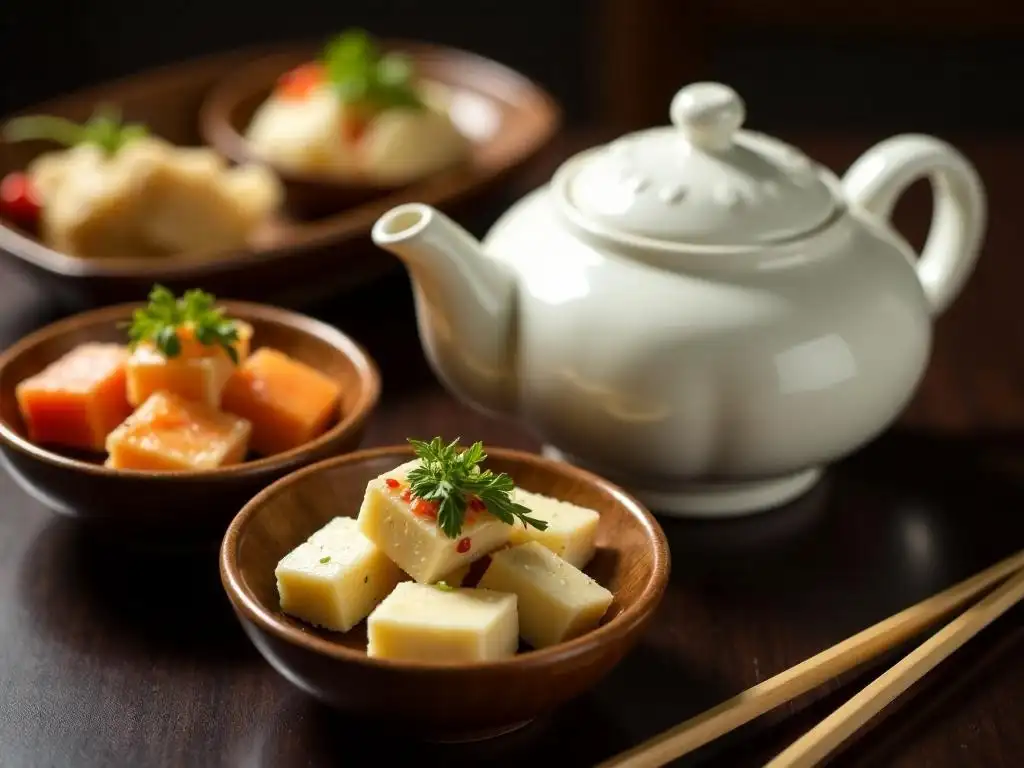
Welcome to Feudal Japan History, where we invite you to embark on a captivating journey through the rich tapestry of Japan's feudal era. In our featured article, "The Evolution of Feudal Japanese Breakfast: From Simple to Sumptuous," we delve into the intriguing world of daily life and societal customs that shaped the way feudal Japanese started their day. Ever wondered how a simple morning meal transformed into a lavish spread?
Join us as we uncover the fascinating history behind the meals that fueled samurai warriors and everyday citizens alike. Your exploration of this deliciously complex topic begins now—don’t miss out!
Introduction to Feudal Japanese Breakfast History
The feudal era of Japan, spanning from the late 12th century to the mid-19th century, was a time of significant social, political, and cultural transformation. Among the many aspects of daily life that evolved during this period, breakfast held a unique place in the hearts and routines of the Japanese people. Understanding the history of feudal Japanese breakfast provides a fascinating lens through which to examine the broader context of societal norms, agricultural practices, and culinary traditions that shaped the lives of the samurai, farmers, and common folk alike.
This article will trace the evolution of breakfast in feudal Japan, exploring how it transitioned from simple sustenance to a more elaborate meal that reflected the complexities of social hierarchy and regional diversity. We will delve into the importance of breakfast, the influences that shaped it, and the role of agriculture in determining breakfast choices throughout this pivotal era.
Importance of Breakfast in Feudal Japan
Breakfast in feudal Japan was more than just a meal; it served as a vital component of daily life. For many, it was the first opportunity to fuel their bodies for the day's labor, whether that meant tending to rice fields, practicing martial arts, or fulfilling the duties of a samurai. In a society where energy and endurance were paramount, breakfast became a ritual that not only nourished but also reinforced cultural values and relationships.
- Nutritional Foundations: Breakfast provided essential nutrition, often featuring rice, miso soup, and seasonal vegetables, ensuring that individuals started their day with the necessary energy to engage in their daily activities.
- Social Context: The composition of breakfast could reflect one's social standing. While samurai might enjoy a more elaborate spread, peasants often relied on simpler fare, emphasizing the disparities within society.
- Cultural Significance: As breakfast rituals developed, they began to incorporate elements of hospitality and family bonding, showcasing the importance of sharing meals within households.
Overview of Feudal Japanese Cuisine
Feudal Japanese cuisine was characterized by its simplicity, seasonal focus, and regional variations. The cuisine evolved under the influences of geography, climate, and available resources, leading to a diverse array of ingredients and cooking techniques. Key elements included:
- Rice as a Staple: Rice was the cornerstone of feudal Japanese meals, including breakfast. Its cultivation influenced agricultural practices and seasonal eating.
- Miso and Fermented Foods: Miso soup, made from fermented soybean paste, became a staple breakfast dish, rich in nutrients and flavor.
- Seasonal Vegetables: Fresh, locally-sourced vegetables were commonly included, reflecting the agricultural practices and seasonal availability of ingredients.
The Origins of Breakfast in Feudal Japan
The origins of breakfast in feudal Japan can be traced back to early agricultural practices and the influences of neighboring cultures. Understanding these origins sheds light on how breakfast evolved over time and how it became integral to Japanese culture.
Early Influences on Japanese Breakfast
The roots of breakfast in Japan can be seen in the simple meals consumed by the early inhabitants of the archipelago. Influences from China and Korea also played a role in shaping Japanese breakfast traditions, introducing new ingredients and cooking techniques:
- Culinary Exchanges: The introduction of rice cultivation from the Asian mainland greatly influenced Japan's food landscape, leading to rice becoming a central component of breakfast.
- Regional Variations: Different regions adopted and adapted these influences based on local resources and climates, leading to a diverse array of breakfast styles.
The Role of Agriculture in Breakfast Choices
Agriculture was the backbone of feudal Japanese society, and it profoundly influenced breakfast choices. The types of crops grown and the seasonal cycles dictated what was available for consumption:
- Rice Cultivation: As rice became the primary food source, its harvest season dictated breakfast compositions, with freshly harvested rice often gracing tables.
- Seasonal Eating: Farmers and households would adapt their breakfast offerings to include seasonal vegetables and fish, emphasizing the connection between agriculture and daily meals.
The history of feudal Japanese breakfast reflects a rich tapestry of influences, traditions, and changes that mirror the broader societal shifts within Japan. As we explore these themes throughout the article, we will uncover the nuances that made breakfast a vital aspect of daily life during this fascinating period.
Simple Breakfasts in the Kamakura Period (1185-1333)
During the Kamakura period, Japanese breakfasts were characterized by simplicity and were primarily designed to provide sustenance for the day ahead. The meals were often quick to prepare and consumed early in the morning, reflecting the practical needs of a society that was heavily focused on agricultural work and military endeavors.
Rice was the staple of the breakfast table, typically served plain or accompanied by pickled vegetables known as tsukemono. The concept of breakfast during this time was not as elaborate as in later periods; rather, it was a straightforward affair that emphasized nutritional value over presentation. Meals were commonly enjoyed by the working class, samurai, and farmers alike, highlighting the egalitarian nature of food consumption during this era.
Typical Ingredients of the Kamakura Breakfast
In the Kamakura period, the breakfast menu was quite basic but included essential ingredients that formed the foundation of Japanese cuisine. The following ingredients were commonly found:
- Steamed Rice (Gohan): The cornerstone of any Japanese meal, rice was typically served plain and was crucial for energy.
- Pickled Vegetables (Tsukemono): These were essential for adding flavor and variety, and they helped in preserving vegetables for longer periods.
- Miso Soup: Although not universally consumed at breakfast, miso soup began to gain popularity during this period, offering a warm, nutritious option.
- Grilled Fish: Fish, such as sardines and mackerel, was often grilled and served alongside rice, providing necessary protein.
These ingredients not only fulfilled the dietary needs of the population but also laid the groundwork for more complex breakfast dishes in the subsequent periods.
Cooking Techniques and Serving Styles
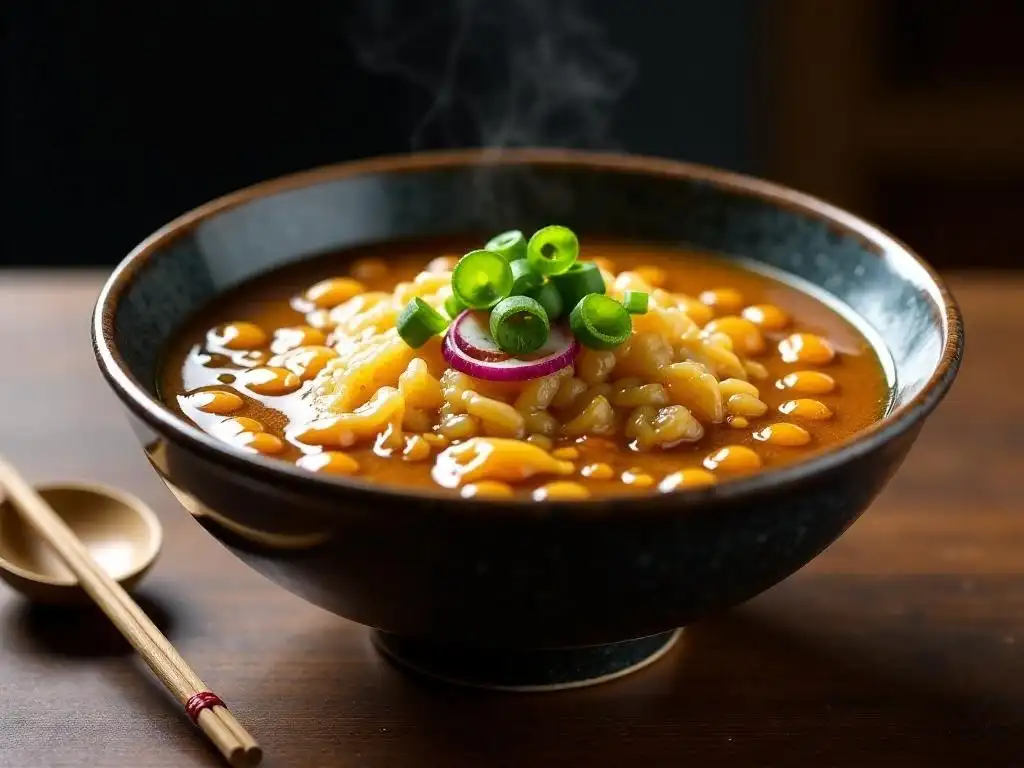
The cooking techniques during the Kamakura period were straightforward, focusing on methods that were efficient and suited to the available resources. Key techniques included:
- Steaming: Steaming rice was a common method, utilizing simple wooden steamer baskets to cook the grain evenly.
- Grilling: Fish was frequently grilled over an open flame or on hot stones, imparting a smoky flavor that complemented the simplicity of rice.
- Pickling: The preservation of vegetables through pickling was essential, as it allowed for the enjoyment of seasonal produce throughout the year.
In terms of serving styles, meals were typically presented in individual bowls, with rice and soup served in separate vessels. This simplicity reflected the utilitarian approach to meals, where the focus was on nourishment rather than aesthetics.
The Muromachi Period (1336-1573) and Breakfast Evolution
With the advent of the Muromachi period, the breakfast experience began to evolve significantly. This era, marked by cultural and artistic developments, saw a shift in culinary practices, where breakfast became more varied and sophisticated. The influence of Zen Buddhism and the rise of the merchant class contributed to a greater appreciation for the presentation and preparation of food.
Introduction of New Ingredients and Flavors
The Muromachi period introduced a variety of new ingredients and flavors to breakfast tables. The influence of trade and cultural exchange led to the incorporation of:
- Soy Sauce: This condiment began to be used more widely, adding depth and umami to meals.
- Eggs: The use of eggs, particularly in the form of tamagoyaki (Japanese omelet), started to appear at breakfast, enhancing the protein offerings.
- Seasonal Vegetables: A greater variety of seasonal vegetables became available, allowing for more colorful and diverse meals.
- Noodles: The introduction of noodles, particularly soba, began to change breakfast dynamics, providing a hearty alternative to rice.
These elements not only diversified the flavor profiles but also increased the nutritional value of breakfast, catering to a broader range of tastes.
Changes in Meal Presentation and Dining Etiquette
As breakfast evolved during the Muromachi period, so too did the presentation and etiquette surrounding meals. The aesthetic aspects of dining were emphasized, reflecting the Zen influence on Japanese culture. Key changes included:
- Plate Arrangement: Meals began to be arranged artistically, focusing on color and balance to create visually appealing presentations.
- Use of Lacquerware: The introduction of lacquered bowls and trays added an elegant touch to the dining experience, elevating the status of breakfast.
- Formalized Dining Etiquette: There was a shift towards more structured dining practices, with an emphasis on manners and the proper use of utensils.
These changes not only transformed breakfast into a more enjoyable experience but also mirrored the broader social changes occurring in Japan, where food became a reflection of cultural identity and aesthetic sensibilities.
The Azuchi-Momoyama Period (1573-1603) and Increased Opulence
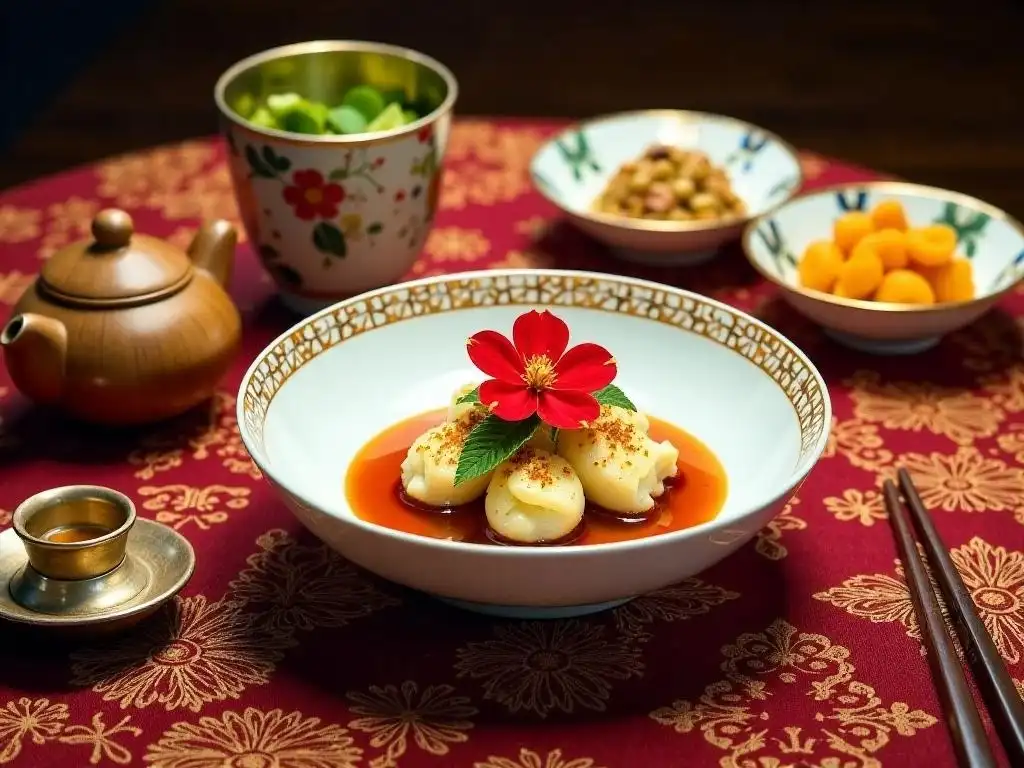
The Azuchi-Momoyama period marked a transformative phase in feudal Japanese history, characterized by significant political and social changes that directly influenced culinary practices, including breakfast. This era, dominated by the powerful warlord Oda Nobunaga and later Toyotomi Hideyoshi, saw the unification of Japan, leading to greater cultural exchange and the emergence of opulence among the nobility.
During this time, breakfast began to reflect the status and wealth of the samurai class and their retainers. While rice remained the staple, the inclusion of various side dishes became more prevalent, showcasing an increasing variety of ingredients. The use of fine ceramics and lacquerware for serving breakfast also became a status symbol, emphasizing the importance of presentation and aesthetics in dining. Furthermore, the influence of Zen Buddhism led to the incorporation of seasonal and regional ingredients, elevating the meal's overall quality and sophistication.
The Influence of Nobility on Breakfast Choices
The nobility played a crucial role in shaping breakfast choices during the Azuchi-Momoyama period. As the samurai class gained power, their breakfast habits began to distinguish them from the common populace. Nobles often dined on elaborate meals that featured not just rice but also a variety of fish, pickled vegetables, and broths made from miso or dashi.
Influenced by the aesthetics of the tea ceremony, breakfast became an opportunity to showcase culinary artistry. The practice of serving multiple, beautifully arranged dishes became common, reflecting the refined tastes of the elite. This emphasis on presentation and variety trickled down to the lower classes over time, gradually changing the breakfast landscape across society.
Emergence of Sumptuous Breakfast Dishes
As the Azuchi-Momoyama period progressed, sumptuous breakfast dishes emerged, incorporating ingredients that were once considered luxurious. Sea bream, for instance, became a favored choice, often served grilled or as sashimi. Additionally, the introduction of seasonal vegetables, such as bamboo shoots and fuki (butterbur), added both flavor and color to the morning meal.
Another notable development was the rise of elaborate breakfast sets known as "ichiju-sansai," which included a bowl of rice, a soup, and three side dishes. This format not only provided a balanced meal but also allowed for a diverse array of flavors and textures. The increased availability of soy sauce and the use of sweet and savory seasonings further enhanced the complexity of breakfast dishes, reflecting the evolving tastes of the time.
The Edo Period (1603-1868): A Culinary Renaissance
The Edo period heralded a culinary renaissance, where feudal Japanese breakfast underwent significant refinement and standardization. With the establishment of a stable government and increased urbanization, the demand for diverse food options grew, leading to the evolution of breakfast practices that catered to the burgeoning merchant class and the general populace.
During this period, breakfast became more structured, with meals often consumed in conjunction with the first tea of the day. The rise of Edo (modern-day Tokyo) as a cultural hub facilitated the exchange of regional culinary techniques and ingredients, enriching the breakfast experience across Japan.
Development of Breakfast Traditions in Urban Areas
As urban centers flourished during the Edo period, distinct breakfast traditions began to emerge. In cities like Edo and Osaka, breakfast was no longer a simple affair; it became a social event. Many establishments catered specifically to breakfast, offering a variety of dishes that highlighted local ingredients.
Rice continued to be the centerpiece, but the introduction of "narezushi" (fermented fish) and "tamago" (Japanese omelet) became popular breakfast staples. The growing influence of food culture led to the establishment of breakfast rituals, where the communal aspect of eating fostered a sense of community among the urban population.
Regional Variations in Feudal Japanese Breakfast
The Edo period also saw the rise of regional variations in breakfast, influenced by local resources and culinary traditions. In coastal areas, breakfast often featured fresh seafood, while in mountainous regions, foraged vegetables and game became more common.
For example, in the Kanazawa region, breakfast might include "kanazawa-gohan," a rice dish topped with seasonal vegetables and fish, whereas in Kyoto, breakfast could consist of "yudofu" (boiled tofu) served with dipping sauces and pickles. This regional diversity not only enriched the breakfast experience but also reflected the broader cultural tapestry of feudal Japan, as different areas developed their unique takes on morning meals.
The evolution of the feudal Japanese breakfast from the Azuchi-Momoyama to the Edo period illustrates a dynamic interplay between social status, culinary innovation, and regional diversity, ultimately leading to the rich breakfast traditions that are celebrated in contemporary Japanese culture.
Key Components of Feudal Japanese Breakfast
The breakfast served in feudal Japan was a crucial meal that reflected the agricultural practices, available resources, and social customs of the time. It typically consisted of a balance of staple foods, accompaniments, and seasonal ingredients, showcasing both simplicity and the evolving tastes of Japanese society. Understanding the key components of feudal Japanese breakfast provides insight into daily life and cultural practices during this era.
Staple Foods: Rice, Fish, and Vegetables
At the heart of any feudal Japanese breakfast was rice, which served not only as a staple food but also as a symbol of sustenance and prosperity. The cultivation of rice, particularly in regions like the Kanto and Kansai, played a crucial role in the Japanese diet. Steamed rice was often accompanied by grilled fish, typically sardines or mackerel, which were plentiful and easy to prepare. Fish provided essential protein and omega-3 fatty acids, contributing to a well-rounded meal.
In addition to rice and fish, vegetables were integral to breakfast. Seasonal produce, such as daikon radish, burdock, and spinach, were often pickled or served fresh. These vegetables not only offered nutritional benefits but also added variety and color to the breakfast table. The use of locally sourced ingredients highlighted the connection between the people and their land, emphasizing a diet that was both sustainable and reflective of regional agricultural practices.
Accompaniments: Miso Soup and Pickles
Accompanying the main staples of rice and fish were two essential components: miso soup and tsukemono (pickled vegetables). Miso soup was a warm, savory broth made from fermented soybean paste, often enriched with tofu, seaweed, and green onions. This soup not only provided warmth and comfort but also contributed to the overall nutritional value of the meal, delivering probiotics and essential minerals.
Tsukemono, or pickled vegetables, served as a tangy contrast to the other components of the breakfast. These pickles, prepared through various methods such as salting, fermentation, or brining, added flavor and texture to the meal. Common varieties included pickled cucumbers, radishes, and eggplants. The presence of tsukemono emphasized the importance of preserving seasonal produce, reflecting a deep-rooted appreciation for the balance of flavors in Japanese cuisine.
The Cultural Significance of Breakfast in Feudal Japan
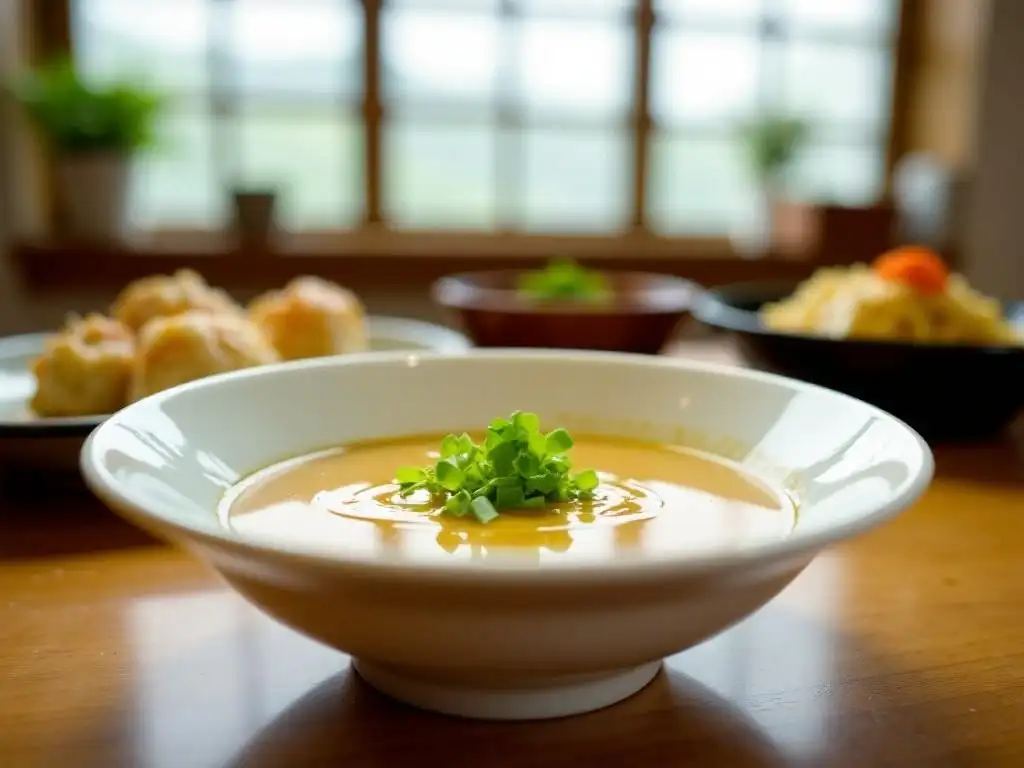
The breakfast ritual in feudal Japan was more than just a functional meal; it held significant cultural and social meaning. It was a time for family bonding, reflection, and preparation for the day ahead. The composition of breakfast varied not only based on regional differences but also according to one’s social standing, showcasing the intricate relationship between food and culture.
Breakfast as a Reflection of Social Status
In feudal Japan, the variety and quality of breakfast foods often reflected the social status of a household. The samurai class, for instance, enjoyed a more lavish breakfast compared to common farmers. While the latter typically had a simple meal of rice and pickled vegetables, the samurai were more likely to have grilled fish, miso soup, and even delicacies such as sashimi or seasoned meats.
The differences in breakfast offerings were indicative of wealth and power. Nobility and wealthy merchants could afford a greater variety of ingredients, which allowed for more elaborate meals. This disparity in breakfast foods served not only as a means of sustenance but also as a demonstration of status and prestige within the rigid class structure of feudal Japan.
Rituals and Customs Surrounding Breakfast
Breakfast in feudal Japan was often accompanied by specific rituals and customs that emphasized its importance in daily life. For many families, breakfast was a communal event where members gathered to share the meal, reinforcing familial bonds and social connections.
Certain rituals, such as the offering of the first bowl of rice to Kannon, the goddess of mercy, were common practices intended to invoke blessings for the household. Additionally, the preparation and presentation of food were approached with a sense of artistry and respect, reflecting the broader cultural values of harmony and balance found in Japanese society.
The significance of breakfast also extended to its role in daily routines. It was considered essential for starting the day on a positive note, as it provided the necessary energy to engage in labor, study, or other activities. As such, breakfast was both a practical necessity and a culturally rich ritual that underscored the complexities of feudal Japanese daily life.
The Transition to Modern Japanese Breakfast
The transformation of Japanese breakfast from the feudal era to modern times reflects broader societal changes and the influence of globalization. During the feudal period, breakfast was often a simple meal, consisting primarily of rice, miso soup, and pickled vegetables. As Japan opened up to foreign influences in the Meiji era, the breakfast landscape began to evolve. The introduction of Western foods, such as bread, eggs, and dairy products, started to reshape the traditional morning meal.
In contemporary Japan, breakfast has become more diverse, with a blend of traditional and Western elements. The modern Japanese breakfast may include items like grilled fish, natto (fermented soybeans), and even pancakes or toast. This evolution signifies not only a shift in dietary habits but also changes in lifestyle and economic conditions, allowing for greater variety and complexity in early-day meals.
How Feudal Breakfast Traditions Influenced Contemporary Cuisine
Feudal Japanese breakfast traditions have left a lasting imprint on modern cuisine, particularly in the emphasis on seasonal ingredients and the principle of balance in meals. The practice of serving multiple small dishes, known as "ichiju-sansai" (one soup, three sides), remains a staple in many households today. This approach promotes nutritional balance and reflects the aesthetic appreciation of food presentation that was cultivated during the feudal era.
Moreover, the ritualistic aspects of feudal breakfasts, such as the careful preparation and the use of fresh, local produce, continue to resonate in contemporary cooking. The importance of rice, miso, and pickles in the morning meal underscores the enduring legacy of feudal breakfast customs, as these elements are still prevalent in modern Japanese cuisine.
Preservation of Feudal Breakfast Elements in Modern Japan
Many aspects of feudal breakfast have been preserved in modern Japan, showcasing a deep respect for tradition. For instance, traditional breakfast items like grilled fish, miso soup, and rice are commonly found in contemporary Japanese households and restaurants. The concept of seasonal eating, which was vital during the feudal period, is still celebrated, with breakfast menus often reflecting the changing seasons.
Additionally, the communal aspect of sharing meals, a practice rooted in feudal times, persists in modern dining culture. Families often gather for breakfast, reinforcing social bonds and cultural heritage. This continuity highlights the significance of breakfast not just as a meal, but as a cultural touchstone that connects generations through shared culinary practices.
Conclusion: The Legacy of Feudal Japanese Breakfast History
The legacy of feudal Japanese breakfast history is multifaceted, encompassing culinary practices, cultural values, and social structures that have evolved over centuries. The transition from simple meals to more elaborate breakfasts illustrates the dynamic nature of Japanese cuisine and its ability to adapt while retaining core traditions.
Summary of Key Evolutionary Changes
Key evolutionary changes in Japanese breakfast include:
- Increased Diversity: Integration of Western foods alongside traditional staples.
- Emphasis on Balance: Continuation of the ichiju-sansai model, promoting nutritional balance.
- Seasonal Awareness: Ongoing celebration of seasonal ingredients in breakfast preparations.
These changes reflect broader shifts in Japanese society, including modernization and globalization, while still honoring historical practices.
Final Thoughts on the Cultural Impact of Breakfast in Feudal Japan
Breakfast in feudal Japan was more than just a meal; it was a reflection of societal norms, agricultural practices, and cultural rituals. The importance placed on food preparation and presentation during this era laid the groundwork for Japan's sophisticated culinary identity today. Understanding the evolution of feudal Japanese breakfast allows us to appreciate not only the food itself but also the rich tapestry of history and culture that continues to influence contemporary society.
- Introduction to Feudal Japanese Breakfast History
- The Origins of Breakfast in Feudal Japan
- Simple Breakfasts in the Kamakura Period (1185-1333)
- Typical Ingredients of the Kamakura Breakfast
- Cooking Techniques and Serving Styles
- The Muromachi Period (1336-1573) and Breakfast Evolution
- Introduction of New Ingredients and Flavors
- Changes in Meal Presentation and Dining Etiquette
- The Azuchi-Momoyama Period (1573-1603) and Increased Opulence
- The Edo Period (1603-1868): A Culinary Renaissance
- Key Components of Feudal Japanese Breakfast
- The Cultural Significance of Breakfast in Feudal Japan
- The Transition to Modern Japanese Breakfast
- Conclusion: The Legacy of Feudal Japanese Breakfast History
- What is the historical significance of breakfast in Feudal Japan?
- How did cultural influences shape Feudal Japanese breakfasts?
- What were the typical ingredients used in Feudal Japanese breakfasts?
- How did the social status of individuals affect their breakfast choices?
- What changes occurred in Feudal Japanese breakfast practices over time?
Frequently Asked Questions
What is the historical significance of breakfast in Feudal Japan?
Breakfast in Feudal Japan was often simple and utilitarian, reflecting the agrarian lifestyle of the time. It evolved to include more elaborate dishes as societal norms changed.
How did cultural influences shape Feudal Japanese breakfasts?
Cultural exchanges, particularly with China, introduced new cooking techniques and ingredients, leading to a diversification of breakfast dishes throughout the feudal era.
What were the typical ingredients used in Feudal Japanese breakfasts?
Common ingredients included rice, fish, pickled vegetables, and miso soup. Over time, these evolved to incorporate seasonal produce and regional specialties.
Higher-ranking individuals enjoyed more elaborate breakfasts, featuring multiple dishes and rare ingredients, while the lower classes typically had simpler, more practical meals.
What changes occurred in Feudal Japanese breakfast practices over time?
With the introduction of new culinary techniques and the influence of Zen Buddhism, breakfasts transitioned from simple rice and soup to multi-course meals, reflecting broader culinary trends and social changes.
Final Reflection: The Rich Tapestry of Feudal Japanese Breakfast History
The evolution of feudal Japanese breakfast reflects not only culinary advancements but also the intricate relationship between culture, society, and daily life. As we explore the journey from simple rice and miso soup to elaborate multi-course meals, it becomes clear that food is a powerful narrative that encapsulates the values and traditions of a society. The transformation of breakfast in feudal Japan is a testament to how culinary practices can mirror the complexities of historical progress and social stratification.
Culinary traditions have always been a reflection of cultural identity, and the feudal Japanese breakfast is no exception. The way breakfast evolved from humble beginnings to a sumptuous affair illustrates the changing dynamics of Japanese society, where food became a symbol of status and refinement. As we delve deeper into this topic, we uncover layers of meaning that resonate with our contemporary understanding of food and culture. Food is not just what we eat; it is a reflection of who we are.
This quote encapsulates the essence of how breakfast in feudal Japan served as a mirror to the societal shifts of the time, influencing not only what was consumed but also how it was perceived.
As you reflect on the rich history of feudal Japanese breakfast, consider how these culinary traditions can inspire your own relationship with food. Embrace the lessons of mindfulness and appreciation that come from understanding the origins of what we eat. Whether you choose to incorporate elements of this history into your own meals or simply take a moment to savor the flavors on your plate, let the evolution of feudal Japanese breakfast remind you of the stories that food can tell. In doing so, you not only honor the past but also enrich your present and future culinary experiences.
Unveil the Richness of Japanese Breakfast Traditions!
Thank you for diving into the fascinating evolution of feudal Japanese breakfast with us! You’ve uncovered how simple morning meals transformed into a culinary art form that reflects culture and history. Now, it's time to take that knowledge a step further!
Here are some engaging ways to deepen your appreciation and understanding of this delightful topic:
- Explore local Japanese restaurants to experience authentic dishes that showcase the rich history of Japanese breakfast.
- Share this article with friends to spark meaningful conversations about the culinary traditions of various cultures.
- Join a cooking class focused on Japanese cuisine, where you can learn to recreate some of these exquisite breakfast meals at home.
As you reflect on these suggestions, we’d love to hear your thoughts: What aspect of feudal Japanese breakfast intrigues you the most, and which dish would you be eager to try first?