
The Significance of the Tea House in Japanese Society and Architecture

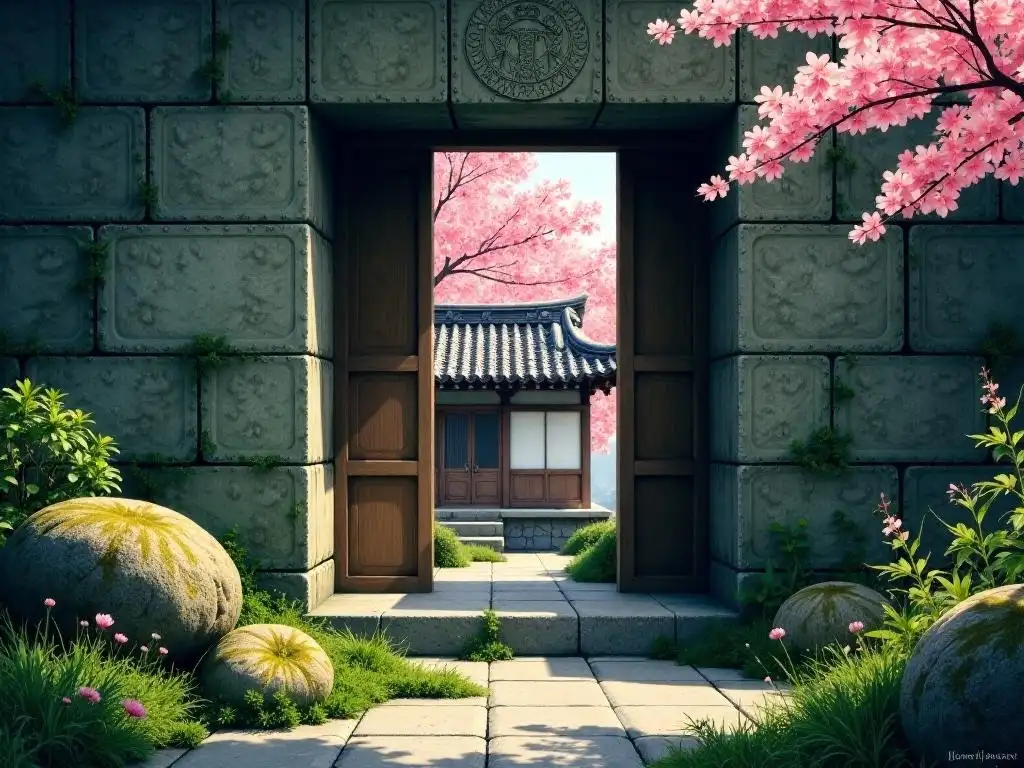
Welcome to Feudal Japan History, where we embark on a captivating journey through the rich tapestry of Japan’s feudal era. Here, we delve deep into the significance of the tea house, an architectural marvel that serves as a window into the cultural and societal intricacies of the time. Ever wondered how these tranquil retreats shaped social interactions and cultural practices? Prepare to uncover the layers of meaning behind the tea house, as we explore its profound impact on Japanese society. Join us as we sip from the cup of history and discover what lies beyond the surface!
The tea house, or chashitsu, occupies a pivotal role in the tapestry of Japanese society and architecture, serving as a space where cultural practices, social interactions, and aesthetic values converge. In the context of feudal Japan, these structures were not merely venues for enjoying tea; they symbolized deeper philosophical and spiritual ideals, reflecting the harmony between nature and human creation.
The significance of the tea house extends beyond its physical form, encapsulating the essence of community and tradition, while playing an integral part in the development of Japanese aesthetics and architectural styles. This article delves into the multifaceted importance of tea houses, exploring their historical roots, architectural characteristics, and their enduring impact on Japanese culture.
Introduction to Japanese Tea Houses
The Japanese tea house is a unique architectural feature characterized by its simplicity and connection to nature. Traditionally constructed from natural materials such as wood and clay, tea houses are designed to promote tranquility and contemplation. They often feature sliding doors, tatami mat flooring, and a carefully curated garden, all of which contribute to a serene environment conducive to the tea ceremony—a ritual that embodies grace, mindfulness, and the appreciation of beauty.
The design of a tea house emphasizes minimalism, aligning with the principles of Zen Buddhism, which advocates for simplicity and mindfulness in daily life. This architectural style not only serves a functional purpose but also creates a space for social interaction and cultural exchange, inviting guests to immerse themselves in the rich traditions of Japanese tea culture.
The Historical Context of Tea Houses in Feudal Japan
The origins of tea houses in Japan can be traced back to the introduction of tea from China during the early Heian period (794-1185). However, it was during the Muromachi period (1336-1573) that the tea house began to emerge as a distinct architectural form, closely linked to the development of the tea ceremony ( chanoyu). This ceremonial practice, refined by figures such as Sen no Rikyū in the late 16th century, transformed the tea house into a symbol of social status and cultural sophistication.
In feudal Japan, the tea house served various functions:
- Cultural Hub: It became a gathering place for intellectuals, artists, and samurai, fostering discussions on philosophy, art, and politics.
- Social Status: The design and location of a tea house often reflected the owner's wealth and influence, becoming a status symbol in feudal society.
- Spiritual Retreat: The tea house was also a place for spiritual reflection, embodying the Zen principles of harmony, respect, purity, and tranquility.
As Japan transitioned through different feudal periods, the tea house maintained its significance, adapting to the changing cultural landscape while retaining its core values. This evolution highlights the enduring relevance of the tea house within the broader framework of Japanese society, illustrating its role as more than just a physical structure, but as a vital element of Japan's cultural heritage.
The Role of the Tea House in Japanese Culture
The tea house, or chashitsu, is an integral part of Japanese culture, symbolizing the harmony between nature and architecture. Historically, these structures served as venues for the traditional Japanese tea ceremony, or chanoyu, which is a ritualized preparation and consumption of matcha (powdered green tea). This ceremony transcends mere beverage preparation; it embodies principles of mindfulness, respect, and tranquility. The tea house acts as a space where individuals can escape the chaos of everyday life, allowing them to engage in deep reflection and connection with others.
The presence of tea houses can be traced back to the 12th century, evolving from simple structures to more elaborate designs that reflect the aesthetics and values of the time. As society transformed during the feudal era, so did the role of the tea house, becoming a microcosm of Japanese social and cultural life. It represents a physical and metaphorical space dedicated to the appreciation of beauty, simplicity, and the fleeting nature of existence, aligning closely with the Zen Buddhist philosophy that permeates many aspects of Japanese culture.
Spiritual and Philosophical Significance of the Tea House
The tea house embodies profound spiritual and philosophical ideals, particularly those rooted in Zen Buddhism. The design and ambiance of a tea house foster a sense of serenity and contemplation, encouraging guests to immerse themselves in the moment. The act of preparing and serving tea is infused with ritual, emphasizing mindfulness and intentionality. This focus on the present reflects the Zen principles of simplicity, humility, and the pursuit of inner peace.
Moreover, the architecture of the tea house is often minimalist, using natural materials such as wood, bamboo, and paper, which underscores the connection to nature. This design philosophy is not merely aesthetic; it aims to create an environment that promotes spiritual reflection and a deep appreciation for the transient beauty of life. The tea house thus serves as a sanctuary where one can engage with the ephemeral aspects of existence, fostering a sense of harmony with the world.
Social Functions of Tea Houses in Feudal Society
In feudal Japan, tea houses played a critical social role beyond their spiritual significance. They served as venues for social gatherings, facilitating interactions among samurai, merchants, and artisans. These spaces were often designed to accommodate various social functions, from intimate discussions to larger gatherings and celebrations. The tea ceremony itself became a means of forging and strengthening social bonds, as it required hosts and guests to engage in a shared experience marked by respect and etiquette.
Additionally, tea houses acted as neutral grounds where individuals from different social classes could interact. This was particularly significant in a society stratified by rigid class distinctions. The ritualistic nature of the tea ceremony helped to level these differences, allowing for meaningful dialogue and the exchange of ideas. Thus, tea houses contributed to the social fabric of feudal Japan, promoting harmony and understanding among diverse groups.
Architectural Features of Japanese Tea Houses
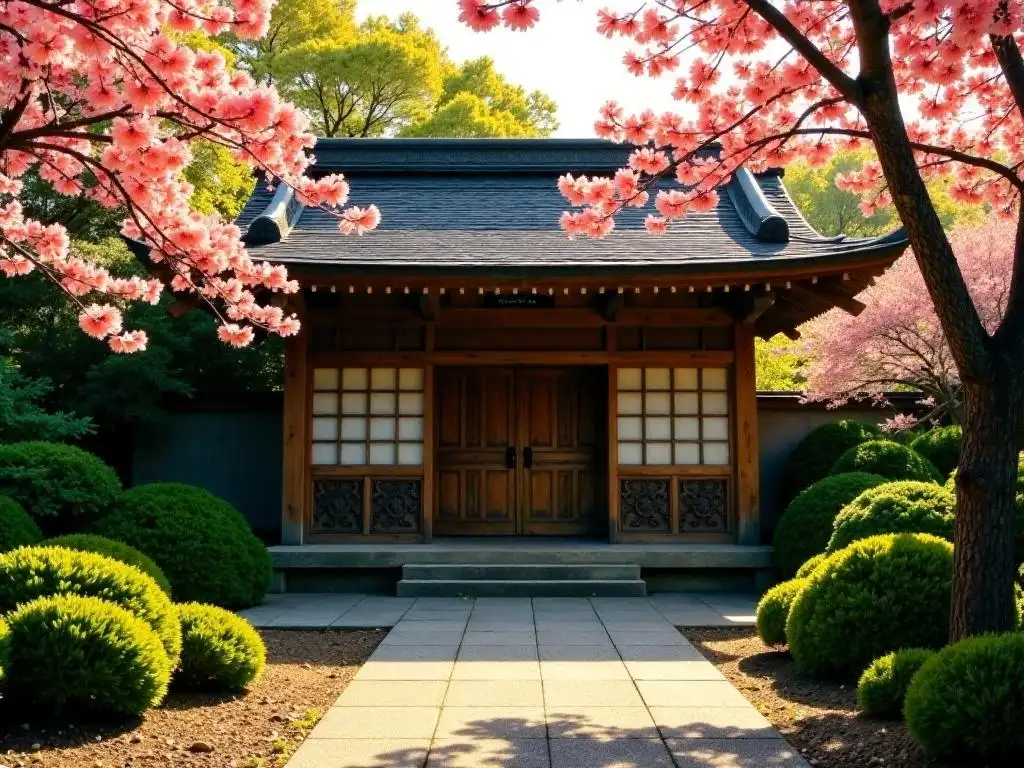
Japanese tea houses are characterized by distinct architectural features that reflect their cultural significance and aesthetic philosophy. These structures are typically low to the ground, designed to blend seamlessly with their natural surroundings. The use of sliding doors, or fusuma, and tatami mat flooring enhances the fluidity of space and creates a welcoming atmosphere. The layout is intentionally simple, often featuring a small alcove, or tokonoma, where seasonal decorations or art can be displayed, further emphasizing the connection to nature and the changing seasons.
Another notable architectural element is the thatched roof, which is not only functional but also symbolizes the harmony between the tea house and its environment. The integration of gardens and outdoor spaces further enhances this connection, allowing guests to appreciate the beauty of nature while participating in the tea ceremony. Overall, the architectural features of tea houses are designed to promote a sense of tranquility and reflection, aligning with their cultural role.
Traditional Design Elements of Japanese Tea Houses
Traditional Japanese tea houses incorporate several key design elements that reflect the principles of wabi-sabi, which celebrates the beauty of imperfection and transience. Materials used in construction, such as unrefined wood and natural stones, are chosen for their tactile qualities and ability to age gracefully. The incorporation of natural light, achieved through shoji screens, creates an inviting ambiance while highlighting the beauty of the changing environment outside.
The layout of tea houses often follows a set architectural style, characterized by a small entrance known as the nijiriguchi, which requires guests to bow as they enter. This act symbolizes humility and respect. The interior is usually minimalistic, with few furnishings, allowing for a focus on the tea ceremony itself. The use of tatami mats adds warmth and texture to the space, further enhancing the sensory experience of the participants.
The Aesthetic Philosophy Behind Tea House Architecture
The aesthetic philosophy behind tea house architecture is deeply rooted in the concepts of simplicity, harmony, and the appreciation of nature. It embodies the ideals of zen, where the design seeks to create an atmosphere conducive to mindfulness and reflection. The intentional use of asymmetry and natural materials in the construction of tea houses reflects a belief in the beauty of imperfection, inviting occupants to appreciate the surroundings without distractions.
This philosophy also extends to the landscaping surrounding tea houses, often featuring elements such as gravel paths, water features, and carefully arranged plants. The gardens are designed to complement the tea house, providing a visually pleasing backdrop that enhances the overall experience of the tea ceremony. By integrating architecture with nature, the tea house serves as a physical manifestation of the harmonious relationship between humans and their environment, emphasizing the importance of tranquility in Japanese culture.
Regional Variations in Tea House Architecture
The architecture of tea houses in Japan is deeply influenced by the diverse regional characteristics, climate, and cultural practices across the country. Each region has developed its unique style, which reflects the local environment and the customs of its people. These variations are not only aesthetic but also functional, designed to harmonize with the surrounding landscape and climate conditions.
In general, tea houses can be categorized into several architectural styles depending on their geographical location, such as the rustic simplicity of the mizuya tea houses in rural areas versus the more refined and intricate designs found in urban settings like Kyoto. The use of materials varies as well, with regions opting for local resources — for example, bamboo and thatch in the countryside, while stone and wood might dominate in city designs.
Differences in Tea House Designs Across Japan
- Kyoto Style: Known for its elegance, tea houses in Kyoto often feature intricate wooden latticework and sliding doors ( fusuma) that blend indoor and outdoor spaces. The use of tatami mats and gardens is prominent, creating an atmosphere of tranquility and refinement.
- Edo Style: In the Edo period, tea houses became more accessible to the common people, leading to simpler designs. These tea houses typically used lighter wood construction and emphasized functionality over formality, with uncomplicated layouts to accommodate larger gatherings.
- Rural Style: In rural regions, tea houses reflect practicality, often constructed with readily available materials like straw and mud. These structures tend to have a more rustic charm, offering a cozy atmosphere that emphasizes connection to nature.
- Modern Adaptations: Contemporary tea houses may incorporate modern architectural elements while maintaining traditional aesthetics. These structures often feature larger windows for natural light and open spaces that encourage social interaction, merging tradition with modern lifestyle needs.
Influences of Local Culture on Tea House Architecture
Local culture plays a significant role in shaping tea house architecture. In regions with a strong emphasis on spirituality and nature, such as places with Shinto shrines or Zen gardens, tea houses are designed to reflect this connection. The integration of natural elements, such as water features and stone pathways, is common, creating a harmonious space for tea ceremonies.
In areas known for their specific crafts or industries, tea houses may showcase local artistry through unique design elements. For instance, in regions famous for pottery, tea houses might use locally crafted tea utensils and display pottery that reflects the area's artistic styles. This not only highlights the culture of the region but also enhances the overall aesthetic of the tea house.
Additionally, the social customs and practices of a region can influence the layout and purpose of tea houses. In places where community gatherings are essential, tea houses may be designed with larger communal spaces, while in areas that value intimacy and privacy, smaller, more secluded tea houses are common.
The Evolution of the Tea House Concept
The tea house has undergone significant transformations throughout Japanese history. Originally, tea houses served as venues for elite gatherings and ceremonial practices, showcasing the wealth and status of their owners. Over time, however, the concept of the tea house expanded to include various functions and demographics, reflecting changes in Japanese society and culture.
Historical Changes in the Function of Tea Houses
In the early days, tea houses were primarily associated with the upper class and were used for formal tea ceremonies. These gatherings were steeped in protocol and aesthetics, emphasizing the refinement of the host and the quality of the tea. However, during the Muromachi period (1336-1573), the practice began to democratize, and tea houses became more accessible to the merchant class and common citizens.
By the Edo period (1603-1868), tea houses evolved into social hubs where people from different walks of life could gather. The function of tea houses shifted from exclusive ceremonial spaces to inclusive venues for social interaction, art appreciation, and even entertainment. This transition marked a significant cultural shift, as tea houses became places of community engagement rather than mere displays of aristocratic privilege.
Modern Interpretations of Traditional Tea Houses
Today, modern interpretations of tea houses continue to honor traditional aesthetics while adapting to contemporary lifestyles. Architects and designers often blend traditional features, such as tatami flooring and sliding doors, with modern materials like glass and steel. This fusion creates a unique space that respects historical significance while catering to modern sensibilities.
Moreover, modern tea houses often emphasize sustainability and environmental consciousness in their designs. Utilizing eco-friendly materials and incorporating elements such as natural ventilation and solar energy solutions, contemporary tea houses reflect a growing awareness of ecological issues, aligning with the Japanese cultural value of living in harmony with nature.
In urban settings, tea houses have transformed into multifunctional spaces, serving not just tea but also as venues for workshops, art exhibitions, and cultural events. This evolution showcases the adaptability of the tea house concept, allowing it to remain a relevant and cherished aspect of Japanese society and culture today.
The Tea House as a Symbol of Japanese Identity
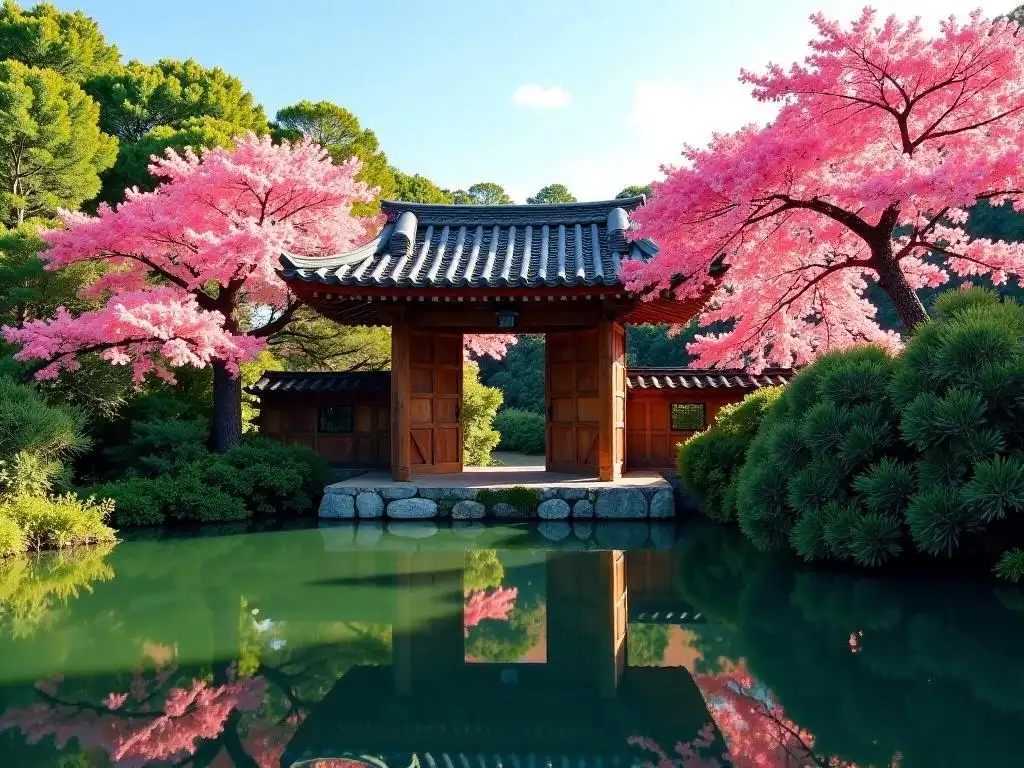
The tea house, or chashitsu, serves as a profound symbol of Japanese identity, embodying the aesthetics, philosophy, and cultural values inherent to Japan. Rooted in the traditions of the tea ceremony, the tea house is not merely a structure; it represents a space where art, nature, and spirituality converge. The simplicity of its design, often characterized by natural materials and minimalistic aesthetics, reflects the Japanese principle of wabi-sabi, which appreciates beauty in imperfection and transience.
Historically, tea houses have been places of refuge and contemplation, fostering a sense of community and connection with nature. The architecture and layout of these spaces are meticulously designed to facilitate harmony and tranquility, reinforcing the cultural importance of mindfulness and respect within Japanese society. As such, the tea house stands as a testament to Japan's enduring values and traditions, making it an integral part of the national identity.
Cultural Preservation and the Tea House
Cultural preservation is intricately linked to the tea house, as these structures serve as repositories of historical and artistic heritage. They are often associated with iconic figures such as Sen no Rikyū, who profoundly influenced the Japanese tea ceremony and its associated architecture during the 16th century. The design and function of tea houses have been carefully preserved over generations, ensuring that traditional practices continue to thrive alongside modern advancements.
In recent years, there has been a resurgence of interest in traditional Japanese culture, with tea houses playing a pivotal role in this revival. Many tea houses offer workshops and ceremonies that educate both locals and tourists about the historical significance of tea culture, thus fostering a deeper understanding and appreciation of Japanese traditions. This cultural preservation not only enhances national pride but also allows future generations to experience and learn from their cultural heritage.
The Tea House's Impact on Contemporary Japanese Society
In contemporary Japanese society, the tea house continues to wield significant influence, serving as a venue for social interaction, artistic expression, and cultural education. Modern tea houses often blend traditional architectural elements with contemporary designs, creating spaces that appeal to a diverse audience while retaining core cultural values. This fusion reflects the dynamic nature of Japanese society, where tradition coexists with innovation.
Moreover, tea houses have become popular destinations for both domestic and international visitors, promoting cultural tourism. They provide a unique experience that allows individuals to engage with Japanese customs, taste traditional tea, and participate in the tea ceremony. This interaction not only enriches the cultural landscape of Japan but also strengthens the global appreciation for Japanese heritage.
Conclusion: The Lasting Significance of Japanese Tea Houses
The lasting significance of Japanese tea houses extends beyond their physical structures; they embody the essence of Japanese culture, philosophy, and community. As symbols of identity, they play a crucial role in cultural preservation and contemporary society, bridging the gap between the past and present. The tea house fosters connections among people, promotes mindfulness, and celebrates the beauty of simplicity inherent in Japanese aesthetics.
In a rapidly changing world, the tea house remains a steadfast reminder of the values and traditions that define Japanese identity. By continuing to engage with and support these cultural institutions, society can ensure that the significance of the tea house endures for future generations, enriching both the local and global understanding of Japan's unique heritage.
References and Further Reading on Japanese Tea House Significance
To gain a deeper understanding of the significance of the Japanese tea house in both society and architecture, several key texts and resources provide valuable insights. These works explore various aspects of tea culture, architectural design, and the historical context of tea houses in Japan.
- Books
- The Book of Tea by Okakura Kakuzō: This classic text discusses the philosophy of tea and its cultural implications in Japanese society. It emphasizes the connection between tea and the arts, providing a profound understanding of the tea house's role.
- Tea Life, Tea Wisdom by John Stevens: This book offers a comprehensive look at the tea ceremony, including the architecture of tea houses. It highlights how these structures contribute to the overall experience of tea drinking.
- Japanese Tea Houses: A Cultural and Architectural Study by Peter J. M. Van Duren: A detailed examination of traditional tea house architecture, this book delves into the design elements and materials used, as well as their historical evolution.
- Journal Articles
- "The Aesthetic Experience of the Japanese Tea House" published in the Journal of Japanese Studies: This article explores the sensory and aesthetic dimensions of tea houses and their impact on social interactions.
- "Tea and Society in Japan: A Historical Perspective" found in the Asian Studies Review: This piece examines the broader social significance of tea in Japan, including the role of tea houses in community gatherings.
- Online Resources
- The Japan National Tourism Organization (JNTO): Provides an overview of tea culture in Japan, including information about traditional tea houses.
- The Urasenke Foundation: Offers resources on the history and practice of tea ceremony, focusing on the significance of the tea house in facilitating this ritual.
- Cultural Institutions
- Tea Ceremony Schools: Many schools, such as the Urasenke and Omotesenke, often have publications and resources detailing the importance of tea houses in the practice of tea ceremony.
- Museums: Institutions like the Nezu Museum in Tokyo frequently host exhibitions and talks that delve into the art and architecture of tea houses.
By exploring these references, readers can develop a richer appreciation for the multifaceted role of the Japanese tea house in historical and contemporary contexts. Whether for its architectural beauty, its function as a space for social interaction, or its embodiment of Japanese cultural values, the tea house remains a significant element of Japan's heritage.
- Introduction to Japanese Tea Houses
- The Historical Context of Tea Houses in Feudal Japan
- The Role of the Tea House in Japanese Culture
- Architectural Features of Japanese Tea Houses
- Regional Variations in Tea House Architecture
- The Evolution of the Tea House Concept
- The Tea House as a Symbol of Japanese Identity
- Conclusion: The Lasting Significance of Japanese Tea Houses
- References and Further Reading on Japanese Tea House Significance
Frequently Asked Questions
What is the significance of the tea house in Japanese culture?
The tea house plays a crucial role in Japanese culture, serving as a space for the traditional tea ceremony, which emphasizes harmony, respect, purity, and tranquility.
How did tea houses influence Japanese architecture?
Tea houses influenced Japanese architecture by promoting simplicity and natural materials, leading to designs that reflect harmony with nature and the surrounding environment.
What are the main elements found in a traditional Japanese tea house?
A traditional Japanese tea house typically includes a tatami mat, a tokonoma (alcove) for displaying art, and a shoji screen, all contributing to a serene and aesthetic environment.
How does the tea house reflect Japanese societal values?
The tea house embodies Japanese societal values such as mindfulness, hospitality, and the importance of community, serving as a gathering place for sharing and connection.
What role does the tea house play in modern Japan?
In modern Japan, the tea house remains a symbol of cultural heritage, providing a space for both traditional tea ceremonies and contemporary gatherings, bridging past and present.
Final Reflection: The Enduring Significance of the Japanese Tea House
The Japanese tea house stands as a profound symbol of cultural heritage, embodying the essence of simplicity, tranquility, and mindfulness that resonates deeply in today's fast-paced world. In an age where the hustle and bustle often overshadow moments of reflection, the tea house invites us to pause, breathe, and appreciate the beauty of our surroundings. Its significance transcends mere architecture; it serves as a sanctuary for connection, contemplation, and the celebration of nature.
Culturally, the tea house has shaped social interactions and artistic expression in Japan, influencing everything from traditional ceremonies to contemporary design. The tea house is not just a physical space but a vessel for fostering relationships and nurturing the spirit. As we witness a resurgence of interest in mindfulness and intentional living, the tea house's principles remain relevant and impactful. The tea ceremony is a way of life that teaches us to appreciate the moment, to find beauty in simplicity, and to cultivate harmony with nature.
This quote encapsulates the ongoing influence of the tea house, reminding us of its role in promoting a deeper understanding of ourselves and our environment.
As we reflect on the lessons imparted by the Japanese tea house, I invite you to consider how you can incorporate its values into your own life. Take a moment to create your own space for reflection, whether it be a corner of your home, a garden, or a quiet café. Embrace the art of slowing down, savoring each moment, and fostering connections with those around you. In doing so, you not only honor the significance of the tea house but also cultivate a richer, more meaningful existence in a world that often rushes by.
Experience the Tranquility of Tea Culture!
Thank you for taking the time to explore the enchanting world of tea houses in Japanese society and architecture! We hope you’ve gained a deeper appreciation for their significance and beauty. Now, it’s time to immerse yourself in this rich tradition and take action!
Here are some exciting ways to deepen your connection with tea culture:
- Visit a local tea house: Experience the calming atmosphere firsthand and engage in a traditional tea ceremony to appreciate its artistry.
- Host your own tea gathering: Invite friends to enjoy the serenity of tea together—consider incorporating elements of the Japanese tea ceremony for a unique twist.
- Join online communities: Share your experiences and insights by connecting with fellow tea enthusiasts on social media or dedicated forums.
What aspect of the tea house tradition resonates most with you? Are you inspired to try a traditional tea ceremony or explore the architecture behind these serene spaces? **We would love to hear your thoughts! **