
The Role of Architecture in Leisure: Exploring the Aesthetic of Japanese Homes

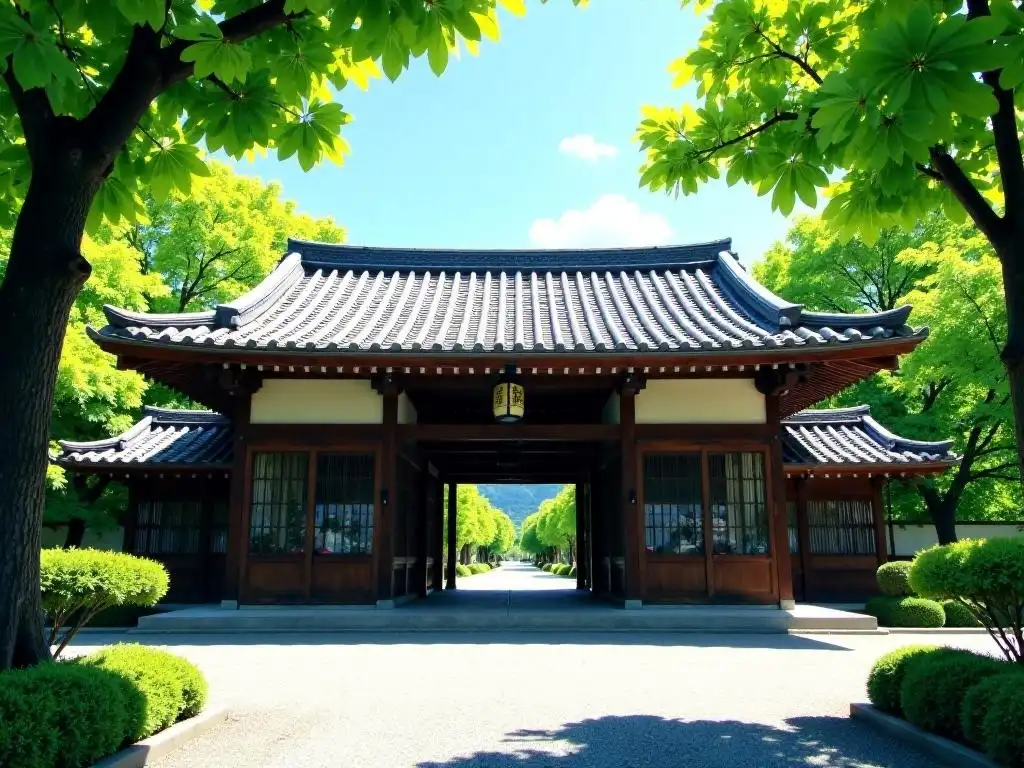
Welcome to Feudal Japan History, where we embark on a captivating journey through the intricate tapestry of Japan's feudal era. Here, you'll uncover the fascinating interplay between culture and society, illuminated by our expert-driven content. In our featured article, "The Role of Architecture in Leisure: Exploring the Aesthetic of Japanese Homes," we delve into the harmonious relationship between Japanese architecture and leisure aesthetics.
What secrets do these elegant structures hold about daily life in feudal Japan? Join us as we unravel the beauty and significance of these architectural marvels, inviting you to explore deeper into a world where history and artistry converge.
Introduction to Japanese Architecture and Leisure Aesthetics
Japanese architecture has long been celebrated for its unique blend of form, function, and aesthetics, particularly during the feudal era, a time when the design of homes was not only a reflection of social status but also a manifestation of cultural values and leisure practices. The aesthetic principles embedded in Japanese architecture have significantly influenced how leisure spaces are crafted and experienced, creating environments that resonate with tranquility and harmony.
This article explores the intricate relationship between architectural design and leisure aesthetics in traditional Japanese homes, highlighting how these elements intertwine to enhance the experience of daily life and relaxation.
Overview of Japanese Architecture in the Feudal Era
During the feudal era (approximately the 12th to the 19th century), Japanese architecture evolved remarkably, characterized by wooden structures, tiled roofs, and sliding doors known as fusuma. Homes were often designed with a focus on simplicity and functionality, reflecting the principles of Zen Buddhism that permeated Japanese culture.
- Key Features:
- Tatami Mats: Used as flooring, these rice straw mats contributed to the aesthetic and sensory experience of leisure.
- Engawa: The veranda or porch provided a seamless transition between indoors and outdoors, encouraging an appreciation of nature.
- Shinto Influence: Architectural elements often incorporated spiritual significance, promoting a sense of peace and connection with the surrounding environment.
The design of these homes not only catered to the practical needs of their inhabitants but also fostered a serene atmosphere, ideal for leisure and reflection.
Importance of Aesthetics in Leisure Spaces
Aesthetics play a crucial role in shaping leisure experiences within Japanese homes. The design elements often prioritize harmony, balance, and a connection to nature, which are essential for promoting relaxation and enjoyment.
- Elements of Aesthetic Design:
- Natural Materials: Wood, paper, and stone are commonly used, bringing the essence of the natural world indoors.
- Minimalism: The use of space is deliberate, often leading to a calming environment that encourages mindfulness.
- Light and Shadow: Strategic placement of windows and doors creates dynamic interactions of light, enhancing the aesthetic experience.
These aesthetic considerations not only reflect the cultural values of the time but also create spaces that invite leisure and contemplation.
Historical Context of Japanese Homes
Understanding the historical context of Japanese homes is essential to appreciate their architectural significance and leisure aesthetics. The evolution of these structures reveals much about the changing lifestyles, social hierarchies, and cultural influences throughout Japan's feudal history.
Evolution of Japanese Architecture Through the Ages
From the early shinden-zukuri style, characterized by raised floors and extensive gardens, to the later sukiya-zukuri style, which emphasized tea houses and leisure spaces, Japanese architecture has undergone significant transformations. Each period introduced new materials, techniques, and aesthetic principles that have shaped the modern understanding of Japanese homes.
- Periods of Change:
- Heian Period (794-1185): Emphasis on aristocratic leisure and gardens.
- Kamakura Period (1185-1333): Introduction of militaristic and functional designs.
- Edo Period (1603-1868): Flourishing of urban architecture and the development of leisure spaces such as tea houses.
These changes not only reflect shifts in social structures but also the evolving understanding of leisure and its importance in daily life.
Influence of Nature on Architectural Design
Nature has always played a pivotal role in Japanese architecture, especially in the design of leisure spaces. The concept of shakkei, or borrowed scenery, is integral to many traditional homes, where the surrounding landscape is incorporated into the architectural aesthetic.
- Natural Elements:
- Gardens: Designed to create a harmonious relationship between the home and its environment, gardens serve as extensions of leisure spaces.
- Water Features: Ponds and streams often enhance the tranquil atmosphere, promoting relaxation.
- Views and Orientation: Homes are commonly oriented to maximize views of mountains, rivers, and seasonal changes, allowing inhabitants to appreciate the beauty of nature from within.
Through this deep connection with the environment, Japanese architecture not only defines the physical space of leisure but also enriches the experiences associated with it, making it a vital aspect of daily life in feudal Japan.
Key Elements of Japanese Architecture in Leisure
Japanese architecture, particularly in the context of leisure, is deeply rooted in cultural traditions and philosophies that emphasize harmony, simplicity, and an intrinsic connection to nature. Several key elements characterize this architectural style, each contributing to the overall aesthetic and functional experience of leisure spaces. These elements include the use of natural materials, open layouts, and thoughtful integration with the surrounding environment. The design often reflects a balance between indoor and outdoor areas, enabling a seamless transition that enhances relaxation and contemplation.
Moreover, the architectural design prioritizes flexibility and adaptability, allowing spaces to serve multiple purposes, whether for social gatherings, quiet reflection, or family activities. This adaptability is crucial in Japanese homes, where leisure is often intertwined with daily life. The incorporation of traditional features such as sliding doors (fusuma) and tatami mat flooring fosters versatility, enabling residents to create spaces that suit their leisure needs while maintaining a sense of aesthetic beauty.
Traditional Materials Used in Japanese Homes
The materials commonly used in Japanese architecture highlight the country's rich natural resources and craftsmanship. Wood is the predominant material, celebrated for its warmth and beauty. Species like cedar and cypress are favored not only for their aesthetic qualities but also for their durability and resistance to moisture, making them ideal for a variety of climates.
In addition to wood, bamboo plays a significant role in leisure architecture, often used for decorative elements and structures like tea houses. Clay and straw are also traditional materials, utilized in wall construction and roofing, contributing to the home’s thermal insulation and aesthetic appeal.
The use of these natural materials aligns with the Japanese philosophy of respecting nature, as they age gracefully and often enhance the beauty of the home over time. This connection to traditional materials not only ensures durability but also embodies the cultural narrative of sustainability and harmony with the environment.
Space and Layout: The Concept of Ma (間)
In Japanese architecture, the concept of ma (間) refers to the idea of space and the intervals between objects, which are integral to the overall experience of a space. This principle emphasizes that the absence of things, such as walls or furniture, can be as important as their presence. It encourages a fluidity of movement and interaction, enhancing the leisure experience through spaciousness and tranquility.
The layout of a typical Japanese home often incorporates open areas that invite natural light and airflow, creating a serene atmosphere conducive to relaxation. This thoughtful arrangement allows for the flexible use of space, catering to various leisure activities. For instance, the incorporation of tatami rooms can serve as a gathering space for social events or as a quiet retreat for reading and meditation, demonstrating how ma influences the functionality of leisure areas.
Moreover, the arrangement often considers the surrounding landscape, ensuring that views of gardens or nature are framed beautifully from within the home. This connection to nature not only enhances the aesthetic appeal but also fosters a sense of peace and well-being.
The Role of Tatami and Futons in Leisure Activities
Tatami mats are a quintessential element of Japanese homes, particularly in leisure contexts. Traditionally made from rice straw and covered with woven rush grass, tatami provides a unique texture and warmth that enhances comfort during leisure activities. These mats are not only used for sitting and sleeping but also play a critical role in social interactions, as they define spaces for gatherings and ceremonies.
Futons, which are lightweight bedding traditionally placed on tatami, further exemplify the concept of adaptable living spaces. During the day, futons can be stored away, allowing the room to transform into an area for socializing, practicing tea ceremonies, or engaging in family activities. This versatility contributes to the aesthetic of leisure by promoting a clutter-free environment that encourages relaxation and mindfulness.
The use of tatami and futons also reflects the Japanese ethos of simplicity and functionality, where each element serves a purpose while maintaining a harmonious aesthetic. This thoughtful integration of furnishings not only enhances comfort but also reinforces the cultural significance of leisure as a shared, intentional experience.
Aesthetic Principles in Japanese Leisure Architecture
Japanese leisure architecture embraces several aesthetic principles that reflect the cultural values of simplicity, harmony, and a deep connection with nature. These principles guide the design of spaces that are not only beautiful but also functional, fostering relaxation and a sense of peace.
Simplicity and Minimalism: The Essence of Wabi-Sabi
At the heart of Japanese aesthetics lies the concept of wabi-sabi, which celebrates simplicity, imperfection, and the beauty of transience. This philosophy is evident in leisure architecture, where designs often favor minimal ornamentation and a muted color palette that promotes tranquility.
The essence of wabi-sabi encourages a focus on natural materials and imperfections, allowing the beauty of age and wear to be appreciated. For instance, wooden beams may display knots and grains, while earthen walls retain the texture of their natural composition. This approach to design fosters an environment that invites reflection and appreciation for the simple moments in life, enhancing the leisure experience.
Harmony with Nature: Integrating Indoor and Outdoor Spaces
Japanese architecture is renowned for its ability to blur the lines between indoor and outdoor spaces, creating a harmonious relationship with nature. This integration is achieved through large windows, sliding doors, and open-air designs that allow for unobstructed views of gardens, forests, or water features.
The intentional placement of windows and terraces invites natural light and fresh air into the home, fostering a sense of connection with the environment. Outdoor spaces, such as gardens, are often designed to be enjoyed from within, encouraging leisure activities like tea ceremonies or simple relaxation while surrounded by the beauty of nature.
By prioritizing this harmony, Japanese leisure architecture promotes well-being and a sense of balance, allowing individuals to unwind and engage with their surroundings in a meaningful way.
Use of Natural Light and Ventilation in Leisure Environments
Natural light and ventilation are crucial components of Japanese leisure architecture, enhancing both comfort and aesthetic appeal. Homes are often designed to maximize sunlight exposure, creating bright and inviting spaces that uplift the spirit. Skylights, large sliding doors, and strategically placed windows allow for ample light during the day, reducing the need for artificial lighting and connecting occupants with the rhythms of nature.
Ventilation is equally important, as it ensures a fresh and comfortable atmosphere within the home. Cross-ventilation techniques are commonly employed, allowing breezes to flow through the space, which is particularly beneficial in warmer months. This design consideration not only enhances comfort but also promotes a healthier indoor environment.
The thoughtful incorporation of natural light and ventilation into leisure spaces fosters a sense of openness and tranquility, encouraging residents to embrace the outdoors while enjoying the comfort of their homes.
The Impact of Japanese Architecture on Leisure Activities
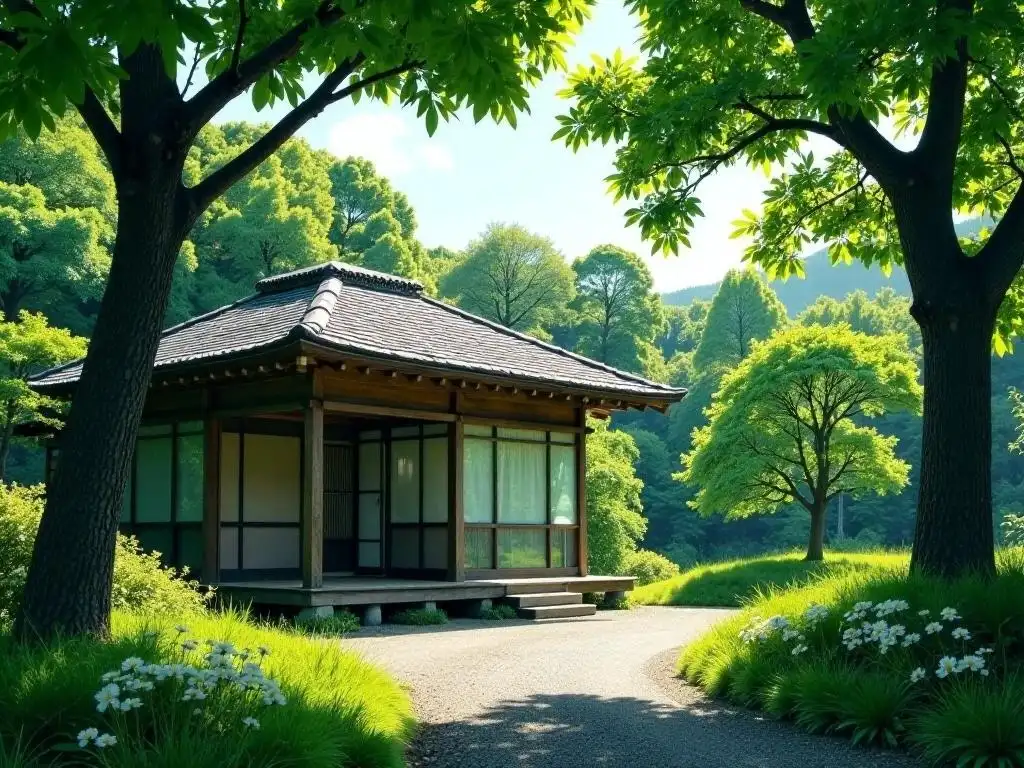
Japanese architecture has profoundly influenced leisure activities throughout history, reflecting the cultural and aesthetic values of society. The design and layout of homes, gardens, and communal spaces have created environments that foster relaxation, social interaction, and a connection to nature. Traditional elements such as sliding doors (fusuma), tatami mats, and open spaces not only define the aesthetic of Japanese homes but also facilitate various leisure activities.
The integration of nature into architectural design, particularly in rural areas, emphasizes the importance of outdoor leisure. Structures are often positioned to offer picturesque views of gardens, mountains, or water features, enhancing the overall experience of leisure. In urban settings, the architecture of parks and public spaces similarly encourages gathering and recreation, reflecting Japan's unique approach to balancing tradition with modern living.
Social Gatherings and Community Spaces
Social gatherings in Japan are often centered around well-designed communal spaces that encourage interaction and leisure. Traditional homes typically feature a central courtyard or garden, which serves as a gathering point for family and friends. The layout promotes an atmosphere of openness, where individuals can come together, share meals, and engage in activities such as games or storytelling.
Moreover, community spaces like shrines, temples, and parks are integral to Japanese social life. These spaces are designed to accommodate festivals, seasonal celebrations, and communal activities, fostering a sense of belonging. The architecture of these places often incorporates elements that enhance leisure, such as benches, shaded areas, and scenic pathways, allowing people to unwind and socialize amidst nature.
The Role of Tea Houses in Japanese Culture
Tea houses, or chashitsu, hold a significant place in Japanese culture, serving as dedicated spaces for the practice of the tea ceremony (chanoyu). These structures are characterized by their simplicity and connection to nature, often featuring tatami flooring, sliding doors, and carefully curated gardens. The design of tea houses emphasizes tranquility and mindfulness, making them ideal for leisurely activities that promote reflection and relaxation.
The aesthetics of tea houses are deeply intertwined with the principles of wabi-sabi, which celebrates imperfection and transience. This philosophy enhances the overall experience of leisure by encouraging individuals to appreciate simple pleasures, such as the beauty of a tea bowl or the sound of water in a garden. In this way, tea houses not only serve as venues for socializing but also as spaces for personal contemplation and leisure.
Influence of Zen Gardens on Leisure and Relaxation
Zen gardens, or karesansui, epitomize the essence of leisure and relaxation in Japanese architecture. These minimalist landscapes, often composed of gravel, rocks, and carefully placed plants, are designed to evoke tranquility and contemplation. The aesthetic simplicity of Zen gardens encourages mindfulness, allowing individuals to engage in meditative practices while enjoying the serene environment.
The architectural design of Zen gardens is closely linked to the concept of space and balance, creating an atmosphere conducive to relaxation. Visitors can walk through these gardens, experiencing the calming effects of nature while reflecting on their thoughts. This interplay between architecture and leisure activities emphasizes the importance of environment in promoting well-being and relaxation, making Zen gardens an essential element of Japanese leisure aesthetics.
Case Studies of Iconic Japanese Leisure Spaces
Analysis of Traditional Ryokan (旅館) and Their Architectural Features
Ryokan, traditional Japanese inns, serve as prime examples of architecture designed for leisure. These establishments typically feature wooden structures, tatami-matted rooms, and sliding shoji doors that seamlessly integrate indoor and outdoor spaces. The architectural layout encourages guests to immerse themselves in the natural surroundings, enhancing their relaxation experience.
The design of ryokan often includes communal baths (onsen) and gardens, emphasizing the importance of nature in leisure. Guests are invited to unwind in soothing hot springs while enjoying the serene landscapes. The hospitality culture within ryokan, which emphasizes personalized service and attention to detail, further enhances the leisure experience, making it a cherished aspect of Japanese culture.
Exploring the Aesthetic of Kyoto's Historic Machiya Houses
Machiya houses, traditional wooden townhouses found in Kyoto, exemplify the harmonious blend of architecture and leisure. Characterized by their long, narrow designs and intricate wooden lattices, these homes provide a glimpse into the leisurely lifestyle of past residents. The open layout and connection to gardens allow for a natural flow of space, making them inviting for gatherings and relaxation.
The aesthetic of machiya is heavily influenced by their surroundings, often incorporating elements that reflect seasonal changes. This connection to nature enhances leisure activities, as residents can enjoy their gardens or take part in seasonal festivities. The cultural significance of machiya also lies in their role as venues for traditional crafts, arts, and tea ceremonies, showcasing the multifaceted relationship between architecture and leisure in Japanese society.
The Significance of Onsen (温泉) Architecture in Leisure and Relaxation
Onsen architecture is paramount in understanding the role of leisure in Japanese culture. These hot spring facilities are designed to provide a serene and restorative experience, integrating natural elements such as wood, stone, and water into their structures. The design typically includes outdoor baths that offer stunning views of the surrounding landscape, creating a tranquil environment conducive to relaxation.
The layout of onsen often encourages social interaction, with communal bathing areas promoting a sense of community and shared experience. The architectural features, such as sliding doors that open to nature and private baths with scenic views, enhance the overall leisure experience. Onsen culture is not only about physical relaxation but also embodies a deeper connection to nature and well-being, making it an essential aspect of Japanese leisure aesthetics.
Modern Interpretations of Japanese Architecture and Leisure
Modern interpretations of Japanese architecture highlight a continuous evolution influenced by historical practices while embracing contemporary aesthetics. These interpretations often reflect a blend of functionality and beauty, where leisure spaces are designed to foster relaxation and harmony with nature. Modern architects in Japan are increasingly focused on creating environments that not only serve practical purposes but also engage the senses, encouraging a deeper connection between individuals and their surroundings.
The concept of "Ma," or the space between objects, plays a crucial role in modern Japanese architecture. This principle emphasizes the importance of negative space, allowing for open areas that promote tranquility and contemplation. As a result, many modern homes incorporate large windows and sliding doors that blur the lines between interior and exterior spaces, inviting natural light and views of the landscape into the leisure environments.
Contemporary Japanese Homes and Their Aesthetic Choices
Contemporary Japanese homes reflect a commitment to minimalism and simplicity, often characterized by clean lines, open floor plans, and the use of natural materials such as wood, stone, and paper. These aesthetic choices create serene environments that are conducive to leisure and relaxation. The integration of traditional elements, such as tatami mats and shoji screens, alongside modern furnishings and technologies, results in spaces that are not only functional but also imbued with cultural significance.
One notable trend in contemporary homes is the emphasis on outdoor living spaces. Balconies, terraces, and gardens are designed to extend the living area, encouraging residents to enjoy nature and engage in leisure activities outside. This connection to the outdoors mirrors Japan's historical practices, where gardens and natural landscapes were essential components of residential architecture. By fostering this relationship, contemporary homes honor traditional aesthetics while adapting to modern lifestyles.
Blending Traditional and Modern Elements in Leisure Spaces
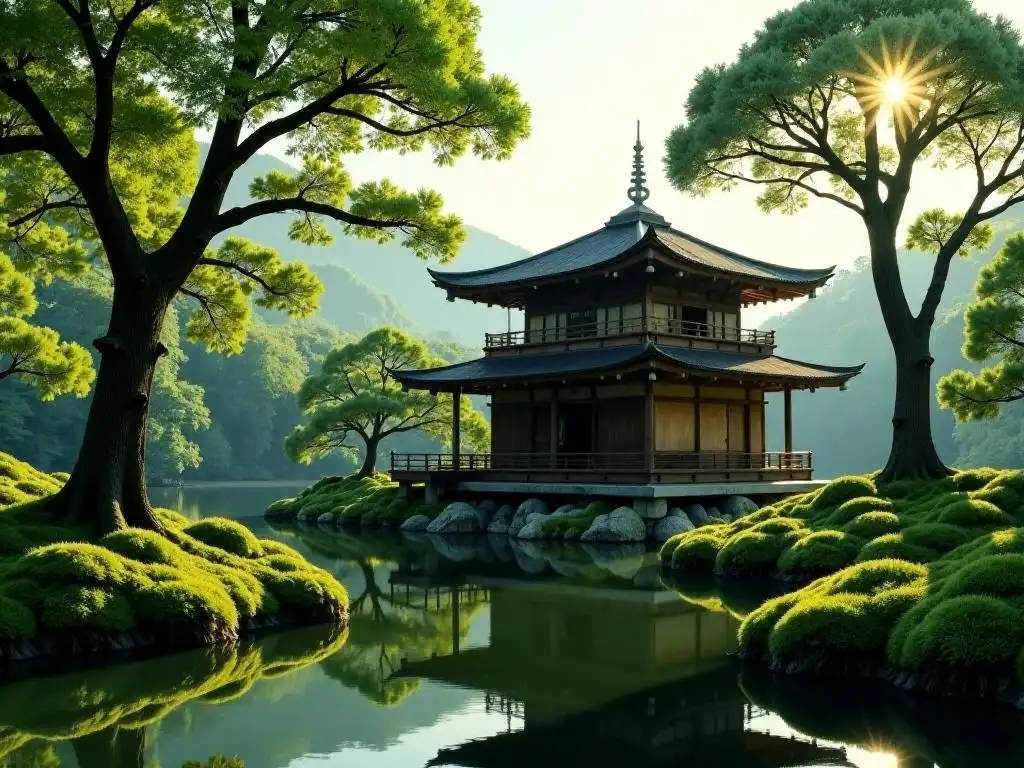
The blending of traditional and modern elements in leisure spaces exemplifies the versatility of Japanese architecture. Many designers and architects strive to create environments that honor Japan's rich architectural history while incorporating modern comforts and innovations. This synthesis is evident in various leisure spaces, such as tea rooms, gardens, and entertainment areas, which seamlessly integrate traditional design principles with contemporary functionality.
For instance, a modern tea room may feature sleek, minimalist furniture while retaining traditional elements like tatami flooring and shoji screens. This integration allows for a unique experience that respects the rituals of tea ceremonies while catering to modern sensibilities. Similarly, gardens are designed to reflect traditional Japanese landscaping techniques but are often enhanced with contemporary materials and technology, creating spaces that are both beautiful and practical for leisure activities.
Conclusion: The Lasting Influence of Japanese Architecture on Leisure Aesthetics
The lasting influence of Japanese architecture on leisure aesthetics is profound, shaping not only how homes are designed but also how individuals experience leisure. By prioritizing simplicity, natural materials, and a deep connection with the environment, Japanese architecture creates spaces that promote well-being and relaxation. This architectural philosophy resonates with contemporary values, making it relevant in today's fast-paced world.
As society continues to evolve, the principles of Japanese architecture remain a source of inspiration for designers globally. The focus on harmony, balance, and the integration of nature will likely influence future leisure spaces, ensuring that the aesthetics of Japanese homes continue to thrive and adapt.
Summary of Key Insights on Japanese Architecture and Leisure
Japanese architecture's approach to leisure aesthetics is characterized by several key insights:
- Minimalism and Simplicity: Emphasizing clean lines and uncluttered spaces.
- Connection to Nature: Incorporating outdoor areas and natural materials.
- Cultural Significance: Retaining traditional elements while embracing modern practices.
- Blending Styles: Fusing contemporary designs with historical influences to create unique leisure environments.
These insights underscore the importance of architecture in enhancing leisure experiences, making Japanese homes a model for effective design.
Future Trends in Japanese Leisure Architecture and Aesthetics
Looking ahead, several trends are poised to shape the future of Japanese leisure architecture and aesthetics:
- Sustainable Design: Increasing focus on eco-friendly materials and energy-efficient practices will become paramount, reflecting a growing awareness of environmental issues.
- Smart Home Technology: The integration of smart technologies will enhance the functionality of leisure spaces, allowing for personalized experiences and improved comfort.
- Cultural Preservation: As globalization continues to influence design, there will be a renewed interest in preserving traditional Japanese architectural elements within modern contexts.
- Health and Well-being Focus: The design of leisure spaces will increasingly prioritize mental and physical well-being, with an emphasis on creating restorative environments.
These trends indicate that Japanese architecture will continue to evolve while maintaining its core principles, ensuring that leisure aesthetics remain a vital aspect of daily life in Japan and beyond.
- Introduction to Japanese Architecture and Leisure Aesthetics
- Historical Context of Japanese Homes
- Key Elements of Japanese Architecture in Leisure
- Aesthetic Principles in Japanese Leisure Architecture
- The Impact of Japanese Architecture on Leisure Activities
- Case Studies of Iconic Japanese Leisure Spaces
- Modern Interpretations of Japanese Architecture and Leisure
- Contemporary Japanese Homes and Their Aesthetic Choices
- Blending Traditional and Modern Elements in Leisure Spaces
- Conclusion: The Lasting Influence of Japanese Architecture on Leisure Aesthetics
- Summary of Key Insights on Japanese Architecture and Leisure
- Future Trends in Japanese Leisure Architecture and Aesthetics
- What is the significance of Japanese architecture in leisure activities?
- How does aesthetics influence the design of Japanese homes?
- What are some common architectural features found in Japanese leisure spaces?
- How do cultural practices shape the aesthetics of Japanese architecture?
- What impact does Japanese architecture have on modern leisure aesthetics globally?
Frequently Asked Questions
What is the significance of Japanese architecture in leisure activities?
Japanese architecture plays a crucial role in enhancing leisure experiences by creating tranquil environments that promote relaxation and contemplation.
How does aesthetics influence the design of Japanese homes?
The aesthetics of Japanese homes prioritize simplicity and natural elements, which are essential for fostering a sense of peace and harmony in leisure spaces.
What are some common architectural features found in Japanese leisure spaces?
Common features include tatami flooring, shoji screens, and engawa (verandas) that seamlessly integrate indoor and outdoor spaces, enhancing the overall leisure experience.
How do cultural practices shape the aesthetics of Japanese architecture?
Cultural practices such as Zen Buddhism emphasize minimalism and the appreciation of nature, deeply influencing the aesthetic choices in Japanese architecture related to leisure.
What impact does Japanese architecture have on modern leisure aesthetics globally?
Japanese architecture has inspired global design trends by emphasizing minimalism, natural materials, and serene environments, enriching the aesthetics of leisure spaces worldwide.
Final Reflection: The Aesthetic Harmony of Japanese Architecture in Leisure
The exploration of Japanese architecture and its leisure aesthetics is not just a study of design; it is a profound reflection of cultural values and human experience. Today, as we navigate a fast-paced world filled with distractions, the serene beauty and intentional simplicity of Japanese homes remind us of the importance of creating spaces that foster tranquility and connection. This architectural philosophy serves as a powerful reminder that our environments can significantly influence our well-being and quality of life.
The influence of Japanese architecture extends beyond its geographical boundaries, shaping global perspectives on leisure and aesthetics. The principles of minimalism, natural materials, and harmonious integration with nature resonate deeply in contemporary design, inspiring countless architects and homeowners worldwide. Architecture should speak of its time and place, but yearn for timelessness.
This quote encapsulates the essence of Japanese architectural aesthetics, which not only honors tradition but also adapts to the needs of modern life, creating spaces that invite reflection and relaxation.
As we conclude this exploration, I invite you to reflect on how the principles of Japanese architecture can enrich your own life. Consider the spaces you inhabit and how they influence your daily experiences. Embrace the idea of creating your own sanctuary, whether through mindful design choices or simply by fostering an atmosphere of peace and simplicity. Let the lessons of Japanese leisure aesthetics inspire you to cultivate environments that nurture your spirit and enhance your connection to the world around you.
Embrace the Serenity of Japanese Architecture Today!
Thank you for diving into the world of Japanese homes and their captivating aesthetics! You've gained valuable insights into how these architectural masterpieces enhance leisure and tranquility. Now, it's time to take those insights a step further.
Here’s how you can explore and connect with the serene beauty of Japanese architecture:
- Experience a Local Japanese Garden: Visit a nearby Japanese garden or cultural center to immerse yourself in the harmony of nature and design.
- Create Your Own Zen Space: Consider designing a small Zen corner in your home using minimalist décor and natural materials that reflect Japanese principles.
- Share Your Thoughts: Engage with fellow enthusiasts by joining online forums or social media groups dedicated to Japanese architecture and design.
What aspect of Japanese home aesthetics resonates with you the most, and how might you incorporate it into your life?