
The Spice Trade: How Foreign Influences Shaped Japanese Cooking

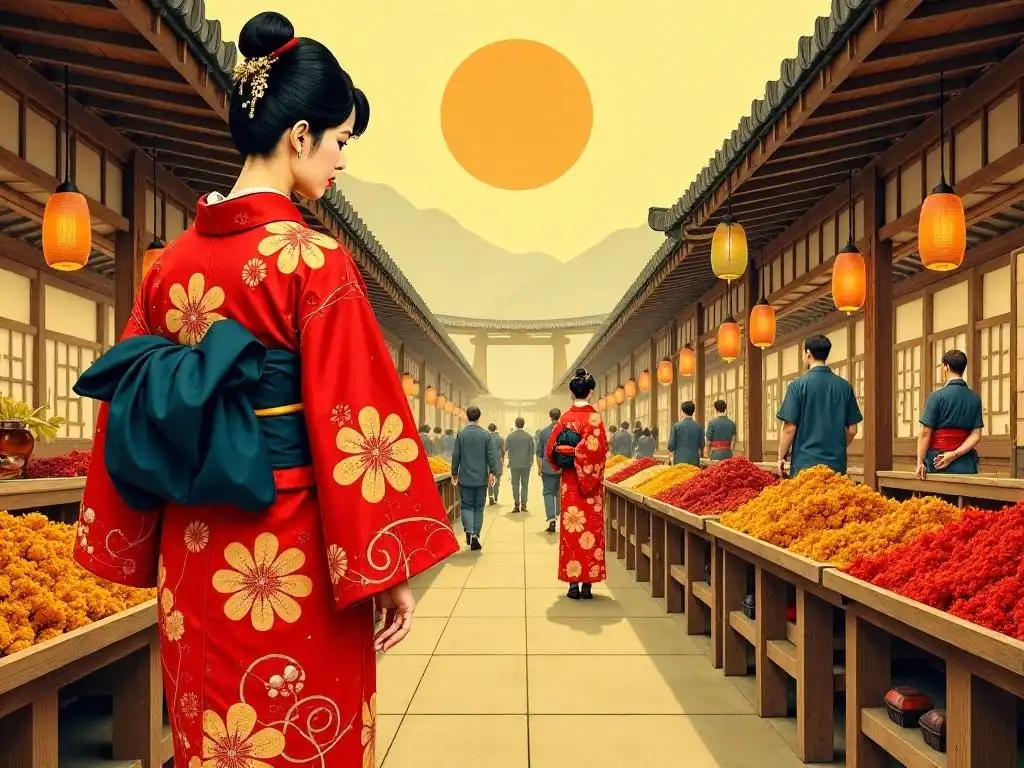
Welcome to Feudal Japan History, where we take you on a captivating journey through the intricate tapestry of Japan’s feudal era. In our spotlight today, we delve into the intriguing world of Japanese cooking and its foreign influences, revealing how the spice trade transformed culinary traditions and enriched daily life. What secrets lie within the flavors that have shaped Japan's gastronomic identity?
Join us as we uncover the layers of history that connect cultures and cuisines, inviting you to explore the fascinating interplay between tradition and external influences. Dive in and discover how these rich narratives have woven their way into the heart of Japanese society!
Introduction to Japanese Cooking and Foreign Influences
Japanese cooking is a rich tapestry woven from centuries of tradition and adaptation, reflecting the country’s unique cultural landscape. At its core, Japanese cuisine emphasizes the use of fresh, seasonal ingredients, and a delicate balance of flavors. However, one of the most compelling aspects of this culinary tradition is the significant influence of foreign elements, particularly through the spice trade. The introduction of spices and cooking techniques from abroad has not only diversified Japanese cooking but has also played a crucial role in its evolution.
This article delves into the intricate relationship between Japanese cooking and foreign influences, specifically through the lens of the spice trade. By exploring the historical context of this trade and the key nations involved, we can better understand how these external factors have reshaped Japanese culinary practices and contributed to the development of distinct flavors and dishes that are now synonymous with Japan.
Overview of Japanese Cooking Traditions
Japanese cuisine, or "washoku," is characterized by its harmony with nature and meticulous presentation. Traditional practices emphasize:
- Seasonality: Ingredients are chosen based on their peak freshness, celebrating the changing seasons.
- Umami: The savory taste, often derived from ingredients like dashi (broth), miso, and soy sauce, forms the foundation of many dishes.
- Balance: Meals typically consist of a variety of flavors and textures, presented in a visually appealing manner.
Some iconic Japanese dishes include sushi, sashimi, ramen, and tempura, each reflecting the local ingredients and culinary techniques. However, the landscape of Japanese cooking has been shaped significantly by external influences over the centuries, particularly during the feudal era when trade routes expanded.
The Role of Foreign Influences in Culinary Evolution
The integration of foreign spices and cooking methods has enriched Japanese cuisine, leading to the creation of hybrid dishes and novel flavors. For example:
- Curry: Introduced by the British in the 19th century, Japanese curry has evolved into a uniquely mild and sweet dish, often served with rice.
- Tempura: This dish, influenced by Portuguese frying techniques, showcases how foreign methods have been adapted into Japanese cooking.
- Miso and soy sauce: These staples, while native to Japan, have seen influences from Chinese fermentation techniques that have enhanced their flavor profiles.
Foreign influences have not only diversified the palate but have also fostered culinary creativity, allowing Japanese chefs to reinterpret traditional dishes with new ingredients and techniques.
Historical Context of the Spice Trade
The spice trade has a storied history that dates back to ancient times, connecting the East and West through a network of trade routes. Spices such as pepper, cinnamon, and cloves were highly sought after, leading to the establishment of various maritime routes that facilitated international exchange.
The Spice Route and Its Global Impact
The Spice Route was a series of maritime paths that enabled the trade of spices from Asia to Europe and beyond. Key points of interest along this route included:
- Southeast Asia: Known for producing valuable spices like nutmeg and cloves.
- India: A major supplier of black pepper and other spices.
- Middle East: Served as a crucial trading hub where spices were exchanged and transported to Europe.
This global trade not only enhanced culinary practices in various regions but also led to cultural exchanges that influenced cooking styles, ingredients, and gastronomy.
Key Nations Involved in the Spice Trade with Japan
Several nations played pivotal roles in the spice trade with Japan, each bringing their unique culinary influences:
- Portugal: Introduced new ingredients and cooking techniques in the 16th century, including the concept of frying foods.
- The Netherlands: Became a major player in spice trade during the 17th century, supplying Japan with a variety of exotic spices.
- China: Influenced Japanese cuisine through the introduction of various ingredients, cooking methods, and the concept of umami.
These interactions not only transformed Japanese cooking but also established a vibrant exchange of ideas that continues to resonate in contemporary culinary practices.
The Arrival of Foreign Ingredients in Japan
The introduction of foreign ingredients into Japan marked a significant turning point in the island nation's culinary landscape. This transformation began in the 16th century with the arrival of European traders and missionaries, who not only brought with them new spices but also diverse food cultures. The spice trade facilitated a rich exchange between Japan and other nations, leading to the incorporation of various flavors and cooking techniques that have become integral to modern Japanese cuisine.
Japan's geographical isolation during the Edo period (1603-1868) initially limited foreign influences. However, as trade routes opened up, particularly through the port of Nagasaki, a variety of spices began to permeate Japanese kitchens. This exchange enriched local cooking practices, enabling Japanese chefs to experiment and innovate, ultimately shaping a unique culinary identity that incorporated both indigenous and foreign elements.
Introduction of Spices: A Timeline of Influences
- 16th Century: The arrival of Portuguese traders marked the first significant introduction of spices such as pepper, cinnamon, and cloves into Japan. These traders not only engaged in commerce but also shared culinary techniques that influenced Japanese cooking.
- 17th Century: Following the Portuguese, the Dutch East India Company established trade relations with Japan. The Dutch brought additional spices, including nutmeg and allspice, further diversifying the flavor profiles available to Japanese chefs.
- Edo Period (1603-1868): During this period, there was a notable increase in the use of foreign spices in Japanese cuisine. The influence of the Dutch and Portuguese led to the development of new dishes that incorporated these ingredients, such as the introduction of curry, which would later become a staple in Japanese cooking.
- Meiji Restoration (1868): The opening of Japan to the West after over two centuries of isolation facilitated even greater access to foreign culinary trends. This era saw the incorporation of Western-style cooking techniques and ingredients like garlic and various herbs, further evolving Japanese cuisine.
Major Spices that Transformed Japanese Cuisine
Several spices have played crucial roles in transforming Japanese cooking, each contributing distinct flavors and culinary practices:
- Pepper: Introduced by Portuguese traders, pepper was one of the first spices to gain popularity in Japan. It enhanced the flavor of various dishes and laid the groundwork for the later development of spicier flavors in Japanese cuisine.
- Curry Powder: Brought by the British during the Meiji era, curry powder became a significant addition to Japanese cooking. The adaptation of curry into a Japanese dish—known as kare—transformed it into a comfort food staple enjoyed across the nation.
- Soy Sauce: While soy sauce has indigenous roots, its refinement and exportation were influenced by foreign trade. The combination of soy sauce with spices introduced from abroad created new taste experiences that are now quintessential in Japanese dishes.
- Cinnamon and Cloves: These spices were introduced through early trade and have since found their way into both savory and sweet dishes, enriching the flavor profiles of various traditional recipes.
Cultural Exchange through the Spice Trade
The spice trade was not merely about the exchange of ingredients; it also facilitated a broader cultural exchange that significantly influenced Japanese society and its culinary practices. The interaction between Japanese and foreign traders led to the sharing of ideas, techniques, and even philosophies surrounding food and dining.
As spices flowed into Japan, they also brought with them stories, customs, and cooking methods from different cultures. This exchange fostered a spirit of innovation among Japanese chefs, who began to experiment with new flavors while respecting traditional practices. The culinary landscape of Japan became a tapestry woven from local and foreign influences, reflecting a unique blend of tastes that is celebrated to this day.
The Influence of Portuguese Traders on Japanese Cooking
Portuguese traders were among the first Europeans to establish contact with Japan in the 16th century, and their influence on Japanese cooking was profound. They introduced ingredients such as sugar and spices, which were largely unknown in Japan at the time.
The Portuguese also contributed to the development of new cooking methods, such as frying and baking, which diverged from Japan's traditional steaming and boiling techniques. One notable dish that emerged from this cultural synthesis is "kakuni," a braised pork dish that reflects both Portuguese flavors and Japanese cooking methods. The introduction of these new culinary practices laid the foundation for future innovations in Japanese cuisine.
Dutch East India Company and Its Impact on Culinary Practices
The Dutch East India Company played a vital role in the further evolution of Japanese cuisine during the Edo period. As the only European nation allowed to trade with Japan after the country closed itself off from the world, the Dutch served as a conduit for various spices, herbs, and other foreign ingredients.
This trade introduced ingredients like nutmeg and allspice, which complemented existing Japanese flavors and encouraged chefs to experiment with new recipes. The Dutch also influenced the introduction of Western-style foods, such as bread and sweets, which began to appear in Japanese cuisine. Their impact extended beyond just ingredients; they also sparked a curiosity about foreign culinary practices, leading to the gradual assimilation of Western techniques into Japanese cooking.
The spice trade was a catalyst for change in Japanese cuisine, opening the doors to a wealth of foreign influences that have shaped the nation's culinary identity over the centuries.
The Fusion of Flavors: Traditional vs. Foreign Influences
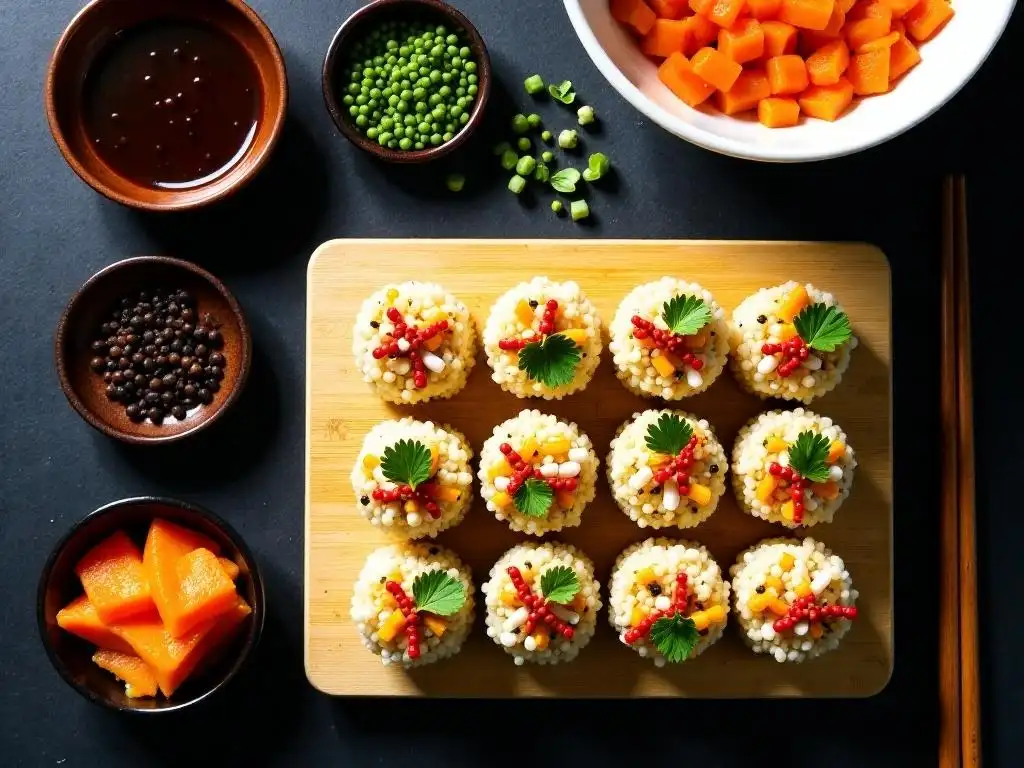
The narrative of Japanese cooking is a rich tapestry woven from indigenous traditions and foreign influences that have shaped its evolution over centuries. Historically, Japan's culinary landscape was largely defined by locally sourced ingredients and centuries-old cooking methods. However, international trade routes, notably during the Edo period (1603-1868), introduced a variety of foreign spices and cooking techniques that began to alter the flavor profiles of traditional dishes.
As these foreign elements were integrated, they did not replace traditional practices but rather complemented them, creating a unique fusion that characterizes modern Japanese cuisine. This blend is evident in the use of ingredients such as garlic, black pepper, and various herbs, which were once foreign but have now become staples in Japanese kitchens. The Japanese have a remarkable ability to adapt and incorporate new flavors while maintaining the essence of their culinary traditions, leading to a vibrant and diverse food culture that continues to evolve.
How Foreign Spices Integrated into Traditional Japanese Dishes
The integration of foreign spices into Japanese cooking began in earnest during the 16th century when European traders and missionaries arrived in Japan. This period marked the introduction of spices such as cinnamon, clove, and nutmeg, which were initially used in sweets and desserts. As time progressed, the influence of Chinese, Portuguese, and Dutch cuisines became increasingly apparent in everyday Japanese cooking.
One significant way foreign spices found their way into traditional dishes was through the adaptation of recipes. For example, the Portuguese brought the technique of frying and introduced ingredients like potatoes and tomatoes, which were later incorporated into Japanese dishes such as korokke (croquettes). Similarly, the use of soy sauce, which itself has origins linked to Chinese cuisine, became a common seasoning that enhanced the flavors of both traditional and foreign-inspired dishes.
Moreover, the Japanese have a unique approach to flavor, often focusing on umami—the fifth taste—which they skillfully blended with the spiciness of foreign ingredients. This careful integration not only enhanced existing dishes but also led to the creation of entirely new culinary experiences, reflecting a harmonious blend of cultures.
Examples of Dishes Evolving through Foreign Influences
Many traditional Japanese dishes have evolved significantly due to foreign influences. One notable example is curry rice, which was introduced by the British in the 19th century. Adapted to suit local tastes, Japanese curry is typically milder and sweeter than its Indian counterpart, featuring a thick sauce that is often served with rice or udon noodles.
Another example is tonkatsu, a breaded and deep-fried pork cutlet that owes its origins to the Portuguese dish "bife à milanesa." This dish has been embraced and adapted into Japanese cuisine, served with a tangy tonkatsu sauce that complements the dish beautifully.
Even traditional sweets have undergone transformations; for instance, the introduction of Western-style cakes and confections has led to the development of unique Japanese sweets like cheesecake and chocolate mochi. These adaptations demonstrate how foreign influences have not only enriched Japanese cuisine but have also allowed it to evolve while retaining its cultural identity.
The Impact of Foreign Influences on Japanese Cooking Techniques
The introduction of foreign cooking techniques has played a pivotal role in the evolution of Japanese culinary practices. As international interactions increased, Japanese cooks began to adopt and refine various methods, enhancing their culinary repertoire.
Adoption of New Cooking Methods from Abroad
One major influence was the advent of frying techniques brought by the Portuguese, which led to the creation of dishes like tempura. Originally a method of cooking fish and vegetables introduced by missionaries, tempura has become a quintessential part of Japanese cuisine, showcasing how foreign techniques can be seamlessly incorporated into traditional cooking practices.
Additionally, the use of baking and roasting techniques, influenced by Western cooking, has gained popularity in Japan. This shift has led to the rise of various baked goods, such as anpan (sweet rolls filled with red bean paste) and melons pan (sweet bread with a cookie crust), which have become beloved staples in Japanese bakeries.
Changes in Food Preservation Techniques due to Foreign Influences
Foreign influences have also significantly altered food preservation methods in Japan. Traditionally, preservation techniques such as pickling and drying were common, but the introduction of refrigeration and canning methods from the West has expanded the options available to Japanese cooks.
The adoption of these modern preservation techniques has enabled the Japanese to enjoy a wider variety of ingredients year-round, including fruits and vegetables that were previously seasonal. This has not only diversified the culinary landscape but has also allowed for greater experimentation in flavors and dishes. The ability to preserve foods effectively has led to innovative creations, such as tsukemono (pickled vegetables) that incorporate imported spices, illustrating the ongoing dialogue between traditional practices and foreign influences in Japanese cooking.
The Societal Implications of Foreign Influences on Japanese Cooking
The incorporation of foreign spices and cooking techniques during the feudal era had profound implications for Japanese society. As Japan opened its doors to trade with foreign nations, particularly in the 16th century, the culinary landscape began to shift dramatically. This exchange was not merely about food; it was intertwined with social dynamics, cultural perceptions, and the evolution of identity within Japanese society.
The introduction of spices from Southeast Asia and beyond catalyzed a transformation in the way food was prepared and consumed. Spices like chili, pepper, and garlic became symbols of status and sophistication, as they were often associated with the wealth and power of the ruling classes. As these ingredients trickled down to the common populace, they began to redefine what it meant to enjoy food, leading to a greater appreciation for flavors and culinary techniques that were previously unfamiliar.
The Role of Foreign Spices in Social Status and Class
Foreign spices were not just a culinary enhancement; they became markers of social status and class distinction. During the height of the spice trade, the ability to procure and utilize rare spices indicated wealth and sophistication. The samurai and wealthy merchant classes showcased their affluence through elaborate feasts that featured dishes spiced with ingredients such as saffron and nutmeg, which were considered luxurious and exotic.
In contrast, the lower classes had limited access to these foreign spices, leading to a culinary divide. Traditional Japanese cooking relied heavily on local ingredients, and the use of foreign spices was often viewed as a frivolity. However, as the demand for flavorful dishes grew, even the lower classes began to adopt certain spices, albeit in more modest quantities. This gradual blending of local and foreign culinary practices reflected not only a shift in taste but also the social mobility of certain individuals who aspired to rise above their station through the adoption of more sophisticated cooking methods.
How Culinary Diversity Reflected Changes in Feudal Society
The culinary diversity brought about by foreign influences mirrored the broader changes occurring within feudal society. As Japan transitioned from a period of isolation to one of increased interaction with the outside world, the exchange of ideas, goods, and cultures led to a more heterogeneous society. This diversity was evident in the food, as traditional dishes began to incorporate foreign elements.
For example, the introduction of Portuguese frying techniques and the use of bread led to the creation of unique Japanese dishes such as tempura and katsu. These innovations not only enriched the culinary repertoire but also demonstrated a willingness to adapt and innovate. As the samurai class began to embrace these changes, the rigid social structures of feudal Japan started to loosen, allowing for greater interaction between classes through shared culinary experiences.
Conclusion: The Lasting Legacy of the Spice Trade on Japanese Cuisine
The legacy of the spice trade on Japanese cuisine is both rich and complex. It highlights how foreign influences reshaped not only the culinary landscape but also the cultural identity of Japan during the feudal era. The integration of spices and cooking techniques from abroad served as a catalyst for culinary innovation, paving the way for the diverse and intricate flavors that characterize modern Japanese cooking.
Summary of Key Foreign Influences in Japanese Cooking
Key foreign influences that shaped Japanese cooking include:
- Chili Peppers: Introduced from the Americas, they transformed the flavor profiles of various dishes.
- Portuguese Techniques: Brought frying methods and the concept of bread, leading to dishes like tempura and katsu.
- Spices from Southeast Asia: Ingredients like saffron and nutmeg became symbols of status and sophistication among the elite.
These influences not only diversified Japanese cuisine but also reflected broader social changes, indicating a society in flux and willing to embrace new ideas.
Reflection on the Continued Evolution of Japanese Cuisine in Modern Times
Japanese cuisine continues to evolve, drawing from a rich tapestry of influences that began during the feudal era. Today, globalization has introduced even more flavors and techniques into the culinary landscape of Japan. Modern chefs experiment with fusion cuisine, blending traditional Japanese methods with global influences, showcasing the ongoing impact of the spice trade.
As Japanese cooking continues to adapt to contemporary tastes and trends, the foundational changes initiated by foreign spices and culinary techniques remain a vital part of its history, reminding us that food is not just sustenance but a reflection of cultural identity and societal evolution.
- Introduction to Japanese Cooking and Foreign Influences
- Historical Context of the Spice Trade
- The Arrival of Foreign Ingredients in Japan
- Cultural Exchange through the Spice Trade
- The Fusion of Flavors: Traditional vs. Foreign Influences
- The Impact of Foreign Influences on Japanese Cooking Techniques
- The Societal Implications of Foreign Influences on Japanese Cooking
- Conclusion: The Lasting Legacy of the Spice Trade on Japanese Cuisine
- What role did foreign trade play in Japanese cooking?
- How did the spice trade influence Japanese flavors?
- Which countries had the most significant impact on Japanese cuisine?
- How did foreign influences change traditional Japanese dishes?
- Are there any modern examples of foreign influences in Japanese cooking?
Frequently Asked Questions
What role did foreign trade play in Japanese cooking?
Foreign trade introduced new ingredients and cooking techniques, significantly shaping Japanese cuisine. The spice trade brought flavors and methods that transformed traditional dishes.
How did the spice trade influence Japanese flavors?
The spice trade allowed for the incorporation of exotic spices such as curry and pepper, which blended with local ingredients, creating unique culinary fusions that are now integral to Japanese cooking.
Which countries had the most significant impact on Japanese cuisine?
Countries like China, Portugal, and the Netherlands had notable influences, introducing techniques and ingredients that enriched the Japanese culinary landscape over the centuries.
How did foreign influences change traditional Japanese dishes?
Foreign influences led to the adaptation of traditional recipes, resulting in dishes like tempura and sushi, which incorporate elements from different cultures while maintaining a distinctly Japanese identity.
Are there any modern examples of foreign influences in Japanese cooking?
Yes, contemporary Japanese cuisine continues to evolve, with influences from Western and Asian cuisines, leading to innovative dishes that blend traditional Japanese flavors with global culinary trends.
Final Reflection: The Enduring Legacy of Foreign Influences in Japanese Cooking
The intricate tapestry of Japanese cooking is a testament to the profound impact of foreign influences, illustrating how cultural exchanges can transform culinary traditions. In today's globalized world, the fusion of flavors and techniques from diverse cultures continues to shape our culinary experiences, reminding us that food is not just sustenance but a bridge connecting different histories and peoples. As we savor the complexities of Japanese cuisine, we must recognize that its evolution is a reflection of centuries of interaction and adaptation.
The spice trade and foreign influences have not only enriched Japanese cooking but have also fostered a deeper understanding of cultural identity and exchange. The flavors of spices that once traveled thousands of miles now find a home in the heart of Japan, creating dishes that tell stories of resilience, adaptation, and innovation. Food is our common ground, a universal experience.
This quote encapsulates the essence of how culinary traditions transcend borders, inviting us to appreciate the shared human experience that food embodies.
As we reflect on the lessons of the spice trade and its lasting impact on Japanese cooking, I invite you to explore your own culinary journey. Consider how the flavors and traditions from other cultures have influenced your cooking and dining experiences. Embrace the spirit of exploration and creativity in your kitchen, and let the rich history of global culinary exchanges inspire you to create dishes that honor both tradition and innovation. In doing so, we not only celebrate the past but also pave the way for a future where food continues to unite us across cultures.
Unveil the Flavors of History!
Thank you for diving into the rich tapestry of Japan's culinary evolution. You've explored how foreign influences transformed Japanese cooking, and now it's time to embrace that inspiration! Here’s how you can take your newfound knowledge into action:
- Experiment with spices: Incorporate an exotic spice into your next meal and discover how it enhances traditional Japanese dishes!
- Share your culinary creations: Post photos or recipes on social media using a unique hashtag and inspire others to explore these flavors.
- Join a cooking class: Seek out classes that focus on the diverse influences in Japanese cuisine to broaden your culinary skills and connect with fellow food enthusiasts.
What unique ingredients would you introduce to Japanese cooking to create your own fusion masterpiece?