
Artistic Education: The Role of Traditional Arts in Samurai Upbringing

Welcome to Feudal Japan History, where we embark on a captivating journey through the intricate tapestry of Japan's feudal era. Here, we delve into the traditional arts in samurai upbringing, revealing how these time-honored practices shaped not just warriors, but the very identity of a nation. As you explore our in-depth articles, you'll uncover the profound impact of artistic education on daily life and society during this remarkable period. Prepare to be intrigued and inspired—your adventure into the heart of feudal Japan awaits!
- Introduction to Artistic Education in Samurai Upbringing
- The Concept of Traditional Arts in Samurai Upbringing
- Key Traditional Arts Emphasized in Samurai Education
- The Role of Traditional Arts in Shaping Samurai Character
- The Impact of Traditional Arts on Samurai Society
- Conclusion: The Lasting Legacy of Traditional Arts in Samurai Upbringing
- Further Reading on Samurai Education and Traditional Arts
- Frequently Asked Questions
- Final Reflection: The Enduring Legacy of Traditional Arts in Samurai Upbringing
- Unveil the Legacy: Embark on Your Journey into Traditional Samurai Arts!
Introduction to Artistic Education in Samurai Upbringing
In the heart of feudal Japan, the upbringing of a samurai was not solely focused on martial prowess but also deeply intertwined with the cultivation of traditional arts. This unique blend of physical training and artistic education was pivotal in shaping the values, character, and identity of the samurai class.
The traditional arts, encompassing disciplines such as calligraphy, poetry, music, and tea ceremony, played a significant role in fostering a sense of aesthetics, discipline, and cultural appreciation among young samurai. As we delve into the intricate relationship between artistic education and samurai upbringing, we will uncover how these elements contributed to the overall ethos of the samurai and their lasting impact on Japanese culture.
Overview of the Samurai Culture and Values
The samurai, known as bushi or buke, were more than just warriors; they were the epitome of a complex societal structure characterized by loyalty, honor, and discipline. Rooted in the principles of Bushido, the "way of the warrior," samurai culture emphasized virtues such as:
- Loyalty: Devotion to one's lord and family.
- Honor: Upholding personal and family reputation through righteous actions.
- Courage: Facing challenges and adversities with bravery.
- Discipline: Commitment to continuous self-improvement and mastery.
Within this cultural framework, the traditional arts served as a crucial avenue for samurai to express their inner emotions and ideals. Engaging in artistic pursuits allowed samurai to refine their character, develop patience, and appreciate beauty, all of which were essential qualities for a well-rounded warrior.
Importance of Education in Feudal Japan
Education in feudal Japan was not confined to mere academic knowledge; it was a holistic approach that encompassed various aspects of life, including philosophy, ethics, and the arts. For samurai, education was primarily provided through:
- Mentorship: Young samurai often studied under experienced masters who imparted knowledge about both martial skills and artistic endeavors.
- Formal Schools: Some samurai attended schools that emphasized the study of classical literature, history, and the arts.
- Family Tradition: Artistic skills were often passed down through generations, with families taking pride in their unique contributions to traditional arts.
The integration of traditional arts into the education of samurai was vital for nurturing their identities and ensuring that they embodied the principles of Bushido. This comprehensive educational framework not only prepared them for battle but also equipped them with the cultural sophistication necessary to navigate the intricate social hierarchy of feudal Japan. Through this exploration, we will further analyze the specific traditional arts that played a role in samurai education and their significance within this unique historical context.
The Concept of Traditional Arts in Samurai Upbringing
The traditional arts in samurai upbringing encompassed a wide range of practices and disciplines that were integral to the education and cultural development of the samurai class in feudal Japan. These arts were not merely hobbies or decorative pursuits; they were considered essential for cultivating the character, discipline, and social standing of a samurai.
Definition of Traditional Arts in the Context of Samurai
Traditional arts, within the context of samurai upbringing, refer to the various cultural practices that were emphasized as part of a samurai's education. These arts include:
- Martial Arts: Such as Kenjutsu (swordsmanship) and Iaijutsu (quick-draw techniques), which were essential for combat and self-defense.
- Calligraphy: The art of beautiful writing, which was a reflection of one’s discipline and aesthetic sensibility.
- Tea Ceremony (Chanoyu): A ritualized preparation and consumption of tea, emphasizing harmony, respect, purity, and tranquility.
- Poetry and Literature: The study of classical texts and the composition of poetry, particularly forms like Haiku and Tanka, which fostered creativity and reflection.
- Painting and Ikebana: The practices of traditional painting and flower arranging, which taught aesthetic appreciation and the principles of balance and beauty.
These arts served multiple purposes: they were practical skills, forms of self-expression, and methods to instill moral and ethical values, such as humility, respect, and perseverance.
Historical Significance of Traditional Arts in Samurai Culture
The historical significance of traditional arts in samurai culture cannot be overstated. During the feudal era, samurai were not merely warriors; they were also custodians of culture and ethics. The integration of traditional arts into samurai education was reflective of the broader social and philosophical ideals of the time.
- Cultural Identity: The mastery of traditional arts contributed to a distinct cultural identity that separated the samurai from other classes. It emphasized their role not only as military leaders but also as cultured individuals who could engage in diplomacy and governance.
- Moral Education: The arts were seen as a means to cultivate virtues. For example, the discipline required in martial arts paralleled the focus and patience needed in calligraphy and the tea ceremony. This holistic approach to education ensured that samurai were well-rounded individuals.
- Social Status: Proficiency in traditional arts elevated a samurai’s social status. Being skilled in multiple disciplines allowed samurai to gain respect and recognition within their communities, reinforcing their position in the social hierarchy.
- Interpersonal Relationships: Traditional arts facilitated social interactions among samurai and other classes. Through shared cultural practices, they built relationships that transcended mere military alliances, fostering a sense of camaraderie and mutual respect.
- Legacy and Influence: The emphasis on traditional arts has had a lasting impact on Japanese culture. Elements of samurai education continue to influence modern Japanese arts and education, reflecting a deep-rooted appreciation for the aesthetics and values established during the feudal era.
The traditional arts in samurai upbringing were not only pivotal in shaping the character and skills of individual samurai but also played a critical role in establishing the cultural and social fabric of feudal Japan. They remain a testament to the enduring legacy of this unique period in history, influencing contemporary understandings of art, discipline, and societal values.
Key Traditional Arts Emphasized in Samurai Education
The education of samurai was a multifaceted process that encompassed not only martial training but also artistic pursuits. Traditional arts played a crucial role in shaping the character, discipline, and worldview of young samurai. This section delves into two significant traditional arts—calligraphy and ikebana—and their impact on samurai upbringing.
Calligraphy: The Art of Writing
Calligraphy, or shodō, was more than just a means of communication for samurai; it was a respected art form that reflected one's character and education. Mastery of this art required patience, precision, and an understanding of aesthetics, all of which were essential virtues for a samurai.
Techniques and Materials Used in Samurai Calligraphy
Samurai calligraphy involved specific techniques and materials that contributed to the art's beauty and complexity. Key elements included:
- Brushes (fude): Crafted from animal hair, these brushes varied in size and shape, allowing for a range of strokes and styles.
- Ink (sumi): Made from soot and animal glue, ink was ground on an ink stone (suzuri) to achieve the desired consistency.
- Paper (washi): High-quality handmade paper absorbed ink differently, affecting the final appearance of the calligraphy.
- Sealing (in): The use of personal seals added a unique touch, signifying authorship and authenticity.
Samurai would practice various styles, including kaisho (block script) and gyosho (semi-cursive script), developing their unique flair while adhering to traditional forms.
The Role of Calligraphy in Personal Development
Engaging in calligraphy allowed samurai to cultivate essential qualities such as:
- Discipline: The repetitive nature of practice instilled a strong sense of self-control and focus.
- Aesthetics: Understanding the balance between beauty and meaning enhanced their appreciation for art and life.
- Reflection: Writing served as a meditative practice, encouraging introspection and emotional expression.
Through calligraphy, samurai not only honed their writing skills but also nurtured their inner selves, aligning their mental and spiritual growth with their warrior ethos.
Ikebana: The Art of Flower Arrangement
Ikebana, the art of flower arrangement, was another significant aspect of samurai education. It emphasized harmony, balance, and the aesthetic appreciation of nature, reflecting the samurai's connection to the world around them.
Symbolism of Ikebana in Samurai Life
Ikebana arrangements were imbued with deep symbolism, representing various aspects of life and philosophy. Key symbols included:
- Balance: The careful placement of flowers and foliage exemplified the balance between nature and human creativity.
- Seasonality: Using seasonal flowers connected samurai to the rhythms of nature, fostering respect for the environment.
- Transience: The fleeting beauty of flowers reminded samurai of the impermanence of life, aligning with the mono no aware philosophy.
Ikebana was not merely a decorative art; it served as a medium for expressing the samurai's worldview and values.
Ikebana as a Form of Meditation and Reflection
The practice of ikebana offered samurai a meditative outlet. As they arranged flowers, they engaged in a reflective process that allowed them to:
- Clear their minds: The focus required for creating arrangements provided a respite from the rigors of training and combat.
- Connect with their emotions: Working with flowers encouraged emotional expression, promoting mental well-being.
- Practice mindfulness: The slow, deliberate nature of ikebana fostered a sense of presence, enhancing overall awareness.
Traditional arts in samurai upbringing—such as calligraphy and ikebana—were integral to their education, enriching their lives with discipline, creativity, and a deeper understanding of themselves and their surroundings. These arts not only shaped their character but also provided a unique lens through which they could navigate the complexities of their society.
Tea Ceremony: The Art of Chado
The tea ceremony, known as Chado or the way of tea, is a quintessential traditional art form that holds significant importance in the upbringing of samurai. This meticulous practice is not merely about preparing and serving tea; rather, it embodies a comprehensive philosophy that intertwines aesthetics, etiquette, and spirituality. For samurai, engaging in Chado was a means to cultivate a sense of harmony, respect, purity, and tranquility, essential virtues in their rigorous way of life.
Chado reflects the essence of Japanese culture and is rooted in Zen Buddhism, emphasizing mindfulness and attention to detail. The samurai, who were often trained in combat and strategy, found in the tea ceremony a complementary art that balanced their martial prowess with grace and poise. The process involves a series of precise movements, from the preparation of the tea to the presentation of the utensils, each infused with meaning and intent.
Ritualistic Aspects of the Tea Ceremony
The tea ceremony is rich in ritualistic elements that elevate it from a simple act of drinking tea to a profound spiritual experience. Each step in the ceremony is meticulously choreographed, reflecting the principles of Zen. Participants are encouraged to focus on the present moment, embracing simplicity and humility.
Key elements of the ritual include:
- Utensils: Each item used in the ceremony, from the tea bowl to the whisk, is chosen with care and often carries historical significance.
- Environment: The setting is typically a specially designed tea room, embodying tranquility and natural beauty, often featuring seasonal decorations that reflect the changing times.
- Movement: The slow, deliberate actions of the host serve to cultivate a sense of calm, allowing participants to reflect on the beauty of the moment.
These ritualistic aspects not only foster a sense of community among participants but also instill a deep respect for tradition and craftsmanship, values that are central to the samurai ethos.
The Influence of Chado on Samurai Values
The practice of Chado significantly influenced the values of samurai culture. Engaging in the tea ceremony helped samurai develop essential traits such as:
- Discipline: The meticulous nature of Chado requires immense focus and discipline, mirroring the training required in martial arts.
- Respect: The ceremony emphasizes respect for others, fostering a sense of camaraderie and connection among samurai and their peers.
- Aesthetic Appreciation: The beauty found in simplicity and the natural world cultivated a heightened awareness of aesthetics, which permeated all aspects of samurai life, including warfare and governance.
Through Chado, samurai were taught to appreciate the fleeting nature of life, a lesson that resonated deeply with their understanding of honor and mortality. This integration of traditional arts into samurai upbringing not only enriched their personal development but also reinforced the cultural fabric of feudal Japan.
Martial Arts: The Art of Combat
Martial arts served as a foundational pillar in the education of samurai, intertwining physical prowess with philosophical depth. This traditional art form encompassed various techniques, including swordsmanship (kenjutsu), archery (kyujutsu), and other combat disciplines that were essential for survival in a tumultuous era. However, martial arts were more than just a means of fighting; they represented a holistic approach to personal development.
The rigorous training involved in martial arts instilled core values such as courage, honor, and self-control. Samurai dedicated their lives to mastering these arts, reflecting their commitment to both their skills and their code of ethics, known as Bushido. This path of martial education was marked by both physical conditioning and mental discipline, shaping the samurai into not only formidable warriors but also balanced individuals.
The Philosophy Behind Martial Arts Training
The philosophy underlying martial arts training is deeply rooted in concepts that extend beyond mere physical competition. Key philosophical tenets include:
- Mindfulness: Practitioners are encouraged to cultivate a heightened awareness of their surroundings and themselves, a principle that aligns with Zen teachings.
- Balance: The importance of balancing aggression with restraint is paramount, teaching samurai to control their impulses and act with intention.
- Continuous Learning: Mastery in martial arts is viewed as a lifelong journey, promoting the idea that one should always seek to improve and evolve.
This philosophical framework not only enhances combat skills but also nurtures the samurai's character, reinforcing their role as leaders and protectors in society.
How Martial Arts Complemented Other Traditional Arts
Martial arts did not exist in isolation; rather, they complemented other traditional arts in the samurai education system, creating a well-rounded individual. For example:
- Integration with Chado: The grace and precision developed through martial arts training influenced the samurai's approach to Chado, enhancing their mindfulness and attention to detail during the tea ceremony.
- Cultural Practices: Skills learned in martial arts, such as discipline and respect, translated seamlessly into other cultural practices, including calligraphy and poetry, both of which were esteemed in samurai circles.
- Holistic Development: The combination of physical training with artistic pursuits fostered a sense of balance, allowing samurai to embody the virtues of a warrior while also engaging with the cultural richness of their society.
The traditional arts in samurai upbringing—exemplified by Chado and martial arts—played a crucial role in shaping the character and values of samurai, ensuring they were not only skilled fighters but also cultured individuals with a deep appreciation for the aesthetics and ethics of their time.
The Role of Traditional Arts in Shaping Samurai Character
The upbringing of a samurai was not solely focused on martial skills; it also embraced a broader educational framework that incorporated traditional arts. This multifaceted approach was integral in molding the character and ethos of the samurai warrior. The influence of traditional arts in samurai upbringing is evident in various forms, such as calligraphy, poetry, music, and tea ceremonies. Each of these disciplines contributed significantly to the development of a well-rounded individual capable of embodying the values of honor, loyalty, and discipline, which were paramount in samurai culture.
Development of Discipline Through Artistic Education
In the samurai tradition, discipline was a cornerstone of both martial prowess and personal conduct. Engaging in traditional arts required rigorous practice and a commitment to mastering intricate techniques. For instance, calligraphy (shodō) demanded not only physical precision but also mental focus and patience. The repetitive nature of brush strokes taught samurai to cultivate a strong sense of discipline, which translated into their martial training.
- Key Components of Discipline in Artistic Education:
- Repetitive Practice: Mastery of techniques through consistent effort.
- Attention to Detail: Importance of precision in both arts and combat.
- Mindfulness and Concentration: Developing a focused mindset.
Moreover, the tea ceremony (chanoyu), a highly ritualized practice, further reinforced discipline. The samurai learned to appreciate the beauty of simplicity and the importance of preparation, which paralleled the meticulous nature of battle readiness. Each movement in the ceremony was deliberate, teaching samurai the value of composure and intentionality.
Fostering Creativity and Strategic Thinking
The traditional arts also played a crucial role in fostering creativity and strategic thinking among samurai. Engaging in disciplines such as poetry (haiku or tanka) encouraged samurai to express complex emotions and thoughts succinctly. The ability to convey deep meaning through a few carefully chosen words mirrored the strategic considerations needed in warfare.
- Ways Traditional Arts Foster Creativity:
- Poetic Expression: Encouraging emotional intelligence and communication skills.
- Martial Arts as Performance: Viewing combat as an art form, enhancing strategic planning.
- Visual Arts: Engaging in aesthetics that promote innovative thinking.
The practice of martial arts also exemplifies how creativity was integral to samurai upbringing. Styles like kendo and iaido required not just physical ability but also the creativity to adapt techniques to different combat scenarios. The samurai learned to think on their feet, develop strategies, and anticipate the moves of opponents, fostering a mindset that valued both creativity and tactical acumen.
The Interplay Between Arts and Moral Education
Traditional arts served as a medium through which samurai could explore and internalize their moral values. The teachings embedded within these arts often reflected the ethical codes and philosophies that defined samurai life, such as bushido. Through artistic expression, samurai were able to contemplate concepts like honor, sacrifice, and loyalty.
- Moral Lessons Derived from Traditional Arts:
- Tales and Poetry: Narratives that instilled values of honor and courage.
- Zen Buddhism Influence: The integration of Zen philosophy in arts fostering mindfulness and ethical reflection.
- Symbolism in Art: Use of imagery and motifs that conveyed moral lessons.
For example, the kanji used in calligraphy often held profound meanings and were associated with virtues that every samurai aspired to embrace. The connection between these arts and their moral implications created a holistic educational experience that shaped samurai not only as warriors but as virtuous individuals committed to their values.
The role of traditional arts in samurai upbringing was comprehensive, fostering discipline, creativity, and moral education. This multifaceted approach was pivotal in crafting the character of the samurai, ensuring they were not only skilled in combat but also cultured and principled individuals. Understanding this interplay enhances our appreciation of the complexities of samurai life and the enduring legacy of their artistic traditions.
The Impact of Traditional Arts on Samurai Society
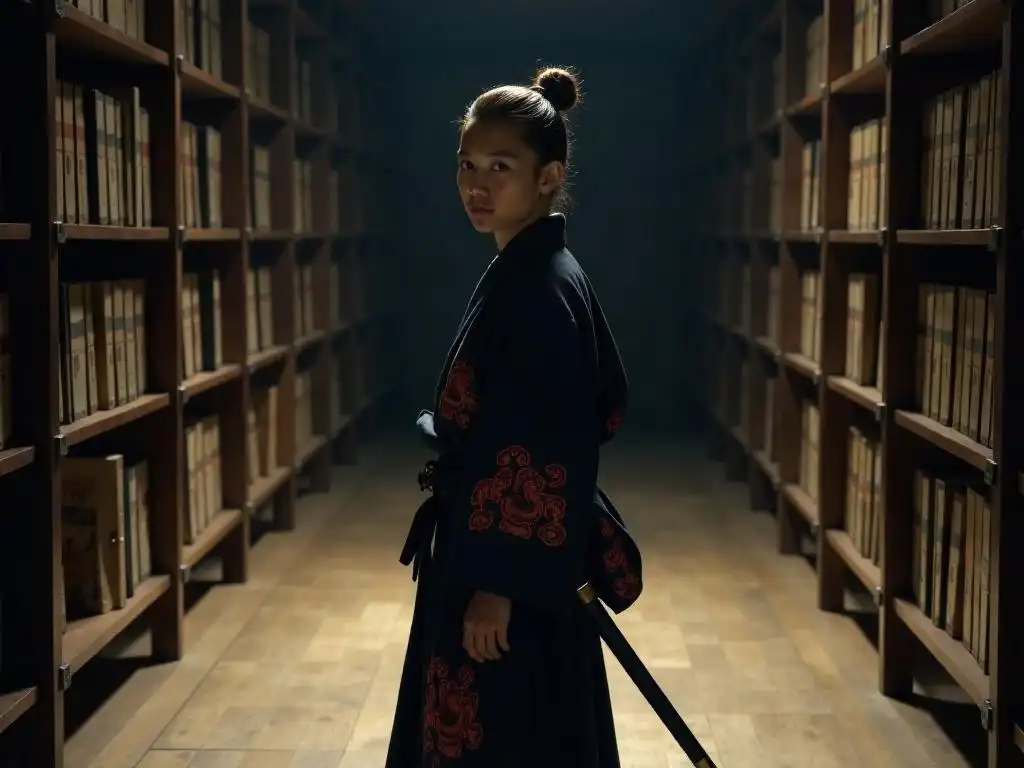
The traditional arts in samurai upbringing played a crucial role in shaping the identity and cultural heritage of the samurai class. These arts were not merely hobbies or pastimes; they were integral elements of the samurai's education and social standing. From calligraphy to martial arts, the traditional arts helped to cultivate a sense of discipline, honor, and cultural pride that was essential for a samurai.
Contribution to Cultural Heritage and Identity
Traditional arts significantly contributed to the cultural heritage and identity of the samurai. They provided a framework within which samurai could express their values, beliefs, and social status. Some of the core traditional arts that influenced samurai upbringing include:
- Calligraphy (Shodō): This art form was not just about writing; it was a meditative practice that emphasized discipline and attention to detail. Mastery of calligraphy was seen as a reflection of one's character and education.
- Tea Ceremony (Chanoyu): The tea ceremony was more than a ritual; it was a means to cultivate harmony, respect, purity, and tranquility, values that were central to samurai life. Participating in these ceremonies taught samurai the importance of aesthetics and etiquette.
- Martial Arts (Bujutsu): While martial arts are often viewed through the lens of combat, they were also regarded as an art form. The training in martial arts instilled a sense of discipline and respect for one’s opponent, which was crucial in cultivating a samurai's honor.
- Poetry (Waka and Haiku): Poetry allowed samurai to articulate their thoughts, emotions, and experiences. It was a medium through which they could reflect on their lives and the world around them, often leading to deeper insights and connections with nature.
These traditional arts were more than skills; they represented the samurai's connection to their cultural roots. Engaging in these practices fostered a strong sense of identity and belonging within the samurai community.
In samurai communities, traditional arts served as central elements in social gatherings and events. These interactions were vital for maintaining camaraderie and reinforcing social hierarchies. Key aspects of how traditional arts were integrated into these gatherings include:
- Festivals and Celebrations: Samurai often participated in community festivals where traditional arts were showcased. These events included performances of Noh and Kabuki theater, which highlighted the samurai's connection to the broader cultural landscape of Japan.
- Art Exhibitions: Samurai families would host exhibitions of calligraphy, painting, and tea ceremonies, allowing them to display their skills and maintain their status within the community. This sharing of artistic talent fostered a sense of pride and competition among families.
- Martial Arts Competitions: These events were not just about combat but were also opportunities for samurai to demonstrate their skills in a respectful manner. Competitions often included elements of performance, where the grace and precision of the martial arts were as important as the fighting techniques themselves.
- Literary Gatherings: Samurai would gather to share poetry and engage in discussions about literature and philosophy. These gatherings served as platforms for intellectual exchange, reinforcing the value placed on education and the arts within the samurai class.
The integration of traditional arts into community life not only enriched the social fabric of samurai society but also ensured that these practices were preserved for future generations. Through this engagement, samurai upheld their cultural identity while simultaneously adapting to the evolving societal landscape of feudal Japan.
The traditional arts in samurai upbringing were fundamental to their education, societal roles, and cultural identity, solidifying their place in the rich tapestry of Japan's history.
Conclusion: The Lasting Legacy of Traditional Arts in Samurai Upbringing
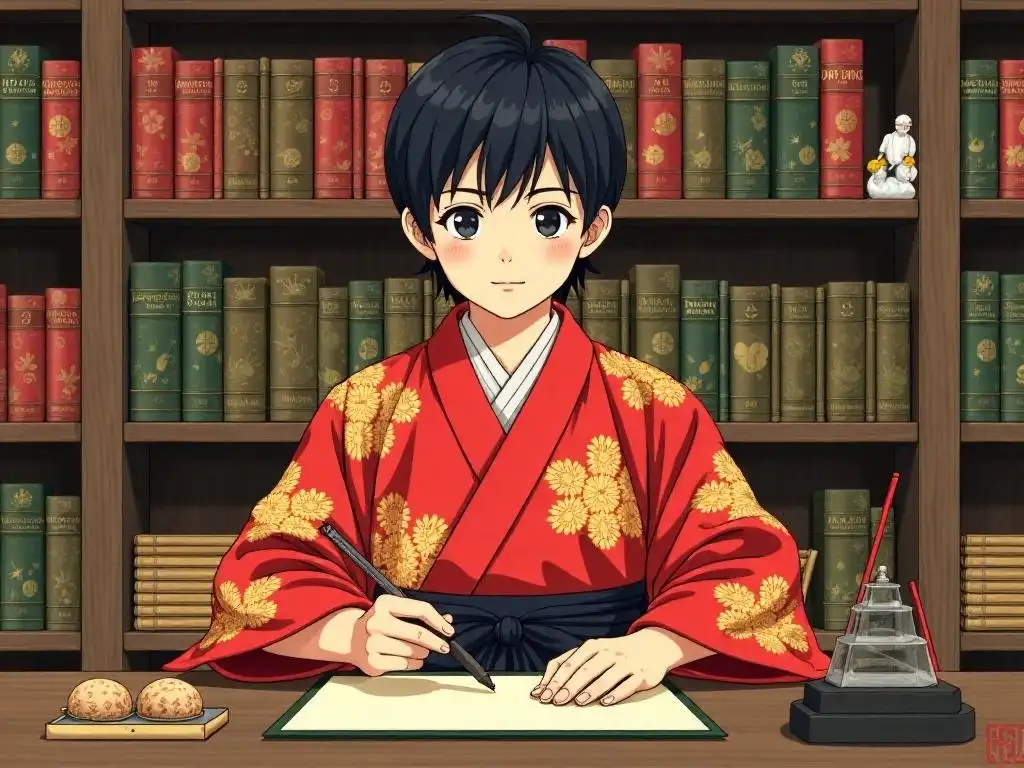
The upbringing of samurai in feudal Japan was intricately woven with traditional arts, which played a pivotal role in shaping their character, discipline, and worldview. This legacy continues to resonate through Japanese culture today, as the values and skills imparted through these arts have left an indelible mark on society.
The emphasis on creativity, aesthetics, and mastery in traditional arts fostered qualities such as perseverance, respect, and humility in samurai. These attributes contributed not only to their martial prowess but also to their roles as cultural custodians. As samurai engaged in activities such as calligraphy, tea ceremony, and flower arranging, they cultivated an appreciation for beauty and harmony, which transcended mere combat skills.
Reflection on the Importance of Traditional Arts Today
In modern Japan, the traditional arts continue to hold significant value, both culturally and educationally. These practices are no longer confined to the samurai class; they have been embraced by the broader society, fostering a sense of identity and continuity.
- Cultural Preservation: Traditional arts serve as a bridge connecting contemporary Japanese society to its historical roots. Schools often incorporate these practices into their curricula, ensuring that younger generations understand and appreciate their cultural heritage.
- Personal Development: Just as samurai benefited from their artistic education, modern practitioners experience personal growth through the discipline and focus required in traditional arts. Activities such as ikebana (flower arranging) and kintsugi (the art of repairing pottery) encourage mindfulness and creative expression.
- Community Engagement: Traditional arts foster a sense of community and collaboration. Workshops and festivals centered around these practices provide opportunities for individuals to connect, share knowledge, and celebrate their culture together.
The ongoing relevance of traditional arts in contemporary society underscores their importance in maintaining cultural identity and encouraging personal growth, echoing the values instilled in samurai during their upbringing.
The Influence of Samurai Education on Modern Japanese Culture
The educational foundations laid during the samurai era have profoundly influenced modern Japanese culture in various ways:
- Ethos of Discipline and Respect: The samurai's rigorous training emphasized discipline, respect, and honor—values that remain integral to Japanese society. These principles are taught not only in martial arts but also in schools, where students learn the importance of hard work and respect for others.
- Aesthetic Appreciation: The samurai's engagement with traditional arts fostered a deep appreciation for aesthetics that persists in contemporary Japanese culture. From architecture to fashion, the influence of traditional artistic sensibilities can be seen in the meticulous attention to detail and harmony that characterizes many aspects of Japanese life.
- Cultural Practices: Many cultural practices, such as the tea ceremony (chanoyu) and martial arts (kendo, iaido), have their roots in samurai education. These traditions continue to be practiced widely and are integral to Japan's cultural heritage, providing a sense of continuity and connection to the past.
- Global Influence: Samurai culture and its associated traditional arts have also gained international recognition, influencing global perceptions of Japan. From films to fashion, the samurai ethos and artistic practices resonate with audiences worldwide, fostering cross-cultural appreciation.
The legacy of traditional arts in samurai upbringing has not only shaped individual samurai but has also created a lasting impact on modern Japanese culture, enriching it and ensuring that the values of the past continue to thrive in the present.
Further Reading on Samurai Education and Traditional Arts
Recommended Books and Articles
To deepen your understanding of the influence of traditional arts in samurai upbringing, several scholarly books and articles provide valuable insights:
-
"The Samurai: A Military History" by Stephen Turnbull
This comprehensive work explores the military and cultural evolution of the samurai class, emphasizing their education, including the significance of traditional arts.
-
"Bushido: The Soul of Japan" by Inazo Nitobe
A classic text that delves into the ethical and moral code of the samurai, discussing how traditional arts played a crucial role in instilling values such as honor, discipline, and respect.
-
"The Art of War in Japanese History" by John A. Lynn
This book analyzes the strategic and philosophical aspects of warfare in Japan, highlighting the essential training in traditional arts that shaped samurai warriors.
-
"Japanese Arts and Crafts: The Art of the Samurai" by Christine L. D. H. Wright
This article examines the various traditional arts practiced by samurai, including calligraphy and painting, and their impact on samurai education.
-
"The Way of the Samurai: A Study of the Cultural Education of the Samurai" by Takashi Yoshida
Focusing on the educational practices of samurai, this text provides a detailed view of how traditional arts were integrated into their upbringing.
Online Resources for Exploring Samurai Culture
For those seeking to explore samurai culture and the role of traditional arts in their education, the following online resources offer a wealth of information:
-
The Samurai Archives
An extensive database containing documents, articles, and multimedia related to samurai history, including sections dedicated to their educational practices and traditional arts.
-
National Museum of Japanese History
The museum's website features virtual exhibitions and articles that delve into the cultural aspects of the samurai, showcasing artifacts related to traditional arts.
-
Japan Society
This organization offers resources, including lectures and workshops, focused on traditional Japanese arts and their historical context, which often intersect with samurai upbringing.
-
The Metropolitan Museum of Art
The museum’s collection features traditional Japanese art pieces, with descriptions that highlight the cultural significance and educational aspects pertaining to the samurai class.
-
YouTube Channels: "Learn Japanese" and "Samurai Culture"
These channels provide videos that discuss various facets of samurai life, including their engagement with traditional arts. They offer visual and narrative insights that enhance understanding of the samurai's educational journey.
By engaging with these resources, readers can gain a comprehensive understanding of how traditional arts in samurai upbringing shaped not only individual samurai but also the broader cultural landscape of feudal Japan.
Frequently Asked Questions
What traditional arts were emphasized in samurai upbringing?
In samurai upbringing, traditional arts such as calligraphy, tea ceremony, and flower arranging were emphasized to develop discipline and aesthetic appreciation.
How did traditional arts influence samurai values?
Traditional arts instilled key samurai values like respect, honor, and self-discipline, shaping both their character and their martial skills.
Were traditional arts part of formal education for samurai?
Yes, traditional arts were integrated into the formal education of samurai, often taught alongside martial training to create well-rounded individuals.
What role did aesthetics play in samurai culture?
Aesthetics were crucial in samurai culture, as they believed that beauty and art reflected one's inner spirit, influencing their actions and decisions.
How do traditional arts contribute to modern perceptions of samurai?
Traditional arts contribute to modern perceptions of samurai by showcasing their sophisticated culture, emphasizing that they were not only warriors but also cultured individuals.
Final Reflection: The Enduring Legacy of Traditional Arts in Samurai Upbringing
The significance of traditional arts in samurai upbringing remains profoundly relevant today, as they embody the principles of discipline, creativity, and cultural heritage. In a world increasingly driven by technology and rapid change, the values instilled through these ancient practices offer a grounding force that can guide individuals in their personal and professional lives. The samurai's commitment to mastering their craft serves as a powerful reminder of the importance of dedication and the pursuit of excellence in any endeavor.
Cultural and social landscapes continue to be shaped by the principles derived from traditional arts, influencing contemporary practices and fostering a deeper appreciation for heritage. The lessons learned from samurai upbringing resonate in various fields, from education to leadership, emphasizing the balance between strength and sensitivity. As the renowned philosopher Miyamoto Musashi once said, "> The ultimate aim of martial arts is not having to use them." This perspective highlights the transformative power of traditional arts, teaching us not only skills but also the wisdom to navigate life's challenges with grace and composure.
As we reflect on the teachings of traditional arts in samurai upbringing, I invite you to consider how these lessons can be integrated into your own life. Embrace the spirit of the samurai by cultivating discipline, creativity, and respect for your craft. Whether through art, music, or any other passion, let the values of dedication and mastery guide your journey. In doing so, you not only honor the legacy of the samurai but also contribute to a richer, more meaningful cultural tapestry for future generations.
Unveil the Legacy: Embark on Your Journey into Traditional Samurai Arts!
Thank you for joining us on this exploration of the profound impact of traditional arts in the upbringing of samurai. We hope you gained insights into how these practices shaped not only warriors but also the culture of feudal Japan. Now, let's take it a step further and continue your journey into this fascinating world!
Here are some inspiring actions you can take:
- Dive deeper into the traditional arts by enrolling in a local calligraphy or martial arts class to experience the essence of the samurai spirit firsthand.
- Share your newfound knowledge by discussing this article with friends or posting about it on social media—let’s keep the conversation going!
- Explore the hidden gems of classical Japanese art by visiting a local museum or attending a cultural event that celebrates these timeless traditions.
What aspect of samurai arts would you be most excited to explore further— the martial techniques, the underlying philosophies, or perhaps the various artistic expressions?