
Ritual and Food: The Significance of Meals in Samurai Culture


Welcome to Feudal Japan History, where we invite you on a journey through the captivating tapestry of Japan’s feudal era. Here, you’ll discover the intricate layers of Samurai culture meal rituals, revealing how these culinary traditions shaped social hierarchies and personal identities. Have you ever wondered how the samurai’s relationship with food transcended mere sustenance to become a profound ritual? Prepare to delve deep into the significance of meals in samurai life, as we uncover the rituals that defined their daily existence and cultural ethos. Your exploration begins now—let's savor the past together!
- Introduction to Samurai Culture Meal Rituals
- Historical Context of Meal Rituals in Samurai Culture
- Key Elements of Samurai Meal Rituals
- The Rituals Surrounding Samurai Meals
- The Role of Meals in Samurai Social Life
- Case Studies of Notable Samurai Meal Rituals
- Conclusion: The Lasting Impact of Samurai Meal Rituals
- Further Reading on Samurai Culture and Cuisine
- Frequently Asked Questions
- Final Reflection: The Enduring Legacy of Samurai Culture Meal Rituals
- Embrace the Spirit of Samurai by Transforming Your Meals
Introduction to Samurai Culture Meal Rituals
The samurai culture in feudal Japan is a captivating tapestry woven with intricate threads of honor, tradition, and social hierarchy. Central to this culture is the ritual of meals, which goes beyond mere sustenance to embody the values and philosophies of the samurai class. Meals were not just about nourishment; they were a profound expression of identity, social status, and the intricate relationships that defined their world. In this article, we will delve into the significance of meal rituals within samurai culture, exploring how these practices reflected their beliefs, customs, and the broader societal norms of their time.
Overview of Samurai Culture in Feudal Japan
The samurai, often romanticized as noble warriors, played a pivotal role in the feudal system of Japan, which lasted from the 12th to the 19th centuries. This era was characterized by a rigid social structure, where the samurai held a distinguished position as the military nobility. Their lives were governed by a strict code known as Bushido, which emphasized virtues such as loyalty, courage, and honor.
- Key Elements of Samurai Culture:
- Bushido: The ethical framework guiding samurai behavior.
- Warrior Ethos: The belief in martial prowess and discipline.
- Cultural Patronage: Involvement in arts, poetry, and philosophy.
Meals were often a reflection of these values, symbolizing not just physical sustenance but also a means of reinforcing social relationships and hierarchies. The preparation and sharing of food became a ceremonial act, rich with meaning and significance.
Importance of Meals in Daily Life of Samurai
In the daily life of a samurai, meals served multiple purposes beyond satisfying hunger. They were integral to maintaining social bonds, reinforcing rank and status, and adhering to cultural traditions.
- Social and Ceremonial Aspects:
- Rituals of Sharing: Meals were often an occasion for gatherings and discussions among samurai, fostering camaraderie and strategic alliances.
- Symbolism of Food: Specific dishes were associated with certain occasions, each carrying its own significance, such as rice symbolizing purity and renewal.
- Nutrition and Training:
- Dietary Considerations: The samurai diet typically included rice, fish, vegetables, and occasionally meat, which provided the necessary nutrition for their rigorous training and combat readiness.
- Mindfulness in Consumption: The act of eating was often approached with mindfulness, reflecting the samurai's broader philosophy of discipline and respect for life.
Meals in samurai culture were steeped in ritual and significance, serving as a vital aspect of their identity and societal interactions. Understanding these meal rituals provides insight into the complex world of the samurai and the values that shaped their lives during the feudal era of Japan.
Historical Context of Meal Rituals in Samurai Culture
Evolution of Food Practices Among Samurai
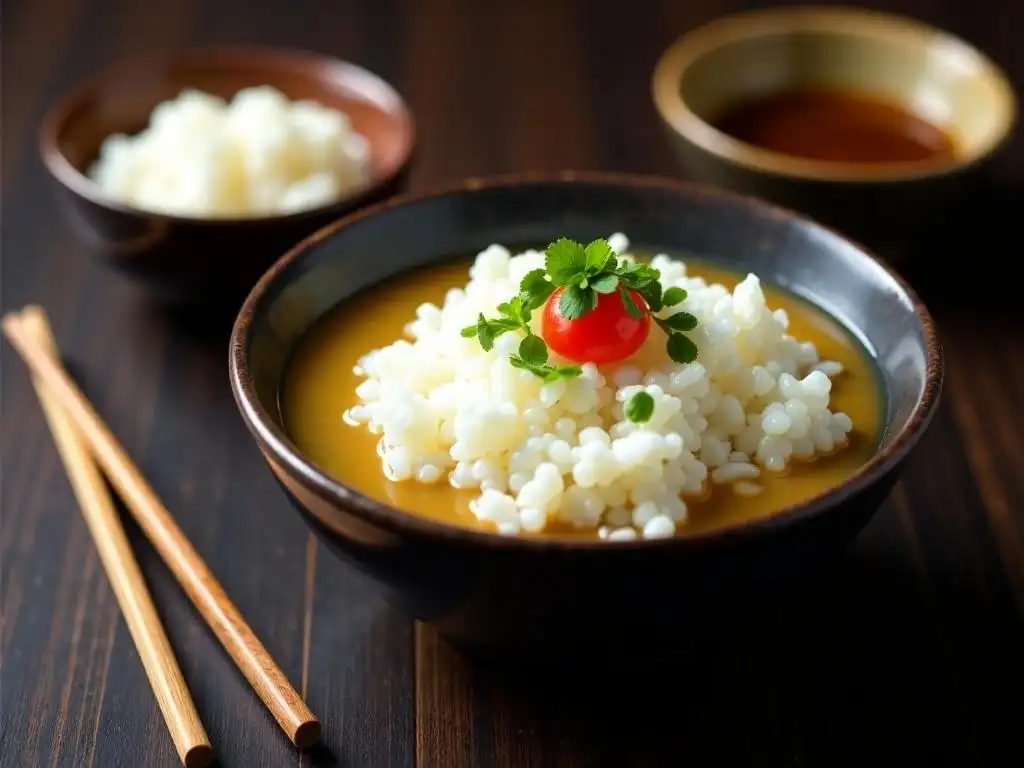
The evolution of food practices among the samurai is deeply intertwined with their societal roles, values, and the shifting political landscape of feudal Japan. Initially, samurai were primarily warriors, and their diet was utilitarian, focused on sustenance rather than ritual. However, as the samurai class began to solidify its status and influence during the Kamakura period (1185-1333), meal practices evolved into a more refined cultural expression.
- Early Diet:
- The early samurai diet consisted mainly of rice, fish, and vegetables, aligning with the agrarian society they inhabited. Meals were simple and designed to provide the necessary energy for combat and training.
- As trade routes expanded, the introduction of various ingredients such as soy sauce, miso, and sake began to enhance the flavors of these basic dishes.
- Emergence of Formal Dining:
- With the establishment of the Ashikaga shogunate (1336-1573), the samurai class began to adopt more formal dining practices. This shift reflected their increasing political power and the need to display status.
- The concept of "kaiseki" emerged, which was a multi-course meal originally developed for tea ceremonies. It featured seasonal ingredients and meticulous presentation, emphasizing the aesthetic aspects of food.
- Culinary Influence of the Edo Period:
- The Edo period (1603-1868) marked a significant transformation in samurai meal rituals. The long period of peace under the Tokugawa shogunate allowed for the flourishing of culture, including cuisine.
- Samurai households began to employ chefs, leading to the creation of elaborate meals that adhered to strict protocols of etiquette and decoration. The use of lacquerware and ceramics became common, showcasing the art of meal presentation.
The evolution of food practices among samurai not only reflects changes in culinary preferences but also underscores their societal roles and the importance of status in feudal Japan.
Influence of Zen Buddhism on Samurai Meal Rituals
Zen Buddhism played a pivotal role in shaping the meal rituals of the samurai, merging spiritual practice with daily life. This influence can be seen in various aspects of their diet, preparation, and the overall philosophy surrounding meals.
- Mindfulness and Simplicity:
- Zen teachings emphasized mindfulness and simplicity, leading to a more intentional approach to eating. Samurai began to view meals as opportunities for meditation and reflection, rather than mere sustenance.
- The practice of "ichiju-sansai," which translates to "one soup, three dishes," became a standard meal structure. This minimalist approach aligns with Zen principles, focusing on quality and balance rather than excess.
- Tea Ceremony:
- The tea ceremony, or "chanoyu," became a crucial ritual for samurai, reflecting Zen aesthetics and philosophies. The preparation and consumption of matcha (powdered green tea) involved careful attention to detail and a serene environment.
- Through the tea ceremony, samurai cultivated discipline and a sense of harmony with nature, which further influenced their meal rituals. The aesthetics of the tea ceremony—such as the choice of utensils and the presentation of sweets—filtered into everyday meals, making them more ceremonial.
- Seasonal Ingredients and Nature's Influence:
- Zen Buddhism encouraged a deep reverence for nature, which translated into the samurai's dietary choices. Seasonal ingredients were prioritized, emphasizing the importance of harmony with the environment.
- The notion of "shun," or eating ingredients at their peak season, became a guiding principle in samurai cuisine, enhancing both flavor and the spiritual connection to the natural world.
The influence of Zen Buddhism on samurai meal rituals profoundly transformed their approach to food, promoting a philosophy of mindfulness, simplicity, and harmony with nature that remains significant in Japanese culture to this day.
Key Elements of Samurai Meal Rituals
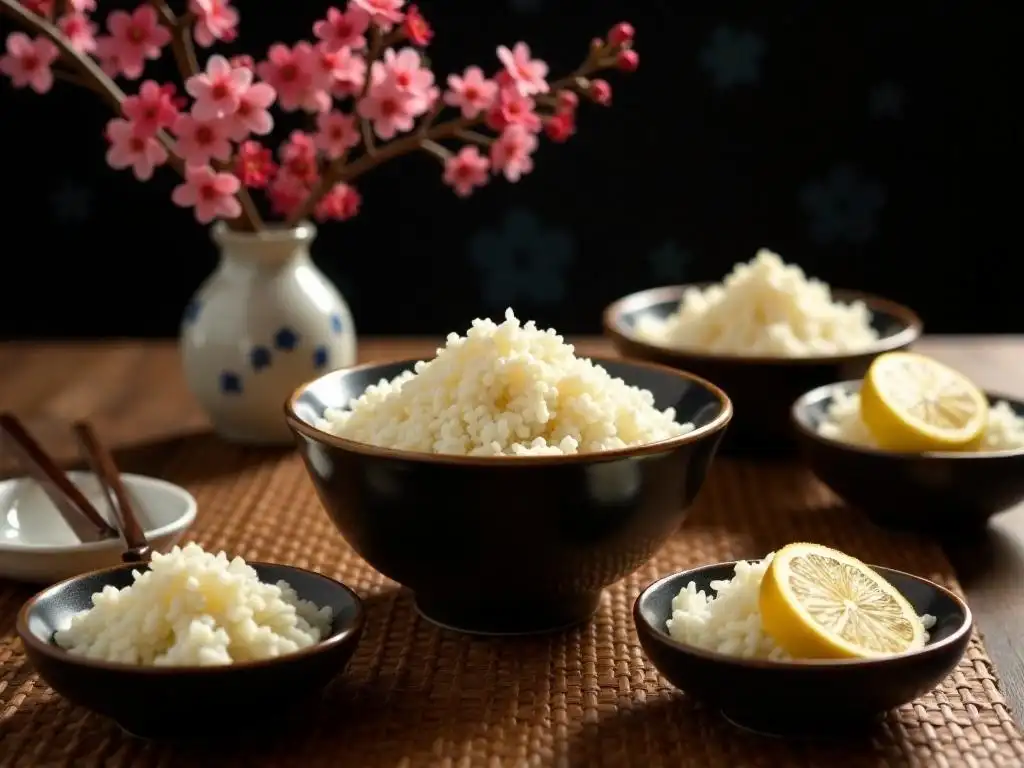
In the context of Samurai culture, meal rituals extend beyond mere sustenance; they embody a rich tapestry of tradition, philosophy, and social hierarchy. These rituals were not only a reflection of the samurai's status but also a means to cultivate discipline, mindfulness, and respect for nature. Understanding the key elements of these meal rituals provides insight into the values that defined the samurai way of life.
Traditional Ingredients Used in Samurai Cuisine
Samurai cuisine was characterized by the use of high-quality, locally sourced ingredients. The staples of their diet were primarily rice, fish, and vegetables, which were often accompanied by various seasonings and condiments. The following table highlights some traditional ingredients commonly found in samurai meals:
| Ingredient | Description |
|---|---|
| Rice | The cornerstone of Japanese meals, symbolizing sustenance and prosperity. |
| Fish | Freshwater and saltwater varieties were essential, reflecting the samurai's respect for nature. |
| Vegetables | Seasonal and pickled vegetables added flavor and nutrition to meals. |
| Soy Sauce | A critical seasoning that enhanced the umami flavor profile of dishes. |
| Miso | Fermented soybean paste often used in soups and sauces, contributing to health and longevity. |
| Seaweed | Utilized in various forms, seaweed was a nutritious addition to soups and rice dishes. |
The preparation of these ingredients was often steeped in ritual, signifying respect for the food and the effort that went into producing it. For example, the act of washing rice was done with careful attention, symbolizing purification and the readiness to partake in a sacred meal.
Significance of Presentation in Samurai Meals
In samurai culture, the presentation of meals was as crucial as the ingredients themselves. The aesthetic arrangement of food reflected not only culinary skill but also the samurai's adherence to the principles of wabi-sabi, which appreciates beauty in simplicity and imperfection. Key aspects of meal presentation included:
- Utensils and Dishes: Samurai meals were served on beautifully crafted ceramics or lacquerware, often showcasing the artistry of local artisans. The choice of dishware could signify the season or occasion, with particular colors and designs resonating with specific meanings.
- Arrangement: The layout of food on the table followed a meticulous order, often emphasizing balance and harmony. For instance, dishes might be arranged in a circular pattern to symbolize unity.
- Garnishing: Edible flowers, herbs, and colorful vegetables were used as garnishes, enhancing both visual appeal and flavor. This practice demonstrated the samurai's connection to nature and the changing seasons.
The careful consideration of presentation underscored the samurai's belief in the importance of mindfulness during meals, transforming dining into a ritual of appreciation and respect.
The Role of Seasonal Foods in Samurai Diet
Seasonality played a vital role in the samurai diet, as it aligned with the agricultural rhythms and the principles of nature. Eating seasonal foods not only ensured freshness and flavor but also fostered a deeper connection to the environment. Key points regarding seasonal foods in samurai culture include:
- Sustainable Practices: Samurai were keenly aware of the impact of their dietary choices on the environment. Consuming seasonal produce promoted sustainable farming practices and preserved the ecological balance.
- Cultural Celebrations: Many seasonal foods were linked to festivals and cultural celebrations. For instance, sakura (cherry blossoms) in spring were celebrated with special dishes, symbolizing renewal and the fleeting nature of life.
- Health and Nutrition: Seasonal foods were believed to contribute to better health, as they provided vital nutrients suited to the body's needs at different times of the year. For example, hearty root vegetables were favored in winter, while lighter greens were preferred in summer.
The integration of seasonal foods into the samurai diet exemplified a holistic approach to nourishment, reinforcing the cultural values of respect for nature, community, and the cycles of life.
The meal rituals of samurai culture reflect a profound connection to food, nature, and tradition, showcasing how these elements were skillfully woven into the daily lives of these noble warriors.
The Rituals Surrounding Samurai Meals
The samurai culture meal rituals were steeped in tradition and reflected the values of discipline, respect, and hierarchy inherent in feudal Japan. Meals were not merely a time for nourishment but were imbued with spiritual significance and were often accompanied by elaborate customs that dictated every aspect of the dining experience. These rituals served to reinforce social bonds, express gratitude, and honor the natural world that provided sustenance.
The Structure of a Typical Samurai Meal
A typical samurai meal was meticulously structured, often featuring multiple courses that highlighted seasonal ingredients and regional specialties. Below is a breakdown of what a conventional meal might consist of:
- Gohan (Rice): The staple food, considered essential for sustenance and health.
- Miso Soup: A broth made from fermented soybean paste, often enriched with tofu, seaweed, and vegetables.
- Tsukemono (Pickled Vegetables): These provided flavor contrast and were thought to aid digestion.
- Nimono (Simmered Dishes): Vegetables and proteins simmered in a soy-based sauce, showcasing the art of cooking.
- Sashimi or Grilled Fish: Freshly caught fish, prepared with precision, emphasizing the samurai's connection to nature.
- Seasonal Vegetables: Cooked or served raw, emphasizing the importance of freshness and seasonality.
This structure not only provided a balanced diet but also reflected the samurai’s connection to the land and the importance of harmony in their lives.
Importance of Etiquette During Meal Times
Etiquette played a crucial role in samurai meal rituals. The following points elucidate key aspects of dining etiquette observed by samurai:
- Seating Hierarchy: The seating arrangement was based on social rank and status, with the highest-ranking samurai occupying the most prestigious position.
- Ceremonial Practices: Rituals such as bowing before eating and expressing gratitude to the host were common. This demonstrated respect and humility.
- Chopstick Usage: Proper use of chopsticks was vital; placing them upright in rice was considered disrespectful, as it resembled funeral practices.
- Communal Dining: Meals were often shared among samurai, reinforcing camaraderie and group identity. The act of passing dishes was accompanied by respectful gestures.
Adhering to these etiquettes not only honored the meal but also upheld the samurai's code of conduct, reflecting their commitment to discipline and respect.
Symbolic Meanings Behind Meal Rituals
The samurai culture meal rituals were rich in symbolic meanings, often reflecting broader philosophical and spiritual beliefs:
- Connection to Nature: The use of seasonal ingredients symbolized a deep respect for nature and the cycles of life. It was believed that consuming food in harmony with the seasons brought balance and health.
- Spiritual Nourishment: Meals were often seen as a time to replenish not just the body, but the spirit. The act of sharing food was believed to foster unity and communal strength.
- Reflection of Status: The complexity and abundance of a meal could signify a samurai's wealth and power, making meal rituals a public display of status and prestige.
- Mindfulness: The rituals surrounding meals encouraged mindfulness and presence, with samurai often engaging in silent reflection or prayer before dining.
Through these symbolic meanings, samurai meal rituals transcended mere nourishment, becoming a profound expression of their culture, philosophy, and worldview.
Meals as a Means of Building Alliances
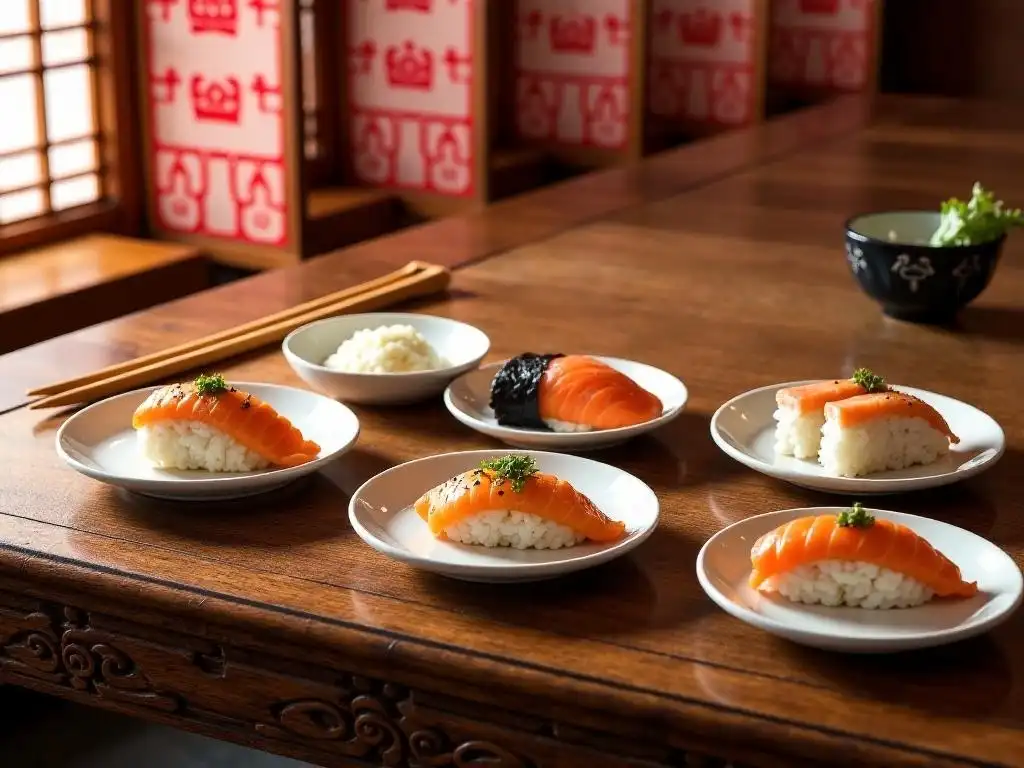
In feudal Japan, meals played a critical role in the intricate web of alliances among samurai. These gatherings were not merely occasions for sustenance; they were strategic events designed to strengthen bonds between clans and solidify loyalties. The act of sharing food symbolized trust and mutual respect, essential elements in a society where allegiances could dictate survival.
- Formal Invitations: Inviting another samurai or clan leader to a meal was a significant gesture, often accompanied by elaborate preparations. These invitations were seen as opportunities to negotiate terms of cooperation or peace.
- Shared Dishes: Traditional dishes served during these meals often included rice, fish, and seasonal vegetables, reflecting the agricultural bounty of the region. Each dish was meticulously prepared, showcasing the host's status and wealth.
- Ceremonial Significance: The presentation of food was laden with symbolism. For instance, serving sake in ornate vessels was a common practice, where the quality of the sake could reflect the host's honor and prestige.
The importance of meals in forging alliances was further exemplified in feasts, where the gathering of multiple clans could lead to significant political agreements, reinforcing the notion that food was a powerful tool in the samurai's social arsenal.
The Influence of Banquets and Feasts in Samurai Culture
Banquets and feasts held a prominent place in samurai culture, serving both celebratory and diplomatic purposes. These grand events showcased not only culinary artistry but also the social hierarchy and political dynamics of the time.
- Culinary Displays: Banquets featured lavish spreads that could include various preparations, such as grilled fish, simmered vegetables, and exquisite desserts made from rice flour and sweet bean paste. The presentation was as important as the flavors, with intricate arrangements designed to impress guests.
- Ceremonial Roles: Specific roles were assigned during these gatherings. The host, often a high-ranking samurai, would lead the proceedings, while others would participate in rituals such as toasting with sake to honor guests and express goodwill.
- Cultural Narratives: The meal itself was infused with cultural stories and legends, often recounted during the feast. This practice served to educate younger samurai about their heritage and the values of loyalty and honor.
Through these banquets, samurai could navigate complex social landscapes, reinforcing their status while fostering essential connections among their peers. The shared experience of a meal became a canvas for political maneuvering, where alliances were nurtured amid courses of food.
The concept of brotherhood among samurai was deeply intertwined with the rituals surrounding shared meals. Eating together fostered a sense of camaraderie and mutual support, essential for a warrior class that relied on teamwork and loyalty.
- Ritualized Eating: The practice of sharing meals often involved specific rituals, such as the hashi (chopsticks) etiquette, which dictated how food should be served and consumed. Observing these rituals reinforced the bond between samurai, emphasizing respect and unity.
- Communal Dining: It was common for samurai to partake in communal meals, especially during times of war or training. These shared experiences strengthened the warrior ethos, creating bonds that transcended mere friendship.
- Emotional Connections: Meals served as a safe space for samurai to express their thoughts and feelings, creating an environment where they could discuss strategies, share stories, and build emotional connections. This aspect was critical in a society where stoicism was often the norm.
Through the act of sharing meals, samurai not only nourished their bodies but also cultivated a profound sense of belonging and loyalty to one another. This brotherhood was crucial for maintaining the warrior spirit, underscoring the importance of meal rituals in samurai culture.
The multifaceted role of meals in samurai culture exemplifies their significance beyond mere nourishment. From forging alliances to reinforcing brotherhood, the rituals surrounding food were integral to the fabric of feudal Japanese society, embodying the values and ethos of the samurai class.
Case Studies of Notable Samurai Meal Rituals
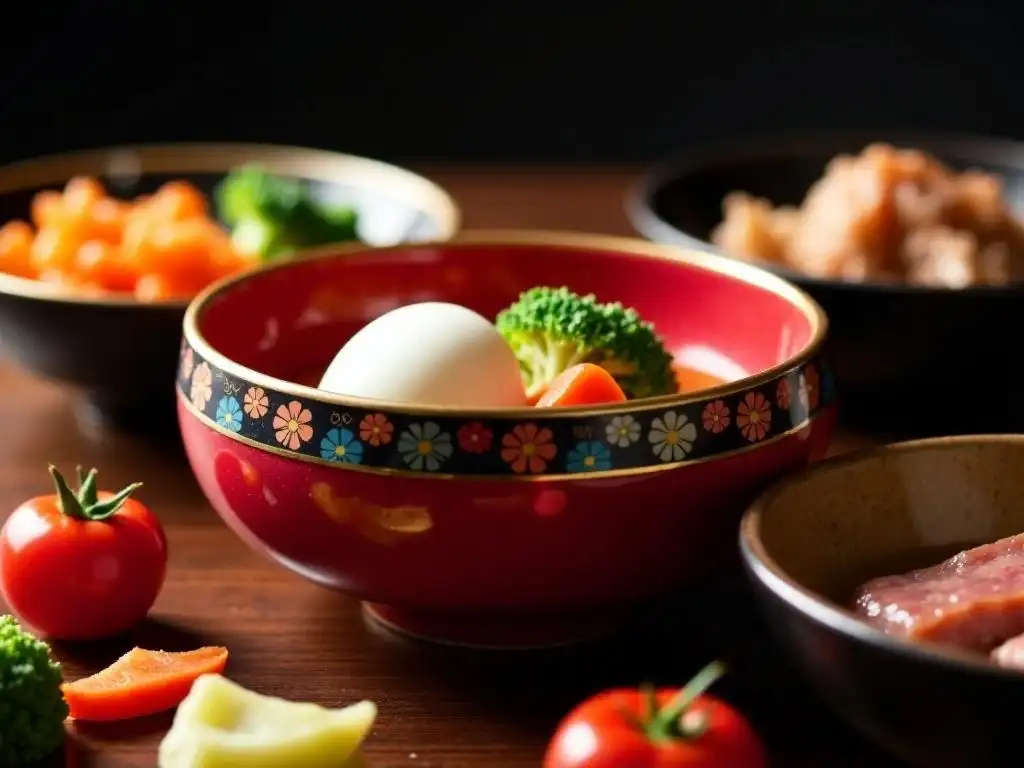
The meal rituals of samurai culture are steeped in tradition and reflect a broader societal framework of honor, discipline, and aesthetics. To illustrate the importance of these rituals, we can delve into specific case studies that exemplify how meals were not merely a source of sustenance but a profound representation of values and practices within samurai society.
Case Study: The Uesugi Clan's Meal Practices
The Uesugi clan, one of the most notable families in feudal Japan, is renowned for its distinct meal practices that exemplified the samurai ethos. Central to their dining rituals was the concept of "kaizen", or continuous improvement, which influenced their approach to food preparation and presentation.
- Ceremonial Aspects: Meal times were often marked by a formal setting, where the layout of food was meticulously arranged. This was not just for visual appeal but also symbolized harmony and balance, reflecting the clan's values.
- Seasonal Ingredients: The Uesugi clan emphasized the use of seasonal ingredients, aligning with the Japanese philosophy of mono no aware (the beauty of transient things). This practice highlighted the connection to nature and the impermanence of life, reinforcing the samurai’s respect for the world around them.
- Ritualistic Offerings: During meals, it was common to make offerings to the kami (spirits) as a sign of gratitude. This spiritual aspect intertwined with daily life demonstrated the clan's adherence to Shinto beliefs, reinforcing their cultural identity.
The clan's meals were often accompanied by specific rituals, such as the presentation of sake, which was served with an elaborate ceremony that included pouring the drink with both hands, a gesture of respect and attention to detail. Such practices exemplified the Uesugi clan's commitment to the values of samurai culture, where every action, even the simplest gestures, carried deep significance.
Analysis of Rituals During the Tea Ceremony
The tea ceremony, or chanoyu, is one of the most celebrated rituals in Japanese culture, with profound ties to samurai traditions. It is an intricate practice that embodies the principles of harmony, respect, purity, and tranquility—elements that resonate deeply within samurai culture.
- Philosophical Underpinnings: The tea ceremony is not merely about drinking tea; it is a meditative practice that encourages mindfulness. For samurai, participating in a tea ceremony was an opportunity to reflect on their personal code of conduct, known as bushido, which emphasized honor, loyalty, and discipline.
- Ritualistic Elements: Every aspect of the tea ceremony is steeped in ritual, from the preparation of the tea to the arrangement of utensils. The careful selection of tea utensils, often handcrafted and unique, reflects the aesthetic values held dear by samurai. This attention to detail symbolizes respect for the art form and for the guests.
- Social Dynamics: The tea ceremony also served as a social platform for samurai to display their status and cultivate relationships. Invitations to a tea ceremony were highly coveted, and the conduct during the event was scrutinized. Guests were expected to demonstrate proper etiquette, showcasing their refinement and understanding of samurai culture.
The tea ceremony stands as a testament to the significance of meal rituals in samurai culture, where the act of sharing a simple cup of tea transcends the physical act itself, becoming a profound expression of art, philosophy, and social connection. Through these rituals, samurai not only nourished their bodies but also cultivated their spirits and relationships, reinforcing the multifaceted nature of their culture.
Conclusion: The Lasting Impact of Samurai Meal Rituals
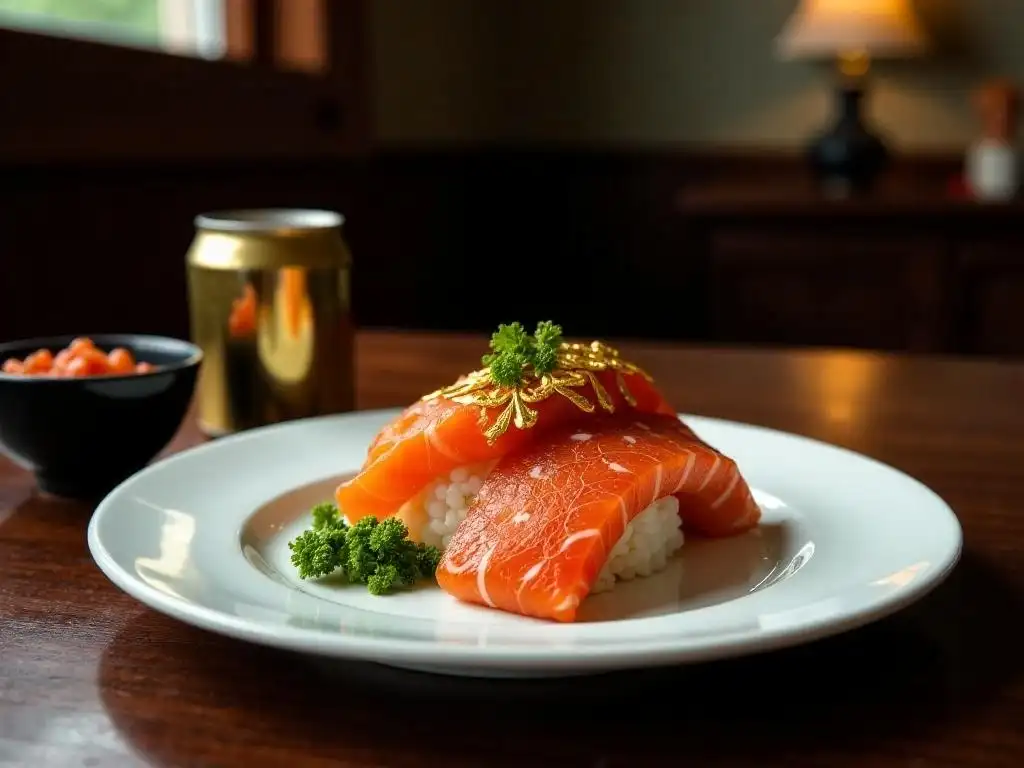
Samurai culture meal rituals were not merely about nourishment; they represented a complex interplay of tradition, hierarchy, and spirituality. These rituals shaped the way samurai interacted with one another and their environment, establishing a code of conduct that transcended the dining table. The significance of meals within this culture was deeply rooted in the values of respect, discipline, and community.
The preparation and consumption of food were imbued with symbolism. Every aspect, from the choice of ingredients to the manner of presentation, conveyed respect for the guests and the samurai's own status. For instance, the practice of serving specific dishes during ceremonies illustrated the samurai's connection to nature and their adherence to the principles of Zen Buddhism. The mindful consumption of food was seen as a form of meditation, reinforcing the samurai's commitment to self-discipline and reflection.
As Japan transitioned away from the feudal era, the essence of these meal rituals began to evolve. Yet, the core principles of respect and mindfulness remained embedded in Japanese dining customs. Understanding these rituals offers profound insights into the samurai's way of life and the broader cultural ethos of Japan.
Reflection on the Legacy of Samurai Culture and Cuisine
The legacy of samurai culture meal rituals continues to resonate in contemporary Japanese society. These practices have not only influenced traditional dining etiquette but have also permeated modern culinary arts. The samurai's emphasis on aesthetics and presentation is evident in the meticulous arrangements found in kaiseki cuisine, a sophisticated multi-course meal that focuses on seasonal ingredients and visual appeal.
Moreover, the communal aspect of meals, where sharing food fosters bonds among participants, can be traced back to samurai customs. Today, family gatherings and celebratory occasions often mirror these ancient rituals, highlighting the enduring influence of samurai values on modern social interactions.
In addition, the ritual practices surrounding food preparation and consumption have found their way into contemporary Japanese ceremonies, including tea ceremonies. These experiences encapsulate the spirit of mindfulness and respect central to samurai meal rituals, making them an integral part of Japan’s cultural identity.
Modern-Day Influence of Samurai Meal Rituals on Japanese Culture
In modern Japan, the influence of samurai meal rituals is evident in various facets of daily life. Restaurants across the country often pay homage to these traditions, offering dining experiences that reflect the principles of samurai culture. For example, many establishments emphasize seasonal ingredients, presenting them in artistic arrangements that echo the samurai's attention to detail.
Moreover, the concept of omotenashi—the Japanese spirit of hospitality—can be traced back to the samurai's respectful treatment of guests during meals. This principle is not only fundamental to the culinary industry but also permeates broader aspects of Japanese culture, reinforcing the importance of consideration and respect in interpersonal relationships.
Education plays a crucial role in preserving these traditions. Culinary schools often incorporate lessons on historical dining practices, ensuring that future chefs understand the significance of samurai meal rituals. This educational approach helps maintain a connection to the past while encouraging innovation within the culinary arts.
The samurai culture meal rituals have left an indelible mark on Japanese society, influencing everything from culinary practices to social customs. Their legacy continues to thrive, reminding us of the intricate relationships between food, culture, and identity in Japan.
Further Reading on Samurai Culture and Cuisine
Suggested Books and Articles on Samurai Meal Rituals
For those interested in delving deeper into the intricate relationship between samurai culture and meal rituals, several books and articles provide invaluable insights:
-
"Samurai and Cuisine: A Cultural History" by Haruki Yamamoto
This comprehensive book explores the evolution of samurai meal practices, highlighting how their dietary choices were influenced by social status, warfare, and regional availability of food.
-
"The Art of Japanese Cooking" by Takashi Yamaguchi
While primarily a cookbook, this text also delves into the historical context of Japanese food preparation, including the specific meal rituals observed by samurai families.
-
"Feast of Honor: The Role of Food in Samurai Culture" in the journal Japanese Historical Studies
This article analyzes how meals served not only as nourishment but also as a means of reinforcing social hierarchy and honor among the samurai class.
-
"Dining with the Samurai: Rituals of the Table" by Noriko Sato
Focusing on the ceremonial aspects of samurai meals, Sato discusses the etiquette and rituals that were integral to dining experiences in samurai households.
These readings illuminate the complex interplay between food, ritual, and identity within samurai culture, providing a rich backdrop for understanding their meal practices.
Resources for Exploring Feudal Japanese Cuisine
To further explore the culinary landscape of feudal Japan, the following resources are recommended:
- Online Databases
- The Japan Times: Offers articles on traditional Japanese dishes and their historical significance.
- National Diet Library of Japan: Contains digitized resources related to Japanese culinary history and samurai meal practices.
- Documentaries and Films
- "The Last Samurai": While a fictional portrayal, it provides visual context to samurai life, including aspects of their dining rituals.
- "Jiro Dreams of Sushi": An exploration of Japanese culinary traditions that, while modern, echoes the importance of food in Japanese culture.
- Culinary Workshops
- Japanese Cooking Classes: Many culinary schools offer classes focusing on traditional techniques and dishes that were significant in samurai households. Participation in such workshops can provide hands-on experience with historical recipes.
- Academic Journals
- Journal of Japanese Studies: Frequently publishes articles that analyze various aspects of Japanese culture, including food and meal rituals in samurai society.
These resources not only enrich one’s understanding of samurai culture meal rituals but also offer practical insights into the culinary practices that defined life during the feudal era in Japan.
Frequently Asked Questions
What were the main components of Samurai culture meal rituals?
The Samurai culture meal rituals typically included rice, fish, and vegetables, reflecting the importance of simplicity and balance in their diet, along with ceremonial practices that emphasized respect and discipline.
How did meals play a role in the Samurai's training?
Meals were considered a part of physical and mental training, where samurai would practice etiquette and mindfulness during dining, reinforcing their values of discipline and respect.
What is the significance of rituals in samurai meals?
Rituals in samurai meals served to honor the ancestors and express gratitude for the food, creating a sense of community and connection among samurai and their families.
Were there any specific ceremonies associated with samurai meals?
Yes, certain ceremonies such as the tea ceremony were integral to samurai culture, emphasizing purity and simplicity, and reflecting the warrior's commitment to spiritual and aesthetic values.
How did seasonality affect samurai meals?
Seasonality played a crucial role in samurai meals, as they adhered to the principles of freshness and local sourcing, which not only influenced flavors but also showcased their connection to nature and the changing seasons.
Final Reflection: The Enduring Legacy of Samurai Culture Meal Rituals
In an era where fast food and convenience often overshadow the significance of shared meals, the exploration of samurai culture meal rituals serves as a poignant reminder of the deep connections forged through food. These rituals were not merely about sustenance; they were a profound expression of respect, tradition, and community. As we navigate our modern lives, the essence of these practices invites us to reconsider the value of our own dining experiences and the stories they tell.
Clearly, the influence of samurai culture extends beyond the historical context, permeating contemporary society in ways that shape our understanding of food and community. The rituals surrounding meals in samurai culture reflect a commitment to mindfulness and respect that resonates today. As we gather around our tables, we can draw inspiration from the samurai's dedication to honoring their food and the people with whom they shared it. Food is not just what we eat; it is a reflection of who we are and where we come from.
This quote encapsulates the idea that every meal carries the weight of history and culture, urging us to appreciate the narratives woven into our culinary practices.
As you reflect on the lessons from samurai culture meal rituals, consider how you can incorporate mindfulness and intentionality into your own dining experiences. Take a moment to appreciate the food on your plate, the company you share it with, and the traditions that have shaped your culinary journey. Let this reflection inspire you to create meaningful connections through meals, honoring both the past and the present in every bite.
Embrace the Spirit of Samurai by Transforming Your Meals
Thank you for exploring the captivating world of Samurai culture with us! You've discovered that meals were not merely sustenance but a profound ritual intricately woven into their way of life. Now, it's time to take this inspiration and elevate your own dining experiences.
Here are a few simple yet impactful actions you can take right now:
- Curate a Traditional Japanese Meal: Recreate a Samurai-inspired feast at home. Select ingredients that reflect the harmony of nature and prepare each dish with purpose and care.
- Start a Mealtime Ritual: Whether it's expressing gratitude before each meal or taking a moment for mindful eating, establish a ritual that connects you to your food and the experience.
- Share Your Journey: Discuss your culinary experiences with friends or family. Consider blogging or sharing on social media how you’ve incorporated these elements into your meals!
How will you honor the spirit of the Samurai in your next meal?