
Women in Feudal Japan: Navigating Family Roles and Societal Expectations

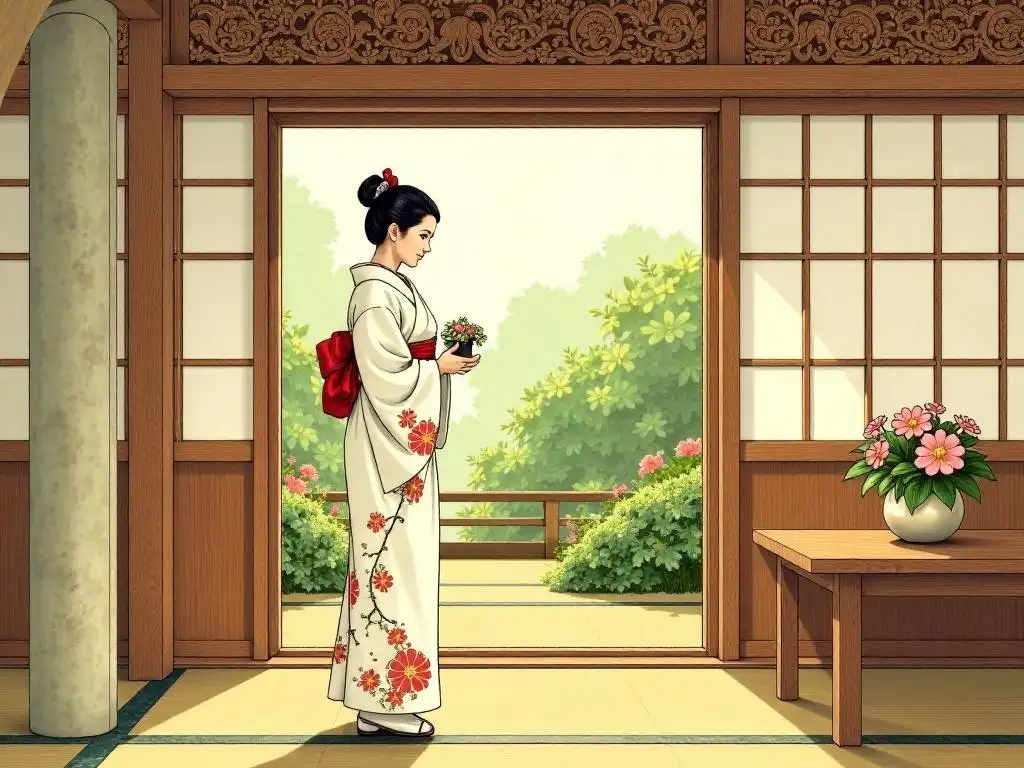
Welcome to Feudal Japan History, where we delve into the intricate tapestry of Japan's feudal era, revealing the profound cultural and societal dynamics that shaped this remarkable period. In our featured article, "Women in Feudal Japan: Navigating Family Roles and Societal Expectations," we explore the multifaceted roles women played in a society often defined by rigid hierarchies and expectations. What were the hidden strengths and challenges they faced? Join us as we uncover the stories and voices of these remarkable women, inviting you to journey deeper into their world and discover how their influence resonates even today.
Introduction to Women in Feudal Japan
The role of women in Feudal Japan is a complex tapestry woven from historical, cultural, and societal threads that shaped the lives of countless individuals over centuries. In a society deeply rooted in Confucian values, women were often seen through the lens of family and duty, primarily as mothers, wives, and caretakers. However, their influence extended beyond the household, affecting social structures and cultural narratives of the time. Understanding these roles provides a nuanced perspective on how women navigated their positions within the rigid hierarchies of feudal society, often balancing personal agency with societal expectations.
Overview of Feudal Japan Society
Feudal Japan, spanning from the late 12th century until the mid-19th century, was characterized by a decentralized political structure dominated by warrior clans and land-owning daimyōs. Society was stratified into distinct classes, including:
- Samurai: The warrior class, who upheld loyalty and honor.
- Farmers: The backbone of the economy, responsible for food production.
- Artisans and Merchants: Craftspeople who contributed to trade and cultural development.
In this context, women’s roles were often defined by their class and family ties. While the samurai class emphasized loyalty and honor, the roles of women varied significantly across different strata of society.
Importance of Family Roles in Feudal Japan
Family served as the cornerstone of societal structure in Feudal Japan. The familial unit was not just a personal entity but a vital component of social organization. Women's roles were pivotal in maintaining the family lineage, particularly through:
- Marriage Arrangements: Women were often married off to forge alliances between families.
- Child-Rearing: Mothers were primarily responsible for nurturing and educating their children, instilling values and traditions.
- Household Management: Women oversaw domestic affairs, ensuring the smooth operation of the household.
Through these responsibilities, women played a crucial role in sustaining family honor and continuity, even as they often operated within restrictive confines.
The Family Structure in Feudal Japan
The family structure in Feudal Japan was largely patriarchal, with men holding authority over family decisions, property, and lineage. However, women occupied vital roles that shaped family dynamics. This structure can be understood through the following aspects:
The Role of Women within the Family Unit
Women in Feudal Japan were expected to uphold familial responsibilities, often sacrificing personal ambitions for the benefit of the family. Their roles included:
- Wives: Providing support to their husbands and managing the household.
- Mothers: Essential in nurturing the next generation and ensuring adherence to family customs.
- Contributors: In agrarian families, women often worked in the fields alongside men, demonstrating their integral role in subsistence.
Despite societal limitations, some women exercised considerable influence, particularly in the samurai class, where they could manage estates and engage in political matters during their husbands' absences.
Generational Dynamics: Women and Their Influence on Family Legacy
Women in Feudal Japan also played a crucial role in shaping family legacies. The generational dynamics within families allowed women to influence:
- Cultural Transmission: Mothers passed down traditions, stories, and skills to their children, ensuring cultural continuity.
- Strategic Alliances: Marriages often formed alliances that could enhance family power and wealth, a responsibility typically managed by women.
- Legacy of Values: Women instilled moral and ethical values that guided the family’s reputation and standing within society.
Through these avenues, women contributed not only to the immediate family structure but also to the broader societal fabric of Feudal Japan, leaving enduring legacies that transcended their era.
Societal Expectations of Women in Feudal Japan
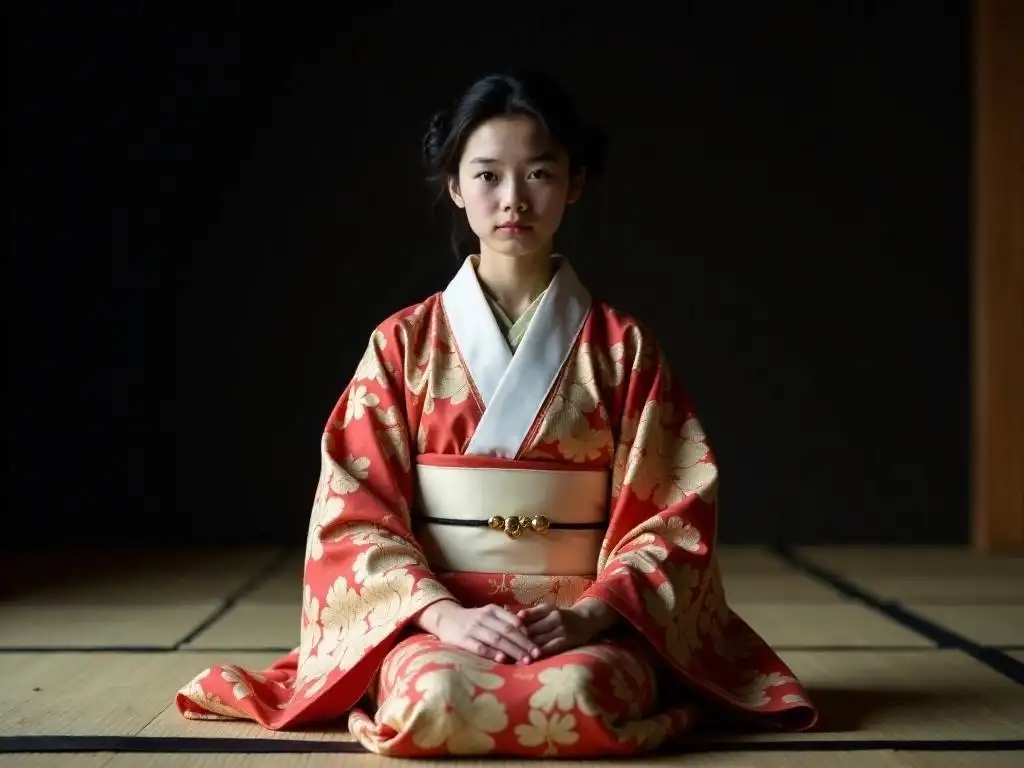
In Feudal Japan, women occupied a complex position within the framework of societal expectations. Predominantly, their roles were heavily influenced by Confucian ideals, which emphasized subservience to both family and husband. Women were primarily seen as caretakers of the household, responsible for the upbringing of children and management of domestic affairs. This expectation was deeply rooted in the belief that women should embody virtues such as obedience, chastity, and diligence.
Moreover, women were often expected to contribute to the family unit through various means, despite their limited rights and autonomy. The society placed a strong emphasis on lineage and inheritance, which meant that women's roles were often tied to their familial connections. As such, marriage was regarded as a fundamental duty, and women were frequently married off at a young age to strengthen political alliances or enhance family standing.
The societal pressures to conform to these expectations were palpable, as deviations could lead to stigmatization. However, some women managed to carve out their own identities and influence within these constraints, showcasing a range of experiences that extended beyond mere domesticity.
Cultural Norms and Gender Roles
Cultural norms in Feudal Japan dictated that women adhere to specific gender roles that reinforced their subordinate status within the family and society. These norms were manifested in various aspects of daily life, from the strict codes of conduct governing behavior to the expectations surrounding attire and presentation. For instance, women were typically expected to wear modest clothing, which often included layered kimono that concealed their figures, symbolizing their status as demure and modest individuals.
In addition, women's participation in religious and cultural practices often reflected their roles as caretakers of traditional values. Festivals, rituals, and ceremonies were predominantly orchestrated by women, who ensured the continuity of cultural practices within the family. However, their involvement was often limited to supportive roles, with men taking the lead in public ceremonies and decision-making processes.
The rigid adherence to these cultural norms stifled women's opportunities for self-expression and independence. Nevertheless, some women, particularly those from noble families, were able to navigate these constraints more effectively, leveraging their positions to gain influence and engage in literary and artistic pursuits.
Economic Contributions: Women's Roles in Agriculture and Craftsmanship
Despite the restrictive societal expectations placed upon them, women in Feudal Japan made significant economic contributions, particularly in agriculture and craftsmanship. In rural areas, women played a vital role in farming, often working alongside men in the fields. They were responsible for planting, harvesting, and processing crops, which were essential to the family's sustenance and economic stability.
In addition to agricultural duties, women were skilled artisans, contributing to local economies through craftsmanship. They produced textiles, pottery, and various household goods, often utilizing techniques passed down through generations. The production of silk, for instance, was a significant industry in which women were heavily involved, from the cultivation of silkworms to the weaving of fabric.
These economic activities were crucial not only for the family unit but also for the broader community. Women's work in agriculture and craftsmanship contributed to the sustenance of local economies, making them integral to the fabric of Feudal Japanese society. However, their labor was often undervalued, as societal structures favored male dominance in both economic and political spheres.
Education and Knowledge for Women
Education for women in Feudal Japan was a contentious issue, with access and opportunities varying significantly depending on social class and region. While some women received instruction in basic literacy and household management, formal education was predominantly reserved for men. This disparity in educational opportunities reinforced the notion that women were primarily suited for domestic roles and responsibilities.
Access to Education: Opportunities and Restrictions
Access to education for women in Feudal Japan was largely influenced by their social status. Noblewomen often had better opportunities for education, receiving instruction in arts, literature, and etiquette, which were deemed necessary for their roles in managing households and engaging in social functions. In contrast, peasant women typically had limited access to formal education, focusing instead on practical skills that directly supported family life.
The restrictions on women's education were not solely socioeconomic; they were also cultural. Confucian ideals emphasized the importance of male education while relegating women to the domestic sphere. This cultural bias against educating women meant that many remained illiterate, unable to access the wider world of knowledge and ideas available through literature.
Despite these restrictions, some women sought knowledge through alternative means, such as informal learning from family members or participating in communal activities that fostered literacy and skill development. These avenues allowed for a degree of intellectual engagement, albeit limited.
The Influence of Literature on Women’s Roles
Literature in Feudal Japan played a transformative role in shaping women's roles and societal perceptions. Notably, the emergence of female authors during this period challenged the prevailing notions of women's capabilities and their position in society. Works such as "The Tale of Genji" by Murasaki Shikibu not only showcased women's experiences and emotions but also highlighted their intellectual contributions to culture and literature.
The influence of literature extended beyond mere storytelling; it served as a medium for self-expression and a means of exploring the complexities of women's lives. Through poetry, novels, and essays, women could articulate their thoughts, desires, and frustrations, providing a counter-narrative to the traditional expectations imposed upon them.
Moreover, literature played a crucial role in educating women about their rights and societal roles, fostering a sense of agency amid the constraints of feudal society. Although the majority of women remained confined to traditional roles, the literary contributions of women in this era laid the groundwork for future generations to challenge and redefine their positions within society.
In feudal Japan, the social hierarchy was rigidly structured, impacting women’s roles and opportunities based on their class. Women were primarily defined by their familial affiliations, with their status being greatly influenced by their husband's or father's social standing. The majority of women lived within a patriarchal system that dictated their rights and responsibilities, often limiting their mobility and independence. However, some avenues for social mobility did exist, particularly for women from wealthier backgrounds.
Peasant women, for instance, played a crucial role in agricultural production, managing both household tasks and fieldwork. Their contributions were essential to their families' survival and, by extension, the local economy. While their daily lives were filled with labor, peasant women sometimes gained a measure of influence within their communities, especially if they were widowed or unmarried. This situation occasionally allowed them to manage property or engage in trade, albeit within the constraints imposed by their social class.
In contrast, women from the samurai and noble classes enjoyed a different set of privileges and responsibilities. Their roles, although still confined by societal norms, allowed for greater education and participation in cultural activities. These women were often educated in arts like calligraphy, poetry, and music, which were valued in aristocratic circles. Some noblewomen even wielded significant political influence, advising their husbands or managing estates during their absences.
Peasant Women: Daily Life and Responsibilities
Peasant women in feudal Japan were the backbone of rural life, undertaking a multitude of responsibilities that were vital for their families’ subsistence. Their daily routines began at dawn and included a variety of tasks that ensured the household's survival and well-being.
- Agricultural Work: A significant portion of their day was dedicated to fieldwork, where they were involved in planting, weeding, and harvesting crops such as rice and millet. This labor was physically demanding and required collaboration with family members and neighbors.
- Household Management: In addition to agricultural duties, peasant women were responsible for managing the household. This included cooking, cleaning, and caring for children. They often passed down knowledge of herbal medicine and traditional practices, becoming caretakers of family health and well-being.
- Craft Production: Many peasant women engaged in craft production, creating textiles, pottery, and other goods for both domestic use and trade. This craftwork not only contributed to the household economy but also allowed for some degree of financial independence.
Despite the hard work and societal limitations, peasant women often formed strong community bonds, supporting one another through shared experiences and communal activities. Their resilience and resourcefulness were vital in navigating the challenges of peasant life.
Samurai and Noble Women: Privileges and Duties
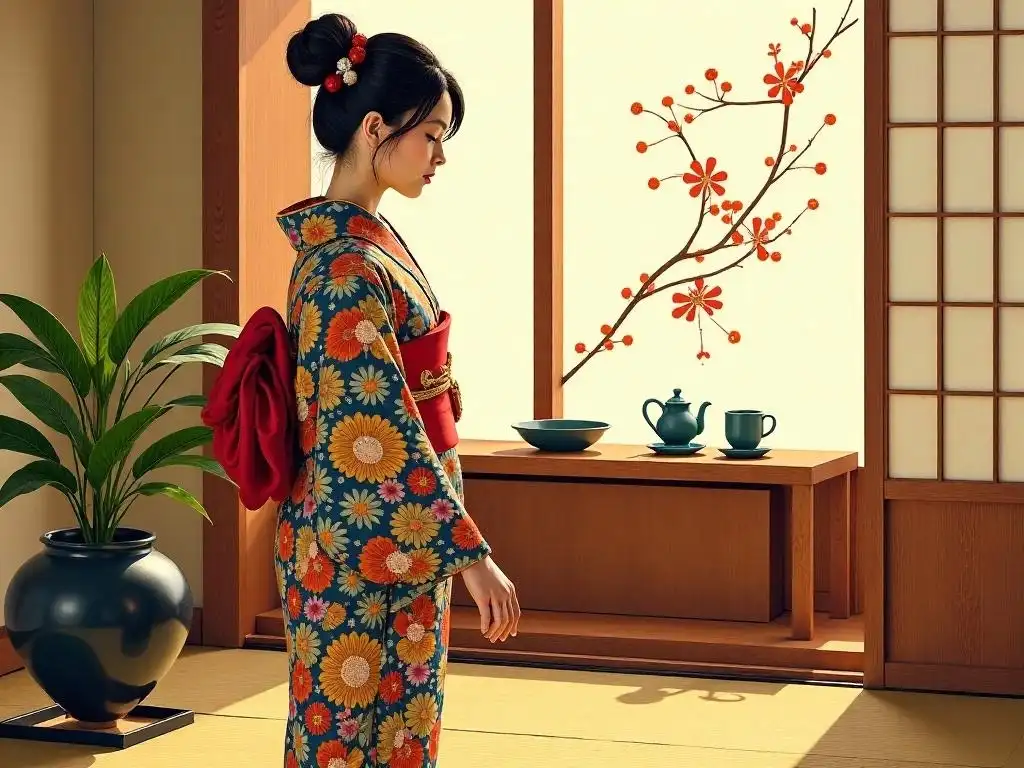
Women of the samurai and noble classes occupied a unique position in feudal Japan, experiencing a blend of privileges and responsibilities that set them apart from their peasant counterparts. While they were still subject to the overarching patriarchal system, their status allowed for certain freedoms and opportunities.
- Education and Cultural Engagement: Noble women had access to education, which was not typically afforded to peasant women. They learned reading, writing, and the arts, including poetry and music, often becoming highly skilled in these areas. This education was not only a means of personal development but also a way to enhance their family's prestige.
- Marriage and Alliances: Marriages among the samurai class were often arranged for political and economic reasons. Women were expected to uphold their family's honor and produce heirs. This responsibility could position them as key players in forming alliances that would influence political landscapes.
- Influence and Power: Some samurai women wielded considerable power, particularly those who managed estates in the absence of their husbands. They could make important decisions regarding land management and finances, demonstrating their ability to navigate within the patriarchal structure while exerting influence over their households.
Despite these privileges, samurai and noble women faced their own sets of societal expectations. Their roles were often confined to the domestic sphere, and their primary identity was tied to their husbands and children.
Case Studies: Notable Women in Feudal Japan
Throughout feudal Japan, several women stood out for their remarkable contributions and influence within their societies. These case studies illustrate the diverse roles women played, challenging and sometimes transcending societal expectations.
Women Who Broke Societal Norms
Notable women like Tomoe Gozen, a legendary female warrior, exemplified the potential for women to defy traditional roles. As a skilled fighter and companion to the samurai Minamoto no Yoshinaka, Tomoe is remembered for her bravery during battles. Her story, while steeped in legend, highlights how some women were able to break free from the constraints of their gender.
Similarly, Hojo Masako, the wife of Minamoto no Yoritomo, became a powerful political figure known as the "Shikken" or regent. She played a crucial role in stabilizing the Kamakura shogunate and demonstrated that women could exert significant political influence in a male-dominated society.
The Legacy of Women in Feudal Japan’s History
The legacy of women in feudal Japan is profound and multi-faceted. Despite the societal restrictions they faced, many women left an indelible mark on history through their contributions to culture, politics, and family life. Their stories continue to resonate today, shedding light on the complexities of gender dynamics and the resilience of women in a challenging historical context.
Women's roles in feudal Japan were not merely passive; they were active participants in shaping their lives and communities. By navigating the intricate web of societal expectations, these women forged paths that would influence generations to come. Their legacy is a testament to the strength and adaptability of women throughout history, reminding us of the vital roles they played in the fabric of Japanese society.
The Evolution of Women's Roles Post-Feudal Era
The transition from the feudal era to modern Japan marked a significant shift in the roles and societal expectations of women. During the feudal period, women were primarily confined to domestic spheres, focusing on family duties, child-rearing, and supporting the samurai class. However, as Japan began to modernize in the late 19th century, these roles started to evolve dramatically. The Meiji Restoration in 1868 initiated a wave of reforms that aimed to modernize and Westernize Japan, impacting women's rights and societal positions.
In this new context, women's education became a key focus. The government began promoting girls' education, leading to increased literacy rates among women. This educational push enabled women to participate more actively in society, pursue careers, and engage in political movements. Notably, the rise of women’s organizations during the early 20th century advocated for suffrage and gender equality, signaling a departure from the traditional confines of feudal roles. The shift was not uniform, however, as many women continued to navigate the complexities of their established family roles while seeking new opportunities.
Transition from Feudal Society to Modern Japan
The transition from feudal society to modern Japan was characterized by profound changes that reshaped women's roles. The abolition of the samurai class and the restructuring of the social hierarchy led to a reevaluation of women's status. Under the new Meiji Constitution of 1889, although women were still largely excluded from politics, they began to find their voices in civil society. This period saw the emergence of various movements advocating for women's rights, which laid the groundwork for future advancements.
As Japan industrialized, women entered the workforce in greater numbers, often taking on roles in factories and service industries. This economic participation was a stark contrast to the predominantly domestic roles they had held during the feudal era. The post-war period further catalyzed changes as Japan adopted democratic principles, granting women the right to vote in 1946. These legal advancements reflected broader societal changes, where women's contributions began to be recognized and valued beyond the household.
Lasting Impact of Feudal Roles on Contemporary Gender Roles
Despite the significant advancements made since the feudal era, the legacy of traditional roles persists in contemporary Japan. The deeply ingrained cultural norms surrounding gender still influence societal expectations, often placing women in caregiver roles while limiting their professional potential. While many women now pursue careers, they often face challenges such as the "glass ceiling" and work-life balance issues, which echo the historical constraints of feudal society.
Furthermore, the concept of "ryosai kenbo" (good wife, wise mother) continues to shape societal ideals, emphasizing women's roles within the family as caretakers and moral guides. This enduring legacy can create tension for modern women who aspire to balance familial duties with professional aspirations. Understanding this historical context is crucial in addressing current gender disparities and fostering a more equitable society.
Conclusion: The Enduring Legacy of Women in Feudal Japan
The legacy of women in feudal Japan is a complex tapestry woven from historical constraints and evolving societal roles. While the feudal era confined women to domestic spheres, it also laid the groundwork for future advancements in women's rights and societal involvement. The transition to modern Japan has been marked by significant strides in gender equality, yet remnants of the past continue to influence contemporary expectations.
Reflection on Family Roles and Societal Expectations
Reflecting on family roles and societal expectations reveals the intricate dynamics that have shaped women's experiences throughout history. Women in feudal Japan were often defined by their relationships to men— as daughters, wives, and mothers. This relational identity has evolved, yet the emphasis on family remains a cornerstone of Japanese culture. Today, women often navigate a dual identity, balancing traditional family roles with aspirations for personal and professional growth.
The Importance of Understanding Women's Contributions in History
Understanding women's contributions throughout history is essential for recognizing the full scope of societal development. Women in feudal Japan played crucial roles in maintaining family structures and cultural traditions, often as unsung heroes in the backdrop of larger historical narratives. By acknowledging their experiences and contributions, we not only honor their legacy but also empower future generations to challenge and reshape societal expectations. This recognition can foster a more inclusive understanding of history, inspiring ongoing dialogue about gender roles in contemporary society.
- Introduction to Women in Feudal Japan
- Overview of Feudal Japan Society
- Importance of Family Roles in Feudal Japan
- The Family Structure in Feudal Japan
- Societal Expectations of Women in Feudal Japan
- Education and Knowledge for Women
- Women in Feudal Japan: Social Mobility and Class
- Peasant Women: Daily Life and Responsibilities
- Samurai and Noble Women: Privileges and Duties
- Case Studies: Notable Women in Feudal Japan
- The Evolution of Women's Roles Post-Feudal Era
- Conclusion: The Enduring Legacy of Women in Feudal Japan
Frequently Asked Questions
What were the primary roles of women in Feudal Japan?
Women in Feudal Japan primarily managed household duties, including child-rearing and maintaining the home. They also played significant roles in social and cultural activities within their communities.
How did societal expectations shape women's lives during this period?
Societal expectations dictated that women should be submissive and primarily focus on their familial responsibilities. These norms often limited their opportunities for education and independence.
Were women allowed to own property in Feudal Japan?
Yes, women could inherit and own property, especially within samurai families. However, their rights were often restricted and subject to the control of male relatives.
What influence did marriage have on women's status in society?
Marriage was a critical aspect of a woman's life, often determining her social standing and responsibilities. Women were frequently seen as tools for alliances, impacting their autonomy.
Did women participate in politics during Feudal Japan?
While women had limited direct involvement in politics, they could influence decisions through their relationships with male relatives. Some women, especially in noble families, wielded indirect power.
Final Reflection: The Enduring Legacy of Women's Roles in Feudal Japan
The exploration of women's roles in Feudal Japan reveals a complex tapestry of strength and resilience that resonates profoundly in today's society. As we dissect the intricate dynamics of family roles and societal expectations, we uncover not only the historical significance of these women but also the enduring impact of their experiences on contemporary gender discussions. The lessons learned from their navigation through a patriarchal society remind us that the fight for equality and recognition is ongoing, and the stories of these women continue to inspire change.
Clearly, the roles women played in Feudal Japan were not merely confined to the domestic sphere; they were pivotal in shaping the cultural and social landscape of their time. Their contributions, often overlooked, laid the groundwork for future generations to challenge societal norms.
As we reflect on this historical context, we are reminded of the words of feminist scholar Judith Butler: > “Gender is not something we are, but something we do.” This perspective encourages us to recognize that the roles women embraced in the past were acts of agency that resonate with the ongoing struggles for gender equality today.
As we conclude this exploration, I invite you to reflect on the lessons from the lives of women in Feudal Japan and consider how their stories can inform your own understanding of gender roles in the present. Let us honor their legacy by actively engaging in conversations about equality and challenging societal expectations in our own lives. By doing so, we not only pay tribute to their resilience but also empower ourselves and future generations to continue the journey toward a more equitable society.
Empower Your Understanding: Dive Deeper into Women's Roles in Feudal Japan
Thank you for taking the time to explore the fascinating dynamics of women's lives in feudal Japan! You’ve uncovered insights into their roles and how they navigated societal expectations. Now, let's build on that knowledge and take actionable steps to further your understanding and engagement with this pivotal historical era.
Here’s how you can continue this journey:
- Delve into recommended readings: Explore books and articles that focus on women's history in feudal societies. Expanding your resources will provide a richer context!
- Join a discussion group: Engage with fellow history enthusiasts in online forums or local meet-ups to share insights and perspectives.
- Share your newfound knowledge with friends or on social media to spark conversations about the valuable contributions of women during this era.
As you reflect on these suggestions, consider this: What aspects of women's roles in feudal Japan resonate with the challenges women face in today's society? We invite you to share your thoughts in the comments below!