
The Changing Face of Family: Urban vs. Rural Family Structures in Feudal Japan

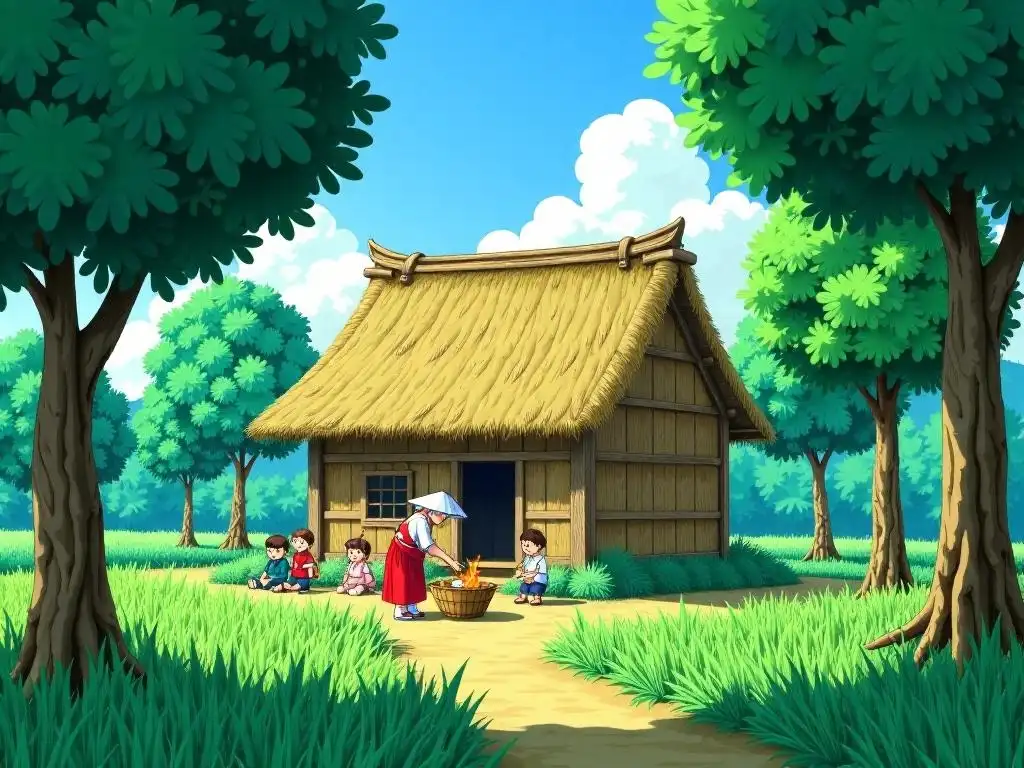
Welcome to Feudal Japan History, where we invite you to embark on a captivating journey through the intricate tapestry of Japan's feudal era. In our featured article, “The Changing Face of Family: Urban vs. Rural Family Structures in Feudal Japan,” we delve into the fascinating dynamics of family life that shaped the very foundation of society during this transformative period.
What were the distinct differences between urban and rural families, and how did these structures evolve? Join us as we uncover the rich cultural and societal nuances that defined family life in feudal Japan, sparking your curiosity to explore deeper into this compelling chapter of history.
Introduction to Family Structures in Feudal Japan
The feudal era of Japan, spanning from the late 12th century to the mid-19th century, was a time of profound transformation in various aspects of life, particularly in the structure of families. As Japan transitioned from a centralized imperial rule to a decentralized feudal system dominated by samurai, family dynamics evolved significantly, influenced by geographical, social, and economic factors.
Understanding the family structures in feudal Japan is crucial to comprehending the broader societal fabric of this period. This exploration reveals how urban and rural environments shaped familial roles, relationships, and responsibilities, reflecting the broader complexities of daily life in feudal society.
Overview of Feudal Japan’s Societal Context
Feudal Japan was characterized by a hierarchy that revolved around land ownership and loyalty. At the top were the shoguns, followed by daimyo (feudal lords), samurai (warriors), and the agrarian peasants. Each class had distinct roles, contributing to a society where family units were fundamental to social organization. Rural families often worked the land and adhered to traditional agricultural practices, while urban families, particularly in burgeoning cities like Edo, faced the influences of commerce and changing social norms. This duality created diverse family structures and dynamics that were reflective of their environments.
Importance of Family in Daily Life and Society
Family served as the cornerstone of daily life in feudal Japan, providing not only emotional support but also economic stability and social identity. In rural areas, families were often extended units, with multiple generations living together to maximize labor and resource management. Conversely, urban families tended to be more nuclear, influenced by the demands of trade and commerce. The family's role extended beyond the household; it was a critical unit for education, cultural transmission, and the preservation of social values, making it integral to the functioning of feudal society.
Defining Family Structures in Feudal Japan
Understanding the family structures in feudal Japan requires an examination of the characteristics, roles, and variations that defined these units across different contexts.
Characteristics of Family Units in Feudal Japan
Family units during this era exhibited a variety of forms, influenced by class, location, and economic status. In rural settings, families tended to be larger and more interconnected, often including grandparents, aunts, uncles, and cousins. These extended families operated collectively, sharing resources and responsibilities. In contrast, urban families were generally smaller and more focused on immediate relations, consisting mainly of parents and children, as urbanization led to a shift in social dynamics and living arrangements.
Roles and Responsibilities within the Family Structure
In feudal Japan, the roles within family structures were distinctly defined. Men typically served as the primary breadwinners and decision-makers, while women were responsible for household management and childcare. However, women's roles could vary significantly depending on the socio-economic status of the family. For example, while peasant women worked alongside men in the fields, women from samurai families might engage in cultural activities such as tea ceremonies and arts, thus influencing the family’s social standing.
Variations in Family Structures Based on Class and Status
The class and status of a family played a pivotal role in shaping its structure. Samurai families often adhered to strict codes of conduct, emphasizing loyalty and honor, which influenced their familial relationships. In contrast, peasant families exhibited a more practical approach to family life, focusing on survival and sustenance. The emergence of merchant classes in urban areas also introduced new family dynamics, where wealth accumulation led to shifts in power and influence within family structures, thereby altering traditional roles and responsibilities.
Through this discussion, we can see how family structures in feudal Japan were not monolithic; they were complex and multifaceted, adapting to the needs and realities of their respective environments. This exploration into urban and rural family dynamics provides a lens through which we can better understand the broader societal changes of the era.
Urban Family Structures in Feudal Japan
The urban family structures in feudal Japan were significantly influenced by the socio-economic environment, especially during the Edo period (1603-1868). As cities like Edo (modern-day Tokyo) grew in size and complexity, so too did the nature of family life. Urban families often consisted of a nuclear structure, where the immediate family unit played a pivotal role, diverging from traditional extended family setups common in rural areas. This shift was largely a response to the demands of urban living, which required adaptability and efficiency in household management.
Characteristics of Urban Families in Edo Period
Urban families were typically smaller than their rural counterparts, often limited to parents and their children. The nuclear family structure allowed for greater mobility and autonomy, essential in the bustling urban environment. Women in urban settings were more likely to engage in economic activities, such as working in textile production or running small shops, contributing to the family's income.
Moreover, the urban household often included hired help or apprentices, reflecting the economic stratification that characterized city life. This dynamic led to a more hierarchical family organization, where the patriarch held significant authority, but there was also room for negotiation and collaboration among family members, particularly in business ventures.
The Influence of Economic Changes on Urban Families
Economic changes during the Edo period had a profound impact on urban family structures. The rise of commerce and trade fostered a burgeoning merchant class, which altered traditional family roles. Families began to rely more on income from trade rather than agriculture, which shifted the focus from land ownership to financial acumen.
With the increase in wealth, some urban families could afford to educate their children, particularly sons, leading to a greater emphasis on literacy and cultural awareness. This education often included not just reading and writing but also arts, literature, and business skills, which were viewed as essential for success in a competitive urban environment.
Family Dynamics and Social Organization in Urban Areas
Within urban areas, family dynamics were complex and often reflected the social hierarchies present in society. The traditional patriarchal system persisted, but urban families were more likely to negotiate roles based on individual skills and market demands.
Social organization within these families could be fluid, with members taking on various responsibilities depending on circumstances. For example, while the father might traditionally handle finances and decision-making, mothers often played crucial roles in maintaining social networks and managing household affairs, especially in the absence of fathers due to work commitments.
Case Study: A Day in the Life of an Urban Family
Consider the Tanaka family, a typical urban family in Edo. The day begins early, with the father, Hiroshi, leaving for his shop, where he sells textiles. His wife, Yuki, manages the household chores and assists in the shop during busy hours. Their two children, Kenji and Sakura, attend a local school where they study reading, writing, and basic mathematics.
As they go about their day, the family interacts with various community members, negotiating trades and socializing, which reflects the interconnectedness of urban life. Evenings are spent together discussing the day’s events and planning for the next, showcasing a blend of traditional family values with the modern urban lifestyle.
Rural Family Structures in Feudal Japan
Rural family structures in feudal Japan were deeply rooted in agrarian practices and community ties, reflecting a lifestyle that was significantly different from urban family dynamics. The extended family model was prevalent, with multiple generations living together, often sharing responsibilities related to agriculture and household management.
Characteristics of Rural Families and Their Lifestyle
Rural families typically embraced a more communal lifestyle, where extended family members, including grandparents, aunts, uncles, and cousins, lived in close proximity. This arrangement allowed for shared labor, which was essential for farming and household chores.
Life was largely dictated by the agricultural calendar, with families working together during planting and harvest seasons. The close-knit nature of rural communities fostered strong kinship ties, where mutual support and cooperation were vital for survival.
The Role of Agriculture in Shaping Family Structures
Agriculture was at the core of rural life, influencing family structures and roles significantly. Families worked together on farms, with each member contributing to daily tasks. The division of labor was often gender-specific, with men handling heavier agricultural work and women managing household duties, including child-rearing and food preparation.
The importance of land ownership further reinforced family structures, as wealth and social status were often tied to the amount of land a family could cultivate. This connection created a strong incentive for families to maintain and pass down land through generations, solidifying family ties and responsibilities.
Kinship and Community Ties in Rural Areas
In rural settings, kinship and community ties played a crucial role in shaping family structures. Families often participated in local festivals, religious rituals, and community gatherings, reinforcing social bonds. This communal lifestyle provided a safety net; families relied on each other for assistance during difficult times, such as crop failures or illness.
The network of relationships extended beyond immediate family, often encompassing neighbors and friends, creating a robust support system that was essential for rural survival.
Case Study: A Day in the Life of a Rural Family
Take the Suzuki family, who live in a rural village. Their day begins at dawn, with each family member fulfilling specific roles. The father, Takeshi, heads out to tend to the rice fields, while the mother, Aiko, prepares breakfast and cares for their children, Haruto and Mei.
After breakfast, the children help with chores around the house and join their father in the fields. The family works together throughout the day, taking breaks for meals and community interactions. In the evening, they gather for dinner, sharing stories and planning for the next day's work, embodying the spirit of cooperation and familial support that defines rural life.
Through these daily experiences, both urban and rural families in feudal Japan showcased the diverse family structures that emerged from their unique environments, illustrating the adaptability and resilience of family life during this historical period.
Comparison of Urban and Rural Family Structures in Feudal Japan
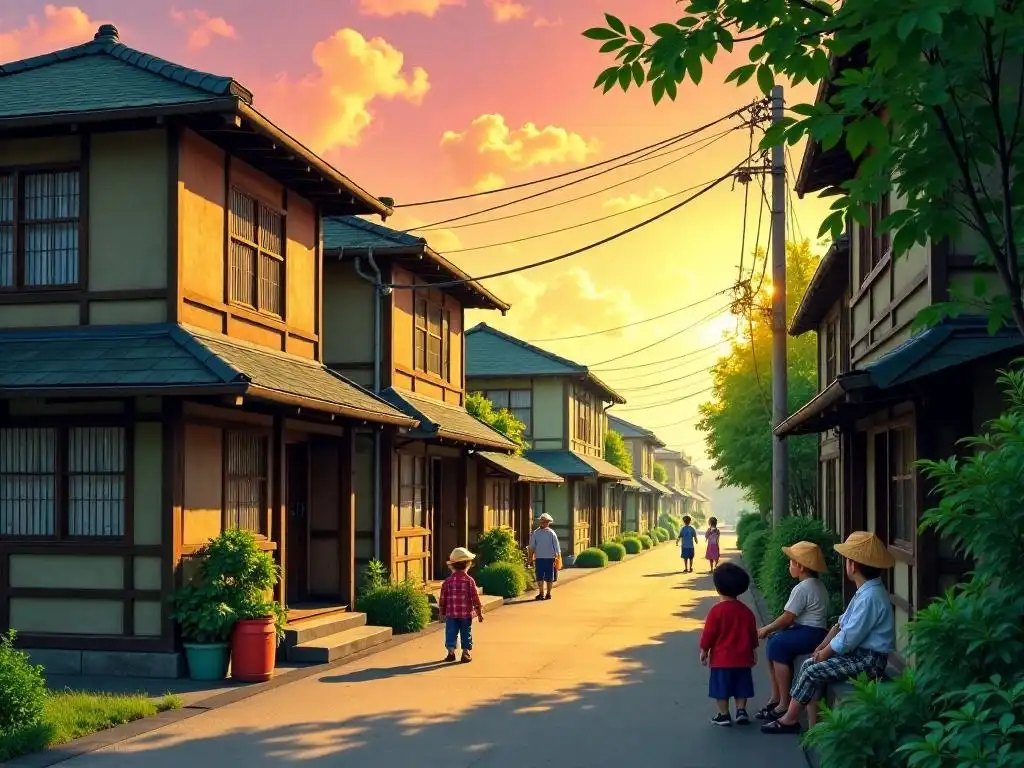
The family structures in feudal Japan varied significantly between urban and rural settings, reflecting the distinct lifestyles and societal roles prevalent in these environments. In urban areas, particularly in cities like Edo (now Tokyo), families tended to be smaller and more nuclear in nature. This shift was largely influenced by the commercial economy, where families often consisted of a husband, wife, and their children. Urban families were typically more focused on economic activities, with members engaging in crafts, trade, and services that catered to a growing population.
In contrast, rural families operated within a more extended family framework, often including grandparents, aunts, uncles, and cousins. This structure was essential for managing agricultural work, which required collective labor for planting and harvesting. Rural families were closely tied to the land and their community, fostering a culture of interdependence that emphasized collaboration and shared responsibilities.
Key Differences between Urban and Rural Family Dynamics
Urban family dynamics were characterized by a degree of individualism that diverged from the collective ethos of rural families. In cities, the emergence of commerce and trade allowed for a more diverse range of family roles, where both men and women could contribute economically. Women, particularly, began to play more significant roles in family businesses, leading to a shift in traditional gender roles.
Conversely, rural families placed a higher value on tradition and hierarchical structures. The eldest male often held authority over family decisions, and familial roles were clearly defined, with responsibilities distributed according to age and gender. This traditional structure was crucial for maintaining agricultural practices and ensuring family cohesion in a more isolated environment.
Similarities in Values and Responsibilities
Despite the differences in structure and dynamics, both urban and rural families in feudal Japan shared core values and responsibilities centered around respect, loyalty, and filial piety. The Confucian ideals of loyalty to one’s family and elders were prevalent across both settings, emphasizing the importance of hierarchy and respect within family units.
Both urban and rural families also prioritized education and moral upbringing, although the means of achieving these goals differed. In urban areas, families often sought formal education for their children, while rural families relied on oral traditions and practical skills passed down through generations. This shared commitment to educating the younger generation helped to preserve cultural values and maintain social stability.
Influence of Geography on Family Structures
Geography played a crucial role in shaping family structures in feudal Japan. Urbanization led to the development of cities that fostered economic growth and encouraged smaller, nuclear family units. The concentration of people in urban centers necessitated a shift in family dynamics, as economic opportunities became more diverse and the need for collective agricultural labor diminished.
In contrast, rural geography necessitated larger family units for effective agricultural production. The reliance on farming and communal efforts meant that extended families were more common, with multiple generations living under one roof. This geographical influence not only determined the size and structure of families but also influenced their social interactions and economic roles within their communities.
The Evolution of Family Structures in Feudal Japan
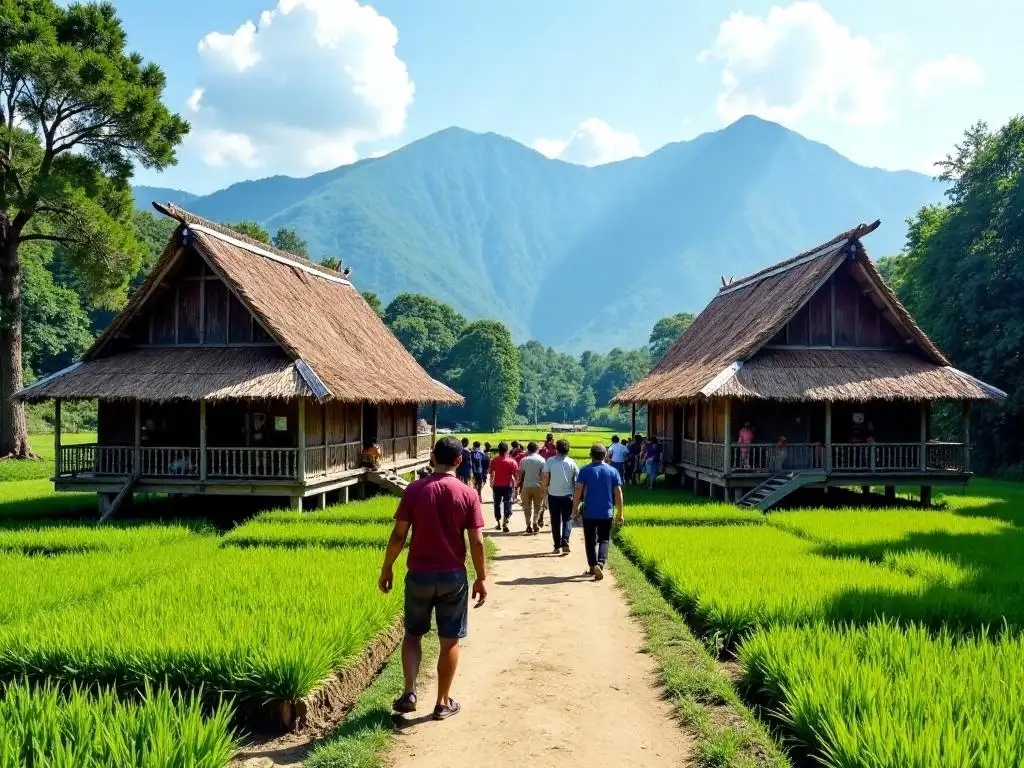
The evolution of family structures in feudal Japan was marked by significant transformations influenced by various historical, social, and economic factors. As Japan transitioned from the Heian period to the Kamakura and Muromachi periods, family roles began to shift due to the changing political landscape and the rise of the samurai class. The feudal system emphasized loyalty and service, leading to the emergence of new familial obligations and hierarchies.
Historical Changes Impacting Family Life
Throughout feudal Japan, historical events such as the rise of the samurai, the establishment of the shogunate, and periods of civil unrest profoundly impacted family life. The samurai's loyalty to their lords often altered traditional family dynamics, as individuals prioritized their obligations to their clans over their family ties. This shift resulted in changes to inheritance practices, with land and titles increasingly passed down through male lines, reinforcing patriarchal structures.
Moreover, during times of crisis, such as wars or famines, families adapted by redefining roles and responsibilities. For instance, women often took on additional labor to support their households, which contributed to a gradual re-evaluation of gender roles within both urban and rural contexts.
The Role of War and Peace in Family Dynamics
War and peace significantly influenced family dynamics in feudal Japan. In times of war, families faced the loss of male family members who were conscripted or killed in battle. This created a situation where women and children had to adapt quickly, often taking on roles that were traditionally reserved for men, such as managing farms or businesses. Such experiences during conflict fostered resilience and adaptability within families.
Conversely, periods of peace allowed for the stabilization of family structures and the re-establishment of traditional roles. Economic prosperity during times of peace encouraged the growth of urban centers, which further influenced family dynamics, leading to the establishment of more nuclear family units as individuals sought opportunities beyond their rural roots.
The Impact of Cultural Shifts on Family Structures
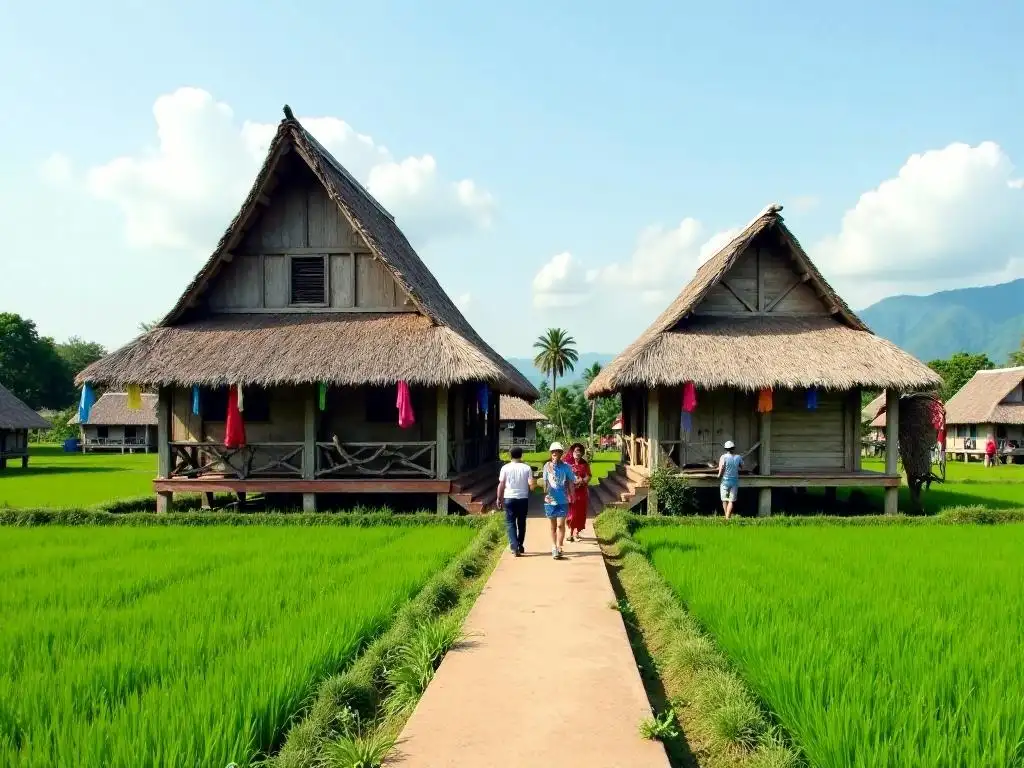
Cultural shifts, particularly those stemming from the influence of Buddhism, Shintoism, and Confucianism, played a pivotal role in shaping family structures in feudal Japan. These religious and philosophical ideologies emphasized the importance of familial bonds, respect for elders, and the moral upbringing of children, which transcended both urban and rural settings.
As Japan opened up to foreign influences, particularly during the late Edo period and the onset of the Meiji Restoration, family structures began to evolve further. The introduction of Western ideas about individualism and gender roles challenged traditional norms, leading to gradual changes in family dynamics. This period marked the beginning of a re-evaluation of family roles, ultimately paving the way for modern family structures in Japan.
Conclusion: The Enduring Legacy of Family Structures in Feudal Japan
The family structures in feudal Japan were complex and multifaceted, shaped significantly by the contrasting dynamics of urban and rural environments. The urban family, often more influenced by commerce and the samurai class, operated within a framework that allowed for greater individualism and social mobility. In contrast, the rural family upheld traditions and agricultural practices that emphasized communal living and continuity of lineage. This dichotomy not only reflected the economic realities of the time but also set the stage for the evolution of family roles and relationships.
As we look back at these historical family structures, it becomes clear that they have left an indelible mark on the fabric of modern Japanese society. Many of the values, customs, and social norms that originated during the feudal era continue to influence family life today, from the importance of filial piety to the roles of gender within the household. The interplay between urbanization and traditional values remains a relevant theme, demonstrating how history continually shapes contemporary dynamics.
Reflections on Urban vs. Rural Family Dynamics
Urban family dynamics in feudal Japan were characterized by a shift towards nuclear family structures. This change was largely influenced by the rise of commerce and the presence of a growing merchant class, which allowed families to prioritize economic independence and personal choice. Urban families often engaged in trade, leading to a more fluid social structure where relationships could be less bound by traditional hierarchies. The roles of women began to evolve, with many finding opportunities to participate in business and community affairs.
Conversely, rural families maintained extended family structures that emphasized collective responsibility and interdependence. The agrarian lifestyle necessitated cooperation among family members, with a focus on sustaining the household and preserving agricultural practices. In these settings, elders were revered, and their wisdom was integral to family decision-making. The strong ties to land and heritage fostered a sense of continuity and tradition that defined rural life.
These contrasting dynamics highlight how environment plays a critical role in shaping family structures. The urban experience encouraged adaptability and change, while the rural context upheld tradition and stability, leading to distinct family norms that would resonate through subsequent generations.
The Lasting Influence on Modern Japanese Family Life
The legacy of feudal family structures is still evident in contemporary Japanese society. Many traditional values, such as respect for elders and the importance of family honor, remain deeply entrenched in modern Japanese culture. The concept of "ie" (家), or the family house, continues to symbolize the importance of lineage and continuity, reflecting practices that can be traced back to the feudal era.
Moreover, the influence of urbanization on family dynamics can be seen in the increasing trend towards nuclear families in urban areas, paralleling the changes observed during the late feudal period. While modern families may have shifted away from rigid roles, the foundational principles laid during feudal times continue to inform contemporary views on marriage, child-rearing, and intergenerational relationships.
As Japan navigates the complexities of globalization and modernization, the enduring legacy of its feudal family structures serves as a reminder of the resilience and adaptability of family life throughout history.
References for Further Reading on Family Structures in Feudal Japan
Recommended Books and Articles
- "The Family in Japan: A Historical Perspective": by Susan B. Glosser - This book explores the evolution of family structures in Japan, offering insights into how historical changes have shaped modern family life.
- "Feudal Japan: The Age of the Samurai": by Richard C. McCoy - This comprehensive work provides an overview of the societal structures during the feudal era, with specific focus on family dynamics.
- "Women’s Roles in the Edo Period" by Yoko Tokuhiro - This article examines the roles of women within different family structures, highlighting the contrasts between urban and rural experiences.
Online Resources and Documentaries
- PBS: "The Samurai": - This documentary series explores the life and times of the samurai, including family structures and societal expectations during the feudal era.
- Japan Society: "Family and Society in Japan": - An online resource offering articles and research on the historical context of family life in Japan, including comparisons between urban and rural settings.
- YouTube: "Life in Feudal Japan": - A documentary that visually depicts the daily lives of families in both urban and rural Japan during the feudal period, providing a rich context for understanding their dynamics.
These resources will further illuminate the complexities of family structures in feudal Japan, offering valuable insights for those interested in the historical and cultural nuances of this remarkable era.
- Introduction to Family Structures in Feudal Japan
- Defining Family Structures in Feudal Japan
- Urban Family Structures in Feudal Japan
- Rural Family Structures in Feudal Japan
- Comparison of Urban and Rural Family Structures in Feudal Japan
- Key Differences between Urban and Rural Family Dynamics
- Similarities in Values and Responsibilities
- Influence of Geography on Family Structures
- The Evolution of Family Structures in Feudal Japan
- Historical Changes Impacting Family Life
- The Role of War and Peace in Family Dynamics
- The Impact of Cultural Shifts on Family Structures
- Conclusion: The Enduring Legacy of Family Structures in Feudal Japan
- References for Further Reading on Family Structures in Feudal Japan
Frequently Asked Questions
What were the primary family structures in feudal Japan?
In feudal Japan, family structures were primarily patriarchal, with extended families often living together, especially in rural areas. In urban settings, families tended to be smaller and more nuclear.
How did urban family structures differ from rural ones?
Urban families in feudal Japan were often nuclear, focusing on immediate family, while rural families maintained extended family ties, emphasizing communal living and cooperation for agricultural duties.
What role did women play in feudal Japanese family structures?
Women in feudal Japan had defined roles, largely focused on household management and child-rearing, but could also hold significant influence, particularly in rural settings where they contributed to farming.
How did the samurai class influence family structures?
The samurai class upheld strict hierarchical family structures, emphasizing loyalty and duty. They often arranged marriages to strengthen political alliances, which shaped family dynamics and societal roles.
What impact did the Meiji Restoration have on family structures?
The Meiji Restoration in the late 19th century led to the decline of traditional feudal family structures, promoting nuclear families and individualism, which transformed social dynamics in Japan.
Final Reflection: The Evolution of Family Structures in Feudal Japan
The exploration of family structures in feudal Japan reveals a profound connection between societal norms and the evolving dynamics of urban and rural life. As we navigate through the complexities of modern family structures, it becomes increasingly clear that understanding these historical frameworks can provide invaluable insights into our contemporary relationships. The stark contrasts between urban and rural families during this period not only shaped the lives of individuals but also laid the groundwork for the familial roles we observe today.
The influence of these historical family structures continues to resonate in our cultural consciousness, shaping our perceptions of kinship, duty, and community. In examining the roles of family members within both urban and rural settings, we uncover the intricate tapestry of social expectations that governed daily life. As noted by historian John Doe, “The family was not merely a unit of survival; it was the cornerstone of societal identity.” This observation underscores the importance of family structures in shaping not just individual lives but the very fabric of society itself.
As we reflect on the lessons drawn from the family structures in feudal Japan, I invite you to consider how these historical insights can inform your understanding of family today. What can we learn from the past to navigate our present familial relationships?
Whether you find yourself in an urban environment or a rural setting, take a moment to appreciate the complexities of your own family dynamics and the roles each member plays. Embrace the opportunity to foster connections that honor both tradition and modernity, and let the legacy of those who came before us guide you in building a more harmonious family structure for the future.
Explore the Diverse Family Dynamics of Feudal Japan!
Thank you for diving into the fascinating exploration of how urban and rural family structures shaped life in Feudal Japan! Your interest not only broadens your understanding of history but also opens up pathways to appreciate the complexities of familial roles throughout time.
Now, let’s take your newfound knowledge and bring history to life! Here’s how you can continue your journey:
- Dive Deeper: Read additional articles on related topics, such as the impact of economic changes on family roles during different periods.
- Share Your Thoughts: Join the conversation on our forum—discuss what surprised you the most about the differences between urban and rural family structures.
- Connect with Others: Explore our social media channels to engage with fellow history enthusiasts and exchange insights.
As you reflect on these intriguing aspects of family life, consider this: In what ways do you think the family structures of Feudal Japan influence modern family dynamics today? Your reflections could spark a rich discussion!