
Music of the Samurai: The Cultural Significance of Traditional Instruments

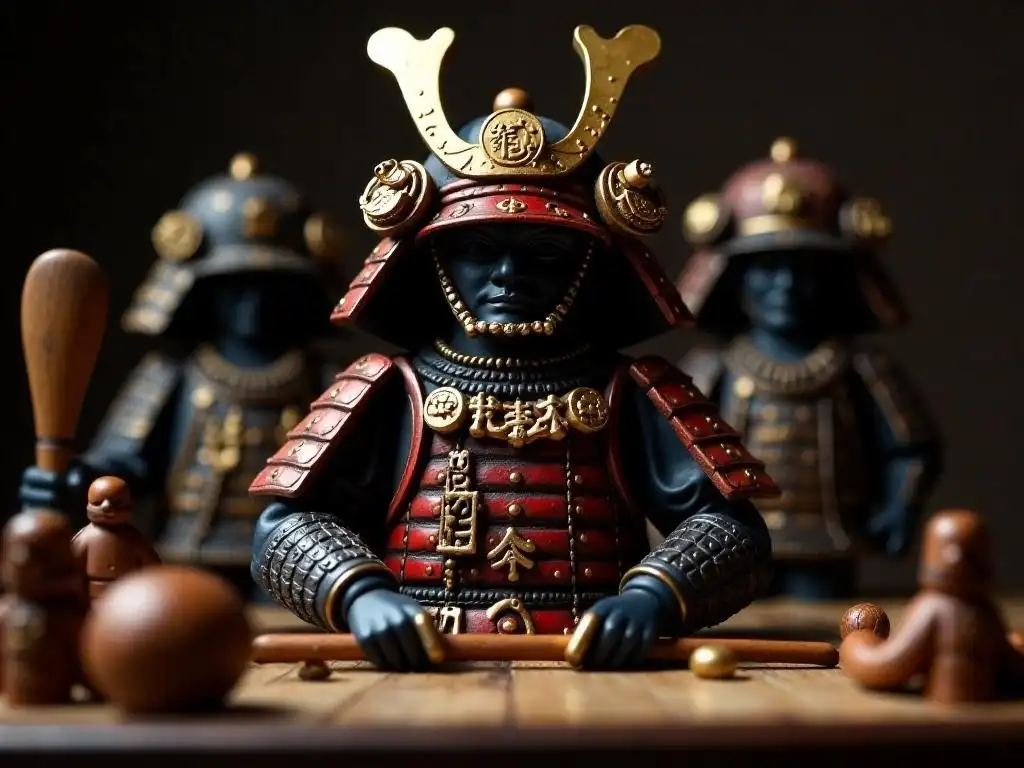
Welcome to Feudal Japan History, where we invite you to embark on a captivating journey through the intricate tapestry of Japan's feudal era. Here, we delve deep into the rich cultural heritage that shaped a nation, uncovering stories and insights that have echoed through centuries.
In our featured article, "Music of the Samurai: The Cultural Significance of Traditional Instruments," you will discover the profound role that traditional samurai music instruments played in both the lives of these noble warriors and the society they influenced. Prepare to be intrigued as we unveil how music resonated through the halls of feudal Japan, beckoning you to explore further into this fascinating world!
- Introduction to Traditional Samurai Music Instruments
- Historical Context of Samurai Music
- Traditional Instruments Used by Samurai
- The Role of Music in Samurai Life
- The Cultural Significance of Traditional Samurai Music Instruments
- Evolution of Samurai Music Instruments Over Time
- Conclusion: The Lasting Legacy of Traditional Samurai Music Instruments
- Frequently Asked Questions
- Final Reflection: The Enduring Legacy of Traditional Samurai Music Instruments
- Unleash the Rhythm of the Samurai!
Introduction to Traditional Samurai Music Instruments
The music of the samurai is a captivating aspect of Japan's feudal history, intertwining the martial culture of the samurai class with the rich tapestry of traditional Japanese music. This article delves into the traditional samurai music instruments, exploring their cultural significance and the role they played in the lives of samurai warriors.
From ceremonial performances to personal enjoyment, music served as both a form of expression and a reflection of the samurai's values, discipline, and artistry. Understanding these instruments not only enhances our comprehension of samurai culture but also highlights the broader societal influences of music during this intriguing historical period.
Overview of Samurai Culture and Music
The samurai, elite warriors of feudal Japan, were renowned for their strict code of conduct known as Bushido, which emphasized honor, loyalty, and personal discipline. Music was an integral part of this culture, serving various purposes—from spiritual and ceremonial to social gatherings and personal relaxation. The samurai class often engaged in the arts, including poetry, calligraphy, and music, as a means to cultivate their character and refine their skills.
Key Aspects of Samurai Music Culture:
- Ceremonial Significance: Music played a critical role in rituals and ceremonies, celebrating victories or honoring ancestors.
- Artistic Expression: Samurai were encouraged to develop artistic talents, including proficiency in music, which was seen as a reflection of a well-rounded warrior.
- Social Interaction: Music fostered camaraderie among samurai, providing an opportunity for bonding and leisure during times of peace.
Traditional instruments such as the shamisen, koto, and taiko drums were commonly used, each contributing unique sounds and styles to the samurai music repertoire. These instruments not only produced beautiful melodies but also conveyed emotions and narratives reflective of the samurai spirit.
Importance of Music in Feudal Japan
In feudal Japan, music was more than mere entertainment; it was a vital part of daily life and societal structure. It encompassed various genres and styles, each serving distinct purposes within the community. The significance of music can be observed through the following dimensions:
- Cultural Identity: Music helped to cultivate a shared cultural identity among the samurai and their communities, reinforcing social hierarchies and traditions.
- Spiritual Connection: Many musical practices were linked to religious and spiritual beliefs, often used in Shinto and Buddhist ceremonies to invoke divine blessings or to honor the spirits of ancestors.
- Emotional Expression: Traditional samurai music allowed warriors to express complex emotions, from the joy of victory to the sorrow of loss, offering a therapeutic outlet amidst the rigors of their demanding lives.
Through an exploration of traditional samurai music instruments, we gain insight into the multifaceted role of music in shaping the samurai's identity and their contributions to the cultural landscape of feudal Japan. This article will further examine specific instruments and their historical contexts, illuminating the artistic legacy left behind by these iconic warriors.
Historical Context of Samurai Music
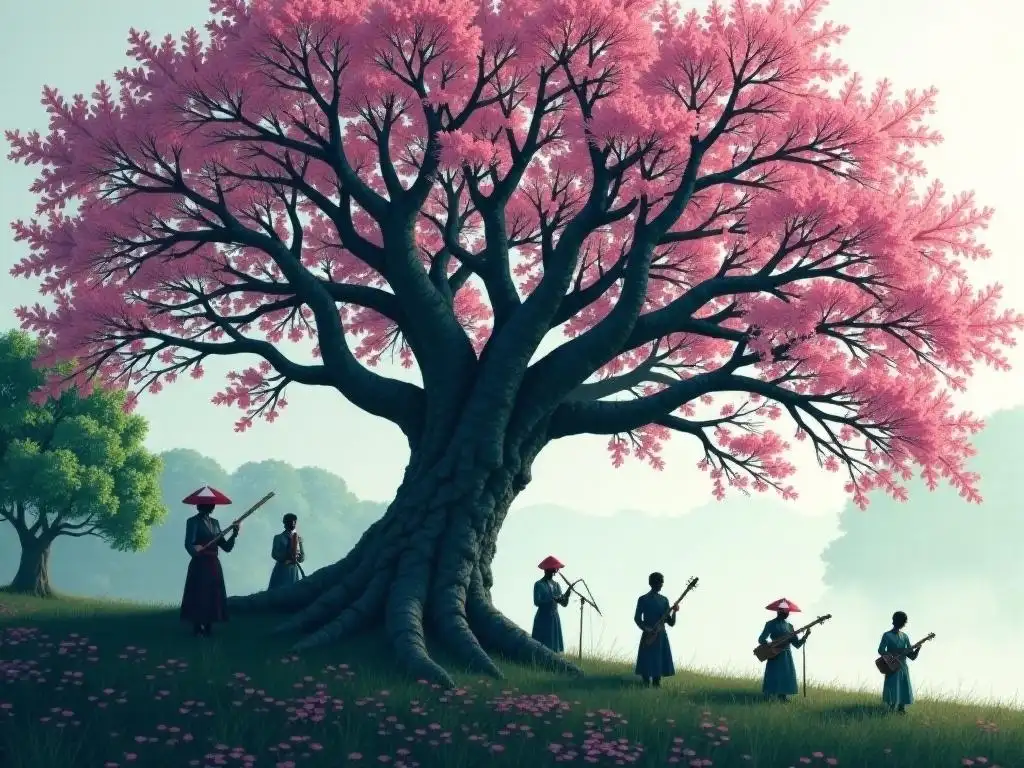
Understanding the historical context of samurai music is essential to appreciate the role traditional samurai music instruments played in Japan's feudal society. The samurai, as the warrior class of Japan, were not only skilled in martial arts but also engaged in various cultural pursuits, including music. The integration of music into the samurai's life reflects the complex interplay between warfare, honor, and art in feudal Japan.
Development of Music in the Samurai Era
The development of music during the samurai era can be traced back to the Heian period (794-1185), where courtly traditions began to influence the emerging warrior class. As the samurai evolved from mere warriors into respected leaders, they adopted various cultural practices, including music.
- Instruments and Forms: Traditional samurai music instruments included the shakuhachi (bamboo flute), biwa (lute), and koto (stringed instrument). These instruments were often used in both ceremonial and leisure contexts, embodying the samurai's connection to nature and spirituality.
- Shakuhachi: Associated with Zen Buddhism, it was played by wandering monks and later adopted by samurai for meditation and reflection.
- Biwa: This instrument was prevalent in storytelling and accompanied oral histories, making it significant for preserving the samurai's legacy.
- Koto: The koto represented elegance and refinement, often played at formal gatherings and during tea ceremonies.
- Music as a Reflection of Values: The themes of loyalty, honor, and bravery were often reflected in the music of the samurai era. Songs and compositions conveyed stories of heroism and the samurai code of conduct, known as Bushido. This cultural significance underlined how music served not only as entertainment but also as a means to instill values and reinforce social norms among the samurai.
- Patronage and Cultural Exchange: As samurai clans gained power, they became patrons of the arts, fostering a rich cultural exchange. Music was performed at feasts, festivals, and ceremonies, creating a vibrant atmosphere that celebrated both military achievements and artistic expression.
Influence of War and Peace on Musical Expression
The tumultuous history of feudal Japan saw periods of both intense warfare and relative peace, each influencing the musical landscape significantly.
- War and Musical Innovation:
- During times of conflict, music served as a rallying cry and a source of morale for warriors. Traditional samurai music instruments were often incorporated into battle strategies, with drums and flutes used to communicate and coordinate movements on the battlefield.
- The taiko (Japanese drum) became prominent during these times, its powerful sound emanating a sense of urgency and collective spirit among warriors.
- Peace and Cultural Flourishing:
- The Edo period (1603-1868) marked a significant shift towards peace and stability, leading to a flourishing of the arts. Samurai, now more focused on governance and cultural pursuits, began to engage deeply with music.
- This era saw the rise of theatrical forms like Noh and Kabuki, which incorporated music as a fundamental element. Instruments like the shinobue (transverse flute) and samisen (three-stringed instrument) became prominent, enriching the cultural tapestry of samurai society.
- Legacy of Musical Practices: The influences of both war and peace on samurai music shaped not only the instruments but also the styles and techniques that are still celebrated today. The transition from martial to cultural expression is evident in the way traditional samurai music instruments are used in modern performances, reflecting a deep respect for the historical roots of Japanese music.
The historical context of samurai music is marked by a rich interplay of cultural, social, and martial influences, with traditional samurai music instruments playing a central role in this narrative. The evolution of these musical practices not only highlights the samurai's multifaceted identity but also their enduring legacy in Japan's cultural history.
Traditional Instruments Used by Samurai
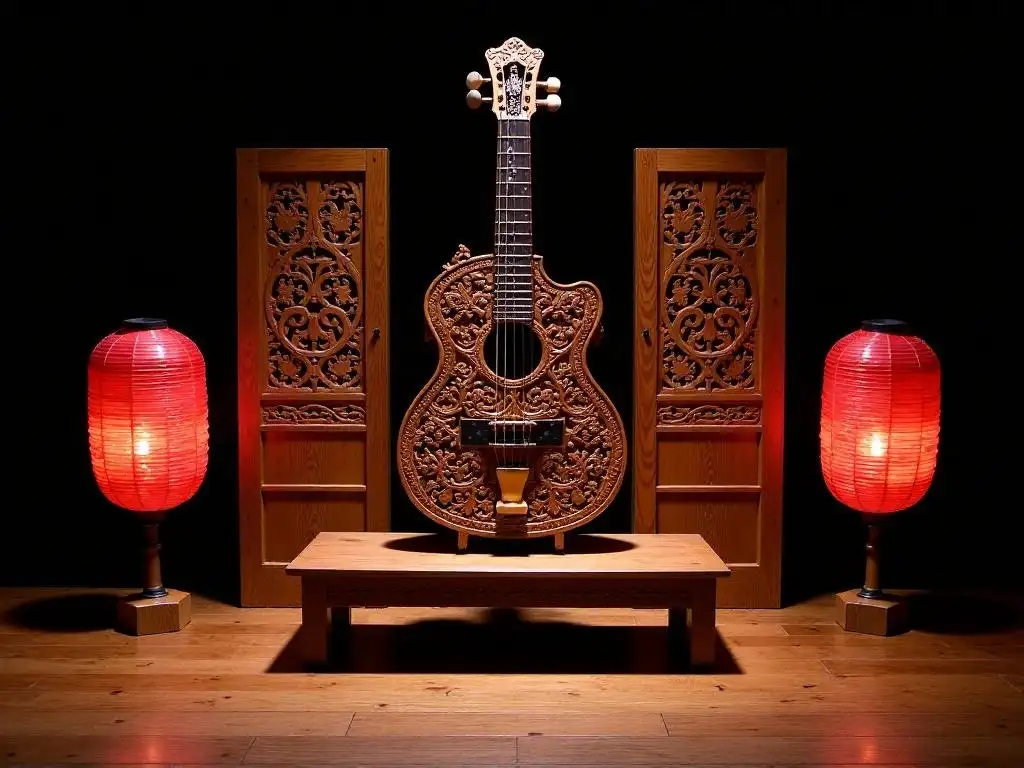
The music of the samurai era is deeply intertwined with Japan's cultural identity, reflecting the values, philosophies, and aesthetic sensibilities of the time. Traditional samurai music instruments played a crucial role not only in entertainment but also in rituals, ceremonies, and the daily lives of the samurai. This section explores three of the most significant instruments: the shamisen, shakuhachi, and koto.
Shamisen: The Three-Stringed Instrument
The shamisen is a traditional Japanese string instrument characterized by its unique sound and playing technique. With a long neck and a body resembling a drum, the shamisen produces music that can evoke a wide range of emotions, making it a favorite among samurai for storytelling and performance.
- Construction: The shamisen has three strings, typically made of silk or nylon, and is played with a plectrum called a bachi. The body of the instrument is often crafted from wood, with varying sizes and shapes depending on the regional style.
- Cultural Significance: The shamisen was often associated with theatrical performances, particularly in genres like bunraku (puppet theatre) and kabuki (dance-drama). Samurai would patronize these performances, using the music to convey their own stories and values.
- Playing Techniques: The shamisen can produce a variety of tones, from sharp and percussive to soft and melodic. Players often employ techniques like sawari (a buzzing sound) to enhance the emotive quality of the music, reflecting the samurai's connection to nature and the transient beauty of life.
Shakuhachi: The Bamboo Flute
The shakuhachi is a traditional Japanese bamboo flute known for its hauntingly beautiful sound. It holds a significant place in the musical landscape of feudal Japan, particularly among the samurai class.
- Design and Material: Typically made from the root end of a bamboo stalk, the shakuhachi has five finger holes and is played vertically. The craftsmanship involved in its creation is a testament to the skill of the artisans, with variations in length affecting the tonal quality.
- Spiritual Connection: The shakuhachi was not only a musical instrument but also a tool for meditation among the samurai. The Zen Buddhist influence led to the belief that playing the shakuhachi could facilitate spiritual enlightenment and self-reflection.
- Musical Style: The shakuhachi is often associated with honkyoku, a form of solo music that emphasizes improvisation and the player's personal expression. This style reflects the samurai's ethos of individualism and the pursuit of mastery.
Koto: The Japanese Zither
The koto is a plucked string instrument that has been an integral part of Japanese music for centuries. Its elegant form and rich sound have made it a popular choice among samurai and aristocrats alike.
- Structure and Tuning: The koto typically has 13 strings, each tuned to a specific pitch, and is played by plucking the strings with finger picks. The instrument's body is usually made from paulownia wood, contributing to its resonant sound.
- Role in Society: The koto was often played in the context of court music ( gagaku) and traditional folk music. Samurai would often engage in koto playing as part of their education in the arts, reflecting their status and cultural refinement.
- Performance Contexts: The koto is frequently featured in ensemble performances, alongside instruments like the shamisen and shakuhachi. Collaborative music-making was a way for the samurai to bond and express their shared cultural heritage.
Traditional samurai music instruments such as the shamisen, shakuhachi, and koto not only served as entertainment but also played a pivotal role in shaping the cultural fabric of feudal Japan. Each instrument carries its own historical significance and reflects the values and aesthetics of the samurai, illustrating the profound connection between music and society during this era.
Taiko: The Traditional Drumming
Taiko, which translates to "drum" in Japanese, is a prominent and historically significant instrument in the music of the samurai. These large, barrel-shaped drums played a crucial role in various aspects of feudal Japanese society, particularly in military settings, religious ceremonies, and cultural festivals. The physicality and rhythm of taiko drumming resonated deeply with the samurai ethos, embodying the spirit of discipline, strength, and unity.
Historical Context
The origins of taiko can be traced back to ancient Japan, where it was used in agricultural rituals and later adapted for military purposes. During the feudal era, taiko served as a means of communication on the battlefield, signaling troop movements and rallying soldiers. The deep, resonant sounds of the drums instilled a sense of camaraderie among the samurai, fostering a collective identity and shared purpose.
Construction and Types
Taiko drums are crafted from various materials, including wood, animal skins, and metal. The most common types of taiko used by samurai include:
- Odaiko: A large drum that produces a powerful sound, often used in celebrations and festivals.
- Shime-daiko: A smaller, tighter drum that produces a higher pitch, frequently used in traditional performances and ceremonies.
- Nagado-daiko: A medium-sized drum, versatile in its use for both ceremonial and entertainment purposes.
The craftsmanship involved in creating taiko drums reflects the artistry and dedication of traditional Japanese artisans, with each drum possessing a unique tonal quality.
Cultural Significance
In the samurai culture, taiko was not merely an instrument; it was a symbol of honor and tradition. The act of drumming was often incorporated into rituals and ceremonies, serving as an homage to ancestors and the spirits of the land. Additionally, taiko performances became an essential part of community life, enhancing festivities and creating an atmosphere of celebration and reverence.
The rhythmic patterns played on taiko drums are deeply intertwined with the samurai's martial practices, often mirroring the movements of swordsmanship and other martial arts. This connection emphasizes the importance of discipline and focus, qualities that were paramount to the samurai way of life.
Modern Relevance
Today, taiko continues to thrive as a vibrant aspect of Japanese culture, with many groups dedicated to its preservation and evolution. Contemporary taiko ensembles blend traditional techniques with modern influences, attracting audiences worldwide. The spirit of the samurai lives on through these performances, reminding us of the profound cultural significance of traditional samurai music instruments like the taiko.
Taiko drumming holds a revered place in the history of the samurai, symbolizing strength, unity, and tradition. Its rich history and cultural importance highlight the integral role that music played in the daily lives of these noble warriors, reinforcing their values and communal ties.
The Role of Music in Samurai Life
Music in Ceremonies and Rituals
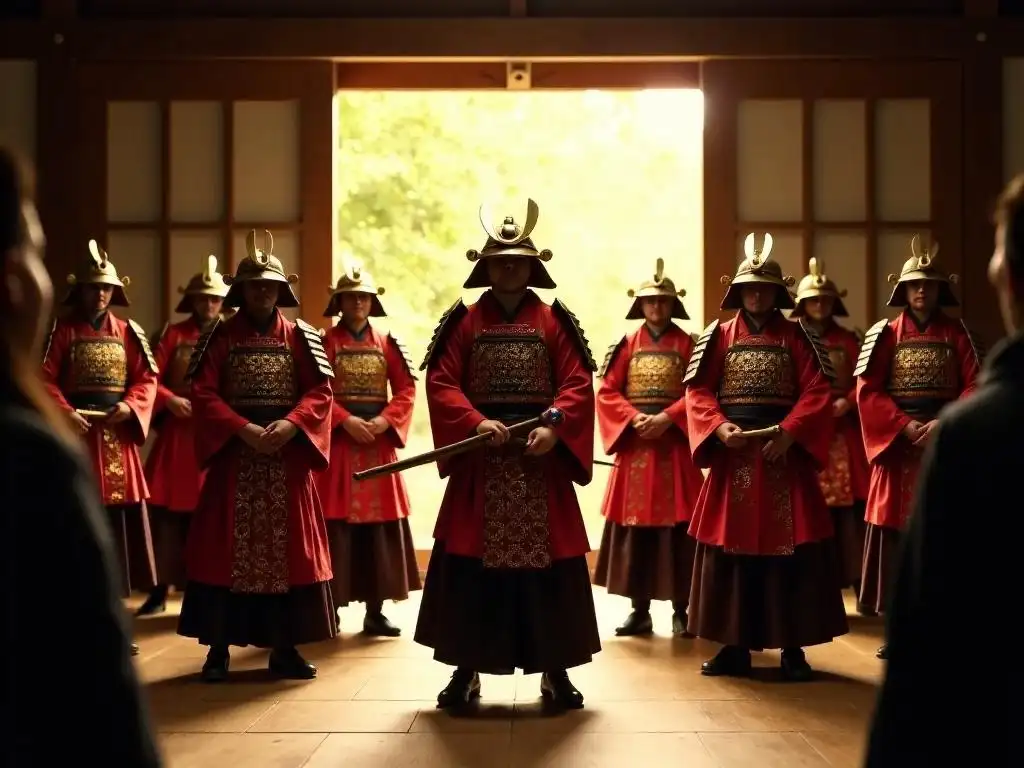
In the world of the samurai, music played a pivotal role in various ceremonies and rituals, reflecting the deep-seated beliefs and cultural practices of the time. Traditional samurai music instruments, such as the shakuhachi (bamboo flute) and koto (stringed instrument), were often utilized during significant events, including weddings, funerals, and religious ceremonies. These instruments not only provided a melodic backdrop but also served to elevate the spiritual atmosphere of the occasion.
- Weddings: During samurai weddings, musicians would often perform traditional pieces to celebrate the union. The soft tones of the shamisen, a three-stringed instrument, highlighted the joyous nature of the event, while the nokan (a type of bamboo flute) added a serene ambiance.
- Funerals: In contrast, funeral rites involved somber music that reflected the profound respect for the deceased. The shakuhachi was particularly favored, as its haunting melodies were believed to help guide the spirit of the departed to the afterlife.
- Religious Ceremonies: Music also featured prominently in Shinto and Buddhist practices. Instruments were used to accompany chants and prayers, creating an environment conducive to meditation and reflection. The combination of rhythm and melody was thought to resonate with the divine, enhancing the spiritual experience.
The Connection Between Music and Martial Arts
The relationship between music and martial arts in samurai culture is intricate and multifaceted. Traditional samurai music instruments were not merely for entertainment; they served as tools for enhancing physical performance and mental focus during training and combat.
- Rhythm and Movement: The rhythmic patterns of music played a crucial role in martial training. Samurai practitioners often trained in synchronization with musical beats, which helped them develop timing and coordination. For instance, the taiko (drum) was commonly used during training sessions, providing a powerful auditory cue that inspired warriors to move with precision and grace.
- Mental Preparation: Music was also employed as a form of mental preparation before battles. The sound of the shamisen or the pulse of taiko drums could instill a sense of calm and concentration, allowing samurai to focus their minds and channel their energy effectively. This practice was rooted in the belief that a harmonious state of mind was essential for success in combat.
- Cultural Identity: Furthermore, the martial arts forms themselves often included musical elements. Certain kata (forms) were performed to specific musical compositions, creating a unique connection between the physical movement of the warrior and the cultural expressions of their heritage.
Music as a Reflection of Samurai Values
The music of the samurai was not only an artistic expression; it was a profound reflection of the values and ideals upheld by the samurai class. Traditional samurai music instruments served to convey themes of honor, loyalty, and the transient nature of life—elements central to the samurai code, known as bushido.
- Themes of Honor and Loyalty: Many compositions featured lyrics or melodies that celebrated the virtues of loyalty to one's lord and the honor of the samurai spirit. The shakuhachi, with its emotive sound, was particularly adept at expressing the deep feelings associated with these themes, often evoking a sense of longing or nostalgia.
- Transience of Life: Additionally, the concept of mono no aware—the awareness of the impermanence of things—was often mirrored in the music of the samurai. Instruments like the koto would produce delicate melodies that reflected the fleeting beauty of life and nature. This appreciation for the ephemeral resonated deeply with the samurai, who faced the specter of death regularly on the battlefield.
- Cultural Legacy: The legacy of samurai music continues to influence modern Japanese culture, serving as a reminder of the values that shaped the samurai's way of life. Today, musicians and scholars alike study these traditional samurai music instruments, ensuring that the profound connection between music and samurai culture remains alive for future generations.
The exploration of traditional samurai music instruments reveals a rich tapestry of cultural significance that intertwines with the very essence of samurai life. Through ceremonies, martial arts, and reflections on their values, music was an indispensable part of the samurai's existence, embodying their ideals and enhancing their daily lives.
The Cultural Significance of Traditional Samurai Music Instruments
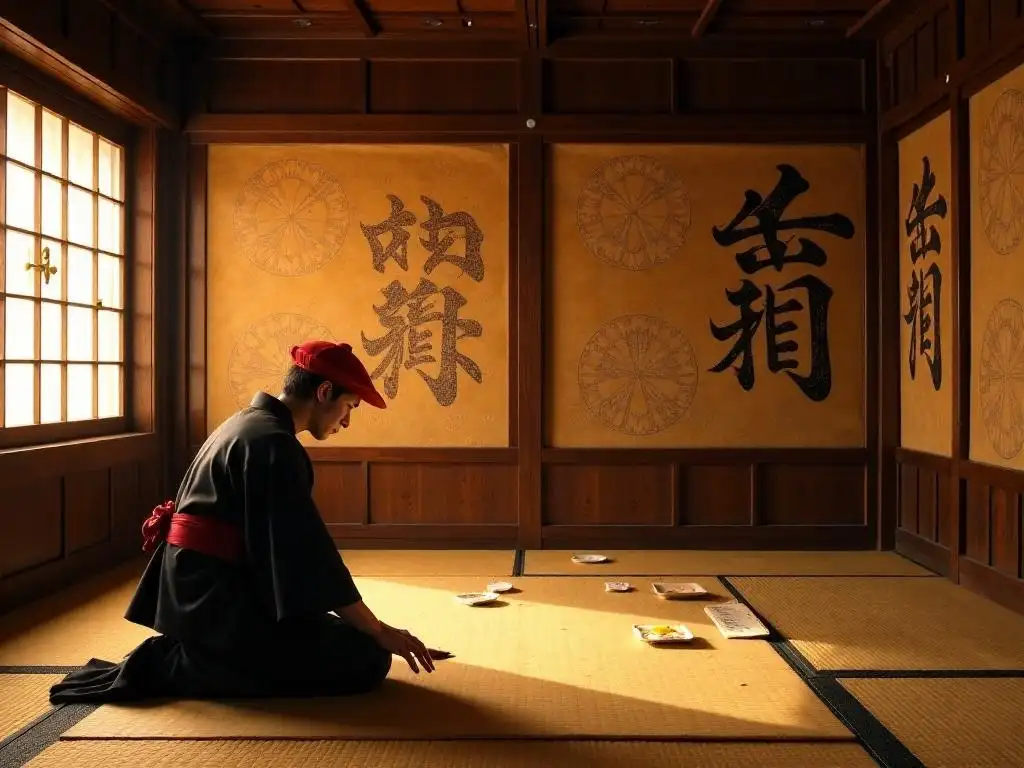
The music of the samurai is not merely an art form; it embodies the spirit, values, and historical narratives of feudal Japan. Traditional samurai music instruments played a pivotal role in the daily lives of samurai, serving both functional and ceremonial purposes. The cultural significance of these instruments is profound, as they were intertwined with the samurai's identity, their code of honor (Bushido), and their connection to nature and spirituality.
Instruments such as the shakuhachi (bamboo flute), biwa (lute), and koto (stringed instrument) were not only tools for entertainment but also mediums for conveying deep emotions and philosophies. These instruments often featured prominently in ritualistic settings, festivals, and even during battles, providing a soundscape that reflected the samurai’s ethos and environment. Consequently, the appreciation of traditional samurai music instruments reveals a rich tapestry of cultural heritage that continues to resonate in contemporary Japan.
Music as a Means of Storytelling
Traditional samurai music served as a powerful storytelling medium, encapsulating the tales of valor, loyalty, and honor that were central to the samurai ethos. The narrative structure of samurai music often involved the use of specific instruments to evoke different emotions and themes. For instance:
- Shakuhachi: This bamboo flute was known for its haunting sound, often used to express feelings of longing or meditation. The music played on the shakuhachi could narrate stories of a samurai’s introspection or challenges faced during battles.
- Biwa: The biwa, with its deep and resonant tones, played a prominent role in epic storytelling. Musicians known as biwa hōshi would accompany their narratives with this instrument, recounting historical events and legendary tales, such as the Tale of the Heike, which chronicles the rise and fall of the Taira clan.
- Koto: This stringed instrument, characterized by its delicate and melodic sound, often complemented the biwa's storytelling. The interplay of these instruments created a rich auditory experience that captivated audiences and preserved historical narratives for future generations.
Through these instruments, samurai music became a vessel for cultural transmission, ensuring that the values and stories of the samurai were not lost to time.
Preservation of History Through Sound
The preservation of history through traditional samurai music instruments is evident in the way these sounds have been meticulously handed down through generations. Many of the instruments used by samurai have become symbols of Japanese heritage, and their music is still performed in various cultural contexts today.
Cultural practices surrounding these instruments include:
- Traditional Performances: Festivals and ceremonies often feature live performances of samurai music, showcasing instruments like the koto and shakuhachi. These events not only celebrate the art form but also educate the public about the historical significance of the music.
- Educational Institutions: Music schools and cultural centers have emerged to teach traditional samurai music, ensuring that the techniques and songs associated with these instruments are preserved. Students learn not just to play but to understand the historical context behind the music.
- Recording and Documentation: Efforts to document traditional samurai music through recordings and written scores have been essential for preservation. These resources enable researchers and enthusiasts alike to study and appreciate the intricacies of samurai music.
The ongoing interest in these instruments and their music serves as a testament to their enduring legacy in Japanese culture, allowing modern generations to connect with their rich historical roots.
Influence of Samurai Music on Modern Japanese Culture
The influence of traditional samurai music instruments extends beyond historical interest; they continue to shape modern Japanese culture in various ways. Elements of samurai music can be heard in contemporary genres, films, and even popular media, creating a bridge between the past and the present.
- Film and Television: Samurai-themed movies often incorporate traditional music to enhance the storytelling experience. The use of instruments like the shakuhachi during critical scenes evokes a sense of nostalgia and authenticity, linking viewers to the samurai's emotional landscape.
- Fusion Genres: Modern musicians have begun to blend traditional samurai music with contemporary styles, creating unique fusion genres. This experimentation allows for the revitalization of traditional sounds while making them accessible to younger audiences.
- Cultural Festivals: Events such as the Gion Matsuri and Aoi Matsuri feature performances that include traditional samurai music, showcasing the instruments in a cultural context that celebrates Japan's rich heritage. These festivals attract both locals and tourists, fostering a greater appreciation for the historical significance of samurai music.
Traditional samurai music instruments hold a vital place in the cultural fabric of Japan. They not only narrate the stories of the past but also continue to influence modern artistic expressions, ensuring that the legacy of the samurai lives on through sound.
Evolution of Samurai Music Instruments Over Time
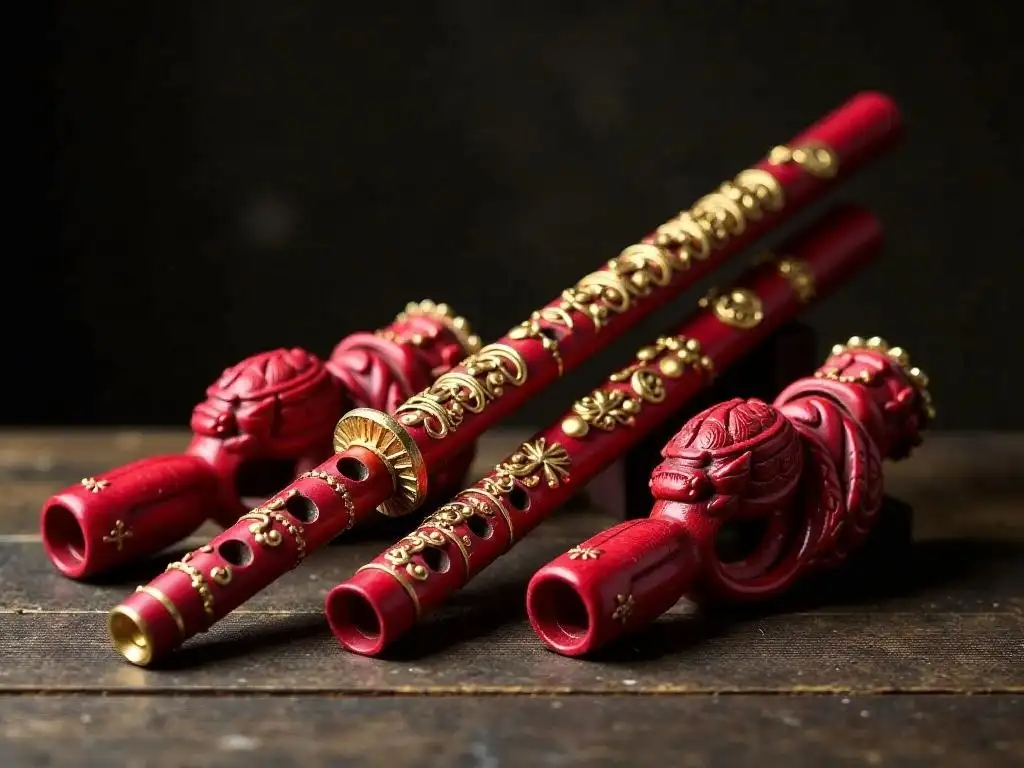
The evolution of samurai music instruments is a fascinating journey that reflects the broader cultural and societal changes in feudal Japan. Initially, the instruments used by samurai were simple and functional, serving primarily utilitarian purposes. However, as the samurai class developed its identity and status, so too did the music and instruments associated with them.
Changes in Instrument Construction and Design
Over the centuries, the construction and design of traditional samurai music instruments underwent significant transformations. Early instruments, such as the biwa (a four-stringed lute) and shakuhachi (a bamboo flute), were typically handcrafted from locally sourced materials. The introduction of different woods and metals influenced the tonal quality and durability of these instruments.
- Biwa: Originally made from a single piece of wood, later designs incorporated more intricate carvings and multiple wood types, enhancing both aesthetics and sound.
- Shakuhachi: This instrument transitioned from a purely functional tool for meditation among Zen monks to a favored instrument among samurai, gaining elaborate embellishments and varying lengths for different musical expressions.
The samurai's preference for unique and personalized instruments encouraged artisans to innovate in terms of construction methods. This led to:
- Increased use of lacquer: To enhance both beauty and longevity.
- Adoption of new techniques: Such as bending and shaping wood, resulting in more complex forms and sounds.
This evolution in design reflects the changing tastes of the samurai class, who began to appreciate the finer, more artistic aspects of musical instruments as their societal role shifted from warriors to cultured elites.
Adaptation of Musical Styles Through the Ages
As Japan experienced various historical shifts, the musical styles associated with samurai also evolved. The Heian period (794-1185) marked the beginning of refined musical traditions, with the introduction of gagaku (court music) influencing samurai music. This period emphasized:
- Melodic complexity: Instruments like the koto (a stringed instrument) began to be integrated into samurai performances, enhancing melodic depth.
- Thematic diversity: Samurai music began to reflect not only war and valor but also themes of nature, love, and spirituality, showcasing the samurai's connection to the world around them.
During the Kamakura period (1185-1333), as the samurai class became more prominent, folk influences began to merge with traditional court music. This adaptation led to:
- Regional variations: Different areas of Japan developed their unique styles, incorporating local instruments and themes, further enriching the samurai music repertoire.
In the Edo period (1603-1868), the rise of the merchant class brought about a democratization of music. Samurai musicians began to incorporate elements from popular genres, leading to a fusion of styles that included:
- Kabuki music: Elements from this theatrical form were integrated into samurai performances, emphasizing dramatic storytelling through music.
- Enka: This genre, which evolved later, draws from the traditional styles that were prevalent during the samurai era, showcasing nostalgia and emotion.
The adaptive nature of samurai music instruments and styles reflects the resilience and creativity of the samurai class throughout Japan's feudal history. Their evolution not only highlights the significance of music in samurai culture but also its role as a mirror of societal changes over time.
Conclusion: The Lasting Legacy of Traditional Samurai Music Instruments
The legacy of traditional samurai music instruments extends far beyond their historical context, resonating within the cultural fabric of Japan. These instruments, such as the shamisen, koto, and taiko, played a vital role in not only the entertainment of the samurai class but also in the expression of their values, beliefs, and societal norms. The melodies crafted by these instruments often reflected the ethos of the samurai, encapsulating themes of honor, loyalty, and the warrior's spirit.
Through the ages, the influence of these traditional instruments has permeated various aspects of Japanese culture, from theater to festivals, preserving their significance within contemporary society. The intricate sounds of the shamisen, for example, can still be heard in modern performances, serving as a bridge between the past and present. This continuity emphasizes the importance of these musical traditions in maintaining a sense of identity and heritage among the Japanese people.
Reflection on Their Importance in Today's Society
In today's society, the importance of traditional samurai music instruments is multifaceted. They serve not only as historical artifacts but also as mediums through which cultural education and appreciation can thrive. Music festivals and cultural events frequently showcase these instruments, allowing both locals and tourists to engage with Japan's rich heritage.
Moreover, the resurgence of interest in traditional arts has led to a revival of training and performances involving these instruments. Schools and community programs are increasingly incorporating traditional music education, fostering a new generation of musicians who can carry on these time-honored practices. This revitalization not only helps to preserve the techniques and styles of playing but also instills a sense of pride in Japanese culture.
Future of Samurai Music and Cultural Preservation
The future of samurai music and its associated instruments appears promising, thanks in part to ongoing efforts in cultural preservation. Organizations dedicated to the safeguarding of traditional arts are actively working to keep the practice of playing traditional samurai music instruments alive. This includes workshops, performance opportunities, and even collaborations with contemporary musicians, blending old and new styles to create innovative expressions of traditional music.
As globalization continues to influence cultural exchanges, the challenge remains to maintain the authenticity of traditional samurai music. By fostering an environment that encourages education, performance, and appreciation, the unique sounds of these instruments are likely to thrive. Initiatives such as digital archiving and online courses are also expanding access, ensuring that anyone interested can learn about and appreciate the cultural significance of traditional samurai music instruments.
The traditional samurai music instruments embody a rich heritage that holds significant value in understanding Japan's historical and cultural landscape. Their preservation and promotion remain essential for future generations, ensuring that the spirit of the samurai continues to resonate through the ages.
Frequently Asked Questions
What are the traditional samurai music instruments?
Traditional samurai music instruments include shamisen, koto, and taiko drums. These instruments played a vital role in ceremonies, festivals, and warrior rituals.
How did music influence samurai culture?
Music served as a means of expression and spiritual reflection for samurai. It was used in training and to foster a sense of community among warriors.
What is the role of the shamisen in samurai music?
The shamisen is a three-stringed instrument that contributed to storytelling and performance art during the feudal era, enhancing cultural narratives tied to the samurai.
How did samurai music evolve over time?
Samurai music evolved by incorporating regional styles and new instruments, reflecting changes in societal values and the political landscape of Japan.
Are there modern representations of traditional samurai music?
Yes, modern performances often blend traditional samurai music with contemporary styles, showcasing the cultural heritage while appealing to current audiences.
Final Reflection: The Enduring Legacy of Traditional Samurai Music Instruments
The cultural significance of traditional samurai music instruments resonates profoundly in today's world, reminding us of the intricate relationship between art and identity. As we navigate an increasingly fast-paced and technology-driven society, the echoes of these ancient melodies serve as a powerful reminder of the values, traditions, and stories that have shaped our collective heritage. The artistry embedded in the sounds of the shamisen, shakuhachi, and other traditional instruments not only enriches our understanding of samurai culture but also invites us to appreciate the depth of human expression through music.
Cultural landscapes are continually evolving, yet the influence of traditional samurai music instruments remains palpable. These instruments have transcended their historical origins, inspiring contemporary musicians and artists who seek to blend the old with the new. The haunting notes of the shakuhachi, for instance, have found their way into modern compositions, creating a bridge between generations. As the renowned musician Yo-Yo Ma once said, Music is the universal language of mankind.
This sentiment rings true as we witness how traditional samurai music continues to foster connections across cultures, reminding us of our shared humanity.
As we reflect on the lessons imparted by the music of the samurai, I invite you to explore how these traditional instruments can inspire your own journey. Consider how you might incorporate the values of discipline, artistry, and respect for heritage into your life. Whether through learning an instrument, attending a performance, or simply listening to the melodies that have stood the test of time, let the spirit of samurai music guide you toward a deeper appreciation of culture and creativity. Embrace the opportunity to connect with the past while shaping your own narrative in the present.
Unleash the Rhythm of the Samurai!
Thank you for diving into the captivating world of traditional samurai music with us! You've discovered how deeply these unique instruments resonate with Japan's rich culture and history. Now, let's transform that knowledge into action and keep the spirit of the samurai alive!
Here are some engaging ways for you to deepen your experience:
- Explore the Sounds: Listen to authentic samurai music online. Platforms like Spotify and YouTube offer incredible playlists that bring these historic sounds to life.
- Share Your Discoveries: Discuss your favorite traditional instruments with friends or on social media using hashtags related to Japanese culture and music. You might inspire someone else to learn more!
- Join a Local Workshop: Look for community classes or online workshops where you can try playing traditional Japanese instruments like the shamisen or shakuhachi, and connect with fellow enthusiasts.
Which traditional instrument resonates most with you, and how do you see it influencing today’s music? Share your thoughts!