
Preserving Tradition: Fermentation and Pickling Techniques in Feudal Cuisine

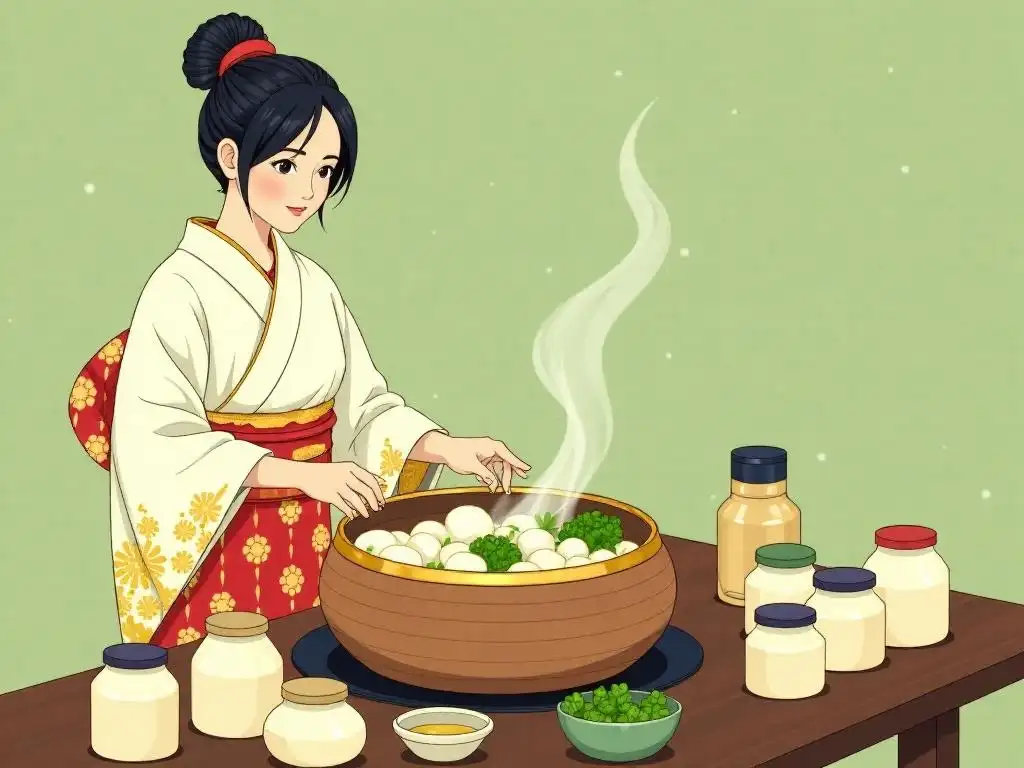
Welcome to Feudal Japan History, where we embark on a captivating journey through the intricate tapestry of Japan's feudal era. Have you ever wondered how traditional fermentation techniques played a pivotal role in the culinary landscape of this fascinating period? In our featured article, "Preserving Tradition: Fermentation and Pickling Techniques in Feudal Cuisine," we delve deep into the age-old methods that not only shaped daily life but also preserved the rich cultural heritage of feudal Japan.
Prepare to uncover the secrets of these time-honored practices and discover how they continue to influence modern cuisine. Join us as we explore the past and awaken your curiosity about a world where every bite tells a story!
Introduction to Feudal Japan Fermentation Techniques
In the intricate tapestry of Feudal Japan, food was not merely sustenance; it was a reflection of cultural identity, social status, and community values. One of the foundational pillars of Japanese cuisine during this era was the art of fermentation and pickling.
These techniques were not only essential for food preservation but also played a significant role in the development of flavors and the nutritional value of meals. As we delve into the fermentation techniques of Feudal Japan, we will uncover how these methods were intricately woven into the daily lives of people, influencing their dietary practices and social gatherings.
Overview of Fermentation in Feudal Japan
Fermentation in Feudal Japan encompassed a variety of methods, including the production of miso, soy sauce, and pickled vegetables. Each technique was rooted in the local climate, agricultural practices, and the available resources.
- Miso: A staple seasoning made from fermented soybeans, miso not only enhanced flavors but also provided essential nutrients.
- Soy Sauce: Originating from earlier fermentation practices, soy sauce became a quintessential ingredient that added depth to many dishes.
- Pickled Vegetables (Tsukemono): These preserved vegetables were often served as side dishes, showcasing seasonal produce and complementing staple foods like rice.
These fermentation methods were essential for extending the shelf life of food, especially during harsh winters when fresh ingredients were scarce.
Importance of Fermentation in Daily Life and Cuisine
Fermentation and pickling were vital for several reasons:
- Preservation: Fermented foods could be stored for extended periods, which was crucial in a society where food security was paramount.
- Flavor Enhancement: The complex flavors developed through fermentation added depth to simple dishes, making meals more enjoyable and satisfying.
- Nutritional Benefits: Fermented foods are rich in probiotics and enzymes, contributing to better digestion and overall health.
- Cultural Practices: The preparation and consumption of fermented foods often accompanied festivals, rituals, and communal gatherings, reinforcing social bonds.
In Feudal Japan, the mastery of these techniques was often passed down through generations, with families taking pride in their unique recipes and methods.
Historical Context of Fermentation and Pickling
The historical development of fermentation techniques in Japan reflects the country's evolving agricultural practices and cultural exchanges with neighboring regions. Understanding this context provides insight into how these methods became integral to Japanese cuisine.
The Origins of Fermentation Techniques in Japan
Fermentation techniques in Japan can be traced back to ancient times, influenced by contact with other cultures, particularly from China and Korea. The introduction of rice cultivation, for example, led to the development of sake, a fermented rice beverage that holds a significant place in Japanese culture.
- Ancient Practices: Early forms of fermentation included the use of naturally occurring yeasts and molds, laying the groundwork for more refined methods.
- Cultural Exchange: As trade routes expanded, so did the knowledge of preservation techniques, facilitating the exchange of ideas that shaped Japanese practices.
Fermentation Practices During the Feudal Era
During the Feudal Era (1185-1868), the art of fermentation continued to evolve, influenced by Japan’s social and political structures. The emergence of the samurai class and the rigid caste system impacted food production and consumption.
- Regional Variations: Techniques varied widely across regions, with local specialties emerging based on the ingredients available.
- Social Status: Access to certain fermented foods often reflected one's social standing, with the elite enjoying more refined varieties.
Cultural Significance of Preserved Foods in Feudal Society
The role of preserved foods extended beyond mere sustenance; it was interwoven with social customs, religious practices, and seasonal celebrations.
- Rituals and Festivals: Fermented foods were central to various festivals, symbolizing prosperity and good fortune.
- Community Bonding: The communal preparation of pickled dishes fostered social connections and reinforced cultural identity.
Fermentation and pickling techniques in Feudal Japan not only served practical purposes but also contributed to the rich cultural heritage that defines Japanese cuisine today. Understanding these historical practices provides valuable insight into the culinary traditions that continue to thrive in modern Japan.
Key Fermentation Techniques Used in Feudal Japan
Fermentation was an essential aspect of food preservation and preparation in feudal Japan. This process not only enhanced the flavors of food but also contributed to health and nutrition. The key fermentation techniques utilized during this era included:
- Lacto-fermentation: This method involved the use of lactic acid bacteria to ferment vegetables, grains, and soy products. Foods like nukazuke (vegetables pickled in rice bran) and miso (fermented soybean paste) were staples, providing both flavor and essential nutrients.
- Alcohol fermentation: Sake, a traditional rice wine, exemplifies this technique. The fermentation process transforms starches in rice into sugars, which are then converted to alcohol by yeast. This method not only produced beverages but also played a role in rituals and celebrations.
- Koji fermentation: Koji is a mold (Aspergillus oryzae) crucial for fermenting rice, soybeans, and barley. Its application in making miso, soy sauce, and sake made it a fundamental component of the Japanese culinary landscape.
These techniques were deeply embedded in the daily life of feudal Japan, influencing not only dietary practices but also cultural traditions surrounding food.
Overview of Traditional Fermentation Methods
Traditional fermentation methods in feudal Japan were characterized by their reliance on natural microorganisms. Unlike modern fermentation processes that may utilize specific strains of yeast and bacteria, feudal techniques often embraced wild fermentation, harnessing the local microbial environment. This approach required a deep understanding of seasonal variations and climate, as these factors significantly influenced fermentation outcomes.
In feudal Japan, seasonal fermentation played a critical role. For instance, vegetables were typically fermented in the summer when lactobacilli were most active, while winter fermentation often involved heartier ingredients, such as root vegetables. This seasonal approach ensured that food was preserved and remained nutritious throughout the year.
The fermentation process was not merely a method of preservation; it was also a community activity. Families would come together to prepare fermented foods, sharing knowledge and techniques passed down through generations. This communal aspect fostered a strong sense of tradition and cultural identity.
Pickling Techniques in Feudal Cuisine
Pickling techniques in feudal Japan were diverse and varied by region, reflecting local ingredients and tastes. The most prevalent method was shiozuke, which involved using salt to draw moisture from vegetables, creating a flavorful and crunchy product. This technique was especially popular for preserving seasonal vegetables, such as cucumbers, daikon radishes, and eggplants.
Another common technique was su-zuke, where vegetables were pickled in a vinegar solution, often flavored with additional ingredients like sugar, soy sauce, and spices. This method provided a tangy taste and was particularly favored for its refreshing quality during hot summer months.
Feudal Japanese pickling also incorporated the use of kanzuri (fermented chili paste) and yukari (shiso leaf salt), which added unique flavors and preserved ingredients for extended periods. These pickling techniques not only enhanced the palatability of vegetables but also contributed to the overall dietary balance by providing essential vitamins and minerals.
Ingredients and Materials for Fermentation and Pickling
The success of fermentation and pickling in feudal Japan depended heavily on the selection of quality ingredients and materials. These elements were carefully chosen to ensure optimal flavor and preservation.
Common Ingredients in Feudal Fermentation
Several ingredients were staples in feudal Japanese fermentation practices:
- Soybeans: The primary ingredient for miso and soy sauce, soybeans were a vital protein source.
- Rice: Used for sake and as a base for koji fermentation, rice played a significant role in both culinary and cultural aspects.
- Salt: Essential for pickling, salt not only drew moisture from vegetables but also inhibited harmful bacteria.
- Vegetables: Seasonal vegetables such as cucumbers, daikon, and napa cabbage were commonly pickled, providing variety and nutrition.
- Herbs and Spices: Ingredients like shiso leaves, ginger, and garlic were often incorporated into pickling brines, enhancing flavor profiles.
These ingredients showcased the resourcefulness of feudal Japanese cuisine, utilizing local produce and staples to create enduring culinary traditions.
Tools and Equipment Utilized in Fermentation
The tools and equipment used for fermentation and pickling in feudal Japan were simple yet effective, reflecting the artisanal nature of this craft. Key items included:
- Oni-gama: Traditional fermentation jars made of clay or stone, used for storing and fermenting various foods.
- Miso barrels: Wooden barrels specifically designed for aging miso, allowing for controlled fermentation conditions.
- Weights and lids: Often made of stone or ceramic, these were used to keep vegetables submerged in brine during the pickling process, preventing spoilage.
- Chopping boards and knives: Essential for preparing vegetables, these tools were commonly used to ensure uniform sizes for even fermentation.
The combination of these tools and traditional techniques allowed feudal Japanese cooks to create a rich array of fermented and pickled foods, integral to their culinary heritage.

Fermentation played a pivotal role in the social and economic structure of feudal Japan, deeply influencing both daily life and the broader economic landscape. The process of fermenting food not only helped to preserve seasonal ingredients but also provided a reliable source of nutrition throughout the year. This was particularly critical during the harsh winters when fresh produce was scarce. The use of fermentation techniques, such as those for soy sauce, miso, and sake, became integral to the diet of the Japanese people, making these products staples in feudal households.
Moreover, the communal aspect of fermentation fostered social bonds among families and communities. Fermentation often involved collective efforts, where neighbors would come together to share knowledge, resources, and labor. This not only reinforced community ties but also facilitated the exchange of culinary techniques and traditions, which were passed down through generations. The ritual of preparing fermented foods became a cultural practice, embedding itself into the social fabric of feudal society.
Fermented Foods as a Source of Nutrition
In feudal Japan, the nutritional value of fermented foods was significant. Fermented products such as miso, natto, and pickles were rich in essential nutrients, including proteins, vitamins, and probiotics. Miso, for example, is a fermented soybean paste that not only added flavor to dishes but also served as a critical protein source, especially for those who might not have had access to meat on a regular basis.
Natto, made from fermented soybeans, is particularly noted for its high vitamin K content and health benefits associated with probiotics, which support digestive health. These fermented foods complemented the primarily rice-based diet of feudal Japan, ensuring that nutrition remained balanced even with limited resources. The preservation of these foods through fermentation allowed families to maintain their health during periods of scarcity, underscoring the importance of these techniques in sustaining life.
The Role of Fermentation in Trade and Economy
Fermentation techniques also significantly influenced trade and the economy of feudal Japan. Products such as soy sauce, sake, and pickled vegetables became valuable commodities, not only for local consumption but also for trade with neighboring regions. The ability to preserve food through fermentation allowed merchants to transport these goods over longer distances, expanding market access and boosting local economies.
Sake, in particular, emerged as a cultural symbol and a significant export product. Local breweries often became central to community life, providing jobs and opportunities for artisan craftsmanship. The fermentation process itself required skilled labor, and as such, it contributed to the development of specialized trades related to food production. This economic dimension of fermentation fostered innovation and competition, encouraging producers to refine their techniques and enhance product quality.
Preservation Techniques and Their Impact on Food Security
The preservation techniques stemming from fermentation were crucial in promoting food security in feudal Japan. By extending the shelf life of various foods, families could stockpile supplies to weather seasonal food shortages or poor harvests. Techniques such as pickling vegetables or creating fermented pastes ensured that essential nutrients were available year-round, making them indispensable for survival.
Additionally, these methods of preservation allowed for the minimization of waste, as excess harvests could be transformed into durable products rather than spoiling. This not only supported individual households but also contributed to the overall resilience of communities, enabling them to withstand the fluctuations of agricultural cycles. The impact of these preservation techniques was profound, helping to create a stable food supply that underpinned the social and economic structures of feudal Japan.
Modern Implications of Feudal Japan Fermentation Techniques
The fermentation techniques developed during feudal Japan continue to resonate in modern Japanese cuisine and culinary practices. This legacy is reflected in both the traditional dishes that persist today and the innovative approaches that chefs and home cooks adopt in contemporary cooking.
How Traditional Techniques Influence Contemporary Japanese Cuisine
In contemporary Japan, many traditional fermentation techniques remain integral to the culinary identity of the nation. Dishes such as miso soup, tsukemono (pickled vegetables), and various types of sushi rely heavily on these age-old methods. Chefs often celebrate the depth of flavor and nutritional benefits that fermented ingredients bring to their dishes, showcasing them in modern interpretations that appeal to both local and international palates.
Moreover, there is a growing trend toward artisanal and locally sourced fermented products, as consumers become more conscious of health and sustainability. This renewed interest in traditional techniques fosters a connection to Japan's rich culinary heritage and encourages newer generations to learn and appreciate the art of fermentation. Workshops and classes on making miso or pickling vegetables are increasingly popular, reflecting a desire to preserve these practices while adapting them for modern lifestyles.
Reviving Ancient Fermentation Practices Today
The revival of ancient fermentation practices is not only about preserving tradition but also about exploring the health benefits associated with these techniques. In recent years, there has been a significant resurgence in interest surrounding probiotics and the gut microbiome, leading many to revisit and adopt traditional Japanese fermentation practices.
Today, various initiatives and organizations are dedicated to educating people about the benefits of fermented foods, encouraging them to incorporate these elements into their daily diets. This movement is also characterized by a growing number of small-scale producers who specialize in artisanal fermentation, emphasizing quality, sustainability, and the use of organic ingredients.
The legacy of feudal Japan's fermentation techniques continues to thrive, influencing contemporary cuisine while also promoting health and sustainability. The practices developed centuries ago not only shaped the dietary habits of the past but also forge new paths for culinary innovation and cultural appreciation in modern Japan.
Conclusion: The Legacy of Fermentation and Pickling in Feudal Cuisine
The rich tapestry of feudal Japan's culinary practices is intricately woven with the techniques of fermentation and pickling. These methods not only served practical purposes of preservation but also played a significant role in shaping the flavors and health benefits of the cuisine. The legacy of these ancient practices continues to resonate in contemporary Japanese cooking, where tradition meets innovation.
Fermentation and pickling were essential for sustaining the diet of the Japanese populace, particularly in the face of seasonal food shortages. By transforming perishable ingredients into long-lasting staples, these techniques ensured that families could rely on nutritious food throughout the year. Moreover, the careful selection of ingredients and the meticulous processes involved in these methods reflect a deep respect for nature and the environment, a core tenet of Japanese culture.
As we explore the enduring influence of these fermentation techniques in modern culinary practices, it is clear that the principles established during the feudal era continue to guide chefs and home cooks alike. The appreciation for umami, the balance of flavors, and the health benefits associated with fermented foods are now celebrated globally, further solidifying the importance of feudal Japan's contributions to the culinary world.
Summary of Key Techniques and Their Importance
The key fermentation and pickling techniques that emerged during feudal Japan include:
- Nukazuke: This method involves pickling vegetables in a rice bran mixture, which imparts a unique flavor while preserving the vegetables. It exemplifies the concept of utilizing agricultural byproducts and showcases the ingenuity of Japanese preservation methods.
- Shiozuke: This technique uses salt to pickle vegetables, enhancing their flavors and extending their shelf life. Salted vegetables would often accompany meals, providing essential nutrients during the winter months.
- Miso and Soy Sauce Fermentation: The fermentation of soybeans into miso and soy sauce not only transformed the flavor profile of various dishes but also contributed significantly to the nutritional value of the Japanese diet, offering proteins, vitamins, and minerals.
- Tsukemono: These pickled vegetables are a staple in Japanese cuisine, often served as a side dish. They showcase both the variety of vegetables used and the different methods of fermentation, each imparting distinct flavors and textures.
The importance of these techniques lies not just in their utility but also in their cultural significance. They embody the Japanese philosophy of harmony with nature, sustainability, and the community's connection to food production.
The Enduring Influence of Feudal Japan Fermentation Techniques on Modern Culinary Practices
The fermentation techniques of feudal Japan have profoundly influenced modern culinary practices, both in Japan and around the world. Today, chefs are increasingly recognizing the health benefits of fermented foods, which are rich in probiotics and essential nutrients. This revival of interest has led to a resurgence in traditional methods, with many restaurants and home cooks experimenting with age-old techniques to create innovative dishes.
In Japan, the art of making tsukemono has evolved, with contemporary chefs experimenting with diverse ingredients and flavors while preserving traditional methods. The popularity of miso and soy sauce continues to thrive, with artisanal producers crafting unique varieties that reflect regional differences and local ingredients.
Furthermore, the global trend toward fermentation has brought Japanese techniques into the spotlight. Many culinary professionals are incorporating elements of Japanese fermentation into their cooking, blending them with other cultural practices to create exciting fusion dishes. This cross-cultural exchange not only honors the legacy of feudal Japan but also enriches the global culinary landscape.
The fermentation and pickling techniques developed during feudal Japan are not relics of the past; they are living traditions that continue to shape modern cuisine, promoting health, sustainability, and a deeper appreciation for the art of food preservation. As we celebrate these time-honored practices, we ensure that the essence of feudal Japan's culinary heritage endures for future generations.
- Introduction to Feudal Japan Fermentation Techniques
- Historical Context of Fermentation and Pickling
- Key Fermentation Techniques Used in Feudal Japan
- Ingredients and Materials for Fermentation and Pickling
- Social and Economic Impact of Fermentation in Feudal Japan
- Modern Implications of Feudal Japan Fermentation Techniques
- Conclusion: The Legacy of Fermentation and Pickling in Feudal Cuisine
Frequently Asked Questions
What are fermentation techniques used in Feudal Japan?
Fermentation techniques in Feudal Japan included methods like miso and soy sauce production. These techniques were vital for food preservation and flavor enhancement.
How did fermentation influence Feudal Japanese cuisine?
Fermentation significantly shaped Feudal Japanese cuisine by allowing for long-term food preservation and creating unique flavors. Foods like nattō and pickles became staples.
What role did pickling play in Feudal Japan?
Pickling was essential in Feudal Japan for preserving seasonal vegetables. Techniques like tsukemono helped maintain a diverse diet throughout the year.
Were there specific ingredients used in fermentation during this era?
Yes, common ingredients for fermentation in Feudal Japan included rice, soybeans, and salt. These were key to creating various fermented products vital in daily meals.
How are traditional fermentation techniques preserved today?
Today, many traditional fermentation techniques from Feudal Japan are still practiced by artisans and home cooks, focusing on preserving cultural heritage and enhancing modern cuisine.
Final Reflection: Embracing Heritage through Fermentation Techniques
The art of fermentation and pickling in feudal Japan is not merely a culinary practice; it is a profound connection to our past that resonates with today's quest for sustainability and authenticity. As we navigate a world increasingly dominated by fast food and artificial flavors, the traditional methods of preserving food remind us of the value of patience, craftsmanship, and the deep-rooted ties we have to our cultural heritage. The techniques explored in this article serve as a bridge between generations, showcasing how the wisdom of our ancestors can inform our modern lives.
The influence of these fermentation techniques extends far beyond the kitchen, shaping our cultural identity and social practices. In a time when global cuisine often overshadows local traditions, the revival of these ancient methods encourages us to appreciate the flavors and stories that define our communities. As noted by food historian Masako Saito, Fermentation is not just about food; it is a way of life that teaches us to respect nature's cycles and embrace the beauty of transformation.
This perspective highlights how feudal Japan's culinary practices continue to inspire contemporary movements focused on sustainability, health, and community.
As we reflect on the lessons of fermentation and pickling, I invite you to consider how these practices can enrich your own life. Take a moment to explore the flavors of your heritage, experiment with traditional techniques, and share your discoveries with others.
By doing so, you not only honor the past but also contribute to a future where our culinary traditions thrive, fostering a deeper appreciation for the art of preservation and the stories behind our food. Let us embrace this journey together, ensuring that the wisdom of feudal Japan's fermentation techniques is not lost but celebrated and passed on to future generations.
Embrace the Art of Fermentation!
Thank you for delving into the fascinating world of traditional cuisine and the rich practices of fermentation and pickling! You've uncovered timeless techniques that not only elevate flavors but also connect us to generations past. Now, it's time to take your newfound knowledge and apply it practically!
Here’s how you can get started:
- Experiment with your own fermentation: Gather fresh vegetables or fruits and create a simple homemade pickle or fermented dish that reflects the traditions you've learned about.
- Join a fermentation workshop: Participate in local or online classes to deepen your expertise and meet fellow enthusiasts who share your passion for preserving flavors.
- Share your creations: Document your culinary adventures on social media or discuss your experiences in our community forums to inspire others and foster a love for historical cuisine.
What unique fermentation technique will you try first, and how will it connect you to the traditions of past culinary practices?