
The Role of Extended Families: Grandparents, Aunts, and Uncles in Daily Life

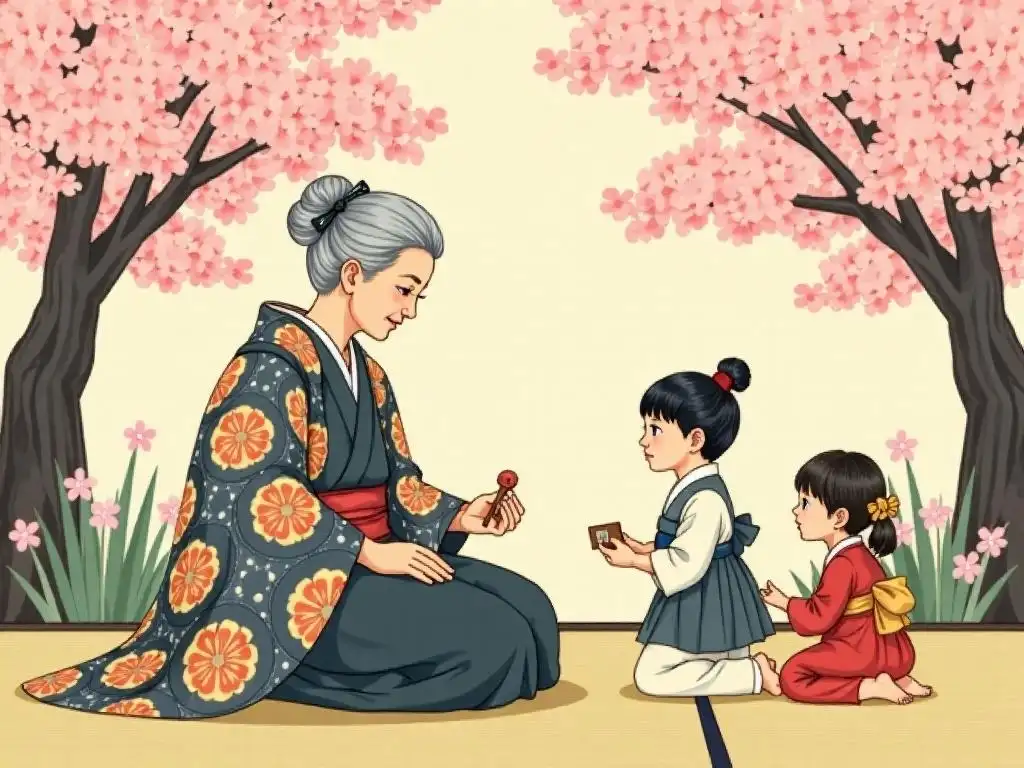
Welcome to Feudal Japan History, where we embark on an extraordinary journey through the intricate tapestry of Japan's feudal era. Here, you will uncover the fascinating Japanese feudal family structure, a cornerstone of daily life that shaped society in profound ways. In our featured article, "The Role of Extended Families: Grandparents, Aunts, and Uncles in Daily Life," we delve deep into the dynamics of family ties and their influence on cultural practices.
Discover how these relationships not only defined individual identities but also strengthened the fabric of feudal communities. Are you ready to explore the rich complexities of family life in feudal Japan? Let’s dive in!
-
The Role of Extended Families in Japanese Feudal Family Structure
- Understanding Japanese Feudal Family Structure
- The Importance of Grandparents in Daily Life
- The Contributions of Aunts and Uncles
- The Impact of Extended Families on Child Rearing
- The Social and Economic Functions of Extended Families
- Resource Sharing Among Extended Family Members
- Extended Families and Agricultural Work in Feudal Japan
- Cultural Significance of Extended Families
- Festivals and Celebrations Involving Extended Family
- Preservation of Cultural Heritage Through Extended Families
- Challenges Faced by Extended Families in Feudal Japan
- Conclusion: The Enduring Legacy of Extended Families in Japan
- Frequently Asked Questions
- Final Reflection: The Enduring Legacy of Extended Families in a Modern Context
- Embrace the Power of Family Connections!
The Role of Extended Families in Japanese Feudal Family Structure
In the intricate tapestry of Japanese feudal society, the family unit held a paramount position, serving as both a social and economic cornerstone. The feudal family structure, characterized by its emphasis on hierarchy and collective responsibility, extended beyond the immediate household to include a network of relatives such as grandparents, aunts, and uncles.
This article delves into the vital role that extended families played in the daily lives of feudal Japanese individuals, exploring how these relationships shaped social dynamics, cultural practices, and emotional bonds. By examining the multifaceted interactions within the family structure, we aim to provide a comprehensive understanding of how extended families influenced the fabric of society during this pivotal period in Japan's history.
Understanding Japanese Feudal Family Structure
The Japanese feudal family structure was not merely a collection of individuals but an organized system that defined social roles and responsibilities.
Definition of Family in Feudal Japan
In feudal Japan, the family was often seen as a collective entity rather than just a group of individuals. This structure typically revolved around the patriarchal system, where the eldest male held authority over the household, guiding decisions that affected all members. Families were extended, meaning they included not only parents and children but also grandparents, aunts, uncles, and sometimes even distant relatives. This system allowed for a pooling of resources, labor, and knowledge, which was essential for survival and prosperity in a largely agrarian society.
Historical Context of Extended Families in Japan
The role of extended families can be traced back to Japan's agrarian roots, where kinship ties were vital for managing land and labor. During the feudal era, particularly from the 12th to the 19th century, the importance of these extended connections intensified due to the socio-economic pressures of the time. The samurai class, for example, relied heavily on their extended family networks to maintain loyalty and support, which were crucial for military and political stability. Moreover, the concept of "ie" (家), or household, emphasized the idea of continuity through generations, reinforcing the need for strong family ties.
The Importance of Grandparents in Daily Life
Grandparents, as pillars of the extended family, played a significant role in shaping the daily lives of their descendants. Their involvement extended far beyond mere caregiving.
Roles and Responsibilities of Grandparents
In the feudal household, grandparents often took on various roles, from caretakers of young children to custodians of family traditions. They were responsible for imparting wisdom and cultural values, ensuring that the younger generations understood their heritage and social responsibilities. This transmission of knowledge was crucial for the continuity of family practices and community norms.
Influence of Grandparents on Family Traditions
Grandparents also served as the keepers of family traditions, rituals, and celebrations. Their stories and experiences provided a vital link to the past, allowing younger family members to appreciate their ancestry and cultural identity. Events such as the Shichi-Go-San festival highlighted the significance of grandparents, as they often participated in ceremonies that celebrated the growth and achievements of their grandchildren, reinforcing familial bonds.
Emotional and Social Support from Grandparents
Beyond their practical contributions, grandparents offered emotional and social support, acting as mediators within the family dynamic. Their presence provided stability and comfort during turbulent times, fostering a sense of security among younger members. This emotional bond not only enriched family life but also promoted resilience, allowing families to navigate the challenges of feudal society together.
The role of extended families, particularly that of grandparents, was integral to the Japanese feudal family structure, influencing daily life, cultural practices, and emotional well-being. Understanding these dynamics offers valuable insights into the broader societal framework of feudal Japan and its lasting impact on contemporary Japanese culture.
The Contributions of Aunts and Uncles
In the context of the Japanese feudal family structure, aunts and uncles played pivotal roles that went beyond mere familial connections. Their contributions were essential in maintaining household stability, ensuring social continuity, and nurturing the younger generation. The extended family was not just a social construct; it was a vital support system that influenced daily life and societal norms in feudal Japan.
Aunts as Caregivers in the Family Unit
Aunts often assumed the role of primary caregivers within the family unit, particularly in the absence of parents due to work or other obligations. They were responsible for nurturing children, imparting moral values, and teaching essential life skills. This caregiving role was critical, as it allowed parents to fulfill their duties without neglecting the emotional and developmental needs of their children.
In many cases, aunts would take charge of household management alongside their siblings, ensuring that traditions and cultural practices were passed down. Their involvement in childcare and education helped reinforce familial bonds and provided children with a sense of security and belonging. The knowledge and wisdom shared by aunts were instrumental in shaping a child's character, often leading to a stronger connection with the broader family network.
Uncles as Figures of Authority and Guidance
Uncles typically held positions of authority and guidance within the extended family structure. They were often seen as role models, providing not just support but also discipline when necessary. Uncles played a significant role in teaching boys about their responsibilities in society, particularly regarding their future roles as samurai or heads of households.
In addition to their authoritative roles, uncles also acted as mediators during family disputes, helping to maintain harmony within the household. Their experience and insights were invaluable, especially in navigating the complexities of feudal society. This mentorship extended beyond immediate family, as uncles often took an active interest in the well-being of their nieces and nephews, fostering a sense of community and shared responsibility.
Collaborative Roles of Extended Family Members
The collaboration among extended family members, including aunts and uncles, was fundamental to the functioning of feudal households. Family gatherings were not just social events; they were opportunities for exchanging knowledge, reinforcing family ties, and collaborating on tasks. This teamwork ensured that the household could effectively manage agricultural work, household chores, and child-rearing responsibilities.
Moreover, the collective involvement of extended family members in familial activities allowed for a more adaptable and resilient family structure. When crises arose, such as illness or financial difficulties, the support from extended family could alleviate burdens and provide solutions. This collaborative spirit underscored the importance of unity and cooperation in sustaining family life during the feudal era.
The Impact of Extended Families on Child Rearing
The influence of extended families on child-rearing practices in feudal Japan cannot be overstated. The shared responsibility of raising children among various family members provided a robust support system that was critical for the development of children in this era.
Shared Parenting Practices in Feudal Japan
Shared parenting practices were a hallmark of the feudal Japanese family structure. In many households, it was common for grandparents, aunts, and uncles to take an active role in the upbringing of children. This collective approach allowed for a diverse range of perspectives and methodologies in parenting, enriching the child's experience.
Children were exposed to different values and skills from various family members, which contributed to their socialization and emotional development. The involvement of extended family members ensured that children received a well-rounded upbringing that prepared them for their roles within society. By learning from multiple adults, children developed resilience and adaptability, essential traits for navigating the complexities of feudal life.
Benefits of an Extended Family Network in Child Development
The extended family network provided numerous benefits for child development in feudal Japan. One of the primary advantages was the emotional support system that it created. With multiple caregivers involved, children often experienced greater emotional security, as they could rely on various adults for guidance and comfort.
Additionally, having a broad family network facilitated the transmission of cultural values, traditions, and skills, ensuring that children grew up with a strong sense of identity and belonging. The shared experiences among family members also fostered social skills and a sense of community, which were vital for navigating the social hierarchies of feudal Japan.
The role of extended families, particularly the contributions of aunts and uncles, was integral to the Japanese feudal family structure. Their collective efforts in caregiving and guidance significantly impacted child-rearing practices, ultimately shaping the societal fabric of feudal Japan.
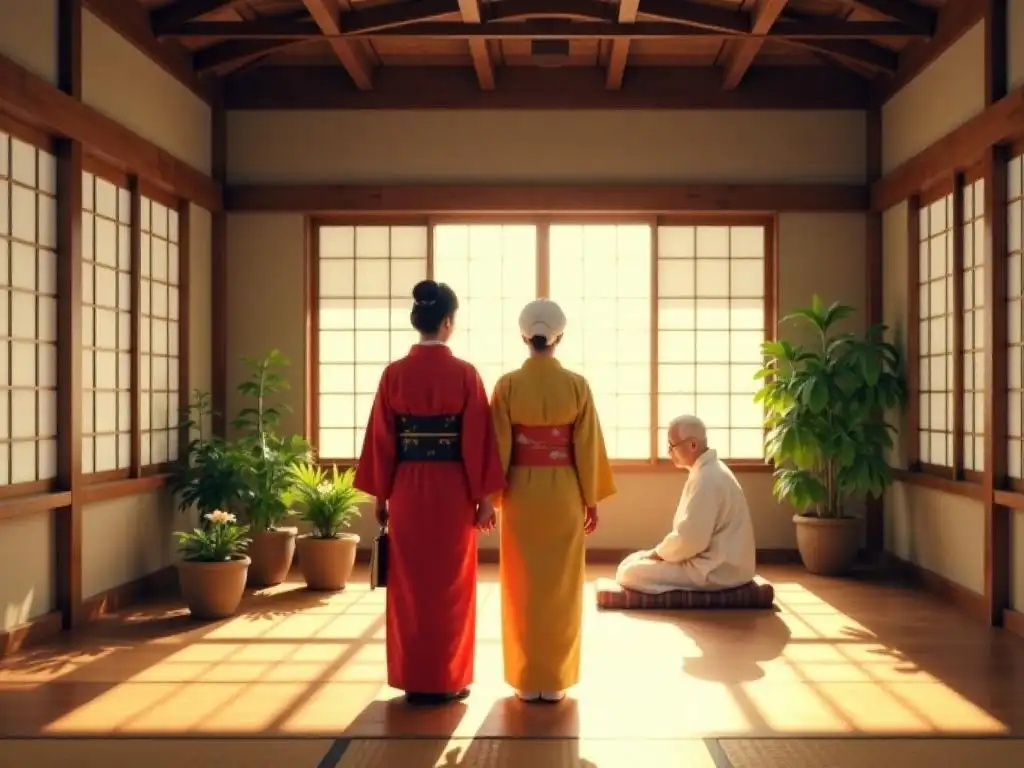
In feudal Japan, extended families played a crucial role in shaping the social and economic landscape of rural and urban communities. The structure of these families often included not just parents and children, but also grandparents, aunts, uncles, and other relatives who contributed to the household's livelihood. This collective approach to family life fostered a strong sense of unity and support, which was vital for survival in a society marked by agrarian lifestyles and local feudal hierarchies.
Extended families facilitated resource sharing, which enabled members to pool their skills, labor, and finances. This cooperation was particularly beneficial in times of economic hardship or natural disasters, as families could rely on their kin for support. Furthermore, the presence of multiple generations within a household ensured that wisdom and knowledge were passed down, creating a continuous cycle of learning and adaptation.
Resource Sharing Among Extended Family Members
Resource sharing among extended family members was a fundamental aspect of life in feudal Japan. Families would often unite their resources to enhance their economic stability. This included sharing land, tools, and financial assets, which minimized risks associated with farming and trade. For example, if one branch of the family faced crop failure, others could provide food or financial assistance, thereby reducing overall vulnerability.
In addition to tangible resources, extended families also shared labor. Tasks such as harvesting, planting, and childcare were often communal activities. This collective effort not only increased efficiency but also strengthened familial bonds. For instance, grandparents frequently played a role in caring for young children, allowing parents to engage more fully in agricultural tasks or trade without the constant concern for their offspring's safety.
Extended Families and Agricultural Work in Feudal Japan
Agricultural work was the backbone of feudal Japan's economy, and extended families were integral to this labor-intensive lifestyle. The division of labor within these families often reflected the hierarchy and gender roles present in society. Men typically engaged in heavier agricultural tasks, while women contributed to planting and harvesting crops, as well as managing household responsibilities.
The collective effort of extended families allowed for more efficient management of larger plots of land. Families would often work together to cultivate rice, the staple food of Japan, which required significant manpower and coordination. This collaboration not only maximized productivity but also created a sense of shared purpose and identity among family members.
Cultural Significance of Extended Families
Extended families held immense cultural significance in feudal Japan, acting as custodians of traditions, values, and social norms. The dynamics within these families often reflected the broader societal values of loyalty, respect, and interdependence. The relationships among family members were characterized by a deep sense of obligation and mutual support, which extended beyond mere economic necessity.
Families were often considered the primary unit for socialization, where children learned cultural practices, moral values, and social etiquette. The interaction between generations played a crucial role in maintaining continuity within the community, ensuring that cultural heritage was preserved and passed on.
Festivals and Celebrations Involving Extended Family
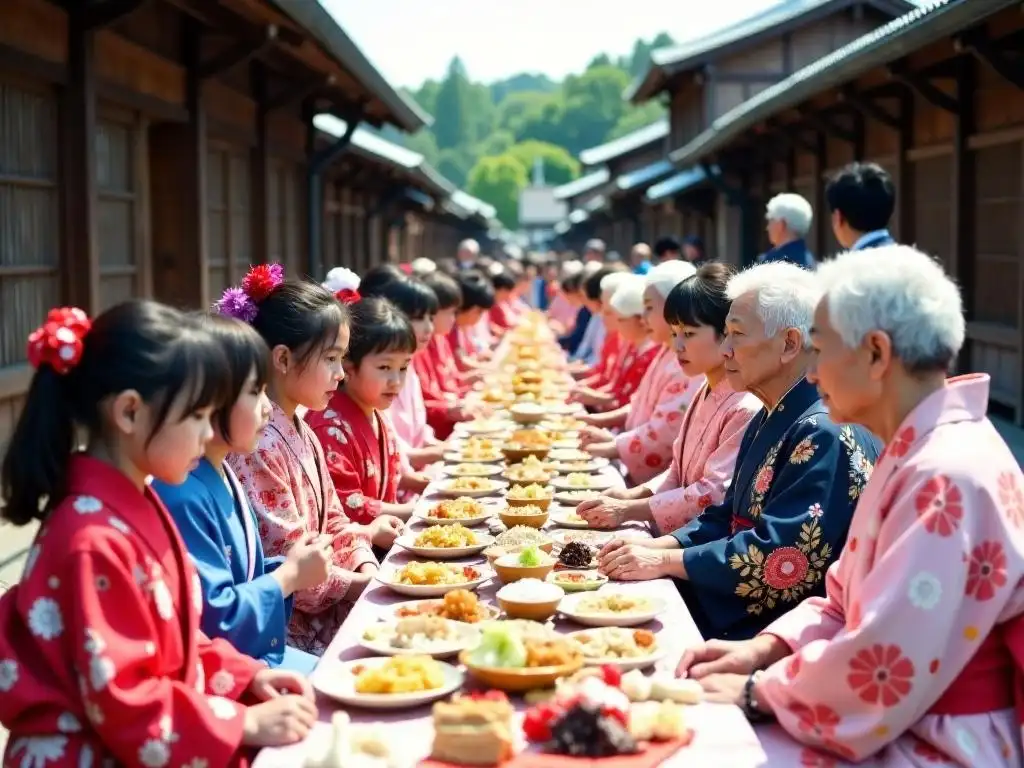
Festivals and celebrations in feudal Japan provided an opportunity for extended families to come together and strengthen their bonds. Events such as New Year celebrations, harvest festivals, and seasonal rituals were often marked by communal activities that involved extended family members. These gatherings not only fostered a sense of unity but also reinforced cultural practices and traditions.
During festivals, families would engage in traditional dances, share meals, and participate in religious ceremonies, creating an environment of joy and solidarity. Such events served as a reminder of the importance of family ties and collective identity, reinforcing the social fabric of feudal Japanese society.
Preservation of Cultural Heritage Through Extended Families
Extended families were instrumental in the preservation of cultural heritage in feudal Japan. The transmission of customs, stories, and skills from one generation to the next was primarily facilitated within the family structure. Elders played a vital role in teaching younger members about traditional crafts, agricultural techniques, and folklore, ensuring that these practices were not lost over time.
Moreover, the presence of extended families helped maintain social practices and rituals that were essential to community life. By participating in family gatherings and ceremonies, individuals reinforced their connection to their ancestors and cultural identity. This emphasis on heritage and continuity was crucial in a society that valued historical lineage and familial honor, thereby enhancing the overall cohesion of the community.
Challenges Faced by Extended Families in Feudal Japan
Extended families in feudal Japan often encountered numerous challenges that impacted their dynamics and functionality. One significant challenge was the rigid class structure that defined feudal society. Families belonging to different social classes—such as samurai, farmers, artisans, and merchants—faced limitations on their interactions and responsibilities. This hierarchy influenced inheritance practices and the distribution of resources, creating tension within families as different members navigated their roles.
Moreover, the frequent wars and conflicts during the feudal era placed immense strain on extended families. Many men were conscripted into military service, leaving women and children to manage household responsibilities and financial burdens. The absence of male family members could disrupt traditional family roles, forcing women to take on leadership positions that were typically reserved for men. This shift required adaptability but also led to increased stress as families struggled to maintain their livelihoods.
Additionally, economic pressures, such as land scarcity and taxation, compounded the difficulties faced by extended families. Agricultural families often had to share limited resources among multiple generations, leading to competition and conflict over land and inheritance. The need to balance familial loyalty with individual aspirations often resulted in difficult decisions that could fracture relationships within extended families.
Changes in Family Dynamics Over Time
The family dynamics of extended families in feudal Japan evolved significantly over the centuries, influenced by both internal and external factors. In the early feudal period, the family structure was primarily patriarchal, with the eldest male serving as the head. This structure promoted a strong sense of loyalty and duty among family members, reinforcing the importance of collective identity. However, as Japan entered the Edo period (1603-1868), the stability of the Tokugawa shogunate led to changes in social organization and economic conditions.
During this time, a shift towards more nuclear family structures began to emerge within the context of extended families. As commerce flourished, particularly in urban areas, the roles of women began to change. Women became more involved in family businesses, which allowed them to exert influence over household decisions. This shift, while empowering, also complicated traditional hierarchies, leading to new negotiations of power within families.
Moreover, the introduction of Confucian ideals emphasized loyalty to the family and respect for elders, which had a lasting impact on family dynamics. However, despite these shifts, the fundamental concept of familial interconnectedness remained at the core of Japanese culture. By the late feudal period, the blend of traditional and evolving roles highlighted the adaptability of extended families in response to societal changes.
The Impact of Societal Changes on Family Structures
Societal changes throughout the feudal era had profound effects on family structures in Japan. The emergence of new economic classes, driven by trade and urbanization, transformed the traditional family hierarchy. As merchants and artisans gained wealth and status, they sought to establish their own family networks, challenging the dominance of samurai families. This shift led to a greater diversity in family structures, with extended families increasingly incorporating members from various social backgrounds.
Additionally, the influence of Buddhism and Shinto beliefs shaped the family structure by promoting values such as harmony and respect for ancestors. Rituals and ceremonies became essential in maintaining family ties, reinforcing the importance of extended families in preserving cultural heritage. However, societal pressures, such as the need for land and wealth accumulation, often conflicted with these values, leading to tension between tradition and modernity.
The Meiji Restoration in 1868 marked a turning point that further altered family structures, as Japan transitioned towards modernization. The introduction of Western ideals, including individualism and nuclear family models, began to erode the traditional extended family systems. As a result, the role of extended families diminished, but their foundational principles continued to influence the evolving landscape of Japanese family structures.
Conclusion: The Enduring Legacy of Extended Families in Japan
The legacy of extended families in Japan holds a significant place in the country's cultural and historical narrative. Despite the challenges faced during the feudal era, the resilience of these families ensured the preservation of cultural practices and social values. The collective identity fostered within extended families contributed to societal cohesion, reinforcing bonds that transcended individual familial units.
As Japan moved into the modern era, the core values instilled by extended family structures continued to resonate. The emphasis on familial loyalty, respect for elders, and community support remains ingrained in Japanese society today, reflecting the enduring influence of the feudal family structure.
Lasting Influence on Modern Japanese Family Structures
Modern Japanese family structures exhibit traces of their feudal past, particularly in the importance placed on extended family relationships. While nuclear families have become more prevalent, many Japanese people still maintain close ties with grandparents, uncles, and aunts, often relying on their support in times of need. The tradition of multi-generational living persists in various forms, with younger generations seeking guidance from older relatives.
Moreover, the respect for elders, deeply rooted in feudal values, continues to shape social interactions and familial responsibilities. This reverence is evident in contemporary family gatherings, where rituals honoring ancestors and celebrating familial bonds are cherished practices. The cultural significance of extended families not only enriches personal lives but also contributes to the social fabric of Japan.
Reflections on the Role of Extended Families in Society Today
Today, the role of extended families in Japanese society reflects a complex interplay between traditional values and modern influences. The challenges of urbanization, economic pressures, and changing societal norms have led to a re-evaluation of family dynamics. While the traditional extended family structure has diminished, its essence remains vital in fostering community support and intergenerational relationships.
In contemporary Japan, extended families often serve as crucial support systems, especially in the context of childcare and eldercare. As the population ages, the wisdom and experience of older generations become increasingly valuable, highlighting the importance of maintaining these connections. The legacy of feudal family structures continues to inspire contemporary practices, ensuring that the spirit of collectivism and familial loyalty endures in the fabric of Japanese society.
Frequently Asked Questions
What was the structure of Japanese feudal family life?
The Japanese feudal family structure was typically patriarchal, emphasizing the roles of male heads while valuing the contributions of extended family members like grandparents and aunts.
How did extended families influence daily life in feudal Japan?
Extended families played a crucial role in daily life by providing support and guidance, with grandparents often acting as custodians of tradition and wisdom.
What roles did aunts and uncles have in the feudal family?
Aunts and uncles were vital in family dynamics, often helping with child-rearing and serving as additional mentors and caregivers, thereby strengthening family ties.
The Japanese feudal family structure directly influenced an individual’s social standing and opportunities, with lineage and family connections determining one's place in society.
What changes occurred in family dynamics during the feudal era?
During the feudal era, family dynamics shifted with the rise of samurai clans, which emphasized loyalty and duty, impacting the roles of extended family members in society.
Final Reflection: The Enduring Legacy of Extended Families in a Modern Context
The role of extended families, particularly in the context of the Japanese feudal family structure, remains profoundly relevant today. As we navigate the complexities of modern life, the wisdom and support of grandparents, aunts, and uncles continue to shape our daily experiences and familial bonds. The intricate web of relationships that characterized feudal Japan serves as a reminder of the strength found in interconnectedness, emphasizing that family is not just a unit of immediate relations but a broader network of support and love.
The influence of extended families transcends generations, weaving a rich tapestry of cultural values and traditions that continue to resonate in contemporary society. The lessons learned from our elders, the stories shared around the dinner table, and the guidance offered by aunts and uncles play a crucial role in shaping our identities and moral compasses. As the renowned author Maya Angelou once said, "> I sustain myself with the love of family." This sentiment encapsulates the essence of familial bonds, highlighting their importance in nurturing resilience and fostering a sense of belonging.
As we reflect on the significance of extended families, I invite you to consider how these relationships enrich your own life. Take a moment to reach out to a grandparent, an aunt, or an uncle, and express your gratitude for their presence. Embrace the opportunity to learn from their experiences and wisdom, and recognize the invaluable role they play in your personal narrative. By honoring these connections, we not only preserve the legacy of our ancestors but also cultivate a supportive community that can navigate the challenges of the future together.
Embrace the Power of Family Connections!
Thank you for taking the time to explore the vital role that extended families play in our lives, especially as we delve into the rich history of Feudal Japan. You've uncovered the significance of relationships that extend beyond immediate family and how they shape our cultural fabric. Now, let’s put that insight into action!
- Reach out to your extended family today. Call a grandparent, plan a visit with an aunt or uncle, or organize a family get-together! Strengthening bonds can create lasting memories.
- Share what you’ve learned! Discuss the insights from this article with friends or online communities. Open up a dialogue about the importance of extended family in your life and culture.
- Explore your family history. Research your ancestry or delve into the stories of your own extended family. You might uncover fascinating tales that connect you to the past.
How have your extended family members impacted your life, and what steps will you take to strengthen those connections? We’d love to hear your stories!