
The Decline of Samurai Schools: Factors Leading to Educational Changes

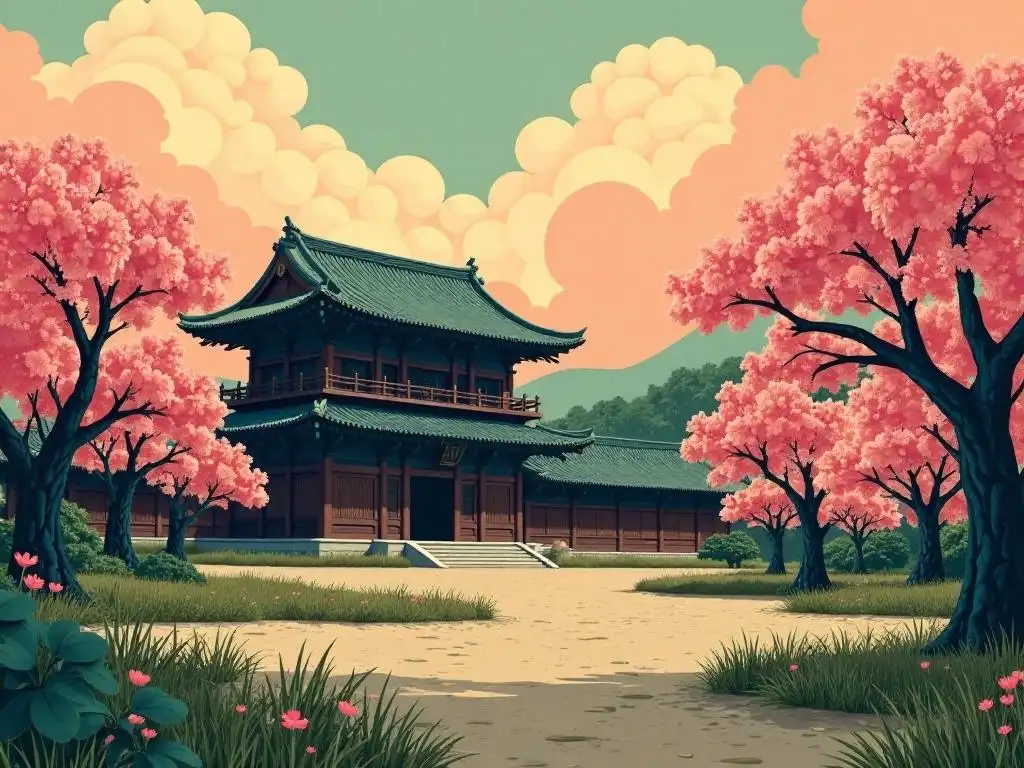
Welcome to Feudal Japan History, where we invite you to embark on a fascinating journey through the intricate tapestry of Japan's feudal era. In this exploration, we delve deep into the Decline of Samurai Education, uncovering the critical factors that led to transformative changes in educational practices during this pivotal time. What drove the once-mighty samurai to abandon their traditional learning? As you navigate through our expert-driven insights and rich narratives, prepare to unravel the mysteries of a society in flux—your adventure into the heart of feudal Japan begins now!
Introduction to Samurai Education
The decline of samurai education marks a significant turning point in Japan's history, reflecting broader societal transformations during the transition from feudalism to modernization. Samurai, the noble warrior class of Japan, not only wielded swords but also valued education, philosophy, and culture.
This article delves into the complexities surrounding the decline of samurai schools, examining the factors that contributed to the shifts in educational paradigms during this pivotal era. By understanding the historical context, the role of samurai as educators, and the philosophies that shaped their educational practices, we can gain insights into how these changes impacted Japan's societal structure and cultural heritage.
Overview of Samurai Schools in Feudal Japan
Samurai schools, known as "dōjō" and "gakko," served as centers for training not only in martial skills but also in intellectual pursuits. These institutions were essential for instilling the values of loyalty, honor, and discipline, which were fundamental to the samurai ethos. The curriculum often included:
- Martial Arts Training: Techniques in swordsmanship, archery, and horseback riding.
- Literature and Poetry: Study of classical texts, poetry (such as haiku), and calligraphy.
- Philosophy and Ethics: Teaching of moral philosophies, particularly influenced by Confucian thought.
This multifaceted approach to education reinforced the samurai's dual identity as warriors and scholars, shaping their roles within society and governance.
Importance of Education in Samurai Culture
Education held a place of utmost importance in samurai culture. It was seen as a means to cultivate not only skilled warriors but also wise leaders. The samurai believed that a well-rounded education would enhance their capabilities in:
- Decision-Making: Educated samurai were better equipped to make informed choices in battle and governance.
- Cultural Appreciation: Knowledge of arts and literature fostered a deeper understanding of aesthetics and cultural identity.
- Moral Responsibility: Education instilled ethical values that guided samurai behavior and their relationships with others.
As such, the commitment to education was viewed as integral to the samurai's duty to serve their lords and communities effectively.
The Role of Samurai as Educators and Leaders
Samurai often assumed the role of educators within their own families and communities. They were responsible for imparting knowledge and values to the next generation. This role included:
- Teaching Skills: Passing down martial skills to their children and apprentices.
- Mentorship: Guiding young samurai in ethical conduct and decision-making.
- Community Leadership: Serving as leaders and role models, influencing societal norms and expectations.
Through these educational practices, samurai contributed significantly to the cultural and social fabric of feudal Japan, ensuring the continuity of their values and traditions.
Historical Context of Samurai Education
Understanding the decline of samurai education necessitates a look back at its historical context. The samurai schools flourished during a time of relative peace, particularly during the Edo period (1603-1868), which allowed for the growth of education and cultural pursuits.
The Rise of Samurai Schools in Feudal Japan
The emergence of samurai schools can be traced back to the Heian period (794-1185), where education began to formalize. With the establishment of the Tokugawa shogunate, the samurai class gained unprecedented stability, leading to the proliferation of educational institutions. Key developments included:
- Establishment of Schools: Formal schools were set up to train samurai in both martial and scholarly disciplines.
- Increased Literacy: The focus on education led to rising literacy rates among the samurai, promoting a culture of learning.
This period marked the zenith of samurai educational practices, setting a foundation that would later be challenged by various socio-political changes.
Key Educational Philosophies of the Samurai Era
The educational philosophies that guided samurai schools were deeply rooted in the values of loyalty, honor, and respect. Some of the key philosophies included:
- Bushido: The way of the warrior, emphasizing virtues such as courage, integrity, and compassion.
- Confucianism: This philosophical system greatly influenced samurai education, advocating for moral integrity and the importance of relationships.
These philosophies not only shaped the curriculum but also the character and conduct of the samurai as individuals within society.
Influence of Confucianism on Samurai Education
Confucianism played a pivotal role in shaping the educational landscape of the samurai era. The teachings of Confucius emphasized the importance of:
- Moral Education: Fostering ethical behavior and civic responsibility.
- Hierarchical Relationships: Understanding one’s place within social and familial structures, which resonated with the samurai's loyalty to their lords.
As samurai education intertwined with Confucian ideals, it created a framework that not only guided individual behavior but also influenced the broader social order. However, as Japan entered the Meiji Restoration in the late 19th century, these educational traditions faced challenges that would lead to their eventual decline, marking a transformative era in Japan's history.
Factors Contributing to the Decline of Samurai Education
The decline of samurai education was not an isolated phenomenon but rather the result of a confluence of factors that reshaped the educational landscape of feudal Japan. Understanding these factors provides insight into how the samurai class, once the epitome of military and cultural authority, gradually lost its educational prominence. Key influences included political changes, economic shifts, and cultural transformations that collectively altered the perception and practice of education among the samurai.
Political Changes and the Fall of the Samurai Class
The political landscape of Japan underwent significant transformation during the late Edo period and into the Meiji Restoration. The decline of the Tokugawa shogunate marked a pivotal point, as it led to the dissolution of the samurai class’s power and privileges. The adoption of a more centralized and modern government diminished the traditional roles of samurai, who had been primarily warriors and retainers. This political upheaval resulted in the dismantling of the feudal system, which directly impacted the samurai schools that had served to educate young samurai in martial arts, ethics, and governance.
As the samurai class faced disbandment and social reorganization, the demand for their education diminished. Many samurai found themselves in precarious positions, transitioning to new roles in a rapidly modernizing society. Consequently, traditional samurai education, which emphasized loyalty, honor, and martial prowess, became less relevant, leading to a decline in the number of samurai schools and students.
Economic Shifts Affecting Samurai Schools
Economic factors played a crucial role in the decline of samurai education. The samurai were traditionally supported by stipends from their lords, which allowed them to focus on education and training. However, as Japan transitioned from a feudal economy to a more capitalist one, many samurai experienced financial strain. The weakening of the samurai's financial base resulted in a loss of funding for their educational institutions.
Moreover, the rise of merchant classes and the increasing importance of trade shifted economic power dynamics. As wealth accumulated in the hands of the merchants, the samurai, who were once the elite, found their status diminished. Schools that catered to samurai began to struggle with enrollment, as fewer families could afford to send their children to schools that no longer promised a secure future in the changing economic landscape.
Cultural Transformations and Changing Ideologies
Cultural shifts during the late Edo and early Meiji periods significantly influenced the decline of samurai education. With the introduction of Western ideas and educational philosophies, the traditional samurai curriculum began to be scrutinized. The emphasis on martial skills and Confucian ethics gave way to a focus on science, technology, and modern governance, which were seen as more relevant in the new era.
As Japan opened its doors to the West, the ideals of the samurai, including bushido—the way of the warrior—faced challenges from emerging ideologies that promoted individualism and meritocracy. The samurai's rigid adherence to hierarchy and tradition began to clash with these new thoughts, leading to a reevaluation of what constituted valuable education. This cultural transformation prompted many to abandon the traditional samurai schools in favor of institutions that offered modern curricula aligned with contemporary societal needs.
Impact of the Decline of Samurai Education

The decline of samurai education had profound effects on Japan's educational landscape and society at large. It marked a transition from traditional forms of learning to new educational practices that reflected the changing cultural, political, and economic realities of the time.
Shift in Educational Practices and Curriculum
As samurai education waned, there was a notable shift in educational practices across Japan. The focus moved towards more practical subjects, such as mathematics, science, and foreign languages, which were essential for navigating the complexities of a rapidly modernizing society. The curriculum began to emphasize critical thinking and problem-solving skills over the rote memorization of classical texts.
This shift led to the establishment of a more inclusive educational system that extended beyond the samurai class. Schools began to accept students from various backgrounds, fostering a spirit of competition and innovation. These changes laid the groundwork for a national education system that would serve as the foundation for modern Japan.
Emergence of New Educational Institutions
The decline of samurai schools paved the way for the emergence of new educational institutions that catered to a broader audience. As the samurai's influence diminished, schools that promoted Western-style education began to proliferate. Institutions such as the Tokyo Imperial University emerged as centers for learning and research, emphasizing subjects that aligned with Japan's modernization efforts.
These new schools not only educated the elite but also opened doors for the common people, granting them access to knowledge and skills previously reserved for the samurai. This democratization of education was instrumental in shaping a more educated citizenry, essential for the nation's development and modernization.
Long-term Effects on Japanese Society and Culture
The long-term effects of the decline of samurai education reverberated throughout Japanese society and culture. As traditional values associated with the samurai class diminished, new societal norms emerged, emphasizing merit over birthright. This transformation contributed to a more egalitarian society, allowing for social mobility and the rise of new classes.
Moreover, the decline of samurai education signified a broader cultural shift towards modernity. The adoption of Western educational practices and ideas influenced various aspects of Japanese life, from governance to artistic expression. The legacy of this transition can still be felt today, as Japan continues to balance its rich historical traditions with the demands of a contemporary global society.
In essence, the decline of samurai education not only marked the end of an era for the samurai class but also laid the groundwork for a new educational and societal framework that would define modern Japan.
Conclusion
The decline of samurai education marked a pivotal transition in Japanese society during the late Edo period and into the Meiji Restoration. As Western influences permeated the country, the traditional educational structures that had long upheld the samurai class began to crumble.
This decline was not merely a result of external pressures; internal factors, such as the changing socio-political landscape and the diminishing relevance of the samurai's military role, played significant roles. The evolution of education reflected broader societal shifts, leading to the establishment of a more modern, inclusive educational system that ultimately laid the groundwork for Japan's rapid modernization.
Summary of Key Factors Leading to the Decline of Samurai Education
Several interrelated factors contributed to the decline of samurai education:
- Political Changes: The fall of the Tokugawa shogunate and the rise of the Meiji government shifted power dynamics and undermined the samurai's status. The new regime prioritized a centralized educational system over the clan-based schools that had previously dominated.
- Economic Pressures: With the Meiji Restoration came modernization efforts that necessitated economic restructuring. Many samurai found themselves in financial difficulties, leading to a decline in their ability to support traditional educational institutions.
- Cultural Shifts: The introduction of Western ideas and educational methods prompted a reevaluation of the relevance of samurai teachings. The focus shifted from martial prowess and Confucian ethics to more practical subjects, which better suited the needs of a rapidly modernizing society.
- Technological Advancements: The advancement of technology and industry required new skills and knowledge, which samurai schools were often ill-equipped to provide. This gap led to a preference for modern educational institutions that could cater to the demands of a new economy.
Reflection on the Legacy of Samurai Schools in Modern Japan
Despite their decline, the legacy of samurai schools has had a lasting impact on Japanese culture and education. Many of the ethical teachings and values instilled in samurai education, such as loyalty, discipline, and honor, continue to resonate in modern Japanese society. Furthermore, the emphasis on rigorous study and a strong moral foundation laid the groundwork for contemporary educational philosophies.
Modern educational institutions in Japan still draw inspiration from samurai ideals, incorporating elements of respect, perseverance, and the pursuit of knowledge. This legacy is evident in various forms, from martial arts schools that emphasize traditional values to educational programs that honor the historical significance of the samurai era. Thus, while the decline of samurai education marked the end of an era, the principles it embodied remain influential in shaping Japan's educational landscape today.
Further Reading and Resources
For those interested in delving deeper into the decline of samurai education and its broader implications, several resources are available:
Suggested Books and Articles on Samurai Education
-
"Samurai: The Last Warrior" by John Man
This book provides insights into the life and values of the samurai, exploring their educational practices and societal roles.
-
"The Samurai and the Sacred" by Stephen Turnbull
Turnbull examines the spiritual and ethical dimensions of samurai education, shedding light on its enduring influence.
-
"The Making of Modern Japan" by James L. McClain
This comprehensive history includes discussions on the changes in education during the Meiji Restoration and the decline of the samurai class.
Online Resources for Exploring Feudal Japan History
-
The Tokugawa History Resource
A dedicated website that offers a wealth of articles and primary sources related to the Edo period, including educational practices.
-
The Samurai Archives
This online repository features a variety of resources, including articles, documents, and discussions about samurai education and culture.
-
National Diet Library of Japan
An excellent resource for accessing historical documents and publications about the samurai era and its educational systems.
- Introduction to Samurai Education
- Historical Context of Samurai Education
- Factors Contributing to the Decline of Samurai Education
- Impact of the Decline of Samurai Education
- Conclusion
- Further Reading and Resources
- What were the main factors leading to the decline of Samurai education?
- How did the Meiji Restoration impact Samurai schools?
- Were there any lasting effects of the decline of Samurai education?
- How did society view the Samurai after the decline of their education?
- What role did the economy play in the decline of Samurai schools?
Frequently Asked Questions
What were the main factors leading to the decline of Samurai education?
The decline of Samurai education was influenced by political changes, such as the Meiji Restoration, which transformed societal structures and diminished the role of the Samurai class.
How did the Meiji Restoration impact Samurai schools?
The Meiji Restoration introduced Western educational models that prioritized modernization and industrialization, overshadowing the traditional Samurai education focused on martial skills and ethics.
Were there any lasting effects of the decline of Samurai education?
Yes, the decline of Samurai education led to cultural shifts in Japan, as the values and teachings of the Samurai were replaced by new ideologies that emphasized nationalism and modern citizenship.
How did society view the Samurai after the decline of their education?
After the decline of Samurai education, society began to view the Samurai as obsolete, leading to a loss of status and the eventual transformation of their role within Japanese society.
What role did the economy play in the decline of Samurai schools?
The economic changes during the late feudal and early modern periods shifted focus from military power to commerce, reducing the relevance of Samurai education in favor of business and trade skills.
Final Reflection: The Enduring Legacy of Samurai Education
The decline of samurai education is not merely a historical footnote; it resonates deeply in today's discussions about educational reform and cultural identity. As we navigate an increasingly globalized world, the lessons learned from the samurai's unique educational practices remind us of the importance of discipline, ethics, and a well-rounded education. The transition from a warrior-centric educational system to modern schooling reflects broader societal changes that continue to shape our values and priorities.
Clearly, the impact of samurai education extends far beyond its historical context; it has left an indelible mark on Japan's cultural landscape and continues to influence contemporary educational philosophies. Education is the foundation upon which we build our future.
This quote encapsulates the essence of what samurai education represented: a holistic approach that emphasized not only martial skills but also moral integrity and intellectual growth. As we reflect on the decline of samurai schools, we can see how their emphasis on character development and lifelong learning is still relevant today, inspiring educators and students alike to seek a more balanced and meaningful approach to learning.
As we move forward, I invite you to reflect on your own educational journey and consider how the principles of samurai education can inform your personal and professional growth. What lessons can you draw from their legacy to enhance your own learning experience? Embrace the spirit of inquiry and self-discipline that defined samurai education, and let it guide you in your pursuit of knowledge and character development. The decline of samurai education may mark the end of an era, but its teachings can still illuminate our path toward a more enlightened future.
Rediscover the Legacy of Samurai Education
Thank you for taking the time to explore the fascinating evolution of samurai schools. Your interest helps keep the rich history of feudal Japan alive. Now, it's time to turn this knowledge into action and honor the legacy of these noble warriors.
- Dive deeper into samurai culture: Visit local libraries or online archives to immerse yourself in literature and resources about the educational practices and lifestyle of samurai.
- Join a discussion group or forum: Connect with fellow history enthusiasts to share insights and perspectives on the significance of samurai education throughout history.
- Share what you've learned: Create a social media post or a blog entry highlighting your favorite discoveries about samurai schools, inspiring others to appreciate this vital aspect of history.
What aspect of samurai education intrigues you the most, and how can we continue to learn from their values today?