
How Feudal Japan's Entertainment Forms Reflected Social Hierarchies

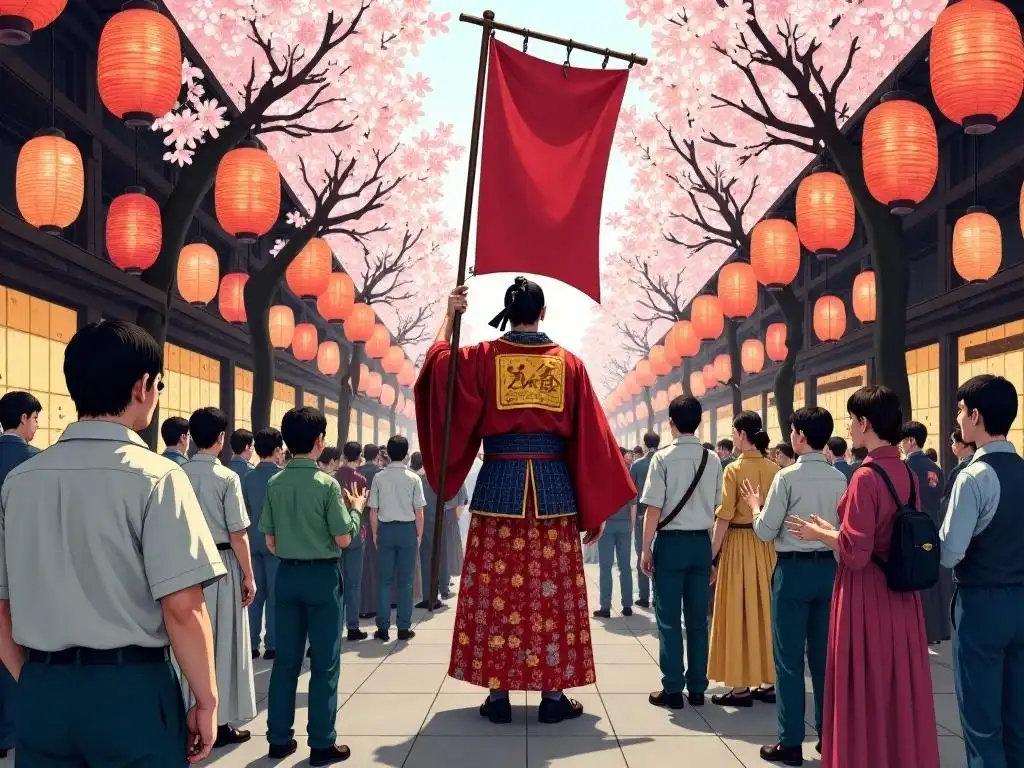
Welcome to Feudal Japan History, where the intricate tapestry of Japan’s feudal era unfolds before your eyes. Dive deep into the captivating world of Feudal Japan entertainment social hierarchies, and discover how the art forms of this remarkable period mirrored the complex societal structures that defined everyday life. From the elegance of Noh theater to the vibrant spectacle of kabuki, each performance tells a story of power, status, and cultural identity.
Ready to uncover how these entertainment forms shaped and reflected the social hierarchies of the time? Keep reading to reveal the fascinating connections that lie at the heart of this rich historical era!
- Introduction to Feudal Japan's Entertainment Forms and Social Hierarchies
- The Role of Entertainment in Reflecting Social Hierarchies
- Forms of Entertainment in Feudal Japan
- The Influence of Samurai Culture on Entertainment
- The Role of Women in Feudal Japan's Entertainment Scene
- Comparing Entertainment Across Social Classes
- The Evolution of Entertainment and Its Reflection of Changing Social Norms
- Conclusion: The Legacy of Feudal Japan's Entertainment and Social Hierarchies
-
Frequently Asked Questions
- What were the main forms of entertainment in Feudal Japan?
- How did entertainment reflect social hierarchies in Feudal Japan?
- Were there any restrictions on entertainment based on social class?
- How did feudal lords influence the entertainment industry?
- What role did festivals play in Feudal Japan's social structure?
- Final Reflection: The Echoes of Feudal Japan's Entertainment in Modern Society
- Explore the Rich Tapestry of Feudal Japan's Culture!
In Feudal Japan, the interplay between entertainment and social hierarchies provides a fascinating lens through which to understand the cultural and societal dynamics of the time. The intricate class system, deeply rooted in Confucian values, not only influenced the daily lives of individuals but also shaped the forms of entertainment available to them.
From the noble samurai to the peasant class, each segment of society engaged with various entertainment forms that reflected their status, roles, and relationships within the broader social fabric. This article aims to explore the diverse entertainment options in Feudal Japan and how they mirrored the prevailing social hierarchies, offering insights into the values and norms that defined this era.
Feudal Japan's social structure was characterized by a rigid hierarchy, primarily divided into several distinct classes:
- Emperor: Though often a symbolic figure, the emperor was considered the highest authority, embodying the divine nature of leadership.
- Shogun: The shogun wielded actual power, ruling on behalf of the emperor and commanding the military.
- Daimyo: Feudal lords who controlled vast lands and had their own samurai armies.
- Samurai: The warrior class, known for their code of honor (Bushido), served the daimyo and were respected for their skills in battle.
- Peasants: Representing the majority of the population, peasants worked the land and were crucial for sustaining the economy.
- Artisans and Merchants: Occupying a lower status than peasants, artisans created goods, while merchants facilitated trade but were often viewed with suspicion.
This hierarchical system dictated not only the governance of society but also the access and participation in various entertainment forms. The higher one's status, the more elaborate and refined the entertainment options available, underscoring the disparities in wealth and privilege that defined Feudal Japan.
Importance of Entertainment in Feudal Society
Entertainment in Feudal Japan served multiple purposes that extended beyond mere leisure. It was a crucial aspect of daily life that helped reinforce social bonds, cultural traditions, and hierarchical structures. Here are some key points regarding the importance of entertainment:
- Cultural Preservation: Traditional performances, such as Noh and Kabuki theater, not only entertained but also preserved historical narratives, folklore, and cultural values.
- Social Cohesion: Festivals and communal events provided opportunities for different classes to engage with one another, albeit in structured ways that reaffirmed existing social roles.
- Political Propaganda: Entertainment was sometimes employed as a tool for political messaging, with performances that glorified the ruling class or promoted the shogunate's legitimacy.
- Economic Impact: The entertainment sector, including theater, festivals, and games, stimulated the economy by creating jobs and supporting local artisans and performers.
In essence, the entertainment forms of Feudal Japan were deeply intertwined with its social hierarchies, reflecting and perpetuating the values and norms of the society. Understanding this relationship allows for a richer appreciation of how leisure activities were not merely escapes from reality, but rather essential components of the social order.
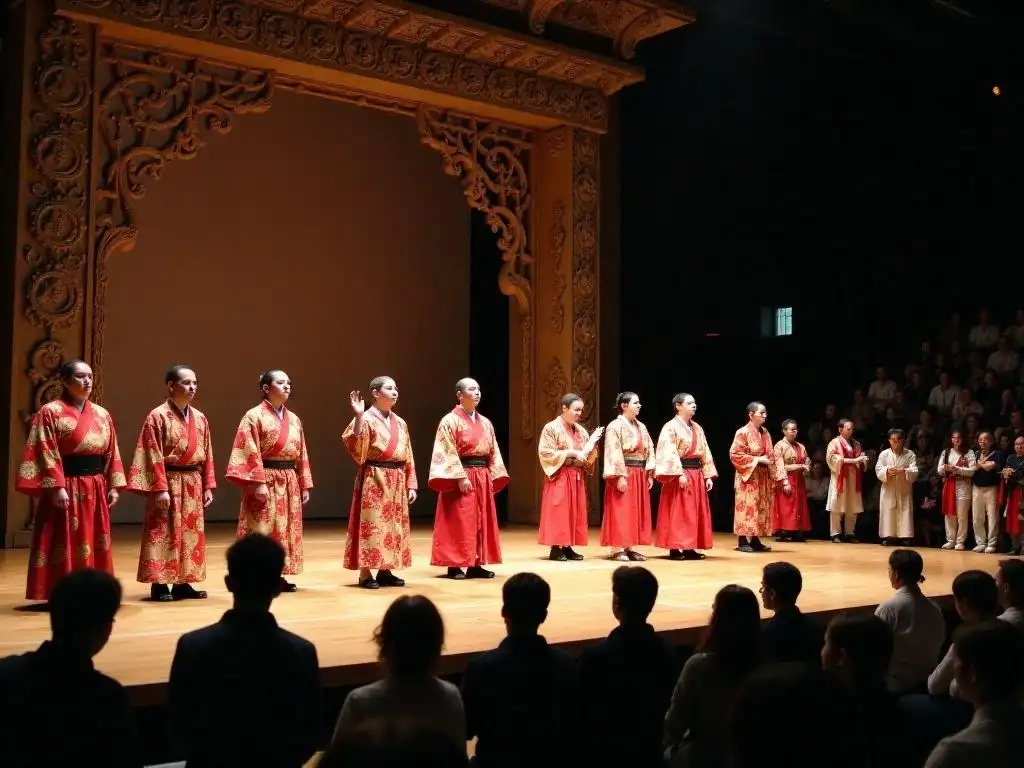
The role of entertainment in feudal Japan was deeply intertwined with the social hierarchies that defined the era. Entertainment not only provided leisure but also served as a means of reinforcing and displaying the societal structures of the time. Various forms of entertainment were accessible to different social classes, with each type reflecting the values, customs, and power dynamics of the respective groups. As a result, entertainment became a lens through which the complexities of feudal society could be examined.
The three primary social classes in feudal Japan were the samurai, the peasantry, and the merchants. Each class had distinct forms of entertainment that corresponded to their social status and lifestyles. Understanding these distinctions is crucial for grasping how entertainment mirrored social hierarchies.
Feudal Japan was characterized by a rigid social structure, often depicted as a pyramid:
- Samurai: The warrior class, who held significant power and influence. They were often landowners and served as both military and administrative leaders. Their lifestyle allowed them access to high art forms and elaborate entertainment.
- Peasantry: Comprising the majority of the population, peasants were primarily farmers and laborers. Their entertainment was more communal and simple, often involving folk traditions and seasonal festivals.
- Merchants: Although they held wealth, merchants were generally at the bottom of the social hierarchy. Their entertainment often reflected their desire to emulate the samurai lifestyle, leading to a blend of cultural practices.
The Characteristics of Each Class's Entertainment
| Social Class | Forms of Entertainment | Characteristics |
|---|---|---|
| Samurai | Noh, Kabuki, Tea Ceremonies | Sophisticated, artistic, often included themes of honor and valor. |
| Peasantry | Bon Odori, Storytelling, Festivals | Community-oriented, seasonal, and focused on agricultural cycles. |
| Merchants | Kabuki, Ukiyo-e (woodblock prints), Sumo | Influenced by samurai culture, often extravagant and commercialized. |
The entertainment forms of each class were not only tailored to their tastes but also reinforced their social status. For instance, samurai enjoyed sophisticated theatrical performances like Noh and Kabuki, which emphasized themes of loyalty and honor—values central to their identity.
How Entertainment Served as a Reflection of Status
Entertainment in feudal Japan was a clear indicator of one's social status. The types of performances, the venues, and the means of access varied significantly among classes.
Exclusive Access for the Samurai
Samurai had preferential access to highbrow entertainment, often attending performances in grand theaters or private settings. The Noh theater, characterized by its slow movements and poetic dialogue, was particularly favored by the samurai class. Its themes often resonated with the samurai ideals of loyalty and the impermanence of life. These performances were not only forms of entertainment but also served as a reflection of the samurai's refined tastes and cultural sophistication.
Noh is a mirror reflecting the ideals of the samurai, where every gesture signifies a deeper meaning.
Communal Celebrations of the Peasantry
In contrast, the peasantry engaged in communal entertainment that reflected their collective identity and agricultural lifestyle. Festivals like Bon Odori involved dance and music, celebrating the harvest and honoring ancestors. These events reinforced community bonds and provided an opportunity for social interaction among the lower classes.
The Merchants’ Aspiration
Merchants sought to elevate their status through entertainment. They often patronized Kabuki theaters, which featured extravagant performances and elaborate costumes. By adopting the entertainment forms of the samurai, merchants attempted to bridge the gap between their wealth and social standing. This aspiration was evident in the lavishness of their gatherings, where they emulated the cultural practices of the upper class.
The forms of entertainment in feudal Japan were a vivid reflection of the social hierarchies that defined the era. From the refined performances enjoyed by the samurai to the communal celebrations of the peasantry, each form of entertainment served to reinforce the values and distinctions of their respective social classes. Understanding these dynamics sheds light on how entertainment was not simply a pastime but a critical component of social identity in feudal Japan.
Forms of Entertainment in Feudal Japan
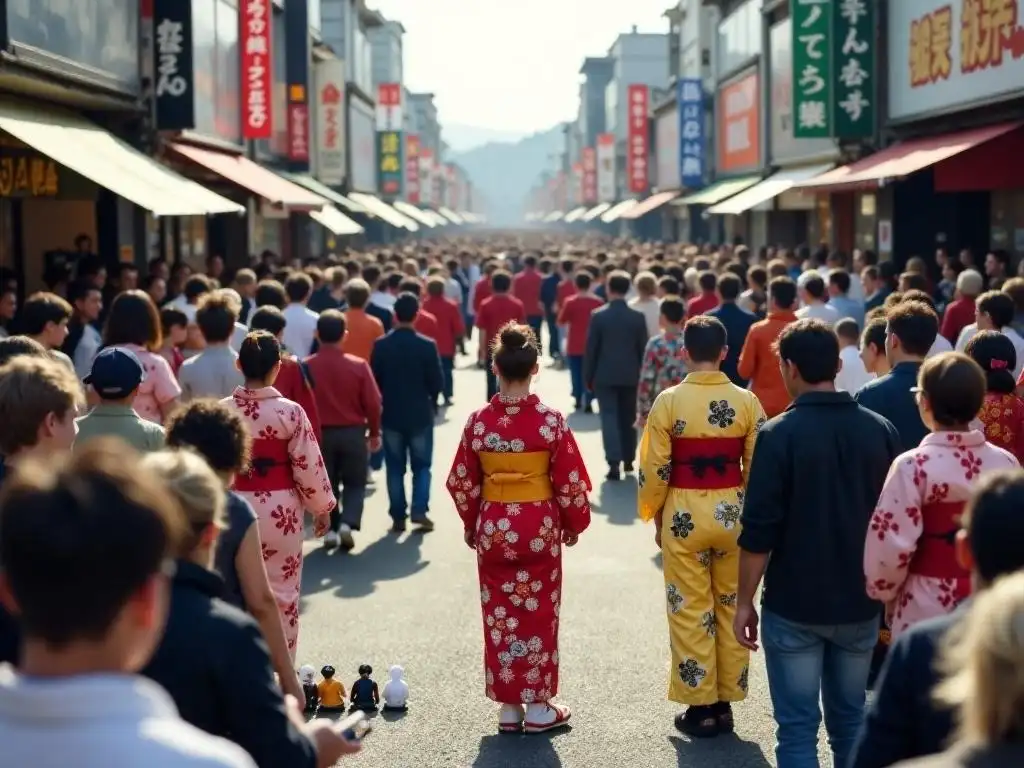
The entertainment landscape of Feudal Japan was a rich tapestry woven from various artistic expressions that not only provided leisure but also reflected the intricate social hierarchies of the time. From the refined elegance of the theatrical arts to the vibrant rhythms of traditional music and dance, each form of entertainment offered insights into the values, beliefs, and class distinctions of Japanese society during this era.
Theatrical Arts: Noh and Kabuki
The theatrical arts in Feudal Japan played a significant role in shaping the cultural narrative and were often indicative of the social status of their audiences. Two prominent forms of theater, Noh and Kabuki, represented starkly contrasting views of entertainment, appealing to different segments of society.
Noh Theatre: Elegance and Spirituality
Noh theatre is characterized by its slow, deliberate movements and poetic dialogue, often drawing from historical and mythological themes. This art form was primarily patronized by the samurai class and the aristocracy, reflecting their values and aesthetic sensibilities.
- Structure and Style: Noh performances are marked by their minimalistic staging and the use of masks, which convey the emotional depth of characters. The actors' movements are subtle and refined, showcasing the beauty of restraint.
- Themes and Content: Noh plays often explore themes of spirituality and the supernatural, aligning with the samurai's code of honor and the Buddhist influences prevalent in the era. The narratives frequently involve spirits and the contemplation of life and death, resonating deeply with the elite's philosophical pursuits.
- Social Significance: As a form of entertainment, Noh not only served as a recreational activity but also functioned as a means of preserving cultural heritage. Its exclusivity reinforced the social hierarchy, as only the upper echelons of society could fully appreciate its complexities.
Kabuki Theatre: Drama and Popularity Among the Masses
In contrast to Noh, Kabuki theatre emerged as a vibrant and dynamic performance art designed to appeal to the common people. Its more flamboyant style and engaging narratives made it accessible and popular among various social classes.
- Characteristics and Presentation: Kabuki is known for its elaborate costumes, exaggerated makeup, and energetic performances. The use of music and dance is integral, often featuring live musicians accompanying the actors' dramatic expressions.
- Themes and Stories: The stories presented in Kabuki often revolve around moral conflicts, historical events, and romantic entanglements, mirroring the lives and concerns of ordinary citizens. This relatability fostered a sense of community among audiences from different backgrounds.
- Cultural Impact: Kabuki's rise in popularity among the masses allowed it to act as a platform for social commentary, subtly critiquing the prevailing social norms and class structures. Performances often included characters from lower social strata, bringing their stories to the forefront.
Traditional Music and Dance
The musical traditions of Feudal Japan were equally diverse, serving both the elite and the common populace. Music and dance were essential components of celebrations, religious ceremonies, and communal gatherings, reflecting the cultural fabric of the time.
Gagaku: The Music of the Elite
Gagaku is the oldest classical music tradition in Japan, originally performed in the imperial court. It embodies a sense of serenity and refinement, designed to evoke the majesty of the ruling class.
- Instruments and Composition: Gagaku ensembles typically include instruments such as the sho (mouth organ), hichiriki (double-reed instrument), and various percussion instruments. The compositions are intricate, designed to reflect the sophistication of court life.
- Cultural Role: Gagaku performances were often intertwined with ritualistic ceremonies, emphasizing the divine right of the emperor and the spiritual connection of the court to the heavens. This form of music was exclusive to the aristocracy, reinforcing class distinctions.
Folk Music: The Voice of the Common People
In stark contrast to the elite Gagaku, folk music emerged from the everyday lives of the common people. This form of music was characterized by its simplicity and accessibility, often performed at festivals and communal gatherings.
- Instruments and Styles: Folk music featured instruments like the shamisen (three-stringed instrument) and taiko drums, with songs that were easy to sing along to, fostering a sense of community among performers and audiences alike.
- Themes and Expressions: The lyrics of folk songs often reflect the struggles, joys, and daily experiences of the common people, addressing themes such as love, labor, and nature. This connection to everyday life made folk music a powerful medium for expressing social sentiments.
- Social Significance: Folk music served as a unifying force among different social classes, allowing the common people to share their stories and cultural heritage. It also provided a counter-narrative to the more austere and formal entertainment enjoyed by the elite.
The forms of entertainment in Feudal Japan were not merely leisure activities; they were deeply intertwined with the social hierarchies of the time, showcasing the values and experiences of different classes. The theatrical arts and traditional music serve as a testament to the rich cultural history of Japan, reflecting a society that was both complex and nuanced.
Festivals and Celebrations
Festivals and celebrations in Feudal Japan served not only as forms of entertainment but also as vital expressions of social hierarchies. These events were deeply embedded in the cultural fabric of Japanese society, reflecting the values, beliefs, and social positions of different classes. From the opulent celebrations of the samurai to the communal gatherings of peasants, each festival showcased distinct elements that highlighted the societal structure of the time.
Samurai Festivals: Displays of Power and Prestige
Samurai festivals were grand affairs that exemplified the power and prestige of the warrior class. These events often included elaborate parades, martial displays, and ceremonial rituals that reinforced the samurai's status as elite defenders of the realm. One notable example is the Kamo Matsuri, celebrated in Kyoto, which involved a procession of samurai in full armor, showcasing their skills and valor.
These festivals served multiple purposes:
- Political Demonstration: Samurai festivals often coincided with significant political events, reinforcing loyalty to the ruling shogun or daimyo. The display of martial prowess was not only a show of strength but also a reminder of the samurai's role as protectors of the land.
- Cultural Identity: The samurai's involvement in festivals helped to shape their cultural identity. Traditional music, dance, and rituals were integral to these celebrations, fostering a sense of unity and pride among the warrior class.
- Religious Significance: Many samurai festivals had religious undertones, often dedicated to deities associated with war and protection. Rituals performed during these festivals sought blessings for victory in battle and prosperity for their domains.
In essence, samurai festivals were multifaceted events that not only entertained but also reinforced the social hierarchy, showcasing the power dynamics inherent in Feudal Japan.
Peasant Festivals: Community and Tradition
In stark contrast to samurai festivals, peasant festivals were characterized by community involvement and the celebration of agricultural cycles. These events, such as the Matsuri, were essential for fostering social cohesion among villagers. They provided an opportunity for peasants to come together, celebrate their harvests, and honor the spirits of nature and ancestors.
Key aspects of peasant festivals include:
- Agricultural Celebrations: Many peasant festivals were tied to the agricultural calendar, marking important milestones such as planting and harvest seasons. The Oni Matsuri, for instance, was held to ward off evil spirits and ensure a bountiful harvest, reflecting the deep connection between the peasant class and the land they worked.
- Cultural Expression: Peasant festivals were rich in cultural expression, showcasing traditional music, dance, and crafts. These performances often conveyed local legends and histories, preserving the community’s cultural heritage.
- Social Bonding: These festivals facilitated social bonding among villagers, strengthening community ties. They provided a space for relaxation and enjoyment, allowing peasants to temporarily set aside the burdens of their daily labor.
While peasant festivals lacked the grandeur of samurai events, they played a crucial role in reflecting the values of community, tradition, and resilience, underscoring the importance of social hierarchies in shaping the entertainment forms of Feudal Japan.
The Influence of Samurai Culture on Entertainment
Feudal Japan's samurai class played a pivotal role in shaping the entertainment landscape of the era. As both warriors and aristocrats, samurai were not only focused on martial prowess but also on cultural refinement. Their influence permeated various forms of entertainment, reflecting their values, social status, and the intricate social hierarchies of the time.
The Samurai's Patronage of the Arts
The samurai's relationship with the arts was multifaceted, characterized by both patronage and participation. They actively supported various art forms, recognizing that cultural refinement was essential for their status as leaders and role models within society. This patronage extended to:
- Theater: Samurai were instrumental in the development and sponsorship of traditional Japanese theater, such as Noh and Kabuki. These theatrical forms often depicted samurai ideals, including loyalty, honor, and the complexities of human emotion. For instance, Noh plays frequently featured samurai heroes in tragic narratives that highlighted the consequences of their choices, reinforcing the values of the warrior class.
- Literature: Samurai were also patrons of literature, supporting poets and playwrights whose works often mirrored their own experiences and philosophies. The famous "Tale of the Heike," which explores the rise and fall of the Taira clan, was popular among samurai audiences, as it resonated with their own values of loyalty and sacrifice.
- Visual Arts: The samurai class commissioned intricate paintings, calligraphy, and crafts that not only showcased their wealth but also their cultural sophistication. The aesthetics of these artworks often reflected the samurai's connection to nature and spirituality, emphasizing qualities like simplicity and elegance, which were central to their identity.
This patronage had a cascading effect on the overall artistic landscape of Feudal Japan, as it set a standard for cultural production and promoted a hierarchy where samurai-supported art forms gained prominence, often overshadowing those of lower classes.
The Impact of Bushido on Entertainment Preferences
Bushido, the code of ethics followed by samurai, significantly influenced their entertainment preferences. This code emphasized virtues such as loyalty, honor, and discipline, which were deeply embedded in the samurai's psyche and affected their choices in leisure activities. The impact of Bushido on entertainment can be summarized as follows:
- Martial Arts and Combat Sports: Given the samurai's emphasis on martial skill, combat sports such as kendo and judo were not only forms of entertainment but also essential training for warriors. These activities reinforced the principles of Bushido, allowing samurai to cultivate discipline and physical prowess while engaging in leisure.
- Tea Ceremony: The traditional tea ceremony, or chanoyu, became a significant social activity among samurai. It was more than a mere beverage ritual; it embodied the principles of harmony, respect, purity, and tranquility, reflecting the samurai's philosophical beliefs. The meticulous nature of the ceremony allowed samurai to express their mastery and appreciation for aesthetics, reinforcing their social standing.
- Literature and Philosophy: Samurai often engaged with literature that reflected their ethical values and philosophical inquiries. Works such as "Hagakure," which outlines the principles of Bushido, were crucial in shaping their worldview and thus influenced their entertainment choices. Reading and discussing such texts became a form of intellectual leisure, fostering a deeper understanding of their roles in society.
The samurai class not only shaped the cultural landscape of Feudal Japan through their patronage of the arts but also influenced entertainment preferences via the principles of Bushido. The interplay between these elements created a distinct hierarchy within the realm of entertainment, reflecting the broader social structures of the time. Understanding these dynamics allows us to appreciate how deeply intertwined feudal society's entertainment forms were with its social hierarchies.
The Role of Women in Feudal Japan's Entertainment Scene
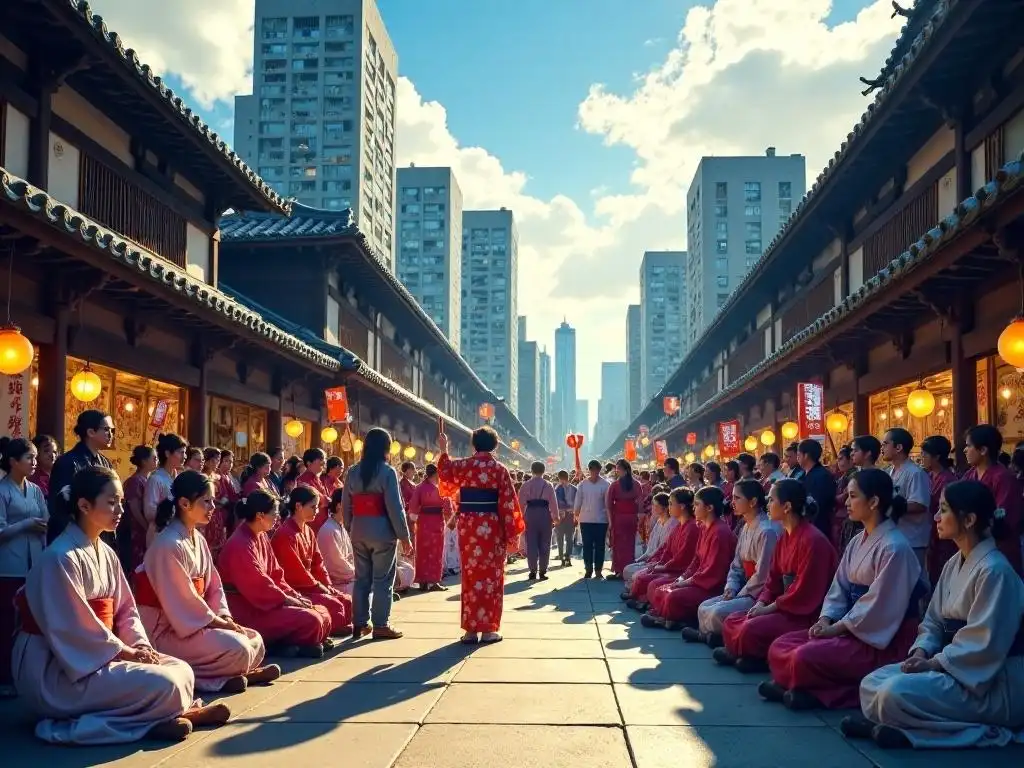
Women in Performing Arts: Geisha and Kabuki Actresses
In the complex tapestry of Feudal Japan's entertainment, women played pivotal roles, particularly through the esteemed professions of Geisha and Kabuki actresses. These women were not merely entertainers; they were skilled artists, embodying the cultural nuances and social expectations of their time.
Geisha: The Quintessential Entertainers
The Geisha, often referred to as 'Geiko' in Kyoto dialect, emerged as a symbol of grace and sophistication. Their training began at a young age, where they learned various arts, including traditional music, dance, and conversation. The process was rigorous and could take years, as they were expected to master:
- Traditional Music: Proficiency in instruments like the shamisen.
- Dance: Elegant movements that conveyed stories and emotions.
- Conversation: The ability to engage clients in witty and charming dialogue.
Geisha served primarily in teahouses, where they entertained male patrons, providing companionship and artistic performances. Their presence highlighted the social hierarchies of Feudal Japan, as they often catered to the elite and wealthy classes, reinforcing the cultural ideals of beauty, poise, and refinement.
Kabuki Actresses: Pioneers of a Dynamic Art Form
On the other end of the spectrum, Kabuki actresses played a crucial role in the vibrant world of Kabuki theater, which began in the early 17th century. Initially performed by women, the art form underwent a transformation when women were banned from the stage, leading to the rise of onnagata, male actors who specialized in female roles. However, the legacy of women in Kabuki remains significant.
Some key aspects of Kabuki actresses include:
- Dramatic Expression: Women brought intense emotion and depth to their performances, captivating audiences.
- Costuming and Makeup: The elaborate costumes and makeup designs were integral to the theatrical experience, often drawing from the latest fashion trends of the time.
- Cultural Commentary: Kabuki performances often reflected societal norms and issues, allowing actresses to comment indirectly on the social hierarchies of their era.
The Cultural Significance of Women's Roles in Entertainment
The roles of women in the entertainment sphere of Feudal Japan were not only crucial for the arts but also served as a reflection of the broader social hierarchies at play. Their participation in entertainment was intricately linked to societal expectations, values, and the status of women during this period.
Reinforcement of Social Norms
The portrayal of women in entertainment often reinforced existing social norms and hierarchies. For instance, the Geisha were expected to embody the ideal of feminine beauty and grace, serving as a reflection of the societal standards of the time. Their artistry was celebrated, yet it also confined them within the limits of male patronage, illustrating the complexities of female agency in a patriarchal society.
Agents of Cultural Transmission
Women in entertainment also acted as agents of cultural transmission. Through their performances, they preserved and conveyed traditional stories, music, and customs, ensuring the continuity of cultural heritage. Geisha and Kabuki actresses contributed to the evolution of Japanese arts, influencing subsequent generations of artists and entertainers.
Evolving Perceptions
Over time, the perception of women in entertainment began to evolve. As the Edo period progressed, there was a growing recognition of their contributions to the arts. Women increasingly gained visibility and respect within the cultural sphere, leading to a more nuanced understanding of their roles in society.
The entertainment forms of Feudal Japan not only provided leisure for the upper echelons of society but also mirrored and shaped the social hierarchies of the time. The roles of women in this arena were multifaceted, reflecting both the constraints and the creative expressions of their era.
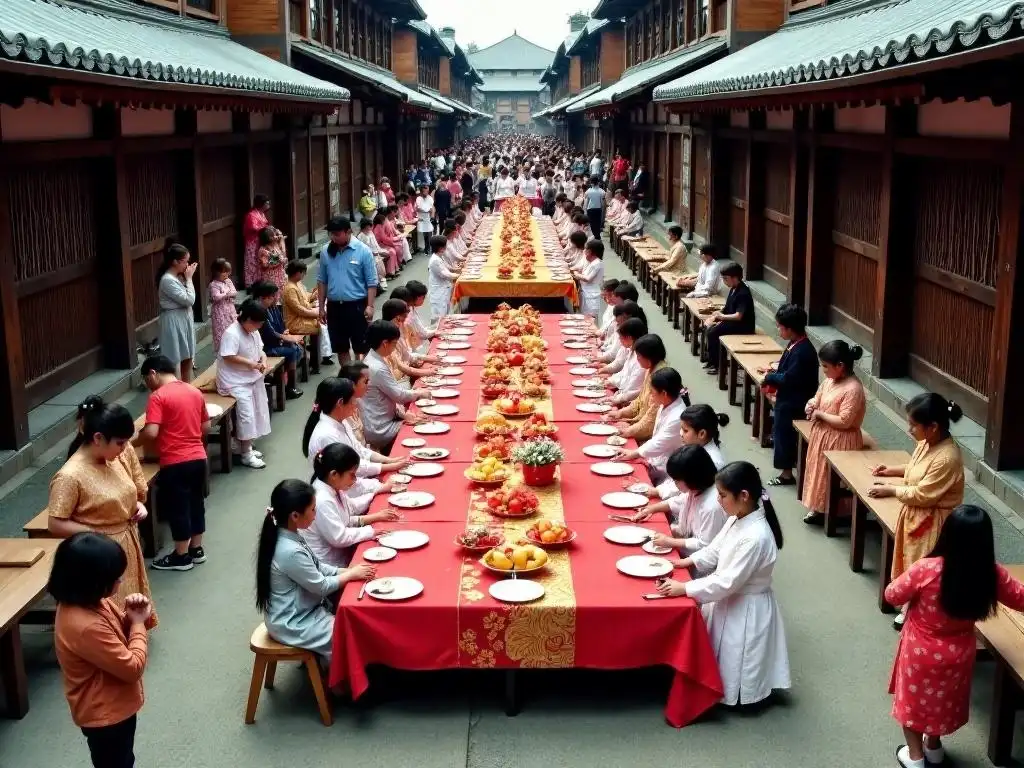
In feudal Japan, the entertainment landscape was profoundly influenced by the social hierarchies that characterized society. The distinctions between the elite and commoners were stark, affecting not just the type of entertainment available but also the manner in which it was consumed. Understanding these differences provides insight into the broader socio-cultural dynamics of the time.
Elite vs. Commoner Entertainment Forms
The entertainment available to the elite—samurai, daimyos, and wealthy merchants—was vastly different from that of commoners.
- The Elite:
- Noh and Kabuki Theatre: The upper echelons of society often enjoyed refined forms of entertainment such as Noh, a classical musical drama known for its slow, stylized movement and poetic dialogue. Kabuki, with its dynamic performances and elaborate costumes, also captivated elite audiences, though it was more accessible to the lower classes as well.
- Ikebana and Tea Ceremonies: The practice of Ikebana (flower arranging) and the ritualistic tea ceremony were forms of artistic expression among the elite, reflecting their status and aesthetic values. These activities were often accompanied by poetry recitals and philosophical discussions.
- Hunting and Falconry: Nobles engaged in hunting as a leisure activity, showcasing their prowess and status. Falconry, in particular, was a favorite pastime, symbolizing nobility and skill.
- Commoners:
- Festivals and Folk Performances: Commoners participated in vibrant local festivals, which featured folk performances, music, and dance. These events were communal, fostering a sense of belonging and shared cultural identity.
- Sumo Wrestling: As a popular form of entertainment, sumo wrestling was accessible to all social classes. It was not only a sport but also a significant cultural event, often associated with religious rituals.
- Storytelling and Puppet Shows: Street performers engaged audiences with storytelling and bunraku (puppet theatre). These forms of entertainment were inexpensive and allowed for the transmission of folk tales and moral lessons.
The disparity in entertainment forms highlights the cultural stratification in feudal Japan, where leisure activities often mirrored social status and wealth.
The Accessibility of Entertainment: Who Could Engage?
Access to various forms of entertainment in feudal Japan was significantly determined by social class. While some activities were broadly available, others were strictly reserved for the elite.
- Public vs. Private Events:
- Public Festivals: Local festivals were open to all, allowing villagers and townsfolk to participate in communal celebrations. These events often included processions, music, and dance, creating a vibrant atmosphere that fostered community ties.
- Private Soirees: In contrast, elite entertainment such as private Noh performances or exclusive tea ceremonies was limited to the upper classes. Invitations were often extended based on social standing and connections, reinforcing existing hierarchies.
- Economic Barriers:
- Cost of Attendance: The financial burden associated with certain forms of entertainment also dictated accessibility. While commoners could enjoy festivals at little to no cost, attending a Noh play required a significant investment, thereby alienating the lower classes.
- Cultural Capital: Knowledge of sophisticated arts, such as tea ceremonies, was often reserved for the educated elite, further deepening the divide between classes. Commoners lacked the training necessary to engage in these highbrow activities, which were steeped in tradition and etiquette.
The entertainment landscape of feudal Japan was a reflection of its social hierarchies. While some forms of entertainment were universally accessible, many were steeped in the exclusivity that defined the era's class structure. Understanding these dynamics offers valuable insight into how entertainment served not only as a means of leisure but also as a reinforcement of societal norms and values.
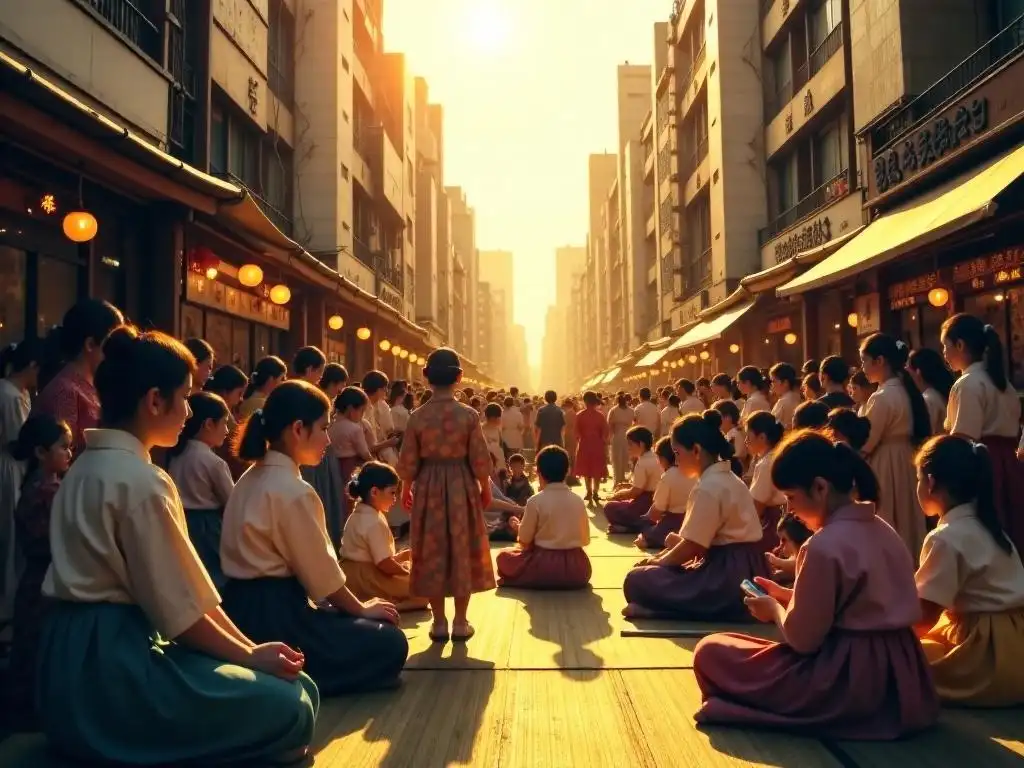
The evolution of entertainment in Feudal Japan is a fascinating reflection of the shifting social hierarchies and norms throughout the era. From the rigid caste system, where samurai, farmers, artisans, and merchants each had their designated roles, to the more fluid and integrated forms of entertainment that emerged over time, the interplay between social status and leisure activities reveals much about the cultural landscape of the period.
Transition from Feudalism to Modern Japan
The transition from feudalism to modern Japan, particularly during the Meiji Restoration in the late 19th century, marked a significant transformation in entertainment forms and their accessibility. Under feudalism, entertainment was largely stratified; the samurai class enjoyed exclusive access to certain cultural practices, such as Noh theater and the tea ceremony, which were often imbued with philosophical and aesthetic values reflective of their societal roles.
As Japan opened up to Western influences, new entertainment forms began to emerge. The introduction of Western theater, music, and cinema diversified the landscape. This shift not only democratized entertainment but also began to blur the lines between the different social classes. For example, the rise of kabuki theater in the Edo period, which initially catered to the lower classes, began to attract audiences from all walks of life, including the elite. This transition illustrates how entertainment served as a vehicle for social mobility and cultural exchange.
Key changes during this transition included:
- Emergence of New Forms of Entertainment: As Western influences permeated Japanese society, new forms of entertainment—such as vaudeville and later cinema—became popular.
- Increased Accessibility: The decline of the rigid caste system allowed for greater participation in cultural activities previously reserved for the elite.
- Cultural Syncretism: The blending of traditional Japanese arts with Western styles created unique entertainment forms that reflected a hybrid identity.
This evolution in entertainment not only mirrored the changing social norms but also acted as a catalyst for broader societal changes in Japan, paving the way for a more unified national identity.
Lasting Impacts on Contemporary Japanese Culture
The influences of Feudal Japan's entertainment forms continue to resonate in contemporary Japanese culture, shaping the way leisure is perceived and enjoyed today. The historical significance of kabuki, Noh, and other traditional arts remains evident in modern performances, festivals, and popular media.
- Preservation of Traditional Arts: Organizations dedicated to the preservation of traditional arts ensure that the legacies of feudal entertainment are not forgotten. Events such as annual Noh performances attract diverse audiences, showcasing the enduring appeal of these art forms.
- Influence on Pop Culture: Elements from historical entertainment have significantly influenced contemporary pop culture. Anime, manga, and video games often draw upon themes and aesthetics rooted in feudal traditions, reflecting the historical context while appealing to modern sensibilities.
- Cultural Festivals: Many festivals around Japan celebrate historical entertainment forms, providing a space for community engagement and cultural pride. These events reinforce social bonds and continue to educate younger generations about their historical roots.
The evolution of entertainment in Feudal Japan not only reflects the social hierarchies of the time but also establishes enduring cultural practices that bridge historical contexts with contemporary life. As Japan continues to navigate its identity in a globalized world, the traces of its feudal past, particularly in entertainment, remain a vital part of its cultural narrative.
Summary of Key Points
Feudal Japan's entertainment forms were not merely pastimes; they were vital reflections of the intricate social hierarchies that defined this period. The various art forms, from Noh and Kabuki theater to traditional games and festivals, served to illustrate the values, beliefs, and status of different societal classes.
- Noh Theater: Originating in the 14th century, Noh was a highly stylized form of drama that appealed primarily to the samurai class. Its themes often revolved around loyalty, honor, and the supernatural, mirroring the values held by the elite.
- Kabuki Theater: In contrast, Kabuki emerged in the early 17th century as a more colorful and vibrant form of entertainment, accessible to the merchant class and commoners. Its performances highlighted the lives of everyday people, showcasing both their struggles and triumphs.
- Literary Works: The emergence of literature during this era, including works such as "The Tale of Genji," provided a narrative framework that reflected the roles and expectations of women in society, particularly within the context of noble households.
- Festivals and Games: Common festivals, such as the Gion Matsuri, not only served as entertainment but also reinforced community bonds and social hierarchies, with specific roles assigned to different classes in the festivities.
These forms of entertainment were inherently tied to the social fabric of the time, acting as both a mirror and a mold for societal expectations and relationships.
Reflection on the Importance of Cultural Understanding in Historical Context
Understanding the entertainment forms of Feudal Japan offers invaluable insights into the broader societal structures that governed daily life during this era. These cultural expressions reveal the complexities of social hierarchies and the ways in which art and leisure reflect and reinforce societal norms.
By examining the nuances of entertainment in Feudal Japan, we comprehend how cultural practices serve as a lens through which we can view historical contexts. The interplay between entertainment and social hierarchy not only informs our understanding of the past but also highlights the significance of cultural heritage in shaping modern identities.
As we delve deeper into the historical legacy of Feudal Japan, it becomes clear that the arts were more than mere entertainment; they were a vital component of a complex societal narrative, providing a rich tapestry that illustrates the values and divisions within feudal society. This understanding is essential for appreciating the depth of Japan’s cultural history and its lasting impact on contemporary society.
Frequently Asked Questions
What were the main forms of entertainment in Feudal Japan?
The primary forms of entertainment included theater, such as Noh and Kabuki, sumo wrestling, and festivals, all of which played significant roles in reflecting social hierarchies.
In Feudal Japan, different classes engaged in specific forms of entertainment. The samurai class often supported refined arts, while the commoners enjoyed more accessible forms like folk plays and festivals.
Yes, social hierarchies imposed restrictions on who could participate or enjoy certain forms of entertainment. For example, noble classes had access to highbrow arts, while peasants were limited to simpler forms.
How did feudal lords influence the entertainment industry?
Feudal lords often patronized artists and performances, thereby shaping the entertainment landscape. Their support was crucial for the survival and popularity of various art forms.
Festivals served as communal activities that allowed all classes to participate, but they often highlighted social hierarchies through rituals and the roles assigned to different classes during these events.
Final Reflection: The Echoes of Feudal Japan's Entertainment in Modern Society
Feudal Japan's entertainment forms were not merely pastimes; they were intricate reflections of the social hierarchies that defined an era. Today, as we navigate a world still influenced by class structures and cultural expressions, the lessons from this historical context resonate profoundly. The way entertainment was crafted and consumed in feudal Japan serves as a reminder of how art and culture can both mirror and reinforce societal norms, prompting us to examine our own contemporary practices and the underlying messages they convey.
Culture is a living tapestry, woven from the threads of history, social dynamics, and individual expression. The entertainment forms of feudal Japan, from Noh theater to Kabuki, were not just performances; they were a means of communicating the values and expectations of their time. This ongoing influence is evident in how modern entertainment continues to reflect societal structures, often perpetuating stereotypes or reinforcing class distinctions. Art is not a mirror held up to reality, but a hammer with which to shape it.
This quote by Bertolt Brecht encapsulates the power of entertainment as a tool for social commentary and change, urging us to consider how we can use our cultural expressions to challenge existing hierarchies.
As we reflect on the intricate relationship between entertainment and social hierarchies, I invite you to consider your own role in this dynamic. How can you engage with art and culture in a way that promotes inclusivity and challenges societal norms? Whether through the media you consume, the art you create, or the conversations you foster, each of us has the potential to influence the cultural landscape. Let us take inspiration from the past to shape a future where entertainment serves as a bridge rather than a barrier, fostering understanding and connection across all social strata.
Explore the Rich Tapestry of Feudal Japan's Culture!
Thank you for delving into the fascinating world of Feudal Japan's entertainment and its reflection of social hierarchies. Your interest helps shed light on how these cultural elements shaped society and continue to influence us today. Now, let’s take the next step in enriching your understanding!
Here are some engaging actions you can take right away:
- Dive Deeper: Explore the intricate forms of entertainment such as Noh and Kabuki, and discover their connections to the samurai and merchant classes.
- Join the Discussion: Contribute your insights on how entertainment mirrors contemporary social structures in the comments section below!
- Test Your Knowledge: Participate in our interactive quiz on the cultural practices of Feudal Japan to see how much you’ve learned.
Which aspect of Feudal Japan's entertainment do you believe best illustrates the complexities of its social hierarchy?