
Education and Family: The Transmission of Knowledge in Samurai Households

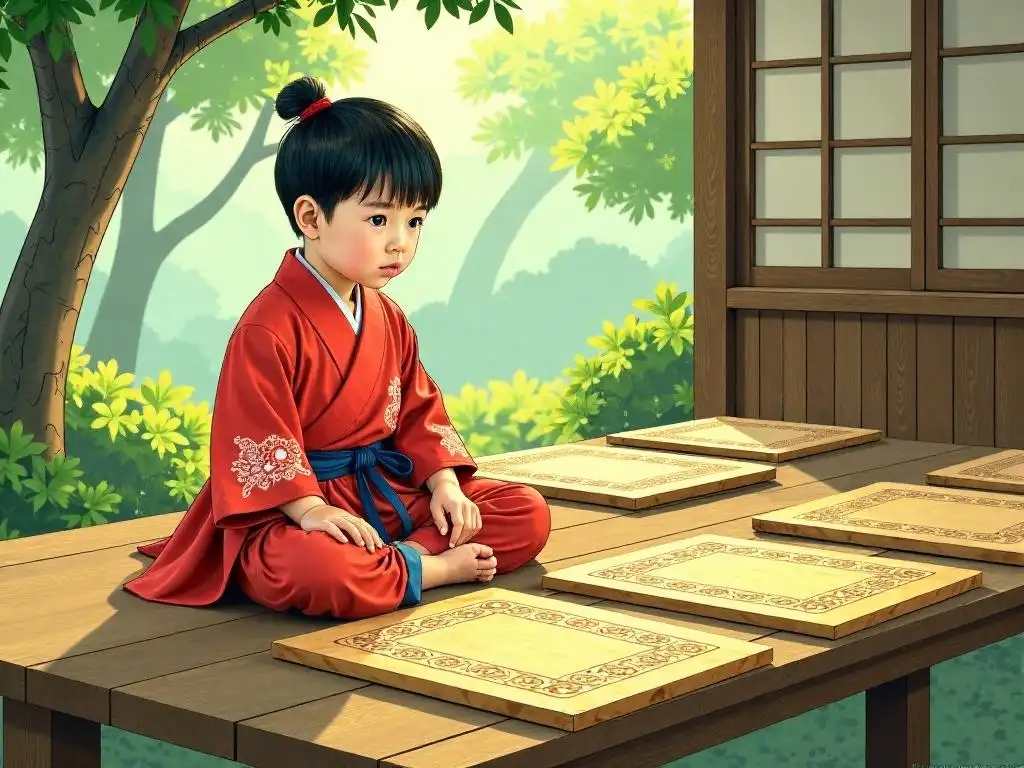
Welcome to Feudal Japan History, where we invite you to embark on a fascinating journey through the intricate tapestry of Japan’s feudal era. Here, we delve deep into the rich historical, cultural, and societal aspects that shaped this remarkable period. In our featured article, “Education and Family: The Transmission of Knowledge in Samurai Households,” we uncover the profound influence of samurai education and family values on shaping not just warriors, but the very fabric of Japanese society.
What secrets lie behind the doors of these noble households? Join us as we explore the vital role of education in cultivating honor, duty, and wisdom among the samurai, and discover how these values resonate through time. Your adventure into the past begins here!
Introduction to Samurai Education and Family Values
The intricate tapestry of samurai education and family values is a cornerstone of understanding the broader societal dynamics of feudal Japan. This period, marked by a strict hierarchical structure, placed immense emphasis on the cultivation of knowledge, discipline, and moral integrity within samurai households. Education was not merely a means to acquire skills; it was a vital process through which family values were transmitted from one generation to the next. In this article, we will delve into how samurai families nurtured their young, the significance of familial bonds, and the educational practices that defined their legacy.
Overview of Samurai Households
Samurai households were characterized by a distinct social structure that prioritized loyalty, honor, and duty. Typically led by a daimyo (feudal lord), these households operated under a code of conduct known as bushido, which emphasized virtues such as bravery, honor, and respect. Within this framework, the family unit played a crucial role in shaping the identity and values of its members.
- Family Structure:
- Patriarchal Leadership: The eldest male often held authority, guiding the family's values and decisions.
- Role of Women: While primarily responsible for domestic duties, women in samurai families were also tasked with instilling virtues and education in children.
The interaction between family dynamics and societal expectations forged a unique environment where education flourished alongside values.
Importance of Family in Samurai Culture
In samurai culture, family was not just a social unit; it was the very foundation of identity and loyalty. The samurai’s commitment to their family often mirrored their loyalty to their lord, creating a duality of responsibility. This commitment was evident in several aspects:
- Legacy of Values: Family values were deeply embedded in the education of children, emphasizing loyalty, respect, and the importance of honor.
- Support Systems: Families provided emotional and financial support, ensuring the continuation of samurai traditions.
The strength of these familial bonds was critical in maintaining social order and ensuring adherence to the samurai code.
The Role of Education in Samurai Families
Education within samurai families was a multifaceted process, intertwining formal instruction with ethical upbringing. It was not solely focused on combat skills; rather, it encompassed a holistic approach to character development.
Traditional Samurai Education Practices
Samurai education typically involved:
- Martial Training: Combat skills were paramount, with rigorous training in various martial arts.
- Literary Education: Samurai were encouraged to study literature and philosophy, reflecting the belief that a well-rounded education fostered better leaders.
Throughout history, various educational institutions emerged, contributing to the refinement of samurai knowledge and skills.
Influence of Confucianism on Samurai Values
Confucianism profoundly influenced samurai education, reinforcing the importance of moral education and ethical conduct. Key aspects included:
- Hierarchy and Respect: Confucian teachings emphasized respect for elders and authority, mirroring the samurai's strict adherence to hierarchy.
- Moral Development: The focus on self-cultivation and ethical behavior guided samurai in their personal and public lives, shaping their actions and decisions.
The transmission of knowledge within samurai households was a deliberate and structured process, deeply rooted in cultural values and educational practices that transcended mere instruction. This legacy continues to resonate in discussions about Japanese history and societal values today.
Family Structure within Samurai Households
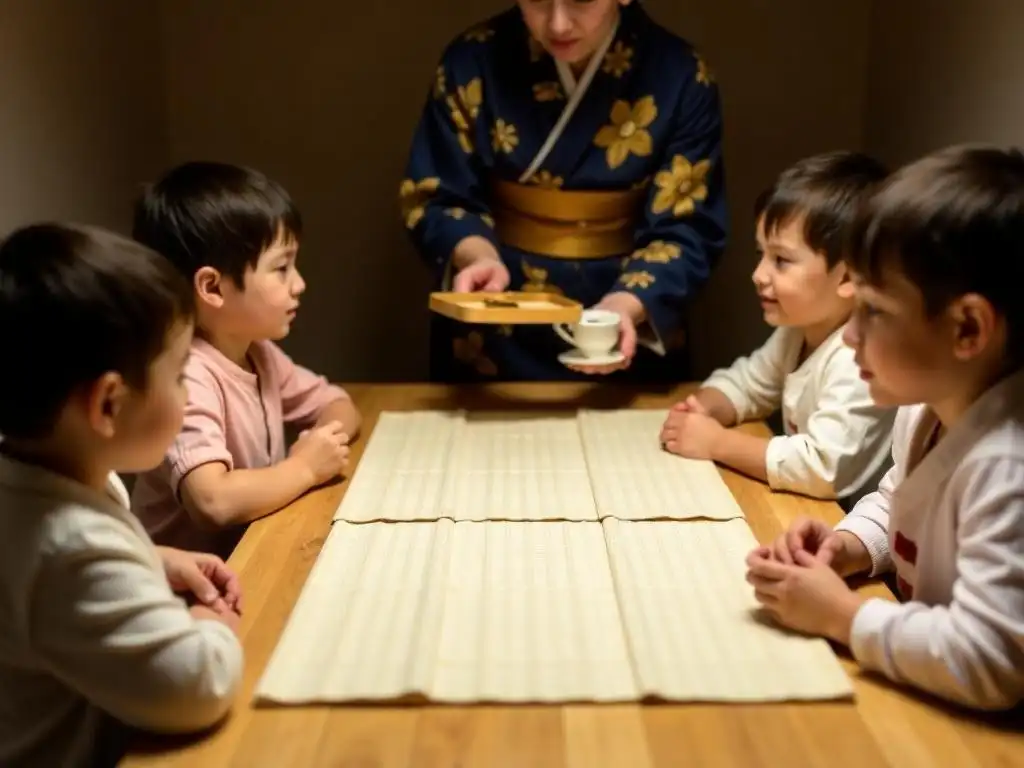
The family structure within samurai households was characterized by a strict hierarchical system that mirrored the broader social order of feudal Japan. Samurai families were typically organized around a patriarchal model, where the male head of the household held significant authority over family members. This structure was essential not only for maintaining discipline but also for ensuring the transmission of values and knowledge across generations.
Within these households, the roles of family members were clearly defined. The father, as the primary authority figure, was responsible for imparting samurai virtues such as loyalty, honor, and discipline. Mothers played a crucial role as well, often managing the household and overseeing the early education of children. The hierarchical nature of samurai families extended to the treatment of servants and retainers, who were considered part of the household but occupied a lower status within the family structure.
In samurai families, the concept of ie (家), or household, was vital. It represented not just a physical space but also the lineage and legacy of the samurai. The continuity of the family name and honor were paramount, leading to an emphasis on arranged marriages and the importance of producing male heirs. This focus on lineage shaped the educational and ethical teachings imparted to children, reinforcing the values necessary to uphold the family's reputation.
Hierarchical Family Dynamics
Hierarchical family dynamics within samurai households were deeply rooted in the principles of Confucianism, which emphasized respect for authority and filial piety. The family hierarchy typically included the following roles:
- Patriarch (Daimyo or Samurai Head): The father or head of the family, he was responsible for decision-making and the overall welfare of the household. His authority was absolute, and he was expected to model samurai virtues.
- Matriarch (Wife): The mother managed domestic affairs and was the primary caregiver. She played a critical role in early childhood education, instilling moral values and cultural practices in her children.
- Children: Sons were groomed to inherit the family’s samurai status and responsibilities, while daughters were prepared for marriage, often emphasizing skills beneficial for managing a household.
- Servants and Retainers: Though not considered family, their roles were essential for upholding the family's status, and they were treated with a degree of respect within the household hierarchy.
This dynamic ensured that each member understood their role and contribution to the family’s reputation and societal standing. The rigid adherence to this hierarchy facilitated a clear path for the education and upbringing of children, who were taught to respect their elders and the established order.
The Role of Parents in Educating Samurai Children
In samurai households, both parents played integral roles in the education of their children, emphasizing not only martial skills but also moral and intellectual development. Fathers often took on the role of formal instructors, imparting lessons in combat and strategy, while mothers were responsible for nurturing the emotional and ethical foundations of their children.
The education process began at a young age, with parents instilling values such as loyalty, courage, and respect for authority. This early upbringing was crucial for developing the character of future samurai, who were expected to embody these virtues throughout their lives. Fathers would often share stories of historical battles and notable samurai, using these narratives to teach important lessons about honor and duty.
Mothers, on the other hand, focused on providing a well-rounded education that included cultural and literary studies. They taught children traditional arts, music, and household management, which were vital skills for both sons and daughters. This dual approach to education ensured that samurai children were not only skilled warriors but also culturally literate and capable of maintaining the family's honor in various aspects of life.
Key Components of Samurai Education
Samurai education was multifaceted, encompassing both martial training and academic learning. This comprehensive approach was essential for preparing young samurai to fulfill their roles as warriors and leaders in society. The education system emphasized discipline, respect, and the development of a strong moral compass.
Martial Training and Its Significance
Martial training was at the core of samurai education. From a young age, boys were instructed in various forms of combat, including kenjutsu (swordsmanship), kyujutsu (archery), and other martial arts. This training was not merely physical; it also encompassed tactical thinking and strategy, vital for a samurai’s success in battle.
The significance of martial training extended beyond the battlefield. It was seen as a way to cultivate self-discipline, resilience, and mental fortitude. Samurai were taught that mastery of martial skills was directly linked to their honor and reputation. Training was often rigorous and demanding, designed to push the limits of both physical and mental endurance.
Moreover, martial training fostered a sense of camaraderie and loyalty among peers, reinforcing the bonds of brotherhood essential for samurai culture. This communal aspect of training helped to create a network of support and mutual respect that would last throughout their lives.
Academic Learning: Literature, Philosophy, and Ethics
In addition to martial training, samurai education included a strong emphasis on academic learning. This component focused on literature, philosophy, and ethics, allowing samurai to develop a well-rounded intellect. Key subjects included:
- Literature: Samurai were encouraged to read classical texts, poetry, and historical accounts to foster a love for the written word and develop critical thinking skills.
- Philosophy: The study of Confucianism, Buddhism, and Shinto beliefs was integral to understanding ethics and moral responsibilities. Samurai were expected to reflect on these teachings to guide their actions and decisions.
- Ethics: Education in ethics was paramount, focusing on the samurai code of conduct known as bushido. Lessons on honor, loyalty, and duty were woven into daily life, shaping the moral framework that governed samurai behavior.
This academic foundation allowed samurai to engage in thoughtful discourse, making them not only skilled warriors but also informed leaders capable of making sound judgments in their roles as protectors and administrators of their domains. Thus, the combination of martial training and academic learning was essential in cultivating the ideal samurai—warrior and scholar.
Transmission of Knowledge Across Generations
The transmission of knowledge in samurai households was a vital process that ensured the perpetuation of values, skills, and traditions across generations. This practice was deeply rooted in the cultural framework of feudal Japan, where samurai families upheld a distinct identity characterized by loyalty, honor, and martial prowess. Education within these families was not merely about academic learning; it encompassed a holistic approach that integrated moral teachings, practical skills, and the transmission of family heritage.
At the core of this educational framework was the family unit itself. Parents, particularly fathers, took on the responsibility of educating their children, embedding in them the principles of bushido—the way of the warrior. This included not only physical training in martial arts but also lessons in ethics, literature, and philosophy. The emphasis on character building was paramount, as samurai were expected to embody virtues such as courage, integrity, and respect.
Knowledge was transmitted not just through formal instruction but also through daily interactions and rituals. Children learned by observing and participating in their parents' actions, reinforcing the importance of family values and responsibilities. This generational dialogue fostered a strong sense of identity and belonging within samurai households, ensuring that the essence of samurai culture was preserved and adapted.
Oral Traditions and Storytelling in Samurai Families
Oral traditions and storytelling played a crucial role in the education of samurai children. These narratives, often passed down through generations, served as a vehicle for imparting moral lessons and cultural heritage. Storytelling was not merely entertainment; it was a means to instill virtues and convey the rich history of the samurai class.
Parents and elders would recount tales of legendary warriors, historical battles, and heroic deeds, emphasizing the values of bravery, loyalty, and honor. These stories often included moral dilemmas, providing children with scenarios to ponder and learn from, reinforcing their understanding of bushido principles.
Moreover, storytelling fostered a sense of community and emotional connection within the family. It was a bonding activity that not only educated but also entertained, creating shared experiences that strengthened familial ties. This practice of oral tradition ensured that the samurai ethos remained vibrant and relevant, as each generation added its own interpretations and lessons to the stories.
The Role of Mentorship in Samurai Education
Mentorship was a cornerstone of samurai education, essential for the development of skills and character. Young samurai often had mentors—experienced warriors or family elders—who guided them through the intricacies of martial training, strategy, and ethical conduct. This relationship was not merely instructional but deeply relational, built on trust, respect, and a shared commitment to the samurai way of life.
Mentors played a significant role in shaping the identity of their protégés. They provided personalized instruction tailored to individual strengths and weaknesses, fostering a sense of responsibility and accountability. Additionally, mentors were instrumental in imparting wisdom about navigating the complexities of social and political life within the samurai class.
The mentorship dynamic also facilitated the transmission of knowledge beyond technical skills. It encompassed teachings about loyalty, honor, and the importance of service to one's lord and community. This holistic approach to mentorship ensured that the values and traditions of samurai culture were not only taught but also lived and embodied by the next generation.
Challenges to Samurai Education and Family Values
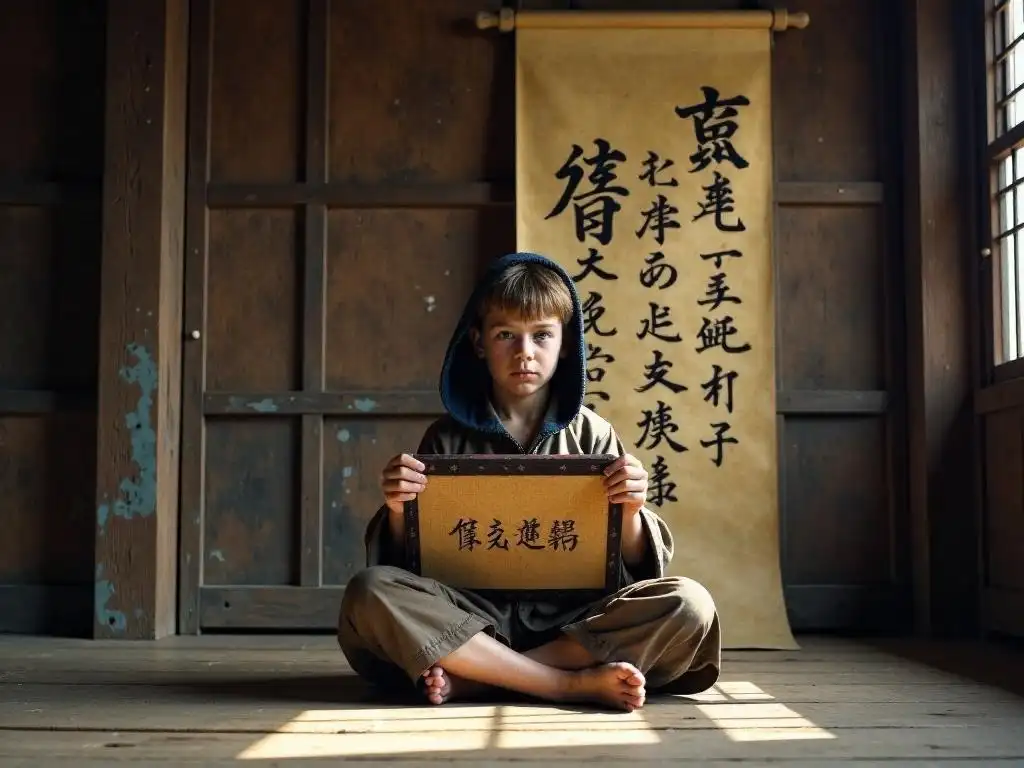
As Japan underwent significant social and political transformations, the education and family values of samurai households faced numerous challenges. The rise of the merchant class, shifts in political power, and the eventual restoration of imperial authority significantly altered the fabric of society, impacting the traditional roles and expectations of samurai families.
Societal Changes and Their Impact on Samurai Households
The transition from a feudal system to a more modernized society brought about profound changes for samurai households. As the socioeconomic landscape evolved, the status of samurai began to decline, leading to a re-evaluation of their educational practices and familial structures.
The emergence of a new merchant class and the growing importance of trade altered the perception of success and honor, challenging the longstanding values of the samurai. Many samurai found themselves in financial difficulties, resulting in a shift in focus from martial education to more practical skills needed for survival in a changing economy.
Additionally, as Western ideas began to permeate Japanese society, traditional education methods were increasingly scrutinized. The adoption of contemporary educational systems often conflicted with the samurai's time-honored practices, leading to tensions within families as members navigated the dichotomy between preserving tradition and embracing modernity.
The Decline of Traditional Education Methods
The decline of traditional education methods among samurai households can be attributed to several interrelated factors. As Japan entered the Meiji era, there was a concerted effort to modernize the nation, which included the establishment of formalized school systems. These institutions prioritized subjects such as science and mathematics, overshadowing the classical training in martial arts, ethics, and literature that characterized samurai education.
This shift led to a disconnection between the values instilled in samurai households and those promoted by the new educational system. Many families struggled to adapt, resulting in a dilution of the bushido principles that had once defined their way of life. The focus on practical, secular education often left little room for the moral and philosophical teachings that had been integral to samurai upbringing.
As traditional roles within families evolved, the mentorship relationships that had once been central to samurai education also diminished. The emphasis on formal education led to a loss of personalized guidance, which had been essential for instilling the values and skills necessary for samurai identity. The result was a gradual erosion of the familial bonds that had sustained the transmission of knowledge across generations, marking a significant shift in the legacy of samurai culture.
The Legacy of Samurai Education and Family Values
The legacy of samurai education and family values is deeply embedded in the cultural fabric of Japan. During the feudal era, samurai households prioritized the education of their children, instilling values such as loyalty, honor, and discipline. These principles were not merely taught; they were lived and embodied through the daily practices within the family unit. The samurai emphasis on bushido, the way of the warrior, transcended mere martial training. It included moral and ethical education, which shaped the character of each individual.
Family was seen as the cornerstone of society, and the samurai's role as both a warrior and a family man was crucial. Fathers took an active role in teaching their sons, often passing down not only combat skills but also philosophical teachings that emphasized respect, duty, and social responsibility. The attention to education and the cultivation of personal virtues ensured that samurai families produced individuals who were not only skilled fighters but also astute leaders and responsible citizens.
This legacy continues to influence Japanese society today, where respect for education and family values remains strong. The notion of lifelong learning and the importance of moral education can be traced back to these formative years, creating a profound and lasting impact on Japanese culture.
Modern Interpretations of Samurai Family Structures
Modern interpretations of samurai family structures reflect both a reverence for tradition and an adaptation to contemporary societal changes. In today’s Japan, the samurai family model is often romanticized, viewed through the lens of popular culture, literature, and film. However, scholars and historians also emphasize the practical aspects of samurai family life, such as the roles of women, children, and the hierarchical structures that governed these households.
Recent studies have revealed that while samurai households adhered to strict codes of conduct, they also demonstrated flexibility in response to changing societal norms. For instance, women in samurai families played critical roles, often managing household affairs and sometimes even participating in education and martial training. This duality in roles showcases a more nuanced understanding of family dynamics within samurai culture.
Additionally, the values instilled in these households, such as perseverance and filial piety, resonate with modern family structures. Many families today strive to balance traditional values with the demands of contemporary life, echoing the samurai ethos of duty and responsibility. The exploration of these themes in modern media continues to shape public perception and appreciation of samurai heritage.
Influence on Contemporary Japanese Education Systems
The influence of samurai education on contemporary Japanese education systems is significant. The foundational principles established during the samurai era have evolved into the modern educational framework, emphasizing discipline, respect for authority, and a strong work ethic. Schools today often incorporate elements of moral education that reflect the samurai values of integrity and social responsibility.
The concept of lifelong learning, which was a hallmark of samurai education, is also prevalent in modern education. This approach encourages students to view education as an ongoing journey rather than a finite process. Moreover, the samurai tradition of mentorship and apprenticeship is mirrored in contemporary practices, where experienced individuals guide younger generations, fostering a culture of knowledge sharing.
Furthermore, the samurai emphasis on communal responsibility aligns with current educational initiatives that promote collaboration and teamwork among students. These values contribute to a cohesive society, where individuals are encouraged to contribute positively to their communities, much like the samurai sought to uphold the welfare of their clans and the broader society.
Conclusion: The Enduring Impact of Samurai Education on Family Values
The enduring impact of samurai education on family values is evident in the way Japanese families continue to emphasize the importance of knowledge, character, and social responsibility. The ideals of loyalty, respect, and honor that were central to samurai teachings have found their way into modern familial relationships, shaping how parents educate their children and instilling a sense of duty towards their family and society.
As families navigate the complexities of the modern world, the principles derived from samurai education serve as guiding lights, helping individuals to maintain a sense of purpose and direction. This connection to the past not only enriches family life but also reinforces the cultural identity of Japan, ensuring that the values of the samurai continue to resonate through generations.
Reflection on the Importance of Education in Shaping Family Dynamics
Education plays a pivotal role in shaping family dynamics, and the samurai model underscores this idea profoundly. The deep-rooted values of respect for knowledge and the pursuit of personal growth create a foundation for healthy family interactions. In samurai households, education was not just about acquiring skills; it was about forming a character that would contribute positively to society.
In contemporary families, this legacy persists as parents recognize the significance of fostering an environment that values learning and moral development. By prioritizing education, families can cultivate resilience, empathy, and cooperation among family members, mirroring the samurai's commitment to collective well-being. The act of learning together can strengthen familial bonds and create a shared sense of purpose, reinforcing the importance of education in nurturing cohesive and supportive family units.
- Introduction to Samurai Education and Family Values
- Overview of Samurai Households
- Importance of Family in Samurai Culture
- The Role of Education in Samurai Families
- Family Structure within Samurai Households
- The Role of Parents in Educating Samurai Children
- Key Components of Samurai Education
- Transmission of Knowledge Across Generations
- Challenges to Samurai Education and Family Values
- The Legacy of Samurai Education and Family Values
- Conclusion: The Enduring Impact of Samurai Education on Family Values
- What role did education play in samurai households?
- How did family values influence samurai education?
- What subjects were typically included in a samurai's education?
- How did the transmission of knowledge occur in samurai families?
- Were there differences in education for samurai and non-samurai classes?
Frequently Asked Questions
What role did education play in samurai households?
Education was crucial in samurai households to instill values such as loyalty and honor. This training included both military tactics and moral teachings, ensuring the samurai were well-rounded in their responsibilities.
How did family values influence samurai education?
Family values emphasized discipline, respect, and filial piety within samurai households. These values were central to the curriculum, shaping the character and conduct of the samurai from a young age.
What subjects were typically included in a samurai's education?
A samurai's education often included literature, philosophy, martial arts, and strategy. This diverse curriculum aimed to cultivate both intellectual and physical prowess, essential for their roles as warriors and leaders.
How did the transmission of knowledge occur in samurai families?
Knowledge was often passed down through oral traditions, mentorship, and formal instruction. Elders played a key role in educating younger generations, ensuring the continuity of samurai culture and values.
Were there differences in education for samurai and non-samurai classes?
Yes, there were significant differences. Samurai education focused on martial skills and governance, while non-samurai classes received more practical training related to their trades. This distinction reinforced the social hierarchy in feudal Japan.
Final Reflection: The Enduring Legacy of Samurai Education and Family Values
The intricate relationship between education and family values in samurai households remains profoundly relevant today, as it underscores the importance of nurturing knowledge and character within our own families. In a world increasingly driven by technology and individualism, the samurai's commitment to education as a familial duty serves as a powerful reminder of the impact that strong family bonds and shared values can have on personal development and societal cohesion.
Culture and social dynamics are continuously shaped by the values instilled in us during our formative years. The samurai's dedication to both intellectual and moral education has left an indelible mark on Japanese society and beyond, influencing modern perspectives on family and education. As the philosopher Yamamoto Tsunetomo once said, "> The way of the samurai is found in death," emphasizing the profound commitment to honor and duty that transcends generations. This legacy invites us to reflect on how we can cultivate similar values in our own families, fostering an environment where knowledge is cherished and character is built.
As we consider the lessons from samurai households, I invite you to reflect on your own family dynamics and the values you wish to pass on. How can you integrate the principles of education and familial responsibility into your daily life? Embrace the opportunity to create a nurturing environment that prioritizes learning and ethical conduct, ensuring that the wisdom of the past continues to illuminate the path for future generations. Together, let us honor the legacy of samurai education and family values by committing to a brighter, more informed future for ourselves and our loved ones.
Embrace the Legacy of Samurai Wisdom!
Thank you for joining us on this journey through the fascinating world of Samurai households! You've gained insight into the vital role that education and knowledge transmission played in shaping not only warriors but also their families and society at large. Now, let's take steps to deepen your understanding and share this rich heritage.
- Dive deeper into Samurai culture by exploring our carefully curated reading list on feudal Japanese education.
- Engage with others by participating in our community forum to discuss how these age-old practices continue to influence modern education.
- Share your thoughts on the impact of family values on learning today—consider writing a blog post or sharing your insights on social media!
What lessons from Samurai education resonate with your own family experiences? Let’s foster a conversation around learning and legacy!