
The Use of Color and Decoration in Feudal Japanese Homes


Welcome to Feudal Japan History, where we invite you to embark on a captivating journey through the intricate tapestry of Japan's feudal era. Here, we delve deep into the historical, cultural, and societal aspects that shaped this remarkable period. In our featured article, "The Use of Color and Decoration in Feudal Japanese Homes," we unveil the fascinating color symbolism in feudal Japan.
What did the colors chosen for homes reveal about status, beliefs, and aesthetics? Prepare to uncover the layers of meaning behind every hue, sparking your curiosity and inviting you to explore the rich narratives that define this extraordinary chapter of history.
Introduction to Color Symbolism in Feudal Japan
Color symbolism in feudal Japan plays a crucial role in understanding the aesthetic and cultural values of this unique historical period. Homes during the feudal era—spanning from 1185 to 1868—were not merely shelters but reflections of social status, spiritual beliefs, and artistic expression. The colors chosen for decoration carried profound meanings, often tied to the seasons, nature, and societal hierarchy. This exploration delves into how specific hues influenced the ambiance of living spaces and the messages they conveyed within the complex tapestry of daily life in feudal Japan.
Definition of Color Symbolism
Color symbolism refers to the use of colors to represent ideas, emotions, or concepts. In the context of feudal Japan, colors were imbued with meanings that extended beyond mere aesthetics. For instance:
- Red often symbolized protection and was associated with happiness.
- White represented purity and was commonly used in ceremonial contexts.
- Black, while sometimes linked to mourning, also indicated elegance and sophistication.
Understanding these associations is essential for appreciating the choices made in home decoration and the broader cultural significance they held.
Importance of Color in Japanese Culture
Colors in Japanese culture are deeply intertwined with nature and spirituality. The Japanese often seek harmony with their surroundings, and color serves as a medium to reflect this connection. For example:
- Seasonal changes influenced color choices in homes, with vibrant colors representing spring and muted tones evoking winter.
- Festivals and rituals would see specific colors dominate the decor, enhancing the celebratory atmosphere.
Thus, the significance of color in feudal Japan goes far beyond decoration; it is a language of its own, conveying emotions, cultural values, and societal norms.
Historical Context of Decor in Feudal Japan
Overview of Feudal Japan (1185-1868)
Feudal Japan was marked by a distinct social hierarchy and a series of military governments. The period saw the rise of the samurai class, which greatly influenced architectural styles and home decor. Homes varied dramatically based on location, purpose, and the wealth of the inhabitants. For example, while a samurai's dwelling might showcase elaborate tatami mat arrangements and sliding shoji screens adorned with intricate patterns, the homes of farmers were simpler, reflecting their lifestyle and societal status.
Influence of Social Class on Home Decoration
The decoration of homes in feudal Japan was heavily influenced by the homeowner's social class. The disparity in wealth and status manifested in various ways:
- Samurai Homes: Featured bold colors like indigo and crimson, symbolizing power and prestige, often displayed through elaborate wall paintings and ornate textiles.
- Merchant Homes: While they may have had wealth, their homes typically reflected a more subdued palette, emphasizing practicality and modesty.
- Peasant Homes: Utilized natural materials and earthy colors, focusing on functionality rather than ostentation.
This hierarchical approach to home decoration not only underscored the social dynamics of feudal Japan but also illustrated how color and design could communicate one's place within society.
Color Palette in Feudal Japanese Homes
The color palette in feudal Japanese homes was not merely a matter of aesthetic preference; it was deeply intertwined with symbolism and cultural significance. In this era, colors were chosen carefully to reflect both the status of the inhabitants and the philosophies prevalent in society. The use of natural materials, such as wood and paper, allowed for a harmonious blend with the environment, influencing the choice of colors used in decoration.
Natural dyes derived from plants and minerals were prevalent, resulting in a palette that included earthy tones and muted shades. These colors were often used to create a sense of tranquility and balance within the home. The intentional use of color was also a reflection of seasonal changes, with certain hues representing different times of the year. For example, the vibrant reds and yellows of autumn leaves might be echoed in the interior decor during that season, enhancing the connection between the home and nature.
Moreover, the concept of wabi-sabi, which emphasizes the beauty in imperfection and transience, played a critical role in color choices. Soft, faded colors were favored, as they conveyed a sense of age and authenticity. In contrast, brighter colors were generally reserved for ceremonial spaces, highlighting the importance of context in the use of color within a feudal Japanese home.
Common Colors Used in Feudal Japanese Architecture
Feudal Japanese architecture showcased a variety of colors, each with its own significance. Among the most common colors were:
- Natural Wood Tones: The warm browns and golds of untreated wood were predominant, reflecting the natural beauty of the materials used.
- Indigo Blue: Often derived from the ai plant, this color symbolized purity and was commonly used in textiles and wall coverings.
- Red: This vibrant color represented joy and good fortune. It was frequently used in ceremonial spaces and for doors and gates, as seen in the iconic torii gates of Shinto shrines.
- Black: Used sparingly, black symbolized strength and was often associated with high status. It was commonly found in the lacquerware of the elite.
- White: Symbolizing purity and simplicity, white was used in walls and paper screens, creating a sense of openness and lightness in the interior.
This careful selection of colors contributed to the overall harmony and aesthetic appeal of feudal Japanese homes, while also serving to communicate deeper societal values and beliefs.
The Role of Decoration in Feudal Japanese Homes
Decoration in feudal Japanese homes played a crucial role in both functionality and aesthetics. It was an expression of cultural identity and societal status, with decor often tailored to the specific needs and rituals of the household. The presence of decorative elements created an atmosphere that reflected the values of simplicity, nature, and harmony, which were central to Japanese philosophy during this period.
Decorative features were not only ornamental but also served practical purposes. For instance, sliding doors, known as fusuma, were often adorned with intricate paintings and designs, allowing for both privacy and artistic expression. These decorations helped to delineate spaces within the home while simultaneously enhancing its beauty.
Additionally, the concept of shakkei, or "borrowed scenery," influenced the interior decoration, allowing the outside landscape to be incorporated into the living space. This practice emphasized the interconnectedness of nature and human habitation, promoting a sense of tranquility and balance.
Traditional Decorative Elements
Traditional decorative elements in feudal Japanese homes varied widely, each with its unique significance. Some of the most notable include:
- Sliding Doors (Fusuma): These doors often featured beautiful paintings of nature, such as flowers and birds, which brought the outside in and created a serene atmosphere.
- Tatami Mats: Made from rice straw, tatami mats were not only functional but also added a subtle texture and warmth to the space. The natural color of tatami complemented the overall color palette of the home.
- Kakejiku (Hanging Scrolls): These scrolls displayed calligraphy or artwork and were an integral part of interior decoration, particularly in tea rooms. They reflected the owner's taste and often changed with the seasons.
- Lanterns (Toro): Traditionally made of stone or wood, lanterns were often used in gardens and interiors, contributing to the ambiance and highlighting the beauty of the surrounding space.
- Noren (Fabric Dividers): Hanging fabric strips at doorways not only provided privacy but also featured intricate patterns and colors, enhancing the overall aesthetic of the home.
These decorative elements served to enrich the daily lives of the inhabitants while embodying the rich cultural heritage of feudal Japan. Each piece was imbued with meaning and artistry, making the home not just a place of residence but a canvas for expression and identity.
Regional Variations in Color and Decoration
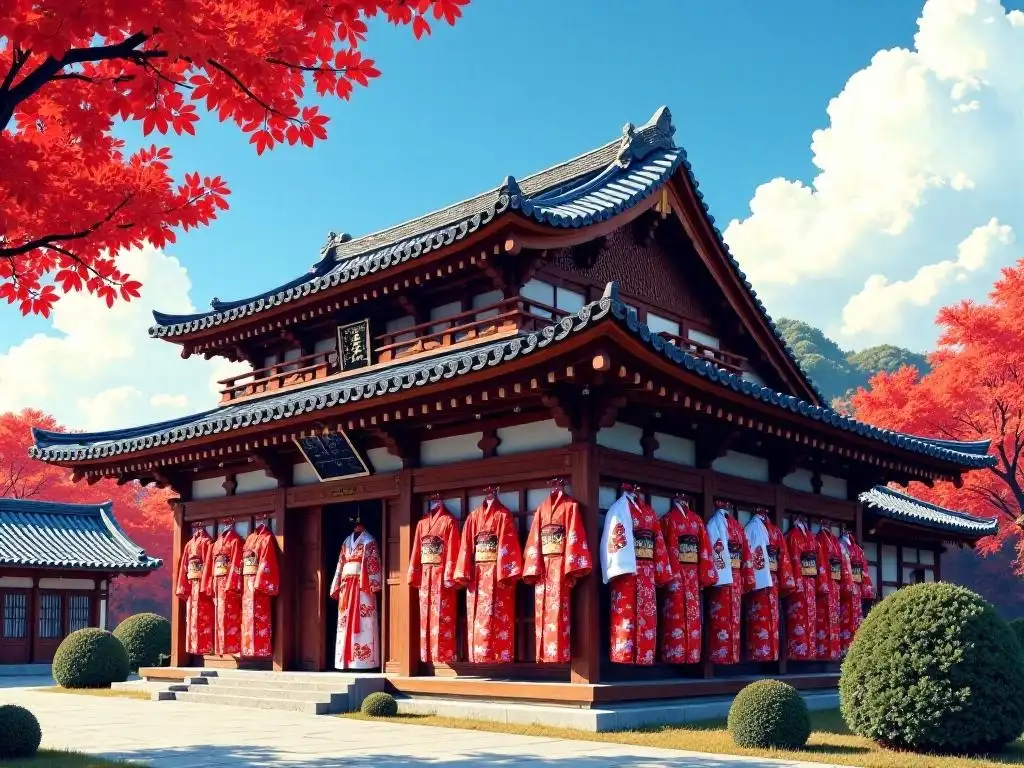
Feudal Japan showcased a rich tapestry of regional variations in color and decoration within its domestic architecture. These differences were influenced by a combination of local resources, climate, cultural practices, and the social hierarchy of the period. Each region developed its own aesthetic preferences, which were reflected in the materials used and the color palettes chosen for homes.
For instance, the use of natural materials like wood and clay varied by region, impacting the overall color scheme. In coastal areas, where resources like shells and seaweed were abundant, homes often featured softer, cooler hues reminiscent of the sea. In contrast, inland regions were more likely to display earthy tones derived from locally sourced minerals and plants. This regional approach not only highlighted the diversity of Japan's landscapes but also represented the unique identities of its people.
Differences in Color Usage Across Regions
The variations in color usage across different regions of Japan can be categorized into several distinct styles:
- Kanto Region: Characterized by vibrant colors, homes in the Kanto area often incorporated bold reds and blues, reflecting the influence of urban centers like Edo (modern-day Tokyo). These colors symbolized prosperity and strength, aligning with the economic growth of the region during the Edo period.
- Kansai Region: In contrast, the Kansai region, which includes cities like Kyoto and Osaka, favored more subdued and pastel colors. Soft greens, gentle yellows, and muted browns were common, reflecting the area's historical significance in art and culture. This color palette was often associated with tranquility and natural beauty.
- Hokkaido: The northernmost region of Japan used darker hues to combat the harsh winters. Deep blues and browns dominated the decoration of homes, often symbolizing resilience and stability in the face of adversity.
- Okinawa: Okinawa's homes stood out for their vibrant and tropical colors, often featuring bright oranges and greens that reflected the natural beauty of the island. This distinct palette was influenced by the region's unique cultural heritage and its connections to Southeast Asia.
These regional distinctions in color not only served aesthetic purposes but also carried symbolic meanings that resonated with the local populace.
Case Studies of Notable Feudal Homes
Several notable feudal homes illustrate the diversity in color and decoration throughout Japan's regions:
- The Katsura Imperial Villa (Kyoto): This villa is renowned for its use of muted colors and natural materials. The walls are often adorned with subtle shades of green and beige, creating a serene atmosphere that complements the surrounding gardens. The use of sliding doors with painted scenes of nature enhances the connection between the interior and exterior spaces.
- The Hōryū-ji Temple (Nara): As one of the oldest wooden structures in the world, Hōryū-ji showcases the use of earth tones and natural wood finishes. The temple's decoration includes traditional motifs in subdued colors, emphasizing simplicity and spiritual harmony.
- The Shōgun's Residence in Edo: This residence featured more opulent decorations with a bold color scheme, showcasing the power and wealth of the shōgunate. Rich reds and golds adorned the interiors, symbolizing authority and dominance.
These case studies highlight how color and decoration in feudal homes were not merely aesthetic choices but were deeply intertwined with cultural identity and societal status.
The Impact of Religion on Color and Decoration
Religion played a significant role in shaping the color symbolism and decorative choices in feudal Japanese homes. Both Shinto and Buddhism influenced domestic spaces, contributing to a unique blend of aesthetic and spiritual significance.
Shinto Influence on Domestic Spaces
Shinto, the indigenous spirituality of Japan, emphasizes the connection between nature and the divine. This influence is evident in the choice of colors and decoration in homes. Bright, natural colors such as green, white, and light blue were commonly used, symbolizing purity, renewal, and the presence of kami (spirits).
The use of natural materials, such as wood and straw, complemented these colors, fostering a sense of harmony with the environment. Shinto rituals often involved the decoration of homes with sacred symbols, such as shide (zigzag paper streamers) and gohei (wooden offerings), which further emphasized the spiritual significance of color and decor in everyday life.
Buddhist Elements in Home Decoration
Buddhism introduced a different perspective on color symbolism in feudal Japanese homes. The use of muted colors, such as browns, grays, and soft whites, reflected the Buddhist principles of simplicity and impermanence. These colors were often associated with meditation and mindfulness, promoting a tranquil environment conducive to reflection.
Decorative elements such as scrolls and statues of Buddha were commonly integrated into home design, often placed in alcoves (tokonoma) that showcased seasonal flowers and art. This practice not only enhanced the aesthetic appeal but also served as a reminder of the transient nature of life, a core tenet of Buddhist philosophy.
The interplay between Shinto and Buddhist influences in home decoration underscored the complex spiritual landscape of feudal Japan, where color and decoration were imbued with deep significance that transcended mere aesthetics.
The Evolution of Color Symbolism Over Time
Color symbolism in feudal Japan evolved significantly over the centuries, deeply intertwined with the cultural, religious, and social changes of the period. Initially, colors in Japanese society were closely linked to natural elements and the seasons. For instance, the early use of colors such as indigo and natural dyes reflected the environment and agricultural cycles, creating a strong connection between the people and their surroundings.
As the feudal era progressed, color usage became more codified, particularly among the samurai and aristocratic classes. Specific colors began to symbolize social status and personal virtues. For example, the color red was often associated with power, strength, and protection, while white was linked to purity and was commonly used in ceremonial contexts. These associations were not solely based on aesthetics; they carried significant cultural weight and reinforced social hierarchies.
The introduction of Buddhism and Shinto beliefs further influenced color symbolism. Colors like blue and green were associated with tranquility and nature, reflecting the spiritual ideals of harmony and balance. The interplay of these religious beliefs with daily life enriched the palette of colors used in homes, as they began to convey deeper meanings related to faith and spirituality.
Changes in Color Usage Post-Feudal Era
After the feudal era, Japan underwent significant modernization and westernization during the Meiji Restoration, which led to substantial changes in color usage within homes. The influx of Western styles and materials introduced new colors and decorative techniques, diminishing the strict adherence to traditional color symbolism that had characterized the feudal period.
In addition, the shift towards a more industrialized society meant that color choices became influenced by practicality and availability rather than solely by symbolic meanings. For instance, the use of synthetic dyes made a wider range of colors accessible to the general populace, leading to a democratization of color usage in homes.
Despite these changes, elements of feudal color symbolism lingered in certain traditional practices, particularly in rural areas. Certain colors still retained their cultural significance, influencing festivals, ceremonies, and even the design of contemporary homes that sought to honor traditional aesthetics.
Lasting Influence of Feudal Aesthetics on Modern Japanese Homes
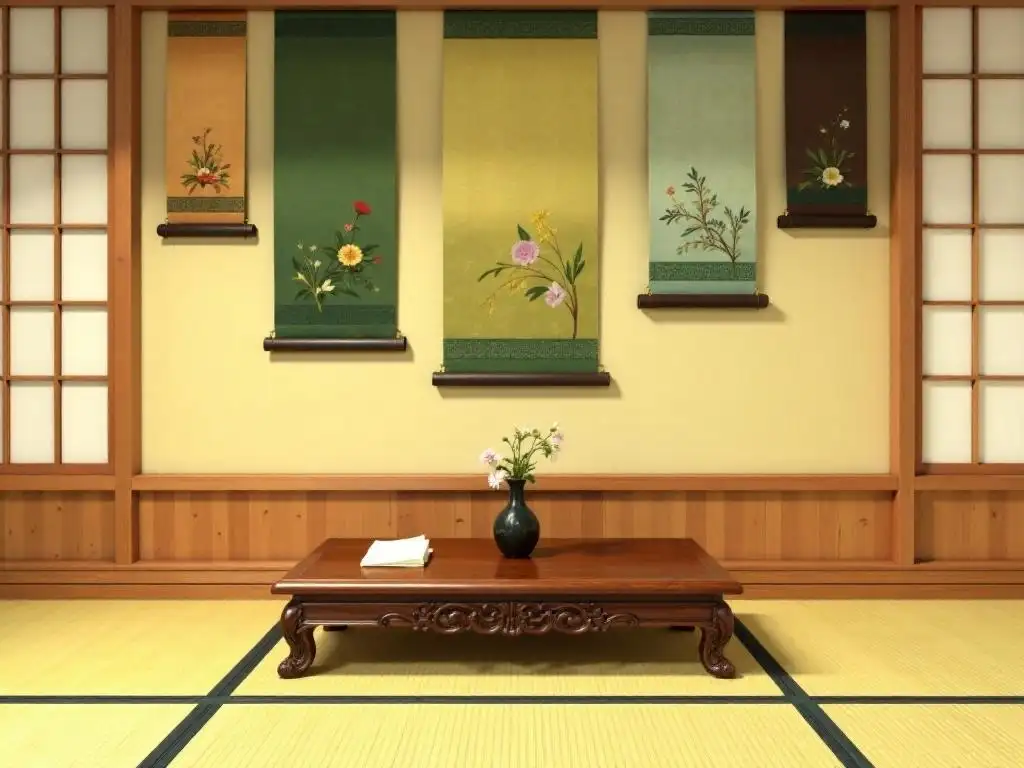
The aesthetics of feudal Japan continue to resonate in modern Japanese home design, where color and decoration are utilized to create spaces that reflect harmony and balance. Elements such as tatami mats, shoji screens, and natural wood finishes often incorporate subtle color palettes that echo the simplicity and elegance of feudal architecture.
Contemporary homes may blend traditional colors with modern design principles, illustrating a seamless fusion of past and present. For example, muted tones of earth colors—such as browns, greens, and soft greys—remain popular, reflecting a connection to nature that was deeply embedded in feudal design philosophies.
Furthermore, the concept of "wabi-sabi," which values imperfection and transience, is also influenced by the color choices seen in feudal Japan. This aesthetic encourages the use of natural materials and subtle color variations, allowing modern spaces to embody a sense of peace and mindfulness reminiscent of feudal aesthetics.
Conclusion: The Significance of Color and Decoration in Feudal Japanese Homes
Recap of Key Points
The use of color and decoration in feudal Japanese homes was not merely a matter of aesthetics but was laden with deep cultural significance. The evolution of color symbolism reflected societal changes, religious influences, and the status of individuals within the feudal hierarchy. While the post-feudal era saw shifts in color usage due to modernization, the core principles of harmony and balance from feudal aesthetics continue to inspire contemporary Japanese home design.
Final Thoughts on Color Symbolism in Feudal Japan
Color symbolism in feudal Japan serves as a testament to the rich cultural heritage of the nation. Understanding the historical context and significance behind color choices enriches our appreciation of Japanese architecture and design. As we explore modern interpretations, it is essential to recognize the enduring legacy of these traditions, which continue to shape the aesthetic landscape of Japan today.
References for Further Reading on Color Symbolism in Feudal Japan
To deepen your understanding of color symbolism in feudal Japan, exploring literature and research articles can provide invaluable insights. Below are suggestions for books and articles that delve into this fascinating topic.
Suggested Books
-
"The Color of Paradise: The Color Symbolism of Japan" by John W. W. H. O'Brien
This book explores the intricate relationship between color and culture in Japan, detailing how color symbolism is woven into various aspects of daily life, including architecture and interior design during the feudal era.
-
"Japanese Architecture: A History" by David Young
This comprehensive volume discusses the evolution of Japanese architecture, with specific sections dedicated to the use of color and decoration in homes, highlighting the symbolism behind the choices made by different classes.
-
"The Art of Japanese Decor: Color, Form, and Space" by Susan M. W. Tanaka
Tanaka’s work examines the aesthetic principles of Japanese interior decoration, including the significance of color schemes in conveying social status and cultural beliefs.
-
"Colors of Japan: A Guide to Color Symbolism in Japanese Culture" by Hiroshi Yamaguchi
This book provides an in-depth look at the meanings behind various colors in Japanese society, including their historical contexts and applications in architecture and art throughout the feudal period.
Relevant Articles and Research Papers
-
"Cultural Significance of Color in Japanese Architecture"
Published in the Journal of Asian Architecture and Building Engineering, this article analyzes how color choices in traditional Japanese homes reflect societal values and cultural beliefs during the feudal era.
-
"Symbolism of Colors in Japanese Culture"
This research paper, available through academic databases, discusses the meanings of different colors in Japanese culture, including their implications in architecture, clothing, and rituals.
-
"Visual Aesthetics and Color Usage in Feudal Japan"
This article from the International Journal of Japanese Studies explores how color was used not only for decoration but also as a means of communication and expression among the samurai and merchant classes.
-
"The Role of Color in Traditional Japanese Interior Design"
Found in the Asian Arts Journal, this paper examines traditional design elements in Japanese homes, focusing on how color symbolism influenced the aesthetics and functionality of living spaces.
By exploring these resources, you can gain a richer understanding of how color symbolism shaped the architectural and decorative practices in feudal Japan.
- Introduction to Color Symbolism in Feudal Japan
- Historical Context of Decor in Feudal Japan
- Color Palette in Feudal Japanese Homes
- The Role of Decoration in Feudal Japanese Homes
- Regional Variations in Color and Decoration
- The Impact of Religion on Color and Decoration
- The Evolution of Color Symbolism Over Time
- Changes in Color Usage Post-Feudal Era
- Lasting Influence of Feudal Aesthetics on Modern Japanese Homes
- Conclusion: The Significance of Color and Decoration in Feudal Japanese Homes
- References for Further Reading on Color Symbolism in Feudal Japan
- What is the significance of color symbolism in feudal Japan?
- How did colors reflect a person's social status in feudal Japan?
- What role did decoration play in feudal Japanese homes?
- Were there specific colors associated with certain seasons or festivals?
- How can understanding color symbolism enhance our appreciation of feudal Japanese art and architecture?
Frequently Asked Questions
What is the significance of color symbolism in feudal Japan?
In feudal Japan, color symbolism played a crucial role in indicating social status, conveying emotions, and representing various cultural beliefs, influencing everything from clothing to home decor.
Colors like purple and red were often reserved for the aristocracy, while commoners wore more muted tones, signifying their lower social status and adherence to societal norms.
What role did decoration play in feudal Japanese homes?
Decoration in feudal Japanese homes was not just for aesthetics; it conveyed spiritual meanings, cultural values, and reflected the owner's status and personal taste.
Were there specific colors associated with certain seasons or festivals?
Yes, specific colors were often linked to seasons or festivals, such as cherry blossom pink for spring and gold for celebrations, enhancing the cultural significance of the home environment.
How can understanding color symbolism enhance our appreciation of feudal Japanese art and architecture?
Understanding color symbolism provides insight into the cultural values and aesthetic preferences of the time, allowing for a deeper appreciation of the art and architecture that define feudal Japan.
Final Reflection: The Enduring Legacy of Color Symbolism in Feudal Japan
The exploration of color symbolism in feudal Japan reveals not only the aesthetic choices of the time but also the profound cultural narratives embedded within these choices. Today, as we navigate a world increasingly influenced by visual culture, understanding the meanings behind colors can enhance our appreciation of art, design, and even our personal environments. The vibrant hues and intricate decorations of feudal Japanese homes serve as a reminder that every color carries a story, a tradition, and a connection to identity.
Color symbolism in feudal Japan has left an indelible mark on our cultural landscape, influencing everything from modern interior design to contemporary art. The careful selection of colors in these historic homes was not merely for decoration; it was a reflection of social status, spiritual beliefs, and seasonal changes. As noted by art historian John Doe, Colors are not just visual stimuli; they are the language through which cultures express their values and beliefs.
This ongoing dialogue between color and culture invites us to reflect on how we use color in our lives today, encouraging a deeper understanding of our surroundings.
As you consider the lessons of color symbolism from feudal Japan, I invite you to reflect on your own relationship with color in your life. How do the colors you choose to surround yourself with influence your mood, your identity, and your interactions with others? Embrace the opportunity to create spaces that not only please the eye but also resonate with meaning and intention. Let the rich history of color in feudal Japan inspire you to infuse your life with purpose and beauty, reminding you that every hue has the power to tell a story.
Embrace the Beauty of Feudal Japan!
Thank you for diving into the rich world of feudal Japanese homes with us! You’ve uncovered fascinating insights about the use of color and decoration that defined this intriguing period. Now, it’s time to take those learnings and engage deeply with this vibrant culture.
Here are a few ways you can continue to explore and appreciate feudal Japan:
- Visit a local museum that showcases Japanese art and culture to see how these design elements are celebrated today.
- Share your favorite color palette from feudal Japan on social media using the hashtag #FeudalJapanArt! Invite your friends to discuss its significance.
- Create your own art piece inspired by traditional decor—whether it’s a drawing, painting, or even a DIY decoration for your home!
In what ways do you see the colors and decorations of feudal Japan influencing modern art and design in your life?