
The Backbone of Feudal Japan: Unveiling the Lives of Farmers

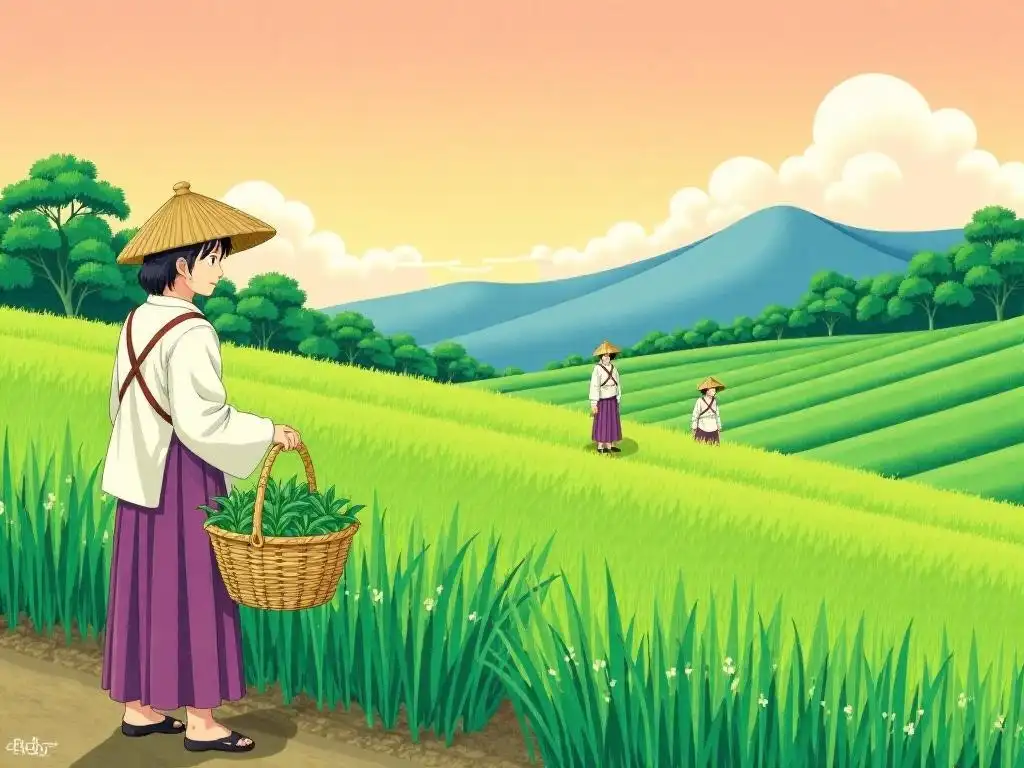
Welcome to Feudal Japan History, where we embark on a captivating journey through the intricate tapestry of Japan’s feudal era. In our exploration, we delve deep into the lives of farmers in feudal Japan, uncovering the essential role they played as the backbone of society. What challenges did they face?
How did their daily routines shape the cultural landscape of the time? Prepare to be intrigued as we peel back the layers of history, revealing the profound impact these unsung heroes had on their world. Join us as we shine a light on the past and inspire your curiosity to discover more!
Introduction to the Lives of Farmers in Feudal Japan
The lives of farmers in feudal Japan were integral to the very fabric of society during this era, which spanned from the late 12th century to the mid-19th century. While samurai and nobility often captured the spotlight in historical narratives, it is essential to recognize that farmers constituted the majority of the population and played a critical role in sustaining the economy and culture.
This article aims to delve into the multifaceted lives of these agricultural workers, exploring their daily routines, societal roles, and the profound impact they had on the feudal system. By examining their experiences, we gain a deeper understanding of the agricultural backbone that supported feudal Japan and the intricate social structures that defined their existence.
Overview of Feudal Japan's Social Structure
Feudal Japan operated on a hierarchical social structure characterized by strict class divisions. At the top of this hierarchy were the emperor and the shogun, followed by the daimyō, or feudal lords, and the samurai, who were the warrior class. Beneath them lay the farmers, artisans, and merchants, with farmers holding a vital yet often undervalued position.
- Social Classes:
- Emperor and Shogun
- Daimyō
- Samurai
- Farmers
- Artisans
- Merchants
This structure dictated not only the political landscape but also the daily lives and responsibilities of individuals within each class. Farmers, primarily peasants, were responsible for cultivating rice and other crops, which were the lifeblood of feudal Japan's economy.
Importance of Agriculture in Feudal Society
Agriculture was the cornerstone of feudal Japan's economy, providing sustenance and wealth for both the ruling class and commoners. The cultivation of rice, in particular, was not merely an economic activity; it was also a measure of wealth and power. Land ownership was synonymous with status, and the productivity of farmers directly influenced the prosperity of the daimyō and the shogunate.
- Key Aspects of Agriculture:
- Rice Cultivation: Central to the economy and culture.
- Land Ownership: A symbol of wealth and power.
- Taxation: Farmers were often subjected to heavy taxes, which were a significant source of revenue for the ruling classes.
These factors underscore the centrality of farmers in maintaining the societal balance and economic stability of feudal Japan.
The Role of Farmers in Feudal Japan
Farmers as the Backbone of the Economy
The phrase "backbone of the economy" is particularly apt when discussing the role of farmers in feudal Japan. They were responsible for producing the food that fed the entire population, thereby ensuring the survival and growth of society. Their work was labor-intensive and dictated by the seasons, involving various activities from planting to harvesting.
- Daily Life of Farmers:
- Seasons: Farming activities varied with the seasons, dictating a rigorous schedule.
- Community: Farmers often worked in cooperative groups for efficiency.
Farmers' contributions extended beyond mere food production; they were also essential in sustaining the labor force that supported the samurai and nobility.
Social Status and Class of Farmers in Feudal Japan
Despite their crucial role, farmers often found themselves in a paradoxical situation. While they were respected for their contributions to society, their social status was relatively low compared to the samurai and nobility. This class distinction often resulted in farmers being heavily taxed and facing significant hardships without the political power to influence their circumstances.
- Social Perception:
- Respect for Hard Work: Farmers were respected for their labor.
- Low Social Status: Farmers were still considered below samurai and nobles.
The duality of their status highlights the complexities of feudal society and the struggles that farmers faced amidst the rigid social hierarchy.
Comparison of Farmers and Other Social Classes
When comparing farmers to other social classes, such as samurai and merchants, the disparities become glaringly evident. Samurai enjoyed privileges and had the right to bear arms, while farmers were often landless laborers working under the daimyō's jurisdiction. Merchants, despite their wealth, were marginalized in the social hierarchy due to their lack of land ownership.
| Class | Social Status | Economic Role |
|---|---|---|
| Samurai | High | Military and administrative roles |
| Merchants | Low | Trading and commerce |
| Farmers | Low | Agricultural production |
Understanding these differences is crucial in appreciating the lives of farmers in feudal Japan, as it reflects the broader societal dynamics at play during this historical period. Through this exploration, we can grasp the significance of farmers beyond their economic contributions, recognizing them as vital players in the intricate tapestry of feudal Japan's history.
Daily Life of Farmers in Feudal Japan
The lives of farmers in feudal Japan were characterized by hard work, seasonal rhythms, and a deep connection to the land. Their daily existence revolved around agricultural practices that were essential not only for their sustenance but also for the socio-economic structure of feudal society. Farmers typically lived in villages, where they formed tight-knit communities that shared resources and responsibilities.
Typical Daily Routines and Responsibilities
A farmer's day began at dawn, with the rising sun marking the start of labor. Mornings were often dedicated to tending to rice paddies, which required meticulous care. Farmers would engage in tasks such as planting seedlings, weeding, and irrigating fields. These activities were essential for ensuring a bountiful harvest, as rice was the staple food and economic backbone of the region.
After a hearty breakfast, which typically included rice and vegetables, farmers would often return to work in the fields until the sun set. The afternoons were usually spent maintaining tools, repairing farm buildings, or engaging in other household chores. In the evenings, families would gather for dinner, share stories, and participate in cultural practices, further strengthening their community bonds.
Farming Techniques and Practices in Feudal Japan
Farmers in feudal Japan employed a variety of techniques and practices tailored to the local climate and geography. The system of rice cultivation, known as tanbo, was predominant, involving a series of steps from land preparation to harvesting. Farmers utilized methods such as crop rotation and intercropping to maximize yields and maintain soil fertility.
The use of simple tools like plows, sickles, and hoes marked their agricultural practices. Water management was crucial, particularly in rice farming, leading to the construction of irrigation systems that diverted water from nearby rivers. Additionally, organic fertilizers such as compost and green manure were commonly used to enrich the soil, demonstrating an early understanding of sustainable farming practices.
Seasonal Changes and Their Impact on Farming Life
The lives of farmers were intricately linked to the changing seasons. The Japanese agricultural calendar dictated their activities, with specific tasks assigned to each season. For instance, spring was the time for planting rice, while summer involved weeding and maintaining crops. Autumn was crucial for harvesting, and winter was often a period of rest and preparation for the next planting season.
Weather conditions significantly impacted farming life. A good rainy season could lead to abundant harvests, while droughts or floods could devastate crops. Farmers had to be resilient, often adapting their methods based on climatic patterns and being prepared for the uncertainties of nature.
The Economic Contributions of Farmers
Farmers played a vital role in the feudal economy of Japan. Their ability to produce food not only ensured their survival but also supported the larger social structure, including samurai and nobility. The agricultural output was crucial for trade and taxation, making farmers essential to the economic fabric of feudal Japan.
Agriculture as the Foundation of Feudal Japan's Economy
The economy of feudal Japan was predominantly agrarian, with agriculture serving as its backbone. Rice was the main crop, and its production was directly linked to the wealth of the ruling class. Landowners depended on farmers to cultivate their fields, and in return, farmers received protection and support from the samurai class.
In addition to rice, other crops such as millet, barley, and legumes were cultivated, contributing to dietary diversity. Livestock farming also played a role, providing meat, dairy, and labor. This agricultural surplus allowed for trade within and between regions, fostering economic growth.
Taxes and Obligations: The Burden on Farmers
Despite their contributions, farmers faced heavy burdens in the form of taxes and obligations. Landlords imposed taxes based on the amount of rice produced, which could be as high as 40% of the yield. This tax burden often left farmers struggling to meet their basic needs, particularly in years of poor harvests.
Farmers were also required to perform labor for their landlords, known as corvée labor, which further limited their time for personal farming activities. As a result, many farmers found themselves trapped in a cycle of debt and dependency, with little opportunity for upward mobility.
Barter System and Local Trade among Farmers
The economic structure of feudal Japan relied heavily on a barter system, particularly among farmers. In the absence of a standardized currency, farmers exchanged goods and services directly. This system allowed them to trade surplus crops for other necessities, such as tools, clothing, or livestock.
Local markets became vibrant centers of commerce where farmers could sell their excess produce and purchase items they could not produce themselves. These interactions not only facilitated economic exchange but also strengthened community ties, as farmers relied on each other for support and sustenance. Over time, these exchanges laid the groundwork for more complex trade networks that would emerge as Japan's economy evolved.
Cultural Aspects of Farming Life
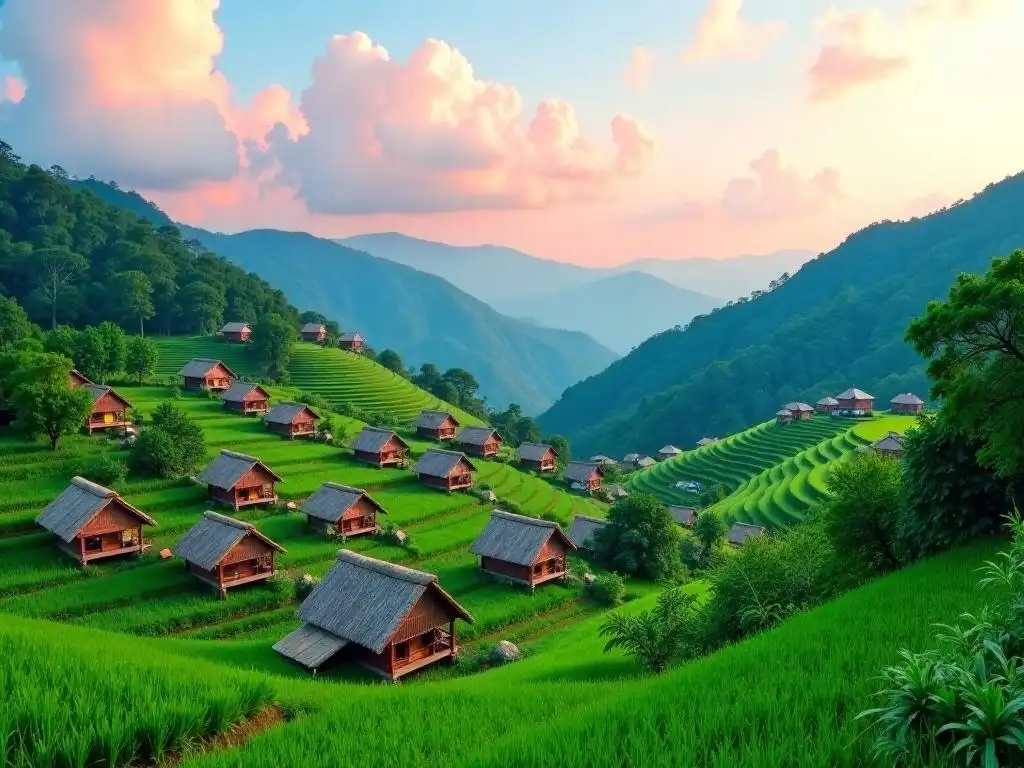
Farming in feudal Japan was not merely a means of subsistence; it was deeply intertwined with the culture, traditions, and social fabric of the time. The lives of farmers were characterized by a rhythm dictated by the seasons, which shaped not only their daily activities but also their cultural expressions. The agricultural calendar was punctuated by festivals, rituals, and communal activities that reflected the deep reverence farmers held for the land and its deities.
Traditional Festivals and Agricultural Rituals
Traditional festivals played a crucial role in the lives of farmers, serving as moments of celebration, reflection, and community bonding. These festivals were often tied to the agricultural cycle, marking significant events such as planting and harvesting.
- Shunki Shōgatsu (Spring Festival): Celebrated during the planting season, farmers would engage in rituals to pray for a bountiful harvest. Offerings were made to the gods of agriculture, such as Inari, to ensure their blessings.
- Tōka Ebisu: This winter festival honored the deity of commerce and agriculture, where farmers would gather to celebrate the end of the harvest and seek prosperity for the coming year.
These events were not only essential for spiritual well-being but also fostered a sense of unity among farmers, as they shared food, music, and dance, reinforcing their cultural identity.
The Role of Religion and Spirituality in Farming Practices
Religion and spirituality were integral to the lives of farmers in feudal Japan. The belief in kami, or spirits, that resided in natural elements influenced farming practices. Farmers often engaged in ritual purification and offerings to appease these spirits, believing that their favor was crucial for successful crop yields.
- Rice Cultivation: The cultivation of rice, a staple food in Japan, was surrounded by numerous spiritual practices. Farmers performed rituals like the “Iizaka no Hama” to invoke the blessings of rice deities during the planting season.
- Seasonal Prayers: Farmers would often conduct seasonal prayers to ask for favorable weather conditions, reflecting their dependence on nature and the divine for their livelihood.
This spiritual connection helped farmers cultivate not only crops but also a profound respect for their environment, guiding their interactions with both land and community.
Family and Community Life among Farmers
Family and community were the cornerstones of farming life in feudal Japan. The agricultural lifestyle necessitated a division of labor, where each family member contributed to the farm's productivity.
- Family Structure: Typically, extended families lived together, pooling their resources and labor. Elders often played a pivotal role in decision-making, teaching younger generations the intricacies of farming.
- Community Cooperation: Farmers relied heavily on “yui”, a system of mutual assistance where neighbors would help each other during peak farming seasons. This cooperation was vital during planting and harvest times, fostering strong community bonds.
Social gatherings, often revolving around the agricultural calendar, provided opportunities for sharing knowledge, traditions, and collective problem-solving, reinforcing the cultural identity of farming communities.
Challenges Faced by Farmers in Feudal Japan
Despite their vital role in society, farmers faced numerous challenges that threatened their livelihoods and well-being. These challenges ranged from natural disasters to social and political pressures, shaping their experiences and responses throughout the feudal era.
Natural Disasters and Their Impact on Crop Production
Natural disasters, including earthquakes, typhoons, and floods, significantly impacted crop production in feudal Japan. The agrarian society was highly vulnerable to environmental changes, which could devastate harvests and lead to food shortages.
- Crop Failure: A single poor harvest could lead to widespread famine, forcing farmers into debt and poverty. The Tenmei famine of the late 18th century is a notable example where crop failures led to starvation and social unrest.
- Adaptation Strategies: Farmers developed various strategies to cope with these disasters, such as crop diversification and the use of irrigation systems, but the unpredictability of nature remained a constant threat.
Social and Political Pressures Affecting Farmers
Farmers were also subject to heavy taxation and social stratification imposed by the ruling samurai class. The daimyōs, or feudal lords, demanded a substantial portion of the harvest, leaving farmers with limited resources for themselves.
- Tax Burden: Farmers were often required to pay taxes in rice, which could be as high as 40% of their total yield. This heavy burden made it difficult for them to sustain their families during lean years.
- Social Status: Despite being the backbone of the economy, farmers were positioned low in the social hierarchy, facing discrimination from the samurai class and often lacking political representation.
These pressures contributed to a sense of frustration and helplessness among farmers, who were caught in a system that prioritized the needs of the elite over their well-being.
Struggles for Rights and Rebellions among Peasants
The struggles of farmers eventually culminated in various uprisings and movements for rights during the feudal period. As conditions became increasingly intolerable due to economic strain and social injustice, many farmers began to organize and fight for their rights.
- Peasant Revolts: Notable uprisings, such as the Kōzuke Rebellion in the 18th century, exemplified the desperation of farmers. These revolts were often sparked by oppressive tax policies and land disputes.
- Demand for Reforms: Farmers sought reforms that would reduce taxes, improve their living conditions, and grant them more autonomy over their lands. While many uprisings were suppressed, they highlighted the farmers' resilience and desire for change.
These struggles were pivotal in shaping the socio-political landscape of Japan, eventually leading to changes in policies that would affect the lives of farmers in the years to come.
Conclusion
The lives of farmers in feudal Japan were shaped by a complex interplay of social, economic, and cultural factors that defined their existence during this pivotal period. Farmers, often overlooked in favor of the samurai and nobility, were the true backbone of Japanese society. Their labor not only sustained the population but also facilitated the development of a rich cultural heritage that has influenced Japan's identity throughout history.
Summary of the Lives of Farmers in Feudal Japan
Farmers in feudal Japan lived under a rigid social hierarchy, where their status was often dictated by the land they cultivated and the local lords they served. Primarily engaged in rice cultivation, farmers utilized traditional techniques and tools passed down through generations. Their lives were characterized by hard work, seasonal rhythms, and a deep connection to the land.
The farming calendar dictated their daily routines, with planting, tending, and harvesting crops aligning with the changing seasons. Beyond mere sustenance, agriculture played a crucial role in shaping community ties, rituals, and celebrations. Farmers also faced challenges such as natural disasters, heavy taxation, and the burden of loyalty to their lords, yet they often found ways to adapt and innovate, contributing to agricultural advancements.
The Lasting Legacy of Farmers in Japanese History
The impact of farmers on Japanese history extends far beyond their immediate contributions to the economy. Their agricultural practices laid the foundation for a stable society, enabling the growth of towns and trade. The culture of farming fostered a sense of community and shared identity, which remains a vital part of Japan's cultural landscape today.
Moreover, the resilience and ingenuity of farmers have inspired countless stories, folklore, and artistic expressions throughout Japanese history. Their legacy can be seen in traditional festivals, local cuisines, and even modern agricultural practices that still honor the techniques and values of their ancestors. As such, the lives of farmers in feudal Japan are celebrated as an integral component of Japan's historical narrative.
References
Key Texts and Resources on Farmers in Feudal Japan
- "The Farmers of Japan: A History": - A comprehensive overview of the agricultural practices and societal roles of farmers throughout Japanese history.
- "Rice, Land, and Labor: The Agricultural Economy of Japan": - This text delves into the economic structures surrounding rice farming and its implications for rural life.
- "Feudal Japan: The History of the Samurai and Their Society": - Offers insights into the social hierarchies, including the position of farmers within the feudal system.
Suggested Further Reading on Japanese Agricultural Practices
- "Japanese Agriculture: A Cultural History": - Explores the cultural significance of agricultural practices and their evolution over time.
- "The Art of Japanese Rice Cultivation" - A detailed examination of traditional rice farming techniques and their impact on Japanese culture and society.
- "Farmers and the Japanese Economy: Historical Perspectives": - An analysis of the economic contributions of farmers and how they shaped Japan’s development from feudal times to the modern era.
- Introduction to the Lives of Farmers in Feudal Japan
- The Role of Farmers in Feudal Japan
- Daily Life of Farmers in Feudal Japan
- The Economic Contributions of Farmers
- Cultural Aspects of Farming Life
- Challenges Faced by Farmers in Feudal Japan
- Conclusion
- References
Frequently Asked Questions
What was the role of farmers in feudal Japan?
Farmers were considered the backbone of feudal Japan, responsible for producing the essential rice and other crops that sustained the population and supported the samurai class.
Farmers were placed in a lower social class under the samurai, which meant they faced heavy taxation and limited rights, often working under the jurisdiction of local lords.
What were the living conditions of farmers in feudal Japan?
Farmers typically lived in simple homes made from natural materials, faced challenges such as harsh weather conditions, and often struggled with food shortages during poor harvests.
How did agricultural practices influence feudal Japan's economy?
The agricultural practices of farmers directly influenced the economy by ensuring a steady supply of food and raw materials, which were crucial for trade and the overall stability of the feudal system.
While generally limited, some farmers could improve their status by successful farming or by serving the samurai class, but these opportunities were rare and highly dependent on local circumstances.
Final Reflection: The Enduring Legacy of Farmers in Feudal Japan
The lives of farmers in feudal Japan were not merely a backdrop to the grand narratives of samurai and shoguns; they were the very essence of the society that sustained it. Today, as we navigate a world increasingly disconnected from its agrarian roots, the lessons learned from these resilient individuals resonate more than ever. Their struggles, triumphs, and unwavering commitment to their land remind us that the foundation of any civilization lies in the hands of those who cultivate it.
The cultural and social landscape of Japan has been profoundly shaped by the experiences of its farmers, whose labor and dedication have often been overlooked in favor of more glamorous historical figures. The legacy of these farmers continues to influence modern agricultural practices and community values, emphasizing the importance of sustainability and respect for the land. As the philosopher Masanobu Fukuoka once said, The ultimate goal of farming is not the growing of crops, but the cultivation and perfection of human beings.
This perspective invites us to reflect on the interconnectedness of our lives with the land and the people who work it.
As we consider the lessons from the lives of farmers in feudal Japan, let us take a moment to reflect on our own relationship with the earth and our communities. How can we honor the sacrifices and contributions of those who came before us?
I encourage you to engage with your local agricultural practices, support sustainable farming, and recognize the vital role that farmers play in our society. By doing so, we not only pay homage to the past but also pave the way for a more harmonious future, where the dignity of labor is celebrated and the bond between humanity and nature is cherished.
Discover the Untold Stories of Feudal Japan's Farmers!
Thank you for taking the time to delve into the fascinating lives of farmers from feudal Japan! You've uncovered the vital role they played in shaping society and culture. Now, it’s time to take that knowledge and turn it into action!
Here are some engaging steps you can take to deepen your understanding and appreciation of this crucial historical group:
- Visit a local museum or cultural exhibit that features artifacts or displays from the feudal period. Explore firsthand the tools and techniques utilized by farmers!
- Join an online community or forum dedicated to feudal Japanese history to share insights and connect with fellow history enthusiasts.
- Research a specific agricultural method that was commonly practiced by farmers in feudal Japan and attempt to implement it in your own garden or community project—experience history in a tangible way!
What factors do you think most influenced the success and challenges faced by farmers during feudal Japan? Share your thoughts below!