
The Influence of Noh Theatre on Political Discourse During the Muromachi Period

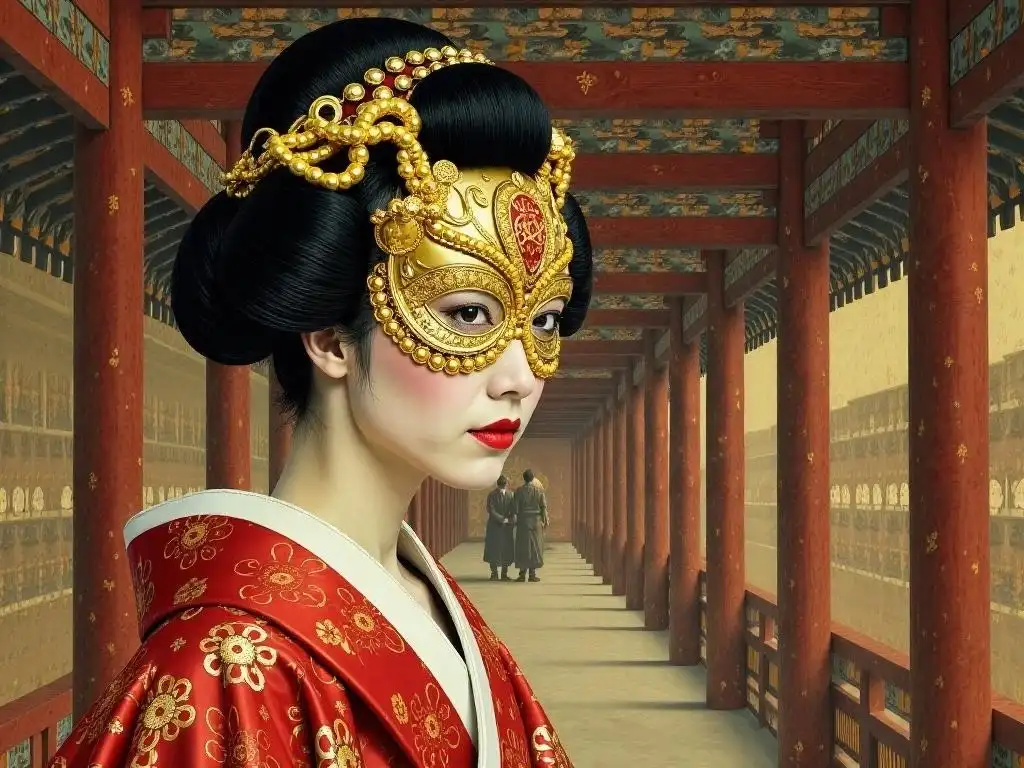
Welcome to Feudal Japan History, where the rich tapestry of Japan's feudal era unfolds before your eyes. Dive into our latest article, "The Influence of Noh Theatre on Political Discourse During the Muromachi Period," and discover how this captivating art form not only entertained but also shaped the political landscape of its time. What was the connection between the haunting melodies of Noh and the power struggles of the Muromachi period? Prepare to unearth the intricate layers of influence that art wielded in the corridors of power, and let your curiosity guide you deeper into this fascinating era.
Introduction to Noh Theatre and the Muromachi Period
The Muromachi Period, spanning from 1336 to 1573, was a transformative era in Japanese history marked by significant political, social, and cultural developments. Among the rich tapestry of cultural expressions that flourished during this time, Noh theatre emerged as a profound artistic form that not only entertained but also served as a vital channel for political discourse.
This unique blend of art and politics shaped the societal landscape, influencing how power and authority were perceived and legitimized. In this article, we will explore the intricate relationships between Noh theatre, its characteristics, and its role in political discussions, shedding light on its enduring legacy within the context of the Muromachi Period.
Overview of Noh Theatre: Definition and Characteristics
Noh theatre is a traditional form of Japanese drama that combines elements of dance, music, and acting. It is characterized by its slow, deliberate movements and the use of masks to convey emotion and character. Some key features include:
- Minimalist Aesthetic: Noh performances typically utilize sparse staging and simple props, focusing attention on the actors and the narrative.
- Symbolic Masks: The use of intricately crafted masks enables actors to portray various characters, from gods to spirits, enhancing the psychological depth of the performance.
- Poetic Language: The dialogue is often composed in a highly stylized, poetic form, requiring audiences to engage deeply with the text.
- Integration of Music and Dance: Noh incorporates traditional music and dance, creating a multifaceted sensory experience that captivates its viewers.
This unique combination of elements allows Noh theatre to transcend mere entertainment, becoming a medium through which complex societal and political themes can be explored.
Historical Context: The Muromachi Period (1336-1573)
The Muromachi Period was marked by the rise of the Ashikaga shogunate, which established its power in Kyoto while facing various challenges, including civil strife and the fragmentation of authority. Key historical events during this period include:
- The Onin War (1467-1477): A significant civil war that led to widespread destruction and the breakdown of central authority.
- Cultural Flourishing: Despite political instability, the period saw a blossoming of arts and culture, including the development of Noh theatre, which was patronized by the ruling elite.
- Zen Buddhism Influence: The aesthetics of Noh were heavily influenced by Zen principles, emphasizing simplicity and the beauty of transience, which mirrored the uncertainties of the political landscape.
This backdrop created fertile ground for Noh theatre to flourish, as it became intertwined with the political narratives of the time, reflecting and shaping contemporary ideologies.
Significance of Political Discourse in Feudal Japan
Political discourse during the Muromachi Period played a crucial role in shaping the governance and social order of feudal Japan. Key aspects include:
- Legitimacy of Power: Articulating and legitimizing power was essential for the ruling classes, and Noh theatre provided a platform for expressing these ideas.
- Social Cohesion: Engaging the populace through performances fostered a sense of community and shared identity, crucial in times of political turbulence.
- Reflection of Values: The narratives presented in Noh often mirrored the societal values and conflicts of the time, allowing audiences to reflect on their realities.
Understanding the dynamics of political discourse in this period is essential to appreciate how Noh theatre not only reflected but also influenced the socio-political landscape of feudal Japan.
The Interconnection Between Noh Theatre and Politics
The interplay between Noh theatre and political discourse during the Muromachi Period reveals a complex relationship where art served as both a mirror and a mold for political ideologies. This section delves into the various dimensions of this interconnection.
Noh Theatre as a Reflection of Political Ideologies
Noh theatre often depicted themes of power, loyalty, and the supernatural, which resonated with the political ideologies of the time. Performances frequently illustrated:
- Samurai Values: The portrayal of loyalty, honor, and the warrior ethos was central to many Noh plays, aligning with the samurai class's ideals.
- Divine Right of Rule: Many narratives emphasized the divine origins of authority, reinforcing the legitimacy of the ruling class and their connection to the spiritual realm.
- Critiques of Power: Subtle critiques of political figures and decisions were often woven into the performances, offering audiences a reflective lens on their leaders.
This inherent ability to reflect and critique political ideologies made Noh theatre a powerful tool for discourse.
How Noh Theatre Influenced Political Narratives
Noh theatre did not merely reflect existing political ideologies but actively contributed to shaping them. The narratives presented in performances often:
- Reinforced Authority: By portraying rulers as noble figures with divine sanction, Noh helped to reinforce the legitimacy of the shogunate and its policies.
- Challenged Norms: Certain plays questioned the status quo, allowing audiences to contemplate alternative views on governance and power dynamics.
- Fostered Public Engagement: By addressing issues relevant to the populace, Noh theatre engaged citizens in discussions about their governance and societal values.
The influence of Noh theatre extended beyond the stage, permeating the very fabric of political life during the Muromachi Period.
The Role of Noh Performances in Political Legitimacy
The role of Noh performances in establishing and maintaining political legitimacy cannot be overstated. Key factors include:
- State Patronage: The support of the ruling elite for Noh theatre ensured its prominence, directly linking the art form to the political establishment.
- Ceremonial Performances: Noh was often performed at important political events, reinforcing the connection between art and governance.
- Cultural Diplomacy: Noh performances served as a means of cultural diplomacy, showcasing the sophistication and strength of the ruling class to both domestic and foreign audiences.
Through these mechanisms, Noh theatre became an integral part of the political landscape, shaping perceptions and discussions around authority and governance during the Muromachi Period.
Key Figures in Noh Theatre and Their Political Impact
Noh Theatre during the Muromachi period was not only an artistic expression but also a potent vehicle for political commentary and influence. Several key figures emerged within this realm, whose works and philosophies shaped the political landscape of Japan. Their plays often reflected the complexities of power dynamics, loyalty, and the moral dilemmas faced by the ruling classes. The intertwining of Noh Theatre and politics was evident as these playwrights navigated the delicate balance between art and the prevailing political currents of their time.
Zeami Motokiyo: The Theatrical Visionary
Zeami Motokiyo stands as a towering figure in the history of Noh Theatre, credited with transforming it into a sophisticated art form. Born into a family of actors, Zeami's contributions extended beyond mere performance; he was a playwright, theorist, and philosopher. His works often explored themes of beauty, spirituality, and the human condition, which resonated deeply with the ruling elite.
Zeami's political impact is particularly notable in his relationship with the Ashikaga shogunate. He understood the importance of aligning his art with the interests of powerful patrons. His plays frequently reflected the values and ideals cherished by the samurai class, subtly reinforcing their authority while offering a platform for reflection. Through his treatises, such as "Fushikaden," Zeami articulated the connection between Noh Theatre and the moral responsibilities of leaders, thereby influencing the political discourse of his time.
Other Influential Playwrights and Their Political Connections
In addition to Zeami, other playwrights also played significant roles in shaping the political landscape through their works. For instance, Kan'ami, Zeami's father, was instrumental in establishing the foundations of Noh Theatre. His plays often highlighted the virtues of loyalty and honor, themes that resonated with the samurai ethos.
Furthermore, playwrights like Kiyotsugu and Yoshinobu created works that provided subtle critiques of the ruling class, often veiled in allegory. The ability of Noh Theatre to convey complex political messages through metaphor and symbolism allowed these playwrights to engage with sensitive topics without directly confronting their patrons. This dynamic created a unique space where art and politics intersected, shaping the narrative of governance during the Muromachi period.
The Patronage of Noh Theatre by Political Leaders
The patronage of Noh Theatre by political leaders played a crucial role in its development and influence. The Muromachi period saw the Ashikaga shogunate actively supporting Noh, recognizing its potential as a tool for political propaganda and cultural prestige. By funding performances, the shogunate not only legitimized its rule but also used Noh to promote the values of loyalty, honor, and the divine right of leadership.
Prominent samurai and daimyō often commissioned Noh plays to be performed at their court, further intertwining the theatre with political ceremonies and celebrations. This patronage fostered a symbiotic relationship where Noh Theatre provided a platform for political discourse while simultaneously reinforcing the social hierarchy. The themes and narratives of Noh plays often aligned with the interests of the ruling class, making it a vital aspect of political life in Muromachi Japan.
Themes in Noh Theatre Relevant to Political Discourse
The themes explored in Noh Theatre during the Muromachi period were deeply intertwined with the political realities of the time. Through allegories, historical references, and philosophical musings, Noh playwrights crafted narratives that resonated with the socio-political climate, allowing audiences to reflect on their governance and societal values.
Loyalty and Betrayal: Political Allegories in Noh
One of the most prevalent themes in Noh Theatre is the exploration of loyalty and betrayal, which serves as a powerful allegory for the political landscape of the Muromachi period. Many Noh plays depict the struggles between loyal retainers and their disloyal counterparts, reflecting the samurai values of fidelity and honor.
These narratives provided a framework for audiences to contemplate the moral dilemmas faced by leaders and warriors. Plays like "Kan'ami's Kurozuka" illustrate the consequences of betrayal, serving as cautionary tales for those in power. The emotional depth of these stories allowed the audience to engage with the political realities of their time, fostering a deeper understanding of loyalty's significance in governance.
The Concept of Impermanence and Its Political Implications
Another central theme in Noh Theatre is the concept of impermanence, or "mujo." This philosophical notion reflects the transient nature of power, life, and the universe itself. During the Muromachi period, where political alliances frequently shifted, the idea of impermanence resonated strongly with the ruling class.
Noh plays often depicted historical figures reflecting on their fleeting power and the inevitability of change. The portrayal of impermanence served as a reminder to political leaders of their responsibilities and the potential consequences of their actions. This theme encouraged a contemplative approach to governance, urging leaders to act with humility and foresight amidst the uncertainties of political life.
The Use of Historical Events in Noh Plays to Comment on Current Politics
Noh Theatre frequently employed historical events as a backdrop for contemporary political commentary. By referencing past conflicts, such as the Genpei War or the rise and fall of various clans, playwrights could draw parallels to the current political climate, offering insights into the nature of power struggles.
For instance, plays like "Tsuchigumo" use historical figures to reflect on contemporary issues, allowing audiences to understand the lessons of the past in the context of their current governance. This technique not only preserved historical narratives but also engaged the audience in active political discourse, making Noh Theatre an essential tool for reflecting on and shaping political consciousness during the Muromachi period.
Case Studies of Noh Plays and Their Political Commentary
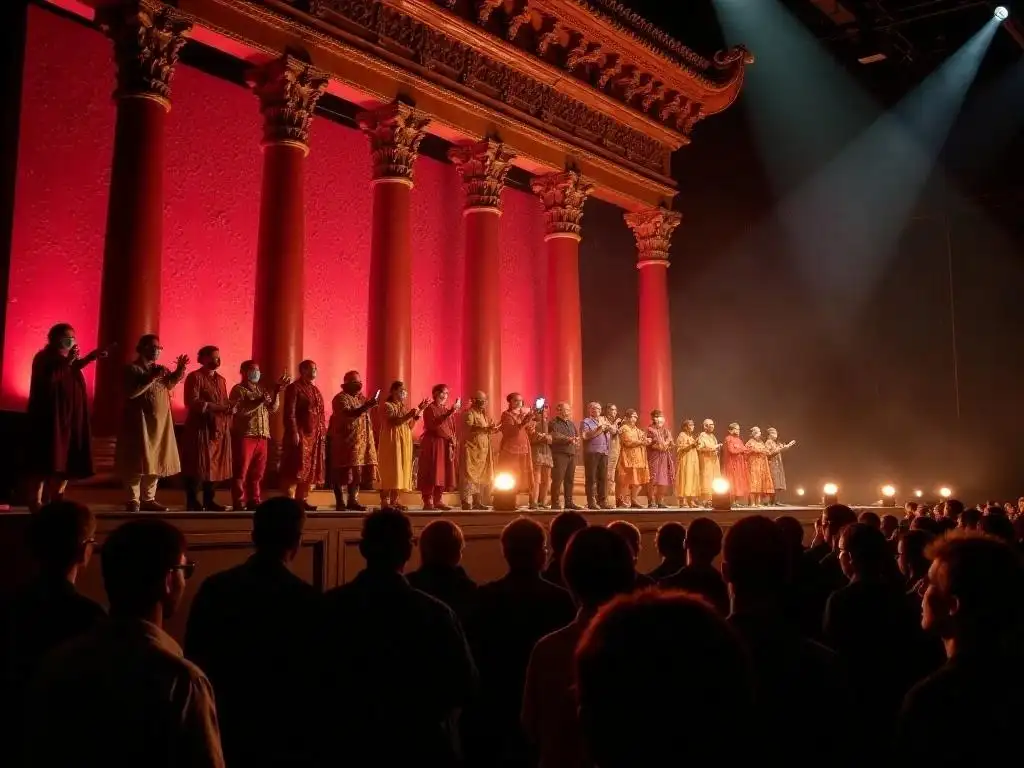
Noh Theatre, a traditional form of Japanese drama that combines music, dance, and poetry, served as a sophisticated medium for political discourse during the Muromachi Period (1336-1573). By weaving intricate narratives that reflected the socio-political landscape of the time, Noh plays became a crucial avenue for commentary on governance and authority. Several notable examples illustrate how these performances not only entertained but also engaged audiences in critical discussions about power dynamics and social justice.
One significant play is "Kan'ami's Kagekiyo," which explores themes of honor and revenge. The protagonist, Kagekiyo, is a disgraced warrior who, despite his fall from grace, seeks to reclaim his honor. This narrative resonates with the samurai ethos of loyalty and duty, prompting audiences to reflect on the consequences of political betrayal. Through such character-driven stories, Noh Theatre provided a platform for the criticism of contemporary leaders and their decisions.
Another example is "Tamura," which delves into the complexities of leadership and divine retribution. The play portrays the character of Tamura, who confronts his fate and the moral implications of his actions as a ruler. Such narratives not only entertained but also served as cautionary tales for those in power, revealing the potential consequences of their choices and the importance of just governance.
Analysis of Specific Noh Plays and Their Political Messages
Noh plays often contained layers of political allegory, cleverly embedded within their narratives and character arcs. For instance, "Ashikari" reflects on the themes of loyalty and the burdens of leadership, highlighting the delicate balance rulers must maintain to ensure their subjects' welfare. The protagonist's struggle against external threats and internal dissent mirrors the challenges faced by contemporary political figures during the Muromachi Period, making it a poignant commentary on the nature of governance.
In "Matsukaze," the themes of love and loss intertwine with issues of power and authority. The story of two ghostly sisters who long for their lost love serves as a metaphor for the fleeting nature of political power and the enduring impact of past decisions. The emotional depth of the play engages audiences in a contemplation of how personal relationships can influence political alliances and decisions, thus intertwining personal and political realms.
These plays not only entertained but also encouraged audiences to evaluate the moral and ethical implications of leadership, making them essential pieces in the broader discourse on governance during the Muromachi Period.
The Reception of Noh Theatre by Contemporary Political Figures
The reception of Noh Theatre by political figures during the Muromachi Period was complex and multifaceted. Many samurai and aristocrats recognized the art form's potential for political commentary and social critique. As a result, Noh became a favored entertainment among the elite, who often attended performances to gain insight into public sentiment and to gauge the political climate.
Prominent figures, such as Ashikaga Yoshimitsu, the third shōgun of the Ashikaga shogunate, were known to support Noh Theatre both as patrons and as performers. Yoshimitsu's involvement in the arts elevated the status of Noh, intertwining it with the political elite. His patronage encouraged the production of plays that echoed his reign's ideals and aspirations, thus reinforcing his political influence.
However, the nuanced messages within Noh Theatre also posed risks for political leaders. Plays that criticized authority or depicted the plight of the common people could lead to scrutiny and backlash. As a result, while many leaders embraced Noh Theatre for its aesthetic appeal and its ability to convey political messages, they remained cautious about its potential to challenge their authority.
The Influence of Noh Theatre on Public Perception of Governance
Noh Theatre significantly influenced public perception of governance during the Muromachi Period. By presenting narratives that highlighted the moral complexities and responsibilities of leadership, Noh plays shaped how audiences viewed their rulers. The art form acted as a mirror reflecting societal values, aspirations, and grievances, allowing the public to engage with political discussions indirectly.
The themes of justice, loyalty, and the consequences of political decisions resonated deeply with the populace. Plays like "Kagekiyo" and "Tamura" encouraged audiences to consider the impact of leadership on society, fostering a sense of collective responsibility among the samurai and commoners alike. Through these performances, Noh Theatre facilitated a dialogue about the ideals of governance and the importance of ethical leadership.
Moreover, Noh's emphasis on the human experience and emotional depth enabled audiences to connect with the struggles of characters who often represented the broader societal concerns. This connection cultivated a critical awareness of political matters, empowering the public to question and reflect on the actions of their leaders.
The Decline of Noh Theatre's Political Relevance
Despite its earlier influence, Noh Theatre's political relevance began to wane toward the latter part of the Muromachi Period. Several factors contributed to this decline, as the political landscape shifted and the nature of governance evolved.
Factors Leading to the Decrease in Political Influence
The rise of new political factions and the emergence of the civil wars during the 15th century shifted the focus of power away from the centralized authority of the shogunate. As feudal lords (daimyō) gained more autonomy, the once-unified political discourse became fragmented. This fragmentation diminished the cohesive messages that Noh Theatre had previously offered regarding governance.
Additionally, the growing influence of other forms of entertainment, such as Kabuki and puppet theatre (Bunraku), began to draw audiences away from Noh. These newer art forms were often more accessible and relatable to the common people, which reduced Noh's status as a political tool. The changing tastes of the populace and the elite contributed to a decline in attendance at Noh performances, thereby affecting its role in political commentary.
The Shift in Political Discourse During the Later Muromachi Period
As political discourse evolved, the focus shifted from the ideals of ethical governance to more immediate concerns related to power struggles and military conflicts. The chaotic environment of the Sengoku period (1467-1603) created a pressing need for rulers to demonstrate their strength and military prowess rather than engage in philosophical discussions about governance.
In this milieu, Noh Theatre struggled to maintain its relevance as a political commentator. The art form's emphasis on subtlety and introspection contrasted sharply with the more aggressive and direct political strategies of the time. As a result, while Noh Theatre continued to be appreciated for its aesthetic qualities, its role as a vehicle for political discourse diminished, marking a significant shift in the relationship between art and politics during the later Muromachi Period.
Conclusion: The Lasting Impact of Noh Theatre on Political Discourse
During the Muromachi period, Noh theatre emerged not only as a form of artistic expression but also as a significant platform for political discourse. Its influence extended beyond the stage, shaping the political landscape and reflecting the complexities of governance, power dynamics, and social hierarchies of the time. The intricate relationship between Noh and the ruling elite allowed for a unique intertwining of culture and politics, resulting in a legacy that continues to resonate in contemporary discussions of political influence through the arts.
As we reflect on the profound impact of Noh theatre, it becomes evident that its themes of loyalty, betrayal, and the human condition provided a framework for the political elite to navigate their realities and articulate their aspirations. The narratives presented in Noh performances often mirrored the challenges and transformations within the Muromachi governance structure, serving both as a commentary and a subtle critique of the political machinations of the era.
Summary of Noh Theatre's Role in Shaping Political Thought
Noh theatre played a pivotal role in shaping political thought during the Muromachi period by serving as a medium through which the ruling classes could express their ideologies and values. The art form, characterized by its slow, deliberate movements and deeply symbolic narratives, allowed for an exploration of themes central to the political climate of the time, including loyalty, honor, and the moral dilemmas faced by leaders.
The performances often featured historical figures and events, creating a dialogue between the past and the present. This connection aided in reinforcing the legitimacy of ruling powers and provided a means for the elite to communicate their perspectives on governance and social order. For instance, plays that depicted the struggles of samurai or the consequences of betrayal served as a reflection of the contemporary political anxieties and aspirations, encouraging audiences to engage with these themes on a deeper level.
Moreover, Noh theatre functioned within a broader cultural context that included the patronage of powerful warlords and shoguns. This sponsorship not only provided financial support for the arts but also aligned Noh with the political elite, further solidifying its role as an instrument of political influence.
Reflection on the Legacy of Noh Theatre in Contemporary Political Contexts
The legacy of Noh theatre extends far beyond the Muromachi period, leaving an indelible mark on contemporary political contexts. Today, the themes and narratives explored in Noh continue to resonate, providing insights into the nature of power, governance, and human experience. Modern political discourse still grapples with the same fundamental questions of loyalty, identity, and ethical leadership that were central to Noh performances centuries ago.
In contemporary Japan, Noh theatre has experienced a revival, not only as a traditional art form but also as a means of engaging with current political issues. Artists and performers often draw parallels between historical narratives and modern societal challenges, prompting audiences to reflect on the implications of political decisions in their own lives. This continuity highlights the enduring relevance of Noh theatre as a vehicle for political dialogue and introspection.
Furthermore, the global appreciation of Noh has facilitated cross-cultural exchanges that enrich our understanding of political expression through the arts. As Noh theatre gains recognition outside Japan, it encourages a broader discourse about the role of performance in shaping political consciousness and the responsibilities of artists in their societies.
References and Further Reading
Suggested Books and Articles on Noh Theatre and Political Influence
-
"Noh: The Classical Theatre of Japan" by Donald Richie
An insightful exploration of the history and significance of Noh theatre, including its political implications during the Muromachi period.
-
"The Noh Plays of Japan" by Michael Hays
This book delves into the thematic elements of Noh plays, emphasizing their reflection of social and political issues.
-
"Noh Drama and the Politics of Power" by T. K. Kato
A scholarly article that examines the intersections of Noh theatre and political power dynamics during the Muromachi period.
-
"The Influence of Japanese Noh Theatre on Contemporary Performance" by A. Smith
This contemporary analysis discusses how Noh continues to inform political discourse in modern artistic expressions.
Resources for Understanding Muromachi Political History
-
"A History of Japan: 1334-1615" by George Sansom
A comprehensive account of Japanese history during the Muromachi period, providing context for the political environment that influenced Noh theatre.
-
"The Muromachi Period: A Historical Overview" by R. T. Hasegawa
This resource offers a detailed examination of the political structures and societal changes in Japan during the Muromachi era.
-
Digital Archives of Noh Theatre
Online resources that provide access to performances, historical documents, and critical analyses of Noh theatre’s role in political discourse.
By engaging with these resources, readers can gain a deeper understanding of the intricate relationship between Noh theatre and political influence during the Muromachi period, as well as its lasting legacy in contemporary society.
- Introduction to Noh Theatre and the Muromachi Period
- The Interconnection Between Noh Theatre and Politics
- Key Figures in Noh Theatre and Their Political Impact
- Themes in Noh Theatre Relevant to Political Discourse
- Case Studies of Noh Plays and Their Political Commentary
- Analysis of Specific Noh Plays and Their Political Messages
- The Reception of Noh Theatre by Contemporary Political Figures
- The Influence of Noh Theatre on Public Perception of Governance
- The Decline of Noh Theatre's Political Relevance
- Conclusion: The Lasting Impact of Noh Theatre on Political Discourse
- References and Further Reading
- What is Noh Theatre and its significance during the Muromachi Period?
- How did Noh Theatre influence political discourse in feudal Japan?
- Who were the key figures in the development of Noh Theatre during this era?
- In what ways did the audience's perceptions of Noh Theatre reflect societal values?
- How is the legacy of Noh Theatre relevant to contemporary Japanese culture?
Frequently Asked Questions
What is Noh Theatre and its significance during the Muromachi Period?
Noh Theatre is a traditional Japanese performing art that combines drama, music, and dance. During the Muromachi Period, it played a crucial role in reflecting and shaping political discourse and cultural identity.
How did Noh Theatre influence political discourse in feudal Japan?
Noh Theatre served as a medium for political commentary and reflection, allowing themes of authority, loyalty, and conflict to be expressed. It often mirrored the social hierarchies and power struggles of the time.
Who were the key figures in the development of Noh Theatre during this era?
Prominent figures such as Zeami Motokiyo significantly contributed to the evolution of Noh Theatre, enhancing its artistic complexity and embedding political themes within its narratives during the Muromachi Period.
In what ways did the audience's perceptions of Noh Theatre reflect societal values?
The audience's appreciation for Noh Theatre was linked to their understanding of cultural and political values. It fostered a sense of civic identity and reinforced the status quo in the context of feudal society.
How is the legacy of Noh Theatre relevant to contemporary Japanese culture?
The legacy of Noh Theatre continues to influence modern Japanese arts, as it embodies traditional aesthetics and themes that resonate with current societal values and political discussions, maintaining its relevance today.
Final Reflection: The Enduring Echoes of Noh Theatre in Political Discourse
The intricate relationship between Noh theatre and political discourse during the Muromachi period remains profoundly relevant today. As we navigate our contemporary political landscape, the lessons drawn from this unique art form remind us of the power of storytelling and performance in shaping public perception and dialogue. The ability of Noh theatre to convey complex political narratives through subtlety and symbolism is a striking testament to how art can influence governance and societal values.
Clearly, the influence of Noh theatre extends beyond its historical context, continuing to resonate within our cultural and social frameworks. The themes of loyalty, betrayal, and the human condition explored in Noh performances echo in modern political discussions, prompting us to reflect on our own values and beliefs. As noted by the scholar Yoshiko Kurihara, Noh theatre serves as a mirror, reflecting the political and social dynamics of its time while inviting audiences to engage with their own realities.
This ongoing dialogue between art and politics invites us to consider how creative expression can illuminate the complexities of governance and civic responsibility.
As we conclude this exploration, I invite you to reflect on the lessons of Noh theatre and its profound impact on political discourse. Consider how you can harness the power of storytelling in your own life, whether through art, conversation, or civic engagement. Let the echoes of the Muromachi period inspire you to engage thoughtfully with the narratives that shape our world today, fostering a deeper understanding of the interplay between culture and politics.
Unveil the Depth of Noh Theatre’s Power!
Thank you for taking the time to explore the intricate connections between Noh theatre and political discourse during the Muromachi Period! Your engagement with this rich historical analysis not only broadens your understanding of influential cultural dynamics but also encourages deeper reflection on how art shapes society.
Now, let’s take that knowledge and turn it into action! Here’s how you can further explore this fascinating subject:
- Dive deeper into a local or virtual Noh performance and witness its unique artistry firsthand. Experience how tradition and politics intermingle in real time.
- Share your insights with friends or fellow history enthusiasts by starting a discussion or even hosting a virtual meetup to explore the impact of different art forms on political narratives.
- Read more about the intersection of culture and politics by exploring additional articles on our website or joining forums dedicated to discussing historical influences.
What aspects of Noh theatre resonate with you the most, and how do you believe they influence modern political conversations? We’d love to hear your thoughts!