
The Life of a Samurai’s Wife: Balancing Duty and Domesticity

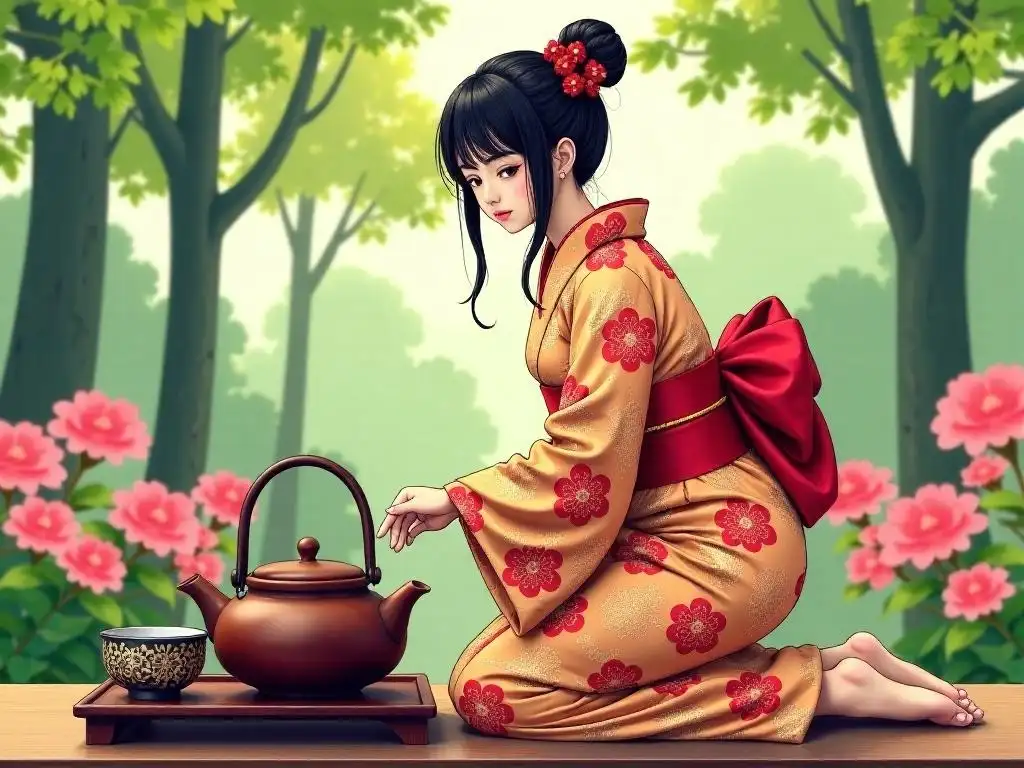
Welcome to Feudal Japan History! Dive into the intricate tapestry of Japan’s feudal era, where every thread tells a story of honor, duty, and cultural richness. In our featured article, “The Life of a Samurai’s Wife: Balancing Duty and Domesticity,” we unravel the often-overlooked roles and responsibilities of these remarkable women who stood steadfast beside their warrior husbands.
What sacrifices did they make, and how did they navigate the complexities of their dual lives? Join us on this captivating journey and discover the profound impact these samurai wives had on society and history. Your exploration of this fascinating chapter begins now!
Introduction to the Samurai Wife’s Role in Feudal Japan
The role of a samurai's wife in feudal Japan was a complex tapestry woven from duty, loyalty, and domesticity. While the samurai class is often romanticized for its warriors and battles, the women behind these men played vital roles that supported not only their families but also the broader social structure of the time.
This article delves into the myriad responsibilities and societal expectations placed on samurai wives, exploring how they balanced the demands of their household with the honor and obligations of their husbands' roles as warriors. By examining their duties and the historical context, we can gain a deeper understanding of these women's lives and their significant contributions to Japanese society during the feudal era.
Understanding the Samurai Class and Their Society
To fully appreciate the life of a samurai’s wife, it's essential to understand the samurai class itself. Emerging during the late Heian period (794-1185), samurai became the military nobility of Japan, serving as warriors and landowners. Their society was governed by a strict code of conduct known as Bushido, which emphasized honor, loyalty, and martial prowess. The samurai class held significant power and influence, not only in military affairs but also in the cultural and political realms.
In this patriarchal society, women were often seen as subservient to men; however, the samurai wife held a unique position. She was expected to manage the household, raise children, and maintain the family's honor, often while her husband was away on military campaigns or fulfilling obligations. This duality of duty required resilience and adaptability, as the samurai wife navigated her responsibilities in a world defined by conflict and societal expectations.
Significance of the Samurai Wife in Historical Context
Historically, samurai wives were more than mere homemakers; they were crucial to the stability and continuity of the samurai lineage. Their roles included:
- Education of Children: Samurai wives were primarily responsible for instilling values and skills in their children, preparing them for future roles in society.
- Management of Estates: When their husbands were away, samurai wives often took charge of the family's estate, managing resources and overseeing laborers.
- Cultural Preservation: Many samurai wives were educated in arts and literature, contributing to the cultural richness of their households and preserving traditions.
Their contributions were pivotal in maintaining the socio-political structure of feudal Japan, making them integral to the legacy of the samurai class.
Samurai Wife Duties and Roles: An Overview
The duties and roles of a samurai's wife were multifaceted, encompassing both domestic responsibilities and social obligations. Understanding these elements provides insight into the daily lives of these women and the expectations placed upon them.
Traditional Expectations of a Samurai Wife
In feudal Japan, the traditional expectations of a samurai wife included:
- Household Management: Overseeing daily activities, ensuring that the household functioned smoothly.
- Child-Rearing: Taking responsibility for the education and upbringing of children, particularly sons who would carry on the family name and legacy.
- Social Networking: Engaging with other women in the samurai class to build alliances and support systems, often through gatherings and ceremonies.
These roles required a deep understanding of the social norms and cultural values of the time, as well as the ability to navigate complex family dynamics.
Balancing Domestic Responsibilities and Social Duties
The life of a samurai wife was marked by the need to balance domestic responsibilities with social duties. This often meant:
- Participating in Ceremonies: Engaging in rituals and events that reinforced the family's status and connections within the samurai community.
- Maintaining Honor: Upholding the family's reputation through conduct and demeanor, which was crucial in a society that valued honor above all.
This delicate balance between home life and societal expectations highlights the strength and adaptability of samurai wives, who played a vital role in sustaining their families and the samurai ideals during a turbulent period in Japanese history.
The Domestic Sphere: Home Life of a Samurai Wife
The life of a samurai's wife was intricately woven into the fabric of Japanese feudal society, reflecting a blend of domesticity and duty. While samurai warriors were often celebrated for their martial prowess, their wives played a crucial role in upholding the family's honor and stability.
A samurai wife was not only responsible for managing the household but also for nurturing the family's values and ensuring the continuation of their legacy. The domestic sphere of a samurai's wife was characterized by stringent expectations and responsibilities, all while navigating the complexities of their husband's commitments to their clan and the samurai code.
Household Management and Responsibilities
The samurai wife was primarily tasked with the management of the household, which involved a variety of responsibilities. This included overseeing the daily operations of the home, such as food preparation, budgeting, and maintaining household supplies. The samurai wife often directed a team of servants, guiding them in their duties to ensure that the household ran smoothly.
- Food Preparation: Meals were an essential aspect of family life, and the wife was responsible for preparing traditional Japanese cuisine. This included not only cooking but also preserving food to last through seasons when fresh ingredients were scarce.
- Budgeting: Managing finances was crucial for maintaining the household. The samurai wife had to ensure that expenditures aligned with the family's income, which could fluctuate based on her husband's military engagements and clan obligations.
- Cultural Preservation: The wife also played a role in preserving family traditions, teaching her children about their heritage and instilling values associated with the samurai code, such as honor, loyalty, and respect.
Education and Upbringing of Children
Education was a significant aspect of a samurai wife's responsibilities, particularly regarding the upbringing of her children. The samurai wife was often the primary educator of her children, especially in the early years.
- Moral Education: She instilled virtues such as discipline, loyalty, and the importance of honor. The teachings were designed to prepare the children, especially sons, for their future roles within the samurai class.
- Literacy and Arts: While formal education was often reserved for boys, girls were taught reading and writing, along with traditional arts such as calligraphy, poetry, and music. This education aimed to cultivate a well-rounded individual capable of contributing to the family's status.
- Role Modeling: By embodying the values of a samurai's wife, she served as a role model for her children, demonstrating the importance of duty and domesticity in their lives.
The Role of a Samurai Wife in Daily Rituals and Practices
Daily rituals and practices were integral to the life of a samurai's wife, reflecting both personal and familial values. These rituals often included:
- Morning and Evening Rituals: The wife would engage in daily prayers and rituals to honor the household's ancestors, ensuring spiritual alignment and blessings for the family.
- Seasonal Celebrations: Festivals and seasonal observances were celebrated within the household, where the wife would prepare specific dishes and participate in traditional activities that reinforced cultural identity.
- Ceremonial Duties: In addition to daily rituals, the samurai wife often played a significant role in larger family ceremonies, including weddings and coming-of-age celebrations, which required her to demonstrate her family's status through elaborate preparations and participation.
Beyond the domestic sphere, samurai wives were also expected to engage in various social duties that strengthened their family's ties within the community and clan. These responsibilities were crucial for maintaining the family's reputation and alliances.
Participation in Ceremonies and Rituals
Ceremonial participation was a vital aspect of a samurai wife's social duties. She was expected to attend and often play an active role in various clan ceremonies, including:
- Weddings and Births: The samurai wife would participate in weddings, not only of her children but also within the clan, reinforcing alliances and connections. Births were also celebrated with rituals that highlighted the family's lineage.
- Funerals and Memorials: During times of loss, the samurai wife would conduct memorial services, honoring the deceased and ensuring that the family's legacy was respected.
- Seasonal Festivals: Participation in seasonal festivals was also common, where the samurai wife would engage with other women in the community, showcasing her family's cultural heritage.
Managing Relationships with Other Samurai Families
Maintaining relationships with other samurai families was essential for a samurai wife, as these connections could influence her family’s standing within society.
- Diplomatic Engagements: The samurai wife often acted as a diplomat, fostering relationships through visits, gifts, and social gatherings. These interactions were crucial for maintaining peace and alliances between clans.
- Support Networks: By building relationships with other wives, she could create a support network that provided mutual assistance in managing households and raising children.
- Social Influence: A samurai wife’s ability to navigate social dynamics could significantly impact her family's reputation and status within the samurai community.
Contributions to Clan and Community Welfare
The samurai wife played a substantial role in the welfare of her clan and the broader community, engaging in various activities that reflected her commitment to societal well-being.
- Charitable Activities: Many samurai wives were involved in charitable actions, such as providing support to the poor and participating in community festivals, which helped solidify the clan's reputation as benevolent leaders.
- Cultural Preservation: By teaching traditional arts and values to younger generations, samurai wives contributed to the cultural continuity of their communities.
- Crisis Management: In times of crisis, such as during famines or wars, the samurai wife could take the lead in organizing relief efforts, demonstrating her leadership and commitment to her clan’s survival.
The life of a samurai's wife was a complex interplay of duty, domesticity, and social obligations. Balancing her roles required resilience and adaptability, making her an indispensable figure in the feudal structure of Japan.
Challenges Faced by Samurai Wives

The life of a samurai's wife was characterized by a unique set of challenges that intertwined domestic responsibilities with the weight of societal expectations. These women not only managed their households but also navigated the complexities of loyalty, honor, and the emotional toll of their husband's duties. Understanding these challenges provides insight into the nuanced role that samurai wives played in feudal Japan.
Navigating the Expectations of Loyalty and Honor
Samurai wives were expected to uphold the values of loyalty and honor, which were fundamental to the samurai code, known as Bushido. This expectation often manifested in several ways:
- Commitment to Husband and Clan: A samurai wife had to demonstrate unwavering loyalty to her husband and his clan, often putting their needs above her own. This loyalty extended beyond mere companionship; it was a matter of family honor.
- Cultural Ideals: The societal ideals of femininity dictated that samurai wives embody virtues such as modesty and self-sacrifice. They were often viewed as the embodiment of their husband's honor, which placed immense pressure on them to conform to these ideals.
- Public Scrutiny: Samurai wives lived under constant scrutiny from the community. Any perceived failure to exhibit loyalty or honor could not only damage her reputation but also that of her family. This public perception reinforced the need for samurai wives to adhere strictly to societal norms.
Emotional and Psychological Strain of Duty
The emotional and psychological burdens of being a samurai wife were significant, stemming from both personal and societal pressures:
- Isolation: Many samurai wives lived in isolated settings, away from their families and communities, which could lead to feelings of loneliness and despair. The demands of village life often left them with limited social interaction.
- Fear of Loss: The constant threat of war and the possibility of losing their husbands weighed heavily on these women. The fear of widowhood was a common emotional strain, affecting their mental well-being.
- Mental Health: The combination of loyalty pressures, isolation, and fear contributed to mental health challenges among samurai wives. Many faced anxiety and depression, although such issues were often stigmatized and went unaddressed.
The Impact of War and Conflict on Family Life
War and conflict had profound effects on the lives of samurai families, particularly their wives:
- Separation and Uncertainty: Wives often endured long periods of separation from their husbands due to military campaigns. This separation brought about uncertainty regarding their husband's safety and the family's future.
- Increased Responsibilities: During times of conflict, samurai wives assumed greater responsibilities in managing households and maintaining family affairs. This included overseeing finances, agricultural duties, and educating children, all while coping with the absence of their husbands.
- Disruption of Family Structure: The frequent upheavals caused by war could lead to a disintegration of family structures. Wives had to navigate not only the physical absence of their husbands but also the potential loss of family members, which could alter their roles within the household.
Evolving Roles in Different Eras of Feudal Japan
As Japan transitioned through various historical periods, the roles and duties of samurai wives evolved significantly, reflecting broader societal changes.
Changes in Samurai Wife Duties Over Time
The duties of samurai wives underwent notable transformations from the early feudal period to the Edo period:
- Early Feudal Era: In the early phases of feudal Japan, samurai wives were primarily responsible for domestic tasks, including managing the household and raising children. Their roles were largely confined to the home.
- Rise of the Edo Period: During the Edo period, as peace settled across Japan, the roles of samurai wives began to expand. They became more involved in the educational upbringing of their children and participated in cultural pursuits, such as tea ceremonies and poetry.
- Increased Social Mobility: The Edo period also saw increased social mobility for some samurai families, which allowed wives to engage in trade and manage family businesses, further diversifying their roles.
Influences of Major Historical Events on Women's Roles
Historical events shaped not just the samurai class but also the roles of women within it:
- The Onin War (1467–1477): This conflict led to a breakdown of traditional family structures, forcing many women to take on more significant roles in leadership and decision-making within their households.
- Meiji Restoration (1868): The Meiji Restoration marked a radical shift in Japanese society, leading to the modernization of the country. Samurai wives began to adopt new roles influenced by Western ideals, including education and participation in emerging professions.
- Post-War Era: The aftermath of World War II saw further transformations as traditional roles were challenged, and women began to advocate for greater rights and opportunities outside the confines of their homes.
These evolving roles reflect not only the adaptability of samurai wives but also the resilience of women in the face of changing societal norms and historical upheavals in feudal Japan.
Conclusion: The Legacy of Samurai Wives in Japanese History
The legacy of samurai wives in Japanese history is both profound and multifaceted, intertwining with the very fabric of feudal society. These women were not merely passive figures; they were active participants in maintaining the household, preserving cultural practices, and supporting their husbands' roles as warriors. The duties and roles of samurai wives extended beyond domesticity; they played crucial roles in the education of their children, the management of family estates, and the continuity of their family's honor and status.
As the feudal era evolved, so too did the responsibilities of samurai wives, adapting to the changing political and social landscape. Their influence is evident in various aspects of Japanese culture, from literature to art, where they are often depicted as embodiments of loyalty, virtue, and strength. This legacy continues to inspire modern interpretations of gender roles and family dynamics in Japan and beyond.
Reflecting on the Impact of Samurai Wife Duties and Roles
The impact of samurai wife duties and roles can be seen through the lens of historical and cultural development in Japan. These women were responsible for instilling values such as loyalty, discipline, and honor in their children, which were critical traits for future warriors. By managing the household and engaging in social and political affairs, samurai wives helped to maintain stability within their communities.
Furthermore, their roles contributed to the preservation of Japanese traditions and customs, ensuring that the samurai ethos was passed down through generations. By examining the lives of samurai wives, historians and scholars can gain insight into the broader societal norms of the time and how they shaped the roles of women in subsequent eras.
Lessons from the Lives of Samurai Wives for Modern Society
Modern society can draw several lessons from the lives of samurai wives, particularly regarding the balance between duty and personal aspirations. Their ability to navigate the complexities of their responsibilities while maintaining a sense of identity serves as a valuable model for contemporary women.
Additionally, samurai wives exemplified resilience, adaptability, and strength in the face of societal expectations. This encourages a re-evaluation of traditional gender roles and highlights the importance of collaboration and shared responsibilities in family life today. By understanding their legacy, modern society can cultivate a more inclusive view of women's roles, both in the home and in the broader community.
References and Further Reading
Recommended Books and Articles on Samurai Wives
- "Women of the Samurai" by Stephen Turnbull: This book offers an in-depth exploration of the lives of women during the samurai era, including their roles and contributions to society.
- "Samurai Women: The Role of Women in the Samurai Class" by Susan L. Long: A comprehensive analysis of the societal expectations placed on samurai wives and their impact on the family structure.
- "The Book of Samurai: The Warrior Class of Japan" by John M. Smith: This text provides context for the samurai class and includes sections dedicated to the roles of women within this framework.
Suggested Documentaries and Historical Resources
- "The Samurai: A History": This documentary series delves into the lives of samurai, with episodes dedicated to the contributions of women in this warrior class.
- "Geisha: A Life": While focusing on geisha culture, this documentary touches on the historical context of women in feudal Japan, including samurai wives.
- The National Museum of Japanese History: Offers online resources and exhibitions that provide insights into the roles of women in samurai society, featuring artifacts and historical documents.
- Introduction to the Samurai Wife’s Role in Feudal Japan
- Samurai Wife Duties and Roles: An Overview
- The Domestic Sphere: Home Life of a Samurai Wife
- Social Duties of a Samurai Wife
- Challenges Faced by Samurai Wives
- Evolving Roles in Different Eras of Feudal Japan
- Conclusion: The Legacy of Samurai Wives in Japanese History
- References and Further Reading
Frequently Asked Questions
What were the primary duties of a Samurai's wife?
A Samurai's wife was responsible for managing the household, raising children, and supporting her husband in his military and social obligations, ensuring the family's honor and reputation were upheld.
How did cultural expectations shape the lives of Samurai wives?
Cultural expectations dictated that Samurai wives maintain a submissive yet supportive role, emphasizing their importance in preserving family lineage and adhering to the Bushido code, which stressed loyalty and duty.
Were Samurai wives involved in political matters?
While primarily focused on domestic duties, some Samurai wives played a role in politics through strategic marriages and alliances, influencing their husbands’ decisions and contributing to family power dynamics.
What skills were essential for a Samurai wife to possess?
A Samurai wife needed to be skilled in management, communication, and often martial arts, as she might need to protect her home and assist her husband in emergencies or during conflicts.
How did the roles of Samurai wives evolve over time?
The roles of Samurai wives evolved from primarily domestic responsibilities to more active participation in societal affairs, especially during times of war, where their leadership and resilience became increasingly significant.
Final Reflection: The Enduring Legacy of the Samurai Wife
The intricate balance of duty and domesticity that defined the life of a samurai's wife remains profoundly relevant today. In a world where traditional roles are continually evolving, the samurai wife exemplifies the strength and resilience required to navigate the complexities of familial and societal expectations. Her story is not just a relic of the past; it serves as a powerful reminder of the enduring qualities of loyalty, sacrifice, and grace under pressure that resonate in our modern lives.
Cultural narratives surrounding the samurai wife have shaped our understanding of gender roles and responsibilities, influencing how we perceive the balance between personal aspirations and familial obligations. The legacy of these women continues to inspire contemporary discussions about empowerment and identity. As we reflect on their experiences, we are reminded of the words of the renowned historian, Behind every great man, there stands a woman of strength.
This sentiment underscores the vital role that samurai wives played, not only in supporting their husbands but also in shaping the very fabric of their communities.
As we contemplate the lessons from the lives of samurai wives, I invite you to reflect on your own roles and responsibilities. Consider how you can embody the spirit of resilience and dedication in your daily life. Whether in your personal relationships or professional endeavors, strive to find harmony between duty and self-expression. Let the legacy of the samurai wife inspire you to embrace your own journey with courage and grace, forging a path that honors both your commitments and your individuality.
Embrace the Legacy: Connect with the Heart of a Samurai’s Life!
Thank you for taking the time to delve into the intricate world of a samurai’s wife. Your interest sparks a deeper understanding of the remarkable balance between duty and domesticity in feudal Japan. Now that you’ve grasped these life lessons, it’s time to take inspired action!
Here’s how you can dive deeper into this captivating history:
- Explore your own heritage: Investigate the lives of the extraordinary women in your family history. What stories of resilience and strength can you uncover?
- Join the conversation: Share this article with friends or on social media, and invite others to discuss the influential roles of women throughout history.
- Participate in a workshop: Seek out a local or online workshop focused on traditional Japanese culture, such as tea ceremonies or calligraphy, to immerse yourself in the domestic practices of that era.
How has the story of samurai wives influenced your perspective on modern roles within families and society? We invite you to share your thoughts in the comments!