
The Significance of Sake: Alcohol and Social Bonding in Feudal Japan

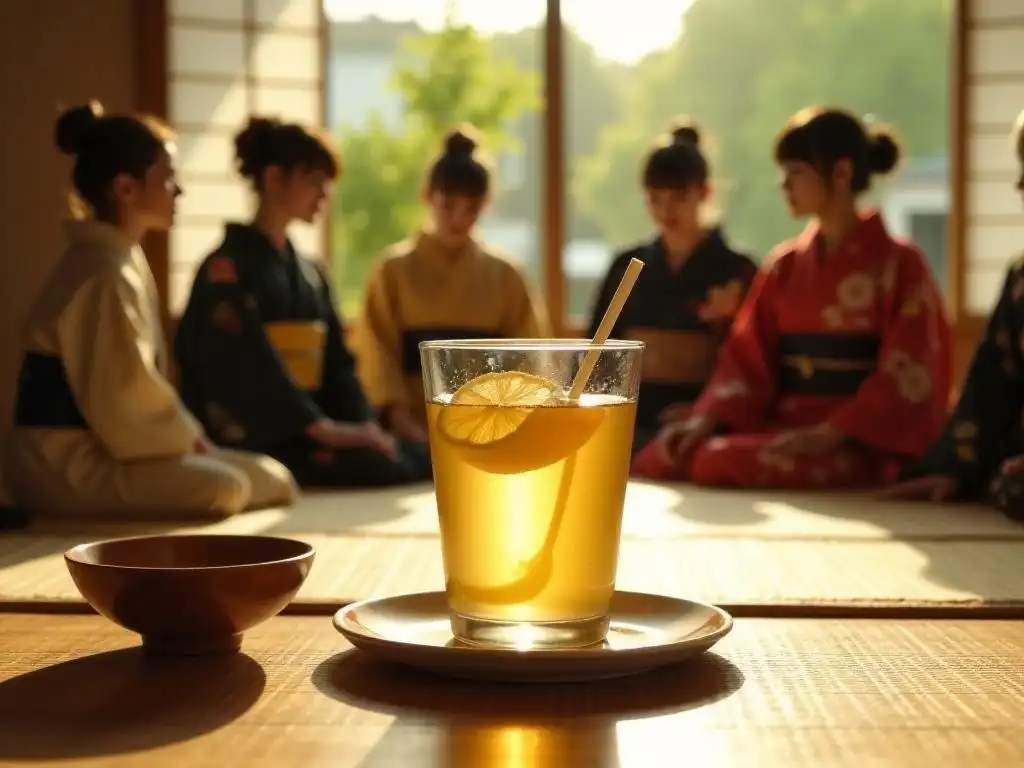
Welcome to Feudal Japan History, where we invite you to embark on an enthralling journey through the intricate tapestry of Japan's feudal era. Dive deep into the significance of sake as we unravel how this beloved beverage played a pivotal role in social bonding during this transformative period. From lively gatherings to solemn rituals, discover the profound connections that sake fostered among individuals and communities alike. Are you ready to explore the rich cultural heritage that shaped everyday life in feudal Japan? Let the story unfold!
Sake, the beloved rice wine of Japan, holds a unique place in the cultural and social fabric of feudal society. Its significance extends beyond mere consumption; it is deeply entwined with traditions, rituals, and the very essence of social interaction during this era.
This article delves into the multifaceted role of sake in feudal Japan, exploring how it served as a facilitator of relationships and a means of reinforcing social bonds among different strata of society. As we navigate through the historical context and its impact on social dynamics, we will uncover the profound influence sake had on the lives of people during this period, making it a topic worthy of comprehensive exploration.
Introduction to Sake in Feudal Japan
Overview of Sake as a Traditional Beverage
Sake, known as "nihonshu" in Japan, is a fermented alcoholic beverage made primarily from rice, water, yeast, and koji mold. Its roots can be traced back to ancient Japan, where it was initially brewed for religious rituals and later evolved into a staple of social gatherings. The preparation and consumption of sake became an art form, with various types and brewing techniques emerging over the centuries. In feudal Japan, sake was not just a drink; it was a symbol of hospitality, celebration, and community.
Historical Context of Sake in Japanese Culture
The historical significance of sake in Japan dates back to the Nara period (710-794 AD), where it was used in Shinto rituals and imperial ceremonies. By the time of the Kamakura period (1185-1333 AD), sake had permeated various aspects of daily life, reflecting the agricultural practices of rice cultivation. During the feudal era, the rise of samurai culture and the establishment of local breweries further solidified sake's importance. It became a medium through which social hierarchies were navigated, and relationships were forged among warriors and commoners alike.
Sake as a Catalyst for Relationships in Feudal Society
In feudal Japan, sharing a cup of sake was a potent ritual that transcended social class and personal differences. It acted as a catalyst for relationships, fostering camaraderie and trust among individuals. Feudal lords would often host sake-drinking banquets to strengthen alliances, while samurai would bond over shared experiences and stories during intimate gatherings. The act of drinking sake signified mutual respect and commitment, solidifying relationships that were vital for survival in a tumultuous era.
Rituals and Ceremonies Involving Sake
Sake was integral to various rituals and ceremonies in feudal Japan, marking important life events such as weddings, births, and funerals. The traditional "san-san-kudo" wedding ceremony, for instance, involved the couple taking three sips from three different cups, symbolizing their union and the joining of their families. Additionally, sake played a role in seasonal festivals, where it was offered to gods in Shinto shrines as a gesture of gratitude. These rituals not only highlighted the beverage's spiritual significance but also reinforced community ties, as people came together to celebrate and honor their shared heritage.
The exploration of sake in feudal Japan reveals its pivotal role in social bonding, serving as a bridge between individuals and communities. As we continue to delve deeper into this fascinating topic, we will uncover more about the rituals, customs, and social interactions that were intricately woven into the fabric of feudal Japanese society through the shared experience of sake.
Cultural Significance of Sake in Feudal Japan
Sake, the iconic rice wine of Japan, played a multifaceted role in the cultural tapestry of feudal Japan. Beyond its status as a popular beverage, sake was intricately woven into the social fabric, serving as a catalyst for bonding among individuals and groups. It was not uncommon for sake to be consumed during significant ceremonies, celebrations, and everyday gatherings, symbolizing unity and goodwill. The act of sharing sake fostered connections, whether among samurai, farmers, or merchants, highlighting its importance as a social lubricant in various strata of society.
Moreover, sake was often associated with various rites and rituals, reinforcing its status as a sacred drink. Its presence in both festive and somber occasions showcased its versatility and essential role in daily life. The consumption of sake was also seen as a gesture of hospitality, with hosts offering it to guests as a sign of respect and camaraderie. This cultural significance extended beyond mere consumption; it was a medium through which social hierarchies were navigated, and relationships were forged.
Sake and Its Connection to Shinto Practices
Sake's deep-rooted connection to Shinto practices further emphasizes its importance in feudal Japanese society. In Shinto, the indigenous spirituality of Japan, sake is regarded as a divine offering to the kami (spirits or gods). Rituals often included the pouring of sake as a form of purification and an act of reverence, reinforcing the belief that this beverage possessed sacred qualities. During festivals and religious ceremonies, sake was used in offerings, connecting the physical world with the spiritual realm.
The significance of sake in Shinto rituals extended to the belief that it could bring blessings and good fortune. It was customary for families to brew their own sake for celebrations, imbuing the drink with personal significance and a sense of belonging. Such practices underscored the communal aspect of sake consumption, as families and communities gathered to partake in these rituals, thus strengthening social cohesion.
Influence of Sake on Art and Literature
The influence of sake extended into the realms of art and literature during the feudal era. Artists and poets found inspiration in the themes of sake, often depicting it in paintings, woodblock prints, and writings. Sake became a symbol of pleasure and indulgence, frequently associated with the joys of life, friendship, and the fleeting nature of time. Renowned poets such as Matsuo Bashō and Yosa Buson incorporated sake into their haikus, using it as a metaphor for the transient beauty of existence.
Furthermore, sake houses, or izakayas, served as popular settings in literature and folklore, where characters engaged in lively discussions and storytelling over cups of sake. This cultural representation not only highlighted the beverage's role in social bonding but also reflected the values and aesthetics of the time. As a result, sake transcended its role as merely a drink, evolving into a cultural symbol that captured the essence of feudal Japanese life.
Sake Production Techniques in Feudal Japan

The production of sake during feudal Japan was a meticulous process that combined traditional craftsmanship with regional variations. The techniques employed were often passed down through generations, reflecting local customs and the availability of resources. Sake production was not only a practical endeavor but also an art form, with brewers taking pride in their methods and the quality of their final product.
Traditional Methods of Sake Brewing
Traditional sake brewing involved several intricate steps, each contributing to the unique flavor and quality of the beverage. The primary ingredients—rice, water, yeast, and koji mold—were carefully selected and processed. The rice was polished to remove the outer layers, which affected the sake’s taste and aroma. Following polishing, the rice was washed, soaked, and steamed to prepare it for fermentation.
Koji mold, a crucial element in the brewing process, was cultivated on a portion of the steamed rice, converting starches into sugars necessary for fermentation. This koji rice was then mixed with yeast and more steamed rice to initiate the fermentation process. The entire brewing process typically took about a month, resulting in a beverage that could range from sweet to dry, depending on the fermentation techniques and the brewer's expertise.
Regional Variations in Sake Production
Regional variations in sake production were significant in feudal Japan, influenced by local climate, rice types, and water quality. Different areas developed distinct brewing styles, leading to a rich diversity of sake flavors and characteristics. For instance, in the Niigata region, known for its pristine water, brewers focused on creating light, crisp sakes, while the Hyogo region excelled in producing full-bodied, aromatic varieties.
Moreover, local festivals and customs often dictated the styles of sake produced, with certain regions specializing in unique brews for celebrations or rituals. This regional diversity not only contributed to the overall richness of sake culture but also reinforced social bonds as communities celebrated their local traditions through the shared enjoyment of their distinctive sakes.
Sake consumption in feudal Japan was not merely about indulgence; it was deeply entwined with social etiquette and cultural practices. Understanding these norms provides insight into the intricate relationships and societal dynamics of the time. Drinking sake was often a communal activity, and it was essential to adhere to established protocols to maintain harmony and respect among participants.
In social settings, the act of pouring sake for others was regarded as a significant gesture of goodwill and camaraderie. Individuals would typically pour for one another rather than serve themselves, which symbolized mutual respect and reinforced social bonds. Additionally, the manner in which sake was served—using specific vessels such as the tokkuri (sake bottle) and ochoko (small cups)—further demonstrated the importance of presentation and ritual in sake consumption.
Norms Surrounding Sake Sharing and Drinking
The norms surrounding sake sharing and drinking were influenced by hierarchical structures present in feudal Japan. Individuals of higher rank were often served first, and it was considered impolite to refuse a drink offered by a superior. Conversely, it was also expected for those of lower status to express gratitude and drink with enthusiasm, reinforcing the social order.
There were also specific rituals associated with drinking, such as the "kanpai" toast, where participants would raise their cups and shout the phrase "kanpai!" (cheers!) before taking a sip. This shared act fostered a sense of community and celebration, making it an integral part of gatherings. Moreover, the practice of drinking in rounds, where everyone took turns pouring and drinking, was common and served to strengthen interpersonal ties.
The Importance of Sake in Hospitality and Social Gatherings
In feudal Japan, hospitality was a cornerstone of social interaction, and sake played a pivotal role in this practice. When guests visited, hosts would often offer sake as a way to welcome them and show respect. The quality and quantity of sake served could reflect the host's status and generosity, thus enhancing the overall social experience.
Sake also served as a means of breaking down barriers and fostering connections between different social classes. During gatherings, the sharing of sake could lead to relaxed conversations and alliances, which were particularly valuable in a society defined by rigid hierarchies. Through these interactions, sake became a medium for reinforcing bonds and facilitating communication among diverse groups.
Sake and Its Role in Feudal Japanese Celebrations
Sake was more than just a drink; it was a vital part of various celebrations and cultural events throughout feudal Japan. Its significance extended beyond social bonding, intertwining with the spiritual and ceremonial aspects of society.
Special occasions such as weddings, harvest festivals, and religious ceremonies often featured sake prominently, marking its importance in both personal and communal celebrations. The act of sharing sake during these events acted as a ritualistic element, enriching the experience and elevating the significance of the occasion.
Festivals and Events Centered Around Sake
Many local festivals in feudal Japan were centered around sake, showcasing its integral role in community life. One notable example is the "Shinto Matsuri," where offerings of sake were made to deities as a gesture of gratitude and to seek blessings for a bountiful harvest. These festivals were characterized by celebratory drinking, dancing, and music, highlighting the communal aspect of sake consumption.
Additionally, sake breweries themselves often hosted events to celebrate the brewing process, inviting the community to participate in tastings and festivities. Such gatherings not only celebrated the craftsmanship of sake-making but also served as a means of strengthening local ties and fostering a sense of belonging.
Sake's Place in Seasonal Celebrations and Ceremonies
Throughout the changing seasons, sake found its way into various traditional ceremonies and celebrations. For instance, during the New Year, "Osechi" meals were accompanied by sake, symbolizing renewal and prosperity. The practice of "Toso," where a special sake was consumed to ward off evil spirits, was also common during this festive time.
In spring, sake played a role in "Hanami," the cherry blossom viewing parties, where friends and families gathered under blooming sakura trees to enjoy nature's beauty while sharing cups of sake. This seasonal celebration emphasized the connection between nature, community, and alcohol, illustrating how deeply embedded sake was in the cultural fabric of feudal Japan.
Overall, sake's multifaceted role in feudal Japan encompassed social bonding, hospitality, and celebration, making it a central element of daily life and cultural identity.
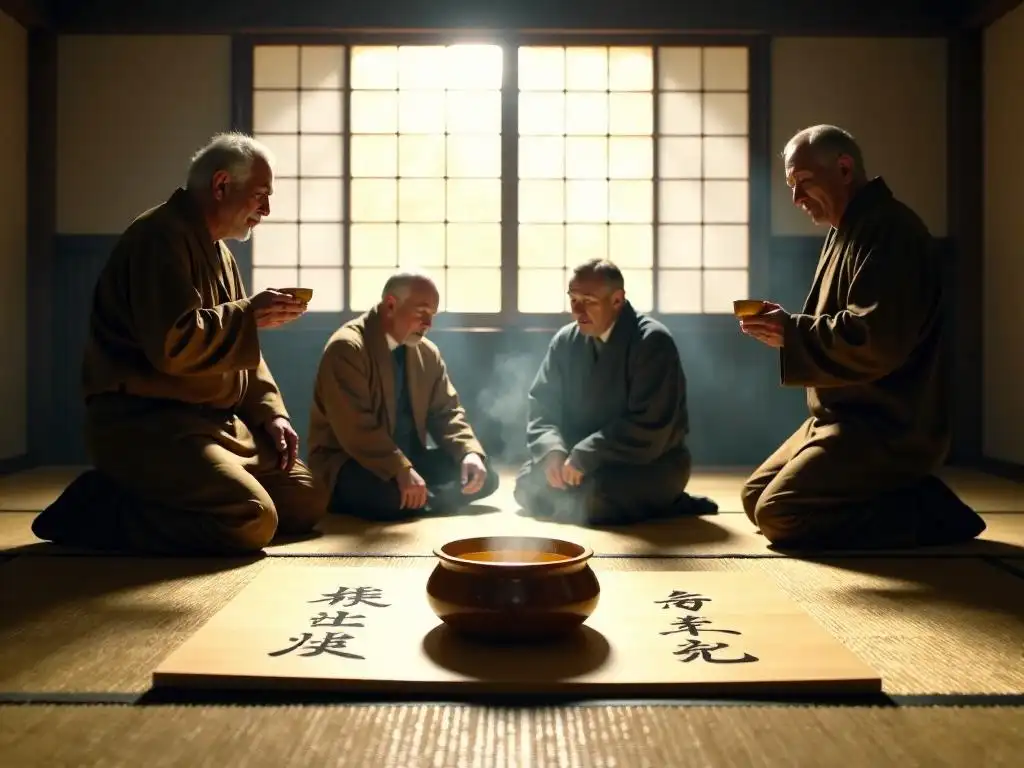
The transition from feudal Japan to the modern era brought significant shifts in societal norms, economic structures, and cultural practices, which in turn affected the role of sake in social bonding. Once a staple of communal gatherings and celebratory events, the consumption of sake has faced a decline in its social significance, influenced by various factors.
Changes in Consumption Patterns Post-Feudal Era
The Meiji Restoration in the late 19th century initiated a period of rapid modernization in Japan, leading to changes in consumption patterns. Traditional gatherings around sake were often replaced by Western-style social practices, such as drinking beer and whiskey. This shift was partly due to the influence of Western culture, which introduced alternative alcoholic beverages that appealed to a younger generation.
Furthermore, the rise of industrialization and urbanization altered social structures. The close-knit communities that thrived in feudal Japan, where sake played a crucial role in strengthening bonds, began to dissolve as people moved to cities for work. In urban environments, the communal aspects of sake drinking diminished, with individuals often opting for solitary consumption or less formal gatherings.
Contemporary Perspectives on Sake and Social Bonding
Today, while sake is still respected and enjoyed, its role in social bonding is markedly different. Younger generations may view sake as a luxury item rather than a communal beverage. This perception is influenced by factors such as the rise of craft cocktails and the increasing popularity of international wines, which have led to a diversification of drinking habits.
Moreover, while sake remains a part of traditional ceremonies and celebrations, modern social interactions often prioritize convenience and accessibility over the ritualistic sharing of sake. However, there is a growing movement among enthusiasts and artisans to revive the cultural significance of sake, emphasizing its historical roots and promoting it as a symbol of Japanese heritage. This resurgence is fostering new social environments where sake can once again play a vital role in bonding, particularly in specialized settings such as sake tastings and festivals.
Conclusion: The Enduring Legacy of Sake in Japanese Society
Despite the shifts in its social role, sake continues to embody a significant aspect of Japanese culture, reflecting a complex history of ritual, community, and identity. The legacy of sake in feudal Japan illustrates its importance not only as a beverage but also as a medium of social interaction that brought people together.
Reflection on Sake's Historical Importance
Historically, sake was much more than an alcoholic drink; it was interwoven into the fabric of Japanese society. It played a pivotal role in rituals, celebrations, and communal gatherings, fostering relationships and reinforcing social hierarchies. The craftsmanship behind sake production also highlights the intricate relationship between nature, art, and community, showcasing a deep respect for the ingredients and the process.
Reflecting on this historical importance, it becomes evident that the rituals surrounding sake were essential in creating a sense of belonging and identity among individuals and communities. This cultural heritage continues to inform contemporary practices, even as the contexts evolve.
Sake's Continuing Role in Modern Japanese Culture
In modern Japan, while the social dynamics surrounding sake may have shifted, its role in cultural practices remains robust. Sake is still a prominent feature in traditional celebrations such as New Year's and weddings. It is also increasingly featured in contemporary culinary experiences, pairing with diverse cuisines and elevating dining occasions.
Moreover, the revival of interest in artisanal sake breweries and the promotion of sake tourism are contributing to a renewed appreciation for this age-old beverage. Events like sake festivals and tastings are becoming popular, inviting both locals and tourists to engage with the cultural history of sake. Consequently, while the communal aspects may have changed, sake retains its position as a vital cultural artifact, continuing to foster connections in new and innovative ways.
References
The study of sake and its role in feudal Japan encompasses various historical, cultural, and social dimensions. Below are some key references that provide insight into this significant aspect of Japanese history. These works range from academic texts to cultural analyses, providing a comprehensive view of sake's impact on society during the feudal era.
- Sake: The History, Stories, and Craft of Japan's National Beverage: by John Gauntner - This book offers a detailed exploration of the history and brewing of sake, along with its cultural significance in Japan. Gauntner, an expert on sake, delves into how the drink shaped social interactions throughout Japanese history.
- The Essence of Japanese Cuisine: A Cooking Journey Through Time: by Michael Ashkenazi and Jeanne Jacob - While primarily a culinary guide, this book touches upon the social practices surrounding sake consumption and its importance in Japanese dining culture, especially during the feudal period.
- Japan's Feudal Society: A Historical Overview: by Robert M. Smith - This text provides a broader context of feudal Japan, discussing social structures and cultural practices, including the role of sake in social bonding among the samurai and peasant classes.
- Sake: A Liquid History: by Masahiro Kawai - Kawai's work focuses on the historical development of sake, emphasizing its evolution and significance in Japanese rituals and social gatherings.
- Cultural History of Sake in Japan - This collection of essays by various authors explores the multifaceted role of sake in Japanese culture, including its use in religious ceremonies and as a medium for social bonding.
Recommended Readings on Sake in Feudal Japan
To gain a deeper understanding of sake's significance in the context of feudal Japan, the following readings are highly recommended:
- "Sake and the Japanese Culture" by Yuji Saito - This book provides an in-depth analysis of the cultural rituals associated with sake, including ceremonies and festivals that foster communal ties.
- "The Sake Handbook: A Guide to Japan's National Drink": by John Gauntner - Another essential read from Gauntner, this handbook serves as a practical guide to understanding sake, its varieties, and its role in social settings.
- "Drink and Culture in Japan" by Kiyoshi Takahashi - This work examines the broader context of alcohol consumption in Japan, with specific references to how sake influenced social relationships during the feudal era.
- "Sake in the Samurai Era" - A focused study that looks at the historical significance of sake among the samurai class, including its implications for loyalty and camaraderie.
Additional Sources for Further Exploration
For those interested in delving even further into the topic of sake and its social implications in feudal Japan, the following sources offer valuable insights:
- Academic Journals - Articles published in journals such as "Japan Studies" and "Cultural Anthropology" often feature studies on the social practices surrounding sake and its role in community bonding.
- Documentaries and Films - Visual media, such as documentaries on Japanese culture, often highlight the importance of sake in social rituals and gatherings. These can provide a more immersive understanding of the subject.
- Online Archives - Websites dedicated to Japanese history and culture frequently host articles and essays that explore the significance of sake in various contexts, including feudal Japan.
- Local Museums - Many museums in Japan have exhibitions related to traditional brewing practices and the cultural significance of sake, offering firsthand insights into its historical context.
These resources collectively contribute to a richer understanding of how sake not only served as a beverage but also played a pivotal role in fostering social bonds during the feudal era in Japan.
- Introduction to Sake in Feudal Japan
- The Role of Sake in Social Bonding
- Cultural Significance of Sake in Feudal Japan
- Sake Production Techniques in Feudal Japan
- Sake Consumption and Social Etiquette
- Sake and Its Role in Feudal Japanese Celebrations
- The Decline of Sake's Social Role in Modern Japan
- Conclusion: The Enduring Legacy of Sake in Japanese Society
- References
Frequently Asked Questions
Sake was a crucial element in fostering social bonds, as it was often consumed during rituals, celebrations, and gatherings, promoting community cohesion and camaraderie.
How was sake produced during the feudal era?
Sake production involved traditional methods that included fermentation of rice, water, and koji mold, highlighting the artisanal craftsmanship that was passed down through generations.
Were there specific occasions for drinking sake in feudal Japan?
Yes, sake was integral to ceremonies, such as weddings and festivals, where it served as a means to strengthen relationships and mark significant life events.
Social status influenced sake availability and consumption; the elite enjoyed finer varieties, while commoners had access to more basic forms, reflecting the class distinctions of the era.
Did sake have any spiritual significance in feudal Japan?
Absolutely, sake was often considered a sacred drink, used in Shinto rituals to honor deities and ancestors, underscoring its role in the cultural identity of feudal Japan.
The significance of sake in feudal Japan transcends mere consumption; it embodies the essence of social bonding that continues to resonate in contemporary society. Today, as we navigate an increasingly fragmented world, the communal spirit fostered by shared experiences, such as those centered around sake, reminds us of the importance of connection and tradition. The act of gathering over a cup of sake is not just about the drink itself, but about the relationships and memories forged in the process.
Sake's role in shaping social dynamics during feudal Japan has left an indelible mark on our cultural landscape. Its ability to bring people together, whether in celebration or solemnity, speaks to a universal truth about human connection. As we reflect on this historical context, we can appreciate how these rituals have evolved yet remain relevant today. In every drop of sake, there lies a story of camaraderie and culture.
This observation highlights how the traditions surrounding sake continue to influence our interactions, reminding us that the bonds we create are as vital as the beverages we share.
As you ponder the lessons of sake and its role in social bonding, consider how you can cultivate deeper connections in your own life. Take a moment to reflect on the rituals that bring you closer to others, whether through food, drink, or shared experiences.
Embrace the spirit of togetherness that sake represents, and let it inspire you to foster relationships that enrich your life and the lives of those around you. The legacy of sake is not just a relic of the past; it is a call to action for us all to prioritize connection in our modern lives.
Unveil the Rich Culture of Sake and Connection!
Thank you for taking the time to explore the fascinating relationship between sake and social bonding in feudal Japan. Your interest in this unique aspect of history opens the door to understanding not only traditions but also the cultural significance behind communal experiences. Now, let's take your curiosity a step further with some actionable suggestions that celebrate this rich heritage!
- Dive deeper into the world of sake: Visit a local sake brewery or seek out an authentic Japanese restaurant to experience the nuances of sake firsthand.
- Share your findings: Engage with friends or family by hosting a sake-tasting evening, fostering connections just as people did in feudal Japan.
- Join a community: Explore online forums or local groups dedicated to Japanese culture and sake appreciation to exchange ideas and broaden your understanding.
What unique connections or discoveries about sake and culture resonate with you the most, and how do you plan to incorporate them into your life?