
The Influence of Trade and Foreign Relations on Educational Practices


Welcome to Feudal Japan History, your gateway to an enthralling journey through the captivating landscape of Japan's feudal era. Here, we delve into the intricate tapestry of historical, cultural, and societal nuances that defined a remarkable period in time. In our featured article, "The Influence of Trade and Foreign Relations on Educational Practices," we uncover the profound ways in which external interactions shaped the educational landscape of feudal Japan.
Prepare to be intrigued as we reveal how the currents of trade and diplomacy not only enriched the lives of the Japanese people but also transformed their learning systems. Join us as we embark on this exploration and discover the lasting impact of education during this pivotal era!
-
The Influence of Trade and Foreign Relations on Educational Practices in the Japan Feudal Era
- Introduction to Japan's Feudal Era Education Impact
- The Role of Trade in Shaping Educational Practices
- Foreign Relations and Their Effect on Educational Systems
- Key Educational Institutions and Their Evolution
- Cultural Exchange and Its Impact on Learning
- Challenges Faced in Education due to Trade and Foreign Relations
- Conclusion: The Lasting Legacy of Trade and Foreign Relations on Japan's Educational Practices
- Summary of Key Points on Japan's Feudal Era Education Impact
- Reflection on the Evolution of Education in Contemporary Japan
- Further Reading and Resources
-
Frequently Asked Questions
- What was the primary focus of education during the Japan feudal era?
- How did trade influence educational practices in feudal Japan?
- What role did foreign relations play in shaping education?
- Were there any specific schools or institutions that emerged during this period?
- How did the educational impact of the feudal era affect modern Japan?
- Final Reflection: The Enduring Legacy of Japan's Feudal Era Education
- Unveil New Perspectives in Education Today!
The Influence of Trade and Foreign Relations on Educational Practices in the Japan Feudal Era
Introduction to Japan's Feudal Era Education Impact
The Japan feudal era, spanning from the late 12th century to the mid-19th century, was a period marked by significant socio-political structures, economic transformations, and cultural exchanges. During this time, education played a crucial role in shaping societal norms and values, influenced heavily by trade and foreign relations.
This article delves into the multifaceted impact of these elements on educational practices, exploring how interactions with other cultures and commerce contributed to the development of Japan’s educational systems. By examining the intricate links between trade, foreign relations, and education, we can better understand the complexities of intellectual development during this pivotal era.
Overview of the Feudal Era in Japan
The feudal era in Japan was characterized by a hierarchical social structure dominated by the samurai class, with land ownership and loyalty forming the backbone of society. The shogun held significant power, with daimyos managing local territories and the emperor serving primarily as a symbolic figure. This period saw the emergence of distinct regional cultures, influenced by local resources, governance, and the availability of trade routes. The educational practices of the time were largely dictated by these socio-political dynamics, as well as by the need to maintain order and cultivate loyalty among the samurai.
Importance of Education in Feudal Japanese Society
Education during the feudal era was not merely a privilege but a necessity for many, particularly the samurai class. The primary objectives of education were to instill loyalty, martial skills, and ethical conduct, which were essential for maintaining the social order and the warrior ethos. Confucianism, introduced from China, became a dominant philosophy that shaped educational content and practices, emphasizing moral development and the importance of governance. Consequently, schools, often established by local lords, served as centers of learning where students were taught a combination of military strategy, literature, and the arts, reflecting the society's values and needs.
The Role of Trade in Shaping Educational Practices
Historical Context of Trade during the Feudal Era
Trade during the Japan feudal era flourished due to the establishment of various trade routes, both domestic and international. Notably, the Silk Road and maritime trade routes facilitated the exchange of goods, ideas, and cultural practices. Japan engaged in trade with neighboring countries, particularly China and Korea, leading to the importation of not only goods but also knowledge and educational practices. This exchange enriched the local educational landscape, allowing for a broader curriculum that included foreign philosophies, sciences, and arts.
Influence of Trade Routes on Educational Content
The expansion of trade routes had a profound impact on the content of education in feudal Japan. As merchants and travelers brought new ideas, educational institutions began to incorporate various subjects that were previously uncommon. For example, the introduction of mathematics and astronomy from China significantly influenced Japanese scholars. The incorporation of foreign texts and teachings allowed for a more diverse educational system, ultimately leading to advancements in various fields, including literature and philosophy.
Case Study: The Impact of Chinese Trade on Japanese Education
One of the most significant influences on Japanese education during the feudal era came from Chinese trade. Through trading relationships, Japan received not only goods but also educational materials and philosophies. The Confucian texts, which emphasized moral integrity and social responsibility, were particularly impactful. Schools began to adopt these teachings, fostering a generation of scholars who would later contribute to Japan's cultural and intellectual heritage. This case study illustrates the profound connection between trade and education, highlighting how foreign relations directly shaped the educational practices within feudal Japan.
Foreign Relations and Their Effect on Educational Systems
The feudal era in Japan was marked by complex foreign relations that significantly influenced educational practices. The interactions with various countries introduced new ideas, technologies, and philosophies that reshaped the traditional Japanese approach to education. A dynamic interplay between isolation and engagement with foreign cultures fostered an environment where educational practices evolved to meet the demands of a changing society.
Overview of Japan's Foreign Relations during the Feudal Period
During the feudal period, Japan's foreign relations were characterized by a mix of isolation and selective engagement. The Tokugawa shogunate (1603-1868) implemented a policy of sakoku, or closed country, which restricted foreign influence and trade primarily to the Dutch and the Chinese at Nagasaki. Despite this isolation, Japan maintained a flow of information and goods that subtly influenced educational structures. The limited interaction with Europeans brought new ideas in science, mathematics, and philosophy, which began to permeate Japanese educational practices, especially in the latter part of the Edo period.
The Influence of European Contact on Educational Practices
European contact, particularly during the 16th and 17th centuries, introduced various ideas and methodologies that challenged the existing educational norms in Japan. Jesuit missionaries, for instance, established schools and promoted subjects such as arithmetic, geography, and Latin. These subjects were a departure from the traditional focus on Confucian texts and classical literature. The introduction of Western scientific knowledge, especially through Dutch studies (Rangaku), began to influence the curriculum in samurai schools and other educational institutions, emphasizing a more empirical approach to learning.
Comparison of Japanese Educational Methods with Western Approaches
The educational methods of feudal Japan differed markedly from Western approaches in several key areas. Traditional Japanese education was deeply rooted in Confucian ideals, focusing on moral development, loyalty, and social hierarchy. In contrast, Western education emphasized critical thinking, scientific inquiry, and a more individualistic approach to learning. The integration of European ideas led to a gradual shift in Japanese educational practices, incorporating elements such as the scientific method and practical subjects alongside traditional teachings. This blending created a unique educational framework that mirrored both Eastern and Western philosophies.
Key Educational Institutions and Their Evolution
The evolution of educational institutions during the feudal era reflects the changing dynamics of society and the influence of foreign relations. From religious temples to specialized samurai schools, these institutions adapted to the needs of their communities while incorporating new knowledge and practices.
The Rise of Temples and Shrines as Educational Centers
Temples and shrines played a pivotal role in the educational landscape of feudal Japan. Initially focused on religious instruction, these institutions evolved into centers of learning where various subjects, including literature, philosophy, and history, were taught. The monks and priests often served as educators, imparting knowledge to local youth. As trade and foreign relations expanded, these educational centers began to include more diverse subjects, reflecting the influence of new ideas brought by foreign traders and missionaries.
Development of Samurai Schools and Their Curriculum
Samurai schools (hankō) emerged as crucial educational institutions for the warrior class, particularly during the Edo period. These schools focused on instilling values such as loyalty, honor, and discipline, while also teaching practical skills like military strategy and administration. With the influence of European contact, the curriculum began to shift to include subjects such as Western sciences, mathematics, and even foreign languages. This shift aimed to prepare samurai not just for warfare but for governance and trade in an increasingly complex world.
Role of Private Tutors in Feudal Japan's Education System
Private tutors held a significant place in the educational framework of feudal Japan, particularly among the elite and samurai families. Often well-educated individuals, these tutors provided personalized instruction tailored to the needs and interests of their students. They played a crucial role in disseminating new ideas and knowledge gained from foreign interactions. This one-on-one educational model allowed for a deeper exploration of subjects, enabling students to engage critically with both traditional and foreign content, thus enriching the educational landscape of the time.
Cultural Exchange and Its Impact on Learning
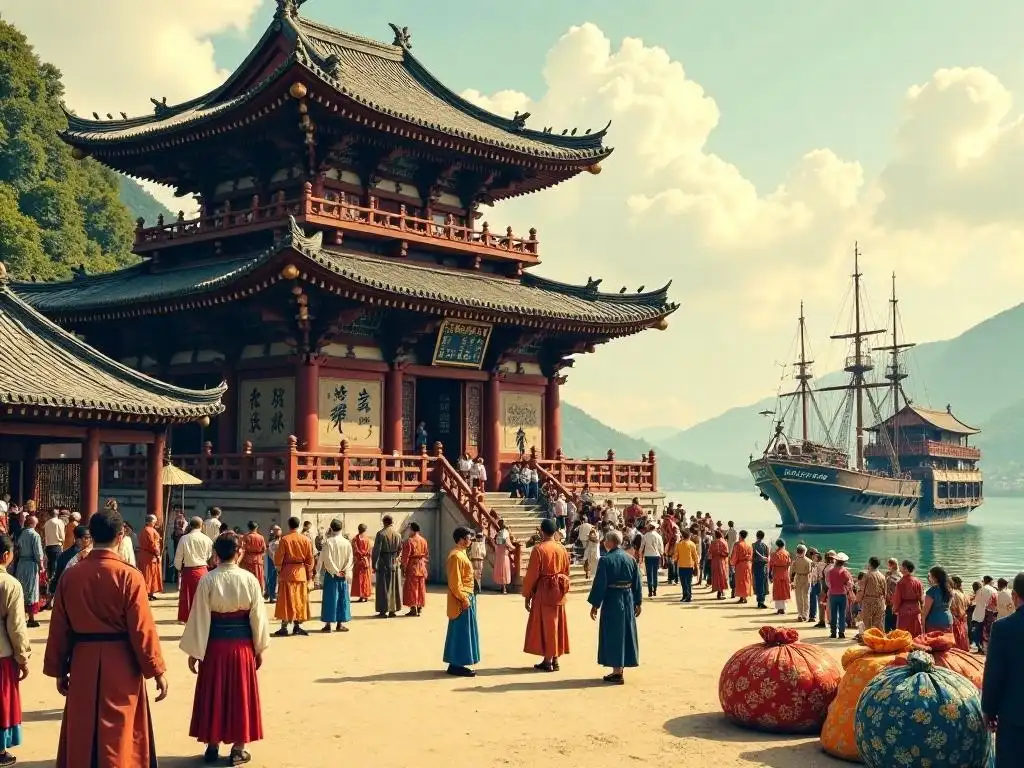
The feudal era in Japan was marked by significant cultural exchanges that shaped educational practices and philosophies. As Japan engaged with neighboring countries, particularly China and Korea, it absorbed various ideas, knowledge systems, and technologies. This cultural interplay not only enriched the educational landscape but also fostered a unique blend of indigenous practices with foreign influences. The adoption of Chinese characters, for instance, revolutionized the Japanese writing system and facilitated the spread of literary works, thus enhancing literacy among the samurai and merchant classes.
Moreover, interactions with European traders and missionaries during the late feudal period introduced new scientific and philosophical concepts, which further diversified the curriculum of educational institutions. Schools began to incorporate a broader range of subjects, including mathematics, astronomy, and Western medicine, reflecting a growing curiosity and desire for knowledge. The impact of these exchanges was profound, as they laid the groundwork for a more comprehensive educational framework that would evolve in modern Japan.
Introduction of Foreign Texts and Ideas
The introduction of foreign texts played a pivotal role in shaping educational practices during the Japan feudal era. With the arrival of Chinese scholars and Buddhist monks, a wealth of literature became accessible to Japanese learners. Key texts, such as the Confucian classics, were pivotal in influencing moral education and governance. These works emphasized the importance of ethics, societal roles, and familial responsibilities, which resonated deeply with the samurai class and shaped their worldview.
Additionally, the advent of Jesuit missionaries in the 16th century brought Western philosophical and scientific texts to Japan. This influx of new ideas created a dynamic environment for intellectual discourse, leading to the establishment of schools that focused on both traditional Japanese teachings and newly introduced Western knowledge. The result was a more holistic educational approach that prepared students to navigate a rapidly changing world.
The Role of Language in Education and Diplomacy
Language served as a crucial bridge in the realm of education and diplomacy during the feudal era. The ability to communicate effectively with foreign emissaries and scholars was essential for the samurai and ruling classes. Educational institutions began to emphasize language studies, particularly classical Chinese, which was the medium of scholarly communication throughout East Asia. Mastery of this language not only facilitated access to a vast corpus of knowledge but also enhanced diplomatic relations.
Moreover, the emergence of the Japanese language as a medium of instruction and literature allowed for the development of a distinct national identity. Schools began to teach students to read and write in their native language, fostering a sense of cultural pride and continuity. This bilingual approach expanded educational opportunities and enabled deeper engagement with both domestic and foreign discourses, thus enriching the overall educational experience.
Influence of Confucianism and Buddhism on Japanese Education
Confucianism and Buddhism profoundly influenced educational practices in the Japan feudal era. Confucian teachings, which emphasized moral integrity, respect for authority, and the importance of education, became increasingly integrated into the curriculum of schools established for the samurai class. These principles shaped not only the academic content but also the ethical framework within which students were educated, promoting the idea that education was a means to cultivate virtuous leaders and responsible citizens.
Buddhism, too, played a significant role in shaping educational thought. Monastic schools became centers of learning, where students studied religious texts, philosophy, and the arts. The Buddhist emphasis on contemplation and moral development complemented Confucian ideals, leading to a rich educational tradition that prioritized character development alongside academic achievement.
Challenges Faced in Education due to Trade and Foreign Relations
The flourishing trade and foreign relations during the feudal era brought numerous challenges to the educational landscape in Japan. While cultural exchanges enriched learning, they also introduced complexities that affected access to education and the stability of learning institutions.
Barriers to Accessing Educational Resources
Despite the influx of foreign knowledge, accessing educational resources remained a challenge for many. The samurai class, while benefiting from elite education, often restricted educational opportunities for lower social classes. This stratification limited the dissemination of knowledge and reinforced social hierarchies. Additionally, the reliance on foreign texts sometimes created barriers, as not all scholars were proficient in the languages required to interpret these materials.
Moreover, geographic limitations hindered access to educational institutions. Many rural areas lacked qualified teachers or adequate facilities, making it difficult for students outside urban centers to receive a quality education. The disparity in educational resources between urban and rural populations contributed to uneven knowledge distribution, perpetuating cycles of poverty and limiting social mobility.
The Impact of Political Instability on Learning Institutions
Political instability during the feudal era had a profound impact on learning institutions. Frequent power struggles, internal conflicts, and the rise and fall of feudal lords often disrupted educational continuity. Schools were sometimes forced to close or relocate due to violence or economic instability, leading to a loss of knowledge and expertise.
Furthermore, during periods of turmoil, the focus on military training overshadowed academic pursuits. The samurai class prioritized martial skills over scholarly achievements, which stunted the development of intellectual disciplines. This shift in priorities not only affected the quality of education but also hindered the growth of a well-rounded, enlightened citizenry that could contribute to society beyond the battlefield. The legacy of this tumultuous period continued to influence educational practices long after the feudal era came to an end.
Conclusion: The Lasting Legacy of Trade and Foreign Relations on Japan's Educational Practices
The influence of trade and foreign relations during the Japan feudal era has left a profound and lasting legacy on the nation's educational practices. The interactions with foreign entities—particularly with the Portuguese, Dutch, and Chinese—introduced new ideas, technologies, and philosophies that significantly shaped Japanese education. The adoption of Western learning, especially during the late Edo period, led to the establishment of new educational institutions and curricula focused on sciences, arts, and languages.
Moreover, the influx of foreign books and texts encouraged a shift in pedagogical methods, promoting critical thinking and practical skills over rote memorization. This shift not only enriched the educational landscape of feudal Japan but also laid the groundwork for modern educational reforms that would follow in the Meiji Restoration. The integration of foreign knowledge into local practices demonstrated a remarkable adaptability and openness to change, traits that have continued to characterize Japan's educational evolution.
Summary of Key Points on Japan's Feudal Era Education Impact
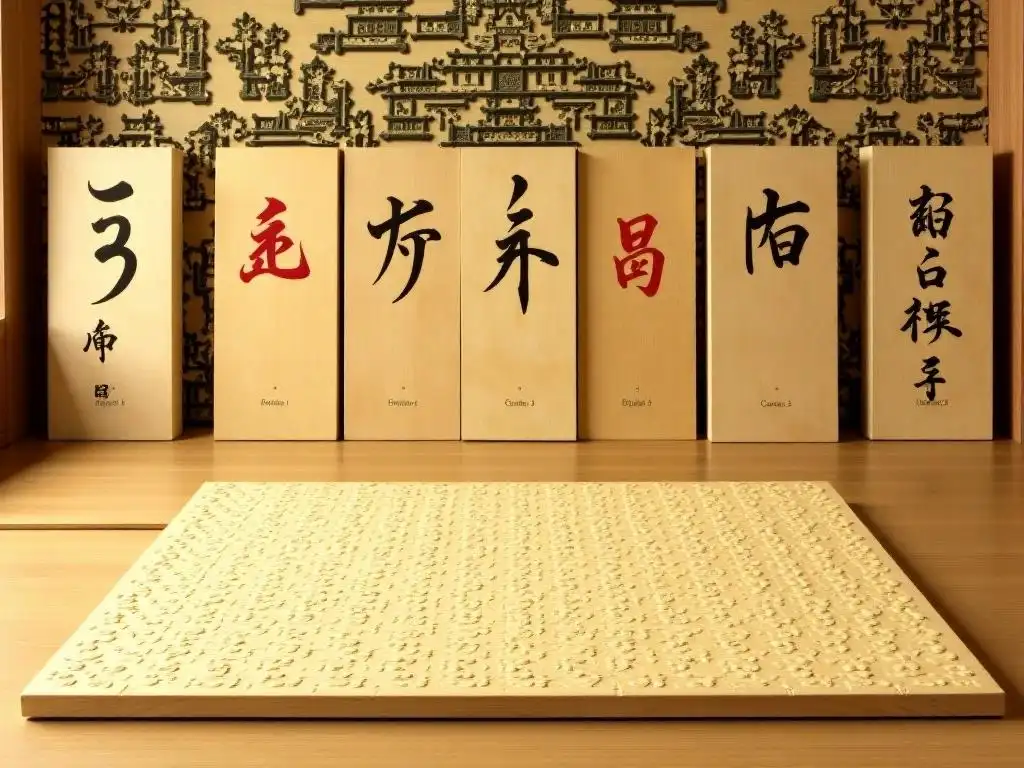
- Cultural Exchange: The arrival of foreign traders facilitated a significant exchange of knowledge and cultural practices, contributing to the diversification of educational content.
- Introduction of Western Learning: The influence of Western education, particularly in the sciences and languages, began to permeate through Japanese educational systems during the late feudal period.
- Establishment of Educational Institutions: The demand for a more educated populace led to the founding of schools and academies that incorporated both traditional and foreign learning.
- Shift in Pedagogical Approaches: The emphasis on critical thinking and practical skills marked a departure from the traditional rote memorization methods prevalent before foreign interactions.
- Foundation for Future Reforms: The changes initiated during the feudal era set important precedents for the educational reforms that would emerge in the modern era, particularly during the Meiji Restoration.
Reflection on the Evolution of Education in Contemporary Japan
The educational practices established during the feudal era have had a lasting influence on contemporary Japan. Today’s education system, characterized by a rigorous curriculum and a focus on global competencies, can trace its roots back to the adaptations made during the feudal period. The integration of foreign knowledge and the evolution of teaching methods have fostered an environment in which innovation and adaptation are essential.
Furthermore, the historical experiences of trade and foreign relations have instilled a sense of global awareness in Japanese education, encouraging students to engage with international perspectives. As Japan continues to navigate a rapidly changing world, the lessons learned from its feudal past remain relevant, guiding educators in their efforts to prepare students for future challenges.
Further Reading and Resources
For those interested in delving deeper into the topic of Japan's feudal era education and its impacts, a variety of resources are available. Below are some recommended books and academic journals that provide comprehensive insights into the evolution of educational practices during this significant period in Japanese history.
Suggested Books on Japan’s Feudal Era Education
- "Education in Japan: A Bibliography" by William K. Cummings: This book offers a curated list of resources related to the history of education in Japan, including the feudal era.
- "Learning to Be Modern: Japanese Education in Transition" by R. Kenneth Culp: An exploration of how Western influences transformed Japanese education, with a focus on the feudal period.
- "The Rise of Modern Japan" by Peter Duus: This text provides context on the social and educational changes during the feudal era leading into the modern age.
- "Japanese Education: A Comparative Perspective" by James E. Laird: A comparative analysis of Japan's educational evolution, highlighting the impact of trade and foreign relations.
Academic Journals for In-Depth Study on Educational Practices
- "The Journal of Asian Studies": This journal often features articles on the historical aspects of education in Asia, including Japan's feudal era.
- "History of Education Quarterly": A publication that provides research and discussions on the historical development of educational practices.
- "International Journal of Japanese Sociology": This journal frequently publishes studies on Japan's social structures, including education during the feudal period.
- "Japanese Studies": A multidisciplinary journal that explores various facets of Japanese history, culture, and education, including historical analyses of the feudal era educational systems.
These resources will enrich your understanding of the intricate relationship between trade, foreign relations, and educational practices during Japan's feudal era.
Frequently Asked Questions
What was the primary focus of education during the Japan feudal era?
Education in the Japan feudal era primarily emphasized Confucian principles, martial training, and practical skills to prepare samurai and their families for social responsibilities.
How did trade influence educational practices in feudal Japan?
Trade introduced new ideas and knowledge from abroad, which enriched educational content and encouraged the incorporation of foreign languages and sciences into the curriculum.
What role did foreign relations play in shaping education?
Foreign relations led to cultural exchanges that influenced educational philosophies, resulting in the adoption of Western techniques and subjects that were previously absent in the Japanese education system.
Were there any specific schools or institutions that emerged during this period?
Yes, various temple schools (terakoya) and private academies were established, focusing on literacy, ethics, and governance, reflecting the social hierarchies of the time.
How did the educational impact of the feudal era affect modern Japan?
The educational practices established during the feudal era laid the groundwork for Japan's modern education system, fostering a culture of intellectual pursuit that continues to influence education today.
Final Reflection: The Enduring Legacy of Japan's Feudal Era Education
The intricate relationship between trade, foreign relations, and educational practices during Japan's feudal era remains profoundly relevant today. As we navigate a world increasingly defined by globalization and interconnectedness, understanding how historical educational frameworks were shaped by external influences provides critical insights into our current systems. The lessons learned from Japan's past underscore the importance of adaptability and the need to embrace diverse perspectives in education.
The impact of Japan's feudal era education is not just a relic of history; it continues to resonate in contemporary society. The blending of indigenous practices with foreign ideas during this period laid the groundwork for a unique educational philosophy that values both tradition and innovation. As noted by historian William McNeill, The past is never dead. It's not even past.
This observation serves as a reminder that the educational practices we inherit today are deeply rooted in historical contexts and shaped by the dynamics of trade and foreign relations.
As we reflect on these themes, I invite you to consider how the lessons from Japan's feudal era can inspire your own educational journey. Embrace the diversity of knowledge and experiences around you, and recognize the power of education as a tool for transformation. By fostering a mindset open to learning from both the past and the present, we can cultivate a more inclusive and enriched educational landscape for future generations.
Unveil New Perspectives in Education Today!
Thank you for exploring the fascinating ways that trade and foreign relations have shaped educational practices throughout history, particularly in Feudal Japan! Your interest in this subject enriches your understanding of how historical events influence modern education. Now, it's time to put that knowledge into action!
Here are a few steps you can take to deepen your exploration:
- Engage with local educational initiatives that draw inspiration from historical practices. Consider volunteering or participating in programs that promote global understanding and cultural exchange.
- Share your insights with friends or colleagues through social media or discussion groups. Your passion for history can ignite meaningful conversations!
- Explore further the impact of various cultures on Japan’s history by visiting museums or reading additional articles available on our website.
What new insights about the intersection of trade, foreign relations, and education will you uncover next, and how will you incorporate them into your life?