
The Hidden Curriculum: What Feudal Japanese Children Learned Beyond the Classroom

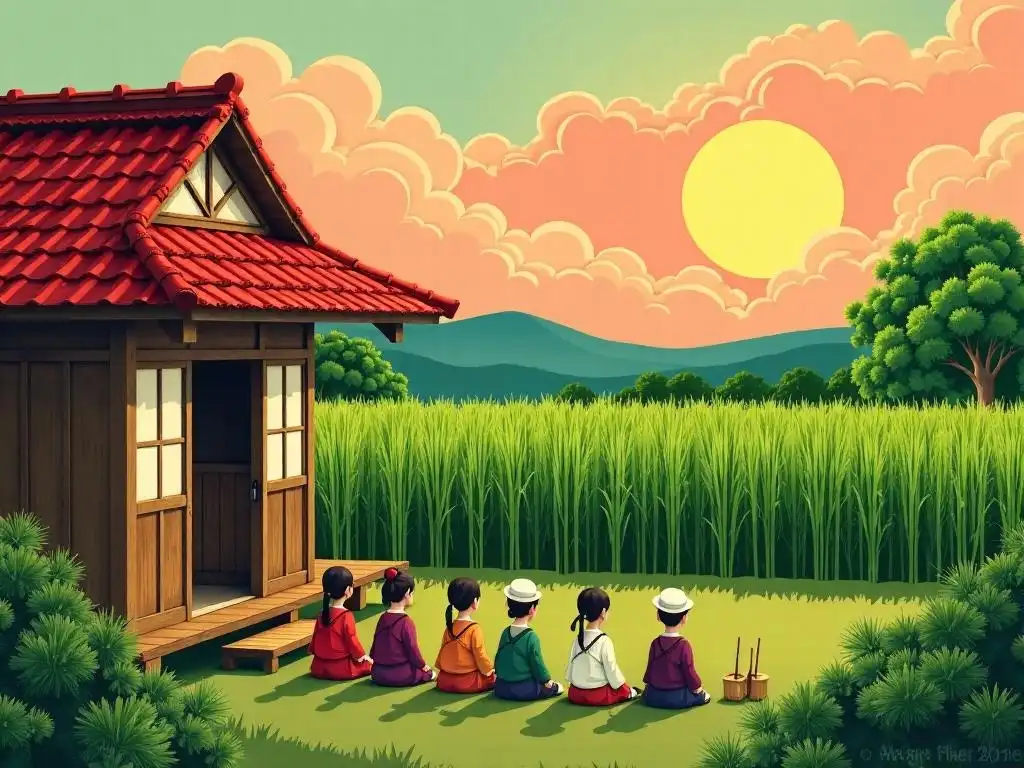
Welcome to Feudal Japan History, where we embark on a captivating journey through one of the most intriguing periods in Japanese history. Here, we delve deep into the rich tapestry of Feudal Japan education for children, uncovering the hidden lessons that shaped young minds beyond the classroom walls. What were the secrets of learning in a society defined by its samurai and shoguns?
Join us as we explore the unique educational practices, cultural values, and societal norms that influenced the lives of feudal children. Prepare to be surprised by the remarkable insights that await you in our latest article, "The Hidden Curriculum: What Feudal Japanese Children Learned Beyond the Classroom."
Introduction to Feudal Japan Education for Children
The education of children in Feudal Japan was a multifaceted experience, shaped not only by formal schooling but also by a rich tapestry of informal teachings and life lessons. While traditional education focused on subjects such as reading, writing, and mathematics, much of what children learned was embedded in their daily lives, cultural practices, and societal expectations.
This hidden curriculum played a crucial role in shaping their identities, values, and skills, equipping them for the complexities of life in a feudal society. Understanding this hidden aspect of education provides valuable insights into the broader context of childhood in Feudal Japan and highlights the significance of experiential learning in shaping future generations.
Overview of Education in Feudal Japan
In Feudal Japan, education varied significantly depending on a child's social class and gender. The samurai class had access to formal education, often influenced by Confucian ideals, which emphasized moral development and civic responsibility. Schools such as the Hankō were established specifically for the education of samurai children, where they received instruction in literature, philosophy, and martial arts.
Conversely, children from peasant families received little formal education and were primarily taught practical skills through apprenticeship and family traditions. This informal education included farming techniques, trade skills, and household management—all vital to the family's survival and success.
- Key Features of Education in Feudal Japan:
- Structured Learning: Formal education for samurai and elite classes.
- Apprenticeship: Informal learning for peasant children.
- Cultural Transmission: Learning through rituals, festivals, and community interactions.
Importance of Learning Beyond the Classroom
The concept of education in Feudal Japan extended far beyond the confines of a classroom. Children learned invaluable lessons from their environment, family, and community, which often proved more impactful than formal schooling.
- Life Skills: Practical skills such as negotiation, conflict resolution, and social etiquette were cultivated through daily interactions.
- Cultural Norms: Children absorbed societal values, traditions, and ethics, which were crucial for maintaining social harmony.
- Resilience and Adaptability: Experiences in adverse conditions or family responsibilities taught children to be resourceful and self-reliant.
The importance of these life lessons cannot be overstated, as they not only prepared children for their specific roles within society but also instilled a sense of identity and belonging.
Definition and Relevance of the Hidden Curriculum
The hidden curriculum can be defined as the implicit lessons, values, and norms that children learn outside of formal educational settings. In the context of Feudal Japan, this curriculum was vital in shaping the character and behavior of children, influencing their future roles in society. It encompassed:
- Social Skills: Learning to navigate relationships within the family and community.
- Cultural Practices: Participating in traditional events, ceremonies, and rituals to understand their significance.
- Moral Values: Instilling virtues such as respect, loyalty, and humility through observation and practice.
The relevance of the hidden curriculum lies in its ability to prepare children for the realities of life beyond formal education, allowing them to adapt to the expectations of their social roles.
Distinction Between Formal Education and Life Lessons
While formal education in Feudal Japan focused on academic knowledge, life lessons were often more influential in shaping children's future. The distinction between these two forms of learning is essential to understanding the holistic development of children during this era.
- Formal Education:
- Primarily academic, focusing on subjects relevant to social status.
- Structured and limited to specific locales like schools or temples.
- Life Lessons:
- Implicit, learned through observation, imitation, and participation.
- Integrated into daily life, encompassing a wide array of experiences.
This duality illustrates that while formal education laid the groundwork for literacy and discipline, the hidden curriculum equipped children with the necessary tools to navigate the complexities of feudal society effectively.
Core Values Instilled in Feudal Japanese Children
In feudal Japan, education for children extended well beyond formal classroom settings. The hidden curriculum emphasized core values that were essential for maintaining the social fabric of a hierarchical society. These values were imparted through daily interactions, family teachings, and community practices, shaping children into responsible and respectful members of society. The lessons learned during childhood laid the foundation for their future roles, whether as warriors, artisans, or farmers.
The Concept of Honor and Loyalty
One of the most significant values taught to children in feudal Japan was the concept of honor (名誉, meiyo) and loyalty (忠義, chūgi). From a young age, children were instilled with the understanding that their actions reflected not only on themselves but also on their family and clan. This notion of honor was closely tied to the samurai code, known as bushido, which emphasized loyalty to one's lord above all else.
Children learned that loyalty was not merely a matter of obedience; it was a deep-seated commitment that required sacrifice and courage. Stories of heroic figures and historical events were commonly shared within families, reinforcing the importance of standing firm in one's obligations, even in the face of adversity. As they grew, this value became a guiding principle in their lives, influencing their decisions and relationships.
The Role of Respect for Elders and Authority
Respect for elders and authority figures was another cornerstone of feudal Japanese education. Children learned to honor their parents, teachers, and leaders, understanding that wisdom came with age and experience. This respect was deeply ingrained in cultural practices, such as the use of honorific language (敬語, keigo) when addressing those in higher social standings.
In many instances, children observed the behaviors and attitudes of adults in their community. Through rituals, ceremonies, and daily interactions, they witnessed the importance of deference and humility. The reinforcement of this value fostered a sense of order within society and ensured that traditions were passed down through generations.
Importance of Community and Social Responsibility
In feudal Japan, the concept of community was vital for survival and success. Children were taught the importance of belonging to a group and contributing to its well-being. This sense of community (共同体, kyōdōtai) was reflected in various aspects of daily life, from agricultural practices to communal events.
Social responsibility was emphasized through participation in local festivals, rituals, and cooperative farming activities. Children learned to appreciate their roles within the larger context of society, understanding that their contributions helped maintain harmony and stability. This collective mindset fostered mutual support, where individuals were expected to work together for the greater good.
Practical Skills Learned by Children
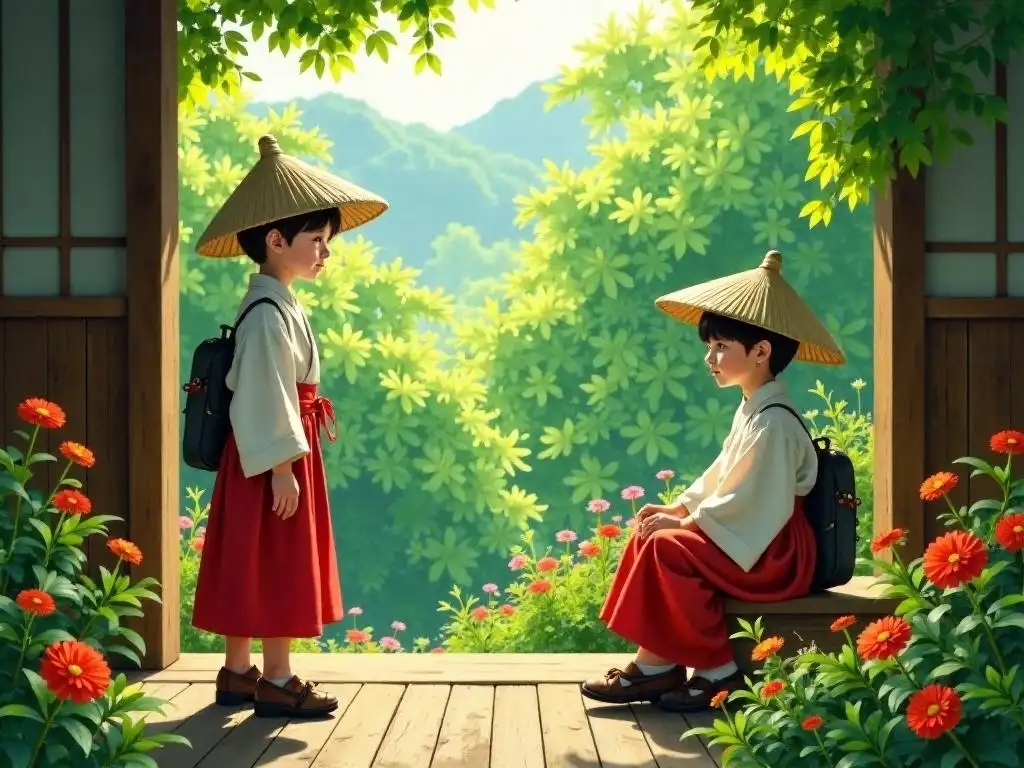
Beyond moral education, children in feudal Japan acquired practical skills that were essential for their futures. These skills were often learned through hands-on experiences and mentorship from family members, ensuring that knowledge was preserved and passed down through generations.
Agricultural Practices and Responsibilities
Agriculture was the backbone of feudal Japanese society, and children were introduced to farming practices at an early age. They learned essential skills such as planting, harvesting, and caring for crops. This knowledge was not only practical but also crucial for the survival of their families and communities.
Children often assisted their parents in the fields, gaining firsthand experience in sustainable farming techniques. They learned about seasonal cycles, the importance of soil quality, and pest management. This connection to the land instilled a sense of responsibility and respect for nature, which was integral to feudal Japanese culture.
Craftsmanship: Skills Passed Down Generationally
Craftsmanship was another vital area of learning for children. Many families were engaged in traditional trades, such as pottery, textile weaving, or blacksmithing. Children were encouraged to apprentice under their parents or skilled artisans, learning intricate techniques and the pride associated with producing quality goods.
This hands-on training not only equipped children with the skills necessary for their future careers but also fostered a sense of identity tied to their craft. As they honed their skills, they contributed to their families' livelihoods while preserving cultural heritage and traditions.
Martial Arts Training and Physical Conditioning
Physical conditioning and martial arts training were also integral aspects of a child's education in feudal Japan, particularly for those destined to become samurai. From a young age, boys were trained in basic combat skills, such as archery and swordsmanship. This training was not merely for warfare; it instilled discipline, resilience, and self-control.
Martial arts training often took place in a communal setting, where children learned from experienced warriors. They practiced techniques, engaged in sparring, and participated in physical conditioning exercises. This training prepared them for the responsibilities of adulthood, including the defense of their honor, family, and community.
The hidden curriculum of feudal Japan encompassed a rich tapestry of values and practical skills that shaped the lives of children. By instilling core values such as honor, loyalty, and respect, along with teaching essential agricultural, craftsmanship, and martial arts skills, feudal Japanese education prepared young individuals for their roles in an intricate societal hierarchy.
Cultural Education Outside the Classroom
In feudal Japan, education for children extended far beyond the confines of formal classrooms. Cultural education played a crucial role in shaping the identity and values of the young. This education was often imparted through family traditions and community practices, emphasizing the importance of cultural heritage and moral values. Children learned about their history, customs, and the arts, which collectively fostered a sense of belonging and identity.
The teachings were often informal, passed down through generations, and included practical skills as well as philosophical teachings. This holistic approach ensured that children were well-rounded individuals, equipped not only with knowledge but also with the social and emotional skills necessary for navigating their world.
Traditional Arts: Calligraphy and Tea Ceremony
Two significant aspects of cultural education in feudal Japan were calligraphy and the tea ceremony. Calligraphy, or shodo, was not merely a method of writing; it was an art form that emphasized the beauty of characters and the discipline of the mind. Children began learning calligraphy at a young age, as it was believed to cultivate patience and concentration. Mastering this art allowed individuals to express their thoughts and emotions elegantly and with clarity.
The tea ceremony, or chanoyu, was another profound form of cultural education. It taught children about hospitality, respect, and the aesthetics of simplicity. Participating in tea ceremonies required knowledge of various elements, including the preparation of tea, the arrangement of utensils, and the appreciation of seasonal themes. Through these ceremonies, children learned the values of harmony, respect, purity, and tranquility, which were central to Japanese culture.
Storytelling: Oral Traditions and Historical Lessons
Storytelling was a vital educational tool in feudal Japan. Oral traditions were rich with tales of heroes, moral lessons, and historical events, and they served to instill cultural values in young minds. Elders would share stories about legendary figures such as Minamoto no Yoshitsune or the tragic love story of Yamato Takeru, often emphasizing themes of loyalty, courage, and sacrifice.
These narratives were not only entertaining but also served as a means of historical education, revealing the complexities of Japan's past. Children learned about their ancestors' virtues and vices, gaining insights into societal expectations and the consequences of actions. Through storytelling, children developed critical thinking skills and an appreciation for the arts, as many stories were interwoven with poetry and music.
Music and Dance: Cultural Expressions of Feudal Japan
Music and dance were integral components of cultural education in feudal Japan, providing children with an avenue for expression and connection to their heritage. Traditional music, such as Noh and Kabuki, encompassed various genres and styles, each with its own historical significance and emotional depth. Children often participated in local festivals, where they learned traditional songs and dances, fostering a sense of community and cultural pride.
Additionally, through music and dance, children were taught the importance of rhythm, movement, and expression. These activities not only served as entertainment but also helped develop coordination and social skills. Engaging in these cultural practices allowed children to connect with their identity, reinforcing values that transcended generations.
Influence of Samurai Culture on Education
The samurai class had a profound influence on education during the feudal era, shaping the curriculum and the values imparted to children. The ideals of the samurai, including honor, loyalty, and discipline, permeated educational practices and the upbringing of young boys and girls. Samurai culture emphasized not just martial prowess but also intellectual and moral development.
The Samurai Code: Bushido and Its Impact on Children
At the heart of samurai education was the code of conduct known as Bushido, which translates to "the way of the warrior." This code outlined various virtues, including righteousness, courage, benevolence, respect, honesty, honor, and loyalty. Children raised in samurai households were taught these principles from an early age, instilling in them a sense of duty and responsibility.
The teachings of Bushido encouraged children to develop a strong moral compass and to act with integrity in their personal and public lives. They learned that honor was paramount and that actions carried consequences, fostering a lifelong commitment to ethical behavior. As a result, the samurai code influenced not only the children within samurai families but also the wider society, molding cultural norms and expectations.
Training and Education for Samurai Children
Samurai children underwent rigorous training that combined physical, intellectual, and moral education. Boys typically began their martial training around the age of five, learning the art of swordsmanship, archery, and horseback riding. This physical education was complemented by studies in literature, philosophy, and strategy, often guided by experienced instructors or family elders.
The education of samurai children was holistic, emphasizing the balance between body and mind. In addition to martial skills, they were also taught the importance of arts such as poetry, calligraphy, and tea ceremonies. This blend of training prepared them not only for battle but also for their roles as leaders and decision-makers in society.
Lessons in Discipline, Strategy, and Leadership
Discipline was a cornerstone of samurai education, as children were taught to respect authority and adhere to strict codes of conduct. This discipline extended beyond physical training, encompassing mental fortitude and emotional resilience. Children learned to control their emotions, think strategically, and make decisions under pressure—skills that were essential for aspiring samurai.
Furthermore, leadership was an integral part of their education. Samurai children were often placed in situations that required them to lead their peers in training exercises or community events. They learned how to inspire and guide others, fostering teamwork and collaboration. This emphasis on leadership ensured that the next generation of samurai would be well-equipped to navigate the complexities of feudal society and uphold the values of their forebears.
The Role of Family in Education
In feudal Japan, education was not confined to formal settings; rather, the family played a pivotal role in the learning process. The home environment was where foundational values, skills, and cultural norms were instilled in children, often shaping their identities and future roles within society. This informal yet profound education system, often referred to as the "hidden curriculum," emphasized practical knowledge and moral teachings that were crucial for survival and societal cohesion in the feudal context.
Family Structure and Its Influence on Learning
The family structure in feudal Japan was typically patriarchal, with the father as the head of the household. This hierarchy deeply influenced the educational practices within the family. Elders, particularly grandparents and parents, were responsible for imparting knowledge and values to the younger generation.
- Elders as Knowledge Keepers: Grandparents often played a significant role in sharing oral traditions, folklore, and historical narratives, which were essential for cultural continuity.
- Role of the Mother: Mothers were instrumental in teaching domestic skills such as cooking, weaving, and child-rearing, which were vital for maintaining the family's well-being and status.
The interconnectedness of extended families also meant that children learned from a broader network, absorbing various perspectives and skills from a diverse group of relatives.
Parents as Educators: Values and Skills Taught at Home
Parents in feudal Japan took on the critical role of educators, teaching their children essential values and practical skills. The curriculum at home was rich and varied, focusing on:
- Moral Education: Parents instilled ethical values such as respect, loyalty, and diligence, which were paramount in maintaining social harmony and fulfilling one's obligations to family and community.
- Practical Skills: Children learned agricultural practices, crafts, and trade skills pertinent to their family's profession. For instance, sons of samurai were often trained in martial arts and strategy, while daughters learned skills necessary for managing a household.
Through daily interactions, parents reinforced these lessons, ensuring that children understood their responsibilities and the importance of their roles within the larger societal framework.
The Significance of Sibling Relationships in the Learning Process
Sibling relationships in feudal Japan were crucial to the educational experience, as they provided a unique dynamic for learning and growth. Siblings were often each other's first teachers and playmates, facilitating a collaborative learning environment.
- Peer Learning: Older siblings frequently took on mentorship roles, teaching younger ones various skills and lessons learned from their parents. This peer-to-peer education fostered a sense of responsibility and nurtured leadership qualities.
- Emotional Support: Siblings also provided emotional support and companionship, which were essential during formative years. This bond could help children navigate challenges and instilled values of cooperation and solidarity.
Through these relationships, children learned not only practical skills but also social and emotional lessons that would guide their interactions throughout life.
The hidden curriculum of feudal Japan, shaped by family education, has had a lasting impact on Japanese society and culture. Understanding this curriculum provides insight into the values and practices that have persisted throughout history.
Reflection on Feudal Japan Education for Children
Reflecting on the education of children in feudal Japan reveals that while formal education existed, the lessons learned at home were often more influential. Children absorbed knowledge in a manner that was intimate and practical, preparing them for their roles in society. The emphasis on moral values and practical skills laid the groundwork for a community-oriented culture that valued harmony and cooperation.
How These Lessons Shaped Japanese Society and Culture
The values and skills imparted through family education contributed significantly to the fabric of Japanese society. Concepts such as filial piety, respect for authority, and community responsibility were deeply ingrained, influencing social behavior and community dynamics. The legacy of this hidden curriculum can be seen in modern Japan's emphasis on family ties and collective well-being.
Relevance of Historical Education Practices in Modern Japan
Today, while educational practices have evolved, the essence of the hidden curriculum continues to resonate. Modern Japanese education still values the importance of family involvement, instilling character education alongside academic learning. This continuity underscores the lasting influence of feudal Japan's educational practices, reminding us that the lessons of the past remain relevant in shaping contemporary society.
References and Further Reading on Feudal Japan Education
Exploring the educational landscape of Feudal Japan reveals a rich tapestry of learning that extended far beyond the confines of a traditional classroom. To gain a deeper understanding of this fascinating topic, the following resources provide valuable insights into the educational practices, societal values, and cultural nuances of the time.
Suggested Books and Articles
-
"Education in Japan: A Historical Perspective" by J. Thomas Rimer
This comprehensive book delves into the evolution of education in Japan, tracing its roots from ancient times through the feudal era. It highlights the role of samurai and the influence of Confucianism on educational practices.
-
"The Samurai and the Sacred" by Christina L. R. K. McCullough
In this work, McCullough examines how samurai values shaped educational content for children, emphasizing moral and ethical training alongside academic learning.
-
"Children of the Samurai: The Hidden Curriculum" by William D. McCarthy
This article focuses specifically on the informal learning environments of samurai children, exploring how they acquired skills and knowledge essential for their future roles in society.
-
"Feudal Japan: A History" by Michael E. C. DeMarco
DeMarco's historical account provides context for the societal norms and expectations of children during the feudal period, shedding light on the broader implications of education beyond formal schooling.
-
"Learning from the Past: The Role of Oral Tradition in Japanese Education" by Hiroshi S. Takahashi
This article discusses the significance of oral traditions and storytelling in the education of children in feudal Japan, highlighting how cultural transmission occurred through non-formal means.
Online Resources for Deeper Exploration
-
The National Diet Library of Japan
A treasure trove of digitized historical documents, this library offers access to a wealth of materials related to education in Feudal Japan, including manuscripts, letters, and educational texts.
-
Japan’s Educational System: Historical Overview
This resource provides an overview of the historical developments in Japanese education, including sections dedicated to the feudal era, which illustrates the key components of learning and cultural education.
-
The Japan Times: Articles on Japanese History and Education
The Japan Times features a collection of articles and essays that explore various aspects of Japanese history, including educational practices during the feudal period. It's a great platform for current discussions that relate historical education to contemporary Japan.
-
Digital Archive of Japanese Education
This online archive hosts a variety of primary sources, including essays, lesson plans, and educational materials used in feudal Japan, allowing for an interactive exploration of how children were educated in their daily lives.
-
YouTube Educational Channels
Channels like "The History of Japan" and "Japanology" offer visual storytelling and expert discussions about the cultural and educational practices of feudal Japan, making it accessible for those interested in a more dynamic learning experience.
By engaging with these resources, readers can gain a more nuanced understanding of how education in Feudal Japan was shaped by societal expectations and cultural traditions, thus enriching their knowledge of this pivotal era.
- Introduction to Feudal Japan Education for Children
- The Hidden Curriculum in Feudal Japan
- Core Values Instilled in Feudal Japanese Children
- Practical Skills Learned by Children
- Cultural Education Outside the Classroom
- Influence of Samurai Culture on Education
- The Role of Family in Education
- Conclusion: The Lasting Impact of the Hidden Curriculum
- References and Further Reading on Feudal Japan Education
- What was the hidden curriculum in Feudal Japan?
- How did social class affect education in Feudal Japan?
- What were some key subjects taught to children in Feudal Japan?
- How important was family influence on education during Feudal Japan?
- Did Feudal Japan have any formal education systems for children?
Frequently Asked Questions
The hidden curriculum refers to the values, social norms, and practical skills that children learned outside formal education, such as through apprenticeships or family activities.
Children from higher social classes received a more comprehensive education, often focused on literature and philosophy, while lower-class children learned practical skills relevant to their families' trades.
What were some key subjects taught to children in Feudal Japan?
Children learned calligraphy, poetry, and martial arts, alongside practical skills like farming and household management, emphasizing both cultural and practical knowledge.
How important was family influence on education during Feudal Japan?
Family played a crucial role, as many lessons were imparted through daily life and tradition, making familial relationships central to a child's learning experience.
Did Feudal Japan have any formal education systems for children?
Yes, there were formal schools, particularly for samurai children, which focused on Confucian teachings and literary skills, but access varied greatly by social class.
Final Reflection: The Unseen Lessons of Feudal Japan's Education
The education of children in Feudal Japan was not confined to the walls of a classroom; it was a rich tapestry woven with lessons of honor, duty, and social hierarchy. Today, as we navigate an increasingly complex world, the importance of understanding the hidden curriculum in our own educational systems becomes ever more relevant. The lessons learned by children in Feudal Japan remind us that education extends beyond textbooks and lectures, shaping character and societal roles in profound ways.
The influence of this hidden curriculum continues to resonate in our cultural and social landscapes, as we see echoes of these values in modern education systems across the globe. The emphasis on respect, discipline, and community responsibility can still be observed in various educational practices today. Education is not the filling of a pail, but the lighting of a fire.
– W.B. Yeats. This quote encapsulates the essence of what children in Feudal Japan experienced; their education was not merely about acquiring knowledge but igniting a sense of purpose and belonging within a larger societal framework.
As we reflect on the lessons from Feudal Japan's educational practices, I invite you to consider how the hidden curricula in your own life shape your values and interactions. What lessons are you learning outside of traditional education? Embrace the opportunity to cultivate a deeper understanding of your role in society and the impact you can have on others. Let us carry forward the wisdom of the past, ensuring that our educational journeys—both formal and informal—nurture not just our minds, but also our hearts and spirits.
Unveil the Lessons of Feudal Japan Today!
Thank you for diving into the fascinating world of Feudal Japan! Your interest in the hidden curriculum reveals how rich and multifaceted education was for children beyond formal studies. Now that you've explored these historical insights, it’s time to put that knowledge into action.
Here’s how you can further engage with the themes of this article:
- Discover a Local Cultural Event: Seek out activities that celebrate Japanese heritage. Whether it’s a festival, art exhibit, or traditional workshop, immerse yourself in vibrant traditions!
- Start a Reading Group or Discussion: Gather friends or family to discuss what you've learned, sharing insights about how culture shapes education across different periods.
- Share Your Knowledge: Post about the hidden curriculum from Feudal Japan on social media and engage your network to inspire others to explore this captivating history.
Which aspect of education for children in Feudal Japan surprises you the most, and in what ways can we apply those lessons to our contemporary educational practices?