
Sweets and Treats: The Confectionery of Feudal Japan

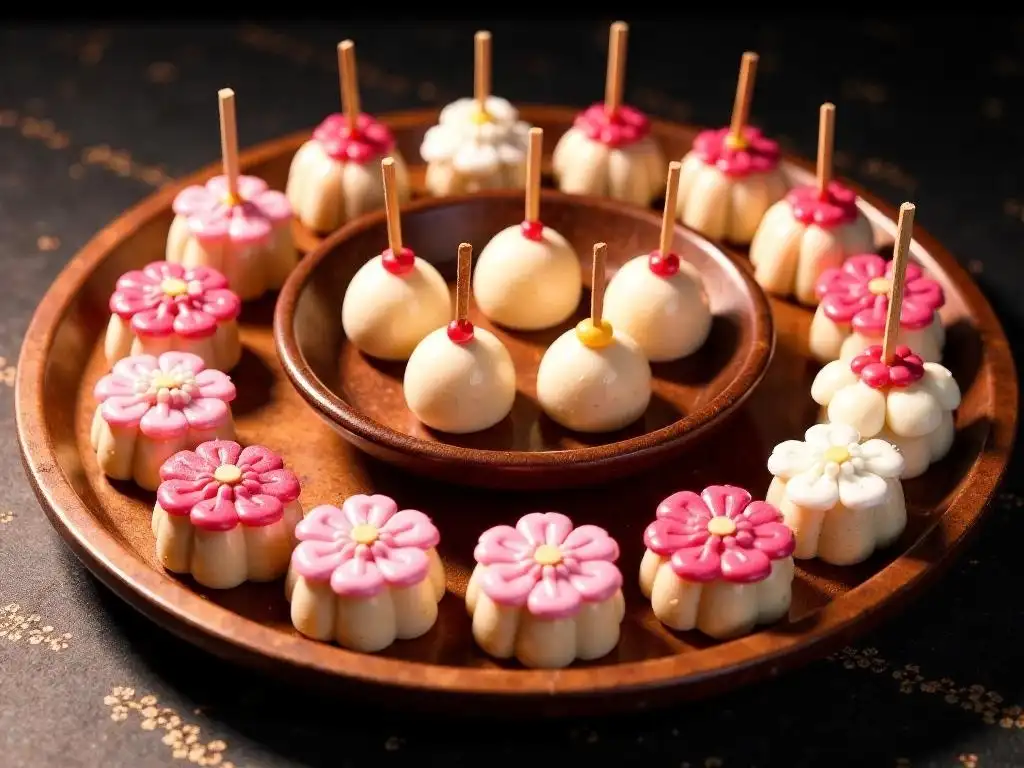
Welcome to Feudal Japan History, where we invite you on a fascinating journey through the intricate tapestry of Japan's feudal era. Dive deep into the delightful world of confectionery of feudal Japan, where every sweet and treat tells a story of culture, tradition, and daily life. From the artistry behind these delectable creations to their role in society, our expert-driven articles promise to unveil the rich flavors and historical significance that shaped a nation. Are you ready to indulge your curiosity? Let's explore together!
Introduction to Confectionery in Feudal Japan
The confectionery of feudal Japan offers a fascinating glimpse into the intricate relationship between food, culture, and society during this unique historical period. As Japan transitioned through various dynasties and societal structures, its culinary practices evolved significantly, reflecting broader cultural themes and the daily lives of its people.
Sweets and treats played an essential role not only in the diet but also in ceremonial practices, social gatherings, and artistic expressions. This article seeks to provide a comprehensive exploration of the confectionery landscape of feudal Japan, highlighting its historical origins, cultural significance, and the evolution of sweets throughout the different eras.
Overview of Feudal Japan's Culinary Landscape
Feudal Japan, spanning from the 12th to the 19th century, was characterized by a rich tapestry of culinary traditions influenced by various factors, including geography, trade, and social hierarchy. The diet primarily consisted of rice, vegetables, and fish, but sweets emerged as a vital component of the culinary spectrum.
-
Ingredients and Techniques:
The use of locally sourced ingredients such as rice, beans, and fruits was prevalent. Techniques such as steaming, boiling, and the art of molding sweets into intricate shapes were developed to enhance their appeal.
-
Regional Variations:
Different regions of Japan produced unique confections based on local ingredients and themes, showcasing the diversity within the country's sweets.
Importance of Sweets in Japanese Culture
Sweets in feudal Japan were more than just a source of nourishment; they carried deep cultural significance.
-
Rituals and Celebrations:
Sweets were integral to various ceremonies, including tea ceremonies, festivals, and religious observances. They symbolized prosperity, good fortune, and were often used as offerings to deities.
-
Social Status:
The type and presentation of sweets could reflect one's social standing. Elaborate sweets were often reserved for the nobility, while simpler confections were more accessible to the common people.
Historical Context of Confectionery in Feudal Japan
Understanding the historical context of confectionery during feudal Japan requires exploring its origins and how it evolved through significant periods.
Origins of Japanese Sweets
The roots of Japanese sweets can be traced back to ancient times, influenced by cultural exchanges with neighboring countries like China and Korea.
-
Early Influences:
The introduction of sugar and new cooking techniques from China in the 8th century significantly impacted the development of Japanese confectionery.
-
Traditional Ingredients:
The use of rice flour, adzuki beans, and various fruits became staples in creating sweets, leading to the development of unique confections such as mochi and dango.
Evolution of Confectionery Through Different Periods
As Japan progressed through its feudal era, the confectionery landscape transformed remarkably.
-
Kamakura and Muromachi Periods (1185-1573):
During these periods, sweets became increasingly popular among the samurai class, often served during tea ceremonies.
-
Edo Period (1603-1868):
This era marked a significant surge in the production and variety of sweets, with the establishment of specialized sweet shops in urban areas. Traditional sweets such as wagashi gained prominence, highlighting artistry in both flavor and presentation.
The confectionery of feudal Japan not only nourished the body but also enriched the spirit, serving as a vital aspect of cultural expression and social interaction. The following sections will delve deeper into specific types of confections, their preparation, and their role in daily life during this captivating period in Japanese history.
Types of Confectionery in Feudal Japan
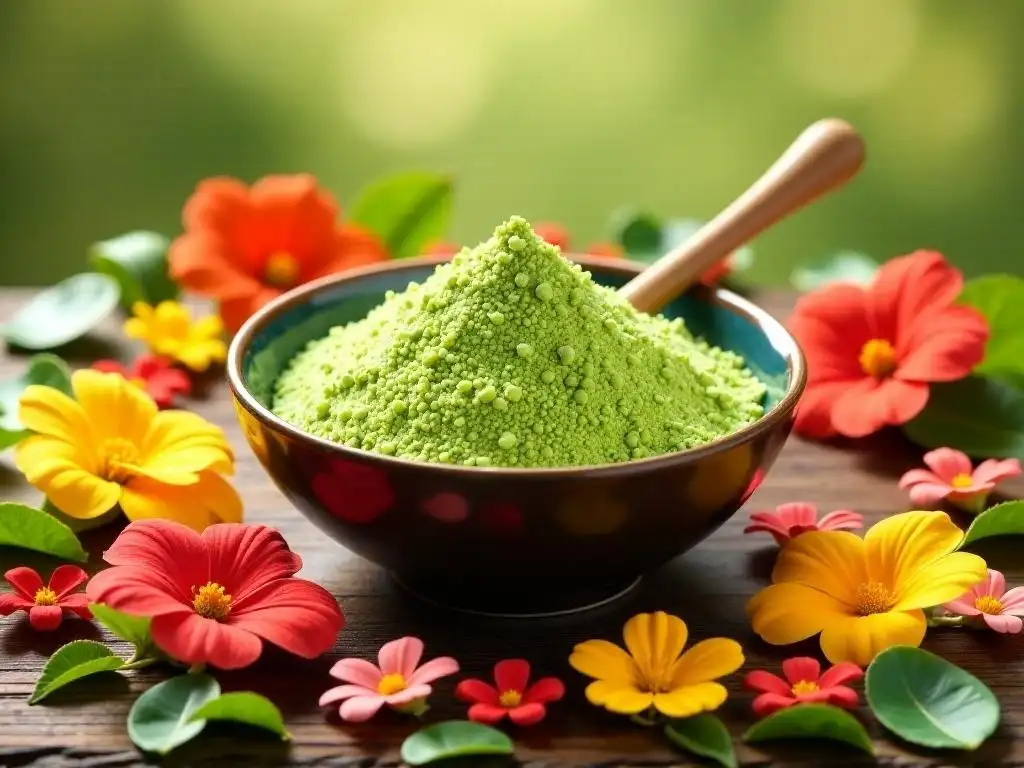
The confectionery of feudal Japan is a fascinating blend of traditional sweets and emerging influences from the West. This period saw the cultivation of a unique array of confections that were not just treats but also reflections of the society's culture, aesthetics, and social customs.
Traditional Japanese Sweets (Wagashi)
Wagashi, traditional Japanese sweets, played a pivotal role in the culinary landscape of feudal Japan. These confections were often made from natural ingredients such as rice flour, sweet bean paste, and fruit, and they were typically enjoyed with green tea. The most common types of wagashi include:
- Dorayaki: A pancake-like dessert filled with sweet red bean paste.
- Mochi: Glutinous rice cakes that could be enjoyed plain or filled with various fillings.
- Dango: Skewered rice dumplings, often served during festivals.
- Manju: Steamed buns with sweet fillings, typically made from red bean paste.
Wagashi not only satisfied the sweet tooth but also showcased the beauty of seasonal ingredients, with designs and colors that reflected the changing seasons. The preparation and presentation of these sweets were considered an art form, often crafted with great care to ensure they were visually appealing and harmonious with the aesthetics of the tea ceremony.
Western Influences on Japanese Sweets
As Japan opened up to the West during the late feudal period, particularly in the Meiji Restoration, Western confectionery styles began to influence Japanese sweets. This integration led to the creation of new hybrid forms of sweets that combined traditional Japanese flavors with Western techniques. Notable examples include:
- Castella: A sponge cake introduced by Portuguese missionaries, which quickly became a favorite in Japan.
- Chocolates and Cream Puffs: These Western treats were adapted using local ingredients, leading to uniquely Japanese variations.
- Western-style pastries: Bakeries began to emerge, blending French patisserie techniques with Japanese flavors, thus diversifying the confectionery landscape.
This fusion not only enriched the variety of sweets available but also began to change the social dynamics surrounding confectionery, as more people began to experiment with new recipes and culinary styles.
Cultural Significance of Sweets in Feudal Japan
The confectionery of feudal Japan was imbued with cultural significance that transcended mere taste. Sweets were often tied to social rituals, celebrations, and even spirituality, reflecting the values and beliefs of the time.
Role of Sweets in Festivals and Celebrations
Sweets played a crucial role in various festivals and celebrations throughout feudal Japan. For instance, during the Hanami (flower viewing) season, special sweets like sakura mochi (cherry blossom rice cakes) were consumed to celebrate the beauty of cherry blossoms. Similarly, during Shichi-Go-San, a festival for children, colorful dango and other sweets were offered to wish for the health and growth of children.
These confections not only enhanced the festive spirit but also served as offerings to deities, symbolizing gratitude and respect. The inclusion of sweets in rituals highlighted their importance in fostering community ties and cultural heritage, making them essential to the fabric of feudal Japanese society.
Symbolism of Sweets in Japanese Art and Literature
In addition to their culinary roles, sweets in feudal Japan carried deep symbolism in art and literature. Many classical works of poetry and painting depicted sweets as symbols of beauty, transience, and the changing seasons. For example, the famous haiku poet Matsuo Bashō often referenced the delicate nature of sweets in his poetry, drawing parallels to the fleeting beauty of life.
Moreover, sweets were also featured in traditional Japanese paintings, where their intricate designs and vibrant colors contributed to the overall aesthetic and thematic depth of the artwork. This intersection of confectionery with artistic expression emphasized how sweets were not merely for consumption but were also integral to the cultural identity and philosophical reflections of feudal Japan.
Techniques and Craftsmanship in Confectionery
The confectionery of feudal Japan is a testament to the intricate techniques and craftsmanship that shaped the culinary landscape of the era. These sweets were not just about taste; they reflected the artistry and meticulousness of Japanese culture. Artisans dedicated their lives to mastering the skills required in the creation of these delightful treats, often passing their techniques down through generations.
One of the primary materials used in feudal Japanese confectionery was rice, which was transformed into various forms of sweets. The process involved steaming, pounding, and shaping the rice into different confections. Additionally, the use of natural ingredients such as fruits, nuts, and sweeteners like honey and sugarcane syrup played a significant role in enhancing flavors. The artisans often experimented with these ingredients to create visually stunning and delicious sweets.
Moreover, the aesthetics of confectionery were equally important. Techniques such as coloring and decorating sweets were employed to please the eye as much as the palate. The use of seasonal motifs and themes reflected the changing times and the appreciation for nature, which was a prevalent aspect of Japanese culture.
Traditional Methods of Making Sweets
Traditional methods of making sweets in feudal Japan varied widely, but several foundational techniques emerged that defined the confectionery landscape. One of the most well-known methods is the production of wagashi, traditional Japanese sweets that were often made using mochi (pounded rice). The process began with soaking glutinous rice, which was then steamed, pounded, and shaped into various forms.
Another method involved the creation of dango, which is a type of rice dumpling. The dough was rolled into small balls and skewered on sticks, often served with sweet soy sauce or coated with sweetened red bean paste. This technique was not only practical but also made sweets portable, allowing them to be enjoyed during festivals and outings.
Nerikiri, a delicate form of wagashi, showcased the skill of confectioners in shaping and coloring sweetened bean paste. This method involved mixing shiro-an (white bean paste) with rice flour and adding natural colors to create intricate designs that resembled flowers or seasonal motifs. These sweets were often served at tea ceremonies, emphasizing the importance of presentation and taste.
Regional Variations in Confectionery Practices
The confectionery practices in feudal Japan also exhibited significant regional variations, influenced by local ingredients, climate, and cultural practices. For instance, in the mountainous regions, the use of chestnuts and wild fruits was prevalent, leading to unique sweets that showcased the natural bounty of the area. Kuri-kinton, a sweet made from candied chestnuts, became a favorite in these regions.
In contrast, coastal areas often utilized seafood and seaweed in their confections. Awa's nori, a type of seaweed, was sometimes transformed into sweet snacks, reflecting the integration of local resources into the culinary practices. Additionally, the influence of trade with other cultures, particularly during the Edo period, introduced new ingredients and methods, leading to an evolution in the types of sweets produced.
Each region's approach to confectionery not only provided a diverse array of flavors and textures but also fostered a sense of local identity and pride. Festivals often showcased regional sweets, allowing communities to share their unique culinary heritage.
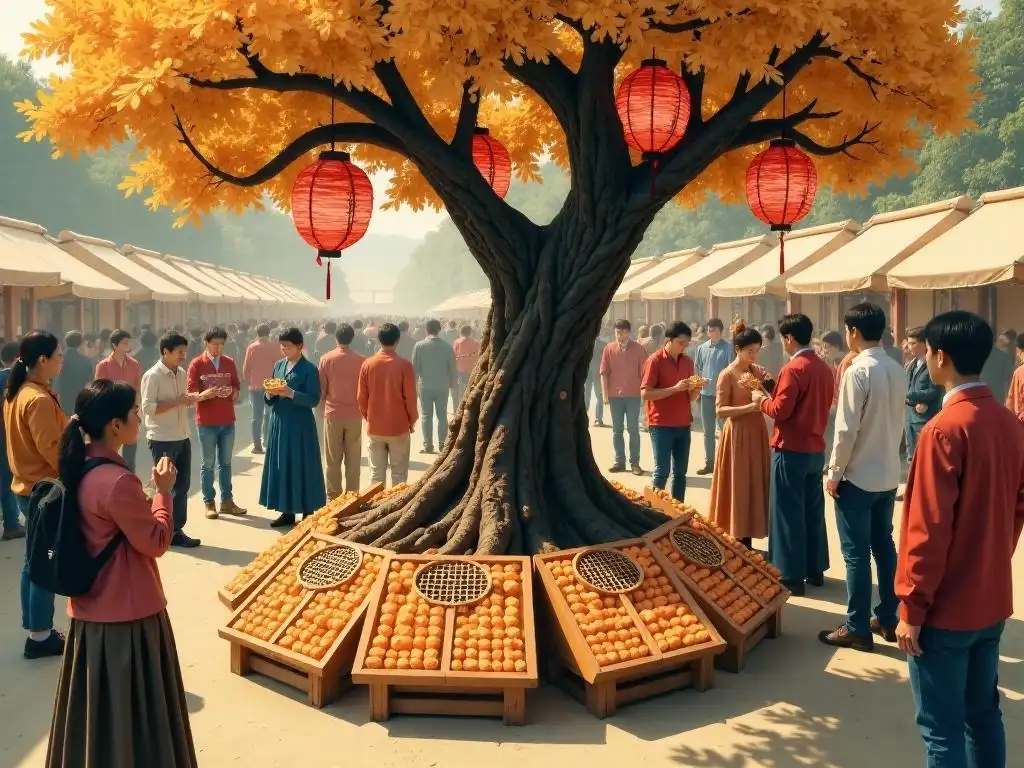
Sweets in feudal Japan were more than mere indulgences; they played a vital role in the social fabric of society. Their consumption and presentation reflected the status and cultural values of different classes, from the samurai to the common folk.
Confectionery in Samurai Culture
For the samurai, sweets were intricately tied to their cultural practices and social status. Confectionery was often enjoyed during tea ceremonies, where the presentation of sweets was as significant as the tea itself. The quality and artistry of the confections served were a reflection of the host's status, with elaborate sweets being a mark of honor.
The samurai also utilized sweets in rituals and celebrations, such as weddings and seasonal festivals. In these contexts, specific sweets were prepared to symbolize good fortune and prosperity. For example, during the New Year celebrations, sweets shaped like auspicious symbols were commonly prepared, illustrating the deep connection between confectionery and cultural traditions.
Moreover, the art of sweet-making was often considered a noble pursuit, and skilled confectioners sometimes gained favor with samurai lords. This relationship between samurai and confectioners emphasized the social significance of sweets within the feudal hierarchy.
Sweets and the Common People: Accessibility and Availability
While sweets were deeply embedded in the culture of the samurai, the common people also enjoyed their share of confectionery, albeit with different accessibility and availability. Street vendors and local shops provided a variety of affordable sweets, making them accessible to the general public. Kakigori, or shaved ice dessert, became popular during the hot summer months, offering a refreshing treat for the masses.
Festivals and communal gatherings were occasions where sweets were widely shared. People would often prepare traditional treats at home, such as mochi and dango, fostering a sense of community and celebration. The act of sharing sweets during these events symbolized hospitality and togetherness.
While the quality and presentation of sweets consumed by common people differed from those enjoyed by the samurai, the enjoyment of confectionery transcended social barriers. This shared love for sweets created a cultural bond, reflecting the importance of confectionery in daily life and societal interactions during the feudal era.
Modern Legacy of Feudal Japanese Confectionery
The confectionery of feudal Japan has left an indelible mark on contemporary sweets and desserts, shaping the landscape of Japanese cuisine in profound ways. This legacy is evident in the enduring popularity of traditional sweets, known as wagashi, which continue to be cherished not only for their taste but also for their aesthetic appeal. These sweets are often enjoyed during seasonal festivals, tea ceremonies, and special occasions, embodying the cultural values and artistic sensibilities that originated in the feudal era.
Influence on Contemporary Japanese Sweets
Modern Japanese confectionery has evolved significantly, yet many of its current forms still draw inspiration from feudal practices. For instance, the use of natural ingredients like mochi (rice cake), anko (sweet red bean paste), and seasonal fruits reflects the feudal emphasis on harmony with nature. Additionally, the art of wagashi has influenced the creation of contemporary sweets like daifuku and dorayaki, which maintain traditional elements while embracing innovative techniques and flavors.
Furthermore, international influences have also found their way into Japanese sweets, leading to a fusion of styles. Pastries such as cream puffs and cheesecakes are now popular, often infused with traditional flavors like matcha and yuzu. This blending of the old and the new not only highlights the adaptability of Japanese confectionery but also showcases its ability to resonate with global trends while retaining its unique identity.
Preservation of Traditional Techniques and Recipes
The preservation of feudal Japanese confectionery techniques is a testament to the dedication of artisans and chefs committed to maintaining cultural heritage. Many traditional recipes have been passed down through generations, often within families or specialized shops, ensuring that the craftsmanship and flavors remain authentic.
Workshops and culinary schools across Japan offer training in these traditional methods, allowing a new generation of confectioners to learn the intricate skills required to create wagashi. Events celebrating seasonal sweets, such as the Sakura Matsuri (Cherry Blossom Festival), further promote awareness and appreciation of these cultural treasures. As artisans innovate while respecting traditional practices, the connection to the past is upheld, creating a vibrant future for Japanese confectionery.
Conclusion: The Lasting Impact of Feudal Japanese Confectionery
The influence of feudal Japanese confectionery extends beyond mere culinary practices; it is woven into the fabric of Japanese identity and cultural expression. The intricate designs and seasonal motifs found in sweets reflect an appreciation for beauty, nature, and the passage of time, all core aspects of Japanese culture.
Reflection on the Role of Sweets in Japanese Cultural Heritage
Sweets in Japan have always played a significant role in various cultural rituals and celebrations. From the ceremonial serving of mochi during New Year celebrations to the delicate presentation of seasonal wagashi during tea ceremonies, confectionery serves as a medium for storytelling and cultural expression. These sweets often carry symbolic meanings, representing prosperity, happiness, and the changing seasons, thus reinforcing their importance in societal and cultural contexts.
The art of creating these sweets is not just about flavor; it is an expression of care, creativity, and tradition. As feudal customs intertwine with modern practices, the role of sweets continues to evolve, yet their essence remains rooted in the rich heritage of Japan.
Future of Confectionery in Japan: Maintaining Tradition in a Modern World
Looking forward, the future of Japanese confectionery lies in balancing tradition with contemporary innovation. As global culinary influences permeate the Japanese food scene, there is a growing interest in exploring how traditional techniques can be integrated with modern tastes and dietary preferences.
Artisans are increasingly experimenting with alternative ingredients to cater to health-conscious consumers, while still honoring the classic forms and flavors of feudal confectionery. This evolution presents an opportunity to expand the appeal of Japanese sweets both domestically and internationally, ensuring that the confectionery of feudal Japan continues to thrive in a modern context.
Ultimately, the commitment to preserving traditional techniques alongside innovation will define the next chapter of Japanese confectionery, allowing it to maintain its cultural significance while embracing the future.
- Introduction to Confectionery in Feudal Japan
- Overview of Feudal Japan's Culinary Landscape
- Importance of Sweets in Japanese Culture
- Historical Context of Confectionery in Feudal Japan
- Types of Confectionery in Feudal Japan
- Cultural Significance of Sweets in Feudal Japan
- Techniques and Craftsmanship in Confectionery
- The Social Aspect of Sweets in Feudal Society
- Modern Legacy of Feudal Japanese Confectionery
- Conclusion: The Lasting Impact of Feudal Japanese Confectionery
Frequently Asked Questions
What types of sweets were popular in feudal Japan?
Feudal Japan featured traditional sweets like mochi, wagashi, and dango. These treats were often made from rice and bean paste, showcasing the era's emphasis on natural ingredients.
How did the confectionery of feudal Japan reflect societal values?
The confectionery of feudal Japan often symbolized seasonality and aesthetics. Sweets were meticulously crafted to reflect nature and the changing seasons, emphasizing the culture's deep connection to the environment.
Were sweets in feudal Japan only for special occasions?
While some sweets were reserved for festivals and ceremonies, many were enjoyed daily. Treats like senbei (rice crackers) were common snacks, demonstrating that confectionery was a regular part of life.
How did the introduction of sugar influence Japanese sweets?
The introduction of sugar from trade in the late feudal period transformed Japanese confectionery. It allowed for the creation of sweeter treats and led to a fusion of local ingredients with foreign techniques.
What role did sweets play in Japanese tea ceremonies?
In Japanese tea ceremonies, sweets, or wagashi, are integral to the experience. They are served to balance the bitterness of matcha tea, highlighting the artistic presentation and culinary harmony valued in Japanese culture.
Final Reflection: The Enduring Legacy of the Confectionery of Feudal Japan
The confectionery of feudal Japan remains a vibrant testament to the cultural richness and culinary artistry of its time. Today, as we navigate a world increasingly dominated by fast food and mass production, the delicate craftsmanship and deep-rooted traditions of Japanese sweets remind us of the importance of preserving culinary heritage. The intricate designs and flavors of these confections not only tantalize the taste buds but also tell stories of a bygone era, inviting us to appreciate the artistry behind each creation.
The influence of feudal Japanese confectionery extends far beyond its historical context, shaping contemporary culinary practices and cultural expressions. As we indulge in these sweets, we connect with a legacy that celebrates seasonal ingredients and meticulous preparation. The words of renowned Japanese chef Yoshihiro Murata resonate here: Food is a way to express culture, and sweets are the essence of that expression.
This sentiment underscores how the confectionery of feudal Japan continues to inspire chefs and food enthusiasts alike, fostering a deeper appreciation for the cultural narratives woven into each bite.
As we reflect on the lessons from the confectionery of feudal Japan, I invite you to explore your own culinary heritage and the stories it holds. Consider how you can honor and preserve these traditions in your life, whether through cooking, sharing recipes, or simply savoring the flavors that connect you to your past. Let the artistry of Japanese sweets inspire you to seek out the beauty in your own culinary journey, embracing the rich tapestry of flavors and stories that define who we are.
Savor the Delights of Feudal Japan!
Thank you for exploring the fascinating world of Feudal Japan's confections with us! By uncovering the sweet treats of this rich historical era, you have gained insight into a culture that celebrates **flavor** and **artistry**. Are you ready to deepen your appreciation for these culinary wonders?
Here’s how you can take the next delicious steps:
- Try your hand at making traditional Japanese sweets — look for an authentic recipe online and embrace the art of wagashi!
- Share your experience and what you’ve discovered with fellow enthusiasts on social media or within your local community.
- Join a local Japanese cooking class to connect and learn from experts while immersing yourself in the flavors of this remarkable culinary tradition.
What sweet treat from Feudal Japan are you most eager to create or taste? Let’s start a scrumptious conversation!