
The World of Ukiyoe: How Woodblock Prints Captured the Spirit of Leisure

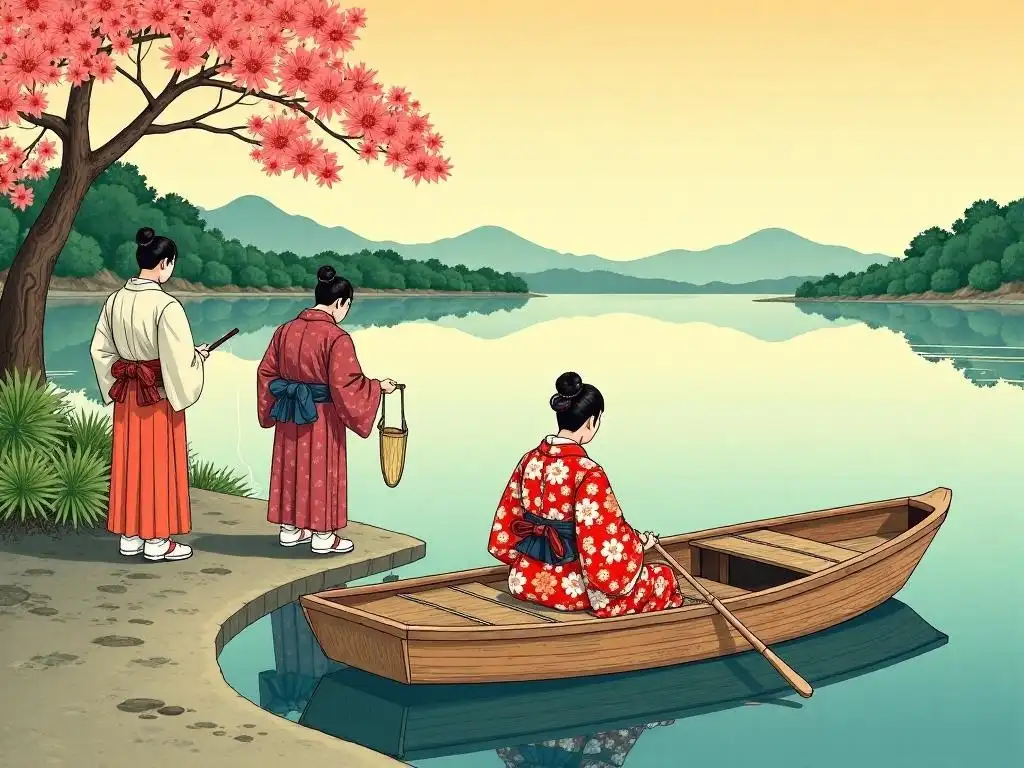
Welcome to Feudal Japan History, where we invite you to embark on a captivating journey through the intriguing tapestry of Japan's feudal era. Here, we delve into the rich historical, cultural, and societal narratives that shaped this fascinating period. In our featured article, "The World of Ukiyoe: How Woodblock Prints Captured the Spirit of Leisure," we explore the enchanting world of Ukiyoe woodblock prints—artworks that not only depict daily life but also reflect the vibrant essence of the society from which they emerged.
Prepare to uncover the stories behind these mesmerizing prints and discover how they continue to influence art and culture today. Dive in and let your curiosity guide you through the wonders of feudal Japan!
Introduction to Ukiyoe Woodblock Print History
Ukiyoe, a term that translates to "pictures of the floating world," represents a captivating genre of Japanese art that flourished during the Edo period (1603-1868). This unique form of woodblock printing not only served as a medium for artistic expression but also reflected the vibrant culture, leisure activities, and societal shifts of feudal Japan.
In this comprehensive exploration, we will delve into the intricate history of Ukiyoe woodblock prints, examining their significance in the realm of entertainment and leisure, as well as their enduring impact on both Japanese and global art landscapes. Through this journey, we aim to uncover how these prints captured the essence of a society in transition, celebrating both the ephemeral pleasures of life and the skilled artisans who brought them to life.
Definition of Ukiyoe and Its Significance
Ukiyoe is characterized by its portrayal of the everyday life of the Edo period, encompassing themes of beauty, pleasure, and the transient nature of existence. These prints often depicted:
- Kabuki Actors: Celebrating the performing arts of the time.
- Beautiful Women: Known as "Bijin," showcasing the idealized beauty standards.
- Scenic Landscapes: Highlighting Japan's natural beauty and urban life.
The significance of Ukiyoe extends beyond mere aesthetics; it serves as a historical document that reveals insights into the leisure activities, fashion, and social norms of the era. These prints played a crucial role in shaping Japanese culture and continue to influence contemporary art.
Overview of the Historical Context of Ukiyoe in Feudal Japan
The emergence of Ukiyoe coincided with the stability and prosperity of the Tokugawa shogunate, which allowed for a flourishing merchant class. This period marked a shift from the warrior-centric society of the samurai to a more urban and commercial lifestyle. Key historical factors that contributed to the rise of Ukiyoe include:
- Urbanization: Growth of cities like Edo (modern-day Tokyo) created a new audience for art.
- Cultural Exchange: Increased contact with Western cultures introduced new themes and techniques.
- Printing Technology: Advances in woodblock printing allowed for mass production and distribution.
As a result, Ukiyoe became accessible to a broader public, reflecting the desires and tastes of a society eager for leisure and entertainment.
The Origins of Ukiyoe Woodblock Printing
Development of Woodblock Printing Techniques
The technique of woodblock printing involves carving images into wooden blocks, inking them, and then pressing them onto paper. This process, refined during the Edo period, allowed for the creation of vibrant and intricate prints. Key developments in this technique included:
- Multi-block Printing: Using multiple blocks for different colors enhanced the detail and depth of prints.
- Ink and Paper Quality: Innovations in ink formulas and the use of high-quality paper improved durability and visual appeal.
- Collaboration: Artists, carvers, and printers worked together, leading to a specialization of skills that enhanced the overall quality of Ukiyoe.
These advancements contributed to the popularity of Ukiyoe, making it one of the most celebrated forms of Japanese art.
Key Historical Figures in Ukiyoe Art
Several artists played pivotal roles in the evolution of Ukiyoe, each contributing unique styles and perspectives. Notable figures include:
- Hokusai: Renowned for his iconic "The Great Wave off Kanagawa," Hokusai's work exemplified the power of nature and human emotion.
- Hiroshige: Famous for his landscape prints, Hiroshige captured the beauty of Japan's seasons and scenery, influencing Western Impressionists.
- Utamaro: Known for his portraits of beautiful women, Utamaro elevated the depiction of femininity in Ukiyoe.
These artists not only shaped the genre but also left an indelible mark on art history, inspiring generations of creatives around the world.
The Themes and Subjects of Ukiyoe Prints
Ukiyoe, literally translating to "pictures of the floating world," encompasses a rich tapestry of themes and subjects that reflect the social, cultural, and aesthetic fabric of Edo period Japan (1603-1868). These woodblock prints captured the transient beauty of life, focusing on the pleasures and leisure activities that defined this era. The thematic diversity of Ukiyoe art spans various realms, from the intimate portrayal of daily life to the grand depictions of nature, providing a window into the spirit of leisure that characterized the time.
Depictions of Daily Life and Leisure Activities
One of the most prominent themes in Ukiyoe prints is the depiction of daily life and leisure activities. Artists like Utamaro and Hiroshige vividly illustrated scenes of everyday existence, capturing the essence of urban life in Edo. These prints often showcased:
- Festivals and Celebrations: Scenes of vibrant festivals, where people engaged in traditional dances, music, and food stalls, were common. These prints celebrated communal joy and the rich tapestry of cultural events.
- Geisha Culture: Many Ukiyoe prints portrayed the lives of geishas, highlighting their elegance and artistry. These images offered a glimpse into the world of entertainment, emphasizing the allure of the geisha lifestyle.
- Leisure Activities: Everyday pastimes such as tea ceremonies, strolls in gardens, and visits to public baths were frequently illustrated, reflecting the leisurely pace of life during this period. This focus on leisure activities underscores the importance of enjoyment and relaxation in Edo society.
Representation of Nature and Landscapes in Ukiyoe
Nature was another fundamental theme in Ukiyoe, with artists adeptly capturing the beauty of Japan's landscapes and natural phenomena. Hiroshige, in particular, became renowned for his landscape prints, which included:
- Seasonal Changes: Ukiyoe artists often depicted the changing seasons, portraying cherry blossoms in spring, vibrant foliage in autumn, and serene snow scenes in winter. These seasonal representations evoked a deep appreciation for nature's beauty.
- Famous Sites: Many prints featured iconic locations, such as Mount Fuji, which became a symbol of Japan. The portrayal of these landscapes not only celebrated natural beauty but also reinforced national identity.
- Symbiosis with Humanity: Ukiyoe often depicted the harmonious relationship between people and nature, illustrating scenes of farmers working in rice fields or fishermen by the sea, underscoring the interdependence of society and the environment.
The Role of Kabuki Theatre in Ukiyoe Art
Kabuki theatre, a vibrant form of entertainment that emerged during the Edo period, significantly influenced Ukiyoe art. The interplay between Kabuki and Ukiyoe can be seen in several ways:
- Theatrical Characters: Many Ukiyoe prints featured famous Kabuki actors, capturing their flamboyant costumes and dramatic expressions. These prints served as promotional materials, helping to popularize theatrical performances.
- Dramatic Scenes: Artists illustrated pivotal moments from Kabuki plays, encapsulating the emotions and narratives of the stories. This not only showcased the artistry of the performers but also contributed to the cultural dialogue of the time.
- Cultural Commentary: By depicting Kabuki, Ukiyoe artists engaged in social commentary, reflecting the values, conflicts, and aspirations of Edo society. The prints often mirrored the themes explored in Kabuki theatre, enriching both art forms.
The Cultural Impact of Ukiyoe in Feudal Japan
Ukiyoe prints were more than mere art; they were a cultural phenomenon that shaped the identity and values of Edo period society. Their impact resonated through various aspects of life, influencing aesthetics, social norms, and cultural practices.
Ukiyoe as a Reflection of Edo Period Society
Ukiyoe art served as a mirror to the societal dynamics of the Edo period. Through its themes and subjects, it encapsulated:
- Social Stratification: The prints often depicted different social classes, from the elite to commoners, illustrating the complex hierarchy that characterized Edo society. This representation fostered a sense of awareness regarding social roles and expectations.
- Cultural Shifts: As urbanization took hold, Ukiyoe reflected the changing values and lifestyles of the populace. The emphasis on leisure, entertainment, and consumerism echoed the evolving nature of society during this transformative era.
- Gender Roles: Ukiyoe prints frequently explored gender dynamics, particularly through the portrayal of women in various roles, from geishas to housewives. These depictions highlighted both the empowerment and constraints experienced by women in society.
Influence of Ukiyoe on Japanese Aesthetics and Culture
The aesthetic principles of Ukiyoe left a lasting legacy on Japanese art and culture. Its influence can be seen in:
- Artistic Techniques: The methods employed in Ukiyoe, including the intricate use of color and line, informed subsequent Japanese artistic movements. The emphasis on composition and perspective laid the groundwork for modern Japanese art.
- Craftsmanship: The meticulous craftsmanship associated with Ukiyoe prints celebrated the skill of artisans, fostering an appreciation for traditional craftsmanship that persists in Japanese culture today.
- Cultural Identity: Ukiyoe became intertwined with Japanese identity, influencing literature, fashion, and even modern visual arts. Its themes and aesthetics continue to resonate in contemporary Japanese culture.
The Global Influence of Ukiyoe during the 19th Century
During the 19th century, Ukiyoe experienced a significant global impact, particularly as Japan began to open its borders to the West. This influence manifested in several ways:
- Western Art Movements: Ukiyoe prints inspired Western artists, particularly Impressionists like Vincent van Gogh and Claude Monet, who admired the vivid colors and unique perspectives. This cross-cultural exchange enriched the art world, leading to the incorporation of Japanese elements in Western art.
- Cultural Exchange: The fascination with Ukiyoe in the West sparked a broader interest in Japanese culture, leading to exhibitions and the popularization of Japanese aesthetics in areas such as interior design and fashion.
- Continued Legacy: The influence of Ukiyoe continues to be felt today, as contemporary artists draw inspiration from its themes and techniques, ensuring that its spirit endures in the modern artistic landscape.
Ukiyoe woodblock prints are more than just art; they are a profound documentation of the leisure, culture, and societal dynamics of feudal Japan, leaving an indelible mark on both Japanese and global artistic traditions.
Iconic Ukiyoe Artists and Their Masterpieces
Ukiyoe, the art of woodblock printing that flourished during Japan's Edo period, is characterized by its vibrant depictions of landscapes, kabuki actors, and scenes of everyday life. Among the many artists who contributed to this genre, a few have emerged as icons, leaving behind masterpieces that continue to resonate with art lovers around the world today. Their works not only reflect the aesthetic values of their time but also serve as a window into the culture and daily life of feudal Japan.
Katsushika Hokusai and His Contribution to Ukiyoe
Katsushika Hokusai (1760–1849) is perhaps the most renowned Ukiyoe artist, famous for his series "Thirty-Six Views of Mount Fuji." His work "The Great Wave off Kanagawa" is iconic, encapsulating the blend of nature’s power and human vulnerability. Hokusai's innovative approach pushed the boundaries of traditional woodblock printing, employing dynamic compositions and vibrant colors that captivated audiences both in Japan and abroad.
Hokusai's influence extended beyond landscapes; he explored various subjects, including flora, fauna, and portraits. His ability to capture motion and emotion set a new standard for Ukiyoe, inspiring generations of artists. Hokusai’s legacy is preserved not only in his prints but also in his writings, where he detailed his artistic philosophy and techniques, further enriching the narrative of Ukiyoe history.
Utagawa Hiroshige: Capturing the Beauty of Japanese Landscapes
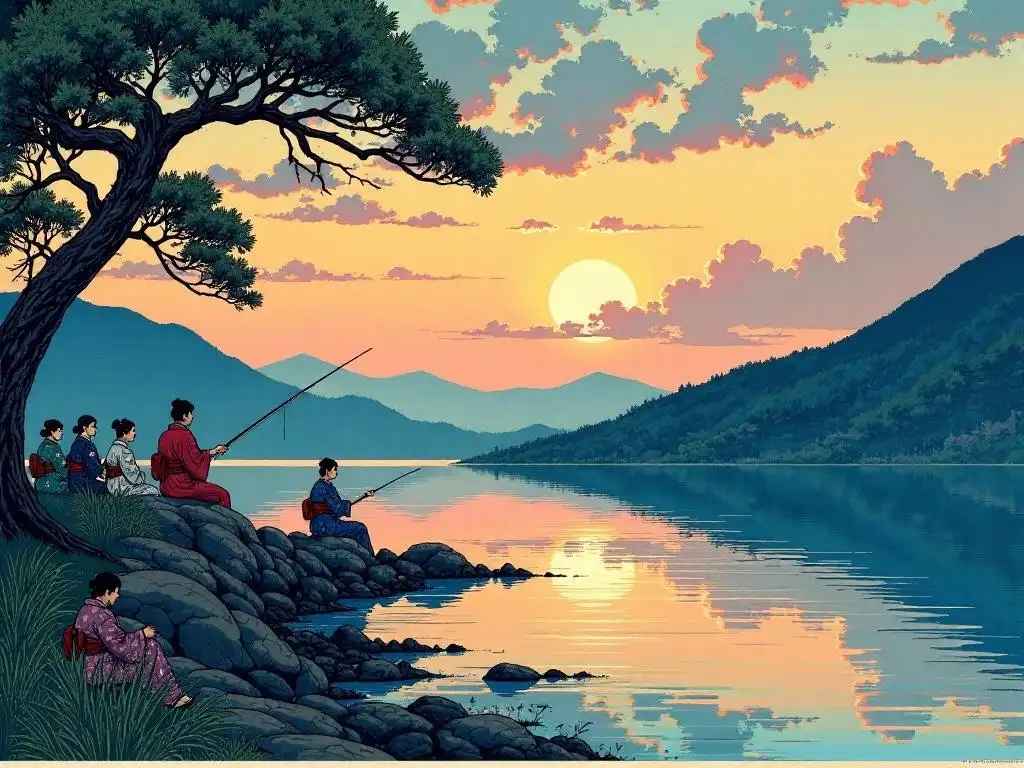
Utagawa Hiroshige (1797–1858) is another giant in the realm of Ukiyoe, particularly celebrated for his exquisite landscapes. His series "The Fifty-Three Stations of the Tōkaidō" showcases the scenic beauty of Japan’s coastline and rural areas, each print capturing a unique moment in time with an unparalleled sense of atmosphere. Hiroshige's work is characterized by soft colors and a keen observation of nature, often incorporating seasonal changes that evoke a sense of tranquility and reflection.
One of Hiroshige's most famous prints, "Sudden Shower over Shin-Ōhashi bridge and Atake," exemplifies his mastery of capturing fleeting moments, such as the interplay of light and rain over a bustling scene. His ability to integrate human figures within expansive landscapes not only enhances the visual narrative but also reflects the daily life and leisure activities of the Edo period. Hiroshige's legacy continues to influence contemporary artists and is celebrated for its enduring beauty.
Other Notable Ukiyoe Artists and Their Works
In addition to Hokusai and Hiroshige, several other artists made significant contributions to the Ukiyoe genre. Artists like Utagawa Kuniyoshi, known for his dramatic portrayals of warriors and folklore, brought a sense of dynamism and storytelling to their prints. His work often included intricate designs and bold colors, making his pieces stand out in the Ukiyoe collection.
Another notable figure is Kitagawa Utamaro, who specialized in portraits of beautiful women. His series "Ten Types of Female Nudes" and "The Poem of the Pillow" are celebrated for their delicate depictions and psychological depth, reflecting the cultural fascination with beauty and femininity during the Edo period.
These artists, along with many others, contributed to the rich tapestry of Ukiyoe, each bringing their unique style and perspective to this vibrant art form that continues to enchant audiences worldwide.
Techniques and Materials in Ukiyoe Woodblock Printing
The creation of Ukiyoe prints is a meticulous process that involves several steps and a variety of materials. The craftsmanship behind each print is a testament to the skill and dedication of the artists and craftsmen involved in the process. Understanding these techniques is essential to appreciate the depth and complexity of Ukiyoe woodblock printing.
Traditional Methods of Creating Ukiyoe Prints
The traditional method of Ukiyoe printing begins with the artist creating a design on paper, which is then transferred onto a cherry wood block. This involves carving the image into the wood, with each color requiring a separate block. The process is labor-intensive and requires precision, as even slight misalignments can ruin the final print.
Once the blocks are carved, they are inked using brushes and pressed onto paper, often using a hand-held tool called a baren. The meticulous layering of colors and careful registration of the blocks allows for the rich, vibrant images that Ukiyoe is known for. This method ensures that each print is unique, with subtle variations that are cherished by collectors.
The Importance of Natural Dyes and Paper in Ukiyoe Art
Natural dyes and high-quality paper are essential to the integrity and longevity of Ukiyoe prints. Historically, artists used dyes extracted from plants, minerals, and insects to achieve the vivid colors characteristic of Ukiyoe. These natural pigments not only provided a rich palette but also contributed to the prints' durability.
The choice of paper is equally significant, with traditional Ukiyoe prints often made on washi, a type of Japanese paper known for its strength and texture. The combination of natural dyes and washi paper results in prints that retain their vibrancy over time, allowing the beauty of Ukiyoe art to endure for generations. The careful selection of materials reflects the artists' deep respect for their craft and the cultural significance of their work.
The Evolution of Ukiyoe Through Time
Ukiyoe, meaning "pictures of the floating world," is a genre of Japanese woodblock prints that emerged during the Edo period (1603-1868). It represents a significant cultural artifact that reflects the leisurely pursuits, landscapes, and lifestyles of the time. The evolution of Ukiyoe is marked by three distinct phases: its rise during the Edo period, its transformation during the Meiji era, and its resurgence in modern times.
In the early Edo period, Ukiyoe was primarily focused on kabuki actors and beautiful women, often capturing fleeting moments of urban life. Artists like Hishikawa Moronobu pioneered this art form, which became widely popular among the burgeoning merchant class. As the genre matured, it began to incorporate themes of landscapes, nature, and folklore, with artists such as Katsushika Hokusai and Utagawa Hiroshige revolutionizing the medium with their innovative techniques and perspectives.
The transition into the Meiji era (1868-1912) brought about significant changes in Ukiyoe, as Western influences began to permeate Japanese art. The introduction of new artistic styles and technologies led to a decline in traditional Ukiyoe practices. However, even as the genre faced challenges, it laid the groundwork for future artistic movements, influencing both domestic and international art scenes.
Transition from Edo to Meiji Era: Changes in Ukiyoe
The transition from the Edo to the Meiji era marked a pivotal moment in the history of Ukiyoe woodblock prints. With the Meiji Restoration in 1868, Japan underwent rapid modernization and Westernization. This shift had profound implications for Ukiyoe artists and their works.
During the Edo period, Ukiyoe was deeply rooted in the traditional values and aesthetics of Japanese society. The prints often depicted serene landscapes, kabuki theater scenes, and courtesans, encapsulating the essence of leisure and beauty. However, the arrival of Western art movements, along with new printing technologies, challenged the established conventions of Ukiyoe.
As Japan opened its doors to the world, artists began to experiment with new techniques and styles, blending Western perspectives with traditional Ukiyoe motifs. This fusion resulted in a unique form of art that reflected both the historical context of Japan and the influences of international art. Notable artists such as Yoshitoshi embraced these changes, creating works that showcased the tension between the old and the new, while still retaining the essence of Ukiyoe.
The Revival of Interest in Ukiyoe in Modern Times
In recent decades, there has been a renewed interest in Ukiyoe woodblock prints, both in Japan and globally. This revival can be attributed to several factors, including the growing appreciation for traditional crafts, the influence of international art movements, and the rise of digital technology.
Art collectors and enthusiasts have increasingly sought out Ukiyoe prints for their historical significance and aesthetic appeal. Exhibitions dedicated to Ukiyoe have gained popularity, showcasing the intricate craftsmanship and vibrant colors of these prints. Additionally, modern artists have drawn inspiration from Ukiyoe, incorporating its themes and techniques into contemporary works.
Moreover, the digitization of Ukiyoe prints has made them more accessible to a wider audience, allowing art lovers around the world to explore this rich cultural heritage. Online platforms have emerged, facilitating the study and appreciation of Ukiyoe, ensuring that its legacy continues to thrive in the modern age.
Conclusion: The Legacy of Ukiyoe Woodblock Prints
Ukiyoe woodblock prints hold a unique place in the history of Japanese art, embodying the spirit of leisure and cultural expression during the Edo period. Their legacy extends far beyond their time, influencing generations of artists and captivating audiences with their beauty and intricacy.
The enduring appeal of Ukiyoe lies in its ability to transcend cultural boundaries, resonating with contemporary art and society. As modern artists continue to reinterpret its themes, the spirit of Ukiyoe remains alive, serving as a bridge between the past and the present.
Lasting Influence of Ukiyoe on Contemporary Art and Culture
The influence of Ukiyoe can be seen across various facets of contemporary art and culture. Artists worldwide have embraced its aesthetics, integrating elements of Ukiyoe into their own works. The bold colors, dynamic compositions, and thematic exploration of human experiences in Ukiyoe have inspired movements such as Art Nouveau and Impressionism.
Moreover, Ukiyoe's impact extends to the realms of fashion, design, and popular culture. The motifs and styles found in Ukiyoe have informed contemporary graphic design, textiles, and even animation. This cross-pollination illustrates the timeless nature of Ukiyoe, highlighting its relevance in today's artistic dialogue.
The Importance of Preserving Ukiyoe Woodblock Print History
Preserving the history of Ukiyoe woodblock prints is crucial for both cultural heritage and artistic innovation. As a significant aspect of Japan's artistic legacy, Ukiyoe offers insights into the societal values, aesthetics, and historical context of its time. Efforts to conserve and restore Ukiyoe prints ensure that future generations can appreciate and learn from this rich tradition.
Furthermore, educational initiatives and exhibitions play a vital role in keeping the history of Ukiyoe alive. By promoting awareness and understanding of Ukiyoe's techniques and themes, we can foster a deeper appreciation for its contributions to art and culture. The preservation of Ukiyoe not only honors the artists of the past but also inspires contemporary creators to explore and reinterpret this extraordinary art form.
Further Reading and Resources on Ukiyoe Woodblock Print History
The world of Ukiyoe is vast and intricate, offering a wealth of information for those interested in exploring its history and influence. This section provides a curated list of recommended books, articles, and museums where enthusiasts can delve deeper into the art of Ukiyoe woodblock prints.
Recommended Books and Articles
-
"Ukiyo-e: The Art of the Japanese Woodblock Print" by David Bell
This book offers an insightful introduction to the Ukiyoe movement, tracing its origins, development, and impact on both Japanese and Western art. The detailed illustrations complement the narrative, providing readers with a visual feast.
-
"The Floating World: A New History of Ukiyo-e" by Keisuke Tazawa
Tazawa's work presents a comprehensive history of Ukiyoe, examining the societal and cultural contexts that shaped this unique art form. The book highlights notable artists and their contributions to the genre.
-
"Japanese Woodblock Prints: A History" by Richard Lane
Lane's book is a definitive resource, exploring the technical aspects of woodblock printing alongside its historical significance. It includes a glossary of terms and a timeline of key events in Ukiyoe history.
-
"The World of Japanese Prints" by John S. McDonald
This article provides a concise overview of the different styles and themes found in Ukiyoe, making it an excellent starting point for those new to the subject. It also discusses the evolution of printmaking techniques in Japan.
-
"Ukiyo-e to Shin Hanga: The Evolution of Japanese Printmaking"
An academic article that delves into the transition from traditional Ukiyoe to modern Shin Hanga, examining how societal changes influenced artistic expression. It is available in various art history journals.
Museums and Exhibitions Featuring Ukiyoe Art
-
The Tokyo National Museum
Home to a vast collection of Ukiyoe prints, the Tokyo National Museum offers visitors a chance to explore the history and evolution of this art form through rotating exhibitions and permanent displays.
-
The British Museum
The British Museum houses an extensive collection of Japanese woodblock prints, including works by renowned Ukiyoe artists. Their exhibits often include thematic displays that showcase the cultural significance of these prints.
-
The Art Institute of Chicago
This museum features a notable collection of Ukiyoe prints and regularly hosts exhibitions that highlight the work of famous artists like Hokusai and Hiroshige, providing insights into their techniques and contributions.
-
Yale University Art Gallery
Yale’s gallery has a rich collection of Japanese art, including Ukiyoe prints. They frequently organize educational programs and exhibitions that delve into the historical context and artistic techniques used in these prints.
-
The Los Angeles County Museum of Art (LACMA)
LACMA offers an impressive collection of Japanese art, including Ukiyoe woodblock prints. The museum's exhibitions often explore the relationship between traditional Japanese art and contemporary practices.
By exploring these resources, readers can gain a deeper understanding of Ukiyoe woodblock print history and its enduring legacy in both Japanese culture and the global art scene.
- Introduction to Ukiyoe Woodblock Print History
- The Origins of Ukiyoe Woodblock Printing
- The Themes and Subjects of Ukiyoe Prints
- The Cultural Impact of Ukiyoe in Feudal Japan
- Iconic Ukiyoe Artists and Their Masterpieces
- Katsushika Hokusai and His Contribution to Ukiyoe
- Utagawa Hiroshige: Capturing the Beauty of Japanese Landscapes
- Other Notable Ukiyoe Artists and Their Works
- Techniques and Materials in Ukiyoe Woodblock Printing
- Traditional Methods of Creating Ukiyoe Prints
- The Importance of Natural Dyes and Paper in Ukiyoe Art
- The Evolution of Ukiyoe Through Time
- Transition from Edo to Meiji Era: Changes in Ukiyoe
- The Revival of Interest in Ukiyoe in Modern Times
- Conclusion: The Legacy of Ukiyoe Woodblock Prints
- Lasting Influence of Ukiyoe on Contemporary Art and Culture
- The Importance of Preserving Ukiyoe Woodblock Print History
- Further Reading and Resources on Ukiyoe Woodblock Print History
Frequently Asked Questions
What are Ukiyoe woodblock prints?
Ukiyoe woodblock prints are Japanese artworks that emerged during the Edo period (1603-1868), known for their vibrant colors and detailed scenes depicting landscapes, theater, and daily life.
How did Ukiyoe influence Japanese culture?
Ukiyoe played a significant role in shaping Japanese aesthetics and cultural identity, influencing art forms, fashion, and even Western artists during the 19th century.
What techniques were used in Ukiyoe printing?
The process involved hand-carving woodblocks, applying ink, and pressing paper onto the blocks to create multiple copies, showcasing the skill and craftsmanship of the artists.
Who were some famous Ukiyoe artists?
Notable Ukiyoe artists include Hokusai, known for “The Great Wave off Kanagawa,” and Hiroshige, celebrated for his landscape prints, both of whom greatly impacted the genre.
Why is Ukiyoe considered important in art history?
Ukiyoe is cherished for its cultural significance and historical context, capturing the essence of Edo period leisure and contributing to the global appreciation of Japanese art.
Final Reflection: The Timeless Allure of Ukiyoe Woodblock Prints
Ukiyoe woodblock prints serve as a vibrant testament to the cultural zeitgeist of their time, illustrating the intricate relationship between art and leisure. Today, as we navigate a world increasingly dominated by digital media, the enduring charm of these prints reminds us of the importance of appreciating the beauty in everyday moments. The spirit of Ukiyoe, which translates to "pictures of the floating world," continues to resonate, inviting us to pause and reflect on the transient joys of life.
The influence of Ukiyoe extends far beyond its historical context, shaping not only the art world but also our understanding of leisure and beauty. The prints have inspired countless artists and movements, from Impressionism to contemporary graphic design, illustrating how a simple woodblock can transcend time and cultural boundaries. Art is the most beautiful of all lies.
This quote encapsulates the essence of Ukiyoe, where the interplay of reality and imagination creates a unique lens through which we can view the world.
As you contemplate the rich history and cultural significance of Ukiyoe woodblock prints, I invite you to embrace the lessons they impart about leisure and appreciation. Take a moment to reflect on your own life—how can you cultivate a sense of beauty and joy in your daily experiences? Let the spirit of Ukiyoe inspire you to find art in the mundane, to celebrate the fleeting moments that make life truly remarkable.
Embrace the Spirit of Ukiyo-e Today!
Thank you for diving into the captivating world of Ukiyo-e with us! You've explored how these stunning woodblock prints encapsulate the essence of leisure and culture in feudal Japan. Now, it's time to bring that inspiration to life!
Here are some easy steps to keep the spirit of Ukiyo-e alive:
- Create your own art: Try your hand at a simple woodblock print or a sketch inspired by the themes of leisure and beauty that characterize this art form.
- Share the joy: Post your favorite Ukiyo-e print on social media and use #UkiyoeArt to connect with fellow enthusiasts and celebrate this rich tradition!
- Join a local workshop: Seek out art classes in your area that focus on traditional Japanese printmaking or techniques that resonate with Ukiyo-e.
What unique aspect of Ukiyo-e resonates with you the most, and how would you like to explore it further?