
From Shadow Plays to Bunraku: The Evolution of Japanese Puppet Theatre

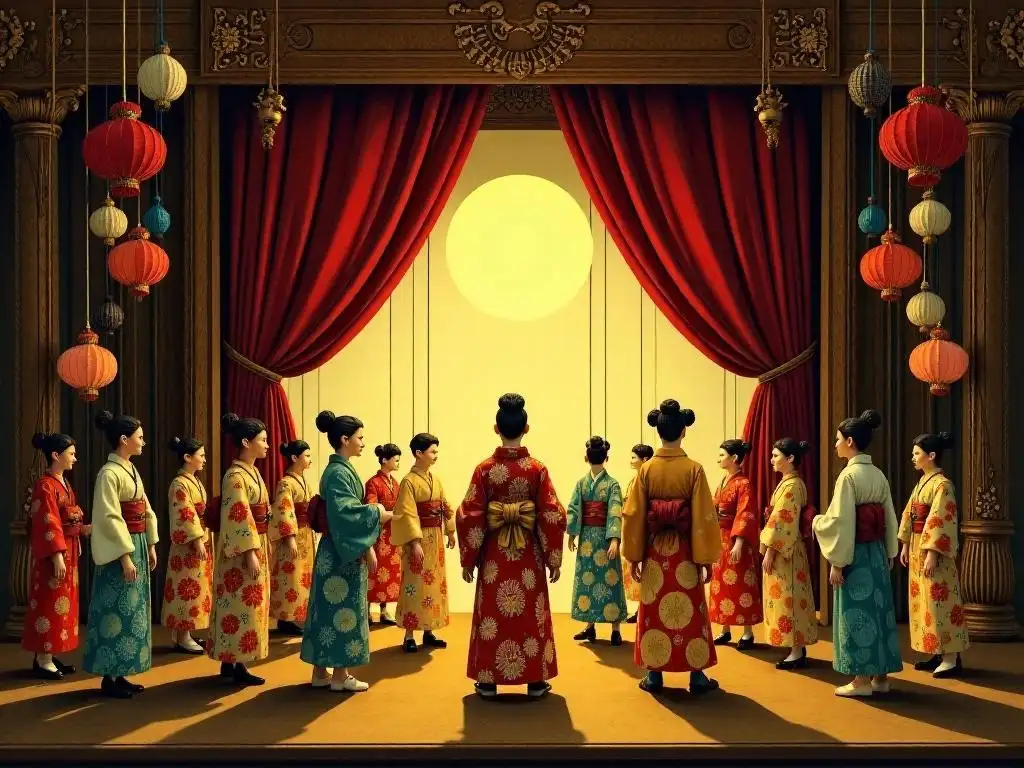
Welcome to Feudal Japan History, where we embark on a captivating journey through the rich tapestry of Japan's feudal era. Dive into the intriguing world of Japanese puppet theatre history, a fascinating reflection of society and culture that has evolved over centuries. Discover how this mesmerizing art form transitioned from shadow plays to the exquisite Bunraku, revealing the profound stories and societal values embedded within each performance.
Prepare to be enchanted as you explore the depths of daily life and the societal intricacies that shaped this extraordinary era. Your adventure begins here—read on to uncover the magic behind the puppets!
- Introduction to Japanese Puppet Theatre History
- Origins of Japanese Puppet Theatre
- Historical Development of Japanese Puppet Theatre
- Types of Japanese Puppet Theatre
- Cultural Significance of Puppet Theatre
- Evolution of Techniques and Styles
- Challenges and Preservation Efforts
- Conclusion: The Legacy of Japanese Puppet Theatre
- Frequently Asked Questions
- Final Reflection: The Enduring Legacy of Japanese Puppet Theatre
- Unveil the Magic of Japanese Puppet Theatre Today!
Introduction to Japanese Puppet Theatre History
Japanese puppet theatre, known for its intricate craftsmanship and captivating performances, offers a unique lens through which to explore the rich tapestry of Japan's cultural heritage. Spanning centuries, this art form has evolved from simple shadow plays to the sophisticated Bunraku theatre we recognize today.
Understanding the history of Japanese puppet theatre not only enriches our appreciation of this performing art but also illuminates the societal and cultural dynamics of feudal Japan. In this article, we will delve into the historical foundations, key developments, and the significance of puppet theatre within the context of Japanese society, focusing on its evolution and the role it played during the feudal era.
Overview of Puppet Theatre in Japan
Puppet theatre in Japan has its roots in ancient storytelling traditions, with the earliest forms dating back to the 8th century. Initially, these performances were rudimentary, often involving simple puppets manipulated by the hands. Over time, various regional styles emerged, each characterized by distinct techniques and narratives.
- Types of Puppet Theatre:
- Bunraku: This highly stylized form of puppet theatre, developed in the 17th century, features life-sized puppets operated by multiple puppeteers.
- Kijō-buri: Often performed in local festivals, this style utilizes smaller puppets and combines elements of dance and drama.
- Karasu Tengu: A form of puppet theatre that incorporates puppets resembling mythical creatures, bringing folklore to life.
- Cultural Influences:
- The influences of Noh and Kabuki theatre can be seen in the performances, with shared themes of love, tragedy, and moral lessons.
- The introduction of Western theatrical techniques in the late 19th century further shaped the evolution of puppet theatre, adding new dimensions to its storytelling.
Importance of Puppet Theatre in Feudal Japan
During feudal Japan, puppet theatre served as more than mere entertainment; it was a vital medium for social commentary and cultural expression. The performances often reflected the values, struggles, and aspirations of the common people, providing a voice to those who were often marginalized in society.
- Social Commentary: Through allegorical tales, puppet theatre addressed issues such as class struggle, loyalty, and the complexities of human relationships. These narratives resonated deeply with audiences, as they mirrored the realities of life under the samurai rule.
- Cultural Preservation: Puppet theatre played a crucial role in preserving folklore and traditional narratives, passing down stories from generation to generation. This was particularly important in a time when oral traditions were the primary means of storytelling.
- Community Engagement: Puppet performances were often held during festivals and communal gatherings, fostering a sense of unity and shared cultural identity among the audience.
The history of Japanese puppet theatre is a fascinating journey through the artistic and social landscapes of feudal Japan. Its evolution reflects broader cultural shifts and the enduring human experience, making it a significant topic of study for anyone interested in the intricate tapestry of Japanese history.
Origins of Japanese Puppet Theatre
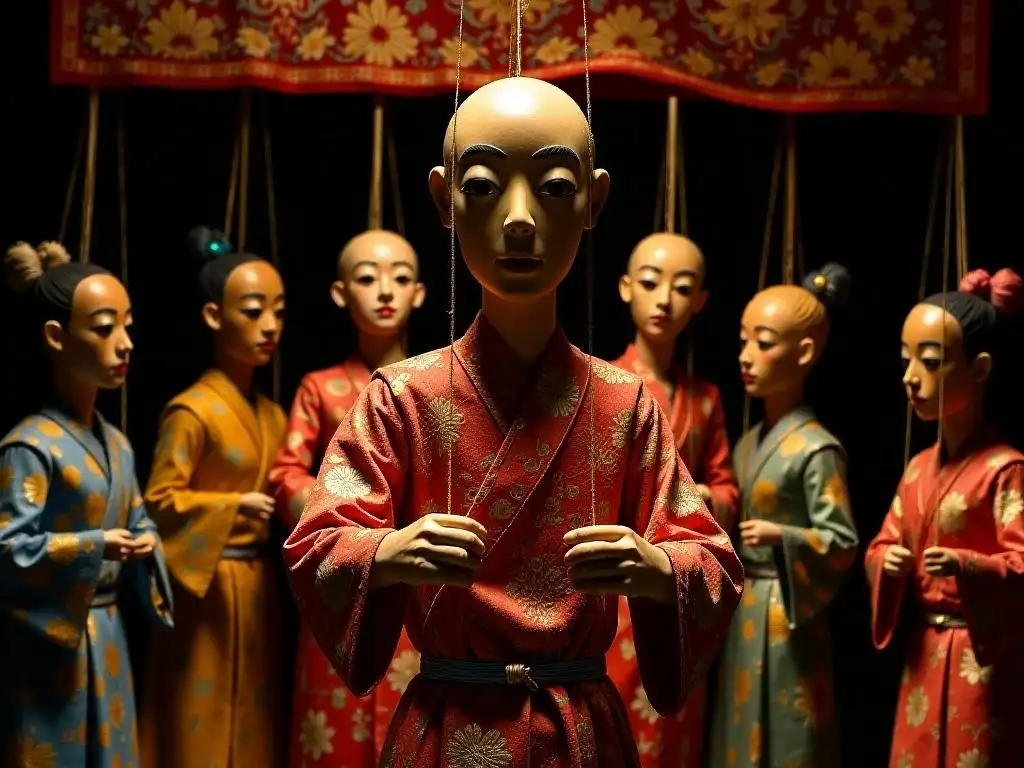
The history of Japanese puppet theatre is a rich tapestry woven from various cultural influences and artistic innovations. This form of entertainment has evolved significantly over the centuries, reflecting the societal changes and artistic trends of the periods in which it flourished. The origins can be traced back to various performance arts, with shadow plays serving as a significant precursor to the sophisticated puppetry that would eventually emerge.
Early Influences: Shadow Plays and Their Impact
Shadow plays, known as "kagebōshi" in Japan, are believed to have originated from ancient storytelling traditions, where figures were manipulated against illuminated screens to narrate tales. These performances, which thrived during the Heian period (794-1185), were heavily influenced by Chinese shadow theatre, which had already established its cultural foothold in Asia.
- Cultural Exchange: The introduction of shadow plays in Japan was part of a broader cultural exchange with China. Historical records suggest that as early as the 8th century, Japanese envoys and scholars traveled to China, bringing back various art forms, including theatre.
- Performance Techniques: The techniques used in shadow plays laid the groundwork for later puppet theatre. Artisans began experimenting with more complex figures and storytelling methods, which eventually led to the creation of puppets that could be manipulated in more lifelike ways.
- Themes and Narratives: Early shadow plays often depicted historical events, folklore, and moral lessons, setting a precedent for the themes that would later be explored in bunraku and other forms of Japanese puppet theatre. The focus on character-driven narratives allowed for a deeper emotional connection with the audience.
The impact of shadow plays on the development of Japanese puppet theatre cannot be overstated. They provided not only the artistic techniques but also the narrative structures that would influence later forms, including the emergence of bunraku.
The Birth of Bunraku: A Unique Art Form
Bunraku, recognized as one of the most refined forms of Japanese puppet theatre, emerged in the late 17th century during the Edo period (1603-1868). This unique art form is characterized by its intricate puppetry, live narration, and musical accompaniment, creating a multisensory experience for audiences.
- Puppet Design and Manipulation: Bunraku puppets, typically about one-third the size of human figures, are intricately crafted from wood and cloth, showcasing exquisite detail and artistry. Each puppet requires three handlers, each responsible for a different part: the head and right arm, the left arm, and the legs. This collaborative manipulation allows for fluid movements that convey a wide range of emotions and actions.
- Narrative Style: The narratives in bunraku are often derived from kabuki theatre and traditional Japanese literature, focusing on themes of love, conflict, and tragedy. The use of a live narrator, known as the "tayu," is a defining feature of bunraku, who not only voices the characters but also enhances the storytelling with expressive intonations.
- Cultural Significance: Bunraku holds a significant place in Japanese culture, recognized as a UNESCO Intangible Cultural Heritage. Its evolution reflects the changing tastes and societal values of the time, and it continues to be celebrated for its artistry and emotional depth.
The evolution of Japanese puppet theatre from early shadow plays to the sophisticated art form of bunraku illustrates a dynamic interplay of cultural influences and artistic expressions. This rich history not only provides insight into Japan's entertainment landscape but also highlights the profound impact of traditional storytelling methods on contemporary arts.
Historical Development of Japanese Puppet Theatre
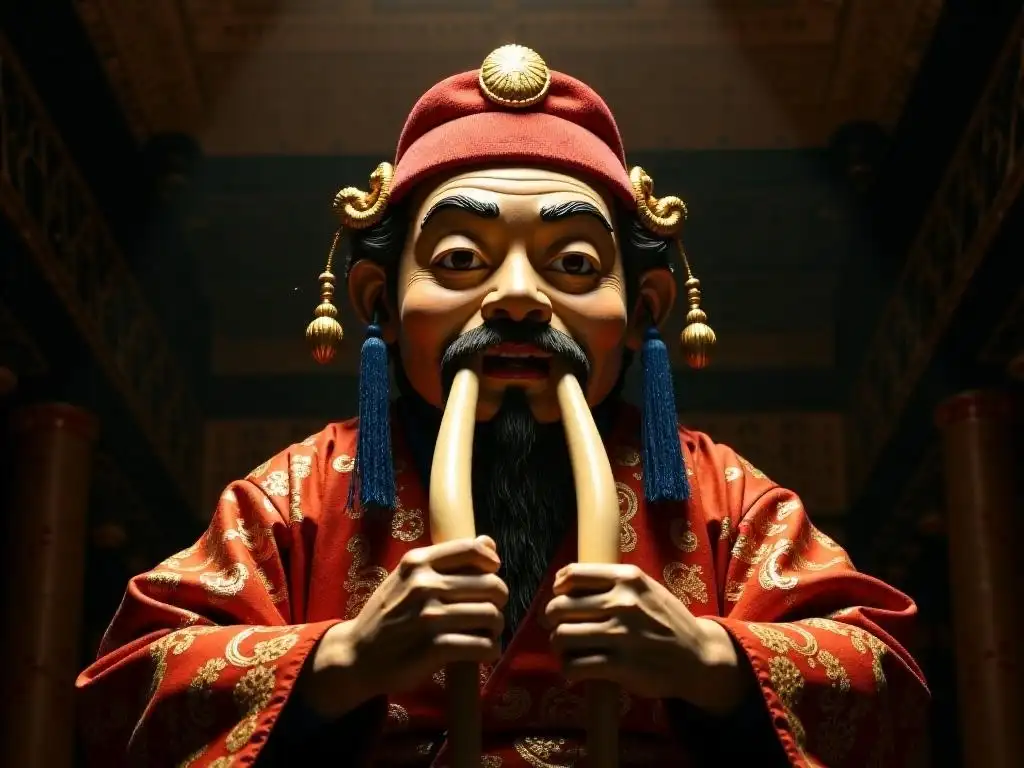
The history of Japanese puppet theatre is a rich tapestry woven with cultural influences, artistic evolution, and societal changes. This theatrical form, which includes various styles and techniques, has undergone significant transformations over centuries, reflecting the broader historical context of Japan.
Puppet theatre in Japan can be traced back to the 8th century with the introduction of religious rituals that featured puppetry as a means to convey spiritual messages. However, it was during the Edo period (1603-1868) that Japanese puppet theatre truly flourished, becoming a prominent form of entertainment.
The Edo Period: Flourishing of Puppet Theatre
The Edo period marked a golden age for Japanese puppet theatre, particularly with the emergence of Bunraku, which is recognized as one of the most sophisticated forms of puppet theatre in the world. This period saw the establishment of dedicated theatres and a growing audience that appreciated the intricate art of puppetry.
Key Characteristics of Edo Period Puppet Theatre:
- Integration of Music and Narrative: Bunraku performances feature a combination of narrative storytelling through chanters and musical accompaniment, enhancing the emotional depth of the plays.
- Artistic Craftsmanship: Puppets from this era are known for their intricate designs and lifelike movements, showcasing the mastery of puppeteers who operated them in full view of the audience.
- Themes and Stories: The narratives often explored themes of love, loyalty, and the struggles of the samurai class, resonating deeply with the societal values of the time.
Puppet theatre during this time was not only an art form but also served as a social commentary, reflecting the lives and aspirations of the common people. The popularity of this medium led to the establishment of famous theatres, such as the Uemura-za in Osaka, which became synonymous with high-quality Bunraku performances.
Key Figures in the Evolution of Japanese Puppet Theatre
Several influential figures played pivotal roles in the evolution of Japanese puppet theatre, contributing to its techniques, narratives, and overall popularity.
- Takemoto Gidayu:
- A renowned chanter and playwright in the late 17th century, Gidayu was instrumental in developing the Gidayu-bushi style of narration, which became a hallmark of Bunraku. His unique vocal techniques brought stories to life, enhancing the emotional resonance of the performances.
- Puppeteer Uemura Masuo:
- Uemura Masuo was a master puppeteer in the 18th century known for his innovative techniques and the lifelike qualities he brought to his puppets. His contributions helped elevate the status of puppeteers, traditionally viewed as lower-class performers, to respected artists.
- Chikamatsu Monzaemon:
- Often referred to as the Shakespeare of Japan, Chikamatsu was a playwright whose works became staples of the Bunraku repertoire. His narratives, rich with complex characters and moral dilemmas, mirrored the societal issues of his time, further solidifying the importance of puppet theatre in Japanese culture.
Through the contributions of these key figures, Japanese puppet theatre not only evolved as an art form but also became a vital part of the cultural fabric of Japan, bridging the gap between entertainment, moral education, and societal reflection.
The historical development of Japanese puppet theatre, particularly during the Edo period, showcases a rich interplay of artistry and cultural expression. The contributions of influential figures have shaped its evolution, ensuring its place in the annals of Japanese entertainment history.
Types of Japanese Puppet Theatre
Japanese puppet theatre encompasses a rich variety of forms, each with its unique characteristics and historical significance. Among the most prominent styles are Bunraku, Karagaku, and Joruri. This section will delve into the intricacies of these theatrical forms and their evolution within Japanese culture.
Bunraku: Characteristics and Techniques
Bunraku is perhaps the most celebrated form of Japanese puppet theatre, distinguished by its intricate puppetry and the integration of live music and narrative. Originating in the 17th century, Bunraku has evolved into a sophisticated art form, characterized by several key elements:
- Puppet Construction: Bunraku puppets are traditionally made from wood and are approximately one-third the size of a human. Each puppet typically requires three puppeteers:
- Main Puppeteer: Responsible for the head and right arm.
- Assistant Puppeteers: Control the left arm and legs, ensuring fluid and lifelike movements.
- Performance Style: Performances are often accompanied by a Narrator (Tayu) who recites the dialogue and the Shamisen player who provides musical accompaniment. The puppeteers, dressed in black to symbolize invisibility, manipulate the puppets in a way that emphasizes their emotional depth.
- Themes and Stories: Bunraku often adapts classical literature, particularly tales of love, tragedy, and the samurai spirit, allowing the audience to connect deeply with the characters. Notable works include "Sonezaki Shinju" and "Meido no Hikyaku," which explore themes of loyalty and love.
- Technique and Precision: The manipulation of puppets in Bunraku is a highly skilled endeavor. Puppeteers undergo years of training to master techniques such as kata, or forms, which dictate the movement and expression of the puppets. The synchronization between the puppeteers is crucial for delivering a compelling performance.
Bunraku performances are not just a visual treat; they encapsulate the depth of human emotion and storytelling, making it a cornerstone of Japanese puppet theatre history.
Other Forms of Puppet Theatre in Japan
In addition to Bunraku, several other forms of puppet theatre have played vital roles in Japan’s cultural landscape. Each form presents its distinct style and thematic focus:
- Karagaku
- Origins: This form of puppet theatre traces its roots back to the 8th century and incorporates influences from Chinese theatre.
- Performance Features: Karagaku is characterized by its use of simple, often colorful puppets and is typically performed with music and dance. The puppets are usually smaller than those in Bunraku and are operated by a single puppeteer.
- Themes: The stories often draw upon folklore, myths, and historical tales, showcasing the rich tapestry of Japanese heritage.
- Joruri
- Definition: Joruri is a narrative form of puppet theatre that is closely associated with the musical recitation of stories. It serves as a precursor to Bunraku, blending elements of storytelling with puppetry.
- Characteristics: The performances feature a Narrator who tells the story while the puppets act out the scenes. This form heavily emphasizes dialogue and music, with the Shamisen being a central instrument.
- Cultural Significance: Joruri has been instrumental in preserving traditional folktales and moral lessons, often highlighting the societal values of the time.
- Kugutsu
- Overview: Kugutsu is a traditional form of puppet manipulation that dates back to the Heian period (794–1185). It involves the use of elaborate puppets in rituals and festivals.
- Techniques: Unlike Bunraku, Kugutsu puppets are often operated by a single puppeteer. The performances are typically tied to religious ceremonies or celebrations, showcasing the puppets in various roles that reflect the beliefs and culture of the community.
These diverse forms of Japanese puppet theatre illustrate the rich and complex history of this art form, each contributing uniquely to the cultural fabric of Japan. As the styles evolved, they captured not only the artistic expression of their time but also the societal values and narratives that have shaped Japanese identity through the centuries.
Cultural Significance of Puppet Theatre
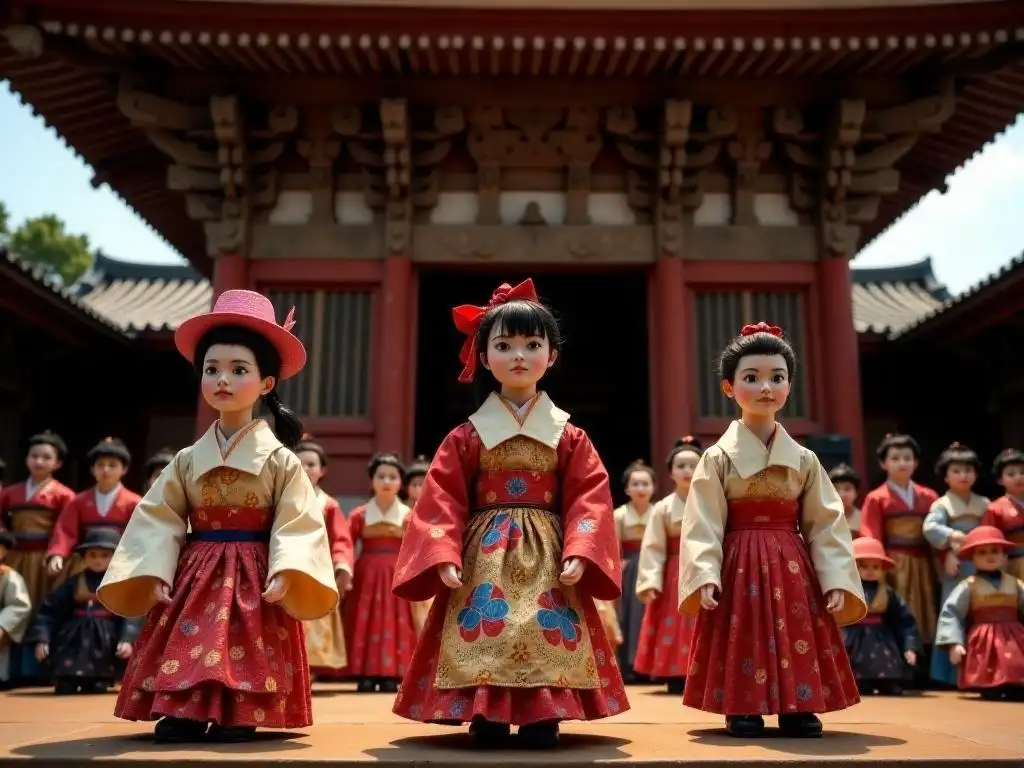
Japanese puppet theatre, known for its intricate artistry and storytelling, holds a profound place in the cultural tapestry of Japan. Originating in the 8th century, it reflects not only the artistic sensibilities of its time but also the societal values and historical contexts that shaped it. As a form of entertainment, it has evolved from simple street performances to elaborate theatrical productions, illustrating the rich cultural history of Japan.
Role of Puppet Theatre in Japanese Society
Puppet theatre, particularly Bunraku, has served as a crucial medium for storytelling, often depicting historical events, moral lessons, and societal norms. During the Edo period (1603–1868), Bunraku became immensely popular among the urban population, acting as both a source of entertainment and a means of social commentary.
- Cultural Reflection: The themes explored in puppet theatre often mirror the challenges and triumphs of Japanese society. For instance:
- Moral Lessons: Many performances emphasize virtues such as loyalty, honor, and love, resonating with the samurai ethos that dominated feudal Japan.
- Historical Narratives: Puppets were used to reenact significant historical events, allowing audiences to engage with their past and reflect on their cultural identity.
- Community Engagement: Puppet theatre was not just a form of entertainment; it was a communal activity that fostered social bonds. Festivals and performances brought people together, reinforcing community ties and shared values.
- Educational Tool: Beyond entertainment, puppet theatre has been utilized as an educational medium. Stories often contained moral lessons, serving to instruct audiences, particularly children, on societal expectations and ethical behavior.
In essence, the role of puppet theatre in Japanese society extends beyond mere entertainment; it has been a vital instrument for cultural education, communal engagement, and the preservation of historical narratives.
Influence of Japanese Puppet Theatre on Contemporary Arts
The legacy of Japanese puppet theatre is evident in various contemporary art forms, influencing not only performers but also filmmakers, visual artists, and theatre practitioners around the world.
- Integration into Modern Theatre: Many contemporary theatre companies draw inspiration from Bunraku techniques, incorporating puppetry into their productions to enhance storytelling. This fusion has led to innovative performances that blend traditional and modern aesthetics.
- Visual Arts: Artists today often reference puppet theatre in their works, using puppetry as a metaphor for themes such as control, identity, and the human condition. The visual style of puppets, with their distinct features and expressive capabilities, continues to inspire modern art.
- Film and Animation: Japanese puppet theatre has also influenced the realm of animation and film, particularly in the works of renowned directors like Hayao Miyazaki. The meticulous detail in character design and storytelling can be traced back to the emotive and narrative techniques found in traditional puppet theatre.
- Global Influence: The fascination with Japanese puppet theatre has transcended cultural boundaries, inspiring puppetry forms worldwide. Festivals celebrating puppetry often showcase elements of Bunraku, demonstrating its global impact and enduring relevance.
The evolution of Japanese puppet theatre has not only enriched Japan's cultural heritage but has also left a lasting mark on contemporary arts, continuing to inspire and resonate with audiences around the globe.
Evolution of Techniques and Styles
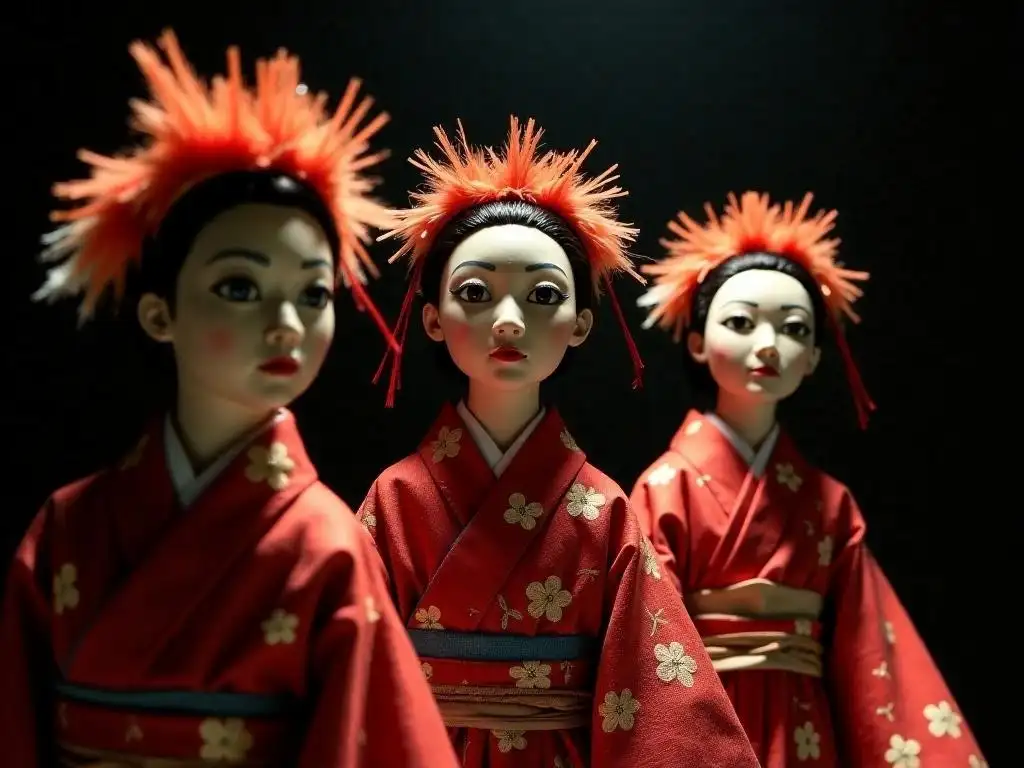
The evolution of techniques and styles in Japanese puppet theatre is a fascinating journey that reflects not only artistic progression but also the cultural shifts within society. From its early roots in shadow plays, which utilized simple puppeteering methods, to the intricate performances of Bunraku, the craft of puppet manipulation has seen remarkable innovation.
Innovations in Puppet Manipulation
One of the most significant innovations in Japanese puppet theatre is the transition from simple, single-operator puppets to more complex, multi-operator figures. In early forms like Kagebōshi (shadow plays), puppets were often manipulated by a single performer. However, as the art evolved, the introduction of Bunraku in the 17th century marked a turning point. This style utilizes three puppeteers per puppet: one controls the head and right hand, another manages the left hand, and a third handles the feet, allowing for a higher degree of expressiveness and realism.
- Key Innovations:
- Three-Person Manipulation: Enhanced emotional depth and character portrayal.
- Mechanics and Artistry: Incorporation of mechanical elements in puppets for dynamic movement.
- Stage Techniques: Development of sophisticated stagecraft, including lighting and set design, to enhance the narrative.
These innovations not only improved the visual spectacle of performances but also allowed for a more nuanced storytelling approach, emphasizing emotional connections between the puppets and the audience.
The Art of Puppetry: From Traditional to Modern Interpretations
The art of puppetry in Japan has undergone profound transformations, evolving from traditional forms to present-day interpretations that continue to captivate audiences. Traditional puppet theatre, particularly Bunraku, is marked by its meticulous craftsmanship and adherence to established narratives, often derived from classical literature and folklore.
In contrast, contemporary puppetry has begun to embrace modern themes and experimental techniques, integrating elements from various performance arts. This fusion has given rise to innovative works that challenge traditional boundaries and engage with contemporary societal issues.
- Traditional Aspects:
- Craftsmanship: Puppets are handcrafted from wood, silk, and other materials, often adorned with intricate details.
- Performance Style: The narrative is often delivered through a combination of music, narration, and puppeteering, creating a rich auditory and visual experience.
- Modern Interpretations:
- Thematic Evolution: Contemporary puppeteers explore themes such as identity, technology, and globalization.
- Cross-disciplinary Collaborations: Artists collaborate with dancers, musicians, and visual artists, expanding the scope of puppet theatre.
The transition from traditional to modern interpretations of Japanese puppet theatre reflects a broader cultural dialogue, showcasing the adaptability of this art form as it resonates with changing societal values and tastes. As such, the history of Japanese puppet theatre is not merely a chronicle of artistic evolution but also a mirror of Japan's evolving cultural landscape.
Challenges and Preservation Efforts
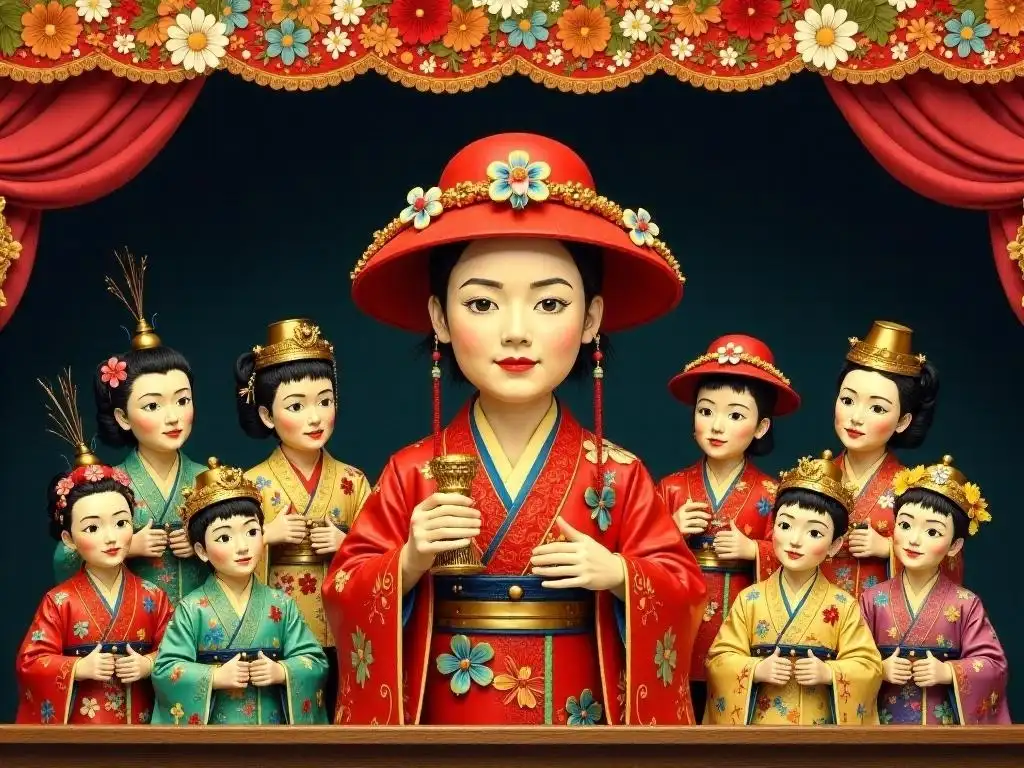
Threats to Traditional Japanese Puppet Theatre
The history of Japanese puppet theatre is rich and varied, but it faces significant challenges in the modern era. One of the primary threats to traditional Japanese puppet theatre is the declining audience. As modern entertainment options proliferate, including television and video games, fewer people attend live performances. This decline in audience numbers can lead to a decrease in funding and support for puppet theatre companies, threatening their survival.
Another pressing issue is the loss of skilled artisans and performers. The intricate craftsmanship required to create puppets and the specialized training needed for puppeteers are often not passed down to younger generations. Many traditional techniques and knowledge are at risk of being lost as aging artisans retire without successors to continue their craft. This loss not only affects the quality of performances but also the authenticity of the art form itself.
Additionally, economic challenges play a significant role in the threats faced by puppet theatre. Many traditional theatres struggle to compete with more commercial entertainment options and often lack the resources to promote their performances effectively. This situation can lead to financial instability, further exacerbating the decline of this cultural heritage.
Initiatives for Preserving Puppet Theatre History
Despite these challenges, numerous initiatives are underway to preserve the history and practice of Japanese puppet theatre. One of the most important efforts is the establishment of training programs aimed at passing on traditional puppet-making and puppeteering skills. Organizations such as the Japan Puppet Theatre Association work diligently to provide workshops and mentorship opportunities for aspiring puppeteers and craftsmen. These programs not only teach the necessary skills but also foster a deeper appreciation for the art form.
Another effective initiative is the collaboration between traditional puppet theatres and modern artists. By incorporating contemporary themes and techniques into traditional performances, these collaborations help to attract new audiences and keep the art form relevant in today’s cultural landscape. For instance, performances that blend traditional puppetry with modern storytelling or multimedia elements can engage younger viewers, ensuring that puppet theatre remains a vibrant part of Japan's artistic heritage.
Moreover, government and cultural organizations are increasingly recognizing the importance of preserving this art form. Efforts such as grants for puppet theatre companies, inclusion in cultural heritage lists, and support for touring performances are crucial for sustaining interest and participation in puppet theatre. Such initiatives help to secure funding, raise awareness, and encourage community involvement in preserving this unique aspect of Japanese culture.
While traditional Japanese puppet theatre faces numerous challenges, dedicated efforts are being made to ensure its survival and evolution. Through education, collaboration, and support, the rich history of Japanese puppet theatre can continue to thrive in contemporary society.
Conclusion: The Legacy of Japanese Puppet Theatre
Japanese puppet theatre, particularly forms like Bunraku and Jōruri, holds a significant place in the cultural tapestry of Japan, intertwining storytelling, music, and intricate craftsmanship. As we reflect on its legacy, it becomes clear that this art form is not merely a relic of the past but a dynamic component of Japan's cultural identity, continuously adapting and influencing contemporary forms of entertainment.
Summary of Key Historical Developments
Throughout the centuries, the evolution of Japanese puppet theatre can be traced through several pivotal developments:
- Origins in the 8th Century: The roots of Japanese puppet theatre can be traced back to the Nara period, where simple puppetry was used in religious ceremonies.
- Development of Jōruri in the 17th Century: The Edo period saw the rise of Jōruri, a form characterized by narrative sung by a chanter, which became a crucial element of puppet theatre.
- The Birth of Bunraku: In the late 17th century, Bunraku emerged as a distinct style, combining puppetry with live music and storytelling. This form elevated the art of puppetry, showcasing the skill of the puppeteers, who manipulate the puppets in full view of the audience.
- Global Influence in the 19th Century: As Japanese culture began to be more accessible to the West during the Meiji Restoration, Bunraku and other forms of puppet theatre gained international recognition, influencing various artistic movements and styles abroad.
- Modern Adaptations: Today, Japanese puppet theatre has evolved, incorporating modern themes and technologies, while still preserving traditional techniques. This evolution showcases the resilience and adaptability of this art form.
The Future of Japanese Puppet Theatre in Modern Japan
The future of Japanese puppet theatre appears promising, as it continues to attract new audiences and adapt to contemporary tastes. Several factors contribute to its ongoing relevance:
- Educational Initiatives: Many schools and cultural institutions are now offering workshops and programs focused on traditional puppetry, ensuring that younger generations can learn about and appreciate this art form.
- Integration with Technology: Modern productions are beginning to incorporate digital technology, such as projection mapping and augmented reality, creating immersive experiences that blend traditional puppetry with contemporary storytelling.
- Global Collaborations: Japanese puppet theatre is increasingly being showcased in international festivals, which helps foster cross-cultural exchanges and collaborations, broadening its appeal and understanding worldwide.
The legacy of Japanese puppet theatre is one of resilience and innovation, bridging the past with the future while continuing to enchant audiences both in Japan and around the globe. As this art form evolves, it remains a vital part of Japan's cultural heritage, ensuring that the history of Japanese puppet theatre continues to be celebrated and explored.
Frequently Asked Questions
What is the origin of Japanese puppet theatre?
Japanese puppet theatre, particularly Bunraku, traces its roots back to shadow plays that were prevalent in the 14th century. These performances laid the groundwork for more sophisticated puppetry styles that emerged later.
How does Bunraku differ from other forms of puppet theatre?
Bunraku is distinct due to its large, intricately crafted puppets and the live narration that accompanies performances, often featuring traditional music. This combination creates a unique storytelling experience.
What are the main themes explored in Bunraku performances?
Bunraku often explores historical events, romantic tales, and moral dilemmas, reflecting the complexities of Japanese society and culture during the feudal era. These themes provide deep insight into the era's values and beliefs.
How does Bunraku reflect Japanese culture?
Bunraku embodies Japanese aesthetics and values, such as transience and beauty in imperfection. The art form serves as a mirror, showcasing the cultural nuances and historical context of Japan's feudal period.
Is Bunraku still popular today?
Yes, Bunraku continues to be celebrated in Japan and is recognized as a UNESCO Intangible Cultural Heritage. Efforts are ongoing to keep this traditional art form alive, adapting it for modern audiences while honoring its rich history.
Final Reflection: The Enduring Legacy of Japanese Puppet Theatre
The evolution of Japanese puppet theatre is not just a historical account; it is a testament to the resilience and creativity of cultural expression. Today, as we navigate an increasingly digital world, the rich traditions of Japanese puppet theatre remind us of the power of storytelling and the importance of preserving our cultural heritage. This art form, with its intricate puppetry and compelling narratives, continues to resonate, proving that the past can illuminate our present and guide our future.
Cultural expressions like Japanese puppet theatre have shaped our understanding of art and community. The delicate craftsmanship and emotional depth found in Bunraku and other forms of puppet theatre reflect a profound connection between the performers and their audience. As we witness a resurgence of interest in traditional art forms, we are reminded of the words of renowned puppeteer Kinoshita Junji: Puppetry is not just about the puppets; it is about the stories they tell and the emotions they evoke.
This ongoing influence speaks to the universal themes of love, loss, and human experience that transcend time and culture.
As we reflect on the journey of Japanese puppet theatre, let us embrace the lessons it offers. Consider how the stories of our own lives can be shared and celebrated through art, whether it be through puppetry, writing, or any other medium. I invite you to explore your creative potential and engage with the rich tapestry of cultural narratives that surround us. By doing so, we not only honor the legacy of Japanese puppet theatre but also contribute to the ongoing dialogue of human expression that connects us all.
Unveil the Magic of Japanese Puppet Theatre Today!
Thank you for diving into the fascinating world of Japanese puppet theatre with us! We hope you discovered the rich history and artistry behind the enchanting performances, from shadow plays to Bunraku. Now, it's time to take action and experience this cultural treasure firsthand.
Here are some ways you can further immerse yourself in this captivating art form:
- Attend a local puppet theatre performance to witness the artistry and storytelling live.
- Explore documentaries or online showcases that offer in-depth insights into the techniques and history of puppet theatre.
- Share your newfound knowledge with friends and family—consider organizing a movie night featuring films about puppet theatre or hosting discussions!
What aspect of Japanese puppet theatre intrigues you the most— the intricate craftsmanship, the storytelling, or the music? We would love to hear your thoughts below!