
The Role of Music and Dance in Shinto Rituals

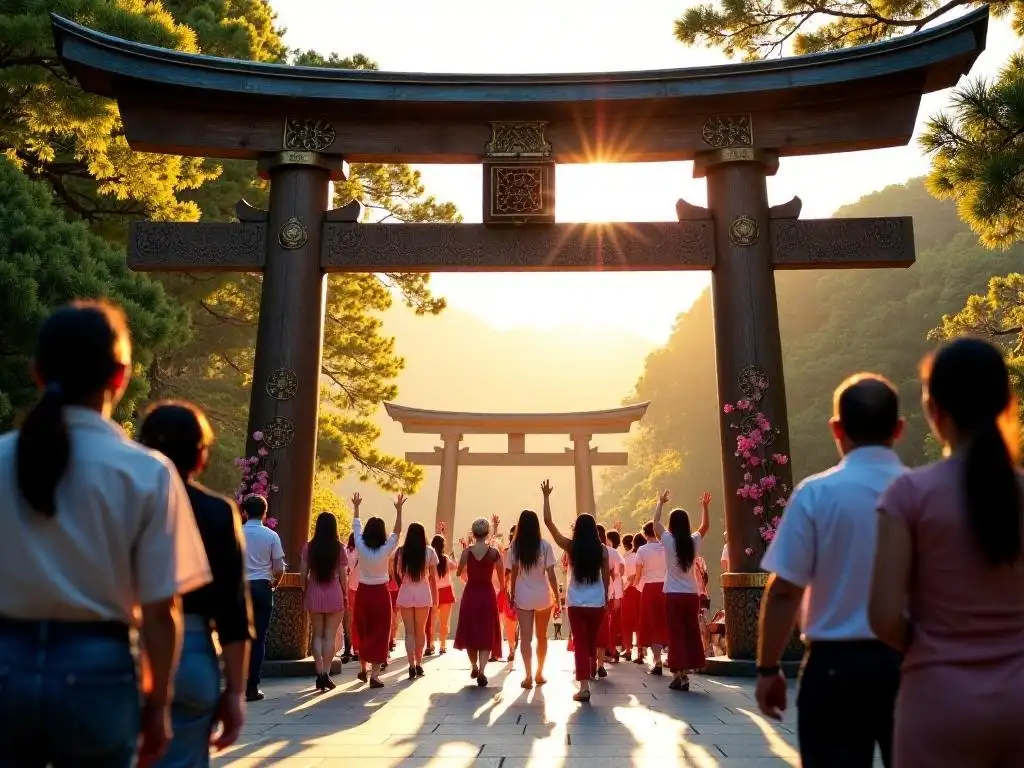
Welcome to Feudal Japan History, where the echoes of the past resonate through the intricate tapestry of Japan’s feudal era. Here, we invite you to embark on a captivating journey into the heart of Shinto rituals, music, and dance—elements that not only shaped religious practices but also enriched the cultural landscape of Japan. Discover how these vibrant expressions of faith and tradition intertwine to create a mesmerizing experience that transcends time.
As you delve into our featured article, "The Role of Music and Dance in Shinto Rituals," prepare to uncover the profound connections between sound, movement, and spirituality that continue to inspire and intrigue. Join us in exploring this enchanting aspect of Japan's history!
Introduction to Shinto Rituals Music and Dance
The vibrant tapestry of Shinto rituals is deeply intertwined with the cultural fabric of Japan, reflecting the spiritual beliefs and practices that have evolved over centuries. Within this dynamic context, music and dance emerge as essential elements that not only enhance the aesthetic experience of these rituals but also serve as vital conduits for expressing devotion and reverence to the kami, or spirits. This exploration delves into the intricate role that music and dance play in Shinto rituals, shedding light on their historical significance, cultural relevance, and the ways they continue to shape modern Shinto practices.
Overview of Shinto Practices
Shinto, often characterized as Japan's indigenous religion, encompasses a wide range of practices, beliefs, and rituals centered around the veneration of kami. These spirits can be associated with natural elements, ancestors, and even specific locations. Shinto rituals typically involve offerings, prayers, and various ceremonial acts, all aimed at establishing a harmonious relationship between humans and the kami. Among these practices, the incorporation of music and dance profoundly influences the atmosphere and emotional resonance of the rituals.
- Key Components of Shinto Practices:
- Purification: Ritual cleansing before engaging with the kami.
- Offerings: Presenting food, sake, and other items to the kami.
- Prayers and Incantations: Verbal expressions of devotion and requests for blessings.
- Music and Dance: Artistic expressions that elevate the spiritual experience.
Importance of Music and Dance in Shintoism
Music and dance serve multifaceted purposes within Shinto rituals. They not only entertain but also facilitate communication with the divine. The rhythmic sounds and movements are believed to attract the kami's attention, fostering a connection that transcends the mundane. Furthermore, these artistic expressions are imbued with symbolism, often reflecting themes of nature, life, and spirituality.
- Roles of Music and Dance:
- Invocation: Calling upon the kami through melodic sounds.
- Celebration: Marking significant events and seasonal festivals.
- Cultural Transmission: Preserving traditions and stories through performance.
Historical Context of Music and Dance in Shinto Rituals
Understanding the role of music and dance in Shinto rituals necessitates a look back at their historical origins. The roots of these practices can be traced to ancient Japanese traditions, where shamanistic elements played a pivotal role in early spiritual expressions. Over time, these practices evolved, adapting to the socio-political landscape of Japan while maintaining their essential characteristics.
Origins of Shinto Rituals
The origins of Shinto rituals are shrouded in the mists of antiquity, with influences from animistic beliefs and agricultural rites. Early rituals were likely simple forms of worship focused on nature and seasonal changes. As society progressed, the rituals became more structured, incorporating music and dance as key components to enhance the spiritual experience.
- Historical Milestones:
- Jomon Period (14,000 - 300 BCE): Early animistic practices with a focus on nature.
- Yayoi Period (300 BCE - 300 CE): Introduction of rice cultivation and related rituals.
- Kofun Period (300 - 538 CE): Increased complexity in rituals and the emergence of kami worship.
Evolution of Music and Dance in Shinto Practices
As Japan underwent various cultural and political transformations, so too did the music and dance associated with Shinto rituals. The influence of Noh and Kabuki theater, along with the formalization of musical instruments like the shamisen and taiko, enriched the ritualistic experience. Today, these art forms continue to evolve, reflecting contemporary interpretations while honoring traditional practices.
- Key Developments:
- Heian Period (794 - 1185): Establishment of court rituals with refined music and dance.
- Edo Period (1603 - 1868): Flourishing of folk traditions and regional variations in performance.
- Modern Era: Integration of contemporary influences while preserving heritage.
Through this exploration of music and dance in Shinto rituals, we gain a deeper appreciation for their enduring significance within Japanese culture and spirituality. The intricate interplay of sound, movement, and spirituality not only enhances the ritual experience but also serves as a living testament to Japan's rich historical legacy.
Elements of Shinto Rituals Music and Dance
Music and dance are integral components of Shinto rituals, serving various roles that enhance the spiritual experience and cultural significance of the ceremonies. Shinto music, known as “Kagura,” and dance are often performed together to honor the kami (deities or spirits) and to convey the community's reverence. The performance of music and dance is not merely an artistic expression; it is a sacred act that connects practitioners with the divine. Through rhythm, melody, and movement, these elements create a harmonious atmosphere that invites the presence of the kami, making them essential for the efficacy of the rituals.
Various traditional instruments and dance forms are employed during these ceremonies, each contributing to the unique auditory and visual experience that characterizes Shinto worship. The rituals often invoke a sense of purity, joy, and community, fostering an environment where participants can engage deeply with their spiritual beliefs. The combination of these elements plays a vital role in expressing devotion and creating an immersive experience for both performers and attendees.
Traditional Instruments Used in Shinto Ceremonies
In Shinto rituals, a variety of traditional instruments are utilized to create an atmosphere conducive to spiritual engagement. Some of the key instruments include:
- Taiko (Drums): These large drums produce powerful, resonant sounds that can evoke a sense of awe and excitement. Taiko drumming is often used to mark the beginning of ceremonies and to energize the participants.
- Hichiriki: A double-reed wind instrument that produces a hauntingly beautiful sound. The hichiriki is often featured in Kagura music and is essential for creating the mystical ambiance of Shinto rituals.
- Shakuhachi: A bamboo flute that produces soft, ethereal tones, the shakuhachi is used to evoke feelings of tranquility and reflection, guiding participants into a meditative state.
- Biwa: A four-stringed lute, the biwa adds a melodic layer to the music, with its rich, resonant sound often accompanying vocal performances.
- Nokiba (Gongs): These metal percussion instruments are used to signal transitions in the ritual and enhance the overall auditory experience.
These instruments are played in a specific manner that aligns with the rhythms of the rituals, reinforcing the connection between the physical and spiritual realms.
Types of Dance Performed in Shinto Rituals
Dance in Shinto rituals, primarily referred to as Kagura dance, encompasses various forms, each with distinct characteristics and purposes. Some notable types include:
- Sato Kagura: Originating from rural traditions, this form of dance often tells stories of the kami and the natural world, integrating local folklore and agricultural themes.
- Okinawa Kagura: Known for its vibrant costumes and lively movements, this variant incorporates elements from Okinawan culture and emphasizes community participation.
- Mikagura: Performed in the imperial court and shrines, Mikagura is characterized by its elegance and refinement, often accompanied by elaborate costumes and choreographed movements.
- Nara Kagura: This dance style is known for its theatricality and the use of masks, which convey various emotions and narratives related to the kami.
Each of these dance forms serves to honor the kami and engage the participants, reinforcing the connection between the human and divine.
The Role of Chanting and Vocalization in Shinto Music
Chanting and vocalization hold a significant place in Shinto music, often used to invoke the presence of the kami and to express reverence. The primary form of vocalization is “Norito,” which consists of ritual prayers or incantations recited by priests during ceremonies. These chants are characterized by their rhythmic and melodic qualities, creating a sacred atmosphere that enhances the overall experience of the rituals.
Vocal music in Shinto practices serves several functions:
- Invocation: Chanting is a means to call upon the kami, asking for their presence and blessings during the rituals.
- Purification: The melodic qualities of the chants are believed to purify the space and the participants, aligning their energies with that of the kami.
- Expression of Gratitude: Norito often includes expressions of gratitude, acknowledging the blessings received from the kami and reinforcing the relationship between the spiritual and human realms.
The combination of chanting and instrumental music creates a unified soundscape that is essential for the performance of Shinto rituals.
Functions of Music and Dance in Shinto Rituals
Music and dance in Shinto rituals serve multiple functions, each contributing to the overall spiritual and communal experience. These functions not only enhance the individual’s connection to the divine but also foster a sense of community among participants.
Enhancing Spiritual Connection through Music
One of the primary functions of music in Shinto rituals is to enhance the spiritual connection between the participants and the kami. The rhythms and melodies create an environment that facilitates meditation and reflection, allowing individuals to enter a trance-like state. As participants engage with the music, they often report feelings of transcendence and a deep sense of connection to the spiritual world. This heightened state of awareness allows for personal revelations and insights, making the rituals transformative experiences.
Dance as a Form of Offerings in Shinto Rituals
Dance in Shinto rituals is more than just a form of entertainment; it is considered a sacred offering to the kami. The movements performed during the dances symbolize gratitude, respect, and devotion, serving as a physical manifestation of the participants' intentions. Each gesture and step is imbued with meaning, often reflecting themes of nature, life cycles, and the relationship between humans and the divine. The act of dancing is believed to convey the participants’ wishes and hopes directly to the kami, reinforcing the connection between the earthly and the spiritual.
Creating a Communal Experience through Music and Dance
Music and dance in Shinto rituals foster a sense of community among participants. The shared experience of performing and witnessing these rituals strengthens social bonds and creates a collective identity. As individuals come together to engage in the rhythmic movements and melodic sounds, they experience a sense of belonging and unity. This communal aspect is vital in Shinto practices, where the collective worship and celebration of the kami reinforce the importance of harmony within the community.
The integration of music and dance not only enhances the spiritual experience but also emphasizes the cultural significance of Shinto practices, creating lasting memories and connections among those who participate.
Case Studies of Shinto Rituals Featuring Music and Dance
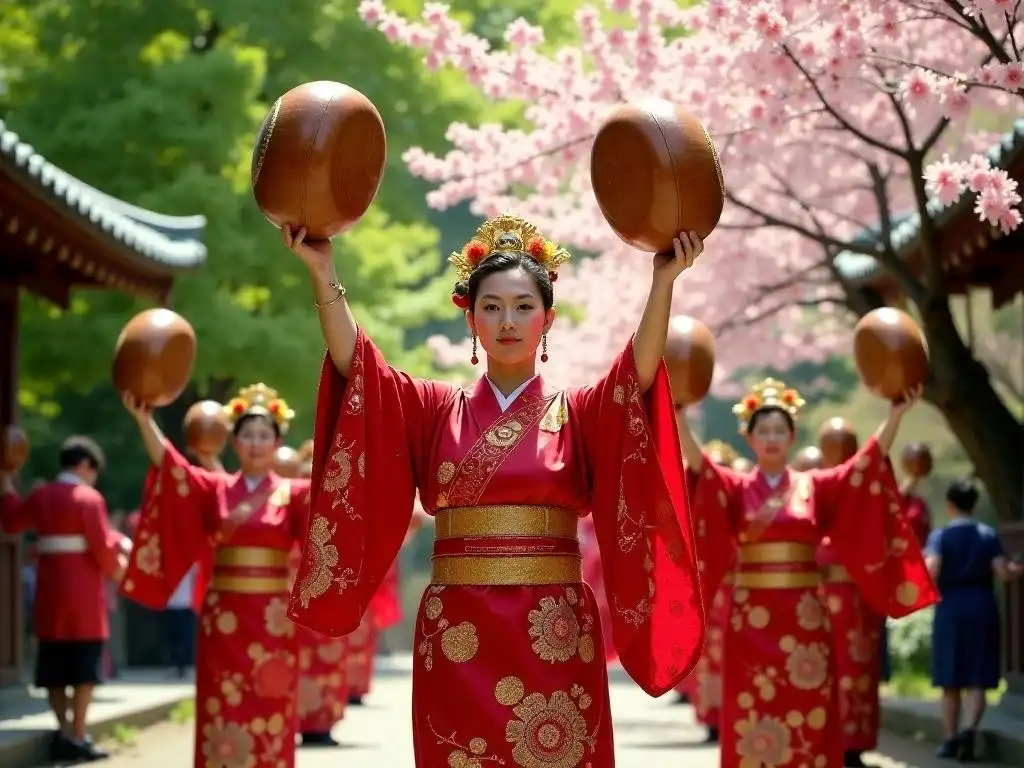
Shinto rituals are rich in musical and dance elements, reflecting the deep-rooted connection between spirituality and artistic expression in Japanese culture. Numerous case studies highlight how music and dance serve as vital components in Shinto ceremonies, creating an atmosphere conducive to honoring the kami (deities) and facilitating communication between the human and divine realms.
Examination of Specific Festivals and Their Musical Traditions
One of the most prominent Shinto festivals is the Gion Matsuri, celebrated in Kyoto. This month-long celebration features traditional music played on instruments such as the hichiriki (a double-reed wind instrument) and taiko drums. The procession of floats, known as yamaboko, is accompanied by these musical traditions, which set a reverent tone for the festival. The Gion Bayashi, a specific genre of music associated with this festival, is performed to invoke the protection of the kami from disease and disaster.
Another significant festival is the Aoi Matsuri, held in May. The music performed during this event includes gagaku, an ancient form of court music characterized by its slow tempo and elaborate melodies. The ceremonial procession features dancers adorned in traditional attire, performing choreographed movements that reflect the festival's themes of fertility and agricultural prosperity. The harmonious blending of music and dance during this festival exemplifies the spiritual significance attributed to these art forms.
Analysis of Dance Forms in Notable Shinto Ceremonies
Dance in Shinto rituals is often categorized into several distinct forms, each with its unique purpose and style. One notable dance form is the Kagura, a sacred dance performed to entertain the kami. It often features elaborate costumes and intricate movements, showcasing the dancer’s skill and devotion. The Kagura dances are commonly performed during festivals and in shrines, serving as a medium to convey gratitude and reverence to the kami.
Another important dance form is the Sato Kagura, which is performed in rural communities, often during harvest celebrations. This dance incorporates local folklore and themes, engaging the community in a collective expression of joy and gratitude. The rhythmic movements and music accompanying Sato Kagura not only reinforce cultural identity but also rejuvenate communal bonds, illustrating how dance functions as both a spiritual and social practice.
Contemporary Interpretations of Shinto Rituals Music and Dance
In modern times, Shinto rituals music and dance have evolved, adapting to changing societal contexts while maintaining their core spiritual significance. Contemporary interpretations not only honor tradition but also integrate modern influences, allowing for a broader appeal and understanding of these ancient practices.
Modern Adaptations in Shinto Practices
Today, many Shinto shrines have embraced contemporary music styles, incorporating them into traditional rituals. This fusion can be seen in festivals where traditional taiko drumming is combined with modern musical elements, creating a dynamic atmosphere that attracts younger audiences. Additionally, some shrines have begun to host workshops and performances that teach traditional music and dance, ensuring that these art forms are preserved and appreciated by new generations.
Moreover, the use of technology in amplifying sound and visuals during rituals has transformed the experience of Shinto ceremonies. Live-streaming festivals and performances has enabled a global audience to partake in these traditions, fostering a sense of community that transcends geographic boundaries.
Impact of Globalization on Shinto Music and Dance
Globalization has had a significant impact on Shinto music and dance, introducing new influences while challenging traditional practices. The interaction with global art forms has led to innovative expressions of Shinto rituals. Artists are increasingly blending Western musical styles with traditional Japanese instruments, creating unique interpretations that resonate with diverse audiences.
However, this blending has raised concerns about the authenticity and preservation of traditional Shinto practices. The challenge lies in balancing innovation with respect for the roots of Shinto music and dance. As these art forms continue to evolve, they reflect not only the resilience of Shinto traditions but also the dynamic nature of culture in an interconnected world.
Conclusion: The Significance of Music and Dance in Shinto Rituals
The integral role of music and dance in Shinto rituals cannot be overstated. These elements serve not only as a medium of expression but also as a vital conduit for spiritual connection. Music and dance in Shinto rituals are imbued with deep cultural significance, enhancing communal bonds and fostering a sense of identity among practitioners. They act as both offerings to the kami (deities) and as means of invoking their presence, thereby bridging the gap between the human and divine realms.
Moreover, the rhythmic and melodic aspects of Shinto music create an atmosphere conducive to reverence and reflection. Through the use of traditional instruments such as the taiko (drum), shakuhachi (bamboo flute), and koto (stringed instrument), participants engage in a multi-sensory experience that enriches their spiritual journey. The choreography of dance, often characterized by slow, deliberate movements, embodies the essence of harmony and respect for nature, further emphasizing the core tenets of Shinto beliefs.
Summarizing the Role of Music and Dance in Spiritual Practices
Music and dance play a pivotal role in Shinto spiritual practices by:
- Facilitating Communication: They serve as offerings that allow practitioners to communicate with the kami, expressing gratitude, devotion, and requests for blessings.
- Enhancing Ritual Experience: The integration of music and dance elevates the emotional experience of rituals, making them more profound and memorable for participants.
- Cultural Transmission: Through traditional forms of music and dance, essential cultural values and beliefs are passed down through generations, ensuring the preservation of Shinto practices.
- Creating Community: Participation in these rituals fosters a sense of belonging and community among practitioners, reinforcing social ties and shared identity.
Overall, music and dance are not merely artistic expressions within Shinto but are essential components that enrich the spiritual landscape of this ancient belief system.
Future of Music and Dance in Shinto Rituals
As society evolves, so too does the landscape of Shinto rituals, including the music and dance associated with them. The future of these practices appears promising yet challenging. With increasing interest in traditional arts, there is potential for revitalization and innovation within Shinto music and dance. Younger generations are beginning to engage with these traditions in new ways, blending contemporary styles with classical elements to create unique interpretations.
However, there are concerns about the preservation of authenticity amidst modernization. Balancing innovation with respect for tradition will be crucial in ensuring that the essence of Shinto rituals remains intact. Efforts to educate and involve younger practitioners in traditional music and dance forms are vital for sustaining these practices. Furthermore, the integration of technology, such as online platforms for learning and sharing, may provide new avenues for engagement and participation, enabling the continued evolution of Shinto rituals music and dance.
References
Key Texts and Resources on Shinto Rituals Music and Dance
- Shinto: The Kami Way by Sokyo Ono
- Japanese Music and Musical Instruments by David W. Hughes
- The Sacred Sound of Shinto: Music and Nature by Yoshiko Yamaguchi
- Shinto: A History by Nobutaka Inoue
Suggested Further Reading on Shinto Practices and Culture
- The Essence of Shinto: Japan's Spiritual Heart by Sokyo Ono
- Shinto: The Way Home by Thomas P. Kasulis
- Japanese Folk Dance: A Study of the Art of Dance in Japan by Takako Ohta
- The Spirit of Shinto: An Introduction to Japan's Ancient Religion by Michael Pye
- Introduction to Shinto Rituals Music and Dance
- Historical Context of Music and Dance in Shinto Rituals
- Elements of Shinto Rituals Music and Dance
- Functions of Music and Dance in Shinto Rituals
- Case Studies of Shinto Rituals Featuring Music and Dance
- Contemporary Interpretations of Shinto Rituals Music and Dance
- Conclusion: The Significance of Music and Dance in Shinto Rituals
- References
- What is the significance of music in Shinto rituals?
- How does dance contribute to Shinto ceremonies?
- What types of music are typically used in Shinto rituals?
- Are there specific dances associated with Shinto rituals?
- How does the study of music and dance in Shinto inform our understanding of Japanese culture?
Frequently Asked Questions
What is the significance of music in Shinto rituals?
Music plays a crucial role in Shinto rituals by enhancing the spiritual atmosphere and helping to invoke the presence of kami (deities). It aids in the expression of reverence and celebration during ceremonies.
How does dance contribute to Shinto ceremonies?
Dance is used as a form of offering and communication with the kami. It embodies the spiritual connection between humans and deities, often performed to express gratitude or to invoke blessings.
What types of music are typically used in Shinto rituals?
Shinto rituals often feature traditional instruments such as the shamisen, flute, and drums. These instruments create a specific auditory experience that complements the spiritual significance of the rituals.
Are there specific dances associated with Shinto rituals?
Yes, there are several specific dances, such as Kagura, performed during Shinto rituals. These dances are often ritualistic and are intended to honor the kami and celebrate seasonal festivals.
How does the study of music and dance in Shinto inform our understanding of Japanese culture?
Studying the music and dance in Shinto rituals provides insights into the cultural values, beliefs, and historical practices of Japan. It highlights the importance of spiritual expression in Japanese society and its influence on contemporary culture.
Final Reflection: The Harmonious Dance of Tradition and Spirituality
The exploration of music and dance within Shinto rituals reveals their profound significance in contemporary society. As we navigate an increasingly fast-paced world, the timeless practices of Shinto remind us of the importance of connecting with our cultural roots and the spiritual dimensions of life. The rhythmic beats and melodic tunes of Shinto rituals serve not only as a form of worship but also as a powerful reminder of our shared humanity and the sacredness of nature.
Cultural expressions like music and dance are vital threads in the fabric of society, influencing our collective consciousness and personal identities. The rituals of Shinto, steeped in history and tradition, continue to resonate with individuals seeking meaning and connection in their lives. As noted by renowned ethnomusicologist John Blacking, “Music is a social process, and it is through music that we can understand the world around us.” This perspective emphasizes how the melodies and movements of Shinto rituals foster community, continuity, and a deeper understanding of our place within the universe.
As you reflect on the role of music and dance in Shinto rituals, consider how these elements can inspire your own life. Embrace the lessons of harmony, respect for nature, and the celebration of community that these rituals embody. Take a moment to engage with your own cultural practices or explore new forms of expression that resonate with you. In doing so, you not only honor the traditions of the past but also contribute to a vibrant tapestry of cultural heritage that enriches our present and future.
Embrace the Spirit of Shinto: Dance and Music Await!
Thank you for exploring the vibrant world of music and dance in Shinto rituals with us! You've uncovered the profound connection between art and spirituality that enriches these sacred practices. Now, it's time to take that insight into action and deepen your appreciation for Shinto traditions.
Here are some steps you can take right now:
- Participate in a Local Shinto Festival: Seek out nearby cultural events or festivals that celebrate Shinto practices. Immerse yourself in the music and dance that bring these rituals to life.
- Explore Traditional Music: Discover the unique instruments used in Shinto ceremonies. Listen to recordings or find tutorials to learn how to play them yourself. This could unlock a whole new musical journey!
- Share Your Knowledge: Spread the word! Discuss what you've learned about Shinto music and dance with friends or on social media. Engaging conversations can foster a deeper understanding and appreciation.
What aspect of Shinto music or dance resonates with you the most, and how do you plan to incorporate it into your life?