
The Relationship Between Clothing and Identity in Feudal Society


Welcome to Feudal Japan History! Here, we invite you to embark on a captivating journey through the intricate tapestry of Japan’s feudal era. Our featured article, “The Relationship Between Clothing and Identity in Feudal Society,” delves deep into how garments were not merely fabric but powerful symbols of status, culture, and personal identity. As you explore the fascinating interplay between attire and societal roles, you'll uncover the rich narratives that shaped daily life in this remarkable period. Prepare to have your curiosity piqued and your understanding broadened—there’s so much more to discover!
Introduction to Clothing and Identity in Feudal Japan
In feudal Japan, clothing served as a powerful symbol of identity, reflecting not only the social status of individuals but also their roles within the intricate hierarchy of society. From the noble samurai to the common farmer, each class utilized clothing to convey messages about their position, values, and aspirations.
This article delves into the profound relationship between clothing and identity during this transformative period in Japanese history, exploring how garments were intertwined with cultural norms, societal roles, and personal expression. As we navigate through the layers of fabric and style, we will uncover the complex narratives woven into the attire of feudal Japan, illustrating how clothing was much more than mere decoration—it was a vital part of one's identity and place in the world.
Overview of Feudal Japan's Social Structure
Feudal Japan was characterized by a rigid social hierarchy that dictated the lives of its citizens. The societal structure was primarily divided into the following classes:
- Emperor and Imperial Family: The highest rank, though often symbolic in power.
- Shogun: The military ruler, holding real power over the country.
- Daimyo: Feudal lords who governed regions and maintained their own armies.
- Samurai: Warrior class sworn to serve the daimyo, known for their codes of honor.
- Farmers: The backbone of the economy, providing sustenance for the population.
- Artisans: Skilled workers who produced goods and crafts.
- Merchants: Often looked down upon, they played a crucial role in trade.
Each class had distinct clothing styles that signified their rank and profession, making clothing a crucial indicator of identity within this stratified society.
Importance of Clothing in Reflecting Identity
In feudal Japan, clothing was not merely a practical necessity; it was a reflection of one's identity. The colors, fabrics, and styles of garments communicated social status, occupation, and even moral character. For instance:
- Samurai wore elaborate kimonos adorned with family crests, showcasing their lineage and honor.
- Farmers typically donned simpler, utilitarian clothing that emphasized functionality over aesthetics.
- Daimyo displayed their wealth through luxurious fabrics and intricate designs, often using clothing as a means to assert power and prestige.
Thus, clothing became a visual language through which individuals communicated their identities and societal roles, reinforcing the cultural narratives of feudal Japan.
Historical Context of Clothing in Feudal Japan
To fully appreciate the relationship between clothing and identity, it is essential to understand the historical context of clothing in feudal Japan. This era, spanning from the late 12th century to the early 17th century, witnessed significant changes influenced by political, economic, and cultural shifts.
Evolution of Clothing Styles Throughout the Feudal Era
From the Kamakura period (1185-1333) to the Edo period (1603-1868), clothing styles evolved dramatically. Each era introduced new materials, techniques, and aesthetics that reflected broader societal changes:
- Kamakura Period: Characterized by simpler, more practical clothing due to the rise of the samurai class.
- Muromachi Period: Marked by the introduction of vibrant colors and luxurious fabrics, influenced by the flourishing of arts and culture.
- Edo Period: Saw the standardization of clothing styles, with the kimono becoming a universal garment, symbolizing both tradition and identity.
This evolution illustrates how clothing was not static but rather a dynamic aspect of Japanese culture, adapting to the needs and values of society over time.
Influence of Social Class on Clothing Choices
Social class played a pivotal role in determining clothing choices in feudal Japan. The distinction between classes was often mirrored in their attire, with each class adhering to specific regulations:
- Sumptuary Laws: These laws restricted certain colors and materials to the upper classes, ensuring that clothing remained a clear indicator of social status.
- Regional Variations: Different regions developed unique styles influenced by local resources and traditions, further diversifying the clothing landscape.
This strong correlation between social class and clothing choices underscores the significance of attire as a marker of identity, demonstrating how clothing not only represented individual identity but also reinforced the societal structure of feudal Japan.
Types of Clothing and Their Symbolism
In feudal Japan, clothing was not merely a matter of practicality; it served as a profound reflection of identity, social status, and cultural values. The types of clothing individuals wore were imbued with symbolism that spoke volumes about their roles in society. From the elaborate designs of the kimono to the utilitarian garb of the peasantry, each garment played a crucial role in defining individual and collective identities.
The kimono, for instance, symbolized various aspects of Japanese identity, including tradition, social hierarchy, and gender roles. Warriors donned armor that not only protected them in battle but also signified their rank and status. Meanwhile, the everyday clothing of peasants revealed their place within the socio-economic structure of feudal Japan. Understanding these clothing types allows us to appreciate the intricate relationship between clothing and identity in this historical context.
Kimono and Its Significance in Identity
The kimono is perhaps the most iconic garment of Japan, representing a blend of artistry and cultural heritage. In feudal society, the kimono was more than a simple piece of clothing; it was a powerful symbol of identity and social standing. Different styles, patterns, and colors of kimonos communicated a person's age, marital status, and even regional origins.
For women, the kimono was an expression of femininity and grace, often adorned with intricate designs that reflected seasonal changes or family heritage. For men, the kimono conveyed masculinity and strength, with variations that indicated rank and profession. The choice of fabric also played a significant role; silk was reserved for the elite, while cotton was common among the lower classes. Thus, the kimono acted as a visual language, articulating identity in a society that placed great emphasis on social hierarchy and cultural tradition.
Armor as a Reflection of Warrior Identity
Armor in feudal Japan was not only functional but also a critical aspect of a warrior's identity. The design and embellishments of samurai armor conveyed information about the wearer’s status, clan affiliation, and personal achievements. Elaborate armor, often adorned with family crests (mon), reflected the warrior's honor and lineage, while simpler designs indicated lower ranks.
Moreover, the craftsmanship involved in creating armor demonstrated the samurai's connection to their heritage, evoking a sense of pride and loyalty. The type of armor also aligned with the warrior's role on the battlefield, with variations designed for different combat styles. Thus, samurai armor served as a powerful symbol of identity, encapsulating both the martial prowess and the cultural ethos of the samurai class.
Everyday Clothing: The Role of Peasantry Attire
The everyday attire of peasants in feudal Japan was practical and functional, reflecting their lifestyle and social status. Common garments included the hiki (a simple tunic) and waraji (straw sandals), which were designed for ease of movement and durability. While these clothes were modest, they still held significance in terms of identity.
Peasant clothing often featured natural dyes and simple patterns, indicating a connection to the land and their labor. The clothing also had a communal aspect, with families often sharing resources to create garments that reflected their collective identity. Despite their lower status, the attire of peasants conveyed resilience and a strong sense of community, showcasing how identity can emerge even in simplicity.
Clothing in feudal Japan was a powerful tool for expressing social status and individual identity. From the intricate details of a noble's attire to the practical garments of the common folk, clothing served as a visual representation of one's place within the rigid social hierarchy. Each layer of fabric, color, and accessory carried meaning, shaping perceptions and interactions within society.
Clothing as a Symbol of Rank and Authority
In feudal Japan, clothing was intricately tied to rank and authority, with specific garments designated for different social classes. The ruling class wore elaborate kimonos made of luxurious fabrics, often embellished with gold and intricate patterns, signifying their power and wealth. In contrast, the attire of the lower classes was more austere, made from less expensive materials that reflected their economic limitations.
This distinction in clothing was not limited to the elite and peasantry; even among the samurai class, variations existed that denoted rank. For example, higher-ranking samurai would wear distinctive colors and patterns, while lower-ranking warriors opted for simpler designs. This hierarchical representation through clothing established a clear visual hierarchy, reinforcing social order and expectations within feudal society.
The Significance of Fabrics and Colors in Denoting Class
The choice of fabric and color played a significant role in denoting class distinctions in feudal Japan. Certain fabrics, like silk, were exclusive to the upper classes due to their expense and the craftsmanship required to produce them. Colors also carried symbolic weight; for instance, indigo was commonly worn by the lower classes, while more vibrant hues like red and purple were reserved for nobility.
Moreover, specific colors were associated with cultural meanings. For instance, white symbolized purity, often worn during ceremonies, while black represented formality. The careful selection of fabrics and colors allowed individuals to navigate their social identities, reinforcing the cultural norms of their time.
Gender Differences in Clothing and Identity Expression
Gender played a crucial role in the expression of identity through clothing in feudal Japan. Men and women wore distinct garments that reflected their societal roles and expectations. Men's clothing typically emphasized functionality and status, with samurai often donning armor and formal kimonos that highlighted their martial identity.
In contrast, women's clothing was often more elaborate, focusing on beauty and grace. The layering of kimonos, along with the use of accessories like obi (sashes) and kanzashi (hair ornaments), allowed women to express their individuality within the constraints of societal norms. The interplay of gender and clothing in feudal Japan illustrates how identity was not only shaped by social class but also by the roles prescribed to individuals based on their gender, making clothing a nuanced form of expression in a complex society.
Clothing and Cultural Identity
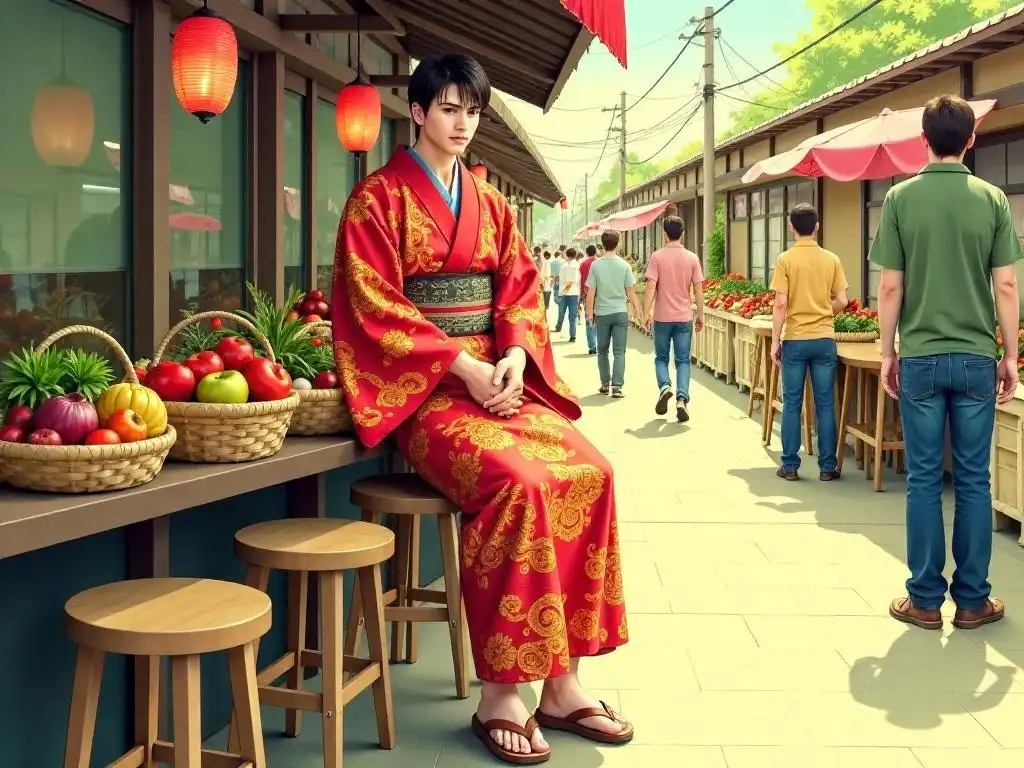
In feudal Japan, clothing served as a powerful medium of cultural identity, reflecting the intricate tapestry of social hierarchies, regional characteristics, and individual roles within society. The garments worn by individuals were not merely functional; they were laden with symbolism and meaning, often denoting one's status, profession, and even allegiance to a particular clan. This relationship between clothing and identity was particularly pronounced in a society deeply stratified by class and occupation.
The materials, colors, and patterns used in clothing were often dictated by societal norms and regulations. For instance, the use of silk was reserved for the elite, while commoners typically wore garments made from coarser materials like cotton or hemp. Furthermore, specific colors were associated with particular classes, with bright hues often reserved for the nobility. This distinction in clothing not only reinforced social boundaries but also fostered a sense of belonging and cultural pride among different groups.
Regional Variations in Clothing Styles
The diverse geography of Japan gave rise to distinct regional variations in clothing styles, influenced by local resources, climates, and cultural practices. For example, in the colder northern regions, heavier fabrics and layered garments were necessary for warmth, leading to the development of unique styles such as the hifu, a traditional padded jacket. Conversely, in the warmer southern regions like Kyushu, lighter fabrics and more breathable designs were favored.
Moreover, regional aesthetics often influenced the patterns and colors used in clothing. In areas known for their textile production, such as Kagoshima and Osaka, intricate dyeing techniques and patterns became emblematic of local identity. This resulted in a rich diversity of clothing styles that not only showcased the artisanship of local craftsmen but also allowed communities to express their unique cultural heritage through attire.
Influence of Religion and Spiritual Beliefs on Attire
Religion and spirituality played a significant role in shaping clothing choices in feudal Japan. Shintoism, Buddhism, and other spiritual practices influenced the materials, colors, and styles deemed appropriate for different occasions. For instance, certain colors were believed to have protective qualities or to signify auspiciousness, impacting the clothing worn during ceremonies or festivals.
Additionally, clothing worn by religious figures, such as monks and priests, often reflected their spiritual status and role within the community. The simplicity of a monk's robe symbolized detachment from worldly desires, while the intricate garments of Shinto priests were rich in symbolism, designed to connect the wearer to the divine. Thus, the intertwining of clothing and spirituality highlighted the profound relationship between personal identity and faith in feudal society.
The Impact of Clothing on Personal Identity
In the context of feudal Japan, clothing was a critical aspect of personal identity, allowing individuals to express their values, aspirations, and social affiliations. The choices made in terms of attire communicated messages about one's personal beliefs and status, ultimately shaping how individuals were perceived by others in their community.
How Clothing Choices Reflect Personal Values
The clothing choices of individuals often reflected their personal values and the societal ideals they aspired to embody. For instance, samurai might choose to wear clothing that emphasized their warrior status, such as hakama trousers and kimono adorned with clan crests, showcasing their loyalty and honor. Similarly, merchants might opt for clothing that combined practicality with a sense of style, illustrating their status as upwardly mobile figures within society.
Moreover, the adoption of specific fashion trends could signify allegiance to particular cultural movements or ideologies. For example, as the influence of Zen Buddhism grew, many individuals began to embrace minimalist aesthetics in their clothing, reflecting a shift towards simplicity and mindfulness. In this way, clothing served as a canvas for individuals to project their personal values and beliefs within the broader context of feudal society.
The Relationship Between Fashion Trends and Individuality
Fashion trends in feudal Japan also played a crucial role in shaping individual identity, providing a means for self-expression and differentiation within the rigid social framework. While societal norms dictated certain standards of dress, individuals often found ways to adapt these trends to create a personal style that resonated with their identity.
The emergence of specific fashion trends, such as the Edo period's vibrant colors and elaborate designs, allowed individuals to express their personality and creativity. This adaptability was particularly evident among the merchant class, who sought to distinguish themselves from the samurai and peasant classes through their fashion choices. By embracing new styles or incorporating unique elements into their attire, individuals could assert their individuality while navigating social expectations.
Ultimately, the interplay between clothing and identity in feudal Japan reveals a complex relationship where personal expression coexisted with societal norms, enabling individuals to carve out their distinct identities within a structured society.
Conclusion: The Lasting Legacy of Clothing and Identity in Feudal Japan
The intricate relationship between clothing and identity in feudal Japan has left an enduring legacy that continues to influence contemporary Japanese culture. Clothing was not merely a means of protection or adornment; it functioned as a powerful symbol of social hierarchy, political allegiance, and cultural identity. The garments worn during this period reflected the distinct roles individuals played within society, effectively communicating their status and affiliations without the need for words.
The various styles, materials, and colors associated with different classes—from the opulent silks of the samurai to the simple cotton garments of the peasantry—serviced both practical and symbolic purposes. This relationship established a visual language that conveyed status, profession, and even moral virtues. As such, the clothing of feudal Japan serves as a historical record, offering insights into the societal values and norms of the time.
Moreover, the legacy of this relationship has been preserved through traditional clothing practices in modern Japan, such as the kimono, which still embodies the aesthetics and social connotations rooted in feudal history. The reverence for these historical garments reflects a continuing appreciation of the past, emphasizing the significance of clothing as a marker of identity.
Summary of Key Points on Clothing and Identity
- Social Hierarchy: Clothing in feudal Japan was a clear indicator of social class, with specific styles and materials reserved for the elite. The samurai class, for example, wore elaborate garments that signified their status and power, while commoners were limited to simpler, more practical attire.
- Cultural and Political Significance: Clothing choices were often influenced by political affiliation and cultural customs. For instance, certain colors and patterns were associated with particular clans or regions, reinforcing loyalty and regional identity.
- Gender Roles: Different garments also reflected the societal expectations placed on men and women. Men’s clothing emphasized authority and strength, while women’s attire often highlighted beauty and elegance, showcasing the traditional gender roles of the time.
- Religious and Spiritual Implications: Clothing was intertwined with spiritual beliefs and practices. Specific garments were worn for ceremonies and rituals, embodying the connection between physical attire and spiritual identity.
- Modern Relevance: Today, the influence of feudal Japan's clothing can still be observed in modern fashion, with traditional elements being celebrated in cultural festivals and daily wear, highlighting their significance in both historical and contemporary contexts.
Reflection on Modern Perspectives of Historical Clothing and Identity
In the present day, the study of clothing in feudal Japan offers valuable insights into the complexities of identity construction and social dynamics. Scholars and enthusiasts alike recognize that clothing serves not only as a reflection of personal identity but also as a canvas upon which cultural narratives are painted. Modern interpretations of historical clothing are often infused with a sense of nostalgia and respect for tradition, prompting discussions about cultural heritage and identity.
Furthermore, the revival of traditional garments like the kimono in contemporary fashion demonstrates a desire to bridge past and present. Many contemporary designers draw inspiration from feudal aesthetics while reimagining them for modern sensibilities, thereby keeping the conversation about clothing and identity alive.
As society continues to evolve, the study of clothing in feudal Japan remains relevant, encouraging us to consider how attire shapes our understanding of identity, community, and history. The legacy of this complex relationship invites ongoing exploration, emphasizing the importance of clothing as a vital element in the tapestry of cultural identity.
- Introduction to Clothing and Identity in Feudal Japan
- Historical Context of Clothing in Feudal Japan
- Types of Clothing and Their Symbolism
- The Role of Clothing in Social Status and Identity
- Clothing and Cultural Identity
- The Impact of Clothing on Personal Identity
- Conclusion: The Lasting Legacy of Clothing and Identity in Feudal Japan
Frequently Asked Questions
What was the significance of clothing in feudal Japan?
Clothing played a crucial role in defining social status and identity, with specific garments indicating one's rank and position within the feudal hierarchy.
How did clothing reflect cultural identity in feudal Japan?
In feudal Japan, clothing was not just functional but also a reflection of cultural values, showcasing regional traditions, craftsmanship, and the aesthetic sensibilities of the time.
Yes, there were distinct clothing styles for each social class, with the nobility wearing elaborate fabrics and designs, while peasants wore simpler, more practical attire.
How did the samurai influence clothing trends in feudal Japan?
The samurai had a significant impact on clothing trends, promoting styles that emphasized martial aesthetics and functionality, which later influenced the fashion of other classes as well.
Did clothing change over the course of feudal Japan?
Yes, clothing evolved throughout the feudal era, influenced by political changes, cultural exchanges, and shifts in societal norms, leading to a rich tapestry of styles and garments.
Final Reflection: The Enduring Ties Between Clothing and Identity
The intricate relationship between clothing and identity in feudal Japan remains profoundly relevant today, as it highlights how attire can serve as a powerful medium for self-expression and social stratification. In a world where fashion trends often reflect cultural values and personal beliefs, the historical context of clothing in feudal society provides a compelling lens through which we can examine our own identities. The garments worn by the samurai, peasants, and merchants not only defined their social status but also conveyed their aspirations and affiliations, echoing the ongoing dialogue between clothing and identity in contemporary society.
Cultural identity continues to evolve, yet the lessons from feudal Japan remind us of the significance of our choices in attire. The way we dress can still reflect our values, beliefs, and social standing, shaping how we are perceived by others. As we navigate an increasingly globalized world, the complexities of identity become even more pronounced. > “Clothing is a form of self-expression; it reflects who we are and who we aspire to be.” This quote encapsulates the essence of how clothing transcends mere fabric, becoming a canvas for our identities, much like it was in the past.
As we reflect on the insights gleaned from the relationship between clothing and identity in feudal Japan, I invite you to consider your own wardrobe choices. What stories do your clothes tell about you? Embrace the opportunity to express your identity through your attire, recognizing that each garment carries the potential to convey your unique narrative. Let us honor the past while shaping our futures, understanding that clothing is not just a necessity but a powerful means of self-definition and connection to our cultural heritage.
Unveil Your Identity: Embrace the Lessons of Feudal Fashion!
Thank you for diving into the fascinating relationship between clothing and identity in feudal society! Your curiosity about this captivating era equips you with valuable insights into how garments shaped personal and social identities. Now, it's time to put this knowledge into action!
Here are some engaging steps you can take to further explore this theme:
- Dive Deeper: Explore the symbolism of specific garments in feudal Japan by checking out our in-depth articles on traditional clothing and its societal implications at feudaljapanhistory.com.
- Join the Conversation: Share your thoughts on how clothing represents identity in today's world in our discussion forum. Your perspective can enrich our community's understanding!
- Create a Visual Diary: Collect images or illustrations of clothing that resonates with your identity or interests. Reflect on what these choices say about you and share this creative work with us!
How do you believe clothing influences our identities in modern society? Let's discuss!