
Explore the Way of the Samurai: Guided Tours Through Japan’s Feudal Past


Welcome to Feudal Japan History, where the echoes of the past come alive! Immerse yourself in the rich tapestry of Japan's feudal era as we delve into the fascinating world of samurai guided tours in Japan. Our expertly crafted articles unlock the secrets of this intriguing period, offering a unique lens through which to explore not just the warriors, but the culture and society that shaped their legacy.
Are you ready to embark on a journey that will transport you to the heart of the samurai spirit? Join us as we uncover the paths less traveled and reveal the stories that await just beyond the horizon.
Introduction to Samurai Guided Tours in Japan
Embarking on a journey through Japan’s feudal past offers a unique lens to understand the intricate tapestry of its history, culture, and society. Samurai guided tours in Japan provide an immersive experience, allowing travelers to explore the lives, traditions, and legacies of the legendary samurai warriors who once roamed the land. These tours not only highlight the martial prowess and ethical codes of the samurai but also delve into the rich historical contexts that shaped their existence during the feudal era.
The fascination with samurai culture is multifaceted. From their iconic armor and weaponry to their philosophies of honor, loyalty, and discipline, samurai have become symbolic figures representing Japan's historical narrative. On these guided tours, participants can expect to visit significant sites such as ancient castles, shrines, and battlefields, each echoing stories of valor and sacrifice. Additionally, engaging with local experts and historians enriches the experience, providing deeper insights into the samurai's role in shaping Japan's societal structures.
Moreover, these tours often incorporate interactive elements, such as traditional martial arts demonstrations and opportunities to try on samurai armor. This hands-on approach not only captivates history enthusiasts but also allows travelers to connect with Japan’s heritage on a personal level. Whether you are a seasoned traveler or a curious newcomer, exploring the way of the samurai is a compelling way to uncover the depths of Japan's feudal past, making it a must-do for anyone interested in this captivating era.
The Essence of Samurai Guided Tours in Japan

Samurai guided tours in Japan offer an immersive experience into the rich tapestry of feudal history, culture, and the storied lives of the samurai. These tours provide a unique opportunity to traverse the landscapes that shaped Japan’s legendary warriors, from ancient castles to serene temples, while engaging with knowledgeable guides who bring this history to life.
What Makes Samurai Guided Tours Unique?
Samurai guided tours distinguish themselves through several key features:
- Authentic Experiences:
- Participants are often taken to historically significant sites such as former samurai residences, battlefields, and castles like Himeji and Kumamoto. These locations are not just visually stunning but also steeped in stories of valor and honor.
- Many tours include demonstrations of traditional martial arts, such as kendo or iaido, allowing travelers to witness the discipline and skill that defined the samurai ethos.
- Cultural Immersion:
- Tours frequently incorporate cultural elements such as tea ceremonies, calligraphy, and even costume experiences where participants can dress in traditional samurai attire. This hands-on approach fosters a deeper connection to the samurai way of life.
- Guides often share tales of famous samurai, such as Miyamoto Musashi and Oda Nobunaga, enriching the experience with narratives that resonate with the samurai's values and principles.
- Expert-Led Insights:
- Knowledgeable guides, often historians or cultural experts, provide in-depth explanations and answer questions, transforming the tour into an educational experience. This expertise allows participants to gain insights that may not be accessible through self-guided exploration.
- The integration of local perspectives adds depth to the experience, as guides connect historical events to contemporary Japanese culture.
Benefits of Choosing a Guided Tour
Opting for a samurai guided tour in Japan comes with numerous advantages:
- Convenience:
- Guided tours streamline the travel experience, handling logistics such as transportation, entry fees, and itineraries. This allows participants to focus on enjoying their adventure without the stress of planning.
- Safety and Support:
- With professional guides, travelers benefit from added safety and support, particularly in navigating less familiar regions or during cultural interactions. This reassurance is invaluable, especially for first-time visitors.
- Networking Opportunities:
- Joining a guided tour provides opportunities to connect with fellow travelers who share similar interests in history and culture, enhancing the overall experience through shared discoveries and discussions.
- Customized Experiences:
- Many tour companies offer customizable packages, allowing participants to tailor their experiences based on personal interests, whether that’s focusing on specific historical periods, samurai battles, or cultural practices.
Samurai guided tours in Japan offer an unparalleled gateway into the country's feudal past. By immersing travelers in authentic experiences, providing expert insights, and ensuring convenience, these tours illuminate the fascinating world of the samurai while creating lasting memories.
Types of Samurai-Themed Tours Available in Japan
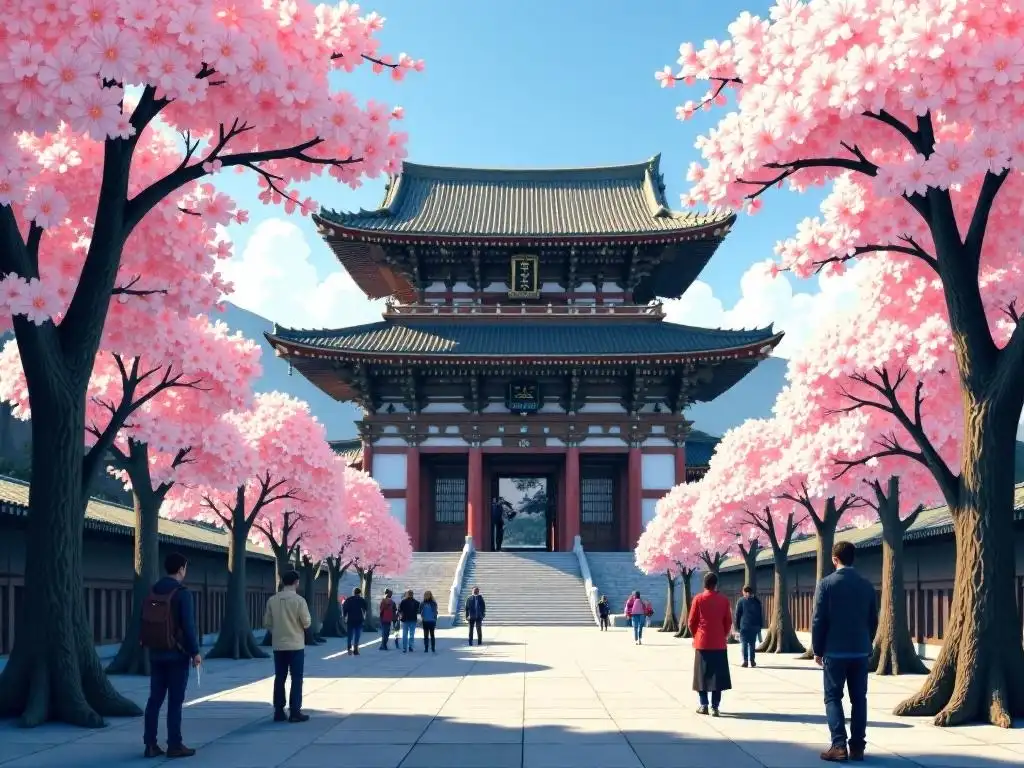
Japan offers a rich variety of samurai-themed tours that allow travelers to immerse themselves in the captivating history and culture of the feudal era. These tours not only highlight the legendary samurai warriors but also provide insight into the architectural marvels and traditional practices that defined this unique period. Here, we explore some of the most popular types of samurai-themed tours available across the country.
Historical Walking Tours in Kyoto
Kyoto, once the heart of imperial Japan, is renowned for its preserved historical sites, making it an ideal location for historical walking tours focused on the samurai legacy. These tours often include:
- Visit to Samurai Residences: Explore well-preserved samurai houses such as the Ninna-ji Temple and Kinkaku-ji, where guides share stories of the samurai families who once lived there.
- Engagement with Local Experts: Knowledgeable guides provide detailed narratives about samurai life, including their code of conduct, known as Bushido, and the socio-political context of their era.
- Stroll Through Historic Districts: Walk through districts like Gion and Higashiyama, where visitors can experience the ambiance of ancient Kyoto, often encountering traditional arts and crafts reminiscent of the samurai period.
These tours typically last several hours and offer a combination of walking and cultural experiences that can be tailored to the interests of participants, making them an excellent choice for history enthusiasts.
Castle Tours: Exploring Feudal Architecture
Japan's castles are iconic symbols of its feudal past, and castle tours provide an in-depth look at the architecture and strategic importance of these fortifications. Key features of these tours include:
- Exploration of Castles: Tour prominent castles like Himeji Castle and Matsumoto Castle, which boast stunning architecture and rich histories. Guides often share tales of famous samurai who defended these strongholds during times of conflict.
- Interactive Exhibitions: Many castles feature museums that house samurai armor, weapons, and artifacts, allowing visitors to engage with the history firsthand.
- Scenic Views: Most castle tours offer breathtaking views from the castle towers, providing a glimpse into the landscapes that samurai once patrolled.
Castle tours often include guided walkthroughs and the chance to learn about the military strategies employed by samurai, making them a fascinating experience for anyone interested in Japan’s feudal warfare.
Cultural Workshops and Experiential Tours
For those looking to engage more actively with samurai culture, cultural workshops and experiential tours provide hands-on opportunities to learn traditional practices. These tours typically feature:
- Martial Arts Classes: Participate in kendo, iaido, or kenjutsu sessions led by experienced instructors. These classes not only teach techniques but also emphasize the philosophy behind each martial art, rooted in samurai traditions.
- Craftsmanship Workshops: Engage in workshops that cover traditional crafts such as sword-making, armor crafting, or calligraphy, allowing participants to appreciate the skills that samurai warriors honed over centuries.
- Costume Experiences: Many tours offer the chance to dress in authentic samurai attire, providing a unique photo opportunity and a deeper connection to the samurai experience.
These interactive experiences foster a greater understanding of the samurai lifestyle, allowing travelers to step into the shoes of these legendary warriors.
By participating in these diverse samurai-themed tours in Japan, travelers can gain a multifaceted understanding of the feudal era, bridging the past with the present through immersive experiences. Whether through historical walking tours, castle explorations, or hands-on workshops, each tour offers a unique perspective on the enduring legacy of the samurai.
Key Locations to Experience Samurai History

Exploring the rich heritage of the samurai requires visiting key locations that embody the spirit and history of these legendary warriors. Each city offers unique insights into the samurai way of life, their code of honor, and their enduring legacy. Here are three essential destinations for those interested in samurai guided tours in Japan.
Kyoto: The Heart of Samurai Culture
Kyoto, once the imperial capital of Japan, is a treasure trove of samurai history. This city is renowned for its well-preserved temples, traditional wooden houses, and beautiful gardens. Here are some highlights that any samurai-themed tour should include:
- Nijo Castle: A UNESCO World Heritage Site, Nijo Castle was built in the early 17th century and served as the residence of Tokugawa shoguns. Visitors can explore the castle's intricate architecture, famous "nightingale" floors, and beautiful gardens, all while learning about the political power struggles that defined the samurai era.
- Kinkaku-ji (Golden Pavilion): Although primarily known as a Zen temple, Kinkaku-ji symbolizes the elegance and aesthetics of the samurai class. The stunning gold leaf exterior reflects the wealth and influence of the samurai during the Muromachi period. Guided tours often include stories of the samurai who patronized the arts and culture during this time.
- Samurai Districts: The historic districts of Gion and Higashiyama offer a glimpse into the lives of samurai and geisha. Walking tours in these areas often lead visitors through narrow, lantern-lit streets, showcasing traditional wooden machiya houses and tea houses where samurai once gathered.
Kamakura: The Samurai Capital
Kamakura, located south of Tokyo, was the political center of the samurai class during the Kamakura period (1185-1333). Here, you can explore the following must-see sites:
- Tsurugaoka Hachimangu Shrine: This important Shinto shrine is dedicated to Hachiman, the god of war, and has been a cultural symbol for samurai since its establishment in 1063. The shrine features stunning architecture and is surrounded by beautiful gardens, making it a popular spot for samurai-themed tours.
- The Great Buddha (Daibutsu): This iconic bronze statue, standing at over 13 meters, represents the Buddhist ideals that many samurai adhered to. The Great Buddha, located at Kōtoku-in Temple, is a powerful reminder of the spiritual aspects of the samurai's life.
- Hiking Trails: Kamakura offers scenic hiking trails, such as the Daibutsu Hiking Trail, which provide a sense of the natural landscapes that samurai often traversed. Guided tours can combine history with outdoor experiences, giving participants a taste of the samurai's connection to nature.
Edo-Tokyo: The Rise of the Samurai Class
Edo, now known as Tokyo, was transformed into the heart of samurai culture during the Edo period (1603-1868). The following sites reflect the significance of the samurai in this bustling metropolis:
- Edo-Tokyo Museum: This museum offers a comprehensive look at the evolution of Tokyo from its humble beginnings as a small fishing village to a thriving center of samurai culture. Exhibits include models of samurai residences, artifacts, and interactive displays that bring the history of the samurai to life.
- Senso-ji Temple: As Tokyo's oldest temple, Senso-ji is a testament to the samurai's role in promoting Buddhist culture. The temple's architecture and surrounding streets evoke the atmosphere of the Edo period, making it a popular stop for guided tours.
- Nakamise Street: This famous shopping street leading to Senso-ji Temple is lined with traditional shops selling snacks and souvenirs. It represents the lifestyle of samurai and commoners alike during the Edo period, offering a glimpse into the daily lives of those who lived during this time.
These key locations provide a rich tapestry of experiences for those interested in samurai history. Participating in samurai guided tours in Japan allows visitors to immerse themselves in the culture, learn from knowledgeable guides, and appreciate the enduring legacy of the samurai throughout Japan's history.
Choosing the Right Samurai Guided Tour for You
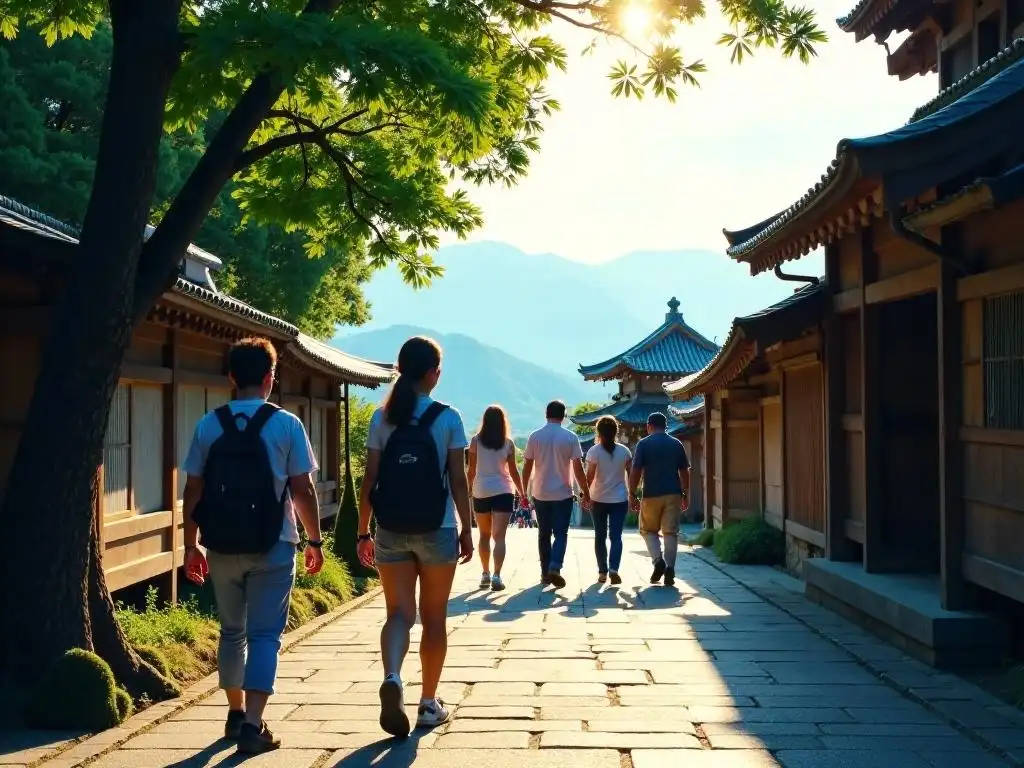
Factors to Consider When Selecting a Tour
When embarking on a samurai guided tour in Japan, it is essential to consider several factors that will enhance your experience and ensure that you make the most of your exploration into Japan's feudal past. Here are key aspects to keep in mind:
- Tour Duration:
- Short Tours (1-3 hours): Ideal for those with limited time, focusing on specific highlights.
- Half-Day Tours (4-6 hours): Offers a broader overview, including historical sites and cultural experiences.
- Full-Day Tours (7 hours+): Provides an in-depth exploration, often with immersive experiences.
- Tour Type:
- Walking Tours: Discover historical districts at a leisurely pace, interacting with local guides.
- Cultural Experiences: Participate in activities like swordsmanship demonstrations or tea ceremonies.
- Historical Site Visits: Focus on significant samurai castles, temples, and shrines.
- Group Size:
- Private Tours: Personalized experiences tailored to your interests and pace.
- Small Group Tours: More intimate settings that allow for interaction with guides and other participants.
- Large Group Tours: Often more economical but may lack personalized attention.
- Guide Expertise:
- Look for tours led by knowledgeable guides who specialize in samurai history or Japanese culture. Check reviews for insights into their expertise and storytelling ability.
- Language:
- Ensure that the tour is available in your preferred language. Many tours offer English-speaking guides; however, it’s wise to confirm this beforehand.
- Cultural Sensitivity:
- Choose tours that emphasize respect for local customs and traditions. This not only enriches your experience but also supports responsible tourism.
By considering these factors, you can select a samurai guided tour that aligns with your interests and enhances your understanding of Japan’s feudal era.
Top Recommended Samurai Guided Tours in Japan
Here are some of the top-rated samurai guided tours in Japan that promise an unforgettable journey into the heart of the samurai legacy:
| Tour Name | Location | Duration | Key Highlights |
|---|---|---|---|
| Samurai and Ninja Experience | Kyoto | 4 hours | Participate in a samurai training session, including sword fighting and archery; visit historical sites. |
| Kamakura Samurai Tour | Kamakura | Full Day | Explore ancient samurai temples, enjoy a guided hike, and learn about the history of the samurai in this coastal town. |
| Nara Samurai Walking Tour | Nara | 2 hours | Discover Nara's rich history with a focus on samurai culture, including visits to significant temples and gardens. |
| The Way of the Samurai Tour | Tokyo | Half Day | Experience samurai swordsmanship and visit the Edo period exhibits at museums; includes a traditional lunch. |
| Samurai Castle Tour | Himeji | Full Day | Guided exploration of Himeji Castle, a UNESCO World Heritage Site, and insights into the samurai’s role in its history. |
Each of these tours offers a unique perspective on the samurai way of life, making them excellent choices for anyone looking to delve deeper into Japan's feudal history. Whether you’re interested in hands-on experiences or historical education, these tours cater to diverse interests and preferences.
Tips for Maximizing Your Samurai Experience
Preparing for Your Tour: What to Know Before You Go
Embarking on a samurai guided tour in Japan is an adventure that immerses you in the rich history and culture of the feudal era. To ensure you get the most out of your experience, consider the following essential tips:
- Research Your Destination:
- Familiarize yourself with the specific locations you will be visiting. Key cities such as Kyoto, Kamakura, and Matsumoto are renowned for their samurai heritage.
- Learn about the historical significance of the sites, including castles and battlefields, to enhance your understanding.
- Dress Appropriately:
- Wear comfortable shoes, as many tours involve walking and navigating uneven terrain.
- Consider donning traditional Japanese attire, such as a kimono or hakama, to fully immerse yourself in the experience. Many tour companies offer rental options.
- Engage with Your Guide:
- Take advantage of your guide's expertise. Don't hesitate to ask questions about samurai culture, battles, or the daily lives of these warriors.
- Participate in interactive elements, such as demonstrations of sword techniques or archery, to deepen your appreciation of the samurai way.
- Plan Your Itinerary:
- Create a balanced schedule that allows for both guided tours and personal exploration. This flexibility will enable you to discover hidden gems that are often overlooked.
- Prioritize specific experiences, such as visiting a samurai residence or taking part in a tea ceremony, to ensure they are included in your journey.
- Stay Hydrated and Nourished:
- Carry water and snacks, especially during long tours. It’s essential to stay energized and hydrated while exploring.
- Try local cuisine, which often has historical ties to the samurai, to enhance your cultural experience.
Best Times to Visit for Samurai Tours
Choosing the right time to embark on a samurai guided tour in Japan can significantly impact your experience. Here are the prime seasons to consider:
- Spring (March to May):
- Cherry Blossom Season: Witness the breathtaking cherry blossoms, particularly in cities like Kyoto. This season offers a picturesque backdrop to your samurai exploration.
- Temperatures: Mild and pleasant, ideal for outdoor activities and extended walking tours.
- Autumn (September to November):
- Fall Foliage: Enjoy vibrant autumn leaves, especially in historical areas. The stunning colors create a beautiful setting for photography.
- Cultural Festivals: Many regions host festivals celebrating samurai culture during this time, offering unique experiences.
- Winter (December to February):
- Fewer Crowds: Experience less tourist traffic, allowing for a more intimate exploration of samurai sites and museums.
- Unique Events: Some locations offer winter-themed samurai experiences, including reenactments and special exhibitions.
- Summer (June to August):
- Lively Festivals: Many towns celebrate summer festivals that include samurai parades and events. However, be prepared for high humidity and heat.
- Long Days: Longer daylight hours provide ample time for exploration, but consider starting tours early to avoid the midday heat.
By carefully planning your visit and being mindful of the best times for samurai tours, you can fully immerse yourself in the fascinating history and culture of Japan’s feudal past.
Frequently Asked Questions
What are samurai guided tours in Japan?
Samurai guided tours are specialized travel experiences that focus on the historical and cultural aspects of the samurai era in Japan, offering visitors an immersive journey through historical sites and cultural experiences.
Who can participate in these tours?
These tours are suitable for anyone interested in Japanese history, culture, or the samurai lifestyle, regardless of prior knowledge. They cater to both beginners and enthusiasts alike.
What can I expect to see on a samurai guided tour?
Participants can expect to see historical landmarks, castles, and temples associated with the samurai. Tours often include demonstrations of martial arts and insights into samurai culture and traditions.
How long do these tours typically last?
Most samurai guided tours last between half a day to several days, depending on the itinerary. They can vary in length based on the depth of exploration and the number of locations visited.
Are there any age restrictions for these tours?
Generally, there are no strict age restrictions for samurai guided tours. However, some tours may be more suitable for older children and adults due to the nature of the activities involved.
Final Reflection: Embracing the Spirit of the Samurai
In an age where the fast pace of modern life often overshadows our historical roots, exploring the way of the samurai through guided tours in Japan offers a profound connection to a rich cultural heritage. These tours not only illuminate the valor and discipline of the samurai but also serve as a reminder of the values that can guide us today. The lessons of honor, respect, and perseverance resonate deeply, urging us to reflect on how we can embody these principles in our own lives.
The influence of the samurai extends far beyond the pages of history; it permeates the cultural and social landscape of Japan and the world. As we navigate our contemporary challenges, the samurai ethos encourages us to cultivate resilience and mindfulness. The ultimate aim of the martial arts is not having to use them,
said Miyamoto Musashi, a legendary samurai. This perspective invites us to consider how we approach conflict and adversity, emphasizing the importance of inner strength and wisdom over brute force.
As you contemplate your own journey, I invite you to reflect on the lessons of the samurai and consider how you can integrate their values into your daily life. Seek out experiences that challenge you, whether through a guided tour in Japan or by embracing new adventures closer to home. Let the spirit of the samurai inspire you to live with purpose, honor, and a commitment to personal growth. The path of the samurai is not just a historical exploration; it is a call to action for all of us to strive for excellence in our own lives.
Embark on Your Samurai Adventure Today!
Thank you for diving into the rich heritage of Japan's feudal past with us! We hope you found inspiration in the stories and traditions of the Samurai warriors. Now, it’s time to take that enthusiasm and turn it into action!
Here are some ways you can continue your journey:
- Book a guided tour to experience the historic sites of the Samurai firsthand. Discover the castles, temples, and battlefields that shaped their legacy.
- Join our online community to connect with fellow history enthusiasts; share your passion and learn from others who appreciate the depth of feudal Japan!
- Challenge yourself! Try your hand at samurai arts by enrolling in a local Iaido workshop or martial arts class. Embrace the spirit of the samurai!
What will you explore next on your journey through the past? Share your thoughts or plans in the comments below!