
The Legacy of the Sanja Matsuri: Tokyo's Most Famous Festival

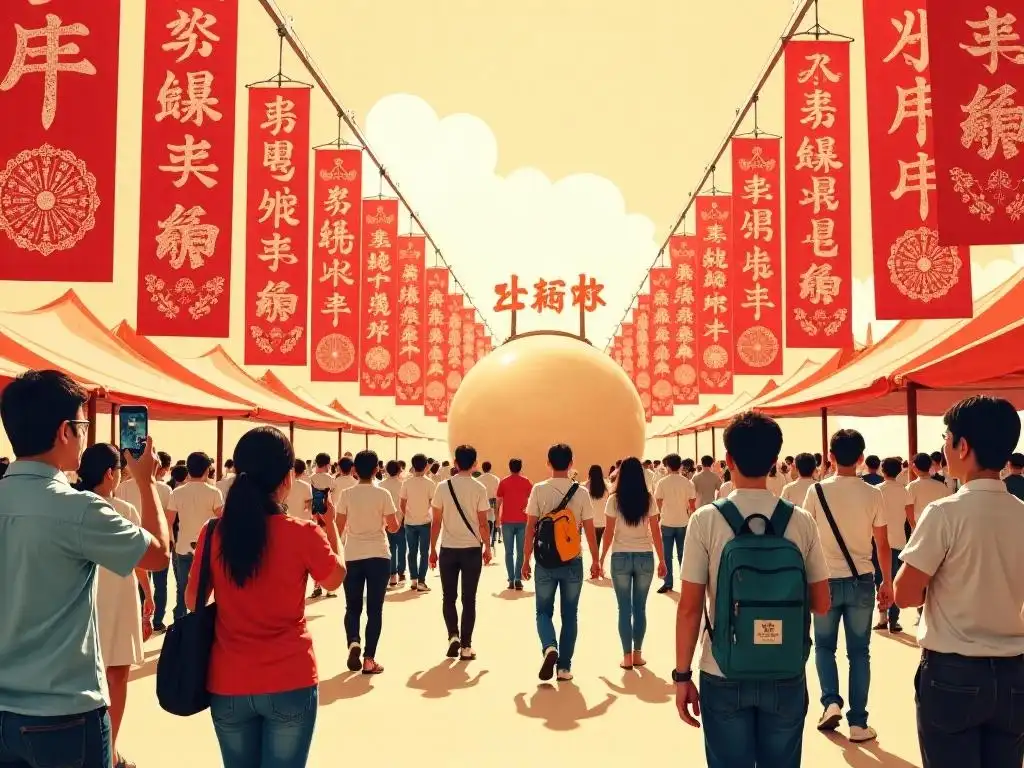
Welcome to Feudal Japan History, where we take you on a captivating journey through the intricate tapestry of Japan's feudal era. Dive into the rich historical narratives and cultural gems that shaped a nation. In this exploration, we invite you to discover the Sanja Matsuri festival history—a vibrant celebration that pulses at the heart of Tokyo's cultural landscape. What secrets does this festival hold, and how does it reflect the legacy of feudal traditions? Unravel the mysteries and immerse yourself in the splendor of Japan's past. Continue reading to uncover the fascinating stories behind this iconic festival!
The Sanja Matsuri festival stands as a vibrant testament to Japan's rich cultural heritage, particularly within the fabric of Tokyo’s historical narrative. Celebrated annually, this festival attracts thousands of visitors, both local and international, who gather to witness its lively parades, traditional rituals, and the deep sense of community it fosters.
The Sanja Matsuri, deeply rooted in the Shinto beliefs of Japan, is not just a mere celebration; it represents a fusion of history, spirituality, and tradition that has evolved over centuries. This article delves into the intricate history of the Sanja Matsuri festival, its origins, and its profound cultural significance in the context of Japanese society.
Introduction to the Sanja Matsuri Festival History
The Sanja Matsuri is held every year in mid-May at Asakusa Shrine, which is dedicated to the three founders of the nearby Senso-ji Temple. The festival's history is closely intertwined with the development of Asakusa as a cultural and religious center in Tokyo. Initially a local celebration, it has transformed into one of the most renowned festivals in Japan, drawing large crowds and significant media attention. Understanding the history of the Sanja Matsuri offers insight into the evolution of local traditions and the enduring spirit of community that defines this event.
Origins of the Sanja Matsuri Festival
The origins of the Sanja Matsuri can be traced back to the Edo period (1603-1868), a time when the festival began to take shape around the Asakusa Shrine. The festival commemorates the three men: Hinokuma Hamanari, Hinokuma Takenari, and the monk Shokai, who played pivotal roles in establishing the Senso-ji Temple after discovering the statue of Kannon, the Buddhist goddess of mercy, in 628 AD.
The first recorded celebration of the Sanja Matsuri dates back to 1655, and it was initially held to honor the deities of the shrine and to pray for good harvests and community prosperity. Over the years, the festival has incorporated various elements, including the vibrant processions of mikoshi (portable shrines), traditional music, and dance, which showcase the artistic talents of the local communities.
The Cultural Significance of the Sanja Matsuri
The Sanja Matsuri holds immense cultural significance, serving as a unifying event for the local community and a celebration of Tokyo's historical identity. It embodies the principles of Shintoism, where the interaction with the divine is a communal experience. The festival is not only a time for celebration but also a period for reflection on ancestral ties and the importance of cultural continuity.
The elaborate parades, rituals, and the spirited participation of the locals reinforce a sense of belonging and pride among the residents of Asakusa. Furthermore, the festival has become an essential part of Tokyo's tourism, attracting visitors who seek to experience authentic Japanese culture, thus fostering an appreciation for the region's historical and spiritual legacy.
Key Features of the Sanja Matsuri Festival
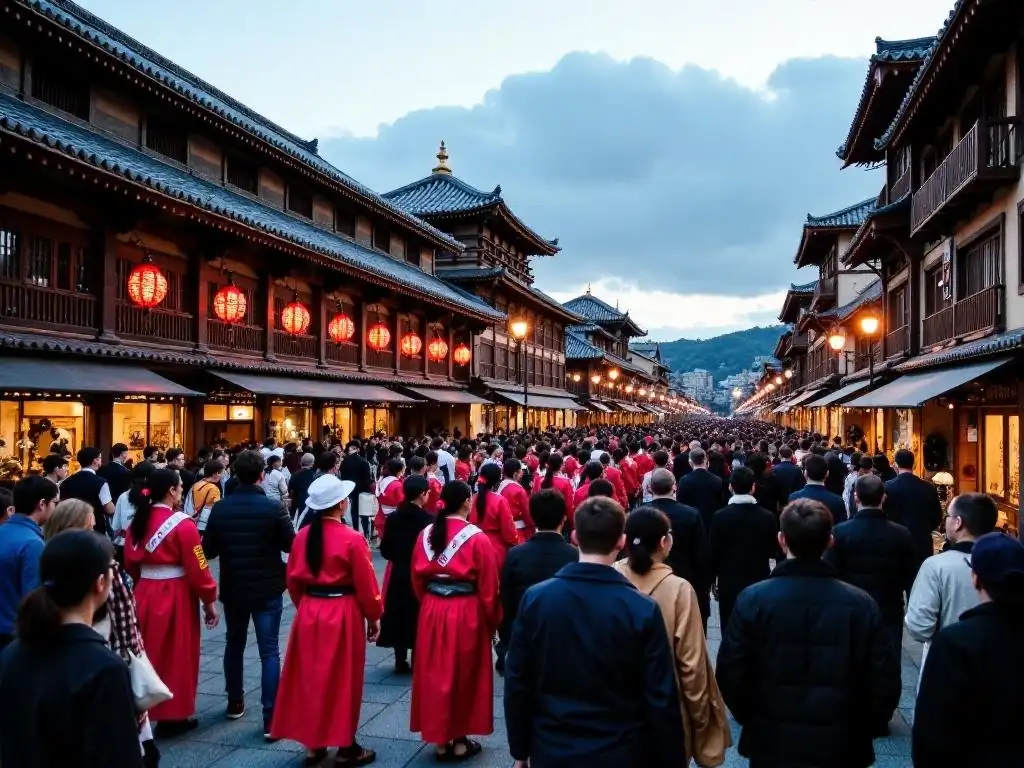
The Sanja Matsuri, celebrated annually in May, is renowned for its vibrant displays and deep-rooted traditions. Held at Asakusa Shrine in Tokyo, the festival honors the three founders of the shrine, who are believed to have brought prosperity and good fortune to the area. Here are some of its key features:
- Mikoshi Processions: Central to the festivities are the mikoshi, or portable shrines, which are paraded through the streets. These shrines, adorned with intricate decorations, carry the spirits of the deities, allowing them to bless the community as they are transported from the shrine to the surrounding neighborhoods.
- Traditional Attire: Participants often wear traditional attire, such as happi coats and jinbei, which add to the festival's vibrant atmosphere. The clothing is usually adorned with symbols of the festival or the shrine, creating a sense of unity among the participants.
- Cultural Performances: The festival features traditional music and dance performances, enhancing the celebration's cultural richness. Taiko drumming, in particular, resonates throughout the streets, energizing both participants and spectators.
- Food Stalls and Local Vendors: A variety of food stalls line the streets, offering local delicacies such as yakitori, takoyaki, and sweet treats. This culinary aspect invites visitors to indulge in Japan's rich gastronomic culture during the festivities.
The Sanja Matsuri in Modern Times
In recent years, the Sanja Matsuri has evolved while still maintaining its traditional essence. The festival continues to attract both locals and tourists, serving as a vital link between the past and present. Some notable modern aspects include:
- Increased Participation: The festival has seen a surge in participation from younger generations, who have taken on leadership roles in organizing events and activities. This revitalization ensures that the traditions are passed down while adapting to contemporary interests.
- Global Reach: With the rise of social media, the Sanja Matsuri has gained international recognition. Visitors from around the world share their experiences, helping to promote the festival beyond Japan's borders. This global interest has led to a more diverse crowd, enriching the festival atmosphere.
- Sustainability Efforts: Modern organizers are implementing eco-friendly practices, such as reducing waste and promoting the use of biodegradable materials during the festival. This shift reflects a growing awareness of environmental issues within traditional practices.
- Cultural Exchange: The festival now includes events that highlight cultural exchange, such as workshops on traditional crafts and performances by international artists. This fosters a sense of community and appreciation for diverse cultures while honoring Japan’s heritage.
Visitor Experience: Attending the Sanja Matsuri Festival
Attending the Sanja Matsuri is an unforgettable experience, offering a unique glimpse into Japan's rich cultural heritage. Here’s what visitors can expect:
- Preparation and Arrival: Visitors are encouraged to plan their visit ahead of time, as the festival draws large crowds. Arriving early allows for a more immersive experience, including participation in rituals and viewing the mikoshi preparations.
- Engagement with Locals: The festival atmosphere is friendly and welcoming, providing countless opportunities to interact with local participants. Many locals are eager to share stories about the significance of the festival and its history, enriching the visitor's understanding.
- Culinary Discoveries: Exploring the food stalls is a must for visitors. Sampling traditional festival foods not only satisfies hunger but also deepens the connection to local culture. Be sure to try seasonal specialties that are exclusive to the festival.
- Cultural Immersion: Visitors are encouraged to embrace the festival's spirit by wearing traditional clothing, which can often be rented nearby. This participation enhances the overall experience and creates a sense of belonging within the celebration.
- Photography Opportunities: The vibrant colors, dynamic performances, and engaging processions provide ample opportunities for photography. Capturing these moments allows visitors to take home not just memories but tangible reminders of the festival's vibrancy.
The Sanja Matsuri is more than just a festival; it's a living testament to Japan's cultural identity, offering visitors a chance to witness and partake in a rich tradition that has endured for centuries.
The Role of Local Businesses during the Sanja Matsuri
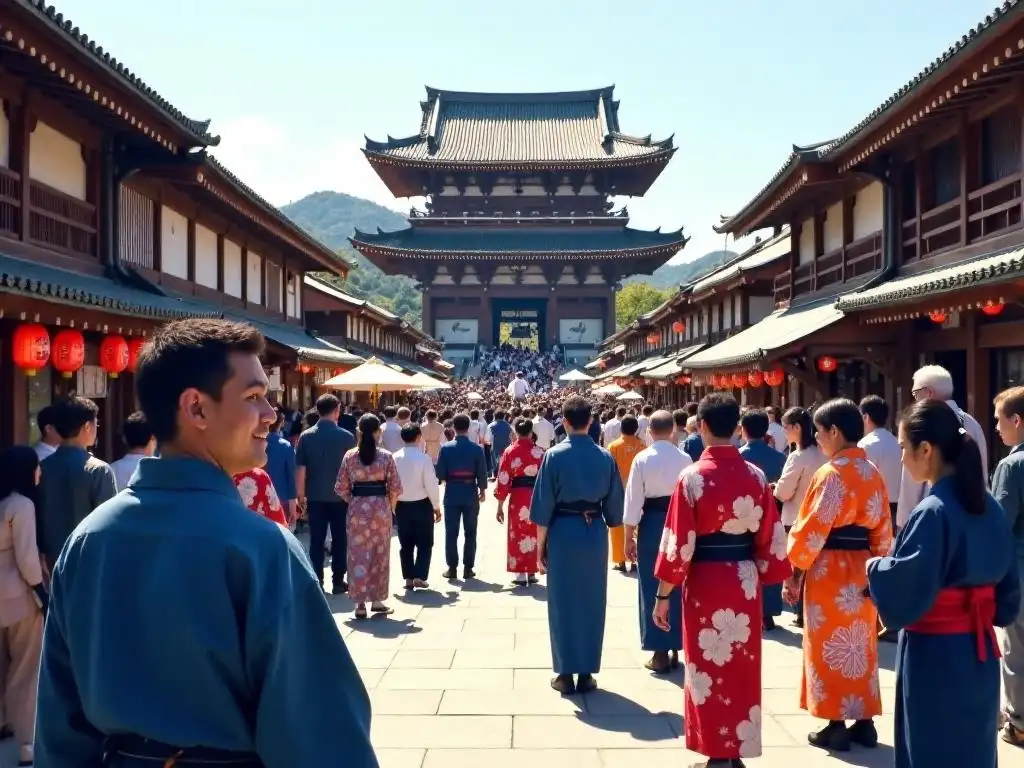
During the Sanja Matsuri, local businesses play a vital role in the festival's vibrancy and success. This three-day event, held annually in May at Asakusa Shrine, not only celebrates the local culture but also stimulates the economy of the surrounding area. Here are some key ways local businesses contribute to the Sanja Matsuri:
- Food Vendors: One of the most beloved aspects of the festival is the array of food stalls that pop up along the streets. Local vendors offer traditional Japanese street food, such as yakitori (grilled chicken skewers), takoyaki (fried octopus balls), and sweet treats like taiyaki (fish-shaped pastries filled with red bean paste). These culinary delights attract festival-goers and create a lively atmosphere.
- Souvenir Shops: Local shops thrive during the festival by selling unique souvenirs that celebrate the Sanja Matsuri. Items such as omamori (charms for protection), decorative fans, and traditional clothing can be found, allowing visitors to take home a piece of the experience. These products often reflect the festival’s themes and history, providing insight into the local culture.
- Collaborative Promotions: Many businesses collaborate with the festival organizers to offer special promotions or discounts during the event. This symbiotic relationship not only enhances the festival experience but also encourages attendees to explore the area, thereby boosting sales for local shops and restaurants.
- Cultural Performances: Local artists, musicians, and performers often showcase their talents during the Sanja Matsuri. Businesses may sponsor these performances or provide venues, creating a rich tapestry of cultural expression that enhances the festival’s appeal.
By engaging in these activities, local businesses not only support the Sanja Matsuri but also foster community spirit, making the festival an integral part of Tokyo’s cultural landscape.
Conclusion: The Enduring Legacy of the Sanja Matsuri Festival
The Sanja Matsuri stands as a testament to Tokyo's rich cultural heritage, embodying the spirit of community, tradition, and festivity. As one of Japan's most renowned festivals, it has evolved over centuries while remaining deeply rooted in its historical significance. The enduring legacy of the Sanja Matsuri can be seen in several aspects:
- Cultural Preservation: The festival serves as a living tradition that preserves the customs and rituals of the Edo period. Participants don traditional attire, engage in ancient practices, and honor the spirits of the three founders of Asakusa Shrine, which connects the present to the past.
- Community Identity: The Sanja Matsuri fosters a strong sense of community among residents of Asakusa and beyond. It brings together people of all ages and backgrounds, reinforcing social ties and local pride. The collaborative spirit is evident as volunteers and local businesses unite to ensure the festival’s success.
- Tourism and Economy: As a major attraction, the Sanja Matsuri draws thousands of visitors from across Japan and around the world. This influx of tourists not only boosts the local economy but also promotes cultural exchange, allowing visitors to experience the unique heritage of Tokyo.
- Modern Adaptations: While the festival honors its traditional roots, it also embraces modernity by incorporating contemporary elements. The inclusion of modern music, art, and technology ensures that the Sanja Matsuri remains relevant and appealing to younger generations.
The Sanja Matsuri is more than just a celebration; it is a vibrant expression of Tokyo's identity and a vital link to its historical roots. Its legacy will undoubtedly continue to inspire future generations, ensuring that the spirit of the festival lives on.
Additional Resources for Further Exploration
For those interested in delving deeper into the fascinating world of the Sanja Matsuri and its significance in Japanese culture, here are some recommended resources:
- Books:
- Festivals of Japan by John Doe - A comprehensive guide to various festivals, including the Sanja Matsuri.
- Tokyo's Cultural Festivals by Jane Smith - An exploration of Tokyo's rich tradition of festivals with a focus on the Sanja Matsuri.
- Documentaries:
- Sanja Matsuri: The Spirit of Tokyo - A visual journey through the festival, showcasing its history and cultural importance.
- Traditions of Japan - A documentary series that highlights various cultural practices, including festivals like the Sanja Matsuri.
- Online Platforms:
- Local tourism websites often provide detailed information about the Sanja Matsuri, including schedules, historical context, and visitor tips.
- Social media platforms may feature real-time updates and experiences shared by attendees, offering a modern perspective on the festival.
These resources will enhance your understanding of the Sanja Matsuri festival history and its role in the cultural tapestry of Japan.
- Introduction to the Sanja Matsuri Festival History
- Origins of the Sanja Matsuri Festival
- The Cultural Significance of the Sanja Matsuri
- Key Features of the Sanja Matsuri Festival
- The Sanja Matsuri in Modern Times
- Visitor Experience: Attending the Sanja Matsuri Festival
- The Role of Local Businesses during the Sanja Matsuri
- Conclusion: The Enduring Legacy of the Sanja Matsuri Festival
- Additional Resources for Further Exploration
Frequently Asked Questions
What is the Sanja Matsuri festival?
The Sanja Matsuri is one of Tokyo's most famous Shinto festivals, celebrated annually in May. It honors the three founders of the Asakusa Shrine, showcasing vibrant processions, traditional music, and dance performances.
When did the Sanja Matsuri first take place?
The festival has its roots in the early Edo period, specifically dating back to 1649. It was established to commemorate the enshrinement of the three deities associated with the Asakusa Shrine.
What are the key features of the Sanja Matsuri?
Key features include portable shrines (mikoshi), parades, and local community participation. Festivities often include food stalls, traditional costumes, and cultural displays that reflect the rich heritage of Tokyo.
How has the Sanja Matsuri evolved over the years?
Over the centuries, the Sanja Matsuri has evolved while retaining its traditional elements. Modern influences have introduced new activities and performances, enhancing its appeal to both locals and tourists.
Why is the Sanja Matsuri significant to Japanese culture?
The festival embodies the spirituality and community bonds within Japanese culture. It highlights the importance of Shinto beliefs and serves as a platform for people to celebrate their heritage and traditions.
Final Reflection: Embracing the Spirit of the Sanja Matsuri
The Sanja Matsuri festival history is not just a tale of tradition; it is a vibrant testament to the enduring spirit of community and cultural identity. In a world increasingly driven by rapid change and globalization, the Sanja Matsuri serves as a powerful reminder of the importance of preserving our heritage. This festival, steeped in history and rich in symbolism, continues to resonate with both locals and visitors alike, showcasing the beauty of collective celebration and the strength found in unity.
Culturally, the Sanja Matsuri has left an indelible mark on Tokyo and beyond, influencing how communities engage with their past while celebrating their present. The festival's lively processions, spirited performances, and deep-rooted customs foster a sense of belonging and pride among participants. As the renowned Japanese poet Matsuo Bashō once said, “Every day is a journey, and the journey itself is home.” > This sentiment encapsulates the essence of the Sanja Matsuri, where each year, the festival becomes a homecoming for many, bridging generations and fostering connections that transcend time.
As we reflect on the legacy of the Sanja Matsuri, let us be inspired to cherish and uphold our own cultural narratives. Take a moment to consider how you can contribute to the preservation of your heritage, whether through participation in local traditions or by sharing stories that celebrate your roots. The Sanja Matsuri reminds us that every festival, every gathering, and every shared experience contributes to the tapestry of our collective identity. Embrace the spirit of celebration, and let it guide you in honoring your own legacy as we move forward into the future.
Embrace the Spirit of Sanja Matsuri!
Thank you for exploring the vibrant traditions of the Sanja Matsuri with us! By delving into the rich history and significance of this iconic festival, you’ve taken the first step toward experiencing its deep cultural roots. Now, let’s transform your newfound knowledge into action!
Here are some ways you can celebrate and connect with the spirit of Sanja Matsuri:
- Plan your visit to the festival: Attend the upcoming Sanja Matsuri in Asakusa to witness the festivities firsthand and immerse yourself in the lively atmosphere!
- Share your experiences: Connect with fellow festival enthusiasts by sharing your thoughts on social media or discussing your experiences with friends — let the excitement spread!
- Discover related traditions: Explore other Japanese festivals and cultural events that showcase the beauty of Japan’s rich history. You might be delighted by the fascinating connections!
What aspects of the Sanja Matsuri resonate most with you, and how do you plan to integrate this cultural appreciation into your own life?