
The Architecture of Power: Feudal Castles and Their Strategic Designs


Welcome to Feudal Japan History, where we invite you to embark on a fascinating journey through the intricate tapestry of Japan's feudal era. Here, we delve into the captivating world of Japanese feudal castle architecture, a testament to the power and ingenuity of a bygone age. Discover how these formidable structures were not just homes for the elite, but strategic fortresses that shaped the very landscape of society and culture.
Are you ready to unlock the secrets behind the walls that once stood guard over samurai and shoguns? Dive into our latest article, "The Architecture of Power: Feudal Castles and Their Strategic Designs," and explore the remarkable stories that lie within!
Introduction to Japanese Feudal Castle Architecture
The intricate world of Japanese feudal castle architecture serves as a profound testament to the socio-political dynamics and cultural richness of Japan's historical landscape. These formidable structures, often perched on strategic elevations and surrounded by moats, were not merely military fortifications; they were also symbols of power, authority, and the complex relationships that defined feudal society.
This article delves into the architectural marvels of the Japanese feudal period, exploring how these castles reflected the era's values, governance, and societal hierarchies. Through a comprehensive examination of their design, functionality, and evolution, we aim to shed light on the pivotal role these edifices played in shaping Japan's history.
Overview of Feudal Japan and Its Architectural Significance
Feudal Japan, spanning from the late 12th century to the 19th century, was characterized by a decentralized political structure where power was distributed among various regional lords, or daimyo. This era witnessed the construction of numerous castles, each uniquely designed to meet the specific needs of its lord and the strategic demands of its location.
- Key Features of Castle Architecture:
- Defensive Structures: High walls, moats, and gates designed to protect against invasions.
- Symbolic Elements: Architectural styles that conveyed the power and prestige of the ruling class.
- Residential Spaces: Areas designated for the daimyo and their families, blending functionality with aesthetic value.
The architectural significance of these castles lies not only in their physical attributes but also in their reflection of the cultural and political ethos of their time.
The Role of Castles in Japanese Society and Governance
Japanese feudal castles were central to the governance and social order of their respective regions. They served multiple purposes, including:
- Military Strongholds: Acting as bases for troops and strategic points during conflicts.
- Administrative Centers: Functioning as hubs for governance, where local laws were enacted and enforced.
- Cultural Venues: Hosting ceremonies and events that reinforced the social hierarchy and cultural identity of the era.
The design of each castle was meticulously planned to fulfill these roles, ensuring the daimyo could maintain control over their territories while simultaneously projecting an image of strength and stability.
Historical Context of Japanese Feudal Castles
The historical context of Japanese feudal castles reveals the interplay between architectural innovation and the evolving landscape of power dynamics throughout feudal Japan. Understanding this context is crucial to appreciating the significance of these structures.
The Emergence of Feudalism in Japan
Feudalism in Japan began to take root during the late Heian period (794-1185), as powerful clans sought to establish control over land and resources. This shift led to the construction of early fortifications, which laid the groundwork for more sophisticated castle designs.
- Key Developments:
- The rise of the samurai class, who became essential to the feudal system.
- The establishment of regional domains, each requiring protective structures for governance and defense.
This era marked the transition from imperial authority to localized power, setting the stage for the iconic castles that would define the landscape of feudal Japan.
Influences on Castle Design: Cultural and Military Factors
The design of Japanese feudal castles was influenced by a myriad of factors, blending cultural aesthetics with military practicality.
- Cultural Influences:
- Zen Buddhism and Shinto beliefs shaped the spiritual significance of castle layouts.
- Traditional Japanese aesthetics contributed to the beauty of the structures, often seen in the intricate woodwork and garden designs.
- Military Considerations:
- The geographical landscape dictated the strategic placement and fortifications of castles.
- Architectural features such as watchtowers and defensive walls were essential in preparing for potential sieges.
These influences created a unique architectural style that was both functional and reflective of the cultural identity of feudal Japan.
Evolution of Castle Architecture Through the Edo Period
The Edo period (1603-1868) marked a significant evolution in Japanese castle architecture, characterized by both stability and innovation.
- Key Features of Edo-period Castles:
- Increased use of stone and brick in construction, enhancing durability.
- The introduction of multi-storied donjons (tenshukaku), which became iconic symbols of power.
- Elaborate gardens and ceremonial spaces that showcased the aesthetic values of the time.
During this period, castles not only served as military fortifications but also as centers for culture and administration, embodying the synthesis of power and artistry that defined Japan's feudal era.
The architecture of Japanese feudal castles offers a fascinating glimpse into the historical, cultural, and societal frameworks of the time, making them essential subjects for exploration and understanding.
Key Features of Japanese Feudal Castle Architecture
Japanese feudal castle architecture is characterized by its unique blend of aesthetics and functionality, reflecting the socio-political climate of the time. One of the most notable features is the use of wooden structures, which were often layered with plaster and painted for both beauty and protection. The roofs, typically curved and adorned with ornamental tiles, not only served to shield the buildings from the elements but also contributed to the iconic silhouette of castles, setting them apart from European counterparts.
Another significant aspect is the modular design of these castles. Many Japanese castles were built with multiple tiers, allowing for a vertical defense mechanism that made it difficult for enemies to approach. The interior layouts often included various functional spaces, such as living quarters, storage areas, and armories, all designed for the needs of the samurai and their retainers. Additionally, the strategic placement of defensive elements like arrow slits and large gates ensured that castle occupants could fend off intruders effectively.
Furthermore, Japanese feudal castles often incorporated cultural symbolism in their designs. Elements such as family crests and motifs were prominent, not just for decoration but also as a means of demonstrating power and lineage. This integration of aesthetics and utility in castle architecture played a crucial role in reinforcing the authority and status of the feudal lords.
Defensive Structures: Moats, Walls, and Gates
Moats were a quintessential feature of Japanese feudal castles, serving as the first line of defense against attackers. Often filled with water, these moats created a significant barrier that hindered the movement of enemy troops and made direct assaults on the castle walls more challenging. Some castles featured dry moats, which were strategically designed to impede access while still allowing for visibility and defense.
The castle walls, constructed from stone or earth, were typically thick and high, providing a robust defense against siege weapons. Many castles also included towers (tenshu) that offered elevated vantage points for archers and lookouts. These towers were often intricately designed, showcasing the artistic prowess of the time while serving a practical purpose. Gates, too, were fortified and strategically positioned to control access and movement into the castle, often featuring complex mechanisms for rapid closure during attacks.
Architectural Styles: From Simple Fortifications to Complex Structures
The evolution of Japanese feudal castle architecture can be traced from simple fortifications to more elaborate designs. Early castles, known as yamashiro, were primarily earthworks or wooden structures built on elevated ground for strategic advantage. These rudimentary designs laid the foundation for more complex constructions.
As the feudal era progressed, architectural styles began to reflect the increasing wealth and power of the samurai class. Castles like Himeji Castle emerged, showcasing intricate wooden frameworks, multi-tiered roofs, and extensive defensive systems. The introduction of azekura (storehouse) designs also played a significant role, allowing for the storage of provisions and weapons while adding to the castle's overall aesthetic.
In addition to structural complexity, regional styles began to emerge. For instance, the Hizume-style castles featured distinctive round towers, while others incorporated European influences, particularly during the late feudal period. This diversity in architectural styles not only reflects the varying needs of different lords but also highlights the cultural exchanges occurring during Japan's feudal age.
The Use of Natural Landscapes in Castle Design
Natural landscapes played a vital role in the design and construction of Japanese feudal castles. Builders often selected locations that utilized the surrounding terrain to enhance defensive capabilities. For example, hillsides and riverbanks provided natural barriers, making it more difficult for enemies to approach undetected.
Many castles were designed to blend seamlessly with their environments, utilizing existing topography to create an aesthetically pleasing yet functional structure. The integration of gardens and water features not only served practical purposes—such as irrigation and food supply—but also provided a serene environment for the castle's inhabitants. These landscape elements contributed to a sense of harmony, reflecting the Japanese aesthetic principle of wabi-sabi, which values the beauty of imperfection and transience.
Strategic Location and Layout of Japanese Castles
The strategic location and layout of Japanese castles were critical to their effectiveness as military strongholds. Each castle was carefully placed to maximize defensive advantages and enhance the authority of the ruling samurai. The layout often followed principles that prioritized defense, accessibility, and visibility.
Importance of Geography in Castle Placement
Geography played a crucial role in determining the placement of feudal castles in Japan. Castles were typically situated in areas that provided both strategic advantages and natural defenses. For instance, castles located near mountain ranges benefited from elevated positions that offered panoramic views of the surrounding landscape, making it easier to spot approaching enemies.
Additionally, proximity to resources such as water and arable land was essential for sustaining the castle's inhabitants. Many castles were also placed near important trade routes, allowing for economic stability and easier movement of troops. This thoughtful consideration of geography not only enhanced the security of the castles but also solidified the power of the samurai lords who controlled these areas.
Defensive Advantages of Hilltop and Coastal Castles
Hilltop castles, or tate-yama, were particularly advantageous due to their elevated positions, which provided a natural vantage point for defense. The steep slopes surrounding these castles made them difficult to attack, as enemies would have to traverse challenging terrain to reach the walls. Moreover, the height allowed defenders to launch projectiles from above, further deterring assaults.
Coastal castles, on the other hand, offered unique advantages related to maritime defense. Positioned along coastlines, these castles could monitor naval movements and protect against potential invasions from the sea. The integration of watchtowers and signal beacons enabled quick communication and response to threats, enhancing the overall security of coastal regions.
The Design of Inner and Outer Baileys in Castle Layout
The layout of Japanese castles typically included inner and outer baileys, which served distinct purposes in the defense and organization of the castle. The outer bailey (or shiro) was the first line of defense, often featuring defensive walls and gates designed to repel attackers. This area typically housed barracks for soldiers and storage for supplies, ensuring that the castle was well-equipped to withstand sieges.
The inner bailey (or honmaru) was the heart of the castle, often containing the main keep, living quarters for the lord and his family, and essential administrative functions. The design of the inner bailey often reflected the status of the lord, with more elaborate structures and gardens. This division between the inner and outer baileys not only enhanced security but also symbolized the hierarchy within the castle's social structure, providing a physical representation of the feudal system's complexities.
Notable Examples of Japanese Feudal Castles
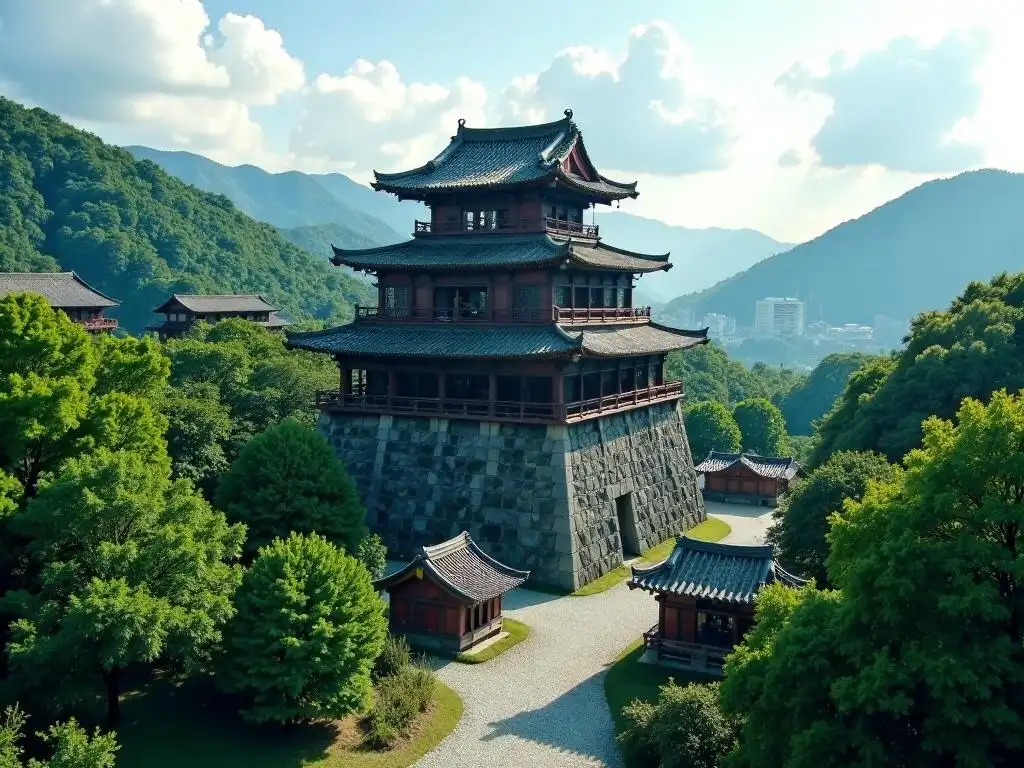
Japanese feudal castle architecture is renowned for its strategic designs that reflect both military functionality and aesthetic beauty. Among the many castles that dot the landscape of Japan, several stand out due to their unique characteristics, historical significance, and preservation status. Below are notable examples that exemplify the architectural diversity and cultural importance of these fortifications.
Himeji Castle: The Pinnacle of Japanese Castle Architecture
Himeji Castle, often referred to as the "White Heron Castle" due to its brilliant white exterior, is considered the finest surviving example of Japanese castle architecture. Constructed in the early 17th century, it showcases the grandeur of the Azuchi-Momoyama period.
- Design Features: Himeji Castle exhibits a complex layout with multiple baileys, defensive walls, and a steep approach that complicates enemy advances. The use of stone and wood, along with intricate plasterwork, enhances its aesthetic appeal.
- Cultural Heritage: Recognized as a UNESCO World Heritage Site in 1993, Himeji Castle remains a symbol of Japan’s architectural heritage, attracting millions of visitors who marvel at its beauty and historical significance.
Matsumoto Castle: A Blend of Aesthetics and Functionality
Matsumoto Castle is another iconic example of Japanese feudal castle architecture, celebrated for its striking black and white contrast and picturesque setting against the backdrop of the Japanese Alps.
- Historical Context: Built in the late 16th century, it is one of Japan's few remaining castles that retains its original wooden interiors. Its unique "hirajiro" style, characterized by being built on flat ground rather than elevated terrain, is a rarity in castle architecture.
- Architectural Features: The castle features a central keep surrounded by moats and defensive walls, with strategic loopholes for archers and a well-planned layout that enhances both defense and aesthetics. The surrounding cherry blossom trees provide a stunning seasonal display that attracts visitors, especially during hanami.
Kumamoto Castle: Innovations in Design and Defense
Kumamoto Castle, completed in the early 17th century, is renowned for its imposing structure and advanced defensive features. It is one of the largest castles in Japan and represents a key period in feudal castle architecture.
- Defensive Innovations: Kumamoto Castle is famous for its unique stone walls, known as "ishigaki," which were designed to withstand cannon fire. The castle also features a series of complex moats and bastions that enhance its defensive capabilities.
- Cultural Impact: Although it suffered significant damage during the 2016 earthquake, ongoing restoration efforts aim to preserve its historical integrity. The castle's innovative design continues to be studied for its architectural significance and military strategy.
Cultural Significance of Castles in Feudal Japan
Japanese feudal castles were not merely military fortifications; they served as vital symbols of power, authority, and cultural identity within the society of feudal Japan. Their architectural designs reflect the socio-political landscape of the era.
Castles as Symbols of Power and Authority
Castles in feudal Japan were representations of the feudal lords' power and stature. The grandeur of a castle often reflected the wealth and influence of its owner, acting as a statement of dominance over the surrounding territories.
- Political Significance: The construction of large and imposing castles served as a means for daimyos (feudal lords) to assert their authority and control over local populations. Castles became centers of administration, military command, and economic activity.
- Cultural Identity: The distinctive architectural styles of different castles contributed to regional identities, with each castle embodying the unique culture and heritage of its area.
The Role of Castles in Samurai Culture and Identity
For the samurai class, castles were not only military strongholds but also symbols of their social status and warrior culture.
- Cultural Hub: Castles served as the residence of samurai lords, where they conducted affairs of state, hosted guests, and trained their warriors. The presence of a castle reinforced the samurai's role as the ruling class within feudal society.
- Ritual and Honor: The samurai code of honor (Bushido) was closely tied to the defense of their castles, which were seen as extensions of their identity. The samurai's duty to protect their lord's castle was paramount and formed a significant aspect of their honor and loyalty.
Festivals and Ceremonies Held at Feudal Castles
Castles were often the sites of important festivals and ceremonies that reinforced the social order and cultural traditions of feudal Japan.
- Seasonal Festivals: Many castles hosted seasonal celebrations, such as cherry blossom festivals, which served to strengthen community ties and showcase the cultural heritage of the samurai class.
- Ceremonial Events: Significant events, including the investiture of a new lord or the celebration of military victories, were often marked by elaborate ceremonies at the castle, highlighting its role as a center of power and culture.
The architecture of Japanese feudal castles reflects their multifaceted roles in society, blending military necessity with cultural significance and aesthetic beauty.
The Decline of Feudal Castles and Their Legacy
The decline of feudal castles in Japan marks a significant transition in the nation’s architectural and social landscape. As Japan moved into the Edo period (1603-1868), a time characterized by relative peace and stability, the military significance of these strongholds diminished. This evolution led to a transformation in urban planning and architectural priorities, which shifted from defensive structures to more residential and cultural edifices.
Factors Leading to the Decline of Castle Use
Several factors contributed to the decline of feudal castles during the Edo period and beyond:
- Political Stability: The establishment of the Tokugawa shogunate brought about a long era of peace, known as the Pax Tokugawa. This stability reduced the need for fortified structures as military conflicts became less common.
- Urbanization: The growth of cities and the rise of a merchant class led to the relocation of power centers from rural castles to urban environments. As commerce flourished, the focus shifted towards building infrastructure that supported trade and daily life rather than military defense.
- Changing Warfare: Advances in military technology, particularly the introduction of firearms, rendered traditional castle designs less effective. The transition from samurai warfare to modern military tactics made castles less relevant.
- Government Policies: The Tokugawa shogunate implemented policies that discouraged the maintenance of large armed forces and fortified castles, further promoting the decline of these structures. Instead, the focus was on creating a centralized governance model.
Preservation and Restoration of Historical Castles Today
Today, the legacy of feudal castles is preserved through various restoration and conservation efforts. Notable castles such as Himeji Castle, Matsumoto Castle, and Kumamoto Castle have undergone extensive restoration to maintain their historical integrity and architectural significance.
- Cultural Heritage Sites: Many castles have been designated as UNESCO World Heritage sites, helping to raise awareness and funding for their preservation. These designations highlight the cultural and historical importance of these structures.
- Tourism and Education: Castles serve as popular tourist attractions, providing educational opportunities about Japan's feudal history. Guided tours and informational displays help visitors appreciate the architectural styles and strategic significance of these structures.
- Community Involvement: Local communities often play a crucial role in preservation efforts, organizing events and educational programs that promote awareness and appreciation of their historical castles.
The Impact of Japanese Castle Architecture on Modern Design
The architectural principles established during the feudal era continue to influence modern design in Japan and beyond. Elements such as:
- Spatial Organization: The layout of feudal castles, emphasizing security and hierarchy, can be seen in contemporary urban planning and architectural designs.
- Integration with Nature: Many castles were designed to harmonize with their natural surroundings, a principle that modern architects often adopt to create eco-friendly and aesthetically pleasing structures.
- Use of Traditional Materials: The preference for natural materials such as wood and stone in castle construction is echoed in modern Japanese architecture, which values sustainability and traditional craftsmanship.
- Cultural Symbolism: The aesthetic aspects of feudal castle architecture, such as decorative motifs and integration of cultural symbols, continue to inspire contemporary designers, reflecting Japan's rich cultural heritage.
Conclusion: The Enduring Influence of Japanese Feudal Castle Architecture
The legacy of Japanese feudal castle architecture is profound, influencing various aspects of modern life and culture in Japan. Despite the decline of their military function, these structures remain significant symbols of Japan's historical narrative and architectural prowess.
Reflection on Architectural Heritage and Cultural Identity
Japanese feudal castles serve as a reminder of the nation’s rich history and cultural identity. They embody the craftsmanship, strategic thinking, and artistic expression of their time. As modern Japan navigates globalization, these historical structures offer a sense of continuity, connecting present and past.
- Cultural Pride: The preservation of castles fosters a sense of pride and identity among local communities, reinforcing their connection to Japan's feudal history.
- Educational Value: Castles are not only historical artifacts but also serve as educational resources, teaching future generations about Japan's architectural heritage and societal evolution.
The Relevance of Castle Architecture in Contemporary Japan
In contemporary Japan, the architectural principles derived from feudal castles continue to hold relevance. The emphasis on harmony with nature, community spaces, and historical preservation influences modern urban planning and residential designs. The enduring legacy of these structures serves as a bridge between the past and the future, ensuring that the values and artistry of Japanese feudal castle architecture remain cherished and relevant in today's society.
- Introduction to Japanese Feudal Castle Architecture
- Historical Context of Japanese Feudal Castles
- Key Features of Japanese Feudal Castle Architecture
- Strategic Location and Layout of Japanese Castles
- Notable Examples of Japanese Feudal Castles
- Cultural Significance of Castles in Feudal Japan
- The Decline of Feudal Castles and Their Legacy
- Conclusion: The Enduring Influence of Japanese Feudal Castle Architecture
- What are the main features of Japanese feudal castle architecture?
- How did the design of castles reflect social hierarchy in feudal Japan?
- What role did strategic location play in the construction of feudal castles?
- How do cultural influences shape the aesthetics of feudal castles?
- Are there any notable examples of feudal castles in Japan today?
Frequently Asked Questions
What are the main features of Japanese feudal castle architecture?
Japanese feudal castle architecture is characterized by multi-tiered roofs, wooden structures, and moats. These features were designed for defense and to convey power and status.
The design of castles often mirrored social hierarchy, with larger and more complex structures built for daimyos or lords, while smaller and simpler designs were used by lower-ranking samurai.
What role did strategic location play in the construction of feudal castles?
Feudal castles were often constructed on elevated grounds or near water sources to provide a strategic advantage in defense and surveillance, ensuring better control over the surrounding area.
How do cultural influences shape the aesthetics of feudal castles?
Cultural influences, including Buddhism and Shinto, shaped the aesthetics of feudal castles by incorporating spiritual elements and natural harmony, evident in their gardens and overall layout.
Are there any notable examples of feudal castles in Japan today?
Yes, notable examples include Himeji Castle, recognized for its beautiful architecture and historical significance, and Matsumoto Castle, known for its unique black exterior and well-preserved structure.
Final Reflection: The Enduring Legacy of Japanese Feudal Castle Architecture
The intricate designs and strategic placements of Japanese feudal castles are not just relics of the past; they are a testament to the complex interplay of power, culture, and military strategy that defined an era. Today, as we navigate a world shaped by historical narratives and architectural marvels, the significance of these castles resonates more than ever. They serve as reminders of how physical structures can embody authority and influence, standing as silent witnesses to the stories of those who once inhabited them.
Castles like Himeji and Matsumoto are not merely historical sites; they are cultural icons that continue to shape our understanding of Japan's feudal era. Their architectural brilliance reflects a sophisticated understanding of defense and aesthetics, influencing modern architecture and tourism. Architecture is the art of how to waste space.
This quote by Philip Johnson resonates deeply when we consider how feudal castles were designed not only for defense but also to project power and prestige. The ongoing fascination with these structures highlights their role in shaping national identity and cultural pride, reminding us of the importance of preserving our heritage.
As we reflect on the lessons embedded in the architecture of power, let us embrace the opportunity to explore our own environments with a critical eye. Consider how the spaces we inhabit influence our lives and relationships. Whether through the preservation of historical sites or the creation of new structures, we have the power to shape our surroundings in ways that honor the past while inspiring future generations. Take a moment to appreciate the stories behind the walls around you and think about how you can contribute to the narrative of your own community.
Unleash Your Inner Architect of History!
Thank you for diving into the fascinating world of feudal castles! You've uncovered the strategic brilliance behind these monumental structures. Now, it’s time to take that knowledge and transform it into action!
- Explore a local historical site: Visit a nearby castle or historical landmark to see real-life examples of feudal architecture and immerse yourself in the history firsthand.
- Join a community discussion: Share your insights and thoughts on our forums – let’s analyze the architectural features of these castles together!
- Create your own castle design: Use what you've learned to sketch out a feudal castle that incorporates unique defensive strategies and innovative layouts!
What aspect of castle architecture surprises you the most, and how do you think it shaped the power dynamics during the feudal era in Japan?