
The Duality of Faith and Warfare: Religion's Influence on Bushido


Welcome to Feudal Japan History, where we invite you to embark on a captivating journey through the intricate tapestry of Japan's feudal era. Here, we delve deep into the rich historical, cultural, and societal aspects that shaped a nation. In our featured article, “The Duality of Faith and Warfare: Religion's Influence on Bushido,” we unravel the profound connection between religion and the samurai code of conduct, Bushido.
What role did spirituality play in the lives of warriors, and how did it shape their values? Join us as we explore this fascinating interplay, igniting your curiosity and inviting you to uncover the layers of Japan's storied past.
Introduction to Religion and Bushido Influence
The intricate relationship between religion and the warrior ethos of Bushido in feudal Japan is a captivating subject that reveals how faith shaped the principles and values of samurai culture. Bushido, often translated as "the way of the warrior," is not merely a code of conduct for samurai but also a reflection of the spiritual and philosophical underpinnings of Japanese society during a tumultuous period.
Understanding how religion influenced Bushido offers profound insights into the motivations and behaviors of these elite warriors, as well as the broader societal norms of the time. This exploration illuminates the duality of faith and warfare, showcasing how spiritual beliefs provided both guidance and justification for the actions of the samurai.
Overview of Bushido in Feudal Japan
Bushido emerged during Japan's feudal era as a complex blend of various philosophical and ethical principles. It emphasizes virtues such as loyalty, honor, courage, and self-discipline, shaping the identity of samurai warriors. The code of Bushido was not static; it evolved over time, absorbing influences from different religious and cultural sources.
Key elements of Bushido include:
- Loyalty to one's lord: The samurai's unwavering devotion to their daimyo (feudal lord) was paramount, often leading to acts of heroism and sacrifice.
- Honor and reputation: Maintaining one's honor was critical, as shame could lead to drastic measures, including ritual suicide (seppuku).
- Martial prowess: Skill in combat was essential, with training and discipline being central to a samurai's life.
Bushido's principles were deeply intertwined with the spirituality of the time, shaping both personal conduct and societal expectations.
Significance of Religion in Japanese Culture
Religion in Japan has historically played a vital role in shaping cultural norms and societal structures. The coexistence of multiple religious traditions, particularly Shintoism and Buddhism, has fostered a unique spiritual landscape.
- Shintoism: As the indigenous religion of Japan, Shintoism emphasizes the worship of kami (spirits) and the importance of rituals in daily life. It instills a sense of connection to nature and ancestral reverence.
- Buddhism: Introduced from China and Korea, Buddhism offered new philosophical perspectives on life, death, and morality. It encouraged introspection and the pursuit of enlightenment.
The interplay between these religions not only influenced individual belief systems but also shaped the collective identity of the samurai, as they sought to harmonize their martial duties with their spiritual convictions.
Historical Context of Religion in Japan
To fully appreciate the influence of religion on Bushido, it is essential to examine the historical context of Japan's religious landscape during the feudal era.
Shintoism and Its Role in Japanese Society
Shintoism, often considered the heart of Japanese spirituality, played a foundational role in shaping the values and beliefs of feudal society. Its emphasis on purity, ritual, and the veneration of ancestors provided a moral framework within which samurai operated.
- Ritual Practices: Regular rituals and ceremonies aimed at appeasing kami were integral to community life, reinforcing social cohesion.
- Symbols of Power: The emperor, regarded as a divine figure in Shinto belief, played a crucial role in legitimizing the authority of the samurai class.
The samurai often viewed their martial pursuits as a form of service to the kami, further intertwining their identity with Shinto beliefs.
The Advent of Buddhism in Japan
Buddhism's introduction to Japan in the 6th century marked a significant shift in the spiritual landscape. It brought new ideas about morality, suffering, and the afterlife, which resonated with the warrior class.
- Zen Buddhism: Particularly influential among samurai, Zen emphasized discipline, meditation, and the acceptance of death, which resonated deeply with the ethos of Bushido.
- Moral Framework: Buddhist teachings provided ethical guidance, fostering compassion and mindfulness alongside the samurai's martial duties.
This integration of Buddhist philosophy contributed to the complexity of Bushido, enriching its spiritual dimensions.
The Interplay Between Shinto and Buddhism
The coexistence and interplay between Shinto and Buddhism created a unique spiritual synthesis that deeply influenced the samurai ethos.
- Syncretism: Many samurai adopted practices from both religions, blending Shinto rituals with Buddhist philosophy to create a holistic worldview.
- Cultural Festivals: Various festivals celebrated by both religions allowed for communal expressions of faith, reinforcing the unity of spiritual and martial pursuits.
This harmonious relationship between Shinto and Buddhism not only shaped individual samurai identities but also contributed to the broader cultural fabric of feudal Japan, highlighting the profound impact of religion on the development of Bushido.
The Concept of Bushido
Bushido, often translated as "the way of the warrior," is a complex code of conduct that guided the samurai class in feudal Japan. This ethical framework not only influenced their martial practices but also shaped their interactions with society, family, and the divine. Emerging in a period marked by ongoing conflicts and the rise of the samurai as a distinct social class, Bushido became the bedrock of samurai identity and their societal role. Its principles were not merely about warfare; they encompassed a broader philosophical and spiritual dimension that intertwined with Japan's indigenous religions and imported philosophies.
Definition and Origins of Bushido
The term "Bushido" itself is a compound of two Japanese words: "bushi" meaning warrior and "do" meaning way or path. This concept began to take shape during the Kamakura period (1185–1333) when the samurai emerged as a powerful military class. However, the roots of Bushido can be traced back to earlier warrior traditions and the influence of Confucianism, Shintoism, and Buddhism.
Originally, Bushido was not a formalized code but rather an evolving set of ethical guidelines that emphasized virtues such as bravery, loyalty, and honor. As Japan transitioned into the Muromachi period (1336–1573), these principles began to crystallize into a more structured philosophy, influenced by the socio-political climate and the samurai's role in governance and warfare.
Core Principles of Bushido
Bushido is characterized by several core principles that reflect the samurai's worldview and ethical obligations. These principles often include:
- Rectitude (Gi): The ability to make the right decision and act accordingly.
- Courage (Yū): Physical and moral courage in facing challenges.
- Benevolence (Jin): Compassion towards others, particularly the weak.
- Respect (Rei): Showing respect to all, whether in battle or daily interactions.
- Honesty (Makoto): Being truthful in words and actions.
- Honor (Meiyo): Maintaining one's honor and the honor of one's family and lord.
- Loyalty (Chūgi): Unwavering loyalty to one's lord and comrades.
These principles were not merely theoretical; they were meant to guide the samurai in their daily lives and during times of conflict, providing a moral compass amid the chaos of warfare.
The Role of Honor and Loyalty in Bushido
Honor and loyalty are perhaps the most critical aspects of Bushido. The samurai's sense of honor dictated their actions, often leading them to sacrifice their lives rather than live in disgrace. This belief in honor was deeply intertwined with their loyalty to their lords, family, and comrades.
In practice, loyalty often manifested in the samurai's duty to serve their lord with unwavering fidelity. This relationship was reciprocal; a lord was expected to protect and provide for his vassals. Acts of betrayal or disloyalty were viewed as the gravest offenses, often punishable by death. The infamous practice of seppuku, or ritual suicide, exemplified the samurai's commitment to honor, allowing them to die with dignity rather than face disgrace.
Religion as a Foundation of Bushido
Religion played a pivotal role in shaping Bushido, as it provided a spiritual framework that influenced the samurai's ethical beliefs and behaviors. The intertwining of Shinto and Buddhist philosophies with warrior ethics created a unique spiritual landscape that guided the samurai in both life and death.
Spiritual Beliefs Shaping Samurai Ethics
The samurai's ethical framework was heavily influenced by spiritual beliefs, particularly those rooted in Shintoism and Buddhist philosophies. Shinto, Japan's indigenous religion, emphasized a deep respect for nature, ancestors, and kami (spirits). This connection to the divine fostered a sense of duty and responsibility, encouraging samurai to act in ways that honored their heritage and the spirits they worshiped.
Buddhism, particularly Zen Buddhism, introduced concepts of mindfulness, meditation, and the impermanence of life. These teachings shaped samurai ethics by promoting self-discipline, mental clarity, and a deep understanding of the nature of existence. This spiritual grounding provided the samurai with resilience in the face of adversity and a profound sense of purpose in their martial endeavors.
The Influence of Shinto Rituals on Samurai Practices
Shinto rituals were integral to the samurai's daily life and their understanding of Bushido. Rituals such as purification rites, offerings to kami, and ceremonies marking significant life events served to reinforce the samurai's connection to the divine. These practices cultivated a sense of reverence and discipline, emphasizing the importance of living in harmony with the spiritual world.
The act of engaging in these rituals often provided a moral foundation, guiding samurai in their actions and decisions. For example, the practice of honoring the spirits of ancestors instilled a deep sense of loyalty and respect for one's lineage, reinforcing the samurai's commitment to family and honor.
Buddhist Philosophy and Its Impact on Samurai Mentality
Buddhism, especially the Zen school, significantly impacted the samurai mentality by emphasizing the importance of discipline and the mastery of the mind. The teachings of Zen encouraged samurai to cultivate inner peace, focus, and a sense of detachment from the material world, which was essential in battle.
The Zen practice of meditation, or zazen, helped warriors develop mental clarity and emotional control, enabling them to face the chaos of warfare with calmness and resolve. This philosophical backdrop contributed to the development of a warrior's mindset that valued both physical prowess and spiritual depth, ultimately shaping a more comprehensive understanding of Bushido as a way of life that transcended mere martial skill.
The Duality of Faith and Warfare
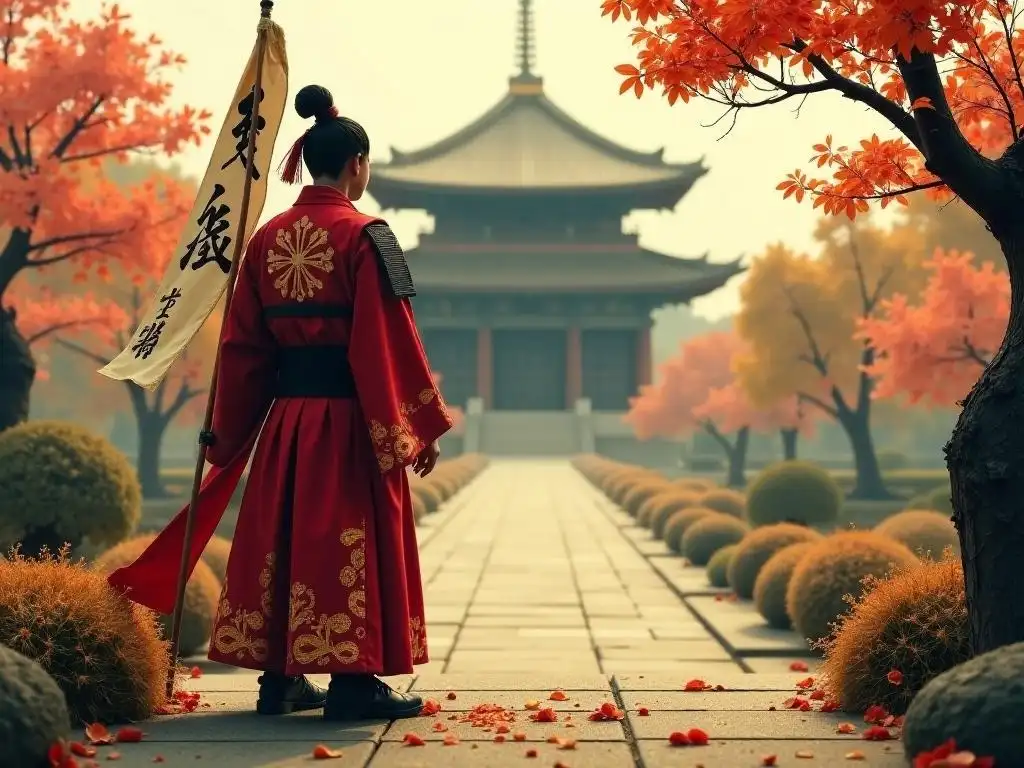
The intertwining of faith and warfare in feudal Japan is a profound aspect of the samurai ethos known as Bushido. This code, which translates to "the way of the warrior," was not merely a set of martial guidelines; it was deeply rooted in spiritual beliefs and religious practices. The samurai were expected to embody virtues such as loyalty, honor, and discipline—qualities that were often influenced by their understanding of Buddhism and Shintoism.
In the context of the duality of faith and warfare, the samurai navigated their roles as both warriors and spiritual adherents. They believed that their martial prowess was a means to serve higher ideals, often seeing themselves as agents of divine will. This perspective created a complex relationship where the act of fighting was not solely about physical combat but also about fulfilling a spiritual duty. The samurai’s commitment to their faith provided a moral framework that justified their actions on the battlefield, allowing them to reconcile the brutality of warfare with the serenity of religious devotion.
How Religion Justified Warfare in Feudal Japan
Religion played a pivotal role in justifying warfare during Japan's feudal era. Central to this justification was the belief that battles were not merely human conflicts but were divinely ordained events. The samurai often saw themselves as protectors of their faith, fighting for the honor of their clan, their lord, and the divine principles they upheld.
Shintoism, the indigenous spirituality of Japan, emphasized the presence of kami (spirits or gods) in all aspects of life, including warfare. Rituals and prayers were performed before battles to seek the favor of these deities, ensuring that the samurai were fighting under divine protection.
Additionally, the introduction of Buddhism brought concepts of karma and the afterlife, leading samurai to believe that their actions in warfare could affect their spiritual fate. This intertwined belief system created a powerful narrative that framed the act of killing as a necessary evil for the greater good, thus justifying the violence inherent in their lifestyle.
The Moral Dilemmas Faced by Samurai
Despite their religious justifications, samurai often confronted profound moral dilemmas on the battlefield. The duality of their existence—acting as both warriors and religious adherents—led to internal conflicts when faced with the brutality of war. Samurai were taught to uphold virtues such as compassion and benevolence, yet their role required them to engage in acts of violence that could contradict these principles.
The teachings of Buddhism, particularly the emphasis on non-violence and the sanctity of life, often clashed with the samurai’s duty to fight. This tension can be seen in the writings of famous samurai like Yamamoto Tsunetomo, who acknowledged the struggles of reconciling the warrior's path with spiritual beliefs. Such moral dilemmas forced samurai to reflect on the implications of their actions, leading to varying interpretations of honor and virtue among different warriors.
Case Studies: Prominent Samurai and Their Faith
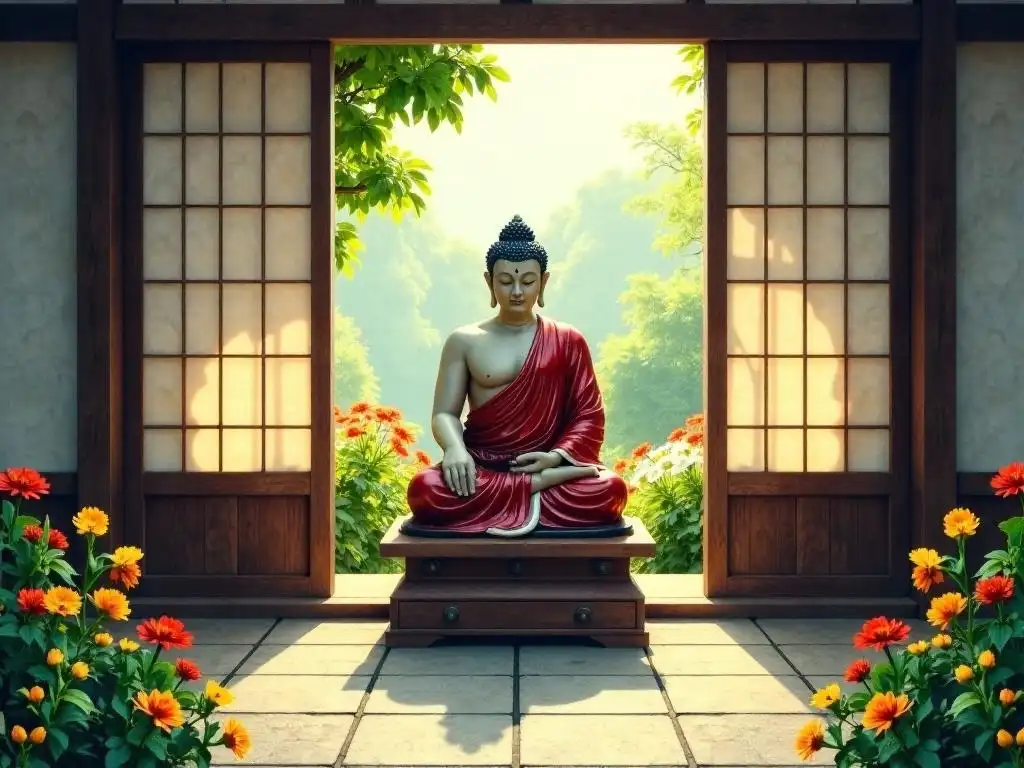
To understand the relationship between religion and Bushido, examining specific samurai figures provides valuable insights into this duality. For instance, Miyamoto Musashi, one of Japan's most renowned swordsmen, incorporated Zen Buddhism into his life, promoting the idea of mindfulness and the impermanence of life. His philosophy emphasized the importance of being present in the moment, which influenced his approach to combat and strategy.
Another notable figure is Takeda Shingen, who was known for his deep respect for the Shinto gods and often sought their guidance before battles. His rituals and offerings exemplified how religious beliefs were intricately woven into the fabric of samurai warfare. Similarly, Oda Nobunaga embraced a more pragmatic approach, utilizing the teachings of both Buddhism and Confucianism to justify his conquests, demonstrating the adaptability of religious principles in the pursuit of power.
The Evolution of Religion and Bushido
The relationship between religion and Bushido evolved significantly throughout Japan's feudal era. Initially, the samurai were heavily influenced by Shinto and Buddhist practices, which shaped their values and justified their roles as warriors. Over time, as political dynamics shifted and the samurai sought to solidify their status, the interpretation of Bushido began to adapt, incorporating elements from Confucianism and other philosophical teachings.
This evolution reflected broader societal changes, including the rise of centralized power under shoguns and the eventual unification of Japan. The samurai's adherence to a code of ethics began to blend with the governance of the state, leading to a more structured and formalized interpretation of Bushido that emphasized loyalty to the shogunate and the emperor.
Changes in Religious Influence Over Time
As Japan transitioned from the medieval period to the early modern era, the direct influence of religion on Bushido diminished. With the decline of the samurai class and the advent of modernization during the Meiji Restoration, the spiritual underpinnings of Bushido were often subsumed by nationalistic ideologies.
Shintoism was utilized to promote a sense of national identity, and the samurai's role as protectors of the faith transformed into a broader duty towards the state. This shift saw the samurai's connection to their spiritual beliefs weaken, as the focus shifted towards loyalty to the nation rather than to religious ideals.
The Decline of Feudalism and Its Impact on Bushido

The decline of feudalism in Japan had a profound impact on the practice and interpretation of Bushido. As the samurai class faced significant changes in their social standing and military role, the traditional values associated with Bushido began to erode. The disbandment of samurai armies and the rise of a conscripted military led to a reassessment of what it meant to be a warrior.
In this new context, many of the spiritual elements that had historically guided the samurai were neglected. The once-sacred code of honor became more about social status and political power than about religious devotion. This shift marked a significant departure from the original principles of Bushido, leading to a more secular interpretation of the warrior ethos.
Modern Interpretations of Bushido and Religion
Today, the interpretation of Bushido and its relationship with religion continues to evolve. While traditional religious influences have waned, modern interpretations often seek to revive and recontextualize these historical principles for contemporary society. Various martial arts schools and spiritual practitioners draw upon the teachings of Bushido, emphasizing the importance of honor, respect, and discipline.
Moreover, interest in Zen Buddhism has surged, with many practitioners finding that its principles align well with the philosophical aspects of Bushido. This revival showcases a desire to reconnect with the ideals that once guided the samurai, albeit in a modern context. The duality of faith and warfare remains a compelling narrative, inviting ongoing exploration of how these ancient beliefs can inform contemporary values and practices.
Conclusion
The interplay between religion and Bushido has profoundly shaped the ethos, values, and practices of the samurai class throughout Japan's feudal era. Understanding this duality not only sheds light on the moral and ethical frameworks that guided samurai behavior but also illustrates how deeply intertwined these aspects are with Japan's historical narrative. The integration of religious beliefs into the martial code of the samurai created a unique cultural identity that emphasized honor, loyalty, and spirituality, serving as a cornerstone for both personal conduct and societal expectations.
Recap of Religion's Influence on Bushido
Religion has played a pivotal role in the development of Bushido, the way of the warrior. Central to this influence were the teachings of Shinto and Buddhism, which provided samurai with a spiritual foundation that complemented their martial prowess.
- Shinto instilled a sense of duty to the kami (spirits), which fostered loyalty and dedication to one's lord and homeland.
- Buddhism, particularly Zen Buddhism, emphasized meditation, discipline, and the acceptance of death, shaping the samurai’s approach to combat and life.
Together, these religious doctrines cultivated ideals such as courage, self-discipline, and compassion, which became integral to the Bushido code. The samurai's commitment to uphold these principles not only defined their identity but also influenced their interactions within the broader societal framework of feudal Japan.
The Lasting Legacy of Faith in Samurai Culture
The legacy of faith in samurai culture endures even today, as elements of Bushido continue to resonate within modern Japanese society. The principles rooted in religious beliefs—such as honor, loyalty, and respect—remain salient in contemporary Japanese values.
- Cultural Practices: Many traditional practices and ceremonies, such as tea ceremonies and martial arts, still reflect the spiritual underpinnings derived from Shinto and Zen.
- Philosophical Influence: The philosophical inquiries into life and death, heavily influenced by Buddhist thought, continue to shape aspects of Japanese aesthetics and literature.
Moreover, the romanticized depiction of samurai in literature and film often highlights the duality of faith and warfare, perpetuating the image of the samurai as not only skilled warriors but also as individuals of profound moral depth. This enduring legacy serves as a testament to the significant impact that religion has had on shaping the ethos of the samurai and, by extension, the cultural identity of Japan as a whole.
- Introduction to Religion and Bushido Influence
- Historical Context of Religion in Japan
- The Concept of Bushido
- Religion as a Foundation of Bushido
- The Duality of Faith and Warfare
- How Religion Justified Warfare in Feudal Japan
- The Moral Dilemmas Faced by Samurai
- Case Studies: Prominent Samurai and Their Faith
- The Evolution of Religion and Bushido
- Changes in Religious Influence Over Time
- The Decline of Feudalism and Its Impact on Bushido
- Modern Interpretations of Bushido and Religion
- Conclusion
- What is Bushido and how is it related to religion in feudal Japan?
- How did Shinto beliefs impact the values of Bushido?
- In what ways did Buddhism shape the ethical principles of Bushido?
- How did the integration of religion into samurai life affect Japanese society?
- What role did rituals and ceremonies play in the lives of samurai?
Frequently Asked Questions
Bushido is the samurai code of conduct that emphasizes virtues like loyalty, honor, and courage. It was heavily influenced by religious beliefs, particularly Buddhism and Shinto, which shaped the moral framework of samurai warriors.
How did Shinto beliefs impact the values of Bushido?
Shinto beliefs contributed to the spiritual and ethical dimensions of Bushido by instilling a sense of patriotism and sacred duty towards one's lord and land, reinforcing loyalty as a central tenet of the samurai ethos.
In what ways did Buddhism shape the ethical principles of Bushido?
Buddhism introduced concepts such as self-discipline and detachment, which influenced samurai warriors to cultivate inner peace and moral integrity, thus balancing their martial practices with spiritual growth.
How did the integration of religion into samurai life affect Japanese society?
The integration of religion into samurai life fostered a hierarchical social structure, where samurai were seen as both warriors and spiritual leaders, impacting the cultural and political dynamics of feudal Japan.
What role did rituals and ceremonies play in the lives of samurai?
Rituals and ceremonies were essential in the lives of samurai as they reinforced cultural identity, served as a means of spiritual purification, and were instrumental in the practice of Bushido, linking religion and warfare together.
Final Reflection: The Interplay of Faith and Valor in Bushido
The exploration of religion's influence on Bushido reveals a profound connection that resonates in today's world. As we navigate through the complexities of modern life, the duality of faith and warfare continues to shape our understanding of honor, duty, and morality. The principles of Bushido, rooted in spiritual beliefs, remind us that the essence of courage and integrity transcends time and culture, urging us to reflect on how these values manifest in our own lives today.
Culture and society are inextricably linked to the beliefs we hold, and the legacy of Bushido illustrates this beautifully. The intertwining of religious tenets with the warrior code has not only influenced historical contexts but also continues to inspire contemporary discussions on ethics and personal conduct. The true warrior is not one who kills, but one who embodies the principles of honor and respect.
This sentiment echoes through generations, highlighting the enduring impact of Bushido as a guiding force in our moral compass and societal values.
As we conclude this exploration, I invite you to reflect on your own beliefs and the values that guide your actions. Consider how the principles of Bushido can inspire you to navigate challenges with integrity and honor. In a world often marked by conflict and division, let us strive to embody the duality of faith and valor, fostering a sense of unity and purpose in our lives and communities. Embrace the lessons of the past as you forge your path forward, and remember that every act of courage, no matter how small, contributes to a legacy of honor.
Embrace the Spiritual Warrior Within!
Thank you for taking the time to explore the profound relationship between faith and warfare in the context of Bushido. By understanding this duality, you've uncovered how spirituality shaped the samurai ethos and Japanese culture. Now, it's your turn to harness this knowledge and take meaningful action!
- Reflect on your own values: Take a moment to identify how your beliefs and principles influence your daily life. Consider journaling your thoughts or sharing them with a friend!
- Dive deeper into history: Explore more about Bushido and other influential philosophies by visiting related articles on our website or seeking out books that illuminate these concepts.
- Join the conversation: Engage with fellow history enthusiasts! Share this article on social media and invite discussions about the role of faith in your life or in historical contexts.
How do you perceive the balance between personal belief and action shaping the world around you today?