
Shoguns vs. Daimyos: Understanding the Power Struggle in Feudal Japan

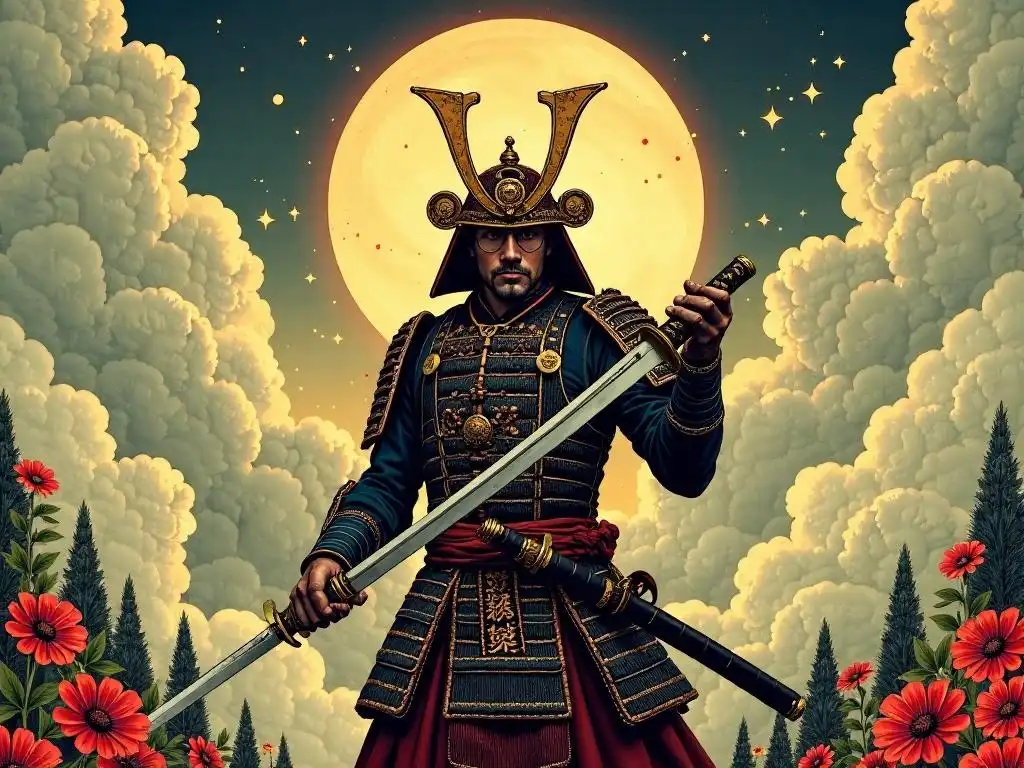
Welcome to Feudal Japan History! Dive into the captivating world of feudal Japan, where the delicate balance of power between shoguns and daimyos shaped a nation. Our featured article, "Shoguns vs. Daimyos: Understanding the Power Struggle in Feudal Japan," unravels the intricate dynamics of this historical conflict, revealing how ambition and strategy intertwined to influence the course of an entire era. Are you ready to uncover the secrets behind the power struggles that defined a nation? Join us as we embark on this compelling journey through Japan's feudal past!
- Introduction to Feudal Japan Power Struggle
- The Role of Shoguns in Feudal Japan
- The Role of Daimyos in Feudal Japan
- The Dynamics of Power Between Shoguns and Daimyos
- Key Events in the Feudal Japan Power Struggle
- Cultural and Societal Impacts of the Power Struggle
- Conclusion: The Lasting Effects of the Feudal Japan Power Struggle
- Frequently Asked Questions
- Final Reflection: The Enduring Legacy of Feudal Japan's Power Struggle
- Unveil the Secrets of Feudal Japan's Power Struggle!
Introduction to Feudal Japan Power Struggle
The feudal era of Japan, spanning from the late 12th century to the mid-19th century, is a fascinating period marked by a complex web of political, social, and cultural dynamics. Central to this era is the power struggle between Shoguns and Daimyos, which shaped the very foundation of Japanese governance and society.
Understanding this power struggle is essential not only for grasping the historical context of feudal Japan but also for appreciating how these power dynamics influenced Japan's evolution into a modern state. In this article, we will delve into the intricacies of these two pivotal figures in feudal Japan, exploring their roles, relationships, and the profound impact they had on the political landscape of the time.
Overview of Feudal Japan
Feudal Japan was characterized by a strict hierarchical structure, where power was decentralized and local lords, known as Daimyos, held significant authority over their domains. At the top of this hierarchy was the Shogun, the military ruler who wielded ultimate power in the realm, often acting in the name of the Emperor. The Shogun's authority was supported by a network of Daimyos, each commanding their own samurai warriors and land. This intricate system of loyalty and obligation created a framework that was both cooperative and competitive, leading to frequent conflicts and shifts in power.
The period saw various dynastic changes, with the Kamakura, Muromachi, and Tokugawa shogunates representing different phases of governance. Each Shogunate brought its own style of leadership and policies, which affected the balance of power among the Daimyos. For instance, the Tokugawa Shogunate (1603-1868) implemented a series of reforms and regulations aimed at stabilizing the country, yet it also heightened tensions between competing Daimyos, culminating in the Sengoku period—a time of near-constant civil war.
Importance of Understanding Shoguns and Daimyos
Understanding the roles of Shoguns and Daimyos is crucial for comprehending the feudal Japan power struggle. Shoguns were not merely military leaders; they were strategic political players who navigated alliances and rivalries with the Daimyos to maintain control over the realm. The Daimyos, on the other hand, were powerful feudal lords whose ambitions often led to rebellion and conflict, challenging the Shogun's authority.
This complex interplay between Shoguns and Daimyos not only influenced military campaigns and territorial disputes but also shaped the cultural and societal norms of the time. For example, the samurai code of Bushido, which emphasized loyalty and honor, emerged as a foundational aspect of Japanese culture during this period, reflecting the values upheld by both Shoguns and Daimyos.
Exploring the power struggle between Shoguns and Daimyos provides valuable insights into the political, military, and cultural fabric of feudal Japan. By examining their relationships and conflicts, we gain a deeper understanding of how this era laid the groundwork for Japan's future developments and its path toward modernization.
The Role of Shoguns in Feudal Japan
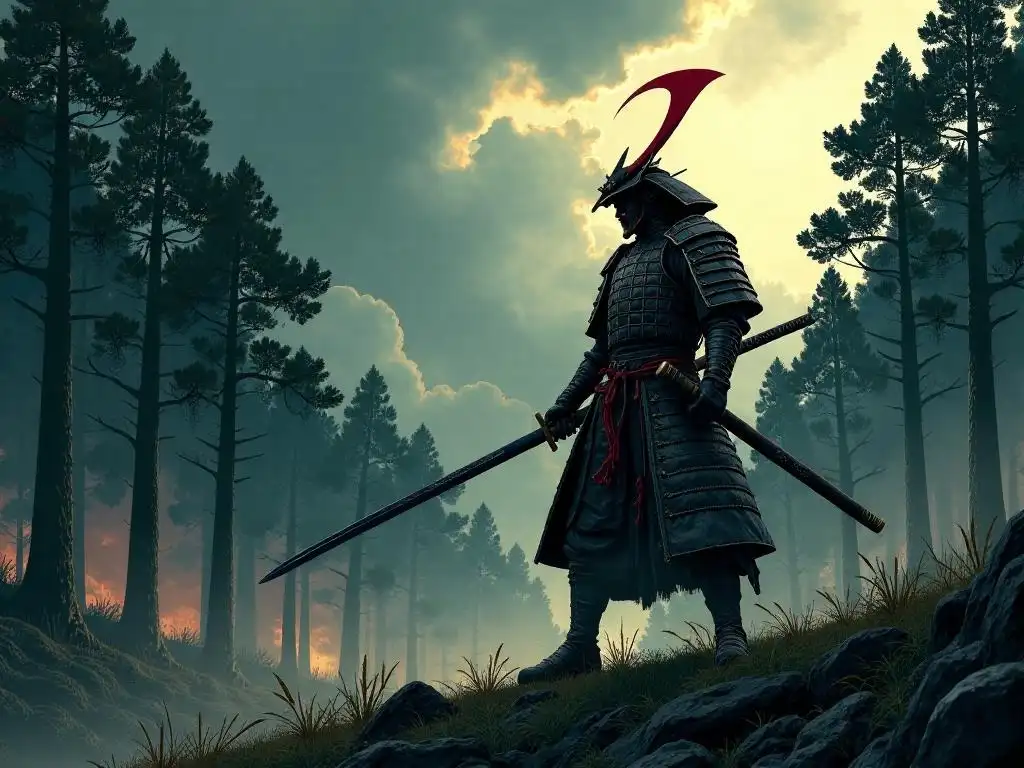
Definition and Origins of Shoguns
The term shogun originates from the Japanese words shō (将) meaning "to lead" or "to commander," and gun (軍) meaning "troops" or "military." Initially, shoguns were military commanders appointed by the emperor to lead the imperial army during times of conflict. Their role evolved significantly over the centuries, particularly during the Heian period (794-1185), when the increasing power of the samurai class began to undermine the authority of the imperial court.
The first historical shogun was Minamoto no Yoritomo, who established the Kamakura Shogunate in 1192 after winning the Genpei War. This marked a turning point, as Yoritomo and his successors governed Japan through military rule, effectively sidelining the emperor and establishing a hereditary position that lasted for centuries. The shogunate system established the framework for political organization in feudal Japan, where military leaders held substantial power.
The shoguns held significant political power in feudal Japan, often ruling as de facto leaders while the emperor remained a symbolic figure. The political structure was characterized by a feudal hierarchy, where the shogun granted land and privileges to loyal daimyos (feudal lords) in exchange for military service and allegiance. This system allowed shoguns to maintain control over vast territories without needing to govern every aspect of daily life.
The authority of shoguns was further consolidated through various means:
- Military Control: Shoguns commanded the samurai class, the warrior elite of Japan. By maintaining a strong military presence, shoguns could enforce their rule and suppress dissent among the daimyos.
- Economic Power: Through land grants and taxation, shoguns controlled the economic resources of the land. This economic power allowed them to fund military campaigns and maintain loyalty among their supporters.
- Legal Authority: Shoguns established their own legal systems, often overriding imperial law. They created a code of conduct for samurai, which enforced loyalty and discipline within their ranks.
This complex relationship between shoguns and daimyos often led to power struggles, as competing factions vied for dominance in the political landscape of feudal Japan.
Notable Shoguns in Japanese History
Several shoguns have left a significant mark on Japanese history, shaping the political and cultural landscape of the era. Here are a few of the most notable:
| Shogun | Period | Contributions |
|---|---|---|
| Minamoto no Yoritomo | Kamakura Shogunate (1192-1199) | Established the first shogunate, setting the precedent for military rule in Japan. |
| Ashikaga Takauji | Ashikaga Shogunate (1336-1573) | Founded the Ashikaga Shogunate and promoted cultural developments, including the flourishing of the arts. |
| Tokugawa Ieyasu | Tokugawa Shogunate (1603-1868) | Unified Japan after the Sengoku period, instituted a long era of peace known as the Edo period, and implemented strict social order. |
These shoguns played pivotal roles in the feudal Japan power struggle, navigating alliances and rivalries among daimyos while shaping the course of Japanese history through their military and political acumen. Their legacies are still studied and revered today, reflecting the intricate dynamics of power during Japan's feudal era.
The Role of Daimyos in Feudal Japan
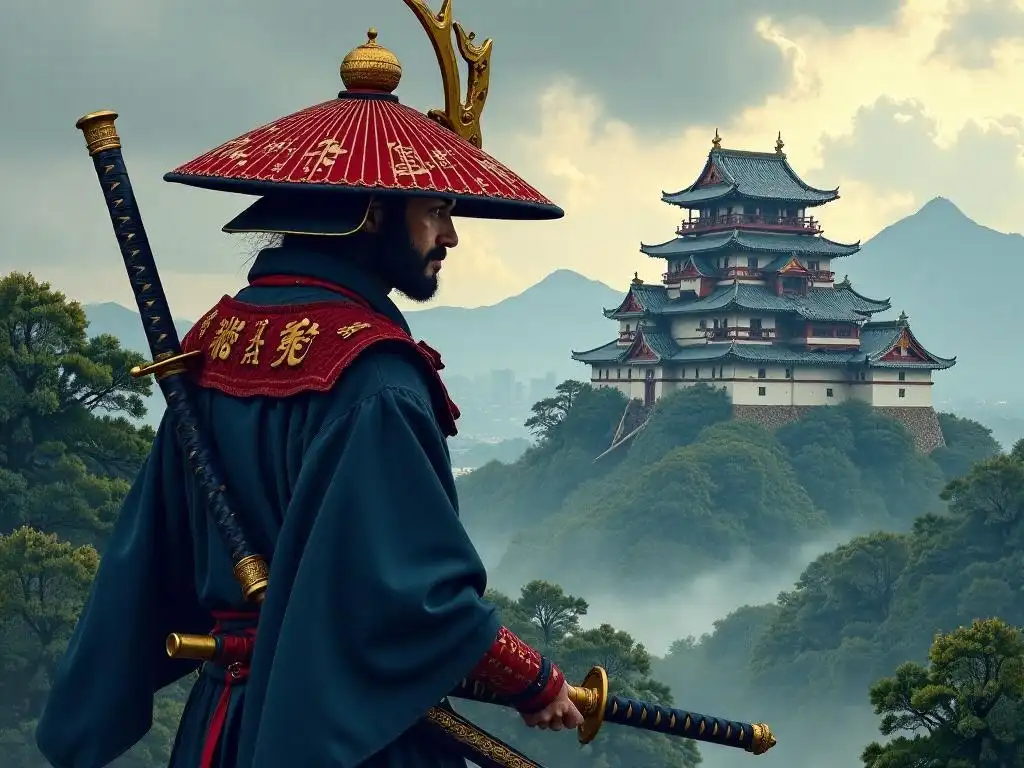
Definition and Origins of Daimyos
The term daimyos (大名) refers to powerful feudal lords in Japan who held significant land and influence during the feudal era, particularly from the 12th to the 19th centuries. The origins of the daimyos can be traced back to the Heian period (794-1185), when the imperial court began to lose control over the provinces. As local clans gained authority, they established their own territories, leading to the rise of military leaders and landholders.
Initially, daimyos were samurai leaders who served as vassals to the shogunate or other powerful samurai. Their power grew as they acquired land, collected taxes, and maintained armies. The Kamakura shogunate (1185-1333) formalized their status, as daimyos became critical players in the political landscape of feudal Japan, wielding both military and economic power.
Political Influence and Responsibilities of Daimyos
Daimyos played a crucial role in the feudal system of Japan, acting as key intermediaries between the shogunate and the common people. Their responsibilities included:
- Land Management: Daimyos governed large estates called han, which were subdivided into smaller units. They were responsible for agricultural production, ensuring farmers worked the land efficiently.
- Military Leadership: Each daimyō maintained a personal army of samurai, which they could mobilize for battles or to protect their territories. This military strength was essential during periods of conflict, such as the Sengoku period (1467-1603), characterized by intense power struggles among daimyos.
- Political Alliances: Daimyos often formed alliances or engaged in marriages with one another to strengthen their positions. These political maneuvers were critical in navigating the shifting dynamics of power within feudal Japan.
- Tax Collection: They collected taxes from their subjects to fund their military and administrative expenses. This economic power provided them with resources to maintain their influence and authority.
This multifaceted role solidified the daimyos as key players in the feudal Japan power struggle, both competing against one another and at times uniting against common enemies.
Prominent Daimyos in Feudal Japan
Several daimyos emerged as influential figures throughout Japan's feudal history, shaping the political landscape and contributing to the power dynamics of the era. Some of the most notable daimyos include:
| Daimyo | Region | Notable Contributions |
|---|---|---|
| Oda Nobunaga | Owari Province | Unified a significant portion of Japan; known for his military innovations. |
| Toyotomi Hideyoshi | Yamato Province | Continued the unification efforts after Nobunaga; established a centralized government. |
| Tokugawa Ieyasu | Mikawa Province | Founded the Tokugawa shogunate, establishing a period of peace known as the Edo period. |
| Takeda Shingen | Kai Province | Renowned for his military prowess and strategic genius, often clashed with Uesugi Kenshin. |
| Uesugi Kenshin | Echigo Province | A legendary warrior known for his honor and rivalry with Takeda Shingen. |
These figures not only exemplify the complexities of the daimyos' roles but also highlight the intense feudal Japan power struggle that characterized the era. Their actions and conflicts significantly influenced Japan's political history, leading to the eventual establishment of a centralized authority under the Tokugawa shogunate.
The Dynamics of Power Between Shoguns and Daimyos
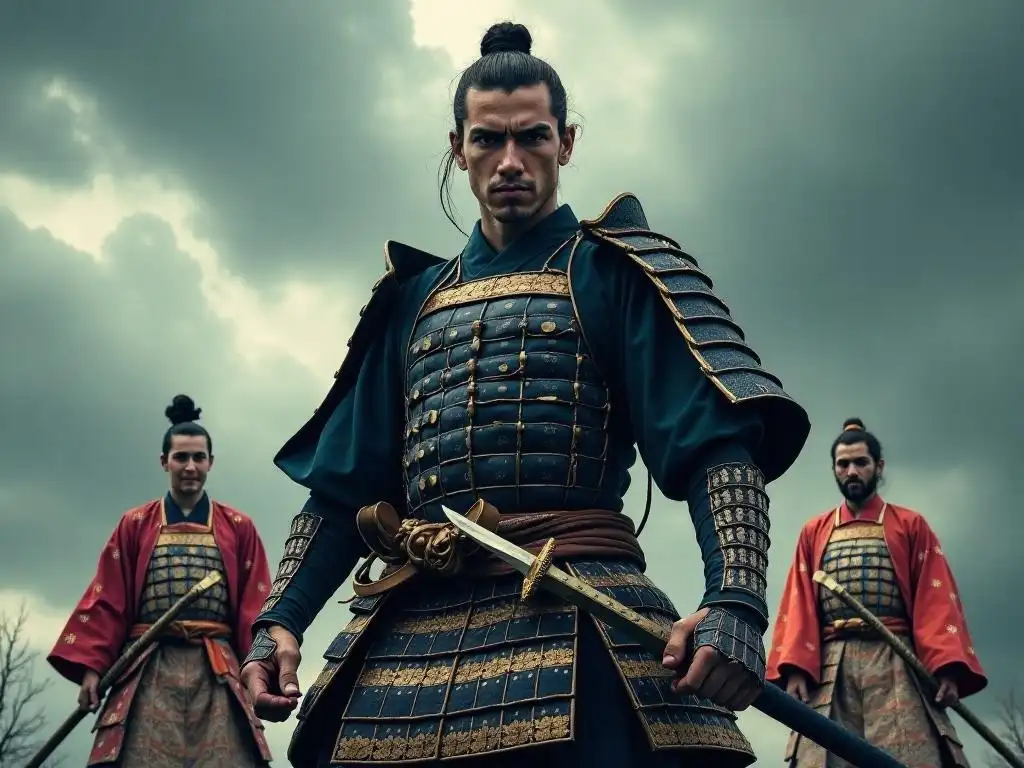
The relationship between shoguns and daimyos in feudal Japan was characterized by a complex interplay of power dynamics that defined the political landscape of the era. At the heart of this relationship was the shogunate, a military government led by a shogun, who wielded significant authority over the land and its people.
In contrast, daimyos were powerful feudal lords who governed their own domains, known as han, and held considerable influence in their localities. This power struggle was central to the evolution of Japan's political history during the feudal era, shaping not only governance but also social structures and cultural practices.
The Nature of the Power Struggle
The power struggle between shoguns and daimyos can be traced back to the emergence of the shogunate system in the late 12th century. The Minamoto clan established the first shogunate, known as the Kamakura shogunate, which set the precedent for future military rulers. While shoguns were tasked with maintaining order and defending the realm, daimyos often sought to extend their influence and autonomy.
- Legitimacy and Control: The shogun's authority was often derived from the emperor, who served as a symbolic figurehead. However, in practice, the shogun exercised real power, leading to tensions with daimyos who questioned the legitimacy of this authority. Many daimyos, especially during the Muromachi period, sought to establish their own legitimacy through military prowess and the acquisition of land.
- Military Clout: The daimyos maintained their own armies, composed of samurai, which they used to assert their dominance. This military capacity allowed them to challenge the shogun's authority, leading to a series of conflicts known as the Sengoku period, or the "Warring States" period, where rival factions vied for control over territories.
- Cultural Influence: The power struggle also had cultural implications. While shoguns promoted centralized governance, daimyos often cultivated their own cultural identities through patronage of the arts, leading to regional variations in culture that further complicated the political landscape.
Political Alliances and Rivalries
Political alliances among daimyos were crucial in the power struggle against shoguns. These alliances could shift rapidly, influenced by marriages, treaties, and betrayals.
- Coalitions and Betrayals: Daimyos would often form coalitions to challenge the shogun's authority. These alliances were sometimes temporary, as personal ambition frequently led to betrayal and conflict. For instance, the famous Battle of Sekigahara in 1600 was a result of such shifting alliances, ultimately leading to the establishment of the Tokugawa shogunate.
- Marriage Alliances: Marriages were a common strategy to secure alliances between powerful families. By marrying off their daughters to other daimyos or even into the shogun's family, lords could strengthen their political positions and ensure mutual support against common enemies.
- Diplomatic Maneuvering: Diplomacy played a vital role in the power struggle. Daimyos would engage in negotiations, sometimes offering tribute to the shogunate in exchange for autonomy or protection, creating a delicate balance of power that could tip in favor of either side depending on the circumstances.
Economic Factors Influencing the Power Struggle
Economic conditions were a significant driver of the feudal Japan power struggle. The wealth generated through agriculture, trade, and resource management heavily influenced political power.
- Land Ownership: The daimyos' wealth was primarily derived from land ownership. Control over fertile lands enabled them to produce surplus crops, which could be taxed or traded, thus bolstering their military and political power. The more land a daimyo controlled, the greater their ability to challenge the shogun.
- Resource Management: Regions rich in resources, such as iron or rice, became focal points of conflict. Daimyos would fight to control these lucrative areas, leading to strategic alliances or hostilities based on resource availability.
- Taxation and Tribute: The shogunate relied on a system of taxation and tribute from the daimyos to fund its military campaigns and governance. Disputes over tax rates or the distribution of resources could lead to tensions and conflicts, further complicating the power struggle.
The power struggle between shoguns and daimyos in feudal Japan was marked by a dynamic interplay of military, political, and economic factors. Understanding these elements provides a clearer picture of how power was negotiated and contested during this pivotal era in Japanese history.
Key Events in the Feudal Japan Power Struggle
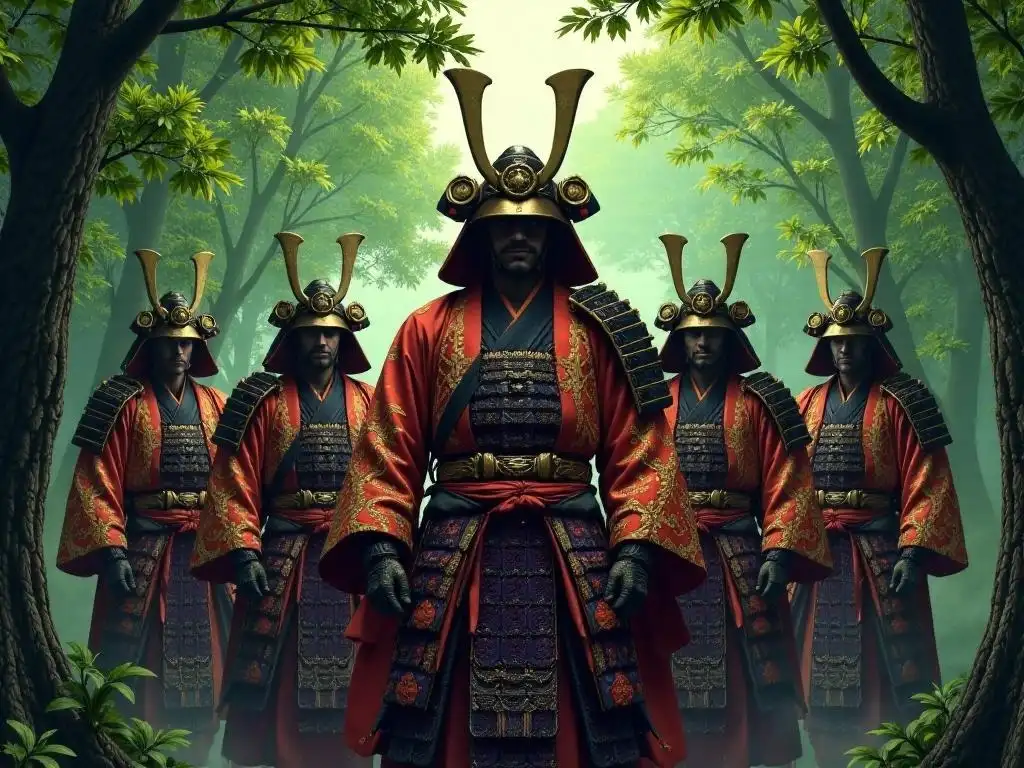
The feudal Japan power struggle was characterized by a series of significant events that shaped the political landscape of the country. These events spanned centuries, culminating in the rise of powerful clans and the establishment of the shogunate system. Here, we delve into the major battles and conflicts, treaties and agreements, and the profound impact of the Sengoku period on the power dynamics of feudal Japan.
Major Battles and Conflicts
The power struggle in feudal Japan was marked by numerous battles and conflicts, each contributing to the shifting allegiances and territorial claims among the daimyos and the shoguns. Some of the most notable battles include:
- Battle of Dan-no-ura (1185): This pivotal naval battle marked the end of the Genpei War between the Taira and Minamoto clans. The Minamoto's victory established their dominance and led to the formation of the first shogunate under Minamoto no Yoritomo.
- Battle of Nagashino (1575): A critical encounter during the Sengoku period, this battle showcased the effectiveness of firearms in warfare. Tokugawa Ieyasu’s forces defeated the Takeda clan, further consolidating his power and influence in Japan.
- Battle of Sekigahara (1600): Often considered the most decisive battle in Japanese history, Sekigahara determined the fate of the Tokugawa shogunate. The victory of Tokugawa Ieyasu over his rivals secured his position as shogun and ushered in a period of relative peace and stability known as the Edo period.
These battles not only exemplified military strategies and the evolving nature of warfare but also highlighted the intricate web of alliances and rivalries that defined feudal Japan.
Treaties and Agreements
Alongside battles, treaties and agreements played a crucial role in the feudal Japan power struggle. These documents often sought to establish peace or solidify alliances between rival clans. Key examples include:
- The Treaty of Kōan (1281): This agreement between the Kamakura shogunate and the Mongol Empire marked the end of the Mongol invasions of Japan. The shogunate’s ability to repel the invaders bolstered its legitimacy and power.
- The Sakai Agreement (1571): This treaty between the daimyos of the region aimed to facilitate trade and mutual protection against external threats. Such agreements often helped to stabilize regions amidst the chaos of the Sengoku period.
- The Edo Period Peace Treaties: Several treaties established by the Tokugawa shogunate addressed internal conflicts among daimyos, promoting a policy of peaceful coexistence that characterized the Edo period.
These treaties illustrate how diplomacy was as vital as warfare in the power struggle, reflecting the complex relationships among the ruling classes.
The Impact of the Sengoku Period on Power Dynamics
The Sengoku period (c. 1467–1603), often referred to as the "Warring States" period, was a time of intense political fragmentation and conflict in Japan. This era significantly influenced the power dynamics of feudal Japan in several ways:
- Emergence of Powerful Daimyos: During the Sengoku period, regional lords (daimyos) gained unprecedented power as they vied for control over territories. This decentralization of power set the stage for the eventual rise of the Tokugawa shogunate.
- Military Innovations: The constant warfare led to advancements in military technology and tactics. The adoption of firearms and the development of new battlefield strategies fundamentally changed the nature of combat and warfare.
- Social Stratification: The ongoing conflicts created a rigid social hierarchy, with samurai emerging as the warrior class that upheld the interests of their daimyos. This stratification solidified the feudal system, embedding loyalty and service as core societal values.
- Cultural Flourishing: Despite the chaos, the Sengoku period fostered a cultural renaissance, with the rise of the tea ceremony, Noh theater, and other art forms, contributing to the rich tapestry of Japanese culture that persisted throughout the Edo period.
The Sengoku period was a crucible for the feudal Japan power struggle, shaping the very foundations of Japan's political, social, and cultural landscape that would influence the archipelago for centuries to come.
Cultural and Societal Impacts of the Power Struggle
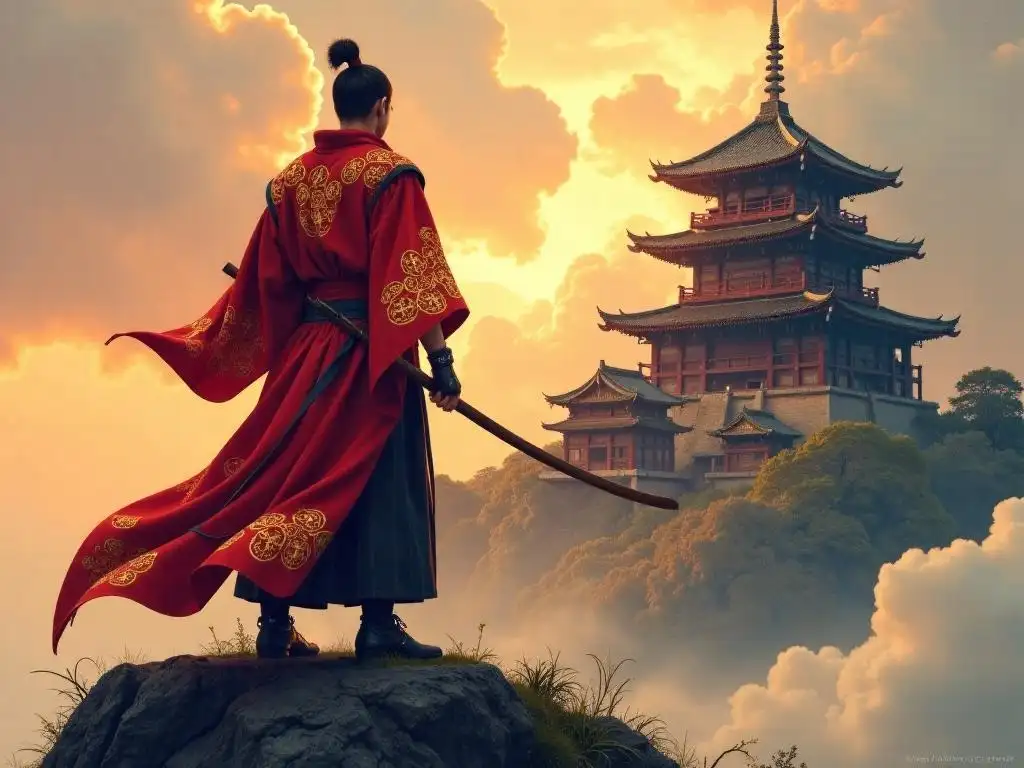
The Influence on Samurai Culture
The power struggle between shoguns and daimyos in feudal Japan had profound effects on the samurai class, which was central to the military and social structure of the period. As the political landscape shifted, the samurai evolved from mere warriors into a distinct social class with a defined role in governance and culture.
- Bushido Code: The ongoing rivalry fostered the development of the bushido code—an ethical framework emphasizing loyalty, honor, and martial prowess. This code became a guiding principle for samurai, shaping their identity and behavior. The necessity for samurai to align themselves with powerful daimyos led to a strong sense of loyalty, which was both a personal and social expectation.
- Cultural Patronage: In their quest for power, both shoguns and daimyos became patrons of the arts, significantly influencing cultural production. The establishment of kinkaku-ji (Golden Pavilion) and other cultural icons can be traced back to the lavish lifestyles of these leaders, who sought to legitimize their power through cultural achievements. The samurai's involvement in these patronage systems facilitated the rise of traditional arts such as ikebana (flower arranging), tea ceremonies, and Noh theater.
- Military Innovations: The feudal power struggle also led to advancements in military tactics and technologies. With daimyos competing for territory and influence, they invested in training their samurai in various forms of combat, leading to the refinement of strategies and weaponry, including the famous katana. This evolution not only equipped samurai for warfare but also instilled a sense of pride in their martial culture.
Changes in Governance and Society
The dynamics between shoguns and daimyos precipitated significant changes in both governance structures and societal organization during feudal Japan. These changes were driven by the need for stability and control in a period marked by constant conflict.
- Feudal Hierarchy: The power struggle solidified a distinct feudal hierarchy. The shogun held ultimate authority, but the daimyos wielded considerable power over their domains. This relationship created a complex web of allegiances and vassalage, where loyalty to one's lord was paramount. The hierarchical structure ensured that local governance was responsive to the shogunate while enabling daimyos to maintain autonomy within their territories.
- Land Redistribution: The constant shifting of power often resulted in the redistribution of land among daimyos, which in turn affected the peasantry. As daimyos gained or lost territories, farmers were frequently displaced or had their taxes adjusted. This led to fluctuations in agricultural productivity and societal stability. The peasantry's loyalty was often swayed by the benevolence of their lords, resulting in a complex relationship between governance and societal wellbeing.
- Legal Systems: The rivalry between shoguns and daimyos also influenced the development of legal systems. Each daimyo had the authority to administer justice within their territories, leading to a patchwork of laws and customs that varied widely. This system encouraged local governance and autonomy, yet also led to discrepancies in legal practices across regions, complicating the overall legal landscape of feudal Japan.
Legacy of Shoguns and Daimyos in Modern Japan
The historical power struggle between shoguns and daimyos has left an indelible mark on modern Japan, influencing contemporary society, culture, and governance.
- Cultural Heritage: Many traditional practices and cultural expressions in Japan today can be traced back to the feudal era. Festivals, martial arts, and even the aesthetic principles in architecture and gardens reflect the values and social structures established during the power struggle. For instance, the samurai ethos continues to inspire modern Japanese martial arts and is celebrated in popular media.
- Political Structure: The legacy of the feudal system can be seen in Japan's modern political structure, where the concepts of hierarchy and governance still play crucial roles. Although Japan has transitioned to a constitutional monarchy, the influences of feudal allegiances can occasionally be observed in local and national politics, particularly in the strong regional identities that persist.
- National Identity: The narratives of shoguns and daimyos have contributed to a national identity that values honor, loyalty, and resilience. These stories have been immortalized in literature, film, and art, fostering a sense of historical continuity and pride among the Japanese people. The power struggle is often romanticized in popular culture, serving as a reminder of the complex interplay between power, culture, and society throughout Japan’s history.
The cultural and societal impacts of the feudal Japan power struggle between shoguns and daimyos are profound, shaping the very fabric of Japanese identity and governance that persists into the modern era.
Conclusion: The Lasting Effects of the Feudal Japan Power Struggle
Summary of Key Points
The feudal Japan power struggle between shoguns and daimyos significantly shaped the political landscape of Japan from the 12th to the 19th centuries. Here are the main takeaways:
- Shogunate Authority: The shoguns held military power and were responsible for national defense, while the emperor maintained a ceremonial role. This created a duality in governance where the shogunate often overshadowed imperial authority.
- Daimyo Autonomy: Daimyos governed their own domains, wielding substantial influence and military strength, which often led to conflict with the shogunate. Their need to maintain power resulted in a complex web of alliances and betrayals.
- Impact of the Sengoku Period: The Sengoku period (1467-1603) exemplified the intense power struggles, characterized by constant warfare among daimyos and the quest for dominance that ultimately paved the way for the unification of Japan under a centralized authority.
- Cultural Developments: The feudal system fostered unique cultural developments, including the rise of the samurai ethos, Zen Buddhism, and the flourishing of arts such as tea ceremonies and Noh theater, which were heavily influenced by the societal hierarchies of the time.
Reflections on the Historical Significance of Shoguns and Daimyos
The historical significance of shoguns and daimyos extends beyond mere military and political governance; it encapsulates a transformative era in Japan's cultural identity. The power struggle between these two feudal entities led to:
- Centralized Governance: The eventual establishment of a strong centralized government under the Tokugawa shogunate in the early 17th century marked the end of the feudal power struggles and ushered in a period of relative peace known as the Edo period. This stability allowed for economic growth and cultural flourishing.
- Legacy of the Samurai: The samurai class, as vassals to the daimyos, played a crucial role in shaping Japan's martial tradition and social structure. Their values of loyalty and honor have left a lasting imprint on Japanese culture and ethics.
- Modern Implications: The feudal Japan power struggle has left an indelible mark on Japan's political development and societal norms. Understanding this struggle provides insight into contemporary Japanese society, including the lingering effects of hierarchical structures and the cultural reverence for authority and loyalty.
As we reflect on the complexities of shoguns and daimyos, it becomes evident that their interactions and conflicts were not merely power struggles; they were a fundamental part of Japan's evolution, leading to the rich tapestry of history that informs modern Japan today.
Frequently Asked Questions
What was the primary power struggle in feudal Japan?
The primary power struggle in feudal Japan was between the Shoguns and the Daimyos, each seeking to control land, resources, and political influence.
Who were the Shoguns in feudal Japan?
Shoguns were military rulers who held de facto power over Japan, often overshadowing the emperor, and were responsible for maintaining order and governance during the feudal era.
What role did the Daimyos play in the feudal system?
Daimyos were powerful feudal lords who controlled vast estates and had their own armies, serving under the Shogun while also competing for territorial dominance.
How did the power struggle impact Japanese society?
The power struggle fostered a hierarchical society with a rigid class system, influencing culture, politics, and even the samurai code of honor, known as Bushido.
What were the consequences of the Shogun-Daimyo conflict?
The conflict led to civil wars, shifting alliances, and ultimately the unification of Japan under a single ruler, shaping the nation's future and its governance structure.
Final Reflection: The Enduring Legacy of Feudal Japan's Power Struggle
The intricate dynamics between shoguns and daimyos during feudal Japan reveal a profound narrative of power, loyalty, and conflict that resonates deeply in today's world. As we navigate our own societal structures, the lessons learned from this historical power struggle remind us of the complexities of leadership and governance. The interplay of authority and rebellion that characterized feudal Japan serves as a poignant reminder that power is not merely held; it is contested, negotiated, and often redefined.
Cultural and social landscapes are continuously shaped by the legacies of historical power struggles. The tensions between shoguns and daimyos not only influenced the political framework of their time but also laid the groundwork for Japan's modern identity. As we reflect on these historical narratives, we recognize their relevance in contemporary discussions about power dynamics. History is not a burden on the memory but an illumination of the soul.
This quote encapsulates the essence of understanding our past, as it informs our present and shapes our future.
As you contemplate the themes presented in this article, I invite you to reflect on the power struggles in your own life and society. Consider how the lessons of feudal Japan can inspire you to navigate challenges, foster collaboration, and embrace the complexities of leadership. Let the stories of shoguns and daimyos encourage you to engage thoughtfully with the power dynamics around you, fostering a deeper understanding of the roles we all play in shaping our communities and futures.
Unveil the Secrets of Feudal Japan's Power Struggle!
Thank you for diving deep into the fascinating world of Shoguns and Daimyos! You’ve discovered the intricate dynamics of power during this transformative period in Japan's history. Now, it’s time to take the next steps to enrich your understanding and share these insights with others.
- Explore more: Delve into our curated list of resources and articles to broaden your knowledge of feudal Japan.
- Join the conversation: Share your thoughts or questions in the comments below—let’s discuss how these power struggles have shaped Japan throughout history!
- Engage with your community: Invite your friends to explore this topic together. Consider hosting a discussion group to uncover the intricacies of feudal hierarchies.
What surprising connections can you draw between the power dynamics of historical Japan and contemporary society?