
The Cultural Legacy of the Shogunate: How Art and Literature Reflected Political Power

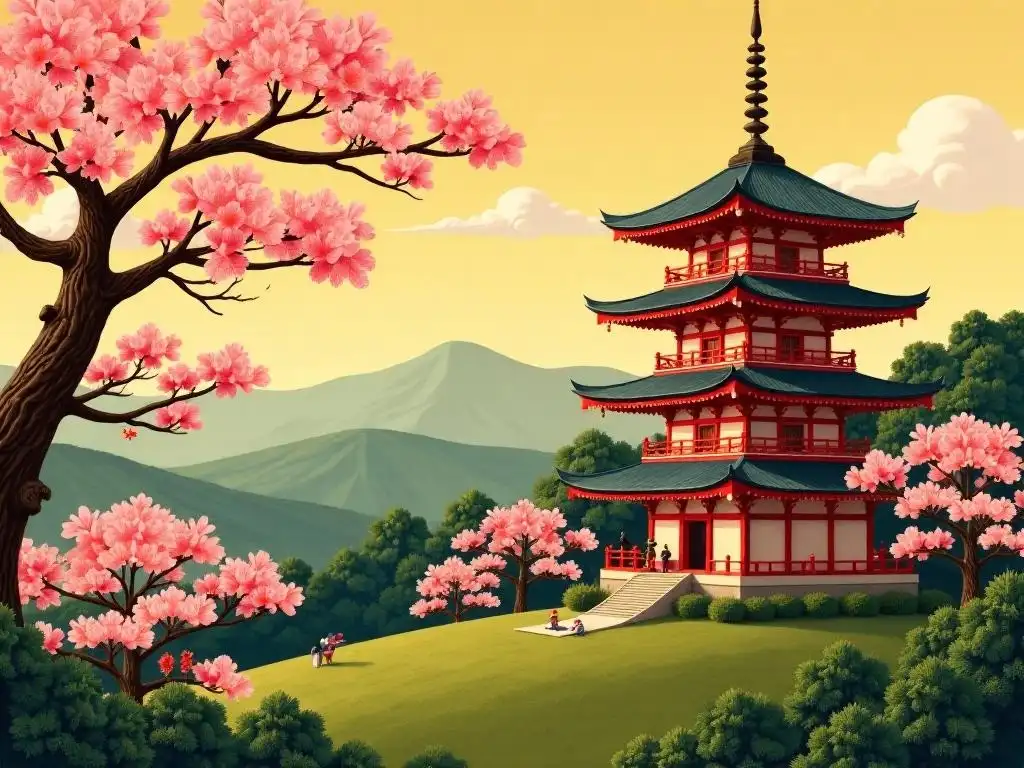
Welcome to Feudal Japan History, where we embark on a fascinating journey through the intricate tapestry of Japan's feudal era. Here, you’ll uncover how the cultural impact of the Shogunate shaped not only politics but also the rich art and literature that flourished during this time.
What secrets lie in the strokes of a brush or the words of a poet that reveal the nuances of power and society? Dive into our featured article, "The Cultural Legacy of the Shogunate: How Art and Literature Reflected Political Power," and let the stories of the past captivate your imagination as you explore the profound connections between culture and governance in this remarkable period.
- Introduction to the Cultural Impact of the Shogunate
- The Shogunate Era: A Background Context
- Art as a Reflection of Political Power during the Shogunate
- Literature and Its Role in Shogunate Culture
- The Interplay Between Art, Literature, and Political Power
- The Lasting Cultural Legacy of the Shogunate
- Conclusion: Understanding the Cultural Impact of the Shogunate
-
Frequently Asked Questions
- What was the role of the Shogunate in shaping Japanese culture?
- How did art during the Shogunate reflect political power?
- What types of literature emerged during the Shogunate period?
- How did the Shogunate influence traditional Japanese crafts?
- In what ways does the cultural legacy of the Shogunate continue today?
- Final Reflection: The Enduring Cultural Impact of the Shogunate
- Unveil the Cultural Treasures of the Shogunate!
Introduction to the Cultural Impact of the Shogunate
The Shogunate era of Japan, spanning from the late 12th century to the mid-19th century, represents a pivotal period in the nation's history, characterized by military governance and a distinct cultural evolution. This article delves into the cultural legacy of the Shogunate, focusing on how art and literature served as reflections of political power during this transformative time.
Understanding the cultural impact of the Shogunate is crucial for appreciating not only the artistic achievements of the period but also how these works mirrored and influenced the prevailing political dynamics. From the samurai ethos captured in literature to the stunning visual arts that adorned the elite's residences, the interplay between culture and governance during the Shogunate offers a profound insight into the societal values and power structures of feudal Japan.
Overview of the Shogunate in Japanese History
The Shogunate system, particularly the Kamakura, Muromachi, and Edo periods, established a hierarchy that dramatically altered Japan's political landscape. The shogun, as the military dictator, wielded substantial power, often overshadowing the emperor, who remained a figurehead. This shift in power dynamics catalyzed unique cultural expressions that were intertwined with the political climate of the time.
Key Features of the Shogunate Era:
- Military Governance: The shogun's authority was based on military prowess, leading to a feudal system where daimyos (lords) held land and power in exchange for loyalty.
- Social Hierarchy: A rigid class structure emerged, with samurai at the top, followed by farmers, artisans, and merchants, each playing a role in the cultural fabric.
- Cultural Flourishing: Despite the focus on military affairs, the Shogunate saw significant advancements in arts, philosophy, and literature, reflecting the complexities of its power struggles.
The Shogunate not only shaped Japan's political framework but also influenced its cultural landscape, resulting in a rich tapestry of artistic and literary achievements that resonate to this day.
Importance of Art and Literature in Reflecting Political Power
Art and literature during the Shogunate were not mere forms of expression; they were essential tools for reinforcing and challenging political ideologies. Through various mediums, artists and writers conveyed messages that aligned with or critiqued the status quo, thus serving dual roles as both cultural commentators and propagandists.
Art as a Reflection of Power:
- Nihonga and Ukiyo-e: Traditional Japanese painting and woodblock prints often depicted the lives of the samurai and the beauty of nature, symbolizing the shogunate's ideals and values.
- Architecture: The grandeur of castles and temples, such as Himeji Castle, embodied the power and stability of the ruling shogunate, making them not just military fortifications but also cultural symbols.
Literature's Role in Society:
- Historical Chronicles: Works like "The Tale of the Heike" and "The Chronicles of Japan" documented the rise and fall of power, providing narratives that shaped public perception of historical events.
- Poetry and Drama: The emergence of Noh and Kabuki theatre offered both entertainment and social commentary, often reflecting the complexities of loyalty, honor, and the human condition, which were central to samurai culture.
The cultural impact of the Shogunate is a testament to how art and literature can both reflect and shape political power, offering insights into the societal values and historical contexts of feudal Japan. Through examining these cultural artifacts, we gain a deeper understanding of the era's political dynamics and the legacy it left behind.
The Shogunate Era: A Background Context
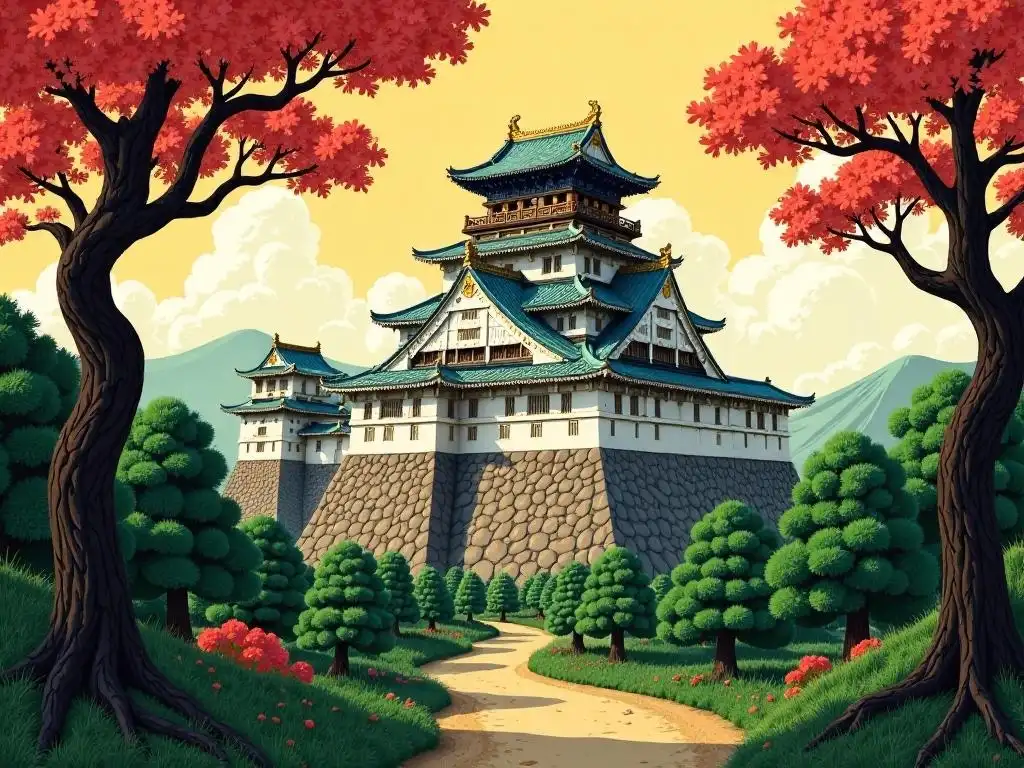
The Shogunate era in Japan, spanning from the late 12th century to the mid-19th century, was characterized by a unique political structure that profoundly influenced the cultural landscape of the nation. The shogunate system, wherein the shogun held military and political power while the emperor retained a ceremonial role, established a feudal hierarchy that impacted not only governance but also art, literature, and societal norms.
During this period, the samurai class emerged as a dominant force, instilling values of loyalty, honor, and discipline, which were frequently reflected in cultural expressions. The intricate relationship between the ruling class and the arts led to a flourishing of various artistic forms, including poetry, painting, and theater, ultimately shaping the cultural identity of Japan. The shogunate's influence extended beyond the confines of politics, infiltrating everyday life and societal structures, thus leaving a lasting legacy that is still explored and celebrated today.
Key Characteristics of the Shogunate System
The shogunate system was defined by several key characteristics that not only outlined its political structure but also laid the groundwork for its cultural impact:
- Feudal Hierarchy: The shogunate established a rigid class system where power was distributed among various strata, including the shogun, daimyo (feudal lords), samurai, and peasants. This hierarchy influenced social interactions and inspired many works of art and literature.
- Military Governance: The shogun was primarily a military leader, and his authority was maintained through a strong warrior class. This militaristic ethos permeated cultural productions, often glorifying valor, loyalty, and martial prowess.
- Cultural Patronage: The shogunate played a crucial role in the patronage of the arts. Shoguns and daimyo often commissioned works from artists and writers, leading to a rich cultural output that celebrated their power and legitimacy.
- Isolationist Policies: The Sakoku (closed country) policy restricted foreign influence and trade, fostering a unique cultural identity that was distinctly Japanese. This isolation allowed traditional arts to flourish without external competition.
- Religious Influence: Buddhism and Shintoism deeply influenced artistic expression during the shogunate. Religious themes were prevalent in paintings, literature, and theater, reflecting the spiritual aspects of life in feudal Japan.
The combination of these characteristics created an environment ripe for cultural development, where the arts served as both a reflection of and an influence on the political climate of the time.
Major Historical Events Influencing Cultural Expression
Several significant historical events during the shogunate era shaped the cultural expressions of Japan, leaving indelible marks on art and literature:
- The Kamakura Period (1185-1333):
- Marked the establishment of the first shogunate under Minamoto no Yoritomo.
- The rise of the samurai class led to the creation of warrior literature, such as "The Tale of the Heike," which depicted the struggles and values of the samurai.
- The Muromachi Period (1336-1573):
- Featured the Ashikaga shogunate, which encouraged the arts, leading to the development of Noh theater and the tea ceremony (chanoyu).
- The introduction of Zen Buddhism fostered minimalistic aesthetics in painting and garden design, influencing later artistic movements.
- The Sengoku Period (1467-1600):
- A time of civil war and political fragmentation, which spurred the production of historical narratives and war chronicles.
- The era's chaos inspired various forms of art that emphasized themes of loyalty and bravery, particularly in kabuki theater.
- The Edo Period (1603-1868):
- The Tokugawa shogunate established a long period of peace, which allowed for unprecedented cultural development.
- The rise of ukiyo-e (woodblock prints) and haiku poetry reflected the everyday life of people, creating a distinct cultural identity that resonated beyond the elite classes.
- The Opening of Japan (1853):
- Commodore Perry's arrival marked the end of isolation and the beginning of modernization.
- This shift led to a cultural fusion, as Western influences began to permeate Japanese art and literature, resulting in new movements that blended traditional and contemporary styles.
These historical events not only influenced the political landscape but also shaped the cultural legacy of the shogunate, creating a rich tapestry of artistic expression that continues to resonate in modern Japan.
Art as a Reflection of Political Power during the Shogunate
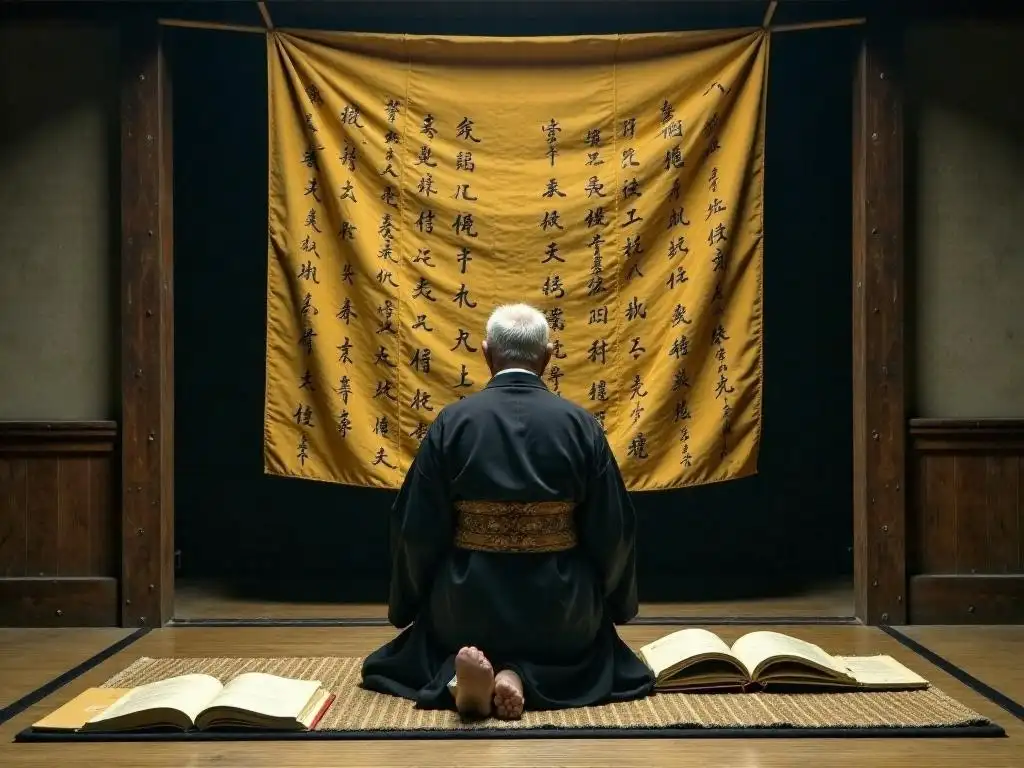
Traditional Japanese Art Forms Promoted by the Shogunate
During the Shogunate, a variety of traditional Japanese art forms flourished, reflecting the political power and cultural ideals of the era. The Shogunate's influence on art was profound, as it established a societal structure that not only supported but also dictated the themes and styles prevalent in artistic expression. This period saw the emergence of several key art forms, each intricately tied to the sociopolitical landscape of feudal Japan.
Painting: Themes and Techniques
Japanese painting during the Shogunate often revolved around themes of nature, mythology, and historical events. Techniques such as ink wash (sumi-e) and the use of vibrant colors were prominent. Notable schools, such as the Kano school, were established, emphasizing a blend of Chinese and Japanese styles. Artists like Kano Eitoku became renowned for their large-scale works that adorned castles and temples, serving to legitimize the Shogun's authority.
- Common themes in Shogunate paintings:
- Nature and landscapes
- Historical battles and samurai valor
- Mythological creatures and deities
The use of symbolism was also prevalent; for instance, bamboo represented resilience and strength, aligning with the warrior ethos of the samurai class.
Sculpture: Religious and Political Significance
Sculpture during the Shogunate had dual significance, serving both religious and political functions. Buddhist sculptures were commissioned extensively, reflecting the Shogunate's patronage of religion as a means of consolidating power. Notable examples include the Nara and Kamakura periods, where figures of Buddha were intricately carved, symbolizing both divine protection and the Shogunate's legitimacy.
- Key characteristics of Shogunate sculpture:
- Realism and attention to detail
- Use of wood, bronze, and clay
- Integration of religious iconography
Additionally, the production of Jizō statues, believed to protect travelers and children, highlighted the Shogunate’s role in promoting peace and safety in a turbulent time.
Architecture: The Role of Castles and Temples
The architectural landscape of the Shogunate was dominated by the construction of castles and temples, which served as both military strongholds and centers of governance. Castles like Himeji Castle exemplified the intricate design and strategic importance of these structures, blending aesthetics with functionality.
- Architectural features of Shogunate castles:
- Elevated positions for defense
- Complex layouts symbolizing power
- Use of materials that reflected local resources
Temples also played a pivotal role in reinforcing the Shogunate's authority, often adorned with artwork that depicted the Shogun’s divine right to rule. The architecture of these temples not only catered to religious practices but also served as a reminder of the Shogunate's cultural patronage.
The Influence of Samurai Culture on Art
The samurai class had a profound influence on the artistic landscape during the Shogunate. Their ideals and lifestyle permeated various art forms, creating a rich tapestry of cultural expression that celebrated their values of honor, loyalty, and bravery.
Samurai Ideals and Their Artistic Expression
The core principles of bushido, the samurai code of conduct, found expression in various art forms, including literature, painting, and performance arts. The samurai ethos emphasized loyalty and honor, which were often depicted in artworks showcasing heroic battles and moral dilemmas.
- Artistic expressions of samurai ideals:
- Literature: Samurai poetry often focused on themes of nature and impermanence, highlighting the transient beauty of life.
- Theatrical performances: Noh and Kabuki theater dramatized samurai stories, reinforcing their cultural significance.
The portrayal of samurai in art was not merely decorative; it served as a means of communicating the values and beliefs of the warrior class to the broader society.
The Role of Patronage in Artistic Development
Patronage by powerful samurai and shogunal families was crucial for the development of art during the Shogunate. Wealthy patrons commissioned works that not only enhanced their status but also reflected their political power.
- Impact of patronage on art:
- Supported the livelihoods of artists, allowing for specialization and innovation.
- Fostered competition among artists and schools, leading to a rich diversity of styles and techniques.
- Enabled the preservation of cultural heritage through the creation of enduring masterpieces.
The Shogunate's patronage thus played a pivotal role in the evolution of the cultural landscape, ensuring that art remained intertwined with the political dynamics of feudal Japan.
Literature and Its Role in Shogunate Culture

The Evolution of Literature during the Shogunate
The Shogunate period, spanning from the late 12th century until the 19th century, was marked by a significant evolution in Japanese literature, which closely mirrored the socio-political landscape of the time. The establishment of the shogunate brought about a centralized feudal system, which influenced not only governance but also the cultural fabric of Japan.
During this period, the literature became more accessible due to the rise of the merchant class and the spread of literacy among the populace. The Heian literature of the earlier era began to evolve into more diverse forms, with themes reflecting the complexities of shogunate rule. Notably, the Muromachi and Edo periods saw a plethora of literary styles flourish, including narrative prose and drama, that were often performed in theaters, thus reaching a wider audience.
The advent of woodblock printing also played a crucial role, allowing for the mass production of literary works, which facilitated the dissemination of ideas and cultural values across the social spectrum. This democratization of literature was instrumental in shaping public opinion and reflecting the values of a society under the shogunate's influence.
Major Literary Works and Their Significance
Several key literary works emerged during the shogunate that encapsulated its cultural impact:
- "The Tale of the Heike" - This epic narrative not only recounts the rise and fall of the Taira clan but also serves as a reflection of the samurai ethos and the transient nature of power, a core tenet of shogunate ideology.
- "The Pillow Book" by Sei Shonagon - Though written in the Heian period, its influence persisted during the shogunate, showcasing the aesthetic sensibilities and cultural reflections that continued to resonate with the ruling class.
- "The Tale of Genji" - Another Heian classic that was revisited and adapted during the shogunate, illustrating the enduring fascination with court life and romantic intrigue, which often mirrored the political maneuverings of the shogunate.
These works not only provided entertainment but also offered insights into the political structures and cultural values of the time, reinforcing the shogunate's authority through literary expression.
The Emergence of New Literary Genres
The shogunate era also saw the emergence of new literary genres that catered to the tastes and sensibilities of different societal classes. Notable among these were:
- Noh and Kabuki Theater: These dramatic forms combined literature with performance, allowing for the exploration of themes such as loyalty, honor, and the consequences of political decisions, thus serving as both entertainment and a reflection of societal values.
- Haiku: This poetic form gained popularity during the Edo period, emphasizing brevity and depth, often encapsulating profound themes related to nature, seasons, and the human condition, while subtly commenting on the political climate.
These genres not only enriched the literary landscape but also served as vehicles for political critique and reflection, making them integral to understanding the cultural impact of the Shogunate.
Literary Themes Reflecting Political Power
The literature of the shogunate often grappled with themes that echoed the political realities of the time. This thematic exploration served to reinforce or challenge the dominant narratives surrounding the shogunate's power.
The Role of Historical Fiction in Shogunate Culture
Historical fiction became a powerful medium during the shogunate, allowing authors to revisit pivotal events and figures from Japan's past. Works such as "The Chronicles of Japan" and various historical novels provided a canvas for exploring the complexities of power dynamics and the consequences of political strife.
These narratives not only entertained but also educated readers about the historical context of the shogunate, often drawing parallels between the past and the present. By romanticizing or vilifying historical figures, authors could subtly critique the ruling class while reinforcing the cultural ideals of loyalty and honor that were central to the samurai code.
Poetry as a Medium for Political Commentary
Poetry, particularly haiku and tanka, flourished during the shogunate and became a potent medium for political commentary. Poets often infused their work with references to contemporary events, crafting verses that reflected societal sentiments toward the shogunate.
For instance, poets like Matsuo Bashō used nature imagery to comment on the fleeting nature of power and existence, capturing the essence of the samurai's struggle for honor amidst political turmoil. The layered meanings in their poems allowed for nuanced interpretations, making poetry a significant tool for both personal expression and societal critique.
Literature during the shogunate period was not merely a form of artistic expression; it was deeply intertwined with the political fabric of the time. The cultural impact of the Shogunate can be seen in how literature evolved, reflecting themes of power, loyalty, and the human experience, thus leaving a lasting legacy on Japanese culture.
The Interplay Between Art, Literature, and Political Power
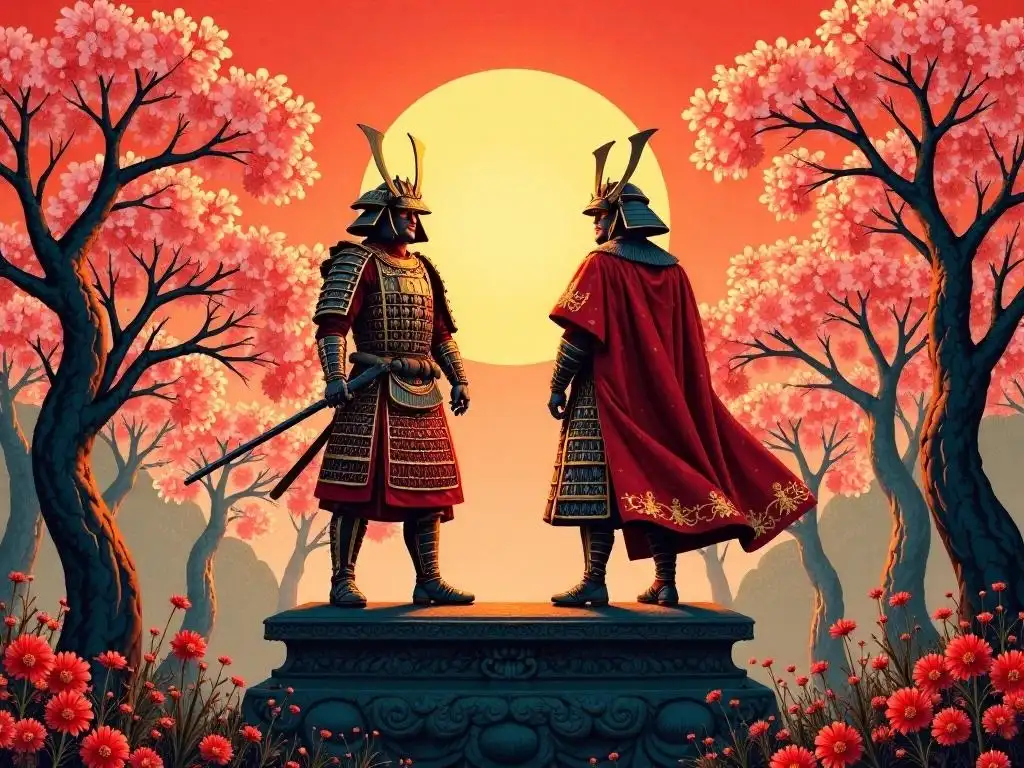
Throughout Japan’s feudal era, the Shogunate wielded significant influence not only over governance and military affairs but also over cultural production. Art and literature served as powerful tools to communicate the ideologies and values of the ruling class, while simultaneously shaping public perception. The interplay between these cultural forms and political authority created a rich tapestry of expression that reflected the dynamics of power within the Shogunate.
How Art and Literature Shaped Public Perception of the Shogunate
Art and literature during the Shogunate period were not merely forms of entertainment; they were instrumental in shaping the public's understanding of the ruling regime. The portrayal of samurai ideals, loyalty, and honor in literature, particularly in works like The Tale of the Heike, illustrated the values that the Shogunate wanted to instill in society. These narratives often depicted the struggles and triumphs of samurai, reinforcing the notion of loyalty to one's lord as a central tenet of Japanese culture.
Moreover, visual arts, such as ukiyo-e prints, played a significant role in disseminating the Shogunate's image. Artists like Hokusai and Hiroshige created works that celebrated the beauty of nature and the lives of the common people, while subtly embedding the authority and grandeur of the Shogunate within their compositions. The use of symbolism, like cherry blossoms representing the fleeting nature of life and the samurai’s code of honor, served to romanticize the Shogunate's ideals and bolster its legitimacy.
The public's engagement with these art forms fostered a collective identity that aligned with the Shogunate's vision, allowing the ruling class to maintain control through cultural means. By embedding political narratives within popular artistic expressions, the Shogunate effectively garnered support and shaped societal values in its favor.
The Shogunate’s Use of Art and Literature for Propaganda
The Shogunate strategically employed art and literature as propaganda to bolster its authority and suppress dissent. This was particularly evident during periods of instability, when the need to reinforce the legitimacy of the ruling power was paramount.
Forms of Propaganda
- Historical Narratives: Literature often glorified past victories and the lineage of the Shogunate. By framing historical events in a way that emphasized the Shogunate's role as a stabilizing force in society, works like Chronicles of the Samurai served to legitimize its rule.
- Visual Propaganda: The Shogunate commissioned paintings and prints that depicted the grandeur of its leaders and the success of its military campaigns. These artworks were publicly displayed, creating a visual representation of power that was hard to contest.
- Censored Literature: The Shogunate exercised tight control over literary production, censoring works that could incite rebellion or criticism. By promoting literature that aligned with its values and suppressing dissenting voices, the Shogunate maintained a narrative that favored its governance.
The cultural impact of the Shogunate was profound; through art and literature, it not only reflected the political realities of the time but also actively shaped the societal landscape. By understanding this interplay, one can better appreciate how the Shogunate utilized cultural mediums to reinforce its power and influence, ultimately leaving a lasting legacy in Japan's history.
The Lasting Cultural Legacy of the Shogunate
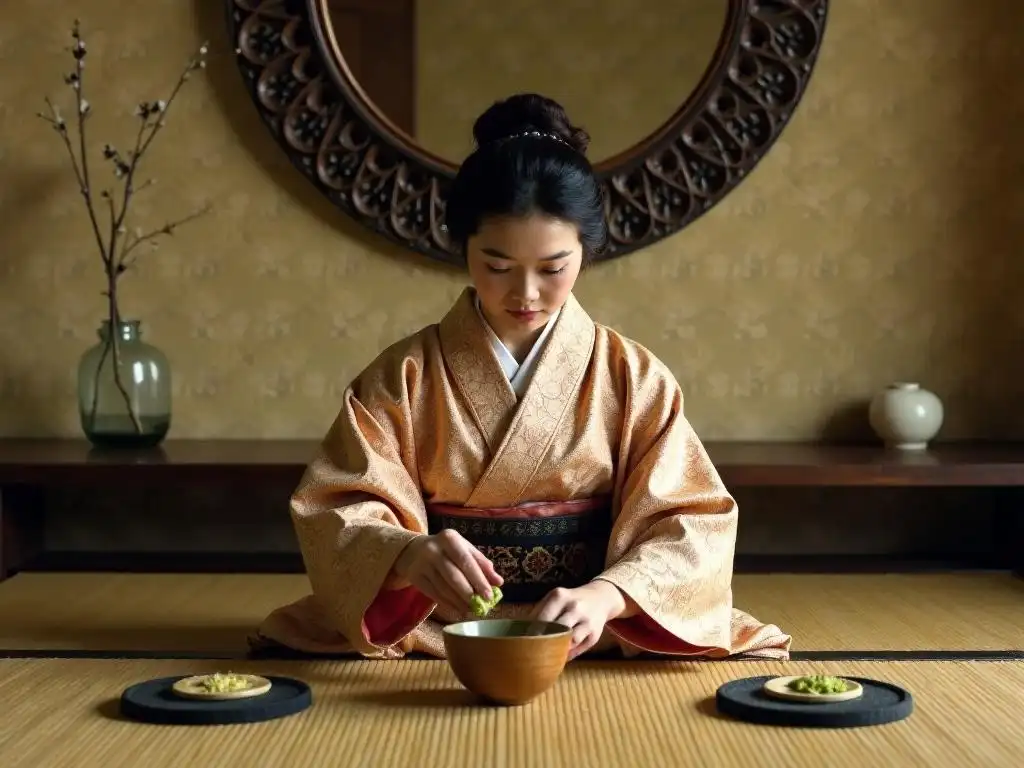
The Shogunate era in Japan, spanning from the late 12th century until the mid-19th century, established a unique cultural identity that profoundly influenced various aspects of Japanese society. The political power wielded by the shoguns not only shaped governance but also left an indelible mark on art, literature, and cultural practices. As the Shogunate fostered a distinct aesthetic and a way of life, it created a cultural legacy that continues to resonate in contemporary Japan.
Influence on Modern Japanese Art and Literature
The shogunal period was characterized by the flourishing of artistic expression, heavily influenced by the political and social structures of the time. Notably, the Edo period (1603-1868) marked a significant transformation in Japanese art and literature, wherein the culture became more accessible to the common people due to the rise of urban centers and commerce.
- Ukiyo-e Prints:
- One of the most recognizable forms of art from the Shogunate era is ukiyo-e, or "pictures of the floating world." These woodblock prints often depicted scenes of landscapes, kabuki actors, and beautiful women, reflecting the ephemeral nature of life and the pleasures of urban living. Artists like Hokusai and Hiroshige became renowned for their works, which continue to inspire modern artists worldwide.
- Literary Developments:
- Literature during the Shogunate saw the emergence of haiku and narrative forms such as ukiyo-zōshi (picturesque books) and kabuki theatre scripts. The simplicity and depth of haiku, exemplified by poets like Matsuo Bashō, resonate in modern poetry, emphasizing brevity and nature.
- Cultural Themes:
- The themes prevalent in Shogunate-era art and literature often revolved around nature, social commentary, and human emotion. These elements can still be observed in contemporary forms of Japanese media, including manga and anime, where storytelling often reflects historical influences and cultural aesthetics.
The cultural impact of the Shogunate laid the groundwork for modern artistic movements in Japan, blending traditional themes with contemporary styles. This evolution demonstrates how historical context shapes cultural expression, creating a rich tapestry that continues to evolve.
Preservation and Recognition of Shogunate Culture Today
The legacy of the Shogunate is not merely a relic of the past; it is actively preserved and celebrated in modern Japan. Various institutions and cultural practices work to ensure that this rich heritage remains relevant and appreciated.
- Museums and Exhibitions:
- Numerous museums across Japan, such as the Tokyo National Museum and the Kyoto National Museum, feature extensive collections of Shogunate-era art and artifacts, allowing visitors to engage with history and appreciate its influence on contemporary culture.
- Cultural Festivals:
- Events like the Gion Matsuri in Kyoto and the Jidai Matsuri celebrate traditional practices, costumes, and performances that date back to the Shogunate, providing a living connection to this historical period.
- Education and Scholarship:
- Universities and cultural institutions emphasize the study of Shogunate history, art, and literature, fostering a deeper understanding of its significance. Academic conferences and publications continue to explore the cultural impact of the Shogunate on modern Japanese society.
- International Influence:
- The cultural impact of the Shogunate has transcended Japan's borders, influencing global art and literature. Exhibitions of ukiyo-e prints and performances of traditional Japanese theatre have garnered international acclaim, showcasing the enduring appeal of Shogunate culture.
The cultural legacy of the Shogunate is a profound testament to its influence on Japan’s artistic and literary landscapes. Through preservation efforts and contemporary interpretations, the Shogunate’s impact endures, reflecting the complexities of a society that once thrived under its rule. As we continue to explore this rich heritage, we uncover the layers of meaning that define Japan’s cultural identity today.
Conclusion: Understanding the Cultural Impact of the Shogunate
Summary of Key Points
The cultural impact of the Shogunate extends far beyond mere aesthetics; it fundamentally shaped Japanese identity and societal values. Throughout its reign, the Shogunate fostered a unique blend of art, literature, and philosophy that reflected the political hierarchy and social structures of feudal Japan. Here are the key points highlighted in this exploration:
- Art as a Political Tool: The visual arts, including painting and ceramics, were employed not only for beauty but also as a means to convey power and influence. Notably, the works of renowned artists like Hokusai and Utamaro during the Edo period encapsulated societal norms while subtly reinforcing the Shogunate's prestige.
- Literature and Propaganda: Literary works flourished under the Shogunate, with authors such as Murasaki Shikibu and Sei Shonagon crafting narratives that mirrored the complexities of court life and the Shogunate's political dynamics. Their writings provided insight into the values and aspirations of the time, often serving as tools of propaganda that aligned with Shogunal ideals.
- Philosophical Developments: The Shogunate era saw the rise of Confucianism and Zen Buddhism, which significantly influenced Japanese culture. These philosophies emphasized loyalty, duty, and harmony, principles that resonated with the feudal system and shaped societal interactions.
- Cultural Synthesis: The Shogunate's policies encouraged a synthesis of indigenous and foreign influences, particularly from China and Korea. This cultural exchange enriched Japanese art forms, such as Noh theater and Ikebana, which reflect a unique blend of aesthetic principles.
The Importance of Studying Shogunate Culture in Historical Context
Understanding the cultural impact of the Shogunate is crucial for grasping the broader historical narrative of Japan. The Shogunate was not merely a political entity; it was a pivotal force that molded the cultural landscape of the nation. By studying this period, we discern how art and literature were not only reflections of societal values but also instruments of political power.
- Cultural Continuity and Change: The Shogunate's cultural policies set the stage for the evolution of Japanese art and literature. By examining the shifts in these cultural expressions, historians can better understand how traditional practices adapted in response to changing political climates.
- Legacy of the Shogunate: The cultural legacies established during the Shogunate period continue to influence contemporary Japanese society. Art forms, literature, and philosophical ideologies from this era remain integral to Japan's cultural identity, underscoring the importance of this historical period.
- Interdisciplinary Insights: Studying Shogunate culture provides valuable interdisciplinary insights that bridge history, art, literature, and philosophy. This holistic approach allows for a comprehensive understanding of how political power can shape cultural narratives and societal norms.
The cultural impact of the Shogunate is a rich field of study that reveals the intricate connections between political authority and cultural expression in feudal Japan. Embracing this complexity enables a deeper appreciation of Japan's historical evolution and ongoing cultural identity.
Frequently Asked Questions
What was the role of the Shogunate in shaping Japanese culture?
The Shogunate played a significant role in shaping Japanese culture by promoting various art forms and literature that reflected their political power and societal values.
How did art during the Shogunate reflect political power?
Art during the Shogunate often depicted themes of authority and governance, showcasing the elite's lifestyle and reinforcing the societal hierarchy that supported the shogunate's rule.
What types of literature emerged during the Shogunate period?
During the Shogunate period, literature such as Noh theater, Kabuki, and haiku poetry flourished, reflecting the era's political dynamics and cultural sentiments.
How did the Shogunate influence traditional Japanese crafts?
The Shogunate significantly influenced traditional crafts by sponsoring artisans and promoting techniques that would later define Japanese craftsmanship, such as ceramics and textiles.
In what ways does the cultural legacy of the Shogunate continue today?
The cultural legacy of the Shogunate continues today through the preservation of art forms, literature, and festivals that celebrate Japan’s historical narrative and cultural identity.
Final Reflection: The Enduring Cultural Impact of the Shogunate
The cultural legacy of the Shogunate remains profoundly relevant today, as it serves as a testament to how art and literature can reflect and shape political power. In a world where the interplay between culture and governance continues to evolve, understanding the Shogunate's influence allows us to appreciate the intricate relationship between authority and artistic expression. The echoes of this historical period remind us that cultural narratives are not merely reflections of their time; they are powerful tools that can challenge, reinforce, or redefine political landscapes.
Creative expressions from the Shogunate era have left an indelible mark on Japan's cultural identity and continue to inspire contemporary artists and writers. The themes of loyalty, honor, and the complexities of power dynamics resonate through modern storytelling, reminding us of the timeless nature of these concepts.
As noted by the historian John Dower, “Art is not just a reflection of society; it is a lens through which we can understand the power structures that govern our lives.” This observation underscores the ongoing relevance of the Shogunate's cultural impact, as it invites us to explore how historical narratives inform our current societal frameworks.
As we reflect on the lessons of the Shogunate, I encourage you to consider how the interplay of culture and power manifests in your own life. What stories do you engage with that shape your understanding of authority and identity? Take a moment to reflect on the art and literature that resonate with you, and think about how they influence your perspective on the world. By acknowledging the cultural legacies that surround us, we can better navigate the complexities of our own times and contribute to a richer, more nuanced dialogue about power and creativity in our society.
Unveil the Cultural Treasures of the Shogunate!
Thank you for diving into the rich tapestry of the Shogunate's impact on art and literature with us! You've uncovered how these cultural elements mirrored political power, and now it's time to explore their legacy further.
Here are some exciting ways you can engage with this fascinating history:
- Dive Deeper: Read a novel or poem from the Edo period to experience the emotions and stories that shaped this era.
- Create Art: Try your hand at a traditional Japanese art form—whether it's calligraphy, ink painting, or origami—to connect with the culture creatively.
- Share Your Insights: Discuss your thoughts on how modern society reflects historical power dynamics with friends or on social media.
How do you think the lessons from the Shogunate can influence our understanding of today's political landscape?