
The Samurai's Contribution to Japanese Governance and Law

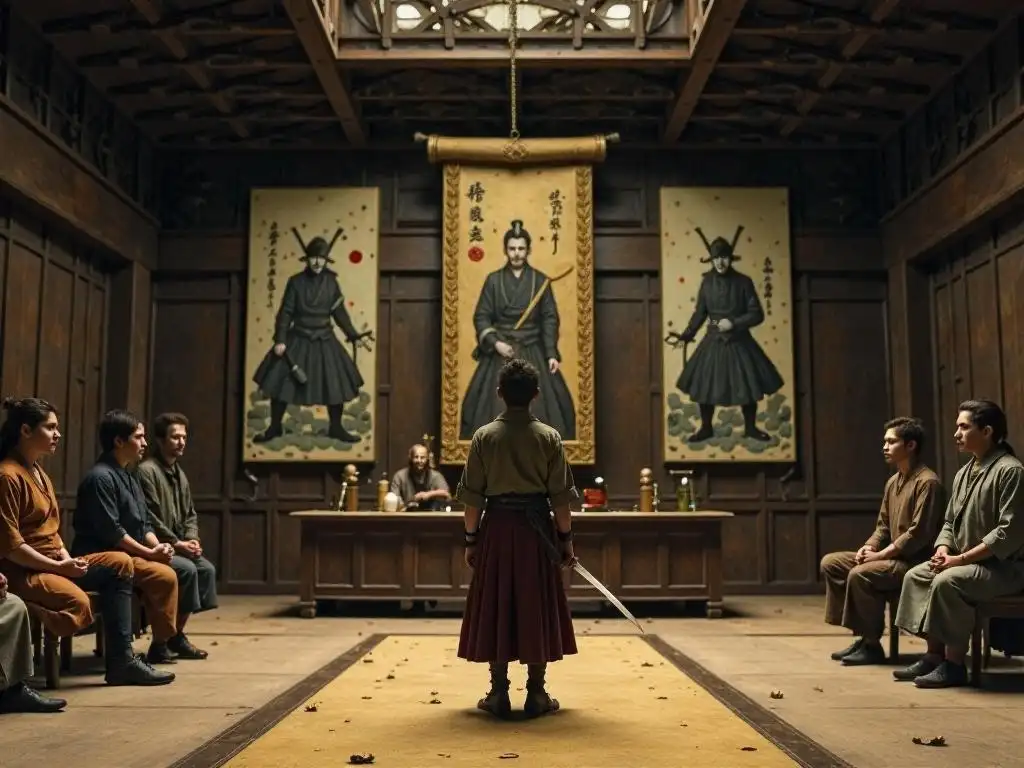
Welcome to Feudal Japan History, where we embark on a fascinating journey through the rich tapestry of Japan’s feudal era. Here, we delve into the intricate layers of historical, cultural, and societal developments that shaped this remarkable period. In our featured article, we explore the Samurai influence on Japanese law, uncovering how these noble warriors significantly contributed to the foundations of governance and legal systems in Japan. Prepare to be intrigued as we unravel the complex legacy of the samurai and their lasting impact on political history. Dive in, and let your curiosity lead the way!
Introduction to Samurai Influence on Japanese Law
The samurai, a warrior class that emerged during Japan's feudal era, played a pivotal role not only in military affairs but also in shaping the governance and legal structures of the time. Their influence on Japanese law is profound, intertwining martial discipline with the principles of governance, leading to a unique legal framework that would impact society for centuries.
As this article explores, the samurai's contribution to Japanese law extends beyond mere enforcement; it reflects a complex interplay of honor, duty, and the overarching need for social order during turbulent times. Understanding the samurai's influence on Japanese law provides critical insights into the political history and cultural evolution of Japan, revealing how these warriors became guardians of legal codes and societal norms.
Overview of the Samurai Class in Feudal Japan
The samurai class emerged in the late 12th century, primarily during the Kamakura period, as a response to the need for military protection and governance in a fragmented Japan. Distinguished by their rigorous training, the samurai were not only warriors but also became the custodians of cultural and ethical values. They adhered to the Bushido code—a set of principles emphasizing loyalty, honor, and bravery—which significantly influenced their approach to law and governance.
- Roles of Samurai:
- Military Leadership: They were the primary military elite, serving feudal lords (daimyōs) in exchange for land and status.
- Land Management: Samurai often managed agricultural lands, ensuring the productivity and loyalty of their peasant subjects.
- Judicial Authority: They held the power to adjudicate disputes, thus embedding themselves within the legal framework of their domains.
As the samurai gained power, their responsibilities expanded to include the formulation and enforcement of laws, marking a transition from mere warriors to influential figures in the governance of Japan.
Historical Context of Governance and Law in Japan
To understand the samurai's influence on Japanese law, it is essential to consider the historical context of governance in Japan. Before the rise of the samurai, Japan's political landscape was characterized by a centralized imperial authority struggling to maintain control over local clans. As power shifted to regional daimyōs, the samurai emerged as key players in local governance.
- Feudal Structure: The feudal system established a hierarchy where loyalty and service were exchanged for protection and land.
- Legal Fragmentation: With the decentralization of power, legal systems varied widely across regions, leading to a patchwork of laws that often relied on local customs and the discretion of samurai leaders.
- Cultural Influences: The samurai's approach to governance and law was also shaped by Confucian ideals, emphasizing social harmony and the moral responsibilities of rulers.
This dynamic environment set the stage for the samurai's evolving role in the development of a cohesive legal system that would unify and regulate feudal society.
The Evolution of Japanese Law During the Samurai Era
The samurai's influence heralded significant changes in Japanese law and governance. As they solidified their power, they introduced reforms that not only established order but also reflected their values and societal needs.
Early Legal Systems Before Samurai Influence
Prior to the samurai's rise, Japan's legal framework was largely influenced by the Taika Reforms of the 7th century, which aimed at centralizing power and creating a structured legal code based on Chinese models. However, these early systems often struggled with enforcement and local compliance due to the power of regional clans.
- Imperial Laws: The Ritsuryō system attempted to regulate governance through a codified set of laws but lacked effective implementation at the local level.
- Local Customs: Many regions operated under customary laws, which were flexible but inconsistent, causing disputes and confusion among the populace.
This lack of uniformity in legal practice created an opportunity for the samurai to establish more coherent and enforceable legal frameworks.
Key Legal Reforms Introduced by Samurai Leaders
As the samurai class solidified its authority, particularly during the Kamakura and Muromachi periods, several key legal reforms emerged, directly influenced by samurai principles and governance needs:
- Establishment of Buke Shohatto: A set of laws specifically governing the samurai class, focusing on their obligations and conduct.
- Dispute Resolution Mechanisms: Samurai leaders developed structured methods for resolving conflicts, emphasizing mediation and the preservation of social harmony.
- Land Tenure Laws: Reforms that defined land ownership and usage rights, ensuring stability and loyalty among the peasant class.
These reforms not only reinforced the samurai's role in governance but also laid the groundwork for the legal systems that would develop in Japan, marking a significant evolution in the relationship between law and society.
The Role of Samurai in Shaping Governance
The samurai class played a pivotal role in shaping the governance of Japan during the feudal era, particularly from the late 12th century through the 19th century. As military nobility, samurai were not only warriors but also held significant power in the political landscape. They were instrumental in establishing a system of feudalism that defined Japan's political and social structure.
Samurai functioned as local rulers, enforcing the will of their daimyō (feudal lords) while also managing land and resources. This dual role—both as military protectors and administrators—allowed them to influence governance profoundly. Their responsibilities included collecting taxes, maintaining order, and overseeing agricultural production. The samurai's commitment to their lords and the land helped establish a sense of loyalty and duty that permeated Japanese society.
The samurai also participated in the formation of legal codes and frameworks during this period. They contributed to the codification of laws that governed not only military conduct but also civil matters, thereby laying the groundwork for Japan's legal system. This intricate relationship between samurai duties and governance showcases their significant influence on the evolution of Japanese law.
The Samurai as Feudal Lords and Administrators
As feudal lords, samurai held considerable power and authority over their domains. They were granted land, known as han, in exchange for military service to the shogunate. This land ownership made them key players in local governance, as they were responsible for administering justice, collecting taxes, and managing agricultural production.
The samurai's role as administrators extended beyond mere governance; they were also tasked with the welfare of their subjects. This included ensuring the protection of the people, maintaining infrastructure, and managing local disputes. The samurai's influence in these areas led to the development of a more structured and organized society, with established legal frameworks that governed daily life.
Moreover, the samurai often operated with a degree of autonomy, allowing them to create localized laws and practices that were tailored to the specific needs of their communities. This decentralization of power contributed to a unique blend of governance that combined loyalty to the shogun with local self-rule, further solidifying the samurai's role in shaping Japanese law.
The Impact of Bushido on Legal Frameworks
Bushido, the code of conduct followed by samurai, significantly impacted the legal frameworks of feudal Japan. This ethical system emphasized virtues such as loyalty, honor, and discipline, which not only guided individual behavior but also influenced societal norms and legal principles.
The principles of Bushido were often reflected in the laws governing samurai conduct, creating a legal culture that prioritized honor and reputation. Violations of this code could lead to severe social repercussions, including loss of status, exile, or even death. Consequently, the samurai's commitment to Bushido established a moral foundation for the legal system, intertwining ethical considerations with legal obligations.
Additionally, the ideals of Bushido fostered a sense of justice that transcended formal legal structures. Samurai often took it upon themselves to enact justice according to their understanding of honor and duty, sometimes leading to conflicts with established laws. This dynamic showcased the fluidity between law and ethics in samurai society, highlighting their unique contribution to the development of Japanese governance.
Samurai Codes and Their Legal Implications
Samurai codes, particularly Bushido, had profound legal implications that shaped the governance of feudal Japan. These codes served not only as ethical guidelines but also as a basis for legal conduct among the samurai class.
The strict adherence to these codes meant that samurai were expected to uphold certain standards of behavior, which influenced legal proceedings and the administration of justice. For instance, the concept of seppuku (ritual suicide) was often invoked as a means of restoring honor in the face of wrongdoing, which had direct implications for legal accountability and punishment.
Furthermore, the samurai's legal codes often outlined specific procedures for resolving disputes, establishing norms for conflict resolution that were in line with their ethical beliefs. This created a framework where personal honor and societal expectations played a crucial role in legal matters.
Understanding Bushido: The Way of the Warrior
Bushido, which translates to "the way of the warrior," is the ethical code that guided samurai conduct throughout Japan's feudal era. It encompasses a set of values that include loyalty, honor, bravery, and self-discipline. The philosophy of Bushido was not merely a personal guide but also a social contract that defined the samurai's role within society.
This code stressed the importance of loyalty to one's lord and the duty to protect the realm. In practice, these values influenced not just individual behavior but also the expectations of governance. Samurai were seen as the embodiment of these ideals, and their actions were scrutinized through the lens of Bushido. This connection between ethical principles and governance further solidified their influence on the legal landscape of Japan.
Moreover, Bushido's emphasis on honor translated into a legal ethos that prioritized reputation and social standing. Legal disputes often hinged on the perceived honor of the parties involved, blending ethical considerations with formal legal processes in a way that was unique to samurai culture.
The Influence of Samurai Ethics on Japanese Law
The ethics of the samurai class had a lasting influence on Japanese law, shaping the principles that governed not only samurai conduct but also the broader society. The core values of Bushido—loyalty, honor, and respect—became integrated into the legal framework, influencing how laws were interpreted and enforced.
For instance, the concept of giri (duty) and on (obligation) often dictated personal and legal relationships, affecting everything from familial ties to business dealings. The legal system began to reflect these moral imperatives, creating a society where ethical considerations were paramount.
In addition, the samurai's role as judges in their domains allowed them to apply these ethical principles directly in legal matters. Their interpretations of law were heavily influenced by their understanding of honor and duty, thereby creating a unique blend of ethical and legal reasoning that characterized Japanese law during the feudal era.
Overall, the samurai's ethical guidelines contributed significantly to the evolution of governance and legal frameworks in Japan, reinforcing the idea that law was not merely a set of rules but a reflection of the society's moral fabric.
Case Studies of Samurai Influence on Governance

The influence of the samurai on governance in Japan can be illustrated through notable case studies that highlight their roles in both local and national administration. One key example is the Ashikaga Shogunate, which ruled from 1336 to 1573. During this period, the samurai class transitioned from mere warriors to influential political figures. The Ashikaga shoguns utilized a feudal system that granted samurai control over land in exchange for loyalty and military service, effectively intertwining governance and martial authority.
Another significant case is the Kamakura Shogunate, established in 1192. This shogunate introduced the Kamakura Code, a legal framework that emphasized the samurai's role in maintaining order and justice. The code established legal precedents that would influence samurai conduct and governance, providing a model for local lords (daimyos) to follow. This governance structure allowed samurai to enforce laws and maintain peace within their domains, further solidifying their authority.
Additionally, studies of samurai clans, such as the Tokugawa clan, reveal how they contributed to the bureaucratic structure of Japan. The Tokugawa shogunate (1603-1868) implemented a system of daimyo fiefs and established the Baku-han system, which integrated the samurai class into the administrative framework. This system allowed local samurai to exercise significant influence over local governance and land management, shaping the legal landscape of their regions.
Notable Samurai Figures and Their Legal Contributions
Several prominent samurai figures made critical contributions to Japanese law and governance. One of the most notable is Minamoto no Yoritomo, the founder of the Kamakura Shogunate. He established the Shikkensho, a governing body that laid the groundwork for legal administration by appointing officials to oversee the enforcement of laws, thereby formalizing the samurai's role in governance.
Another significant figure is Taira no Kiyomori, who was instrumental in the establishment of the samurai's influence in the Heian period. Kiyomori's actions during the Genpei War not only shifted power dynamics but also led to the codification of certain laws that favored samurai warriors, paving the way for future legal frameworks.
Tokugawa Ieyasu, the founder of the Tokugawa Shogunate, is also notable for his legal contributions. He implemented the Buke Shohatto, a set of laws governing the samurai class, which reinforced their status and responsibilities. This legal code became a cornerstone for samurai governance and established a hierarchy that influenced Japanese society for centuries.
Regional Variations in Samurai Governance Practices
The governance practices of samurai varied significantly across different regions of Japan, influenced by local customs, resources, and the specific needs of the population. In Kyushu, for example, samurai clans often adopted more autonomous governance styles due to the region's geographical isolation and fertile lands, allowing them to implement localized legal codes that addressed unique social issues.
In contrast, in the Kanto region, where the Kamakura Shogunate had its roots, governance was more centralized. The samurai here were closely aligned with the shogunate's directives and were instrumental in enforcing the shogunate's laws, leading to a more uniform legal system across the region.
The Mutsu region (present-day northeastern Japan) showcased a hybrid governance model where samurai adapted local practices and integrated them with the shogunate's legal frameworks. This adaptation often resulted in a system of customary law that reflected the needs of the local populace while still adhering to the feudal structure imposed by the samurai class.
The Decline of Samurai Influence and Its Legacy
The decline of samurai influence in governance began in the late 19th century, primarily due to the Meiji Restoration (1868), which aimed to modernize Japan and abolish the feudal system. This transition saw the dismantling of the samurai class as a ruling elite, leading to significant changes in the governance structure of Japan.
Factors Leading to the Samurai's Diminished Role in Governance
Several factors contributed to the diminished role of the samurai in governance. The Meiji government sought to establish a centralized state that eliminated the feudal hierarchy. This was largely achieved through the ** abolition of the samurai's stipends** and the disbandment of their military forces, which stripped them of both economic power and military authority.
Additionally, the introduction of a modern conscript army further eroded the samurai's traditional role as the primary military force in Japan. With the rise of a new bureaucratic class and the professionalization of public administration, the samurai found themselves sidelined in favor of educated officials who could navigate the complexities of modern governance.
Lasting Effects of Samurai Contributions on Modern Japanese Law
Despite their decline, the contributions of the samurai to Japanese governance and law left a lasting legacy that continues to influence modern legal systems in Japan. Many principles established during the samurai era, such as loyalty, honor, and duty, have been integrated into contemporary legal and societal values.
The legal frameworks developed by samurai leaders, particularly during the Kamakura and Tokugawa periods, laid the groundwork for Japan's civil law system. Concepts such as contractual obligations and the importance of social hierarchy can be traced back to samurai governance practices.
Furthermore, the samurai's emphasis on codes of conduct influenced modern Japanese ethics and law, promoting a society where individual honor and communal welfare are valued. The integration of these principles into Japan's legal system serves as a reminder of the profound impact that the samurai had on the evolution of governance and law in Japan.
Conclusion: The Enduring Legacy of Samurai Governance
The legacy of the samurai class in shaping Japanese governance and law is profound and enduring. Their influence can be seen not only in the political structures that emerged during the feudal period but also in the legal frameworks that continue to impact modern Japan. The samurai were not just warriors; they were also administrators, scholars, and philosophers who contributed significantly to the evolution of governance in Japan. Their principles of loyalty, honor, and duty laid the groundwork for a system of governance that emphasized the importance of these values in societal organization.
The samurai's role extended beyond mere military might; they were integral in establishing a legal framework that prioritized social hierarchy and order. The codes they developed, such as bushido, or the way of the warrior, infused ethical considerations into governance. This moral dimension of samurai influence ensured that law was not only a mechanism of control but also a reflection of communal values. As such, the samurai's contributions to governance have left an indelible mark that can still be felt in contemporary Japan.
Recap of Samurai Influence on Japanese Law and Governance
The samurai class wielded considerable power during Japan's feudal era, and their influence on law and governance can be distilled into several key areas:
- Legal Codification: The samurai played a crucial role in the establishment of various legal codes. Notable among these was the Taihō Code of the early 8th century, which set the groundwork for administrative law that was later refined by the samurai.
- Feudal System: The samurai were central to the feudal system, serving as vassals to powerful lords. This hierarchical structure created a system of governance that was characterized by loyalty and mutual obligation, influencing how laws were enacted and enforced.
- Ethical Guidelines: The ethical code of bushido shaped the behavior of samurai and their interactions with the common people. This code emphasized virtues like bravery, honor, and loyalty, which were embedded into the legal practices of the time, fostering a sense of justice that was rooted in moral rather than merely punitive measures.
- Conflict Resolution: Samurai were often called upon to mediate disputes, acting as both enforcers of the law and as arbiters in conflicts. This dual role allowed them to influence the development of legal procedures that prioritized reconciliation and social harmony.
These elements illustrate how the samurai not only influenced the laws of their time but also helped shape the very nature of governance in Japan, establishing a framework that valued both authority and ethical conduct.
Reflections on the Historical Significance of the Samurai Class
The historical significance of the samurai class extends beyond their military exploits and administrative roles; they were pivotal in shaping the cultural and political identity of Japan. Their contributions to governance and law established a foundation for a society that valued discipline, loyalty, and respect for authority.
As Japan transitioned into the modern era, the principles championed by the samurai continued to reverberate throughout Japanese society. The samurai's legacy of governance influenced the establishment of a centralized government during the Meiji Restoration, where many of their values were adapted to fit a new national identity.
Moreover, the samurai's impact on legal systems can still be traced in contemporary Japanese law, where many principles reflect the enduring ethos of loyalty and justice. The samurai's influence is not merely a relic of the past; it is a living testament to the complexities of Japanese governance and the historical trajectories that continue to shape its legal and cultural landscapes.
The samurai class stands as a crucial pillar in the historical narrative of Japan, their influence on governance and law serving as a bridge between the past and present, shaping the very fabric of Japanese society. Their legacy is a reminder of the intricate relationship between military power, ethical governance, and societal values.
- Introduction to Samurai Influence on Japanese Law
- The Evolution of Japanese Law During the Samurai Era
- The Role of Samurai in Shaping Governance
- Samurai Codes and Their Legal Implications
- Case Studies of Samurai Influence on Governance
- The Decline of Samurai Influence and Its Legacy
- Conclusion: The Enduring Legacy of Samurai Governance
Frequently Asked Questions
What is the samurai's role in Japanese governance during the feudal era?
The samurai were not just warriors; they played a crucial part in governance by implementing and enforcing laws, thus influencing the legal framework of feudal Japan.
How did samurai influence Japanese law?
The samurai's code of conduct, known as Bushido, significantly impacted legal principles, emphasizing values such as loyalty, honor, and justice in the judicial system.
What were the key legal reforms introduced by the samurai?
Samurai initiated several legal reforms that included the establishment of feudal contracts and the regulation of land ownership, which helped shape the structure of Japanese law.
How did samurai culture affect societal norms in Japan?
The cultural practices of the samurai, particularly their emphasis on discipline and respect, permeated society, leading to a broader acceptance of these norms in everyday life and law.
Are there modern implications of samurai influence on Japanese law?
Yes, the samurai influence continues to resonate in modern Japanese legal practices, particularly in areas concerning discipline, loyalty, and honor, which are still valued in contemporary society.
Final Reflection: The Enduring Legacy of Samurai Influence on Japanese Law
The samurai's role in shaping Japanese governance and law remains profoundly relevant today, as their principles of honor, loyalty, and discipline continue to resonate within modern society. The intricate relationship between the samurai and the legal framework of Japan illustrates how historical values can inform contemporary governance, reminding us that the past is never truly behind us; it is woven into the very fabric of our present.
Clearly, the samurai's influence has transcended time, impacting not only the legal system but also the cultural identity of Japan. Their commitment to justice and ethical conduct laid the groundwork for a society that values integrity and respect for the law. As noted by historian John W. Hall, The samurai were not just warriors; they were the architects of a moral and legal order that shaped the nation.
This sentiment underscores the ongoing relevance of samurai ideals in today’s discussions about governance and social responsibility, as we navigate the complexities of modern law and ethics.
As we reflect on the samurai's contributions, let us consider how we can embody their values in our own lives. Take a moment to think about how honor, loyalty, and discipline can guide your actions and decisions. In a world that often feels chaotic, embracing these principles can empower us to contribute positively to our communities and uphold the rule of law. The legacy of the samurai invites us to not only learn from history but to actively engage with it, ensuring that their influence continues to inspire future generations.
Unveil the Legacy: Engage with Samurai Governance Today!
Thank you for diving into the rich history of the Samurai and their pivotal role in shaping Japan's governance and law. You've uncovered critical insights that highlight their influence—not just in battle, but in the very framework of society. Now, it’s your turn to take action and deepen your understanding!
Here are some steps you can take to further explore this fascinating topic:
- Join a discussion group or forum dedicated to Japanese history. Share your insights about the Samurai's impact on governance and learn from others!
- Visit a local museum or watch a historical documentary that focuses on feudal Japan—experience the history firsthand!
- If you're feeling creative, write a short story inspired by the Samurai's principles of honor and duty, weaving in themes of leadership and justice.
Which aspect of Samurai governance resonates with you the most, and how do you see its influence in today’s world? We invite you to share your thoughts below!