
Shogunate Architecture: The Political Implications of Castle Construction

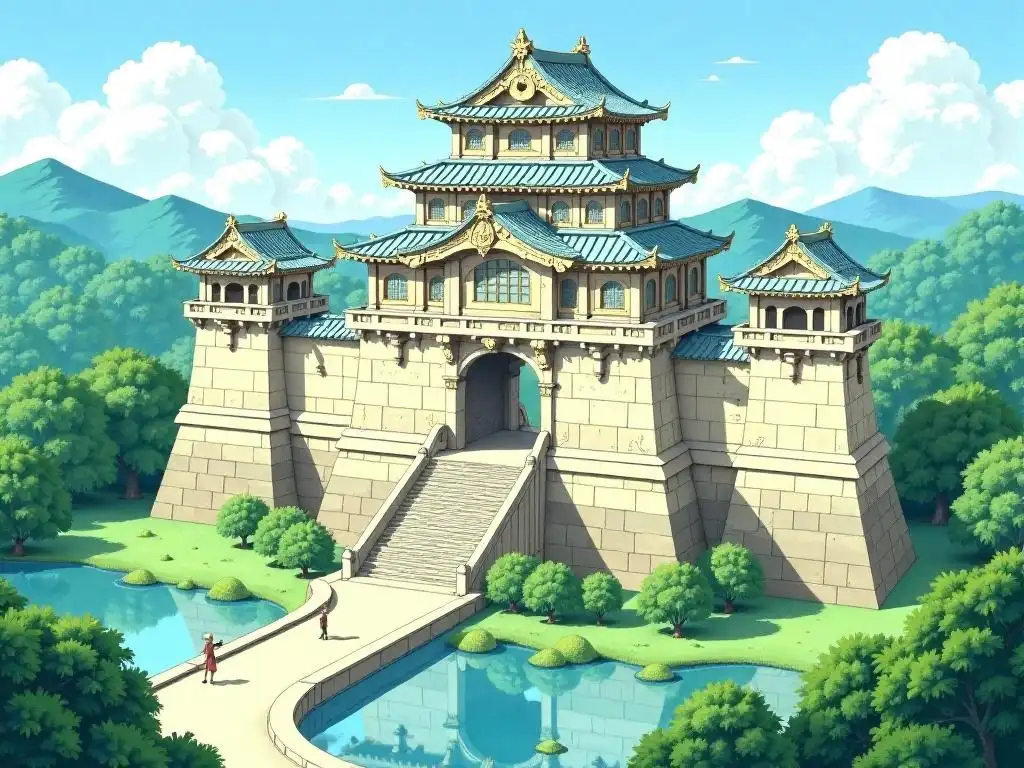
Welcome to Feudal Japan History, where we invite you to embark on a journey through the captivating world of Japan's feudal era. Immerse yourself in the rich tapestry of historical, cultural, and societal narratives that shaped a nation. In our featured article, “Shogunate Architecture: The Political Implications of Castle Construction,” we delve into the intricate relationship between power and architecture, revealing how the majestic castles of the shogunate era were not just fortifications but symbols of authority and control.
Prepare to uncover the secrets behind these architectural marvels and discover how they influenced the political landscape of their time. Your exploration of Japan's feudal history begins now!
Introduction to Shogunate Castle Architecture History
The construction of castles during the shogunate period in Japan is not merely a testament to architectural prowess but also a reflection of the intricate political dynamics of the time. The shogunate castle architecture history intertwines the evolution of military structures with the shifting power plays among feudal lords.
These fortifications served as symbols of authority, strategic military bases, and centers of administration, highlighting the profound relationship between architecture and governance in feudal Japan. Understanding these structures provides insight into the broader societal and cultural fabric of the era, revealing how they shaped and were shaped by the forces of power and political ideology.
Overview of Shogunate Period in Japan
The shogunate period, spanning from the late 12th century to the mid-19th century, marked a significant chapter in Japanese history characterized by military rule and feudal governance. The Minamoto clan established the first shogunate in 1192, leading to a series of military governments that would dominate Japan for centuries. This era witnessed the rise of powerful daimyōs—feudal lords—who controlled vast territories and maintained their influence through military might and strategic alliances.
During this time, Japan experienced cultural flourishing, with the development of distinct art forms, literature, and social structures. The samurai class emerged as a dominant social group, and their code of conduct, known as bushido, played a pivotal role in shaping the values of the society. The shogunate period is often seen as a time of both conflict and stability, where the interplay of power led to significant developments in governance and military architecture.
Importance of Castle Architecture in Feudal Japan
Castle architecture in feudal Japan served multiple functions, extending beyond mere defense. These structures were central to the political landscape, often symbolizing the power and prestige of their owners. Key aspects include:
- Military Defense: Castles were strategically constructed to withstand sieges and attacks, often featuring moats, stone walls, and complex layouts that provided defensive advantages.
- Symbol of Authority: The grandeur of a castle often reflected the wealth and power of its lord, serving as a statement of dominance over the region and a deterrent to rival clans.
- Administrative Hub: Many castles functioned as centers for governance, where local administration and justice were dispensed, thereby reinforcing the lord's control over his domain.
- Cultural Significance: The design and aesthetics of castles often incorporated traditional Japanese architectural elements, contributing to the cultural identity of the region.
Origins of Shogunate Castle Architecture
Understanding the origins of shogunate castle architecture requires examining the influences and transformations that shaped these formidable structures. The early designs laid the groundwork for the architectural innovations that would characterize the shogunate era.
Early Influences on Japanese Castle Design
Before the rise of the shogunate, castles in Japan were relatively simple structures, often built on elevated ground for better defense. Influences from China, particularly during the Heian period, introduced new architectural concepts, including the use of wooden structures and decorative elements. The yamajiro style, characterized by fortifications built on hills, became prominent, emphasizing the importance of natural landscapes in defense strategies.
As the feudal system developed, the need for more complex designs emerged, leading to the incorporation of stone foundations and intricate layouts that could accommodate both military and administrative functions. The Taira and Minamoto clans played crucial roles in this early development, setting the stage for the architectural advancements of the shogunate period.
The Evolution of Architectural Styles in the Shogunate Era
With the establishment of the Kamakura shogunate in the late 12th century, castle architecture underwent significant transformation. The Mizuki style emerged, characterized by elevated platforms and extensive use of wood, which became synonymous with shogunate castles. Key features included:
- Tenshu (Keep): The central structure of the castle, often towering and elaborately designed, served as both a lookout point and a residence for the lord.
- Bailey (Ninomaru): Surrounding the keep, these areas housed troops and administration, illustrating the dual purpose of defense and governance.
- Gardens and Aesthetics: The integration of gardens and artistic elements reflected the cultural values of the samurai and added to the castle's grandeur.
Through the centuries, castle architecture continued to evolve, influenced by warfare, peace, and changes in political power. The architectural legacy of this era remains a vital part of Japan's historical identity, offering insights into the political implications of castle construction during the shogunate period.
Key Features of Shogunate Castle Architecture
Shogunate castle architecture is characterized by a blend of military functionality and artistic expression, reflecting the political dynamics of feudal Japan. One of the most notable features is the use of multiple tiers in the main keep (tenshu), which not only served as a lookout point but also symbolized the power of the ruling shogunate. The structures are typically built using stone foundations and wooden frameworks, incorporating intricate joinery techniques that highlight the craftsmanship of the era.
Another key feature is the layout of the castle complex, which often includes moats, walls, and gates designed to enhance security. The strategic placement of these elements indicates a deep understanding of both defensive needs and the importance of showcasing power. Furthermore, many castles were situated on elevated terrain, allowing for better visibility and control over the surrounding areas, signifying the political authority of the shogunate.
Defensive Structures and Their Political Significance
Defensive structures were integral to shogunate castles, serving not only to protect against invasions but also to project the power of the ruling authority. Thick stone walls and strategically placed gates created formidable barriers, making it difficult for enemies to breach the castle. The design of these fortifications often included features such as arrow slits and hidden pathways, which provided defenders with tactical advantages during conflicts.
The political significance of these defensive structures is further underscored by their representation of the shogunate's authority. By constructing impressive fortifications, the shogunate communicated strength and stability to both allies and adversaries. This dual purpose—defense and demonstration of power—was crucial in maintaining control over feudal territories and deterring rebellion.
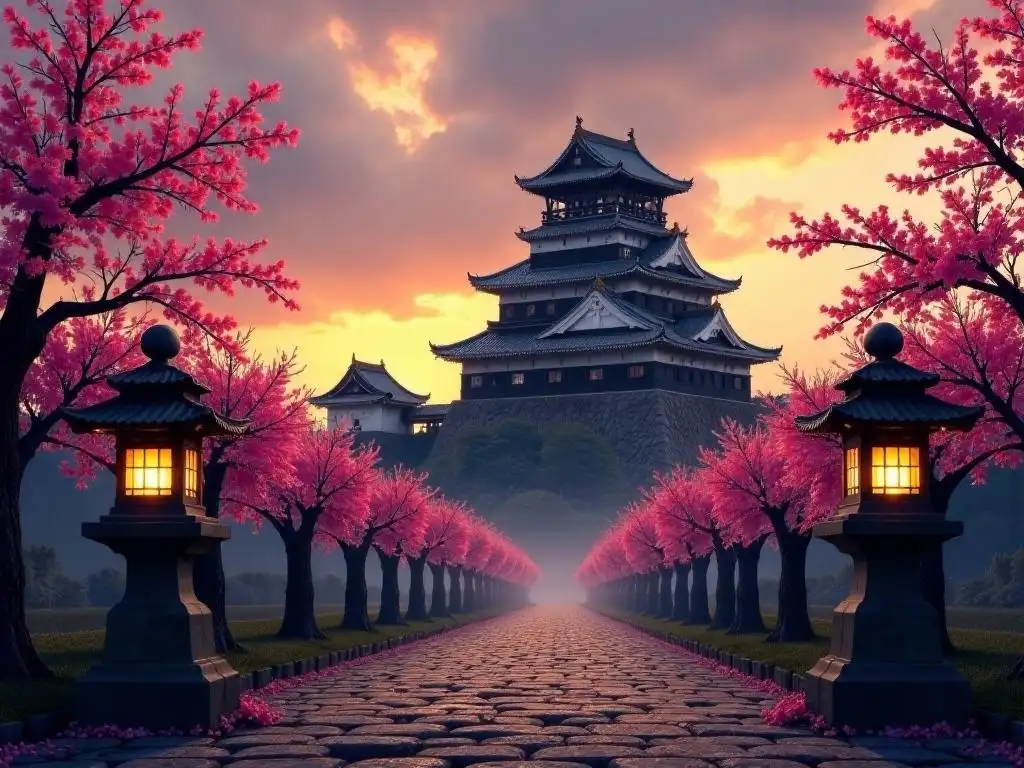
The aesthetic elements of shogunate castles were deliberately crafted to reflect the power and authority of the shogunate. Ornate decorations, such as intricate carvings, painted sliding doors (fusuma), and elaborate tile roofs, were employed to showcase the wealth and sophistication of the ruling class. These features not only enhanced the visual appeal of the castles but also conveyed a sense of grandeur and permanence.
The use of traditional Japanese architectural styles, including the incorporation of tatami mats and shoji screens, further emphasized the cultural significance of these structures. The integration of natural elements, such as gardens and water features, also played a role in symbolizing harmony and balance, which were critical values in samurai culture. Collectively, these aesthetic choices reinforced the shogunate's position as a legitimate and formidable authority in feudal Japan.
Innovations in Construction Techniques
The construction techniques employed in shogunate castle architecture marked significant innovations that reflected advancements in engineering and design. The use of stone masonry for foundations was a notable departure from earlier wooden structures, providing greater stability and durability. Additionally, the development of unique joinery methods allowed for the creation of complex wooden frameworks that could withstand natural disasters, such as earthquakes.
Moreover, the introduction of architectural elements like the donjon (main keep) with its distinctive tiered design showcased a blend of defensive capability and aesthetic appeal. Innovations in roofing techniques, including the use of irimoya (hip-and-gable roofs), not only added to the structural integrity but also enhanced the visual prominence of the castles. These advancements in construction techniques not only facilitated the longevity of these structures but also reflected the shogunate's commitment to power and prestige.
Major Shogunate Castles and Their Historical Context
The major shogunate castles of Japan are not only architectural marvels but also hold significant historical context that illustrates the political landscape of their time. Each castle embodies the ideals and ambitions of the shogunate that commissioned its construction, serving as a focal point for power, governance, and military strategy. The following castles stand out for their historical relevance and architectural significance.
Himeji Castle: A Symbol of Power
Himeji Castle, often referred to as the "White Heron Castle" due to its striking white exterior, is a quintessential example of shogunate architecture. Constructed in the early 17th century, it served as a stronghold for the Ikeda clan and later became a symbol of the Tokugawa shogunate's power. The castle's complex design includes multiple defensive features, such as a series of moats and a labyrinth of walls, which were intended to thwart potential invaders.
Himeji's grandeur is not only a testament to military architecture but also reflects the aesthetic values of the period. The harmonious integration of natural landscapes with the castle's layout embodies the principles of Japanese garden design, enhancing its status as a cultural landmark. Today, Himeji Castle is recognized as a UNESCO World Heritage Site, illustrating its enduring significance in Japan's historical narrative.
Matsumoto Castle: Strategic Importance and Design
Matsumoto Castle, known for its striking black exterior and unique design, was built during the late 16th century. It served as a strategic military base for the Matsumoto clan and played a crucial role in the defense of the region. The castle's construction features a distinctive five-story donjon, which was designed to provide an elevated vantage point for surveying the surrounding landscape.
The political implications of Matsumoto Castle's design are evident in its formidable architecture, which was intended to intimidate rivals and assert control over the area. Additionally, the integration of defensive elements, such as moats and steep walls, further underscores its role as a military stronghold. Matsumoto Castle stands today as a symbol of feudal Japan's architectural ingenuity and strategic complexities.
Kumamoto Castle: Architectural Mastery and Defense
Kumamoto Castle is renowned for its architectural mastery and historical significance as a military fortress during the Edo period. Constructed in the early 17th century, it features elaborate defensive structures, including thick stone walls and multiple gates, designed to withstand sieges. The distinctive black and white color scheme of the castle not only enhances its visual impact but also serves as a symbol of the power of the Hosokawa clan.
The castle's layout showcases sophisticated design elements, such as hidden passageways and strategically placed towers, which highlight the ingenuity of its builders. Kumamoto Castle also played a pivotal role during the Satsuma Rebellion in the late 19th century, serving as a focal point for resistance against the Meiji government. Today, it remains a celebrated example of shogunate architecture, representing the rich history and cultural heritage of Japan.
The Political Implications of Castle Construction
Castle construction during the Shogunate period was profoundly influenced by political motivations and had significant implications for governance and control. These fortifications were not merely military structures; they served as symbols of power, authority, and stability within the feudal hierarchy. The strategic placement of castles in key locations allowed shoguns to exert influence over vast territories, facilitating the management of land and resources. Furthermore, the architectural style and design of these castles communicated messages of strength and resilience, reinforcing the shogunate's legitimacy and dominance over rival clans.
The construction of castles also reflected the shifting dynamics of power during the feudal era. As different clans rose and fell, the architectural features of their castles evolved to embody their specific political agendas. For example, elaborate defenses and grandiose designs were often employed to project confidence and deter rebellion, while more austere structures were built during times of instability to conserve resources. Thus, castle architecture provides valuable insights into the political landscape of feudal Japan.
How Castle Architecture Reflects Feudal Hierarchies
The architectural design of shogunate castles was intricately linked to the feudal hierarchy of Japan. Each castle was designed not only as a stronghold but also as a representation of the social structure within which it operated. The layout of a castle often mirrored the status of its owner, with the central keep (tenshu) serving as the residence for the lord and the surrounding structures housing samurai and commoners according to their rank and role.
In many cases, the size and complexity of a castle were indicative of the power and influence of its ruler. Larger castles with multiple baileys (kuruwa) signified a more prominent position within the feudal hierarchy, while smaller forts suggested lesser authority. The presence of distinct areas for samurai and lower-ranked warriors also reinforced social stratification, highlighting the importance of loyalty and service within the feudal system. This hierarchical organization within castle architecture not only facilitated governance but also ensured that all members of society understood their place within the broader political framework.
The Role of Castles in Shogunate Governance and Control
Castles played a crucial role in the governance and control of territories during the shogunate period. They served as administrative centers where local lords (daimyō) could oversee their lands, manage resources, and implement the shogunate’s policies. The strategic positioning of castles often allowed for better surveillance of surrounding areas, enhancing the shogun's ability to maintain order and respond swiftly to threats.
Moreover, castles functioned as hubs for military organization. The presence of a well-fortified castle in a region often deterred potential uprisings and invasions, as the local population recognized the shogunate's strength. Castles also facilitated the collection of taxes and resources, further consolidating the shogunate's power. By controlling these key structures, the shogunate could ensure loyalty from the daimyō and their retainers, reinforcing a network of allegiance that was vital for maintaining political stability in feudal Japan.
Castles as Centers of Military Power and Administration
Beyond their role in governance, castles also served as essential centers of military power and administration. The architecture of these fortifications was meticulously designed with defensive capabilities in mind, featuring high walls, moats, and strategically placed towers that offered vantage points for surveillance and defense. This military architecture was a direct response to the constant threat of conflict during the feudal era, as rival clans vied for power and territory.
The interior of castles was often equipped with facilities that supported military operations, including armories, barracks, and training grounds. This integration of military functions underscored the importance of preparedness and discipline in samurai culture. Furthermore, castles were places of strategic planning, where military leaders would gather to devise tactics and coordinate defenses against external threats. As such, shogunate castles were not mere residences but vital components of Japan's military infrastructure.
The Cultural Significance of Shogunate Architecture
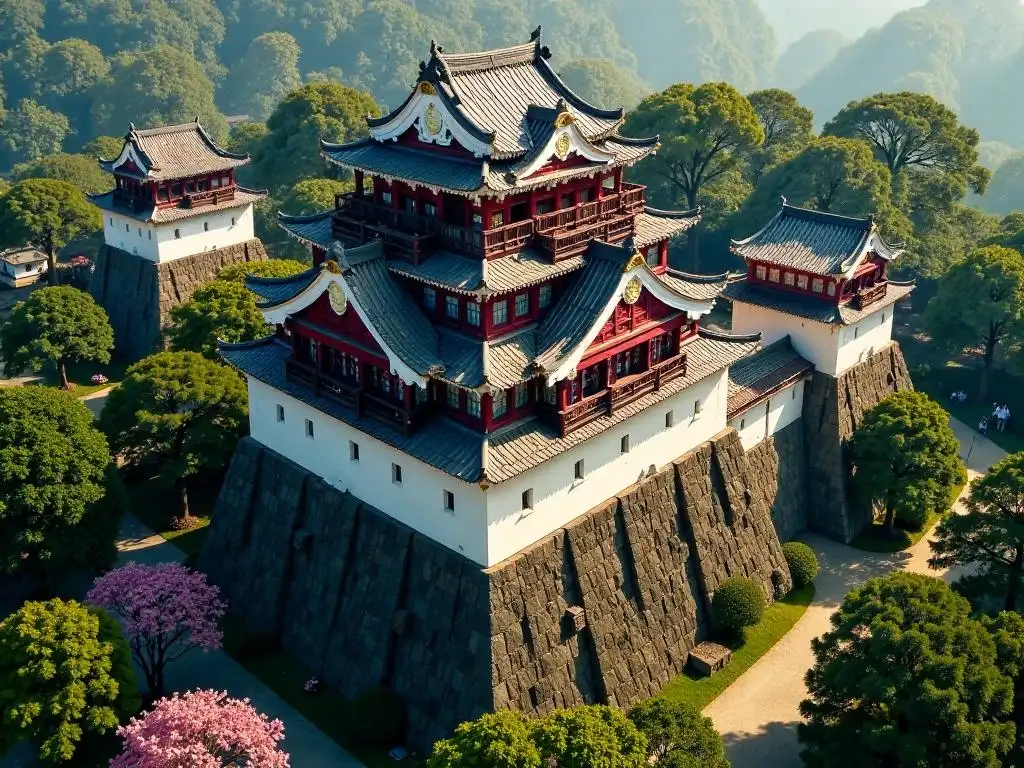
The cultural significance of shogunate architecture extends beyond its political and military implications. Castles encapsulated the artistry and craftsmanship of the era, reflecting the values and aesthetics of Japanese society during the feudal period. The intricate designs and harmonious integration with the surrounding landscape showcased the deep appreciation for nature prevalent in Japanese culture. This architectural style not only served practical purposes but also symbolized the cultural identity of the time.
In addition, the construction and maintenance of castles fostered a sense of community and identity among the local populace. Castles often became focal points for regional festivals and events, strengthening social bonds among inhabitants and enhancing their connection to the feudal system. The architectural grandeur of these structures instilled pride and a sense of belonging, reinforcing their cultural significance beyond mere functionality.
Integration of Religion and Spirituality in Castle Design
Shogunate architecture often integrated elements of religion and spirituality, reflecting the profound influence of Shinto and Buddhism in Japanese society. Many castles featured shrines or temples within their confines, serving as places for worship and spiritual guidance. This integration of religious spaces into military architecture highlighted the belief that spiritual protection was essential for the success and longevity of a clan.
The aesthetic elements of shogunate castles also drew upon religious symbolism, with designs that emphasized harmony, balance, and the natural world. The use of specific colors, motifs, and materials often held deeper meanings, connecting the physical structure to the spiritual beliefs of its inhabitants. This blend of military might and spiritual significance contributed to the unique character of shogunate architecture, making it a profound reflection of the era's cultural ethos.
The Influence of Castle Architecture on Japanese Culture
The impact of shogunate castle architecture on Japanese culture extends beyond the feudal era, influencing various aspects of Japanese life, art, and design. The architectural principles established during this period laid the groundwork for subsequent developments in Japanese aesthetics, including the design of gardens, temples, and even modern buildings. The concept of blending structures with nature, a hallmark of castle design, continues to resonate in contemporary Japanese architecture.
Moreover, the castles became subjects of artistic representation in literature, painting, and theater, illustrating their lasting significance in Japan's cultural narrative. They symbolize not only the political power of the shogunate but also the rich history and traditions of the Japanese people. Through their enduring legacy, shogunate castles remain vital cultural icons, reflecting the complexities of Japan's past and its ongoing evolution.
The Decline of Shogunate Castle Architecture
The decline of shogunate castle architecture marks a significant turning point in Japan’s political and architectural history. Following centuries of conflict and the rise of powerful clans, the Edo period (1603-1868) saw a consolidation of power under the Tokugawa shogunate. However, as Japan moved towards modernization in the late 19th century, the once-mighty castles that symbolized feudal governance began to lose their relevance. The advanced military technologies and changing sociopolitical landscapes diminished the need for large fortifications and strongholds.
The Meiji Restoration in 1868, which sought to modernize Japan and strengthen the nation against Western powers, played a crucial role in this decline. The government recognized that traditional castle structures were ill-suited for the new military realities and thus began a systematic dismantling of many shogunate castles. These architectural relics were often repurposed for newer, more functional buildings that reflected a modernized Japan.
Factors Leading to the End of the Castle Era
Several interrelated factors contributed to the end of the castle era in Japan:
- Technological Advancements: The introduction of firearms and artillery changed the nature of warfare. Traditional castle designs, which were originally built to withstand sieges and assaults, became less effective against modern weaponry.
- Political Changes: The unification of Japan under the Tokugawa shogunate reduced the need for individual lords to maintain fortified castles. As centralized governance strengthened, the political importance of local strongholds diminished.
- Economic Shifts: The cost of maintaining large castle complexes became unsustainable as Japan transitioned from a feudal economy to a more centralized one. Resources were redirected towards industrialization and infrastructure development.
- Cultural Evolution: The shift in societal values towards modernization and Western influence led to a reevaluation of traditional structures. The aesthetics and functionality of shogunate castles were increasingly seen as outdated.
The Transition to Modern Architecture in Japan
As Japan embraced modernization during the Meiji period, the architectural landscape transformed dramatically. Western architectural styles and urban planning principles began to influence Japanese designs. This transition was characterized by:
- Western Influence: Buildings began to incorporate elements of Western architecture, including brick construction, expansive windows, and decorative facades. This shift represented a departure from the heavy, wooden structures typical of feudal Japan.
- Urban Development: The focus shifted from isolated castles to urban centers. Cities like Tokyo and Osaka experienced rapid growth, leading to the construction of government buildings, schools, and commercial enterprises that catered to a modernizing society.
- Preservation of Heritage: In response to the rapid changes, there arose a movement to preserve historical architecture. Some shogunate castles were restored or maintained as cultural heritage sites, reflecting a desire to honor Japan’s architectural history while adapting to contemporary needs.
Conclusion: The Legacy of Shogunate Castle Architecture
The legacy of shogunate castle architecture continues to resonate in contemporary Japan. While many castles were destroyed or repurposed, their historical significance remains a vital part of Japan's cultural narrative.
Lasting Impact on Japanese Architectural Heritage
Shogunate castles have left an indelible mark on Japan's architectural heritage. Many of the design principles, such as the harmonious integration of nature and architecture, have influenced modern Japanese building practices. Elements like moats, stone walls, and tiered roofs can still be seen in contemporary designs, serving as a reminder of the past. Additionally, the preservation of several castles as tourist attractions contributes to the economy while fostering a sense of national identity and pride.
Reflection on the Political Lessons from Castle Design
The design and construction of shogunate castles reflect broader political lessons. The strategic placement of these structures often mirrored the power dynamics of the era, serving not just as fortifications, but also as symbols of authority and control. The decline of these castles signals a shift in political organization—from localized power to a more centralized state. This transition highlights the adaptability of Japan’s political landscape and the influence of architecture on societal governance. As modern Japan continues to evolve, the lessons learned from the past remain relevant, emphasizing the intricate relationship between architecture and political power.
Further Reading and Resources
Understanding the depth and significance of shogunate castle architecture requires a dive into both scholarly resources and engaging literature. Here we provide a curated list of recommended books and online resources that can enhance your exploration of feudal Japanese structures.
Recommended Books on Shogunate Architecture History
-
"Japanese Castle Architecture: A Historical Perspective" by Michael A. D. T. M. K.
This book offers a comprehensive overview of the evolution of Japanese castles throughout the shogunate period, detailing architectural styles, defensive mechanisms, and the socio-political context of their construction.
-
"The Architecture of Imperial Japan" by William H. Coaldrake
Coaldrake's work delves into the architectural styles that flourished under the shogunate, providing insights into how these structures mirrored the power dynamics of the era.
-
"Castles of Japan" by John D. Thomas
This richly illustrated volume presents a detailed examination of various Japanese castles, highlighting their architectural features and the historical significance they held during the shogunate.
-
"Feudal Japan: The History and Legacy of the Samurai Era" by Charles River Editors
While not solely focused on architecture, this book provides essential context on the feudal system that governed Japan, offering insights into how castle construction served as a reflection of political power.
-
"The Samurai and the Shogun: The History of Japan’s Feudal Era" by Andrew F. D.
This book explores the broader historical landscape of feudal Japan, including the architectural developments that accompanied the establishment of the shogunate.
Online Resources for Exploring Feudal Japanese Structures
-
Japan National Tourism Organization (JNTO)
The JNTO website offers a wealth of information about historical sites in Japan, including castles built during the shogunate. It features maps, guides, and details about visiting these iconic structures.
-
The Samurai Archives
This website is a treasure trove of information on samurai culture and feudal Japan, including articles and discussions about various castles and their architectural significance.
-
Nippon.com
Nippon.com features articles that explore various aspects of Japanese culture, including architecture. Their resources often include in-depth discussions on the historical context of shogunate structures.
-
YouTube Channels such as "Only in Japan"
Various channels provide virtual tours and documentaries about Japanese castles, giving viewers a visual understanding of their architecture and historical importance.
-
The Japanese Castle Foundation
This organization focuses on the preservation of Japanese castles and provides valuable research materials, articles, and resources for enthusiasts and scholars alike.
By utilizing these recommended books and online resources, readers can deepen their understanding of shogunate castle architecture and its political implications within the context of feudal Japan.
- Introduction to Shogunate Castle Architecture History
- Origins of Shogunate Castle Architecture
- Key Features of Shogunate Castle Architecture
- Defensive Structures and Their Political Significance
- Aesthetic Elements Reflecting Power and Authority
- Innovations in Construction Techniques
- Major Shogunate Castles and Their Historical Context
- The Political Implications of Castle Construction
- The Cultural Significance of Shogunate Architecture
- The Decline of Shogunate Castle Architecture
- Conclusion: The Legacy of Shogunate Castle Architecture
- Further Reading and Resources
- What is the significance of Shogunate castle architecture in Japanese history?
- How did castle construction reflect the social hierarchy of the time?
- What are some key features of Shogunate architecture?
- How did political implications influence castle design?
- Are there any notable examples of Shogunate castles still standing today?
Frequently Asked Questions
What is the significance of Shogunate castle architecture in Japanese history?
Shogunate castle architecture played a crucial role in representing political power and military strategy during feudal Japan, serving as both fortifications and symbols of authority.
The design and grandeur of castles often mirrored the status of the ruling shogunate, with elaborate structures for the elite, reinforcing their dominance over the samurai and commoners.
What are some key features of Shogunate architecture?
Key features include moats, stone walls, and tenshu (main keep), which not only provided defense but also demonstrated the artistry and wealth of the period’s rulers.
How did political implications influence castle design?
Castle designs were often influenced by political needs such as defense, visibility, and intimidation, showcasing the ruling shogunate's military strength and stability.
Are there any notable examples of Shogunate castles still standing today?
Yes, notable examples include Himeji Castle and Nijo Castle, which exemplify Shogunate architecture and offer insights into the historical and cultural significance of the era.
Final Reflection: The Enduring Legacy of Shogunate Castle Architecture
The intricate relationship between architecture and power is vividly illustrated in the history of shogunate castle architecture. As we explore the political implications of these structures, we uncover how they served not only as military fortifications but also as symbols of authority and cultural identity. The castles of the shogunate era are not merely relics of the past; they resonate with contemporary discussions about governance, heritage, and the role of architecture in shaping societal values.
The influence of shogunate castle architecture extends far beyond its physical presence, impacting our cultural and social landscape even today. These castles were designed with a purpose that transcended aesthetics; they were strategic manifestations of power, control, and resilience. As we reflect on their significance, we are reminded of the words of architect Tadao Ando: Architecture is not about space but about time.
This sentiment encapsulates the essence of shogunate architecture, as it continues to evoke a sense of historical continuity and cultural pride in modern Japan.
As we conclude this exploration of shogunate castle architecture, I invite you to reflect on the lessons these structures impart about leadership, resilience, and cultural identity. Consider how the principles of strength and beauty found in these castles can inspire your own life and endeavors. Whether in your personal or professional journey, let the enduring legacy of shogunate architecture remind you of the importance of building a foundation that reflects your values and aspirations. Embrace the past, and let it guide you toward a future where your own "castle" stands as a testament to your vision and purpose.
Unveil the Legacy of Shogunate Architecture!
Thank you for diving into the fascinating world of Shogunate architecture. You've explored how castle construction shaped political power in feudal Japan. Now, it’s time to take the next steps to deepen your understanding and share this knowledge!
- Explore local museums or historical sites featuring replicas or exhibits on Japanese castles—immerse yourself in the grandeur of this architectural legacy!
- Join online forums or communities dedicated to Japanese history—engage in discussions and exchange insights with fellow enthusiasts.
- Create a visual presentation or blog post about your favorite castle and its historical significance—spark interest and inspire others to learn!
Which aspect of Shogunate architecture captivates you the most, and how might it mirror the power dynamics present in today’s society?