
The Role of Bushido: Exploring the Code that Shaped the Samurai

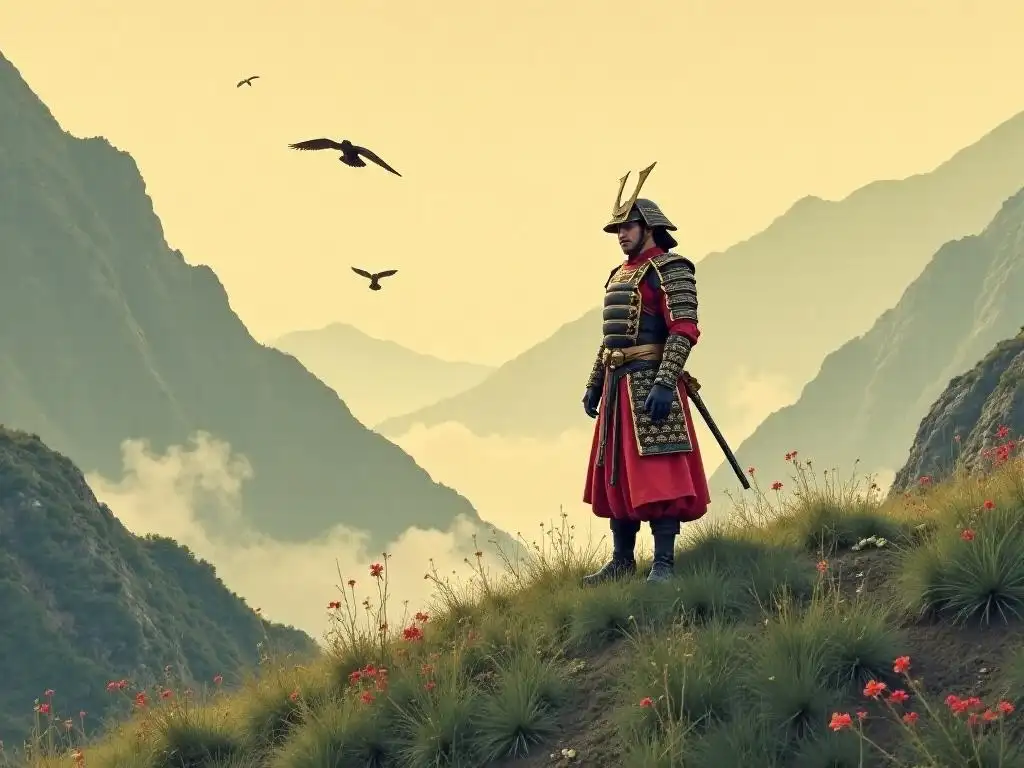
Welcome to Feudal Japan History! Step into the captivating world of Japan’s feudal era, where the Bushido code and samurai culture reign supreme. This intricate framework of ethics and conduct not only shaped the lives of the noble samurai but also laid the groundwork for Japan’s rich historical tapestry. Are you ready to uncover the secrets behind this legendary code and discover how it influenced the political landscape of its time? Join us as we delve deeper into the role of Bushido and explore the fascinating interplay between honor, loyalty, and warfare that defined an era.
Introduction to Bushido Code and Samurai Culture
The Bushido code stands as one of the most influential frameworks in shaping not only the samurai class but also the cultural and societal norms of feudal Japan. This code, which translates to "the way of the warrior," encapsulated a set of ethical principles and moral values that guided the conduct of samurai, the elite warrior class during Japan's feudal era.
Understanding Bushido is crucial for comprehending the broader context of samurai culture and its lasting impact on Japanese society, including modern interpretations of honor, loyalty, and discipline. This article delves into the multifaceted role of Bushido, highlighting its historical significance, origins, and the pivotal influence it had on samurai culture and Japanese governance.
Definition of Bushido and Its Historical Context
Bushido is defined as the ethical code that samurai were expected to follow, emphasizing virtues such as loyalty, honor, courage, and self-discipline. This code emerged during the Kamakura period (1185-1333) as the samurai class solidified its power and influence in Japan. As the nation transitioned from a feudal system dominated by the aristocracy to one ruled by military leaders, the samurai needed a guiding philosophy to justify their role as warriors and protectors of the realm.
In this historical context, Bushido acted as a moral compass, offering samurai a framework for their actions and decisions. It was not merely a set of rules but rather a way of life that permeated various aspects of their existence, from battlefield conduct to personal relationships. The teachings and principles of Bushido were influenced by various philosophical and religious traditions, including Zen Buddhism, Confucianism, and Shinto beliefs, which collectively shaped the samurai's worldview.
Importance of Samurai Culture in Feudal Japan
Samurai culture played a vital role in the political and social landscape of feudal Japan. As warriors, samurai were not only skilled fighters but also held significant political power, often acting as lords and landowners. Their culture was characterized by a deep sense of loyalty to their masters and a commitment to uphold justice and honor, which contributed to the stability of the feudal system.
The arts and practices associated with samurai culture, such as swordsmanship, poetry, and tea ceremonies, reflect the complex identity of the samurai beyond their martial prowess. This rich cultural heritage continues to resonate in modern Japan, influencing contemporary values and aesthetics. Understanding the importance of samurai culture is essential to appreciating how deeply Bushido is woven into the fabric of Japanese history and identity.
The Origins of Bushido
Historical Background of Samurai and Their Code
The origins of Bushido can be traced back to the emergence of the samurai class during the late Heian period (794-1185) when warrior clans began to rise in prominence. Initially serving as guards for powerful landowners, samurai gradually evolved into a distinct social class with their own code of conduct. The need for a formalized set of principles arose as samurai engaged in conflicts and battles, requiring a moral framework to navigate the complexities of loyalty and honor.
By the Kamakura period, as the samurai gained political power and began to establish their own governance structures, the Bushido code crystallized into a more defined set of ethical guidelines. This development was crucial as it provided samurai with a clear identity and purpose, further solidifying their role in Japanese society.
Influences on the Development of Bushido
The development of Bushido was influenced by various factors, including:
- Cultural Exchange: Interaction with Chinese philosophical ideas introduced concepts of loyalty and virtue, particularly through Confucianism.
- Religious Beliefs: The integration of Zen Buddhism fostered a sense of mindfulness and self-discipline among samurai, promoting mental clarity and focus.
- Historical Events: Key events such as the Mongol invasions in the late 13th century reinforced the need for a unified code that emphasized loyalty and bravery in the face of adversity.
These influences combined to create a robust and dynamic code that not only guided the samurai in battle but also shaped their interactions with society at large, creating a legacy that continues to resonate in contemporary Japanese culture.
Core Principles of the Bushido Code
The Bushido code, often referred to as the "Way of the Warrior," encompasses a set of ethical principles that guided samurai behavior and decision-making throughout Japan's feudal era. Rooted in a blend of Zen Buddhism, Confucianism, and Shinto beliefs, the Bushido code emphasized virtues such as loyalty, honor, courage, benevolence, respect, and integrity. These core principles not only defined the samurai's conduct on the battlefield but also shaped their interactions with society at large.
- Loyalty: Central to the Bushido code, loyalty was not merely an expectation but a profound obligation. Samurai were expected to serve their lords with unwavering fidelity, often prioritizing their lord's interests above their own lives and families.
- Honor: Honor was a fundamental aspect of samurai identity. Maintaining one's reputation, adhering to ethical conduct, and demonstrating courage in both life and death were paramount. A samurai's honor was often linked to their family and clan, making it a collective value.
- Courage: The Bushido code regarded courage as essential for a warrior. This virtue was not limited to physical bravery in battle but extended to moral courage, which required samurai to stand by their convictions and face adversity without fear.
- Benevolence: While samurai were warriors, they were also expected to exhibit compassion. Benevolence emphasized the importance of protecting the weak and acting justly, reinforcing the idea that a true warrior should not only be fierce in battle but also kind in spirit.
- Respect: Respect encompassed not only a deep reverence for one's superiors but also for peers and adversaries. This principle fostered harmony within the samurai community and contributed to a structured social order.
- Integrity: Integrity was a crucial aspect of the Bushido code, urging samurai to act with honesty and transparency. A samurai's word was their bond, and maintaining integrity was vital for earning the trust and respect of others.
Honor and Loyalty in Samurai Culture
Honor and loyalty are perhaps the most significant tenets of the Bushido code, serving as cornerstones of samurai culture. The concept of honor was deeply ingrained in the samurai psyche, where a person's reputation reflected the values of their clan. This connection to honor meant that samurai often engaged in acts of bravery or self-sacrifice to protect their name and the name of their lord.
Loyalty, on the other hand, was a binding force that united samurai with their lords. A samurai's loyalty was expected to be absolute; betrayal was not only frowned upon but could lead to severe consequences, including ritual suicide (seppuku) to restore honor. This unwavering loyalty fostered a strong sense of camaraderie among samurai, creating bonds that often transcended familial ties.
The symbiosis of honor and loyalty ensured that samurai remained steadfast in their duties, reinforcing social structures and obligations that defined feudal Japan. This interplay also influenced the collective consciousness of the samurai class, creating a culture where honor and loyalty were revered above all else.
The Value of Courage and Benevolence
Courage was celebrated in samurai culture not just for its role in warfare but as a reflection of a samurai's character. The ideal samurai was expected to face challenges and adversaries with bravery, embodying the spirit of resilience. This valor extended beyond physical confrontations; moral courage was equally vital, urging samurai to uphold justice and righteousness in the face of societal pressures.
Benevolence, while seemingly at odds with the warrior's identity, was integral to the Bushido code. Samurai were expected to protect the weak and honor the lives of others. Acts of benevolence, such as providing aid to the less fortunate or showing mercy to a defeated enemy, were seen as a demonstration of true strength. This duality of courage and benevolence fostered a more humane aspect of samurai culture, where warriors were not merely brutal fighters but also guardians of peace and justice.
The Importance of Respect and Integrity
Respect within samurai culture was not limited to hierarchical relationships; it extended to all individuals, regardless of their status. This principle encouraged samurai to treat others with dignity, fostering an environment of mutual recognition and understanding. Respect played a crucial role in maintaining social harmony and facilitating cooperation among the various classes within feudal Japan.
Integrity, as an expression of honesty and moral uprightness, was vital to the samurai's reputation. A samurai's commitment to integrity ensured that their actions aligned with their words, cultivating trust within their communities. This unwavering adherence to truth and virtue further solidified the samurai's role as models of ethical behavior, setting standards that influenced broader societal norms.
The Impact of Bushido on Samurai Society
The Bushido code had a profound impact on samurai society, shaping not only individual behavior but also the collective identity of the samurai class. By intertwining ethical principles with their warrior ethos, Bushido fostered a unique societal structure characterized by loyalty, honor, and a sense of duty.
Bushido as a Guiding Philosophy for Samurai Warriors
Bushido served as a guiding philosophy for samurai warriors, influencing their conduct in both personal and professional realms. The adherence to Bushido provided a framework for decision-making, ensuring that samurai acted in ways that upheld their values and the expectations of their society. This philosophical underpinning helped to elevate the samurai status, transforming them from mere soldiers to esteemed members of the ruling class.
The teachings of Bushido were often communicated through literature, teachings, and oral traditions, allowing the code to permeate samurai culture. As samurai warriors embraced these principles, they cultivated a distinct identity that emphasized discipline, honor, and the pursuit of excellence. This commitment to Bushido instilled a sense of pride, leading to a deep-rooted belief in their role as protectors of the realm.
The Role of Bushido in Social Hierarchies
Bushido played a crucial role in cementing social hierarchies within feudal Japan. The code established clear expectations for behavior that not only regulated the actions of samurai but also defined their relationships with other classes. This hierarchical structure was essential for maintaining order in a society where loyalty and duty were paramount.
As samurai adhered to the principles of Bushido, they often saw themselves as the guardians of society, responsible for upholding the peace and stability of their domains. This elevated status conferred upon them distinct privileges and responsibilities, reinforcing the notion that samurai were integral to the social fabric of feudal Japan. Their adherence to Bushido helped legitimize their authority and fostered loyalty among the lower classes, who looked to samurai for protection and leadership.
Bushido's Influence on Leadership and Governance
The influence of Bushido extended beyond individual samurai, shaping the very framework of leadership and governance in feudal Japan. Samurai leaders were expected to embody the principles of the Bushido code, exemplifying qualities such as honor, integrity, and benevolence in their rule. This alignment between samurai values and governance created a system where leaders were viewed as moral figures, tasked with the welfare of their subjects.
Bushido also informed the ethical conduct of leaders, guiding them to make decisions that prioritized the greater good over personal gain. As such, the code fostered a sense of responsibility among samurai rulers, encouraging them to act justly and compassionately. This ethical governance model contributed to the stability and cohesion of feudal society, as samurai leaders who adhered to Bushido earned the loyalty and respect of their followers.
The Bushido code was instrumental in shaping samurai culture and society, establishing a framework of ethical principles that guided behavior, influenced social hierarchies, and impacted leadership. The legacy of Bushido continues to resonate in modern Japanese culture, reflecting its enduring significance in the historical narrative of feudal Japan.
Bushido in Practice: Rituals and Traditions
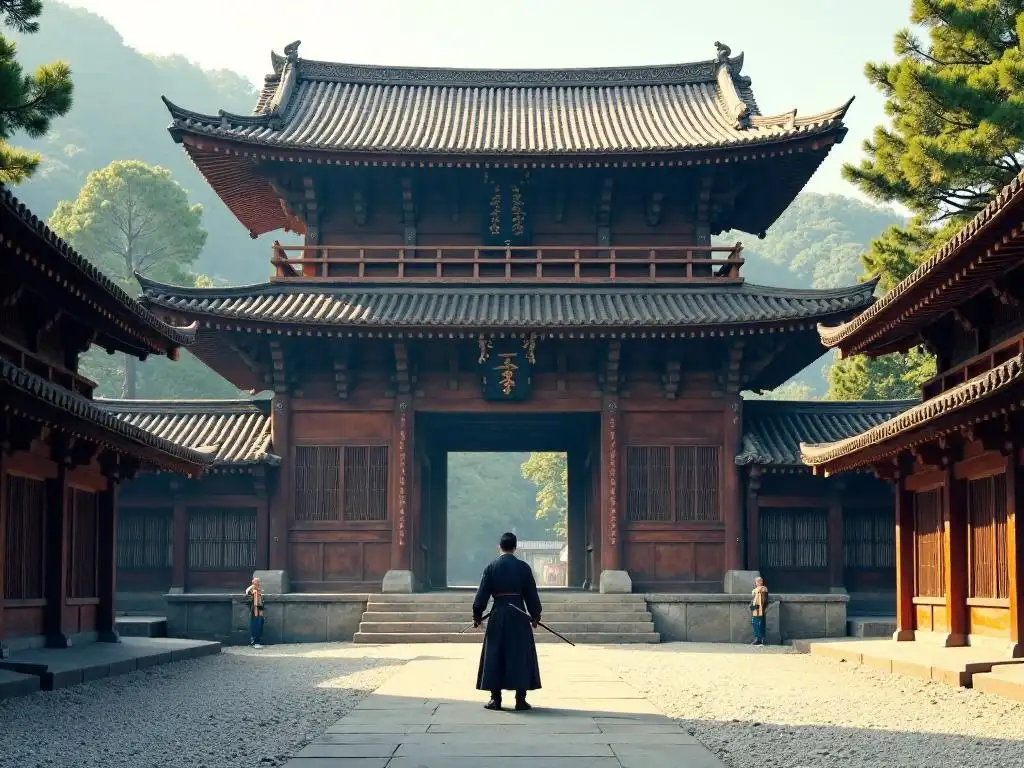
Bushido, the code of conduct that governed the samurai class in feudal Japan, was not merely a set of principles but a living tradition deeply embedded in the daily lives of samurai warriors. Its influence can be seen in various rituals and customs that shaped their identity and dictated their behavior. Central to this code were the values of loyalty, honor, and discipline, which manifested in numerous practices that reinforced the samurai's commitment to these ideals.
Training and Education of Samurai in Bushido Principles
The education of a samurai was comprehensive and rigorous, focusing not only on martial skills but also on the philosophical tenets of Bushido. Young samurai began their training in early childhood, often under the guidance of experienced mentors or within the confines of a clan school. This education included:
- Martial Arts Mastery: Training in various forms of combat, including kenjutsu (swordsmanship) and iaijutsu (quick-draw sword techniques), was paramount. Mastery of these skills was seen as essential for a samurai's honor and ability to protect his lord.
- Moral and Ethical Instruction: Samurai were taught the ethical implications of their actions, emphasizing loyalty to one’s lord and the importance of honor. Texts such as "Hagakure" and "The Book of Five Rings" served as philosophical guides, outlining the deeper meanings behind the Bushido code.
- Cultural Education: Beyond martial training, samurai were also educated in poetry, calligraphy, and tea ceremonies, reflecting the belief that a well-rounded individual embodied the essence of Bushido.
This holistic approach ensured that samurai were not only formidable warriors but also cultured individuals who lived by the principles of Bushido in all aspects of life.
Ceremonies and Rituals Reflecting Bushido Values
The samurai culture was rich in ceremonies and rituals that reinforced the values of Bushido. These practices served to cultivate a sense of community among samurai and to honor the traditions of their forebears. Some notable ceremonies include:
- Seppuku (Ritual Suicide): This was perhaps the most dramatic representation of samurai honor. In situations where a samurai faced dishonor, seppuku was performed as a means of restoring honor, showcasing unwavering commitment to the Bushido code.
- Tea Ceremony (Chanoyu): More than just a beverage ritual, the tea ceremony embodied the principles of harmony, respect, purity, and tranquility—core values of Bushido. It served as a meditative practice that allowed samurai to reflect on their lives and actions.
- Ceremonial Duels: These were formalized encounters that adhered to strict codes of conduct, emphasizing respect for one's opponent and the importance of honor in combat. Such duels were often conducted to settle disputes or demonstrate skill.
Through these ceremonies, samurai not only affirmed their adherence to Bushido but also connected with their cultural heritage.
The Role of Arts and Aesthetics in Samurai Culture
The samurai were not just warriors; they were also patrons of the arts, which played a crucial role in expressing their values and ideals. The aesthetic sensibilities of samurai culture were rooted in the philosophy of Bushido and manifested in various forms:
- Martial Arts as Art Forms: Disciplines such as kendo and kyudo (archery) were not only practical skills but also artistic expressions that required years of dedication and refinement.
- Literature and Poetry: Samurai often engaged in the composition of haiku and other forms of poetry. This literary pursuit was seen as a way to express the complexities of their emotions and the ideals of Bushido.
- Visual Arts: The appreciation of paintings, particularly those that depicted nature or heroic themes, showcased the samurai's connection to the world around them. The aesthetics of simplicity and elegance found in traditional Japanese art resonated with the samurai's pursuit of purity and perfection.
Through these artistic channels, the samurai culture celebrated the principles of Bushido, elevating the warrior's life beyond mere combat.
The Evolution of Bushido Through the Ages
Bushido was not a static code; it evolved significantly over the centuries, adapting to the changing political and social landscapes of Japan. The transformation of this code reflects broader trends within Japanese society and the shifting roles of the samurai class.
Changes in Bushido During the Kamakura Period
The Kamakura period (1185-1333) marked the rise of the samurai class as a dominant political force in Japan. During this time, Bushido began to crystallize into a more formalized code. Key developments included:
- Feudal Loyalty: The establishment of the shogunate system reinforced the importance of loyalty to one’s lord. Samurai were expected to serve their daimyō (feudal lords) with unwavering fidelity, often at the cost of their personal safety.
- Incorporation of Zen Buddhism: The influence of Zen Buddhist philosophy began to permeate Bushido, emphasizing mindfulness, meditation, and an acceptance of death. This spiritual dimension provided samurai with a framework to confront the inevitability of mortality.
- Legal Codification: As the samurai class gained power, the principles of Bushido began to be codified into legal standards, dictating not only behavior but also the consequences of dishonor.
This period set the foundation for the Bushido code as we understand it today, intertwining martial prowess with ethical considerations.
The Influence of Bushido in the Edo Period
The Edo period (1603-1868) was characterized by relative peace and stability, leading to significant changes in the practice and perception of Bushido. Key influences during this time included:
- Cultural Flourishing: With the absence of constant warfare, samurai turned their attention to cultural pursuits, leading to the development of arts that were closely tied to Bushido principles. This era saw the rise of kabuki theatre, literature, and fine arts.
- Shift from Warrior to Bureaucrat: Many samurai transitioned into roles as bureaucrats, administrators, and educators. The focus of Bushido shifted towards governance, ethics, and the responsibilities that came with power.
- Romanticization of the Samurai: The Edo period led to a romantic view of the samurai, where the ideals of Bushido became glorified through literature and art, shaping the identity of the samurai in the public imagination.
These changes reflected the adaptability of Bushido, as it evolved to fit the needs of a society that was no longer defined by constant warfare.
Modern Interpretations of Bushido in Contemporary Society
In modern Japan, the legacy of Bushido continues to influence various aspects of society, albeit in different forms. Contemporary interpretations of Bushido can be seen in:
- Martial Arts: Traditional martial arts such as kendo and aikido still embody many principles of Bushido, instilling values of respect, discipline, and perseverance in practitioners.
- Corporate Culture: The ethos of loyalty and dedication associated with Bushido has found its way into corporate Japan, where employees often exhibit strong loyalty to their companies, reminiscent of samurai loyalty to their lords.
- Cultural Heritage: Bushido remains a point of cultural pride, with many Japanese people viewing the samurai code as a symbol of national identity and character. This is reflected in film, literature, and popular media that romanticize the samurai ethos.
As society evolves, the essence of Bushido endures, reminding contemporary Japan of the virtues that shaped its historical narrative.
Bushido's Legacy and Cultural Significance
Bushido, often translated as "the way of the warrior," has left an indelible mark on Japanese culture and identity. Emerging during the feudal era, this code of conduct shaped not only the samurai class but also the broader societal values. Rooted in principles of loyalty, honor, and discipline, Bushido has influenced various aspects of Japanese life, from the arts to social behaviors, and continues to resonate in contemporary Japan.
The core tenets of Bushido emphasize virtues such as bravery, integrity, and self-sacrifice. These principles became integral to the samurai's way of life, guiding their actions both on and off the battlefield. The impact of this warrior ethos transcended the samurai class, permeating into the general populace and establishing a collective sense of identity based on respect, duty, and honor.
The Lasting Impact of Bushido on Japanese Identity
The legacy of Bushido is deeply woven into the fabric of modern Japanese identity. Even after the samurai class was abolished in the late 19th century, the values associated with Bushido persisted. Concepts such as loyalty to family and community, respect for hierarchy, and the importance of personal honor continue to influence Japanese culture.
In education, the Bushido code is often invoked to instill discipline and moral values in students. The spirit of Bushido can also be seen in contemporary Japanese martial arts, where practitioners embody the principles of respect and perseverance. Moreover, national events and rituals still reflect the influence of Bushido, showcasing its enduring role in fostering a collective national consciousness that honors the sacrifices of past warriors.
Bushido in Popular Culture: Literature, Film, and Anime
Bushido has significantly impacted Japanese popular culture, inspiring countless works in literature, cinema, and anime. Samurai stories, often rooted in the Bushido ethos, explore themes of honor, sacrifice, and moral dilemmas, resonating with audiences both in Japan and internationally.
In literature, classic works such as "The Tale of the Heike" and modern novels delve into the samurai's internal struggles and ethical choices, highlighting the complexities of living by the Bushido code. Films like Akira Kurosawa's "Seven Samurai" and "Yojimbo" showcase the samurai's valor and the moral conflicts inherent in their responsibilities, while also reflecting the broader cultural significance of Bushido.
Anime and manga further amplify the reach of Bushido, portraying samurai heroes who navigate their destinies while upholding the principles of honor and loyalty. Series such as "Rurouni Kenshin" and "Samurai Champloo" not only entertain but also educate viewers about the historical and philosophical underpinnings of the samurai culture and the Bushido code.
Comparisons Between Bushido and Other Warrior Codes Worldwide
When exploring the Bushido code, it is insightful to compare it with other warrior codes globally. For instance, the chivalric code of medieval Europe shares similarities with Bushido in emphasizing honor, bravery, and loyalty to one's lord or king. Both codes advocate for noble conduct in battle and the protection of the weak, reflecting a common cultural understanding of the warrior's role in society.
In contrast, the Viking code of honor, rooted in Norse culture, focuses more on glory and personal reputation, with less emphasis on loyalty to superiors compared to Bushido. Similarly, the Native American warrior codes, which prioritize bravery and respect for nature, highlight varying interpretations of what it means to be a warrior in different cultures.
These comparisons reveal the universal themes present in warrior cultures, while also showcasing the unique aspects of Bushido that shaped the samurai identity within the context of Japanese history and culture.
Conclusion: The Enduring Relevance of the Bushido Code
The Bushido code, while originating in a specific historical context, remains relevant in contemporary society. Its principles resonate with modern values such as integrity, respect, and perseverance, making it a source of inspiration for individuals and communities alike.
Reflections on the Importance of Bushido in Today's World
In today's fast-paced and often chaotic world, the teachings of Bushido offer valuable lessons. The emphasis on discipline, loyalty, and ethical behavior encourages individuals to reflect on their actions and responsibilities toward others. As society grapples with challenges such as dishonesty and social fragmentation, the Bushido code serves as a reminder of the importance of maintaining one's honor and integrity.
Moreover, the principles of Bushido can be applied beyond martial contexts. In business, for instance, the samurai ideals of loyalty and duty can foster a culture of teamwork and commitment. As people seek deeper meanings in their personal and professional lives, the timeless wisdom of Bushido continues to guide those who strive for excellence and honor.
The Continued Legacy of Samurai Culture and Bushido Principles
The legacy of samurai culture and the Bushido code endures not only in Japan but also globally. As interest in Japanese history and culture grows, the principles of Bushido inspire individuals in various fields, from martial arts to leadership.
Organizations and institutions that promote traditional Japanese arts often incorporate Bushido values, emphasizing the importance of respect, discipline, and continuous self-improvement. This ongoing fascination with samurai culture reflects a collective yearning for the virtues associated with Bushido, highlighting its enduring relevance in shaping ethical frameworks and cultural narratives across the world.
The Bushido code remains a powerful symbol of the samurai spirit, embodying ideals that transcend time and continue to influence modern life.
- Introduction to Bushido Code and Samurai Culture
- The Origins of Bushido
- Core Principles of the Bushido Code
- The Impact of Bushido on Samurai Society
- Bushido in Practice: Rituals and Traditions
- The Evolution of Bushido Through the Ages
- Bushido's Legacy and Cultural Significance
- Conclusion: The Enduring Relevance of the Bushido Code
Frequently Asked Questions
What is the Bushido code?
The Bushido code is a set of ethical principles that guided the behavior and values of the samurai in feudal Japan, emphasizing virtues such as honor, courage, and loyalty.
How did the Bushido code influence samurai culture?
The Bushido code significantly shaped samurai culture by instilling a sense of discipline and a commitment to service, which defined their roles as warriors and protectors of their lords and communities.
What are the key elements of the Bushido code?
Key elements of the Bushido code include integrity, respect, courage, compassion, and honor, all of which were crucial in establishing a samurai's identity and duty to society.
How did the Bushido code impact Japanese society?
The Bushido code fostered a culture of respect and discipline in Japanese society, influencing various aspects including leadership, governance, and even modern values that continue to resonate today.
Is the Bushido code still relevant in contemporary Japan?
While the Bushido code is rooted in historical context, its principles of honor and loyalty still resonate in modern Japanese culture, shaping behaviors and values in various sectors, including business and personal conduct.
Final Reflection: The Enduring Legacy of Bushido in Samurai Culture
The principles of the Bushido code remain profoundly relevant in today's world, serving as a guiding light for honor, discipline, and integrity. In an era where ethical dilemmas and moral ambiguity often cloud our judgment, the values embodied in Bushido offer a timeless framework for personal conduct and societal interaction. The samurai's commitment to these ideals not only shaped their culture but continues to inspire individuals seeking purpose and clarity in their own lives.
The influence of the Bushido code extends beyond historical context, permeating modern society and cultural narratives. From literature to film, the samurai's ethos resonates with those who strive for excellence and honor in their pursuits. As we reflect on the ongoing impact of this code, we are reminded of the words of Miyamoto Musashi: The ultimate aim of martial arts is not having to use them.
This sentiment encapsulates the essence of Bushido, emphasizing that true strength lies in self-control and the pursuit of virtue rather than mere combat prowess.
As we conclude this exploration of Bushido and samurai culture, I invite you to reflect on how these principles can be woven into the fabric of your own life. Consider the values of loyalty, respect, and courage in your daily interactions and decisions. By embodying the spirit of Bushido, we can cultivate a more honorable and meaningful existence, not just for ourselves, but for those around us. Let the legacy of the samurai inspire you to forge your own path with integrity and purpose.
Embrace the Spirit of Bushido Today!
Thank you for diving into the fascinating world of Bushido and uncovering the code that shaped the legendary samurai. By exploring the values of honor, loyalty, and discipline, you've gained valuable insights that can resonate in our modern lives. Now, it’s time to take these lessons and turn them into action!
Here are some steps you can take to embody the spirit of Bushido:
- Reflect on your personal code: Spend a few minutes journaling about your core values and how they influence your actions.
- Share your insights: Discuss what you learned with friends or family—initiate a conversation about honor and integrity that encourages everyone to reflect on their own values.
- Engage with community resources: Look for local martial arts classes or historical reenactments to experience the principles of Bushido firsthand.
Which aspect of Bushido do you believe could bring the most positive change to your life today? We would love to hear your thoughts in the comments below!