
The Role of the Tokugawa Shogunate in Japanese Cultural Development

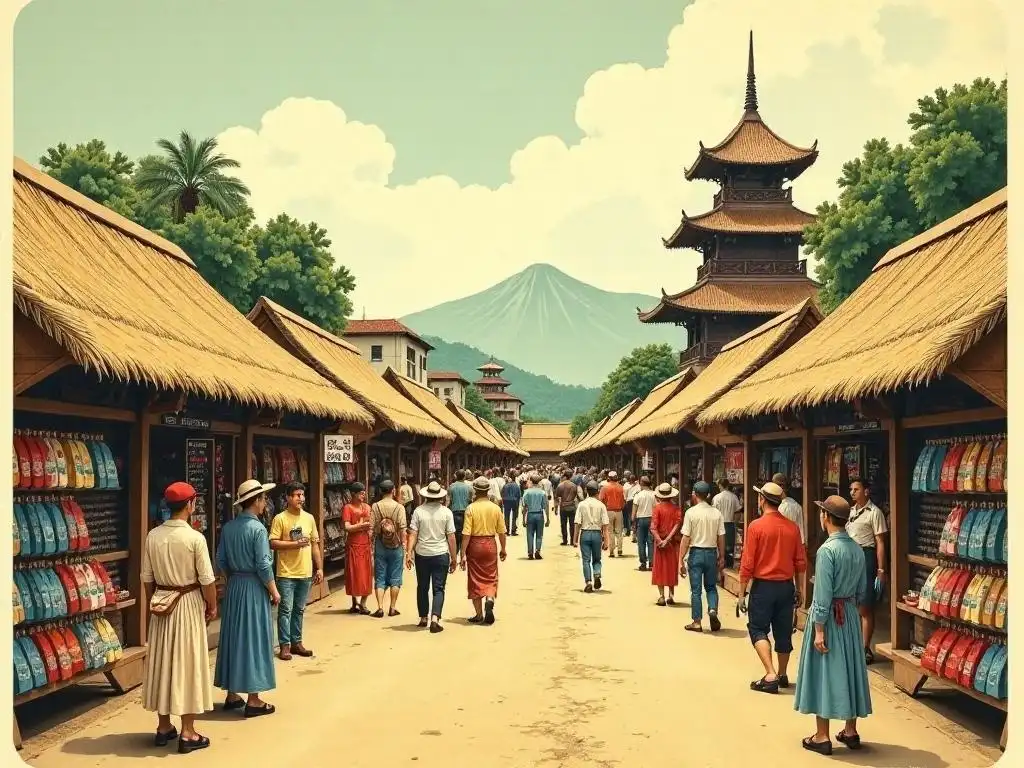
Welcome to Feudal Japan History, where the intricate tapestry of Japan's feudal era comes alive! Dive into our captivating exploration of the Tokugawa Shogunate cultural influence, a period that not only shaped the political landscape but also left an indelible mark on the arts, philosophy, and societal norms of Japan. What secrets lie within this remarkable era?
Join us as we unravel the profound impacts of the Tokugawa Shogunate on Japanese cultural development, inviting you to journey through history in ways you never imagined. Prepare to be intrigued and inspired as you delve deeper into the stories that have defined a nation!
Introduction to the Tokugawa Shogunate
The Tokugawa Shogunate, established in 1603 by Tokugawa Ieyasu, marked a pivotal era in Japanese history that lasted for over 250 years. This period, also known as the Edo period, was characterized by relative peace, political stability, and isolation from foreign influence. The shogunate not only transformed the political landscape of Japan but also had a profound impact on its cultural and societal development.
The Tokugawa Shogunate cultural influence is particularly significant as it laid the groundwork for many aspects of modern Japanese culture, including art, literature, and social structure. This article aims to explore the multifaceted role of the Tokugawa Shogunate in shaping Japanese culture and the lasting legacy it has left on the nation.
Overview of the Tokugawa Era
The Tokugawa era is often seen as a time of flourishing cultural expression, marked by innovations in various art forms and the rise of distinct cultural practices. The shogunate's strict social hierarchy, which categorized society into four main classes—samurai, farmers, artisans, and merchants—played a crucial role in determining the dynamics of cultural exchange and development. Under this system, the merchant class, while deemed socially inferior, gained economic power and began to influence cultural trends, leading to a unique blend of traditional and emerging cultural practices.
Significance of the Tokugawa Shogunate in Japanese History
The significance of the Tokugawa Shogunate extends far beyond its political achievements. It facilitated a period of introspection and cultural growth that allowed Japan to develop its identity in isolation from external influences. The shogunate's policies promoted education, the arts, and literature, which flourished in urban centers like Edo (modern-day Tokyo).
This era also saw the establishment of the ukiyo-e printmaking style and the rise of kabuki theater, both of which are critical components of Japanese cultural heritage. The Tokugawa Shogunate's legacy is evident in contemporary Japanese culture, making it an essential subject for anyone interested in the historical development of Japan.
The Tokugawa Shogunate Cultural Influence
Defining Cultural Influence during the Tokugawa Period
Cultural influence during the Tokugawa period can be understood through the lens of various artistic movements and societal changes. The era witnessed the emergence of distinct cultural practices that reflected the values and beliefs of the time. The shogunate's policies on censorship and control over the arts ensured that only state-sanctioned narratives were promoted, yet this very control fostered creativity within the parameters set by the government. This paradoxical relationship between authority and artistic expression led to a unique cultural landscape that was both rich and complex.
Key Aspects of Cultural Development under the Tokugawa Shogunate
Several key aspects define the cultural development under the Tokugawa Shogunate:
- Literature: The rise of haiku poetry and the popularity of narrative fiction in the form of ukiyo-zōshi (floating world books) became hallmarks of this era. Writers such as Matsuo Bashō and Ihara Saikaku made significant contributions to Japanese literature, exploring themes of nature, love, and the human condition.
- Visual Arts: The ukiyo-e woodblock prints became a prominent art form, depicting landscapes, kabuki actors, and scenes of everyday life. Artists like Hokusai and Hiroshige made lasting contributions to this genre, influencing both domestic and international art.
- Theater: The development of kabuki theater during this period provided a new form of entertainment that blended drama, music, and dance. It allowed for the exploration of social issues and human emotions, making it widely popular among various classes.
- Philosophy and Religion: The Tokugawa Shogunate also saw the rise of Confucianism as a guiding philosophy, which influenced societal values and the education system. This philosophical shift played a vital role in shaping the moral framework of Japanese society.
The Tokugawa Shogunate was instrumental in cultivating a rich cultural environment that has had a lasting impact on Japan. The interplay between artistic expression and political control during this era produced a unique cultural legacy that continues to resonate in modern Japanese society.
Major Cultural Developments in Tokugawa Japan
The Tokugawa Shogunate, ruling from 1603 to 1868, was a pivotal period in Japanese history that saw significant cultural evolution. This era fostered a unique environment where art, literature, and philosophy flourished under the stability provided by the shogunate's strict governance. The isolationist policies implemented during this time allowed Japanese culture to develop independently, leading to distinctive styles and traditions that would define Japan's cultural identity.
The Tokugawa period is characterized by a vibrant urban culture, particularly in cities like Edo (modern-day Tokyo), where the samurai, merchants, and artisans coexisted. This societal landscape catalyzed various cultural forms, from literature and visual arts to performance traditions and religious practices. The shogunate's patronage and the flourishing merchant class played essential roles in promoting these cultural developments, which reflected both the sophistication and the complexities of Tokugawa society.
Literature and Poetry: The Rise of Haiku and Kabuki
Literature during the Tokugawa period underwent a transformation with the emergence of new genres and styles. One of the most notable developments was the rise of haiku, a poetic form characterized by its brevity and focus on nature. Poets like Matsuo Bashō elevated haiku to an art form, emphasizing simplicity and depth. Bashō's works often captured the beauty of fleeting moments in nature, reflecting the Zen influence on Japanese aesthetics.
In addition to haiku, Kabuki theater gained immense popularity, evolving from earlier forms of entertainment into a sophisticated theatrical genre. Kabuki performances, marked by their elaborate costumes and stylized movements, often depicted historical events, moral tales, and everyday life. This theatrical art form was accessible to the common people, making culture more democratized during the Tokugawa period. The works of playwrights such as Chikamatsu Monzaemon are considered masterpieces, blending drama and poetry in unique and compelling narratives.
Visual Arts: Ukiyo-e and the Evolution of Japanese Painting
The Ukiyo-e movement, or "pictures of the floating world," emerged as a defining visual art form during the Tokugawa era. Artists like Katsushika Hokusai and Utagawa Hiroshige created woodblock prints that depicted landscapes, beautiful women, and scenes of daily life. These prints not only reflected the aesthetic values of the time but also served as a means of documenting cultural shifts and societal changes.
The evolution of Japanese painting during this period saw the integration of Western techniques alongside traditional methods. Artists began experimenting with perspective and shadowing, leading to a distinctive style that would influence future generations. The blending of styles resulted in a rich visual culture that celebrated both traditional motifs and new ideas.
The Impact on Theater: Noh and Kabuki Traditions
The Tokugawa Shogunate played a crucial role in the preservation and evolution of Noh theater, an ancient form of Japanese drama that combines music, dance, and poetry. Noh was characterized by its slow-paced, stylized performances and the use of masks to convey emotion. The shogunate's support helped formalize Noh as a respected art form, ensuring its survival through generations.
In contrast, Kabuki emerged as a more dynamic and accessible theater form. While Noh often catered to the elite, Kabuki was embraced by the masses, incorporating colorful costumes, lively music, and dramatic narratives. The rise of Kabuki signified a shift in entertainment, as it offered a more relatable and engaging experience for common people. This duality of theatrical traditions reflected the broader cultural landscape of Tokugawa Japan, balancing high art with popular entertainment.
The Role of Tea Ceremony in Tokugawa Culture
The tea ceremony, or chanoyu, became an essential aspect of Tokugawa culture, embodying the principles of harmony, respect, purity, and tranquility. This ritual was not merely about drinking tea but represented a disciplined art form that emphasized aesthetics and mindfulness. Influential figures like Sen no Rikyū refined the tea ceremony, promoting a style that harmonized the spiritual and material aspects of life.
During the Tokugawa period, the tea ceremony served as a social activity among the samurai and merchant classes, fostering connections and facilitating cultural exchange. It became a symbol of sophistication and refinement, reflecting the values of the shogunate's cultural ethos. The meticulous nature of the tea ceremony influenced various aspects of Japanese art and culture, leaving a lasting legacy that continues to resonate in modern Japan.
Religious and Philosophical Influences
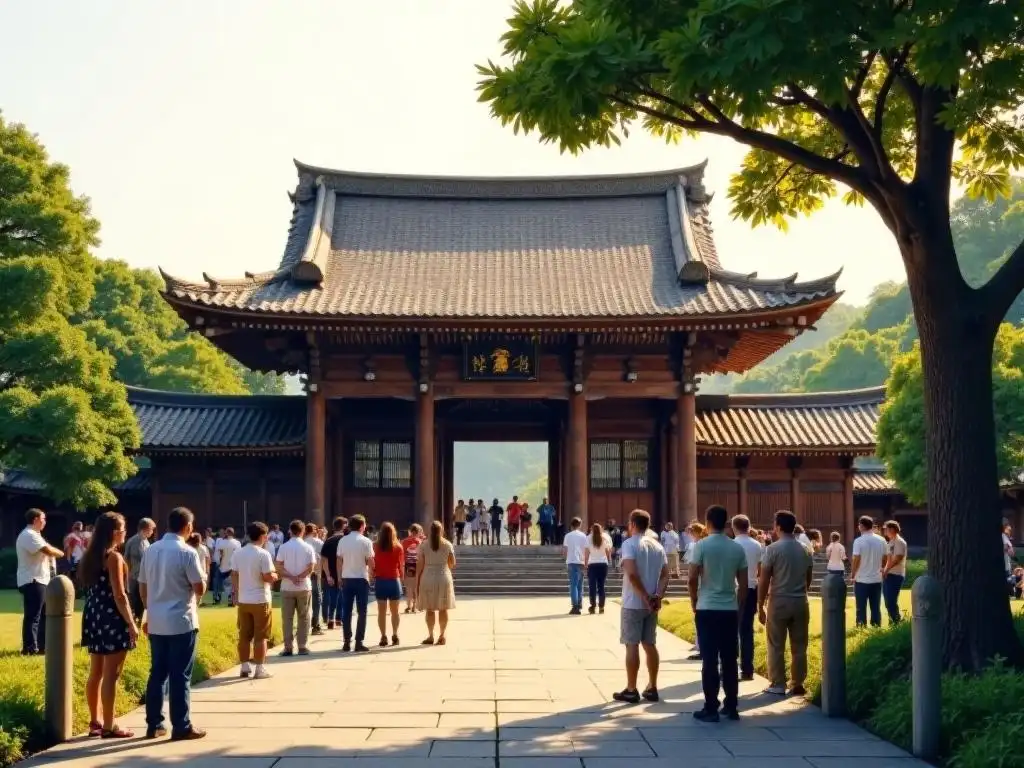
The Tokugawa Shogunate was marked by a distinctive interplay between various religious and philosophical traditions, which shaped the moral and cultural fabric of society. The era was characterized by the coexistence of Shinto and Buddhism, alongside the influence of Confucianism, each contributing to the moral and ethical guidelines of the time.
The Relationship Between Shinto, Buddhism, and State
During the Tokugawa period, the relationship between Shinto and Buddhism was complex and often interwoven. Shinto, the indigenous spirituality of Japan, emphasized the worship of kami (spirits), while Buddhism, introduced from the mainland, provided a philosophical framework that addressed the nature of existence and suffering. The shogunate recognized the importance of both religions in maintaining social order and promoting harmony.
The Tokugawa regime actively supported Buddhist institutions, using them to legitimize their authority and promote moral teachings. Conversely, Shinto shrines were also encouraged as a means of fostering national identity and loyalty to the state. This duality not only enriched Japan's spiritual landscape but also reinforced the shogunate's political power by aligning religious practice with governance.
Confucianism and Its Impact on Tokugawa Society
Confucianism significantly influenced Tokugawa society, shaping its social hierarchy and moral values. The teachings of Confucius emphasized filial piety, loyalty, and the importance of education, which resonated deeply with the samurai class and the ruling elite. As a result, Confucian principles became integrated into the governance and societal norms of the period.
The shogunate sponsored Confucian academies, promoting education and the study of Confucian texts among the samurai and merchant classes. This focus on moral education fostered a sense of responsibility and duty, reinforcing the social order that characterized Tokugawa Japan. The enduring impact of Confucian thought during this period laid the groundwork for Japan's subsequent modernization and societal evolution.
Education and Literacy During the Tokugawa Shogunate
The Tokugawa Shogunate, which ruled Japan from 1603 to 1868, significantly influenced the development of education and literacy in the country. This period marked a shift from the feudal warfare of the previous centuries to a more stable and peaceful society, allowing for greater emphasis on learning and cultural pursuits. The shogunate established a centralized governance that promoted the spread of knowledge among various classes, particularly through the implementation of Confucian ideals that underscored the importance of education for moral and civic duties.
Literacy rates during this era saw a notable increase, particularly among the samurai and merchant classes. By the late Tokugawa period, it is estimated that literacy rates reached as high as 40% to 60% among urban populations. This growth was facilitated by the proliferation of printed materials, such as books and pamphlets, as well as the establishment of a formal educational framework that encouraged learning across different social strata.
The Rise of the Merchant Class and Education
The rise of the merchant class during the Tokugawa Shogunate played a pivotal role in shaping educational priorities. As commerce flourished, merchants began to accumulate wealth and social status, challenging the traditional samurai elite. This newfound economic power led to a demand for education that extended beyond the samurai class, fostering a culture of literacy and learning among merchants and artisans.
Merchants established their own educational institutions, known as "shingaku," where practical knowledge, mathematics, and business skills were taught. These schools emphasized the importance of ethics in trade, reflecting Confucian values that were deeply ingrained in Tokugawa society. The growing merchant class not only contributed to the economy but also cultivated a more educated populace, which ultimately influenced broader cultural developments.
Development of Schools and Educational Institutions
The Tokugawa period witnessed the establishment of various forms of educational institutions that catered to different social classes. The most prominent among these were the "han schools," established by feudal lords (daimyō) to educate their samurai retainers and their families. These schools focused on Confucian teachings, history, and military strategy, reinforcing the samurai's role as both warriors and scholars.
In addition to han schools, private academies known as "terakoya" emerged, primarily serving the common people. These informal schools taught reading, writing, and arithmetic, making education more accessible to the lower classes. Terakoya institutions played a crucial role in promoting literacy among children, regardless of their social standing.
Furthermore, the shogunate's promotion of the "National Learning" (Kokugaku) movement encouraged the study of indigenous Japanese culture, literature, and philosophy. This movement nurtured a sense of national identity and pride, influencing the arts and contributing to the cultural richness of the period.
The Influence of Trade and Foreign Relations
During the Tokugawa Shogunate, Japan engaged in limited foreign trade, primarily with the Dutch and Chinese. This contact with foreign nations facilitated cultural exchanges that profoundly impacted Japanese society. The shogunate's isolationist policies, known as "sakoku," restricted foreign influence to ensure stability; however, the controlled interactions that did occur played a crucial role in shaping Japan's cultural landscape.
The Role of the Dutch and the Dutch Learning (Rangaku)
The Dutch were the only Europeans allowed to trade with Japan during the Tokugawa period, operating from a small trading post on the artificial island of Dejima in Nagasaki. This unique relationship enabled the transfer of knowledge, particularly in the sciences and medicine, through a movement known as "Rangaku" or "Dutch Learning."
Rangaku encompassed a wide range of subjects, including anatomy, astronomy, and technology. Japanese scholars, such as Sugita Genpaku, translated Dutch medical texts and introduced Western medical practices, significantly advancing Japanese medicine. The exchange of ideas fostered a curiosity about the outside world and encouraged scholars to pursue knowledge beyond traditional Japanese frameworks, thus enriching Japan’s cultural and intellectual landscape.
Cultural Exchanges and Their Impact on Japanese Society
The cultural exchanges during the Tokugawa Shogunate had far-reaching implications for Japanese society. The influx of foreign ideas, especially from the Dutch, inspired Japanese artists, writers, and intellectuals to explore new themes and styles. For instance, the influence of Western painting techniques can be seen in ukiyo-e woodblock prints, which began to incorporate perspective and shading inspired by European art.
Moreover, the introduction of Western scientific knowledge led to advancements in various fields, including agriculture, engineering, and navigation. This knowledge not only improved daily life but also laid the groundwork for modernization efforts that would emerge in the Meiji Restoration.
The cultural exchanges of the Tokugawa era ultimately contributed to a more dynamic and diverse Japanese society, fostering a blend of traditional and foreign influences that would shape Japan's trajectory in the years to come.
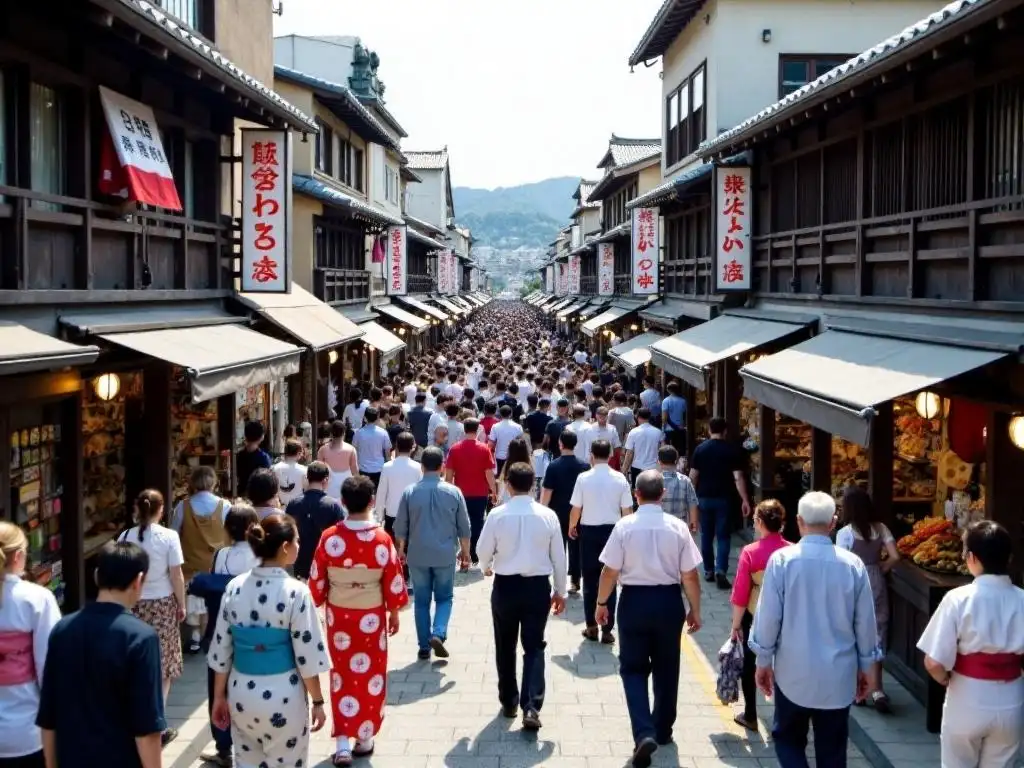
The Tokugawa Shogunate, which reigned from 1603 to 1868, established a rigid social structure that significantly influenced cultural norms and practices in Japan. The era was characterized by the consolidation of power in the hands of the samurai class, which consequently shaped the societal framework and cultural identity of the time. This hierarchical organization was not merely a political tool; it also permeated various aspects of daily life, art, and philosophy, fostering a unique cultural environment.
The Tokugawa period is often noted for its promotion of Confucian ideals, which emphasized loyalty, filial piety, and social harmony. These principles were integrated into the education system and the broader cultural context, leading to a society that valued order and stability. Additionally, the isolationist policies of the shogunate limited foreign influence, allowing for a distinctive Japanese culture to flourish, characterized by traditional arts, literature, and theater.
The Four-Tiered Social Hierarchy: Samurai, Farmers, Artisans, and Merchants
The social structure during the Tokugawa Shogunate was meticulously organized into four main classes, often referred to as the "four divisions of society": samurai, farmers, artisans, and merchants. Each class had its designated role and status, contributing to the overall stability of the Tokugawa regime.
- Samurai: As the ruling warrior class, samurai were at the top of the hierarchy. They were not only military leaders but also cultural patrons, responsible for upholding the values of bushido (the way of the warrior). Their influence extended into the arts, where they supported the development of literature, painting, and the tea ceremony.
- Farmers: Below the samurai were the farmers, who were considered the backbone of the economy. Their labor was critical for sustenance and, as such, they were afforded a degree of respect. Agricultural practices during this time saw advancements, including new farming techniques and crop rotations, which ultimately supported the growth of the urban population.
- Artisans: Artisans held a vital role in society, crafting goods ranging from textiles to pottery. Their skills contributed to the burgeoning culture of refinement and aesthetics that characterized the Tokugawa period. Many artisans became famous for their craftsmanship, creating items that were both functional and beautiful.
- Merchants: Though merchants were at the bottom of the social hierarchy, their economic power grew significantly during the Tokugawa era. They facilitated trade and commerce, leading to the development of a vibrant urban culture. Interestingly, the wealth generated by merchants allowed them to patronize artists and scholars, thus influencing cultural trends despite their low social standing.
This structured hierarchy helped maintain social order while simultaneously fostering an environment where cultural exchanges and innovations could thrive.
Gender Roles and Women's Influence in Tokugawa Culture
Gender roles during the Tokugawa Shogunate were clearly delineated, with men predominantly occupying positions of authority and public life, while women were often relegated to the domestic sphere. However, this does not imply that women lacked influence in Tokugawa culture.
Women in the samurai class were expected to manage households and raise children, instilling values aligned with the bushido code. They played a crucial role in maintaining the family's honor and status. Meanwhile, women from merchant families often engaged in business activities, gaining a degree of economic independence that was unusual for the time. Some women became prominent figures in the arts, literature, and theater, contributing significantly to the cultural landscape.
The rise of the ukiyo-e (floating world) art movement, which depicted scenes of everyday life, also showcased women in various roles, reflecting their importance in society. The kabuki theater, popular during this era, often featured female characters portrayed by male actors, highlighting the complexities of gender representation in Tokugawa culture.
Conclusion: Lasting Legacy of the Tokugawa Shogunate's Cultural Influence
The Tokugawa Shogunate's cultural influence has left a profound and lasting legacy on Japanese society. The era was marked by significant advancements in arts, literature, and social structure, shaping the identity of Japan in ways that are still evident today.
Summary of Key Contributions to Japanese Culture
The Tokugawa period gave rise to several key cultural contributions, including:
- Literature: The emergence of famous literary works, such as those by Matsuo Bashō and Ihara Saikaku, who explored themes of nature and urban life.
- Theater: The development of kabuki and bunraku (puppet theater), which became integral components of Japanese cultural expression.
- Visual Arts: The flourishing of ukiyo-e woodblock prints, which captured the aesthetics and daily life of the time.
- Philosophy and Education: The promotion of Confucian ideals influenced educational practices, emphasizing moral conduct and civic responsibility.
The Enduring Impact on Modern Japan
The cultural foundations laid during the Tokugawa Shogunate continue to resonate in modern Japan. Many traditional arts, such as tea ceremonies and ikebana (flower arranging), persist as vital components of Japanese culture. Additionally, the hierarchical social structures and Confucian principles have influenced contemporary Japanese society, reflecting a blend of tradition and modernity.
In essence, the Tokugawa Shogunate not only shaped the cultural landscape of its time but also established enduring ideals and practices that continue to define Japan's cultural identity today. Its legacy is a testament to the complexity and richness of Japanese history, illustrating how past influences can shape the future.
Further Reading and Resources
To gain a deeper understanding of the Tokugawa Shogunate and its significant impact on Japanese cultural development, a variety of books, articles, and online resources are available. These materials provide critical insights into the era's politics, art, literature, and social structures, enriching one's knowledge about this transformative period in Japanese history.
Recommended Books and Articles on Tokugawa Cultural Influence
- "The Tokugawa World" by Gary P. Leupp
- This comprehensive text delves into the societal structures and cultural practices during the Tokugawa period. Leupp emphasizes the interplay between cultural developments and political authority, shedding light on how the Shogunate shaped various aspects of daily life.
- "Japan in the Tokugawa Period, 1600-1868" by David M. Williams
- Williams provides an in-depth overview of the Tokugawa era, focusing on its cultural dimensions. The book discusses the flourishing of arts, literature, and philosophy, highlighting how these elements were influenced by the Shogunate’s policies.
- "Cultural Heritage of Japan: The Tokugawa Shogunate" by Hiroshi Kato
- This book explores the cultural heritage established during the Tokugawa era, covering topics from traditional crafts to theatre forms like Kabuki. Kato articulates how the Shogunate's stability allowed for a vibrant cultural exchange.
- "Picturing the Tokugawa: The Japanese Print and the Culture of the Edo Period" by David A. Dilworth
- This resource focuses on ukiyo-e prints and their role in reflecting and shaping popular culture during the Tokugawa period. Dilworth discusses the significance of visual arts in conveying societal values and norms.
- "The Last Samurai: The Life and Battles of Saigo Takamori" by Mark Ravina
- While primarily focused on a pivotal figure post-Tokugawa, Ravina’s work provides context on the cultural legacy of the Shogunate and how its influence persisted into the Meiji Restoration.
Online Resources for In-depth Study of the Tokugawa Shogunate
- The Tokugawa Institute of Japan
- This online platform offers a wealth of resources, including research papers, articles, and databases dedicated to the study of the Tokugawa Shogunate. It serves as a valuable repository for scholars and enthusiasts alike.
- National Diet Library of Japan
- The library's digital collections provide access to historical documents, manuscripts, and literature from the Tokugawa period. It is an indispensable resource for anyone researching Japanese history, especially the Shogunate’s cultural contributions.
- EH.NET Encyclopedia
- This online encyclopedia features articles that cover the economic and cultural aspects of the Tokugawa era. It includes scholarly analyses and links to further readings, making it an excellent starting point for academic inquiry.
- The Japan Times Archives
- Articles from this long-standing publication often reflect on the cultural legacy of the Tokugawa Shogunate. The archives provide insights into how historical perspectives on the era have evolved over time.
- YouTube Channels: "History of Japan" and "Japanese History"
- These channels feature documentaries and lectures about various aspects of the Tokugawa Shogunate, including its cultural influence, offering a visual and engaging way to learn about this fascinating period.
By exploring these recommended books and online resources, readers can gain a comprehensive understanding of the Tokugawa Shogunate's cultural influence and its lasting impact on Japanese society.
- Introduction to the Tokugawa Shogunate
- The Tokugawa Shogunate Cultural Influence
- Major Cultural Developments in Tokugawa Japan
- Religious and Philosophical Influences
- Education and Literacy During the Tokugawa Shogunate
- The Influence of Trade and Foreign Relations
- Social Structure and Cultural Norms
- Conclusion: Lasting Legacy of the Tokugawa Shogunate's Cultural Influence
- Further Reading and Resources
Frequently Asked Questions
What was the Tokugawa Shogunate?
The Tokugawa Shogunate was a feudal regime in Japan that lasted from 1603 to 1868, characterized by a centralized government and strict social hierarchies.
How did the Tokugawa Shogunate influence Japanese culture?
The Tokugawa Shogunate's cultural influence stemmed from its promotion of arts, literature, and education, leading to a flourishing of traditional Japanese culture during its rule.
What are some key cultural developments during the Tokugawa period?
Key developments included the rise of Kabuki theater, Ukiyo-e woodblock prints, and the tea ceremony, which became integral to Japanese cultural identity.
What role did the samurai play in Tokugawa culture?
Samurai were not just warriors; they were also cultural patrons and educators, shaping the ethical and artistic standards of the time, thus enhancing the Tokugawa Shogunate's cultural legacy.
How did the Tokugawa Shogunate affect foreign relations and cultural exchange?
The shogunate implemented a policy of isolationism, limiting foreign influence but allowing for controlled cultural exchanges that enriched Japanese society while maintaining its distinctiveness.
Final Reflection: The Enduring Legacy of Tokugawa Shogunate Cultural Influence
The Tokugawa Shogunate's cultural influence remains profoundly relevant today, as it laid the groundwork for many aspects of modern Japanese identity. The intricate tapestry of art, literature, and social structure that emerged during this period continues to shape contemporary Japan, reminding us that history is not merely a series of events but a living legacy that informs our present and future. The Shogunate's unique blend of isolationism and cultural flourishing serves as a powerful testament to the resilience and adaptability of a society in the face of change.
Cultural practices and philosophies that took root during the Tokugawa era still resonate in today's Japan, influencing everything from traditional arts to modern societal norms. The Shogunate's emphasis on education, the arts, and the cultivation of a distinct national identity fostered a sense of pride that persists in the Japanese consciousness. As noted by historian John Dower, The Tokugawa period was a time of profound cultural development, where the seeds of modern Japan were sown.
This ongoing influence invites us to reflect on how historical contexts shape our cultural landscapes and personal identities.
As we contemplate the lessons of the Tokugawa Shogunate, let us embrace the invitation to explore our own cultural roots and their impact on our lives. Consider how the values, traditions, and artistic expressions of the past can inform your present actions and future aspirations. By engaging with our history, we can cultivate a deeper understanding of ourselves and contribute to a richer, more interconnected world. The legacy of the Tokugawa Shogunate is not just a chapter in history; it is a call to honor the past while forging a path toward a vibrant future.
Unleash Your Curiosity About Feudal Japan!
Thank you for diving into the fascinating world of the Tokugawa Shogunate and its profound impact on Japanese cultural development. You’ve unlocked insights into a transformative era that shaped not only history but also the cultural fabric of Japan today. Now, it's time to take your interest a step further!
Here are some engaging ways to deepen your exploration and connect with others who share your passion:
- Join a community: Connect with history enthusiasts on social media or through local history clubs to discuss the Tokugawa period and its cultural significance.
- Explore further: Visit museums or virtual exhibits that showcase artifacts from the Tokugawa era, allowing you to appreciate the remarkable artistry firsthand.
- Share your insights: Write a blog post or share your favorite findings with friends to inspire others about the richness of Japanese history.
As you reflect on the knowledge you've gained, we’d love to hear your thoughts: Which aspect of the Tokugawa Shogunate has the most profound impact on your understanding of cultural development? Share your reflections in the comments below!