
The Tokugawa Shogunate’s Approach to Technology and Innovation: A DoubleEdged Sword

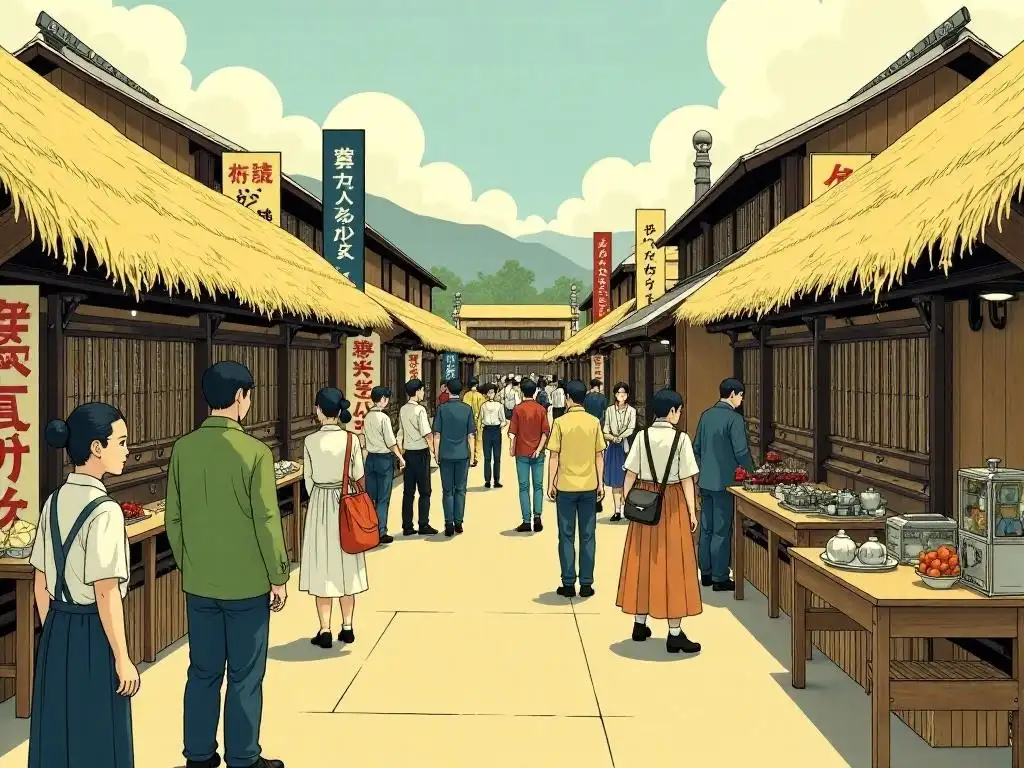
Welcome to Feudal Japan History, where we invite you to embark on a fascinating journey through the intricate tapestry of Japan’s feudal era. In our featured article, “ The Tokugawa Shogunate’s Approach to Technology and Innovation: A Double-Edged Sword,” we delve deep into how the Tokugawa Shogunate shaped the landscape of innovation and technology—an influence that would echo through the ages. What were the unintended consequences of their advances?
How did these innovations redefine society and politics? Curiosity awaits as you uncover the layers of history and its impact on modern Japan. Join us in exploring these compelling narratives that connect the past to the present.
Introduction to the Tokugawa Shogunate
The Tokugawa Shogunate, which ruled Japan from 1603 to 1868, represents a pivotal era in Japanese history that was marked by significant political stability and cultural development. During this period, the shogunate implemented a strict class system, enforced isolationist policies, and maintained a centralized feudal government, all of which laid the groundwork for Japan's unique approach to technology and innovation.
The balance between embracing technological advancements and preserving traditional values during this time can be viewed as a double-edged sword, shaping the trajectory of Japan's modernization. As we delve into the Tokugawa Shogunate's impact on technology, we will explore how this complex relationship influenced not only Japan's economy and military might but also its societal fabric.
Overview of the Tokugawa Era
The Tokugawa era, also known as the Edo period, heralded a time of peace and prosperity following the tumultuous Sengoku period. The Tokugawa shoguns, particularly Tokugawa Ieyasu, established a feudal system that prioritized order and governance. This stability enabled the flourishing of arts, culture, and commerce, leading to the rise of a vibrant urban culture in cities like Edo (modern-day Tokyo), Osaka, and Kyoto. However, beneath this facade of stability, the shogunate's strict controls on external influences and a reluctance to modernize created a tension that would later have significant implications for Japan's future.
Significance of Technology in Feudal Japan
In the context of feudal Japan, technology played a crucial role in shaping both the daily lives of citizens and the broader political landscape. Innovations in agriculture, such as improved rice cultivation techniques and irrigation systems, contributed to food security and population growth.
Additionally, advancements in weaponry and military technology were essential for maintaining power and control during the shogunate. However, the Tokugawa Shogunate's cautious approach to foreign technology also led to a paradox; while it prioritized self-sufficiency and traditional craftsmanship, it inadvertently stunted the potential for more rapid advancements that could have propelled Japan into an earlier phase of modernization.
The Role of Technology in the Tokugawa Shogunate
The Influence of Western Technology on Japan
The arrival of European traders and missionaries in the 16th century marked the beginning of a complex relationship between Japan and Western technology. While the Tokugawa Shogunate initially embraced certain Western innovations, such as firearms and shipbuilding techniques, it later adopted a policy of sakoku (closed country), limiting foreign influence. This ambivalence towards Western technology created a unique situation where Japan had access to some advancements but was also constrained by isolationist policies. The impact of this selective adoption paved the way for debates about modernization and the role of technology in Japanese society.
Domestic Innovations during the Tokugawa Period
Despite the shogunate's isolation, domestic innovations flourished within Japan. The period saw advancements in various fields, including agriculture, textile production, and infrastructure. Innovations such as the development of the water wheel for grain milling and the introduction of new rice strains significantly improved agricultural productivity.
Furthermore, the Tokugawa era witnessed the rise of skilled artisans and craftsmen who contributed to the development of unique Japanese technologies, including high-quality pottery and traditional textiles. These domestic innovations, while rooted in tradition, also hinted at the potential for broader technological advancements that could have been realized had the shogunate been more open to change.
As we continue to explore the Tokugawa Shogunate's approach to technology and innovation, we will examine the nuanced implications of these developments on Japan's historical trajectory and their lasting effects on modern society.
The Impact of Tokugawa Shogunate Technology on Society
The Tokugawa Shogunate, which ruled Japan from 1603 to 1868, witnessed significant technological advancements that transformed various facets of society. While the era is often characterized by its isolationist policies, the Shogunate's approach to technology was complex and multifaceted. These advancements had profound implications on agriculture, urbanization, craftsmanship, and trade, ultimately shaping the social fabric of Japan during this period.
Agricultural Advancements and Their Effects
Agriculture during the Tokugawa era underwent remarkable transformations due to the introduction of new techniques and tools. One notable advancement was the widespread adoption of improved rice cultivation methods, including the use of fertilizers and irrigation systems. These innovations led to increased productivity, which not only sustained the growing population but also supported the burgeoning urban centers.
The introduction of new crops, such as sweet potatoes and corn, diversified the agricultural landscape and contributed to food security. This agricultural surplus allowed for the rise of market towns and stimulated commerce, effectively laying the groundwork for a more complex economic structure. The improvements in agriculture also facilitated the rise of a merchant class, which shifted the traditional power dynamics and enabled greater social mobility.
Urban Development and Technological Improvements
As agricultural productivity increased, urban development flourished. Cities like Edo (modern-day Tokyo) transformed into vibrant urban centers, with populations swelling to over a million residents by the mid-18th century. The Tokugawa Shogunate invested in infrastructure, including roads and waterways, which enhanced transportation and communication.
Technological innovations, such as the development of fireproof buildings and better sanitation systems, improved living conditions in these urban areas. The introduction of printed materials and literacy programs also fostered an information-rich environment, allowing ideas and knowledge to circulate widely. This urbanization not only changed the physical landscape of Japan but also promoted cultural exchanges, giving rise to new art forms and entertainment.
Changes in Craftsmanship and Trade Practices
The Tokugawa period also experienced significant changes in craftsmanship and trade practices. The establishment of guilds and the promotion of specialized crafts led to enhanced quality and variety of goods. Artisans adopted new techniques and materials, which were influenced by both domestic and foreign sources, despite the Shogunate's restrictive foreign policies.
Trade practices evolved as well, with the rise of merchant networks that connected urban centers to rural producers. This increased commerce fostered competition and innovation, as merchants sought to improve their goods and services. The emergence of a consumer culture encouraged the development of markets and fairs, providing artisans and merchants platforms to showcase their products.
The Tokugawa Shogunate’s Innovation Policies
The Tokugawa Shogunate's approach to innovation was characterized by a delicate balance between control and encouragement. While the era is often viewed as conservative and isolationist, it also exhibited a pragmatic attitude towards technology and its implications for governance and society.
Centralized Control of Technology and Innovation
The Shogunate maintained strict control over technological advancements to ensure stability and prevent foreign influence. By centralizing the management of technology, the government could regulate its application in agriculture, industry, and military affairs. This control extended to the dissemination of knowledge, with the establishment of schools and institutions that promoted Confucian ideals alongside practical skills.
Despite these restrictions, certain innovations were encouraged, particularly those that could bolster agricultural output or enhance military capabilities. The Shogunate recognized the importance of technology in maintaining power and stability, leading to a paradox where innovation was both stifled and nurtured.
The Balance of Tradition and Modernization
The Tokugawa Shogunate faced the challenge of balancing tradition with the need for modernization. While there was a strong emphasis on preserving cultural heritage and social order, the Shogunate also understood that adaptation was essential for survival in a changing world. This duality manifested in various sectors, including agriculture, craftsmanship, and military organization.
For instance, while the Shogunate promoted traditional farming practices, it also embraced new agricultural techniques that improved efficiency. Similarly, in the realm of military technology, the adoption of firearms and Western training methods highlighted the Shogunate's willingness to adapt while maintaining core traditional values.
This ongoing negotiation between tradition and innovation ultimately shaped the trajectory of Japan, setting the stage for the significant transformations that would follow in the Meiji Restoration. The legacy of the Tokugawa Shogunate's approach to technology serves as a reminder of the complexities inherent in societal progress.
Challenges and Consequences of Technological Advancement

The Tokugawa Shogunate, ruling from 1603 to 1868, faced significant challenges and consequences as it navigated the waters of technological advancement. While the era was marked by relative peace and stability, the introduction of new technologies created a complex interplay of benefits and drawbacks. On one hand, innovations spurred economic growth and improved agricultural productivity, contributing to a more prosperous society. However, these advancements also exacerbated existing social divisions and led to a resistance among certain classes, particularly the samurai, who viewed these changes as a threat to their traditional status.
The shogunate's approach to technology was often cautious, with leaders recognizing that unchecked innovation could disrupt the delicate social order. This duality manifested in policies that both embraced and restricted technological adoption, creating a paradox where progress was both encouraged and stifled. The resulting landscape was one of economic transformation but also of social unrest, as disparities widened and traditional power structures were questioned.
Social Stratification and Economic Disparities
As technological advancements flourished during the Tokugawa period, they contributed to a widening gap between different social classes. The agricultural sector benefited from improved tools and techniques, leading to increased crop yields and surplus production. However, this prosperity was not evenly distributed. Wealth became concentrated among landowners and merchant classes, leaving the lower strata, including peasants and laborers, struggling with economic hardships.
The rise of a wealthy merchant class, empowered by new trade practices and technologies, challenged the traditional feudal hierarchy. This shift was met with apprehension from the samurai class, who saw their status diminish as the economic power shifted hands. The resulting tension between the classes fostered social unrest and discontent, as many began to question the established order and the samurai's role within it.
Resistance to Change: The Samurai Class and Technology
The samurai class, traditionally viewed as the guardians of Japanese culture and values, exhibited a notable resistance to the technological changes that characterized the Tokugawa era. This resistance stemmed from a combination of cultural pride and fear of losing their status. As firearms and other military technologies emerged, many samurai felt that their traditional skills in swordsmanship and horseback riding were being undermined.
Moreover, the adoption of new weapons was seen as a potential threat to the samurai's influence. The shogunate's efforts to maintain control over these innovations led to a complex relationship between the ruling class and technological progress. While some samurai embraced new technologies for military advantage, others clung to tradition, leading to internal conflicts within the class itself. This resistance ultimately reflected a broader societal struggle between the desire for progress and the need to preserve cultural identity.
Environmental Impact of Technological Changes
Technological advancements during the Tokugawa Shogunate also had significant environmental implications. As agricultural practices improved, the demand for land increased, leading to extensive deforestation and land degradation. The introduction of new farming techniques and tools allowed for the cultivation of previously unusable land, but at a cost to the ecosystem.
The environmental changes were not solely negative; some innovations, such as improved irrigation techniques, increased agricultural efficiency and supported larger populations. However, the overall impact of rapid technological growth often resulted in ecological imbalances, which would have lasting effects on Japan's natural landscapes. The challenge of balancing progress with environmental stewardship became a pressing issue that resonated throughout the Tokugawa era and beyond.
Case Studies of Notable Innovations
The Tokugawa Shogunate's era was marked by several notable innovations that transformed various aspects of Japanese society. These case studies illustrate the multifaceted impact of technology during this period, showcasing both the advantages and the controversies surrounding these advancements.
The Introduction of Firearms and Its Implications
The introduction of firearms in the late 16th century profoundly altered the landscape of warfare and military strategy in Japan. Initially brought by Portuguese traders, firearms quickly gained popularity among samurai and warlords, leading to significant changes in combat techniques. The Tokugawa Shogunate recognized the potential of firearms to centralize power, leading to their strategic adoption in battles.
However, the proliferation of firearms also contributed to a shift in the balance of power. Traditional battles that relied on close combat tactics began to change, raising concerns among samurai about the erosion of their martial skills. The shogunate's regulation of firearms usage underscored the tension between embracing military innovation and maintaining traditional combat values.
Maritime Technology: Shipbuilding and Navigation
Maritime technology saw significant advancements during the Tokugawa period, with improvements in shipbuilding and navigation techniques facilitating trade and cultural exchange. The development of larger and more seaworthy vessels allowed for increased interaction with foreign nations, despite the shogunate's isolationist policies.
This maritime innovation not only enhanced domestic trade but also played a crucial role in the movement of goods and ideas across Japan. As coastal communities embraced these advancements, they fostered economic growth and cultural exchanges that would shape the future of Japanese society.
The Role of Printing Technology in Society
Printing technology emerged as a transformative force during the Tokugawa era, revolutionizing the dissemination of information and literature. The advent of woodblock printing enabled the mass production of texts, making literature, maps, and educational materials more accessible to a broader audience. This democratization of knowledge had profound implications for literacy rates and cultural development.
Moreover, the printing press played a critical role in shaping public opinion and fostering a sense of national identity. The spread of books and printed materials contributed to a burgeoning culture of literacy and intellectual exchange, further challenging the established social hierarchies of the time. The impact of printing technology on society exemplifies how innovation can catalyze significant cultural shifts.
Conclusion: The Double-Edged Sword of Technology in the Tokugawa Shogunate
The Tokugawa Shogunate, which ruled Japan from 1603 to 1868, presents a fascinating case of how technology and innovation can have dual effects on a society. On one hand, the shogunate's cautious approach to foreign influence and technological advancement allowed for a period of stability and cultural flourishing.
The innovations in agriculture, textile production, and the development of infrastructure contributed to economic growth and the enhancement of urban life. The introduction of Western knowledge, particularly in the fields of medicine and military technology, also played a crucial role in shaping Japan’s defense capabilities during a time of increasing foreign pressure.
On the other hand, this same cautiousness can be viewed as a double-edged sword. By limiting the scope of technological adoption and foreign interaction, the Tokugawa Shogunate inadvertently stifled potential advancements that could have propelled Japan into a more modern state earlier in its history.
The rigid social structure and isolationist policies created barriers to innovation, leading to a reliance on outdated practices that would later hinder Japan's ability to compete on the global stage. The eventual opening of Japan during the Meiji Restoration revealed significant gaps in technological prowess that had developed during the Tokugawa era, emphasizing how a balanced approach to technology is essential for sustained progress.
Summary of Key Impacts of Tokugawa Shogunate Technology
- Agricultural Innovations: The Tokugawa period saw the introduction of new farming techniques and rice strains, which increased crop yields and supported population growth. Innovations like the use of fertilizer and irrigation systems improved food security.
- Urban Development: Cities such as Edo (modern-day Tokyo) flourished with improved infrastructure, including roads and waterways. This urbanization facilitated trade and cultural exchange, giving rise to a vibrant merchant class.
- Textile and Craft Production: Advances in textile production, including the introduction of new dyes and weaving techniques, spurred the growth of the kimono industry and other crafts, which became significant aspects of Japanese culture.
- Limited Military Modernization: While the shogunate adopted some Western military technologies, it often did so in a limited way. This approach delayed the modernization of the Japanese military, which would become crucial in the face of Western imperialism.
- Cultural Exchange: The introduction of Western knowledge in medicine and science during the late Tokugawa period laid the groundwork for future advancements. However, the overall isolationist policies limited broader cultural interactions that could have enriched Japanese society.
Reflection on the Long-term Effects on Japanese Society
The long-term effects of the Tokugawa Shogunate’s approach to technology are complex and multifaceted. While the shogunate's policies fostered a stable environment that allowed for cultural and economic development, they also set the stage for significant challenges in the face of modernization. The isolationist stance created a cultural identity that was rich and unique, but it also built walls that hindered Japan's adaptability to global changes.
As Japan transitioned from the Tokugawa Shogunate to the Meiji Restoration, the repercussions of these technological decisions became evident. The sudden influx of Western technology and ideas posed both opportunities and challenges. Japan had to rapidly adapt to modernize its military, economy, and societal structures, leading to a tumultuous yet transformative period of change.
Ultimately, the Tokugawa Shogunate's legacy in terms of technology is a testament to the importance of balancing innovation with cultural preservation. The era serves as a reminder that while technology can drive progress, it can also necessitate profound societal shifts that require careful navigation to ensure a cohesive and resilient society. As Japan moved forward, the lessons learned during the Tokugawa period would shape its approach to modernization, ultimately leading to the emergence of Japan as a major player on the world stage.
- Introduction to the Tokugawa Shogunate
- The Role of Technology in the Tokugawa Shogunate
- The Impact of Tokugawa Shogunate Technology on Society
- The Tokugawa Shogunate’s Innovation Policies
- Challenges and Consequences of Technological Advancement
- Case Studies of Notable Innovations
- Conclusion: The Double-Edged Sword of Technology in the Tokugawa Shogunate
Frequently Asked Questions
What was the Tokugawa Shogunate?
The Tokugawa Shogunate was a feudal regime in Japan that lasted from 1603 to 1868, characterized by a strict class structure and centralized governance.
How did the Tokugawa Shogunate impact technology?
The Tokugawa Shogunate had a mixed impact on technology; while it fostered certain innovations, it also imposed restrictions that limited the spread of new ideas and practices.
What innovations occurred during the Tokugawa era?
During this period, Japan saw advancements in agriculture, manufacturing, and transportation, including the development of new farming techniques and the expansion of road networks.
How did the shogunate's policies affect cultural exchange?
The shogunate's policies created a closed society that limited foreign influence, yet it also encouraged domestic cultural exchange and the development of unique Japanese arts and crafts.
What were the long-term effects of Tokugawa technology on Japan?
The technology and innovations from the Tokugawa Shogunate laid the groundwork for Japan’s rapid modernization during the Meiji Restoration, significantly influencing its industrial growth.
Final Reflection: The Lasting Impact of Tokugawa Shogunate Technology
The Tokugawa Shogunate's approach to technology and innovation remains profoundly relevant today, as it illustrates the delicate balance between progress and preservation. In an era where rapid technological advancements can disrupt societal norms and values, the lessons learned from the Tokugawa period serve as a reminder that innovation must be thoughtfully integrated into the fabric of culture and tradition. The Shogunate's duality in embracing technology while simultaneously enforcing isolationism is a striking example of how societies can grapple with the implications of change.
Culturally, the Tokugawa Shogunate's technology impact continues to resonate, shaping Japan's identity and its relationship with the world. The careful navigation of innovation during this period not only influenced Japan's internal dynamics but also set the stage for its eventual modernization. As historian John W. Hall noted, The Tokugawa period was a time of remarkable stability, yet it was also a crucible for the forces of change that would later transform Japan.
This observation underscores the ongoing significance of the Shogunate's technological policies, which still inform discussions about how societies can adapt to and integrate new advancements without losing their core values.
As we reflect on the lessons from the Tokugawa Shogunate, let us consider how we can apply these insights in our own lives and communities. How can we embrace innovation while honoring our traditions? This question invites us to engage thoughtfully with the technologies of our time, ensuring that we foster progress that enriches rather than diminishes our cultural heritage.
I encourage you to take a moment to reflect on your relationship with technology: Are you using it to enhance your life and the lives of those around you, or is it leading you away from what truly matters? The future is in our hands, and by learning from the past, we can navigate the complexities of innovation with wisdom and intention.
Unveil the Power of Innovation in Feudal Japan!
Thank you for taking the time to explore the fascinating insights into the Tokugawa Shogunate's approach to technology and innovation. You’ve gained a unique perspective on how progress can transform society and present various challenges. Now, it’s time to put that knowledge into action!
- Dive deeper: Discover more about Japan’s technological advancements during the Tokugawa era by visiting our extensive collection of resources and articles on innovative practices.
- Join the conversation: Share your thoughts on social media or in our community forums about how historical innovations continue to influence modern technology!
- Uncover surprises: Investigate a lesser-known invention from the Tokugawa period and share it with friends to ignite intriguing discussions about history.
What do you believe is the most significant lesson we can learn from the Tokugawa Shogunate's relationship with technology in today's context?