
The Epic Battles of the Genpei War: Key Conflicts and Their Outcomes

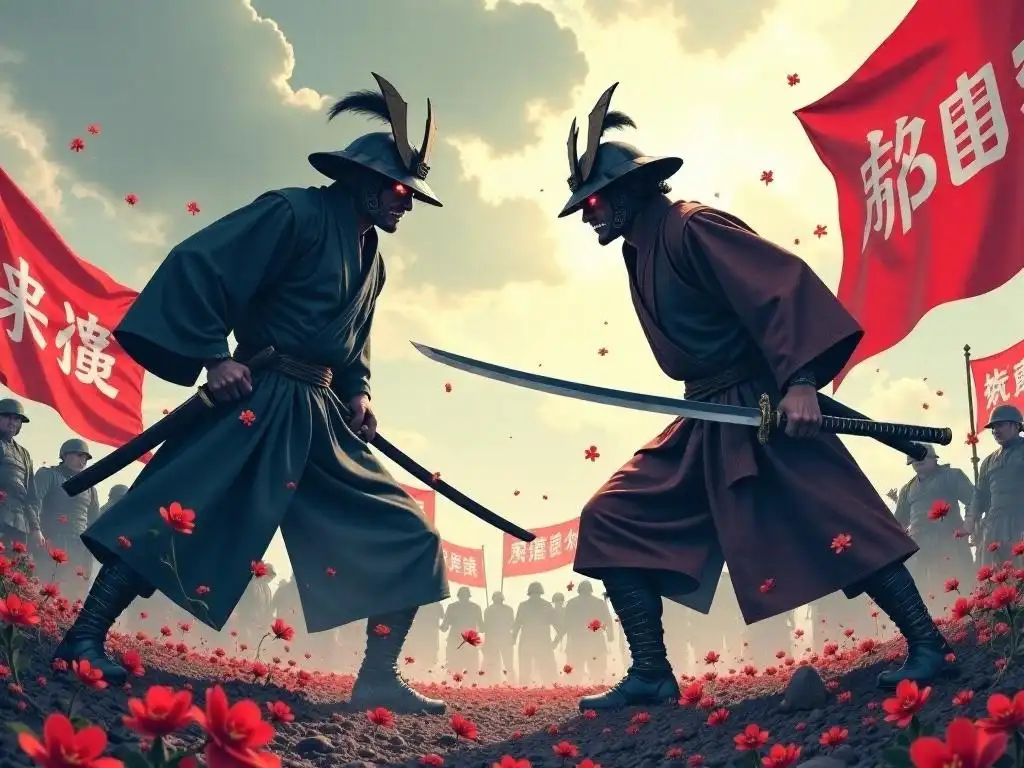
Welcome to Feudal Japan History, where we embark on an intriguing journey through the shadows of Japan’s feudal era. Here, we delve into the rich tapestry of historical, cultural, and societal intricacies that shaped a nation. Today, we invite you to explore the epic battles of the Genpei War—a pivotal conflict that not only defined the fate of the samurai but also transformed the course of Japanese history.
What key conflicts ignited this legendary war, and what were their far-reaching outcomes? Join us as we unravel these compelling narratives and deepen your understanding of this fascinating period. Your adventure into the heart of political history begins now!
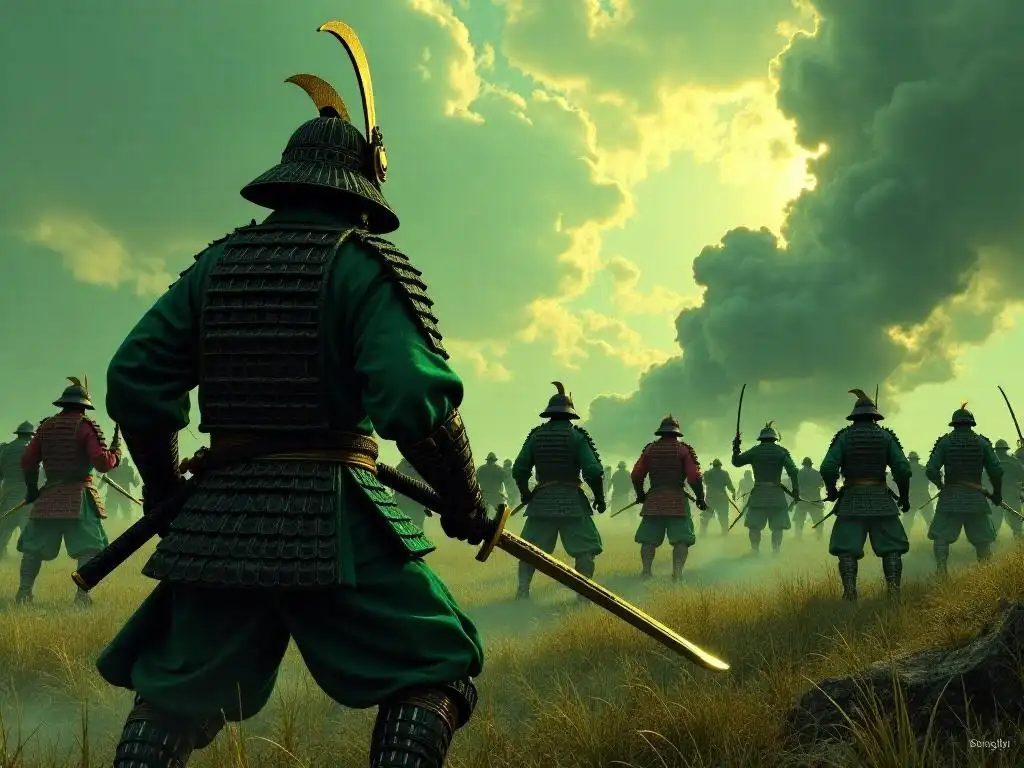
Introduction to the Genpei War
The Genpei War (1180-1185) stands as a pivotal conflict in Japanese history, marking the transition from the Heian period to the Kamakura period. This fierce struggle between the Taira and Minamoto clans not only reshaped the political landscape of Japan but also laid the groundwork for the samurai class's rise to power.
The battles fought during this era were characterized by intense rivalry, strategic prowess, and the deep-seated cultural values of honor and loyalty that defined feudal Japan. This article delves into a comprehensive overview of the Genpei War battles, exploring their significance, key conflicts, and the outcomes that ultimately determined the fate of the nation.
Overview of the Genpei War
The Genpei War was ignited by a complex web of political intrigue and familial disputes, which had been simmering for decades. The conflict intensified when the powerful Taira clan, who held significant influence over the imperial court, clashed with the Minamoto clan, known for their military skills and ambitions. The war was marked by a series of notable battles, shifting allegiances, and the emergence of legendary figures, such as Minamoto no Yoritomo and Taira no Kiyomori. The culmination of these events not only led to the downfall of the Taira but also established the first shogunate government in Japan.
Significance of the Genpei War in Japanese History
The Genpei War is crucial for understanding the socio-political evolution of Japan. Its outcomes heralded the rise of the samurai as the dominant military class and initiated a shift in power from the imperial court to regional warlords. This transformation set the stage for centuries of military governance and influenced Japan's feudal structure. Furthermore, the war's legacy is reflected in the cultural narratives of Japan, inspiring countless works of literature, theater, and art that continue to resonate with contemporary society.
Main Factions Involved in the Genpei War
The primary factions in the Genpei War were the Taira and Minamoto clans, each with its unique characteristics and motivations:
- Taira Clan:
- Led by Taira no Kiyomori, the Taira were wealthy and politically influential, controlling significant resources and alliances within the imperial court.
- Their strength was rooted in their naval capabilities, allowing them to exert control over crucial waterways.
- Minamoto Clan:
- Under the leadership of Minamoto no Yoritomo, the Minamoto clan emerged as the principal opposition to the Taira, rallying support from discontented samurai and local lords.
- The Minamoto were known for their tactical prowess and adaptability on the battlefield.
Key Battles of the Genpei War
The Genpei War featured several key battles that were instrumental in determining the conflict's outcome. Each battle showcased the strategies, valor, and desperation of both clans as they fought for supremacy.
Overview of Major Battles in the Genpei War
The major battles of the Genpei War were not just military confrontations; they were also defining moments that reflected the broader themes of loyalty, honor, and the quest for power. The outcomes of these battles shaped the political landscape of Japan and contributed to the eventual establishment of the Kamakura shogunate.
The Battle of Dan-no-ura
The Battle of Dan-no-ura, fought in 1185, is often regarded as the climactic confrontation of the Genpei War. This naval battle saw the Minamoto forces, led by Yoritomo's brother, Minamoto no Yoshitsune, engage the Taira fleet in the straits of Shimonoseki. The Taira's defeat here marked the end of their dominance and solidified the Minamoto clan's supremacy in Japan.
The Battle of Ichi-no-Tani
The Battle of Ichi-no-Tani, occurring in 1184, was a significant land engagement where Yoshitsune's forces executed a surprise attack on the Taira stronghold. This battle demonstrated the Minamoto's tactical ingenuity and the effectiveness of their stratagems, further weakening the Taira's position in the war.
The Battle of Yashima
Fought shortly after Ichi-no-Tani, the Battle of Yashima showcased the fierce naval confrontations between the two clans. The Minamoto's victory in this battle not only disrupted the Taira's supply lines but also intensified the pressure on their remaining forces, ultimately leading to their downfall.
The Battle of Kurikara
The Battle of Kurikara was another critical engagement that exemplified the Minamoto's strategic advantage. Here, the Minamoto forces leveraged terrain and timing to outmaneuver the Taira, contributing to the series of defeats that would culminate in the Taira's eventual defeat in the war.
Through a detailed exploration of these battles, we can better understand the complex dynamics of the Genpei War and its lasting impact on Japanese history.
Analysis of the Outcomes of Genpei War Battles
The Genpei War, fought between the Taira and Minamoto clans from 1180 to 1185, was a significant conflict that not only determined the power dynamics of feudal Japan but also shaped the very fabric of Japanese society. The outcomes of key battles, such as the Battle of Dan-no-ura and the Battle of Ichinotani, were pivotal in establishing the Minamoto clan's dominance. Each battle had distinct ramifications that influenced subsequent military strategies, political alliances, and societal structures.
Key Outcomes:
- Taira Defeat: The Minamoto clan's victories led to the decline of the Taira clan, effectively ending their control over the imperial court.
- Rise of the Shogunate: The culmination of the war paved the way for the establishment of the Kamakura Shogunate in 1185, marking the beginning of military governance in Japan.
- Cultural Shifts: The battles contributed to a warrior ethos that permeated Japanese culture, emphasizing loyalty, honor, and martial prowess.
In analyzing these outcomes, it is evident that the battles of the Genpei War were not mere skirmishes; they were decisive moments that redefined Japan’s political landscape.
How the Battles Shaped the Course of the Genpei War
The course of the Genpei War was significantly shaped by several key battles, each influencing the strategies and morale of both clans. The Battle of Uji in 1180 marked the inception of the conflict, setting the stage for subsequent engagements. The fierce resistance from the Taira clan showcased their military capabilities and delayed the Minamoto advance.
Turning Points:
- Battle of Ichinotani (1184): A critical turning point where Minamoto forces executed a surprise attack, showcasing their tactical superiority and leading to the significant weakening of Taira forces.
- Battle of Dan-no-ura (1185): The final confrontation that led to the decisive defeat of the Taira clan, culminating in the death of Taira no Tomomori and solidifying Minamoto no Yoritomo’s power.
These battles not only determined the victor but also influenced the political alliances and feudal relationships that would follow, fundamentally altering the trajectory of Japanese history.
The Role of Leadership in Battle Outcomes
Leadership played a crucial role in the outcomes of the Genpei War battles. The effectiveness and charisma of leaders such as Minamoto no Yoritomo and Taira no Kiyomori were instrumental in rallying troops and executing strategies.
Key Leadership Traits:
- Strategic Acumen: Yoritomo’s strategic foresight allowed him to capitalize on the Taira’s vulnerabilities, particularly during the Battle of Ichinotani.
- Charisma and Morale: Taira no Kiyomori’s ability to inspire loyalty among his troops initially provided the Taira clan with strength, but as their fortunes waned, so did their morale.
- Adaptability: The ability of leaders to adapt to changing battlefield conditions was crucial; for example, Yoritomo’s decision to form alliances with other clans bolstered his forces.
The contrasting leadership styles and decisions significantly influenced the flow and outcomes of battles, ultimately determining the fate of both clans during the Genpei War.
Conclusion
The Genpei War battles were not just military engagements; they were transformative events that shaped the future of Japan. The analysis of their outcomes reveals a complex interplay of strategy, leadership, and socio-political dynamics that defined an era.
Summary of Key Conflicts in the Genpei War
The Genpei War consisted of several notable conflicts that highlighted the rivalry between the Taira and Minamoto clans. Key battles included:
- Battle of Uji (1180): Initiated the war, showcasing early Taira strength.
- Battle of Ichinotani (1184): A critical Minamoto victory that shifted momentum.
- Battle of Dan-no-ura (1185): The climactic battle that led to Taira’s ultimate defeat.
These battles not only exemplified military tactics but also reflected the evolving nature of warfare in feudal Japan.
The Legacy of the Genpei War Battles in Japanese History
The legacy of the Genpei War battles extends far beyond their immediate outcomes. They are often regarded as seminal events that laid the groundwork for the samurai class's rise to prominence in Japan.
Cultural and Historical Impact:
- Samurai Ethos: The valor and honor displayed in these battles became foundational to the samurai code of conduct, influencing future generations.
- Political Structures: The establishment of the Kamakura Shogunate marked the beginning of a new governance model that prioritized military power over imperial authority.
The battles of the Genpei War are remembered not just for their historical significance but for their lasting influence on Japanese culture and identity.
Reflection on the Historical Importance of the Genpei War Battles Overview
Reflecting on the historical importance of the Genpei War battles reveals their critical role in shaping Japanese history. They serve as a reminder of the turbulent nature of feudal Japan and the complexities of power struggles. The outcomes of these battles not only defined the immediate political landscape but also set the stage for centuries of samurai culture and military governance.
The Genpei War battles provide a comprehensive overview of the interplay between warfare, leadership, and societal change in Japan's feudal history, highlighting their enduring significance in the historical narrative of Japan.
- Introduction to the Genpei War
- Key Battles of the Genpei War
- Analysis of the Outcomes of Genpei War Battles
- Conclusion
Frequently Asked Questions
What was the Genpei War?
The Genpei War (1180–1185) was a civil conflict between the Taira and Minamoto clans in Japan, marking a significant turning point in the country's history that ultimately led to the establishment of the shogunate system.
What were some key battles of the Genpei War?
The war featured several epic battles, including the Battle of Dan-no-ura, which was pivotal in determining the outcome of the conflict, leading to the defeat of the Taira clan and the rise of the Minamoto.
How did the Genpei War impact Japanese society?
The outcomes of the Genpei War significantly influenced Japanese societal structures, leading to the feudal system, where power was concentrated in the hands of warrior families and established a precedent for future conflicts.
What role did culture play during the Genpei War?
During the Genpei War, cultural aspects such as literature, art, and religion were intertwined with warfare, as stories of heroism and loyalty became central themes in Japanese folklore and Noh theater.
Why is the Genpei War considered a pivotal moment in Japanese history?
The Genpei War is seen as a pivotal moment because it not only ended the Heian period but also led to the rise of the Kamura shogunate, fundamentally reshaping Japan's political landscape and paving the way for future military governance.
Final Reflection: The Enduring Legacy of the Genpei War
The Genpei War, a pivotal conflict in Japanese history, continues to resonate today as we explore the themes of power, loyalty, and the consequences of war. The battles fought during this tumultuous period not only shaped the political landscape of Japan but also laid the groundwork for cultural narratives that endure in literature and art. As we reflect on these epic confrontations, we recognize their relevance in understanding the complexities of human ambition and conflict in our modern world.
The Genpei War has profoundly influenced Japan's cultural and social fabric, echoing through centuries of storytelling and artistic expression. The tales of valor, betrayal, and the rise and fall of clans serve as a reminder of the fragility of power and the human condition. History is not a burden on the memory but an illumination of the soul.
This quote encapsulates how the lessons learned from the Genpei War can guide us in navigating our contemporary challenges, reminding us of the importance of understanding our past to inform our future.
As you ponder the lessons of the Genpei War, I invite you to reflect on the conflicts in your own life and the broader world around you. Consider how the themes of loyalty, ambition, and the quest for power manifest in your experiences. Let the stories of the past inspire you to seek resolution and understanding in your own battles, fostering a future where the legacies of conflict are transformed into opportunities for growth and unity.
Dive Deeper into the Genpei War!
Thank you for exploring the epic saga of the Genpei War with us! We hope you’ve uncovered the fascinating details behind these monumental battles and their profound impact on Japanese history. Now it’s time to take what you’ve learned and embark on your own journey through this captivating era.
Here’s how you can continue your exploration:
- Join a discussion in our community forum to share your thoughts about the battles that intrigue you most and learn from fellow history enthusiasts.
- Read further by diving into our detailed articles on key figures and tactical evolutions from the Genpei War—expand your knowledge and understanding of this pivotal conflict!
- Host a movie night featuring films centered around the Genpei War; it’s a fun way to engage friends and spark new conversations about history!
What aspect of the Genpei War do you find most compelling, and how has it influenced your perspective on historical conflicts? We encourage you to share your thoughts with us!