
The Decline of Central Authority: How the Kamakura Shogunate Lost Control

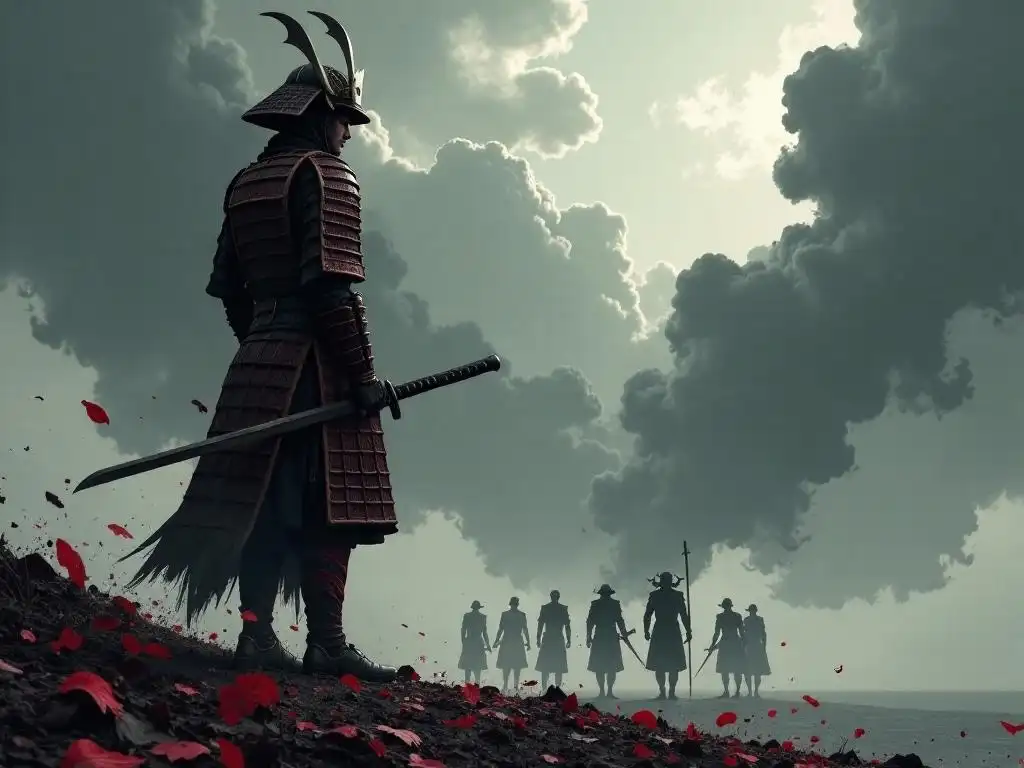
Welcome to Feudal Japan History, where we embark on a captivating journey through the intricate tapestry of Japan's feudal era. Dive deep into the fascinating narrative of the Kamakura Shogunate's decline, a pivotal moment that reshaped the political landscape of the time. What forces conspired to unravel the central authority of this once-mighty regime? Join us as we uncover the layers of historical intrigue, cultural shifts, and societal transformations that led to this dramatic turning point. Prepare to be enlightened and inspired as you explore the rich and complex history that defines Japan's past.
Introduction to the Kamakura Shogunate Decline History
The Kamakura Shogunate, established in 1192, marked a pivotal transition in Japan's political landscape, representing the shift from imperial authority to military governance. However, as the years progressed, this shogunate faced significant challenges that led to its decline and eventual loss of central authority.
Understanding the Kamakura Shogunate decline history is crucial for comprehending the broader implications it had on Japanese governance and society during the feudal era. This article aims to explore the factors contributing to this decline, examining the intricate interplay of political strife, social shifts, and external pressures that culminated in the erosion of the shogunate's power.
Overview of the Kamakura Period
The Kamakura Period (1185-1333) was characterized by the emergence of the samurai class as the dominant political force in Japan. The period not only heralded the establishment of the Kamakura Shogunate but also witnessed significant developments in culture, religion, and social structure. The feudal system took root, where land was exchanged for loyalty and military service, creating a new societal hierarchy that emphasized the power of the shogunate over the emperor.
During this time, Japan faced various internal and external challenges, including the Mongol invasions, which tested the shogunate's military capabilities and unity. As the shogunate struggled to maintain control over its vassals and respond to these threats, cracks began to appear in its authority, setting the stage for its eventual decline.
Understanding the decline of central authority within the Kamakura Shogunate is essential for several reasons:
- Historical Insight: It provides valuable insights into the dynamics of power and governance in feudal Japan, highlighting how authority can be challenged and eroded over time.
- Cultural Significance: The decline influenced various cultural shifts, including the rise of new religious movements and philosophies that shaped Japan's identity in subsequent periods.
- Political Legacy: The lessons learned from the Kamakura Shogunate's decline inform modern political structures, illustrating the consequences of weakened governance and the importance of maintaining loyalty among vassals.
The Rise of the Kamakura Shogunate
Establishment of the Shogunate
The Kamakura Shogunate was established after the Genpei War, which saw the Minamoto clan triumph over the Taira clan. In 1192, Minamoto no Yoritomo was appointed as the shogun, marking the beginning of military rule in Japan. This new form of governance allowed the samurai to exercise power and control over land and resources, fundamentally altering the political landscape.
Key Figures in the Kamakura Shogunate’s Formation
Several key figures played instrumental roles in the formation of the Kamakura Shogunate:
- Minamoto no Yoritomo: The founding shogun whose leadership and political acumen laid the groundwork for the shogunate.
- Hojo Clan: Initially serving as regents, the Hojo clan became powerful stewards of the shogunate, wielding considerable influence over its operations.
- Kamakura's Samurai Class: The loyalty and military prowess of the samurai were vital in establishing and maintaining the shogunate's power.
Initial Strengths and Achievements
At its inception, the Kamakura Shogunate enjoyed several strengths and achievements that solidified its authority:
- Military Organization: The shogunate established a robust military structure, allowing for effective defense against external threats, such as the Mongol invasions in 1274 and 1281.
- Land Management: The shogunate implemented a feudal system that organized land distribution and loyalty among the samurai, enhancing economic stability.
- Cultural Flourishing: The period saw the growth of unique cultural expressions, including the development of Zen Buddhism and the flourishing of the arts, which contributed to a distinct Japanese identity.
The initial successes of the Kamakura Shogunate set a solid foundation, but the seeds of decline were sown as internal strife and external pressures began to mount, leading to the eventual loss of control by the shogunate.
Factors Leading to the Decline of the Kamakura Shogunate
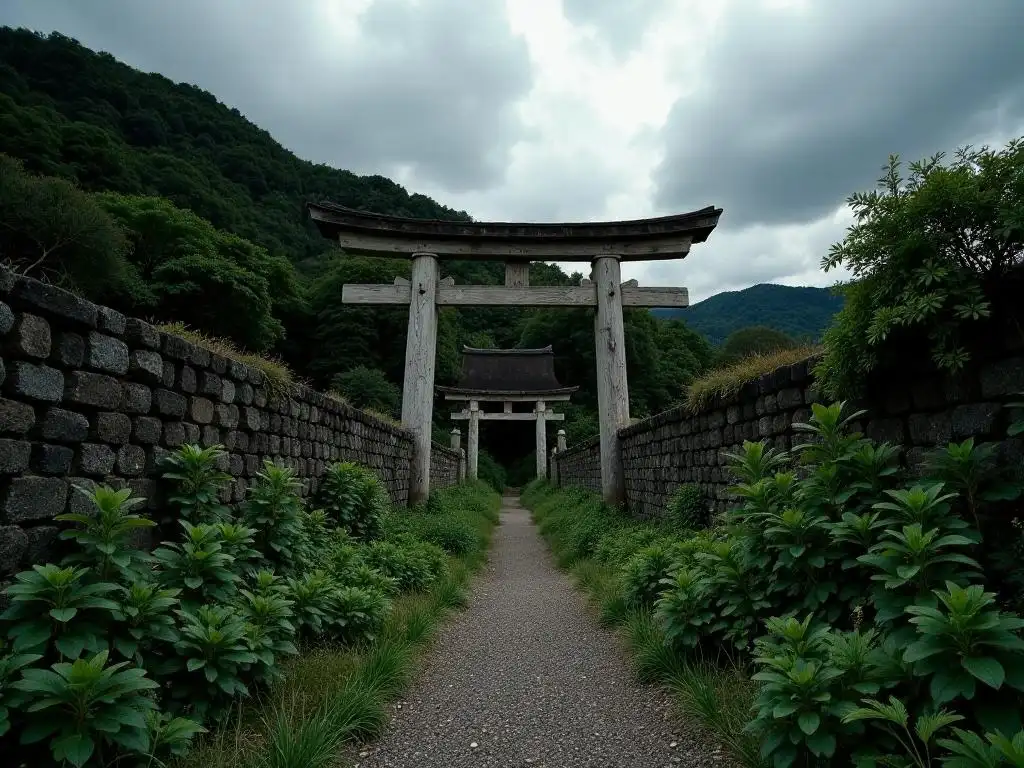
The decline of the Kamakura Shogunate was a multifaceted process influenced by various internal and external factors. Understanding these elements is crucial for grasping how the once-powerful shogunate lost its grip on power and authority during the late 13th and early 14th centuries. Each factor contributed uniquely to the weakening of central governance, ultimately leading to the shogunate's downfall.
Internal Conflicts and Power Struggles
One of the most significant contributors to the decline of the Kamakura Shogunate was the internal conflicts and power struggles that arose among the ruling elite. The shogunate was established as a military government, relying on the loyalty of the samurai class. However, as time progressed, tensions emerged between the shogunate's leaders and the powerful regional samurai, known as the daimyo.
These conflicts often manifested in disputes over land, power, and resources. The lack of a clear succession plan following the death of prominent shoguns created a vacuum of authority, leading to power struggles between factions within the shogunate. Notably, the rivalry between the Hōjō clan, who acted as regents for the shogunate, and other powerful families intensified, causing fractures within the central authority and undermining the shogunate's ability to maintain control over its vassals.
Economic Challenges
Economic challenges also played a pivotal role in the decline of the Kamakura Shogunate. The shogunate relied heavily on the revenues generated from land taxes to fund its military and administrative functions. However, several factors contributed to economic instability during this period.
Natural disasters, such as famines and earthquakes, devastated agricultural production, leading to food shortages and financial strain. Additionally, the rising costs of warfare, particularly during the Mongol invasions, further strained the shogunate's resources. As the financial burden increased, the shogunate struggled to pay its samurai and maintain loyalty among the warrior class. This economic deterioration, coupled with rising dissatisfaction among the populace, weakened the shogunate's authority and its ability to govern effectively.
Social Unrest and Peasant Revolts
The increasing social unrest among the lower classes, particularly peasants, significantly contributed to the decline of the Kamakura Shogunate. As economic challenges mounted, many peasants found themselves heavily taxed and burdened with debts they could not repay. This led to widespread discontent and frustration among the rural population.
In response to their dire circumstances, peasants began to organize revolts against local landlords and the shogunate's oppressive policies. Notable uprisings, such as the Jōkyū Uprising of 1221, demonstrated the growing frustration of the people and their willingness to challenge the existing order. These revolts not only disrupted local economies but also reflected the shogunate's inability to maintain peace and stability, further eroding its legitimacy and control.
The Role of External Pressures in the Decline
While internal factors played a significant role in the decline of the Kamakura Shogunate, external pressures also contributed to its downfall. These pressures not only challenged the shogunate’s military capabilities but also exacerbated existing social and economic tensions.
Mongol Invasions and Their Impact
The Mongol invasions of Japan in the late 13th century represented one of the most significant external threats faced by the Kamakura Shogunate. In 1274 and again in 1281, the Mongol Empire attempted to invade Japan, leading to fierce battles that tested the shogunate's military strength and resources.
Although the invasions ultimately failed, largely due to typhoons known as "kamikaze" or divine winds, the repeated military engagements placed enormous strain on the shogunate's finances and manpower. The need to mobilize warriors and resources for defense further strained the already weakened economic conditions. Additionally, the invasions highlighted the shogunate's vulnerabilities and diminished its perceived invincibility, leading to a loss of confidence among the samurai and the populace.
Influence of Regional Daimyo
The increasing power of regional daimyo also played a crucial role in the decline of the Kamakura Shogunate. As local leaders gained wealth and resources, they began to challenge the authority of the central government. The daimyo often acted independently, forming alliances and engaging in conflicts without the shogunate's approval.
This shift in power dynamics undermined the shogunate’s control over Japan. The regional daimyo began to establish their own military forces and governance structures, reducing their dependence on the central authority. The fragmentation of power among these regional leaders not only weakened the shogunate but also paved the way for the eventual rise of the sengoku period, characterized by widespread warfare and the struggle for power among competing daimyos.
The decline of the Kamakura Shogunate was driven by a confluence of internal conflicts, economic challenges, social unrest, and external pressures. Each of these factors played a significant role in undermining the shogunate's authority, ultimately leading to its dissolution and the transition into a new era of Japanese history.
Case Study: Key Events Signaling the Decline
The decline of the Kamakura Shogunate can be traced through several pivotal events that marked a significant shift in power dynamics and governance. Each of these events played a crucial role in diminishing the authority of the Shogunate and highlighting the growing discontent among the samurai class and local lords. Understanding these key events provides a clearer picture of how the Kamakura Shogunate began to lose its grip on power.
The Genpei War and Its Aftermath
The Genpei War (1180-1185) was a critical conflict between the Taira and Minamoto clans, resulting in the eventual establishment of the Kamakura Shogunate. While the Minamoto's victory laid the foundation for the Shogunate's power, the war also sowed the seeds of decline. The aftermath of this intense conflict saw the emergence of a warrior class heavily influenced by their wartime experiences.
The victory of the Minamoto instigated a new hierarchy, but it also led to the decentralization of power as local lords gained autonomy in the absence of a strong central authority. The Shogunate struggled to manage the diverse interests of these newly empowered samurai, creating factions that would challenge the Shogunate's authority in the years to come. Additionally, the massive loss of life and resources during the war strained the economy, leading to unrest and dissatisfaction among the populace.
The Jokyu Incident: A Turning Point
The Jokyu Incident of 1221 marked a significant turning point in the Kamakura Shogunate's history. This conflict arose from a power struggle between the court in Kyoto and the Shogunate, leading to an attempted coup by the imperial forces against the Shogunate's control. Despite initial successes, the imperial forces were ultimately defeated, but the incident exposed the fragility of the Shogunate's power.
In the aftermath, the Jokyu Incident resulted in a severe crackdown on the imperial court and a consolidation of military power within the Shogunate. However, this also alienated many nobility and samurai who felt their interests were sidelined. The central authority's inability to effectively govern or address the grievances of its subjects led to increasing resentment and growing factions within the samurai class, further eroding the Shogunate's control.
The Consequences of Failed Leadership
As the years progressed, the Kamakura Shogunate faced a series of leadership crises that severely undermined its authority. Poor governance, corruption, and internal conflict characterized the era, contributing to a loss of confidence among the samurai and the lower classes. The Shogunate's leaders struggled to maintain loyalty from their vassals, and the lack of effective leadership resulted in a decline in military effectiveness and social cohesion.
Additionally, the failure to address the economic challenges faced by the populace, including famine and taxation issues, fueled widespread discontent. The perception of weak leadership also emboldened local lords to assert their autonomy, leading to a fragmented political landscape. This deterioration in leadership not only weakened the Shogunate's grip on power but also set a precedent for future governance structures in Japan.
The Shift in Power Dynamics
The decline of the Kamakura Shogunate was characterized by a fundamental shift in power dynamics that transitioned Japan from a centralized feudal system to a more decentralized form of governance. This shift was instrumental in establishing the political landscape that would follow the Kamakura period.
Transition from Centralized to Decentralized Governance
As the Kamakura Shogunate lost control, local samurai and landowners began to assert greater authority over their territories. The traditional feudal structure, which had relied on a centralized Shogunate, began to disintegrate, giving rise to a more decentralized form of governance. This transition was marked by the rise of regional power brokers who could operate independently from the Shogunate.
The decline of central authority facilitated the emergence of various factions, each vying for power and influence in their respective areas. These local leaders often had the loyalty of their own samurai, further diminishing the Shogunate's ability to maintain order and enforce policies. The shifting power dynamics created an environment ripe for conflict and competition among the samurai class.
Emergence of the Ashikaga Shogunate
The disintegration of the Kamakura Shogunate ultimately paved the way for the rise of the Ashikaga Shogunate in the 14th century. The Ashikaga family capitalized on the declining authority of the Kamakura regime, establishing themselves as a new ruling power. Their ascent marked a significant change in the political landscape of Japan, characterized by a more fragmented and complex system of governance.
The Ashikaga Shogunate adopted a different approach to governance, promoting a more flexible and less centralized system. This shift allowed for greater local autonomy and the involvement of powerful regional clans, further entrenching the decentralization initiated during the decline of the Kamakura Shogunate. However, this new order also came with its own set of challenges, as competing interests continued to create instability.
Lasting Effects on Japanese Political Structure
The decline of the Kamakura Shogunate and the subsequent rise of the Ashikaga Shogunate had profound and lasting effects on Japan's political structure. The shift toward decentralized governance established a precedent for future political dynamics, influencing the development of the feudal system that would dominate Japan for centuries.
Local power brokers and samurai clans became integral parts of the political landscape, often operating independently of a central authority. This fragmentation of power set the stage for the Warring States period (Sengoku Jidai), where regional lords fought for dominance, leading to a significant shift in the nature of governance in Japan. The legacy of the Kamakura Shogunate's decline continues to resonate in Japanese history, shaping the political, social, and cultural spheres long after its fall.
Cultural and Societal Changes During the Decline
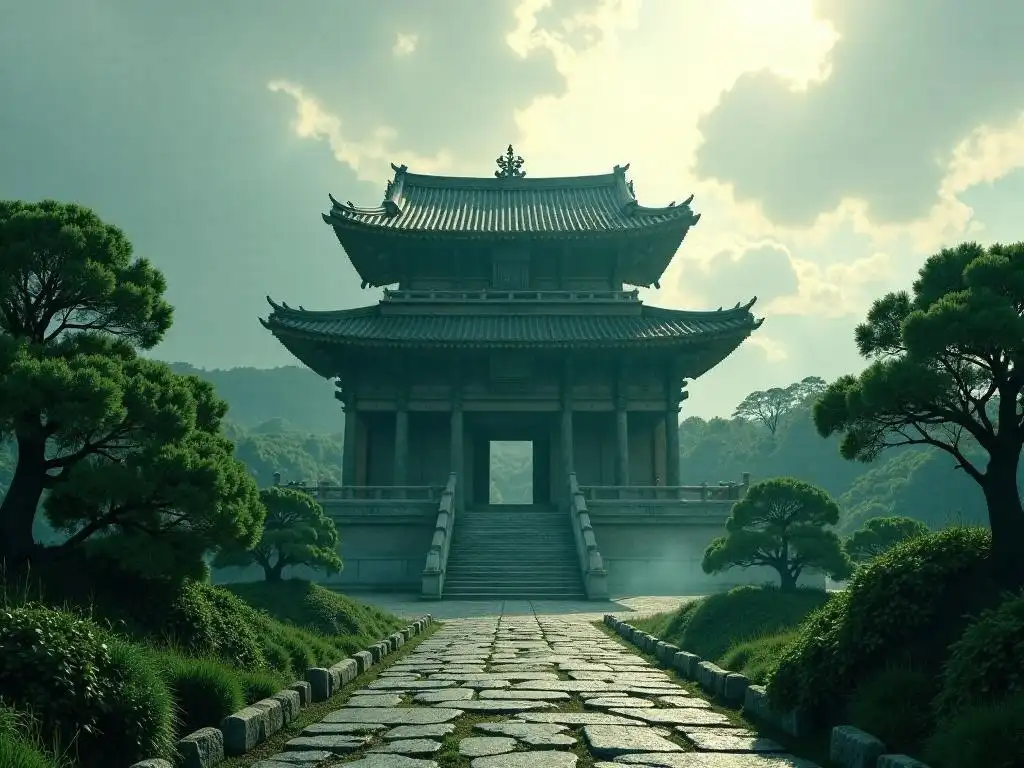
The decline of the Kamakura Shogunate was marked not only by political shifts but also profound cultural and societal transformations. As the central authority weakened, various aspects of life in Japan evolved, leading to the emergence of new identities, beliefs, and artistic expressions. The interplay between these changes and the waning power of the shogunate provides crucial insights into the broader historical context of the period.
Shifts in Samurai Culture and Identity
As the Kamakura Shogunate faced increasing challenges, the samurai class began to experience significant shifts in their culture and identity. Traditionally viewed as the elite warrior class, samurai were deeply tied to the feudal system that the shogunate upheld. However, as the authority of the shogunate waned, many samurai found themselves disillusioned with their roles.
- Emergence of Regional Powers: With the decline of central authority, powerful daimyos began to rise, leading to the fragmentation of power. This shift encouraged samurai to align more closely with local lords rather than the shogunate, altering their allegiance and loyalty.
- Cultural Adaptation: The samurai began to adopt new cultural practices, blending traditional warrior values with emerging philosophies such as Zen Buddhism, which emphasized discipline and mindfulness. This fusion led to a more introspective samurai identity, one that valued not just martial prowess but also intellectual and spiritual growth.
Changes in Religious Practices and Beliefs
The period of decline also saw significant transformations in religious practices and beliefs across Japan. The weakening of the Kamakura Shogunate created a vacuum that allowed various religious movements to flourish:
- Rise of New Buddhist Sects: Amidst the political turmoil, new sects like Pure Land Buddhism gained prominence, appealing to the masses with their accessible teachings and promises of salvation. This shift reflected a broader democratization of religious practices, moving away from the elite-controlled practices of the earlier period.
- Syncretism in Beliefs: The blending of Shinto and Buddhist practices became more pronounced, leading to unique regional variations that mirrored local cultures. These changes illustrated a shift towards a more pluralistic spiritual landscape, as people sought solace and meaning amid societal upheaval.
Impact on Art and Literature
The cultural decline of the Kamakura Shogunate was also reflected in the arts and literature, where new themes emerged that resonated with the changing societal landscape:
- Literary Developments: The decline fostered a rich literary environment, with works such as "The Tale of Heike" capturing the struggles and aspirations of the time. This epic narrative not only illustrated the samurai ethos but also served as a reflection of the transient nature of power and life, resonating deeply with the populace.
- Artistic Innovation: In the visual arts, there was a notable shift towards more expressive forms, with an emphasis on realism and emotional depth. Artists began to explore themes of impermanence and the human experience, as seen in the evolving styles of painting and sculpture that characterized the period.
Conclusion
Summary of the Kamakura Shogunate Decline History
The decline of the Kamakura Shogunate was a complex process influenced by various cultural and societal changes. As central authority weakened, the samurai identity transformed, religious practices diversified, and artistic expression flourished. These developments not only marked the end of the shogunate's dominance but also laid the groundwork for future political structures in Japan.
Reflections on the Legacy of the Kamakura Period
The Kamakura period remains a critical chapter in Japanese history, characterized by its unique blend of feudal governance and cultural innovation. Its legacy is evident in the way it shaped subsequent political systems and societal norms. The period's emphasis on local power dynamics and cultural pluralism continues to influence Japan's historical narrative.
Importance for Understanding Future Japanese Governance
Understanding the decline of the Kamakura Shogunate is vital for comprehending the evolution of governance in Japan. The fragmentation of power during this era set the stage for future conflicts and governance structures, including the rise of the Ashikaga Shogunate and the eventual unification of Japan under the Tokugawa Shogunate. Analyzing this period provides essential insights into the complexities of Japanese political history and the enduring impact of feudal dynamics on contemporary governance.
References
The decline of the Kamakura Shogunate is a pivotal moment in Japanese history, marked by a series of political, social, and economic factors that contributed to the disintegration of central authority. For those interested in exploring this topic further, a variety of scholarly references and historical texts can provide valuable insights. Below are some suggested readings and key historical sources that can enhance one's understanding of the Kamakura Shogunate and its decline.
Suggested Readings on Kamakura Shogunate History
-
"The Kamakura Shogunate: 1185-1333" by Jeffrey P. Mass
This comprehensive examination covers the political and cultural aspects of the Kamakura period, detailing the Shogunate's rise and eventual decline.
-
"Japan's Feudal Age: 1185-1600" by William Wayne Farris
Farris provides an in-depth analysis of the feudal system in Japan, with a specific focus on the Kamakura era and the socio-political changes that led to the Shogunate's loss of power.
-
"The Making of Modern Japan" by Joshua A. Fogel
This book contextualizes the Kamakura Shogunate within the broader narrative of Japanese history, discussing its impact on subsequent political developments.
-
"Kamakura: The City of the Samurai" by John S. Brown
Focusing on the geographical and cultural significance of Kamakura, this work highlights the city’s role as the seat of the Shogunate and examines the socio-political conditions during its decline.
-
"The Samurai: A Military History" by David A. Ooms
Ooms offers insights into the military aspects of the Kamakura period, which were crucial in understanding the power dynamics that influenced the Shogunate's decline.
Key Historical Sources and Documents
-
The "Tales of the Heike" (Heike Monogatari)
This historical epic depicts the rise and fall of the Taira clan and provides a narrative context for the power struggles of the era, reflecting the ethos of the Kamakura period.
-
The "Jien's Gukanshō" (Chronicles of the Fall of the Heike)
Written by the monk Jien, this chronicle offers insights into the historical interpretations and political maneuvers during the Kamakura period, particularly in relation to the Shogunate's decline.
-
The "Shoku Nihongi" (Chronicles of Japan Continued)
This historical text provides a record of events leading up to and during the Kamakura period, offering crucial details about governance and authority dynamics.
-
The "Kamakura Shogunate Charter"
This document outlines the governance structure and policies of the Shogunate, which can be juxtaposed against the events leading to its decline.
-
"Hōjō Shigetoki's Writings"
The writings of Hōjō Shigetoki, a significant figure during the Kamakura era, provide first-hand perspectives on the governance challenges faced by the Shogunate.
These suggested readings and key historical sources will deepen your understanding of the Kamakura Shogunate’s decline and the complex factors that led to the erosion of central authority during this critical period in Japanese history.
- Introduction to the Kamakura Shogunate Decline History
- Overview of the Kamakura Period
- Importance of Understanding the Decline of Central Authority
- The Rise of the Kamakura Shogunate
- Factors Leading to the Decline of the Kamakura Shogunate
- The Role of External Pressures in the Decline
- Case Study: Key Events Signaling the Decline
- The Shift in Power Dynamics
- Cultural and Societal Changes During the Decline
- Conclusion
- References
Frequently Asked Questions
What was the Kamakura Shogunate?
The Kamakura Shogunate was Japan's first military government, established in 1192 by Minamoto no Yoritomo. It marked the beginning of feudal Japan, where samurai held significant power.
What led to the decline of the Kamakura Shogunate?
The decline was primarily due to internal conflicts, economic difficulties, and the rise of powerful regional clans. These factors weakened the central authority of the shogunate over time.
How did the Mongol invasions affect the Kamakura Shogunate?
The Mongol invasions in 1274 and 1281 strained the shogunate's resources and highlighted its vulnerabilities. Although Japan successfully repelled the invasions, the financial burden contributed to its decline.
What role did the samurai play in the shogunate's decline?
As regional power grew among the samurai, their loyalty to the shogunate weakened. The shift towards local governance diminished the shogunate's influence and control over Japan.
How did the Kamakura Shogunate's decline impact Japanese society?
The decline led to a shift in political power and set the stage for the rise of the Ashikaga Shogunate. It also changed the social structures, enabling greater autonomy for regional leaders and samurai.
The decline of central authority during the Kamakura Shogunate is not just a historical event; it resonates profoundly with the challenges we face today. As we navigate an increasingly complex world, the lessons from this pivotal period remind us of the fragility of power and the importance of adaptability. The fall of the Kamakura Shogunate serves as a striking reminder that even the most formidable institutions can falter when they fail to respond to the needs of their people and the shifting tides of society.
Cultural and social landscapes are continually shaped by the dynamics of authority and governance. The Kamakura Shogunate's decline illustrates how disconnection from the populace can lead to unrest and fragmentation. This historical narrative is not merely a tale of loss; it is a reflection of ongoing struggles in contemporary governance. As we witness various forms of authority being challenged worldwide, we can draw parallels to the words of historian John Keegan: > “War is a very personal business.” This sentiment underscores the idea that the relationship between leaders and their constituents is deeply personal and pivotal to maintaining stability.
As we reflect on the lessons of the Kamakura Shogunate's decline, I invite you to consider your role in the structures of authority around you. How can you engage with your community to foster a sense of connection and accountability? The past teaches us that the strength of a society lies not only in its leaders but also in the active participation of its members. Let us take these lessons to heart and strive to build a future where authority is not merely imposed but earned through trust, understanding, and collaboration.
Reclaim Your Understanding of Feudal Power Dynamics!
Thank you for diving into the intriguing world of the Kamakura Shogunate and its decline. You’ve uncovered essential insights into the fragility of central authority and the complex layers of feudal Japan. Now, it’s time to put that knowledge into action!
Here are a few ways you can deepen your engagement and understanding of this fascinating era:
- Join a discussion group focused on Feudal Japan to connect with fellow history enthusiasts and broaden your perspective.
- Share this article with friends or on social media to spark conversations about the implications of decentralized power and governance.
- Explore lesser-known figures from this period to discover their influence on the socio-political landscape – you might be surprised by what you find!
What lesson from the decline of the Kamakura Shogunate do you think resonates with today's world? We’d love to hear your insights!