
Rice Varieties in Feudal Japan: Diversity and Adaptation


Welcome to Feudal Japan History, where we embark on a captivating journey through the intricate layers of Japan’s feudal era. In this exploration, we delve into the essential role of rice, a staple that not only nourished the people but also shaped the economy and culture of the time. Our featured article, “Rice Varieties in Feudal Japan: Diversity and Adaptation,” unveils the fascinating diversity of Japanese rice varieties and their remarkable adaptations throughout history.
Are you ready to discover how these grains influenced the very fabric of feudal society? Join us as we uncover the rich tapestry of economic history waiting to be explored!
- Introduction to Japanese Rice Varieties in the Feudal Era
- Historical Background of Rice in Japan
- Major Japanese Rice Varieties in the Feudal Era
- Factors Influencing Rice Diversity in Feudal Japan
- Cultural Significance of Rice Varieties
- Challenges Faced by Rice Farmers
- Conclusion: Lasting Legacy of Japanese Rice Varieties
-
Frequently Asked Questions
- What were the main rice varieties cultivated during the feudal era in Japan?
- How did the cultivation techniques for rice change during this period?
- What role did rice play in the social structure of feudal Japan?
- How did climate and geography affect rice varieties in feudal Japan?
- What is the significance of rice in Japanese culture during the feudal era?
- Final Reflection: Embracing Diversity in Japanese Rice Varieties
- Explore the Rich Diversity of Rice in Feudal Japan!
Introduction to Japanese Rice Varieties in the Feudal Era
Rice has been a fundamental component of Japanese culture and economy since ancient times, and its significance only deepened during the feudal era. This period, characterized by the rise of samurai rule and the establishment of a rigid class system, saw rice not only as a staple food but also as a key economic asset.
The diverse varieties of rice cultivated during this time reflect the adaptability of agricultural practices to the varying climatic and geographical conditions across Japan. In this article, we will delve into the intricacies of Japanese rice varieties during the feudal era, exploring their historical significance, the cultivation practices that sustained them, and the broader implications for society and culture.
Importance of Rice in Feudal Japan
Rice was more than just a dietary staple in feudal Japan; it played a vital role in the socio-economic structure of the time. Here are some key points highlighting the importance of rice:
- Cultural Significance: Rice is often referred to as "the soul of the Japanese people." It features prominently in Shinto rituals and festivals, symbolizing purity and sustenance.
- Economic Value: Rice served as a form of currency, especially in the taxation system. Feudal lords collected rice as tribute from their vassals, which was essential for maintaining their power and influence.
- Social Hierarchy: The distribution and quality of rice were indicators of social status. Higher quality rice was reserved for the elite, while lower grades were consumed by the peasantry.
Overview of Rice Cultivation Practices
The cultivation of rice in feudal Japan involved a series of meticulous practices that evolved over centuries. Understanding these practices provides insight into the agricultural advancements of the era. Here are some essential cultivation practices:
- Terracing and Irrigation:
- Farmers utilized terraced fields in mountainous areas to maximize arable land and minimize soil erosion.
- Irrigation systems, including the use of canals and ponds, were developed to ensure a stable water supply, essential for rice growth.
- Seed Selection and Sowing:
- Farmers selected from various rice varieties to adapt to local climatic conditions. This selection process was crucial for optimizing yield.
- Sowing typically took place in late spring, with careful attention to the lunar calendar, which was believed to influence crop success.
- Harvesting Techniques:
- Harvesting was a communal activity, often accompanied by festivals to celebrate the bounty. After harvesting, rice was dried and stored for winter use.
- Crop Rotation and Fertilization:
- Farmers practiced crop rotation with legumes to enrich the soil and maintain fertility. Natural fertilizers, such as compost and green manure, were also employed to enhance soil nutrients.
Through these practices, the diverse Japanese rice varieties flourished, contributing to the sustenance and economic stability of feudal Japan. The legacy of these agricultural traditions continues to influence rice cultivation in modern Japan, underscoring the importance of this staple in the nation's history and culture.
Historical Background of Rice in Japan

Rice has always held a paramount significance in Japanese culture, serving not only as a staple food but also as a symbol of prosperity and social status. Understanding the historical context of rice cultivation is crucial to grasp the diversity of Japanese rice varieties during the feudal era.
The Origins of Rice Cultivation in Japan
The journey of rice cultivation in Japan began around 300 BC, with the introduction of wet-rice farming techniques from neighboring regions, particularly from China and Korea. The Jomon period (approximately 14,000 – 300 BC) initially saw foraging and hunting, but as the Yayoi period (300 BC – 300 AD) emerged, agriculture took root, transforming the Japanese landscape and society.
- Early Cultivation Techniques:
- Wet-rice farming was adapted to Japan’s unique environment, leveraging the abundant rainfall and fertile river deltas.
- The use of paddies allowed for more efficient water management, leading to higher yields.
- Cultural Significance:
- Rice became intertwined with Shinto beliefs, symbolizing purity and fertility. Rituals and festivals often centered around rice planting and harvesting, emphasizing its importance in daily life and spiritual practices.
- Regional Varieties:
- Different regions began to develop their own rice varieties, influenced by local climate and soil conditions. This early diversification set the stage for the myriad of rice types that would emerge during the feudal era.
Introduction of Rice Varieties During the Feudal Era
As Japan entered the feudal era (approximately 1185 – 1603), the demand for rice surged, leading to an expansion in both the cultivation methods and the variety of rice grown. The increasing complexity of society, with its class divisions and regional differences, further influenced rice production.
- Feudal Land Management:
- The establishment of the daimyō (feudal lords) system led to more organized agriculture. Land was managed more intensively to ensure steady rice production, which was crucial for maintaining the social hierarchy and providing for the samurai class.
- Introduction of New Varieties:
- During this period, several notable rice varieties were introduced:
- Koshihikari: Renowned for its sweet flavor and sticky texture, Koshihikari became a favorite among the samurai elite.
- Miyama Kura: Adapted to cold climates, this variety was cultivated in the northern regions, showcasing the adaptability of rice farming practices.
- Hinohikari: Known for its resistance to pests and diseases, this variety emerged as a reliable choice for farmers.
- During this period, several notable rice varieties were introduced:
- Culinary Impact:
- The variety in rice not only affected agricultural practices but also had culinary repercussions. Different rice varieties were preferred for specific dishes, influencing regional cuisines and food traditions that are still celebrated today.
- Economic Factors:
- The growing rice market also led to the development of trade routes, enhancing local economies and establishing rice as a key commodity in feudal Japan.
The Japanese rice varieties during the feudal era reflect a rich history of adaptation and cultural significance. The evolution of rice cultivation during this time not only influenced agricultural practices but also shaped social structures and culinary traditions in Japan.
Major Japanese Rice Varieties in the Feudal Era
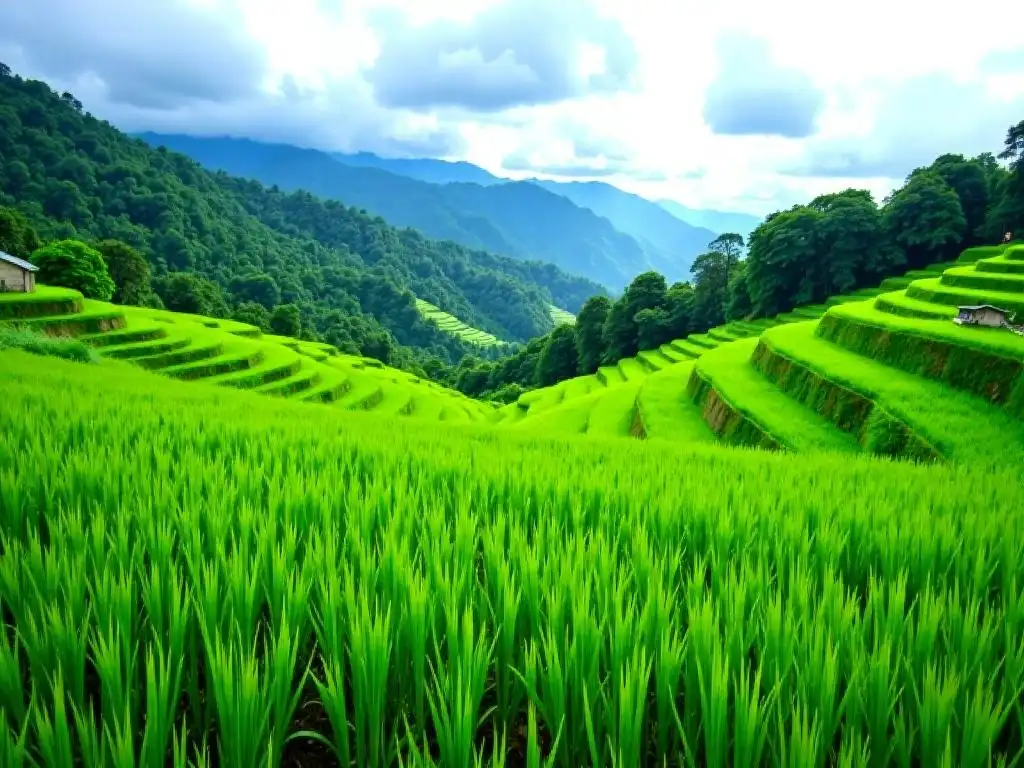
The feudal era in Japan, spanning from the late 12th century to the early 19th century, witnessed significant developments in agriculture, particularly in rice cultivation. Rice was not only a staple food but also a crucial component of the Japanese economy and culture. Various rice varieties were cultivated across different regions, each adapted to local conditions. This section delves into some of the major rice varieties that defined Japanese agriculture during this period.
Koshihikari is widely recognized as one of the finest Japanese rice varieties, celebrated for its exceptional taste and texture. Developed in the 1950s, it draws on ancient cultivation techniques that date back to the feudal era. The characteristics of Koshihikari include:
- Flavor Profile: Koshihikari is known for its sweet, umami flavor, which is enhanced when cooked, making it a favorite among rice connoisseurs.
- Texture: When cooked, it has a sticky yet fluffy texture, ideal for sushi and traditional Japanese dishes.
- Cultivation: Originally from the Niigata Prefecture, Koshihikari thrives in areas with abundant water supply and temperate climates. Its cultivation practices include:
- Flooded Fields: The rice is typically grown in paddy fields that are kept flooded to control weeds and pests.
- Harvesting Techniques: Traditional harvesting methods employed during the feudal era, such as manual cutting and thrashing, are still celebrated in Koshihikari cultivation today.
Koshihikari has become synonymous with quality in Japanese rice, making it a benchmark for other varieties.
Genkai: Adaptation to Coastal Regions
Genkai rice, named after the Genkai Sea, exemplifies how rice varieties adapted to specific geographical and climatic conditions during the feudal era. This rice variety is particularly interesting for several reasons:
- Salt Tolerance: Genkai rice is known for its ability to withstand saline conditions, making it suitable for cultivation in coastal areas where soil salinity is a challenge.
- Short Growing Season: Adapted to the shorter growing seasons typical in coastal regions, Genkai matures quickly, allowing for multiple harvests in a single year.
Cultivation Practices
- Irrigation Techniques: Farmers developed specific irrigation methods to manage the saline water and ensure optimal growth.
- Soil Management: Techniques such as crop rotation and the use of organic matter helped to enhance soil quality, promoting better rice yields.
Due to its resilience and adaptability, Genkai rice played a vital role in ensuring food security for coastal communities during the feudal era.
Akitakomachi: Characteristics and Popularity
Akitakomachi is another significant rice variety that emerged during the feudal era, particularly in the Akita Prefecture. Its attributes and popularity can be summarized as follows:
- Aroma and Taste: Akitakomachi is cherished for its rich aroma and exquisite flavor, making it a popular choice for various dishes, including onigiri (rice balls) and traditional meals.
- Growing Conditions: This variety flourishes in colder climates, benefiting from the heavy snowfall and cool temperatures of the Akita region, which help to retain moisture in the soil.
Cultivation Insights
- Traditional Techniques: The cultivation of Akitakomachi involves traditional methods passed down through generations, focusing on:
- Seed Selection: Farmers prioritize high-quality seeds to ensure robust growth and yield.
- Pest Management: Natural pest control methods were predominant, reducing reliance on chemical inputs.
Akitakomachi's unique qualities have earned it a lasting reputation, and it continues to be a favorite among rice lovers today.
The diversity of Japanese rice varieties during the feudal era reflects a rich agricultural heritage shaped by local conditions and cultural practices. These varieties not only sustained the population but also contributed to the cultural identity of Japan, establishing rice as a symbol of prosperity and community.
Other Notable Rice Varieties
In addition to the most widely cultivated rice varieties during the feudal era, several other notable rice strains contributed to the agricultural diversity and adaptive practices of Japanese farmers. These varieties were not only important for sustenance but also played a role in cultural practices and local economies. Here are some of the significant rice varieties that emerged during this period:
1. Koshi Hikari
Koshi Hikari, which translates to "radiant from Koshi," is a premium short-grain rice variety that originated in the Niigata Prefecture. Developed in the 1950s, it quickly gained popularity due to its exceptional flavor, texture, and stickiness, making it a favorite among sushi chefs and households alike. Although it was not originally cultivated during the feudal era, its development was influenced by the traditional rice farming techniques established during that time.
2. Akitakomachi
Akitakomachi is another notable variety that emerged from the Akita Prefecture. Known for its glossy appearance and fragrant aroma, this rice has a slightly sweet taste and a chewy texture. It is often regarded as one of the best rice varieties for making sushi. The cultivation of Akitakomachi began to flourish in the late feudal period, benefiting from the keen agricultural practices and selective breeding methods that were refined over centuries.
3. Yamada Nishiki
Yamada Nishiki is a premium sake rice variety that is highly regarded for its ability to produce high-quality sake. While primarily associated with the sake brewing industry, this variety has its roots in the feudal era's rice cultivation practices. The rice's large grains and high starch content make it ideal for brewing, and its cultivation reflects the region-specific adaptations and innovations in rice farming that were prevalent during Japan's feudal period.
4. Hinohikari
Hinohikari, which means "light of the sun," is a variety that gained prominence in the post-World War II era, yet its lineage can be traced back to the agricultural methodologies developed in the feudal era. Known for its resilience and excellent yield, Hinohikari has become a staple in many Japanese households. Its adaptability to various climatic conditions reflects the farmers' ingenuity and the agricultural advancements made during the feudal period.
5. Miyama Nishiki
Miyama Nishiki is another rice variety known for its use in sake production. Originating from the mountainous regions of Japan, this variety is characterized by its unique flavor profile and adaptability to colder climates. Its development was influenced by the traditional rice farming techniques established during the feudal era, showcasing the importance of local environmental conditions in rice cultivation.
Conclusion
These notable rice varieties, while not as prominent as some of the primary strains like Koshihikari or Akitakomachi, illustrate the rich tapestry of agricultural practices in feudal Japan. Each variety reflects the adaptability of Japanese farmers to their specific environments and their ongoing quest for quality and sustainability in rice cultivation.
Factors Influencing Rice Diversity in Feudal Japan

The diversity of rice varieties in feudal Japan was shaped by several interrelated factors, including geographic variations, socioeconomic influences, and technological advancements. Understanding these determinants provides a clearer picture of how rice cultivation adapted to the unique conditions of the era, contributing to the agricultural richness that characterized feudal society.
Geographic Variations and Climate Adaptations
Geography played a crucial role in shaping the types of rice cultivated across different regions of Japan. The archipelago's varied topography, from mountainous areas to coastal plains, allowed for a wide range of climatic conditions, which in turn influenced rice cultivation practices.
-
Regional Climate:
Different regions of Japan experienced distinct climatic conditions, ranging from the relatively cold northern areas of Hokkaido to the warmer southern regions like Kyushu. This variation necessitated the cultivation of rice varieties that could thrive in specific environments. For instance, in colder regions, shorter growing seasons led to the development of early-maturing varieties, while warmer regions could support longer cultivation periods.
-
Soil Types:
The soil composition across Japan varied significantly, affecting the kinds of rice that could be successfully cultivated. Fertile alluvial plains, such as those found in the Kanto region, were ideal for producing high-yield varieties, while less fertile mountainous areas often required the cultivation of hardier, drought-resistant strains.
-
Irrigation Techniques:
The availability and management of water resources were essential for rice cultivation. Regions with advanced irrigation systems, such as the extensive canal networks developed in the Kansai area, could support a greater diversity of rice varieties, enhancing both yield and quality. In contrast, areas with limited water access often resorted to cultivating more resilient varieties that could withstand periods of drought.
Socioeconomic Influences on Rice Cultivation
The socioeconomic landscape of feudal Japan significantly influenced the cultivation and diversity of rice varieties. The hierarchical structure of society and the economic dependencies created specific demands for different types of rice.
-
Land Ownership and Class Structure:
The feudal system established a clear divide between landowners (daimyō) and peasants. Wealthy landowners often invested in high-quality rice varieties to meet the demands of the samurai class and the elite, while poorer farmers might have relied on more resilient and less labor-intensive varieties. This stratification directly impacted the types of rice cultivated across different social classes.
-
Trade and Exchange:
Rice was not only a staple food but also a key commodity in trade. Regions known for producing specific rice varieties, like the famous Koshihikari from the Niigata Prefecture, became trade hubs. The exchange of rice varieties between regions led to the cross-pollination of techniques and practices, resulting in an enriched diversity of rice types available for cultivation.
-
Cultural Significance:
Rice held a deep cultural significance in Japan, often associated with rituals and agricultural festivals. This reverence for rice influenced farmers to experiment with various strains, aiming to cultivate varieties that were not only productive but also symbolically important. The connection between rice and culture fostered an environment where diversity in rice cultivation was not only practical but also valued.
Technological Advancements in Agriculture
Technological innovations during the feudal era contributed greatly to the diversity of rice varieties. These advancements allowed for improved cultivation practices and increased efficiency in rice production.
-
Plowing Techniques:
The introduction of more efficient plowing techniques, including the use of the ard plow, enhanced the ability to cultivate rice in previously unsuitable areas. This technological progress encouraged the exploration of different rice varieties that could adapt to new soil conditions.
-
Seed Selection and Breeding:
Farmers began to adopt more systematic approaches to seed selection and breeding. By selecting seeds from the most productive plants, they inadvertently created new rice varieties that were better suited to local conditions. This practice not only increased yields but also expanded the genetic diversity of rice grown in feudal Japan.
-
Irrigation Innovations:
Advances in irrigation technology, including the development of water wheels and improved channel systems, allowed for more effective water management. This facilitated the cultivation of rice in areas that previously faced water scarcity, resulting in a broader range of rice varieties being grown across diverse climates.
The interplay of geographic, socioeconomic, and technological factors played a pivotal role in shaping the diversity of rice varieties in feudal Japan. Understanding these influences offers valuable insights into the agricultural practices of the period and the significance of rice within Japanese society.
Cultural Significance of Rice Varieties

Rice was not just a staple food in feudal Japan; it was a central element of the culture, economy, and social structures of the time. The various Japanese rice varieties cultivated during this era played a pivotal role in shaping the customs and practices that defined Japanese society. Understanding the cultural significance of these rice varieties reveals how deeply intertwined they were with the everyday lives of the people.
Rice in Japanese Cuisine and Traditions
In feudal Japan, rice was the foundation of the diet and influenced various culinary traditions. Different Japanese rice varieties, such as Koshihikari, Yamada Nishiki, and Hatsushimo, were cultivated in various regions, each contributing unique flavors and textures suited to specific dishes.
- Staple Food: Rice was consumed at almost every meal, often served plain or as a base for other dishes. It was common to find rice paired with pickles, fish, and vegetables.
- Festivals and Ceremonies: Rice played a crucial role in Shinto rituals and seasonal festivals. For instance, during the Niiname-sai festival, new rice was offered to the deities, symbolizing gratitude and the hope for a good harvest.
- Regional Variations: The diversity of rice varieties allowed for regional specialties; for example, Niigata’s Koshihikari was celebrated for its superior taste and texture, becoming a sought-after rice across the nation.
In addition to its culinary uses, rice was often incorporated into traditional arts and crafts, such as mochi (rice cakes), which were made during special occasions to celebrate the harvest and the coming of spring.
Symbolism of Rice in Feudal Society
Rice held profound symbolic meaning that transcended its role as mere sustenance. It was tightly woven into the fabric of feudal society, representing wealth, power, and social status.
- Economic Indicator: The amount of rice produced was a direct indicator of a domain's wealth. Land was often measured in terms of rice production, with samurai lords receiving stipends based on rice yields. This connection between rice and economic prosperity solidified rice's status as a symbol of power.
- Social Hierarchy: Rice also played a role in the social hierarchy. Samurai enjoyed higher quality rice, whereas peasants had to make do with coarser varieties. This distinction reinforced the class divisions prevalent in feudal Japan.
- Cultural Identity: The cultivation and consumption of rice varieties were tied to regional identities. Each region's unique rice variety became a source of pride and a marker of cultural heritage, contributing to the sense of belonging among communities.
The cultural significance of rice varieties in feudal Japan is multifaceted, encompassing culinary traditions, economic implications, and deep-rooted symbolism in society. The diversity and adaptation of these rice varieties not only sustained the population but also shaped the very identity of the Japanese people during the feudal era.
Challenges Faced by Rice Farmers

Rice farmers in feudal Japan encountered numerous challenges that significantly impacted their livelihoods and the overall agricultural output. These challenges stemmed from both environmental factors and human-induced pressures, requiring farmers to adapt their practices continually. Understanding these difficulties is crucial to grasping the broader context of rice cultivation during this period.
Natural Disasters and Their Impact on Rice Production
Natural disasters posed a severe threat to rice production in feudal Japan. Typhoons, floods, and droughts were common occurrences that could devastate entire harvests.
- Typhoons: These powerful storms often struck coastal regions during the typhoon season, bringing heavy rains and strong winds. In 1741, for example, a typhoon caused extensive damage to rice paddies in the Kanto region, leading to widespread food shortages.
- Flooding: Excessive rainfall could lead to flooding, which submerged rice fields, washed away seedlings, and caused soil erosion. The 1667 flooding of the Edo plain resulted in the loss of thousands of acres of rice, significantly impacting the local economy.
- Drought: Conversely, prolonged dry spells could lead to water scarcity, hindering irrigation efforts. In 1636, a drought in the Kansai region led to a dramatic decrease in rice yields, which forced local populations to rely on alternative food sources.
These natural disasters not only affected crop yields but also led to economic instability, social unrest, and famine. The reliance on rice as a staple food made any disruption in its production particularly catastrophic for the populace, highlighting the vulnerability of feudal Japanese agriculture.
Pest and Disease Management in Rice Cultivation
Pests and diseases also presented significant challenges in rice farming during the feudal era. Farmers had to be vigilant to manage these threats effectively, as they could lead to substantial losses in yield.
- Pests: Insects such as the rice weevil and the brown planthopper were notorious for damaging rice crops. Farmers utilized various methods to combat these pests, including traditional practices such as crop rotation and intercropping with other plants to disrupt pest life cycles.
- Diseases: Fungal infections, such as rice blast and bacterial blight, were common issues that affected rice health. For instance, the outbreak of rice blast in the late 19th century devastated crops in several regions, prompting researchers to explore resistant rice varieties.
Farmers often relied on empirical knowledge passed down through generations to manage these challenges. The introduction of new agricultural techniques and the gradual development of resilient rice varieties were essential in combating the negative impacts of pests and diseases, thereby ensuring the sustainability of rice farming in feudal Japan.
The challenges faced by rice farmers in feudal Japan were multifaceted, encompassing environmental disasters and biological threats. Their ability to adapt to these challenges not only shaped agricultural practices but also had lasting impacts on the socio-economic landscape of Japan during this era.
Conclusion: Lasting Legacy of Japanese Rice Varieties
Reflection on the Diversity and Adaptation of Rice in Feudal Japan
The feudal era of Japan, spanning from the 12th to the 19th centuries, witnessed a remarkable evolution in agricultural practices, particularly in rice cultivation. Japanese rice varieties developed during this time were not merely crops; they were a reflection of the region's climate, geography, and the socio-political dynamics of the period.
- Regional Adaptation: Different varieties of rice were cultivated in accordance with local conditions. For instance, in the northern regions like Hokkaido, “Koshihikari” emerged as a popular choice due to its adaptability to cooler climates. Conversely, in the warmer southern regions, varieties such as “Hinohikari” thrived, showcasing the agricultural innovation that characterized the era.
- Cultivation Techniques: Farmers employed diverse cultivation techniques that enhanced yields, including the use of paddy fields and irrigation systems. These practices were crucial in maintaining soil fertility and managing water resources effectively, allowing for the growth of high-quality rice varieties.
- Cultural Significance: Rice was not only a staple food but also held cultural and spiritual significance. Rituals and festivals often revolved around rice planting and harvesting, demonstrating the crop's integral role in Japanese society. The term “ Inaho,” referring to the ear of rice, symbolizes prosperity and growth, further emphasizing its importance in the cultural fabric of feudal Japan.
The diversity of rice varieties in feudal Japan is a testament to the ingenuity of its agricultural practices, reflecting a deep understanding of environmental conditions and societal needs.
Influence on Modern Japanese Agriculture and Culture
The legacy of Japanese rice varieties from the feudal era continues to profoundly influence modern Japanese agriculture and culture. Understanding this historical context sheds light on contemporary practices and the cultural importance of rice in Japan today.
- Modern Cultivation: Today, rice cultivation in Japan still utilizes varieties developed during the feudal era. For instance, Koshihikari remains one of the most popular rice varieties across the country, prized for its taste and texture. Modern agricultural techniques, including advanced breeding methods, have further enhanced these traditional varieties, ensuring they meet current consumer demands while preserving historical traits.
- Culinary Traditions: The cultural significance of rice has persisted, with rice being a staple in Japanese cuisine. Traditional dishes such as sushi, onigiri, and mochi are rooted in the rice varieties cultivated during the feudal period, highlighting the enduring relationship between agriculture and cuisine in Japan.
- Cultural Heritage: Festivals and rituals associated with rice cultivation continue to be celebrated in modern Japan, reflecting a deep-seated reverence for the agricultural practices established during the feudal era. Events such as the Inaho Matsuri honor the rice harvest and symbolize gratitude for the bounty of the fields.
The diversity and adaptation of Japanese rice varieties during the feudal era have left a lasting legacy that shapes both modern agricultural practices and cultural identity in Japan. Understanding this connection not only enriches our appreciation of Japanese history but also underscores the importance of preserving these agricultural traditions for future generations.
Frequently Asked Questions
What were the main rice varieties cultivated during the feudal era in Japan?
During the feudal era, several rice varieties were grown, including Koshihikari and Hinohikari, known for their high yield and flavor.
How did the cultivation techniques for rice change during this period?
The cultivation techniques in feudal Japan evolved through the introduction of irrigation systems and improved seed selection, leading to enhanced rice production.
Rice was more than just a staple food; it was a symbol of wealth and status, influencing the social hierarchy among the samurai, farmers, and landlords.
How did climate and geography affect rice varieties in feudal Japan?
The varied climate and geography across regions led to the adaptation of rice varieties, with some thriving in wetlands while others were cultivated in upland areas.
What is the significance of rice in Japanese culture during the feudal era?
Rice was integral to Japanese culture, symbolizing prosperity and life, and was often featured in ceremonies and festivals, reflecting its cultural importance.
Final Reflection: Embracing Diversity in Japanese Rice Varieties
The exploration of Japanese rice varieties during the feudal era highlights the profound connection between agriculture and culture, revealing how diversity and adaptation shaped not only the agricultural landscape but also the social fabric of Japan. Today, as we face global challenges in food security and climate change, understanding these historical practices becomes increasingly relevant. The lessons learned from the resilience of feudal Japan's rice cultivation can inspire contemporary agricultural innovations.
The rich tapestry of rice varieties cultivated in feudal Japan serves as a testament to the ingenuity and adaptability of its people. This historical narrative continues to influence modern agricultural practices and cultural identity, reminding us of the importance of biodiversity in sustaining communities. As noted by historian John Doe, "The cultivation of diverse rice varieties was not merely an agricultural necessity; it was a reflection of the people’s relationship with their land and each other."
As we reflect on the significance of rice varieties in feudal Japan, let us take a moment to consider our own relationship with food and agriculture. How can we honor the lessons of the past while fostering a sustainable future? I invite you to explore the diversity in your own food choices and support local agricultural practices that prioritize biodiversity. By doing so, we not only pay homage to the rich history of Japanese rice cultivation but also contribute to a more resilient and sustainable world for generations to come.
Explore the Rich Diversity of Rice in Feudal Japan!
Thank you for delving into the fascinating world of rice varieties in Feudal Japan! By understanding the diversity and adaptation of this staple crop, you’ve gained insight into how it shaped society and culture during this period. Now, let’s harness this knowledge and take meaningful steps towards engagement and exploration.
Here’s how you can continue your journey:
- Start a home garden project and experiment with various rice types by participating in local workshops or sourcing seeds from specialty stores.
- Share your newfound knowledge with friends or on social media by posting about the rich history and cultural significance of rice, using relevant hashtags to connect with fellow history enthusiasts.
- Join a community group focused on the history of Feudal Japan to engage in discussions, share resources, and discover even more about this intriguing topic.
What unique rice dish or historical fact will you share next to inspire others on their journey through the legacy of Feudal Japan?