
Education and Social Mobility: Can Learning Change One's Destiny?

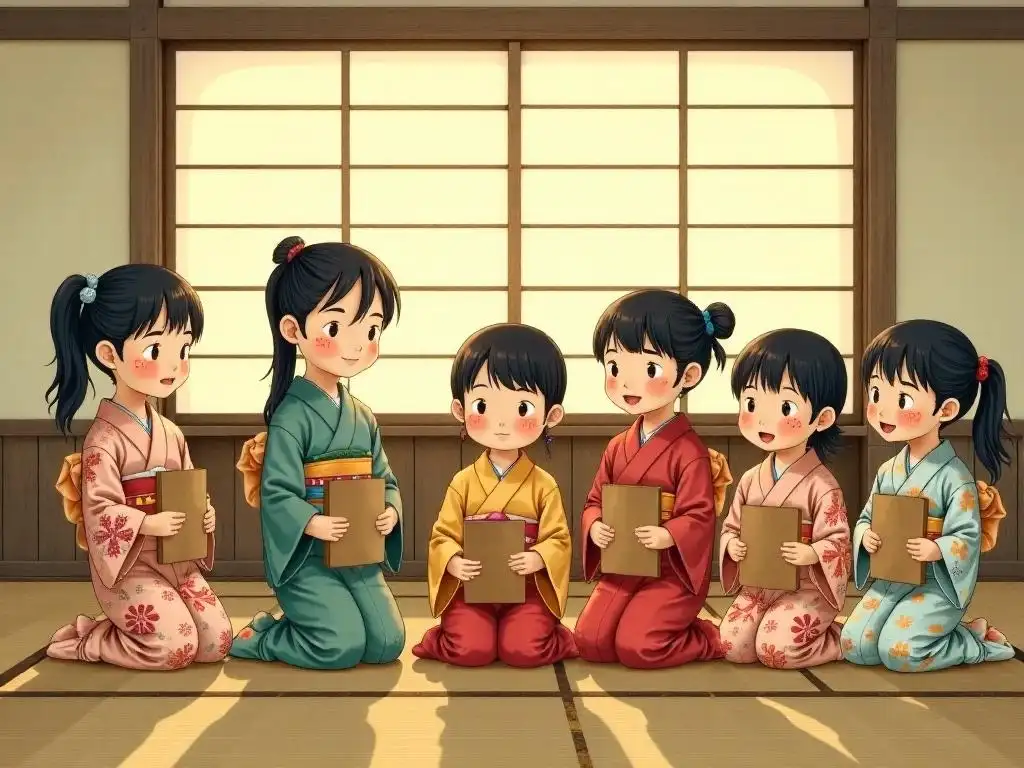
Welcome to Feudal Japan History, where we embark on a captivating journey through the intricate tapestry of Japan’s feudal era. Here, we delve into the fascinating dynamics of education in Japan's feudal era, exploring how knowledge served as both a privilege and a pathway to social mobility. As you navigate through our expertly crafted articles, you'll uncover the profound ways in which learning could alter one's destiny during a time of rigid class structures. Are you ready to discover how education shaped lives and influenced society? Join us as we reveal the secrets of this remarkable period in history!
-
Education in Japan's Feudal Era: An Overview
- Historical Context of Education in Feudal Japan
- The Structure of Education in Feudal Japan
- The Role of Education in Social Mobility
- Education as a Tool for Social Advancement
- Case Studies: Notable Figures Who Changed Their Destiny
- Cultural Perspectives on Education
- Confucian Influence on Japanese Educational Practices
- The Role of Education in Shaping Cultural Identity
- Challenges and Limitations of Education in Feudal Japan
- The Legacy of Education in Japan's Feudal Era
- Conclusion: The Transformative Power of Education in Feudal Japan
- Final Thoughts on Learning and Destiny
- The Relevance of Historical Education in Contemporary Society
-
Frequently Asked Questions
- What role did education play in Japan's feudal era?
- How was social mobility affected by education during this period?
- Were there any formal institutions for education in feudal Japan?
- How did cultural values influence education in feudal Japan?
- What lasting impacts did feudal education have on modern Japanese society?
- Final Reflection: The Transformative Power of Education in Shaping Destiny
- Empower Your Future Through Learning!
Education in Japan's Feudal Era: An Overview
The feudal era of Japan, spanning from the 12th to the 19th century, was a period marked by significant political, social, and cultural transformations. At the heart of this era lay a complex system of governance dominated by the samurai class, which greatly influenced the educational landscape. Education in Japan's feudal era was not merely a means of imparting knowledge; it was a pivotal factor that shaped social mobility and individual destiny.
While hierarchical structures often dictated who had access to learning, the evolution of educational practices and institutions during this time reveals a rich tapestry of opportunities and challenges. This article delves into the intricate relationship between education and social mobility, exploring how learning could indeed change one's destiny within the rigid confines of feudal society.
Historical Context of Education in Feudal Japan
The Evolution of Learning Systems in Japan
The evolution of education in Japan’s feudal era can be traced back to various influences, including Chinese Confucianism, which emphasized moral development and the importance of education. Initially, education was largely confined to the elite classes, primarily the samurai, who were taught martial arts, strategy, and the principles of governance. However, as the era progressed, different learning systems began to emerge, catering to a broader spectrum of society.
In the Kamakura period (1185-1333), the rise of the samurai class brought about the establishment of warrior schools, where boys were trained in both combat and intellectual pursuits. This dual approach to education allowed for a unique blend of skills that enabled samurai to function effectively in society. Furthermore, the emergence of temple schools during the Muromachi period (1336-1573) provided educational opportunities for commoners, focusing on Buddhist teachings and basic literacy.
Key Historical Events Influencing Education
Key historical events significantly impacted the education system in feudal Japan. The unification of Japan under leaders like Oda Nobunaga and Toyotomi Hideyoshi during the late 16th century led to a consolidation of power and a push for more structured educational systems. The establishment of terakoya (temple schools) during this time marked a pivotal shift, as they opened their doors to children from various social backgrounds, promoting literacy and practical skills.
Additionally, the Edo period (1603-1868) saw the rise of the domain school system, where feudal lords established educational institutions to train their samurai and promote loyalty. This period also witnessed the introduction of Confucian academies, which further propelled the emphasis on education as a means of social mobility, albeit still predominantly for the upper classes.
The Structure of Education in Feudal Japan
Social Classes and Their Access to Education
In feudal Japan, education was deeply intertwined with the social hierarchy. The samurai class had the most access to formal education, often receiving instruction from esteemed scholars or within their clans. Conversely, the peasantry and merchants faced significant barriers to education. While some commoners could attend terakoya, the curriculum was limited, focusing primarily on reading, writing, and basic arithmetic.
The social stratification meant that education often reinforced existing class divisions. However, there were notable exceptions where individuals from lower social classes could ascend through learning. Stories of scholars who emerged from humble beginnings to attain high positions in society illustrate the transformative potential of education.
Types of Educational Institutions in Feudal Japan
The educational landscape of feudal Japan was characterized by a variety of institutions, each serving different segments of society.
- Warrior Schools: These institutions were primarily for samurai, focusing on martial arts, strategy, and governance.
- Terakoya: Temple schools that catered to commoners, teaching literacy and practical skills to children from various backgrounds.
- Domain Schools: Established by feudal lords to educate their samurai and promote loyalty to the domain.
- Confucian Academies: These schools emphasized moral education and were mainly accessible to the elite.
Understanding these institutions provides insight into how educational opportunities were distributed and how they contributed to the social fabric of feudal Japan. Each type of school played a role in shaping the values, skills, and destinies of individuals within the rigid class structure of the time.
Education during Japan's feudal era was not just about acquiring knowledge; it was a pivotal factor in determining an individual's place in society. The stratified social system of feudal Japan, characterized by strict hierarchies, greatly influenced access to education. However, for some, learning provided a pathway to transcend their birth status and achieve social mobility. In a society where samurai, farmers, artisans, and merchants had distinct roles, education emerged as a means of empowerment, particularly for those eager to better their circumstances.
In the context of feudal Japan, education primarily served the elite, particularly the samurai class, as they required training in various disciplines such as military strategy, ethics, and governance. However, the rise of merchant and artisan classes began to challenge the established social order. As these groups accumulated wealth, they sought education to improve their social standing and influence.
The establishment of temple schools (terakoya) during the Edo period (1603-1868) marked a significant shift. These schools became accessible to children from lower classes, emphasizing the importance of literacy and practical skills. The curriculum often included reading, writing, and arithmetic, enabling students to participate more actively in economic and social life. This democratization of education laid the groundwork for a gradual shift in social mobility, as individuals from humble beginnings could aspire to improve their status through learning.
Case Studies: Notable Figures Who Changed Their Destiny
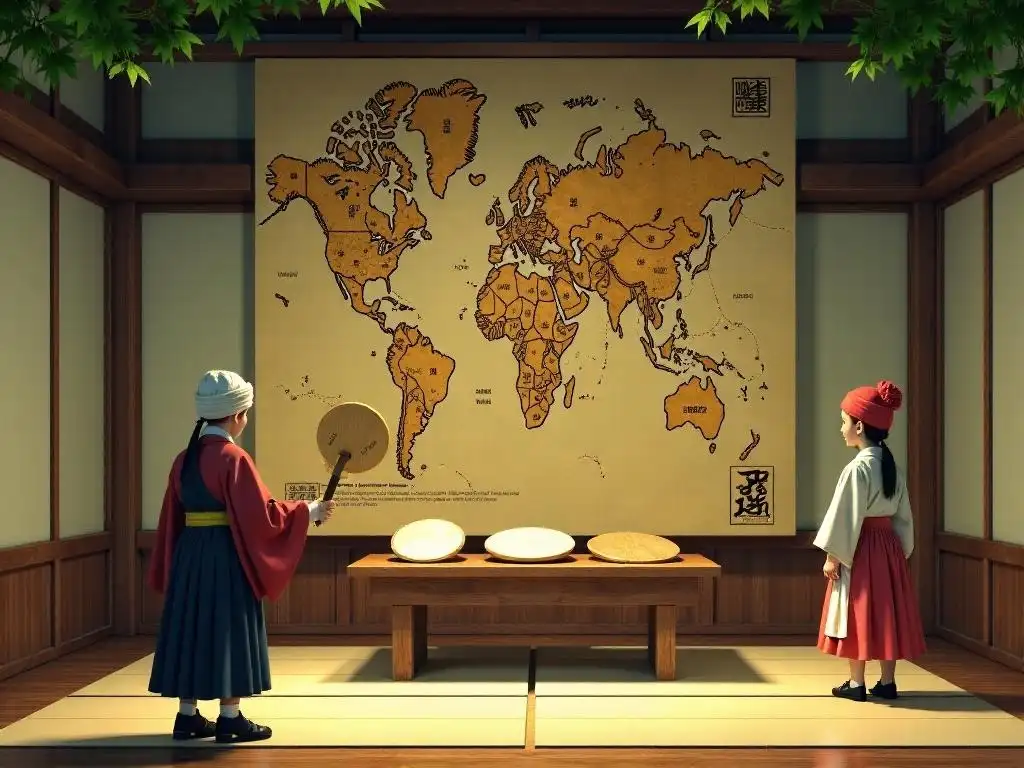
Several notable figures exemplify how education impacted social mobility in feudal Japan. One such figure is Yamaga Sokō, a scholar and strategist from the late 16th century. Born into a low-ranking samurai family, he utilized his education in Confucianism and military tactics to rise to prominence, advising powerful daimyōs and shaping military thought during the tumultuous Sengoku period.
Another significant example is Kōda Rohan, a renowned author and poet of the Meiji era who came from a humble background. His education allowed him to engage with the cultural elite, eventually earning him a place in literary circles and influencing Japanese literature and thought.
These examples illustrate that while the path to social mobility was fraught with challenges, education provided a crucial avenue for individuals to redefine their destinies and contribute to the broader cultural and intellectual landscape of Japan.
Cultural Perspectives on Education
Education in feudal Japan was not merely a means of personal advancement; it played an integral role in shaping cultural identity and societal values. The intersection of education and culture during this period reveals how learning was perceived and its implications for both individuals and society as a whole.
Confucian Influence on Japanese Educational Practices
The adoption of Confucian principles significantly impacted educational practices in Japan. Confucianism emphasized the importance of moral education, filial piety, and social harmony. As these ideas permeated Japanese society, they influenced not only the curriculum but also the broader outlook on education.
During the Tokugawa period, Confucian academies became centers of learning for the samurai class, and their teachings were instrumental in promoting loyalty to the state and ethical governance. The focus on moral education sought to cultivate virtuous leaders who would uphold social order. This Confucian framework ultimately shaped educational priorities, fostering a culture that valued learning as essential for societal stability and personal development.
The Role of Education in Shaping Cultural Identity

Education also played a vital role in reinforcing cultural identity during Japan's feudal era. Through the study of classical texts, literature, and history, individuals were instilled with a sense of belonging and understanding of their heritage. The education provided in temple schools and Confucian academies fostered a collective identity rooted in shared knowledge and values.
Moreover, the emphasis on arts and literature in education helped to cultivate a rich cultural landscape that celebrated Japanese traditions. As students engaged with poetry, calligraphy, and the appreciation of nature, they contributed to the continuity and evolution of Japanese cultural identity, linking the past to the present. This cultural education was crucial for maintaining a sense of community and national pride, even amidst the rigid social structures of feudal Japan.
Challenges and Limitations of Education in Feudal Japan
Education in Japan's feudal era was marked by a complex interplay of social hierarchies, economic constraints, and cultural norms that significantly influenced access and quality. While there were advancements in learning and philosophy, particularly during the Edo period, various challenges and limitations persisted throughout this era. Many individuals faced barriers that hindered their educational opportunities, often resulting in a rigid class system that reinforced societal inequalities.
The educational landscape was largely dominated by the samurai class, who had greater access to resources and institutions. In contrast, the lower classes, including peasants and artisans, often found themselves excluded from formal education. This exclusion perpetuated a cycle of poverty and limited social mobility, as education was one of the few pathways to improving one's status in society. Furthermore, the curriculum was heavily influenced by Confucian ideals, which emphasized moral education, loyalty, and civic responsibility, often sidelining practical skills that could benefit lower classes.
Barriers to Accessing Education for Lower Classes
For the lower classes in feudal Japan, accessing education was a formidable challenge. The prevailing social structure established a clear demarcation between the samurai and the common people, which was reflected in their educational opportunities.
- Economic Constraints: Many families struggled to afford the costs associated with education, such as tuition fees and materials. This was particularly prohibitive for peasant families who relied on agricultural productivity for their livelihood. As a result, children from these families were often required to work from a young age to support their households.
- Geographical Isolation: Educational institutions were primarily located in urban areas, making it difficult for rural populations to access them. The lack of transportation and communication infrastructure further exacerbated this issue, creating a significant gap in educational attainment between urban and rural communities.
- Cultural Expectations: There were also cultural norms that dictated educational priorities. Often, the emphasis was placed on training sons for samurai roles or preparing daughters for marriage, which led to a devaluation of education for lower-class children, particularly boys who were expected to contribute to family work.
Gender Disparities in Educational Opportunities
Gender disparities played a crucial role in the education system of feudal Japan. While some educational opportunities did exist for women, they were vastly limited compared to their male counterparts.
- Confined Roles: Women’s roles in society were primarily tied to domestic responsibilities, which constrained their access to formal education. The prevailing belief was that women should focus on home and family duties, thus depriving them of the chance to pursue academic endeavors.
- Limited Institutions: Although there were some schools for girls, these were often focused on basic literacy and domestic skills rather than comprehensive education. This reinforced traditional gender roles and limited women's ability to engage in broader societal roles.
- Cultural Ideologies: The Confucian ideology that permeated Japanese society during the feudal era emphasized male superiority and female subservience, further entrenching the educational divide. Education for girls was often viewed as unnecessary, leading to a cycle of illiteracy and dependence.
The Legacy of Education in Japan's Feudal Era
Despite the challenges faced during the feudal era, the educational practices and philosophies that emerged left a profound legacy on Japan’s educational landscape. The interplay of tradition, social structure, and cultural values shaped a unique system that evolved over time.
Lasting Impacts on Modern Japanese Education
The educational systems established during feudal Japan laid the groundwork for modern education in Japan. Several key aspects can be traced back to this era:
- Emphasis on Moral Education: The focus on moral and ethical teachings fostered a sense of civic duty and social responsibility that continues to be a cornerstone of Japanese education today.
- Confucian Influence: The Confucian ideals that prioritized respect for authority and the importance of education have persisted, influencing contemporary educational philosophies and practices in Japan.
- Institutional Development: The establishment of schools and educational institutions during the feudal era paved the way for the more structured and accessible education system that emerged in the Meiji period and beyond.
Lessons Learned from Historical Educational Practices
The examination of educational practices in feudal Japan offers valuable lessons that remain relevant today:
- Equity in Education: The barriers that lower classes and women faced highlight the importance of creating equitable educational opportunities for all, regardless of socioeconomic status or gender.
- Adaptability of Curriculum: The rigid curricula of the past serve as a reminder of the need for adaptability in education, ensuring that learning is relevant and responsive to societal changes and individual needs.
- Cultural Context: Understanding the historical context of education can inform current practices, allowing modern educators to draw on past successes and failures to enhance educational outcomes for diverse populations.
The exploration of education in Japan's feudal era reveals a multifaceted landscape shaped by social structures and cultural norms. By addressing the challenges and recognizing the legacy of education during this period, contemporary society can better understand the evolution of educational systems and strive towards a more inclusive future.
Conclusion: The Transformative Power of Education in Feudal Japan
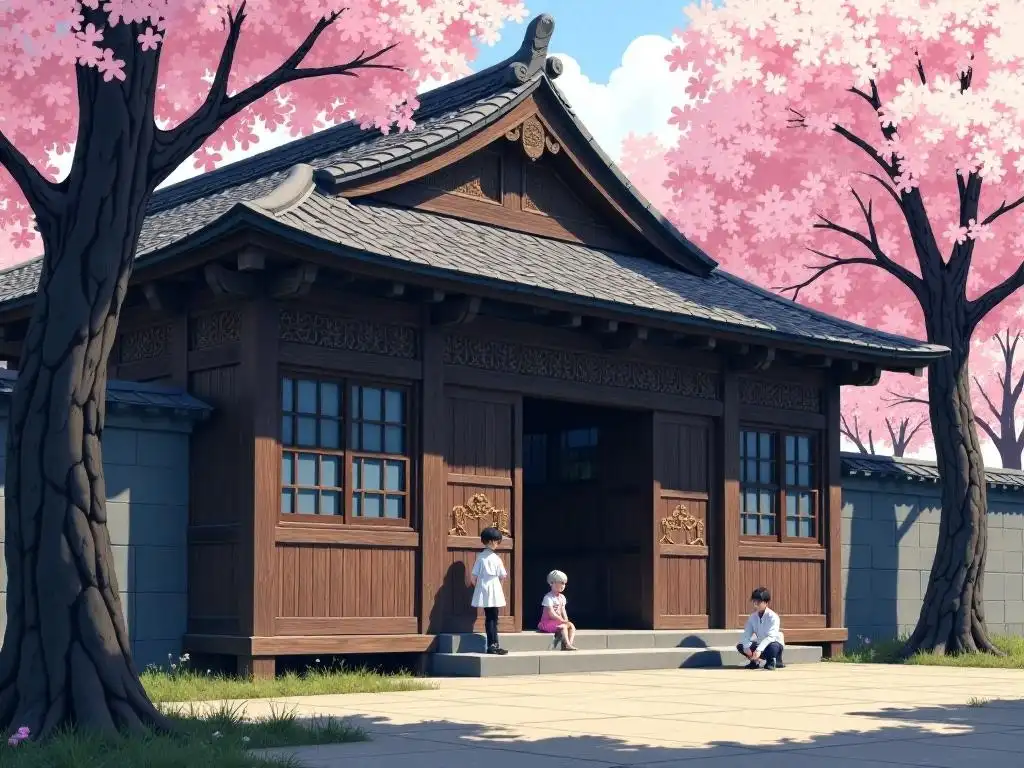
Education during Japan's feudal era was a powerful tool that shaped individual destinies and influenced societal structures. The educational systems established during this time were primarily influenced by Confucian ideals, emphasizing moral integrity, loyalty, and social responsibility. For the samurai class, education was not just a means of personal development; it was integral to maintaining status and power. As a result, the pursuit of knowledge became a mark of honor, with many samurai dedicating themselves to both martial and intellectual training.
For the common people, access to education was limited, yet it still played a crucial role in their lives. Village schools and temple-based education allowed some level of literacy and practical learning, enabling individuals to improve their social standing and economic conditions. The cultivation of skills through apprenticeships also provided pathways for upward mobility within the rigid class system. Thus, education acted as a bridge between social strata, allowing a few individuals to transcend their heritage.
Final Thoughts on Learning and Destiny
The relationship between education and destiny in feudal Japan underscores the broader implications of learning in shaping one’s life trajectory. While many were confined to their social roles, those who sought knowledge often found ways to navigate the rigid class divisions. The stories of notable figures, such as the merchant class who gained wealth and influence, illustrate how education could facilitate significant changes in one's social position.
Moreover, the emphasis on scholarly pursuits among the samurai class reflects a cultural paradigm that valued lifelong learning. This ethos contributed to a societal appreciation for knowledge that transcended mere academic achievement, embedding itself into the fabric of feudal Japanese society. Learning, therefore, was not just about personal gain but was seen as a contribution to the greater good of society, reinforcing communal ties and responsibilities.
The Relevance of Historical Education in Contemporary Society
Understanding education in Japan's feudal era provides valuable insights into contemporary society. The historical emphasis on education as a means of social mobility continues to resonate today, as modern Japan places significant importance on academic achievement and lifelong learning. The legacy of the past informs current educational policies, societal expectations, and the importance placed on both formal and informal education.
Furthermore, the transformative power of education observed in feudal Japan serves as a reminder of its potential to change lives. In a world where access to quality education remains uneven, the lessons from the past highlight the need for inclusive and equitable educational opportunities. As society continues to evolve, reflecting on the historical context of education can inspire efforts to create pathways for all individuals to achieve their fullest potential, irrespective of their origins.
Frequently Asked Questions
What role did education play in Japan's feudal era?
Education was primarily reserved for the samurai class, focusing on military strategy and Confucian principles, which underscored the importance of loyalty and governance.
While education provided some opportunities for social mobility, it was largely limited; the samurai and nobility had greater access to advanced learning compared to peasants.
Were there any formal institutions for education in feudal Japan?
Yes, temples and private tutors served as the main sources of education, with temple schools being a significant venue for training young samurai and the elite.
How did cultural values influence education in feudal Japan?
Confucianism greatly impacted educational content, promoting values such as discipline, respect for authority, and the idea that knowledge could lead to moral improvement.
What lasting impacts did feudal education have on modern Japanese society?
The emphasis on discipline and respect for learning established during the feudal era laid the foundation for contemporary Japanese education, fostering a culture that values academic achievement and social responsibility.
Final Reflection: The Transformative Power of Education in Shaping Destiny
Education has always been a cornerstone of societal development, and its role in shaping social mobility remains profoundly relevant today. As we explore the historical context of education in Japan's feudal era, it becomes clear that learning was not merely a privilege but a pathway to altering one's fate. The lessons from this period resonate in our contemporary society, where access to education continues to define opportunities and outcomes for individuals across various socio-economic backgrounds. The potential for education to change one's destiny is as significant now as it was then.
The impact of education on the cultural and social landscape is undeniable. In Japan's feudal era, the rigid class system was challenged by the emergence of educational institutions that provided new avenues for advancement. This historical shift laid the groundwork for the belief that knowledge could transcend social barriers. As we witness ongoing discussions about educational reform and equity today, it is essential to recognize that the fight for accessible education is not just a modern issue but a continuation of a long-standing struggle. Education is the most powerful weapon which you can use to change the world.
- Nelson Mandela. This quote encapsulates the enduring influence of education as a catalyst for change.
As we reflect on the lessons of the past, let us embrace the call to action: Consider how you can leverage the power of education in your own life and community. Whether through advocating for equitable access to learning resources, mentoring others, or pursuing lifelong learning, each of us has the capacity to contribute to a more just society. The journey of education is not just about personal advancement; it is about uplifting others and creating pathways for future generations. Together, we can ensure that education remains a transformative force, capable of changing destinies for all.
Empower Your Future Through Learning!
Thank you for taking the time to explore the intricate relationship between education and social mobility. We hope you’ve gained valuable insights into how learning can truly transform lives and circumstances. Now, it’s time to put that inspiration into action!
Here are a few steps you can take to harness the power of education for yourself and others:
- Seek out local educational programs or workshops to expand your skills and knowledge—opportunities for growth may be closer than you think!
- Share this article with friends and family who may benefit from understanding how education can change lives—together, we can ignite a passion for learning!
- Consider volunteering with a local organization that promotes education for underserved communities—your involvement can make a significant difference in someone's life!
What actionable steps will you take today to embrace the transformative power of education? We invite you to share your thoughts below!