
The Role of Festivals in Promoting Regional Cuisine in Feudal Japan

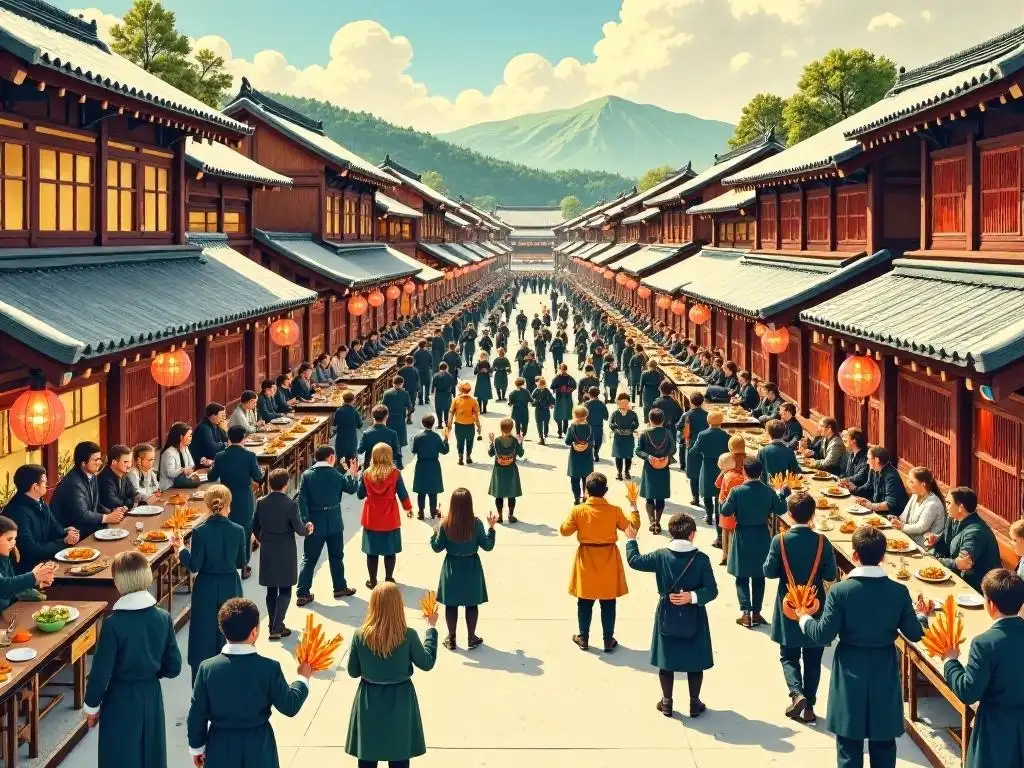
Welcome to Feudal Japan History, where we embark on a captivating journey through the rich tapestry of Japan's feudal era. Here, we delve deep into the vibrant festivals and regional cuisine that defined daily life and societal interactions. Have you ever wondered how these lively celebrations not only brought communities together but also showcased the unique flavors of each region?
Join us as we unravel the intricate ways in which festivals played a pivotal role in promoting the diverse culinary heritage of feudal Japan. Prepare to be intrigued and inspired as you explore the stories behind the traditions that shaped a nation!
Introduction to Festivals and Regional Cuisine in Feudal Japan
Festivals in feudal Japan served as more than mere celebrations; they were vibrant expressions of culture, community, and identity that played a crucial role in shaping local traditions and practices. Among these traditions, regional cuisine emerged as a focal point, showcasing the unique ingredients, cooking techniques, and flavors specific to different areas.
The interplay between festivals and regional cuisine in feudal Japan not only fostered a sense of belonging among people but also ensured the preservation and promotion of culinary heritage. This article delves into the multifaceted relationship between festivals and regional cuisine, highlighting their significance within the broader context of Japanese society during the feudal era.
Overview of Feudal Japan's Culinary Landscape
The culinary landscape of feudal Japan was rich and diverse, reflecting the geography, climate, and cultural influences of each region. Essential components of this landscape included:
- Staple Foods: Rice was the cornerstone of the Japanese diet, supplemented by vegetables, fish, and other seasonal ingredients.
- Regional Specialties: Each region boasted unique dishes influenced by local resources, such as seafood in coastal areas or mountain vegetables in inland regions.
- Cooking Techniques: Methods varied widely, from grilling and steaming to pickling and fermentation, allowing for a broad spectrum of flavors and textures.
Understanding this culinary landscape is pivotal to recognizing how festivals served as platforms for regional cuisines to flourish and gain recognition.
Importance of Festivals in Japanese Culture
Festivals, or matsuri, were integral to the social fabric of feudal Japan, deeply embedded in the cultural and spiritual lives of the people. Their importance can be summarized as follows:
- Community Cohesion: Festivals brought communities together, fostering social bonds and collective identity.
- Spiritual Significance: Many festivals were tied to Shinto beliefs, celebrating deities and seasonal changes, thus connecting the culinary practices to spiritual rituals.
- Cultural Transmission: Festivals acted as forums for sharing and preserving local traditions, including culinary practices, crafts, and performing arts.
Through these dimensions, festivals not only celebrated the culinary diversity of Japan but also reinforced the significance of food in cultural identity.
Historical Context of Festivals in Feudal Japan
Origins of Festivals in Japanese Society
The roots of Japanese festivals can be traced back to ancient agricultural rituals and Shinto practices. These early celebrations were aimed at:
- Ensuring Fertility: Festivals were often held to pray for successful harvests and bountiful crops.
- Honoring Deities: Many festivals honored local kami (deities), reflecting the agrarian society's reliance on nature and spirituality.
As society evolved, these rituals transformed into more elaborate festivals, incorporating various aspects of daily life, including the culinary traditions that accompanied them.
Evolution of Festivals During the Feudal Era
During the feudal era, festivals experienced significant transformations influenced by political, social, and economic changes:
- Samurai Influence: The rise of the samurai class led to the incorporation of martial displays and rituals into festivals, reflecting their status and power.
- Urbanization: As towns and cities grew, festivals became more elaborate, showcasing not just local cuisine but also the influences of trade and cultural exchange.
- Culinary Innovation: Festivals provided opportunities for chefs and home cooks to experiment, leading to the development of regional dishes that celebrated local ingredients and culinary techniques.
This evolution of festivals not only enriched the culinary landscape but also helped to promote a sense of pride in regional identities through food.
The intricate relationship between festivals and regional cuisine in feudal Japan encapsulates the essence of community, tradition, and cultural identity, making it a fascinating subject for exploration.
Types of Festivals Celebrating Regional Cuisine
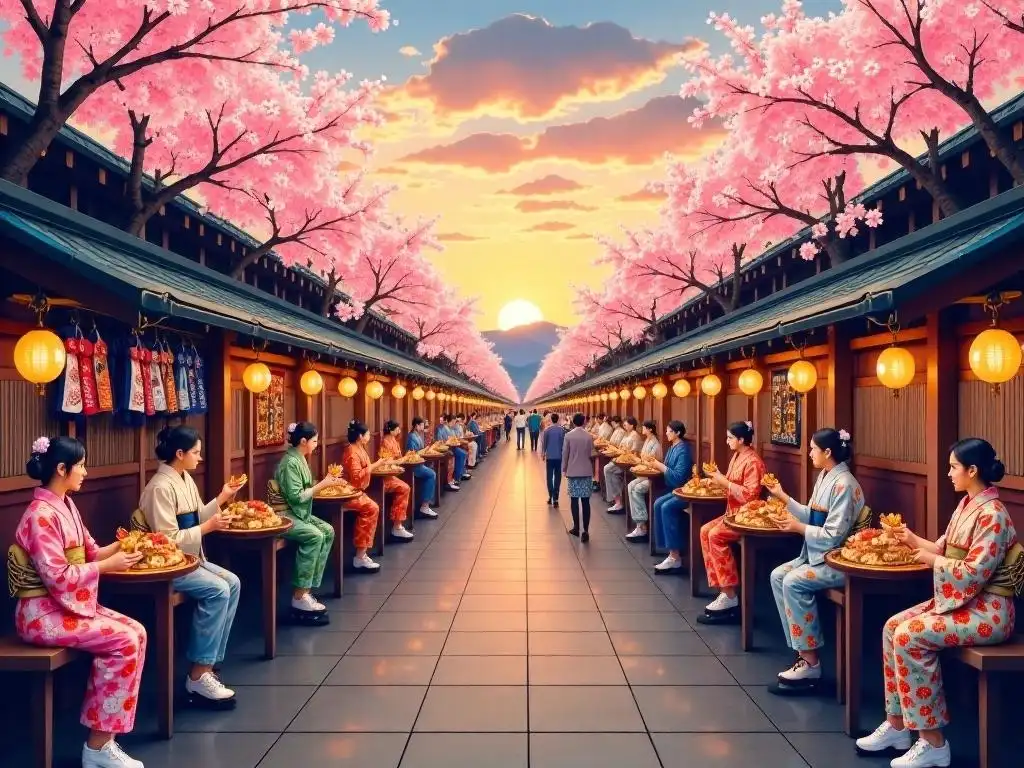
Festivals in feudal Japan played a crucial role in celebrating and promoting regional cuisine, serving as vibrant showcases of local food traditions. These events were not merely occasions for merriment; they were deeply entrenched in the agricultural calendar, seasonal changes, and religious practices. Each type of festival offered unique culinary experiences that reflected the diverse landscape and cultural heritage of different regions across Japan.
Agricultural Festivals and Their Culinary Significance
Agricultural festivals, or Nōgyō-sai, were intimately tied to the farming cycle and celebrated the harvest. These events often included rituals to thank the deities for a bountiful yield, and food played a central role in these celebrations. Rice, the staple of the Japanese diet, was often highlighted, with dishes made from freshly harvested rice served to attendees.
For instance, the Oni Matsuri in the Owari region was celebrated with rice cakes ( mochi), symbolizing prosperity and abundance. Similarly, in the Tohoku region, the Kanto Matsuri featured local produce, where farmers showcased their fruits and vegetables. This not only honored the agricultural efforts but also encouraged the community to appreciate and utilize local ingredients.
Seasonal Festivals Featuring Local Dishes
Seasonal festivals, such as Hanami (cherry blossom viewing) in spring and Tsukimi (moon viewing) in autumn, emphasized the beauty and bounty of nature while promoting regional delicacies. During Hanami, families and friends would gather under blooming cherry trees to enjoy sakura mochi—sweet rice cakes wrapped in cherry leaves—showcasing how seasonal ingredients influenced culinary practices.
In autumn, Tsukimi festivities featured dishes like dango (rice dumplings) and seasonal vegetables, emphasizing the importance of seasonal eating in feudal Japan. These festivals not only celebrated nature's cycles but also reinforced the connection between food and the changing seasons, highlighting the significance of regional cuisine.
Religious Festivals and Food Offerings
Religious festivals in feudal Japan, such as the Gion Matsuri and Tenjin Matsuri, often included food offerings to deities as part of their rituals. These events showcased an array of local dishes, symbolizing gratitude and reverence. For example, offerings of fish, vegetables, and rice were made, reflecting the local produce and the community's agricultural practices.
The Gion Matsuri, celebrated in Kyoto, featured a parade of floats adorned with various food items that represented the regions from which they came. This not only showcased the regional specialties but also served as a reminder of the diverse culinary heritage within Japan.
The Connection Between Festivals and Regional Cuisine
The relationship between festivals and regional cuisine in feudal Japan was a dynamic interplay that fostered community identity and cultural expression. Festivals provided a platform for showcasing local ingredients and culinary practices, reinforcing the significance of food in social and cultural contexts.
How Festivals Showcase Local Ingredients
Festivals served as a vibrant stage for local ingredients to shine. Communities would often celebrate the unique produce of their region, whether it was the famed Yamagata cherries or the Kagawa udon. Cooking demonstrations, food stalls, and communal meals highlighted these ingredients, allowing festival-goers to taste and appreciate the flavors specific to their area.
Moreover, the competitive spirit at these festivals encouraged chefs and home cooks alike to innovate and create new dishes using local ingredients. This practice not only promoted regional specialties but also fostered a sense of pride in local culinary identity.
The Role of Festivals in Preserving Culinary Traditions
Culinary traditions in feudal Japan were often passed down through generations, and festivals played a pivotal role in preserving these practices. By bringing together community members, festivals provided opportunities to share recipes, cooking techniques, and stories associated with traditional dishes.
For example, the Kintsugi Matsuri in Kanazawa emphasized the art of repairing pottery, but it also highlighted the local cuisine served in these traditional vessels. Such festivals ensured that culinary traditions remained alive, teaching younger generations the importance of their heritage and the skills required to prepare regional dishes.
Community Participation and Culinary Practices
Community participation was integral to the success of festivals, as they fostered a collective spirit that celebrated local cuisine. Residents would come together to prepare traditional dishes, helping to strengthen social bonds while sharing culinary knowledge. This communal involvement encouraged collaboration, where families and neighbors would exchange culinary tips and techniques.
Moreover, the inclusive nature of these festivals allowed for the blending of various culinary influences, which enriched the regional cuisine. This dynamic interaction not only enhanced the diversity of dishes served but also reinforced the significance of community in preserving and promoting local food traditions.
Festivals were vital in celebrating and promoting regional cuisine in feudal Japan, showcasing local ingredients, preserving culinary practices, and fostering community participation. The rich tapestry of food experiences woven through these festivals contributed significantly to Japan's cultural and culinary heritage.
Case Studies of Notable Festivals and Their Impact on Regional Cuisine
Festivals in feudal Japan played a pivotal role in not only celebrating cultural heritage but also in promoting regional cuisine. These events brought communities together, showcasing local dishes that reflected the unique agricultural practices and culinary traditions of the area. By examining specific festivals, we can better understand their lasting impact on regional cuisine and the culinary landscape of Japan.
Gion Matsuri and Its Influence on Kyoto Cuisine
One of the most famous festivals in Japan, Gion Matsuri, is celebrated annually in Kyoto during July. This festival originated in the 9th century as a religious rite to appease the gods during a plague outbreak. Over the centuries, it transformed into a vibrant celebration featuring elaborate floats, traditional clothing, and, importantly, a rich culinary experience.
Gion Matsuri significantly influenced Kyoto's cuisine, particularly through the introduction and popularization of seasonal dishes known as "kaiseki." This multi-course meal showcases fresh, local ingredients, often highlighting the flavors of the season. For example, during the festival, vendors traditionally serve yudofu (tofu hot pot) and other local delicacies, creating a culinary experience that draws on Kyoto's historical reliance on agriculture and its dedication to seasonal eating. The festival also emphasizes the importance of presentation and aesthetic, which has led to the evolution of Kyoto-style cuisine, known for its delicate flavors and artistic plating.
Moreover, the Gion Matsuri serves as a platform for local chefs to experiment with traditional recipes, leading to the creation of new dishes that incorporate both local and seasonal ingredients. This blending of innovation with tradition helps preserve Kyoto's culinary heritage while encouraging the growth of new culinary styles.
Sanja Matsuri as a Catalyst for Culinary Innovation
Held annually in May at Asakusa Shrine in Tokyo, Sanja Matsuri is one of the most significant festivals in the Kanto region. Originating in the early Edo period, it celebrates the three founders of the shrine and attracts millions of visitors. A key aspect of Sanja Matsuri is its vibrant street food scene, which has become a driving force for culinary innovation.
The festival features a wide array of food stalls offering traditional snacks such as yakitori (grilled chicken skewers), taiyaki (fish-shaped cakes filled with sweet red bean paste), and various regional specialties. These stalls not only serve festival-goers but also provide local chefs and food vendors an opportunity to showcase their culinary skills. The competitive nature of the festival encourages vendors to innovate, leading to the development of new flavors and dishes that blend traditional techniques with contemporary tastes.
Additionally, Sanja Matsuri serves as a hub for regional culinary exchange. Vendors from different provinces come to present their local specialties, fostering an environment of culinary collaboration. This exchange not only enhances the diversity of food options available during the festival but also promotes awareness of regional ingredients and cooking styles, contributing to the overall evolution of Japanese cuisine.
The Economic Impact of Festivals on Regional Cuisine
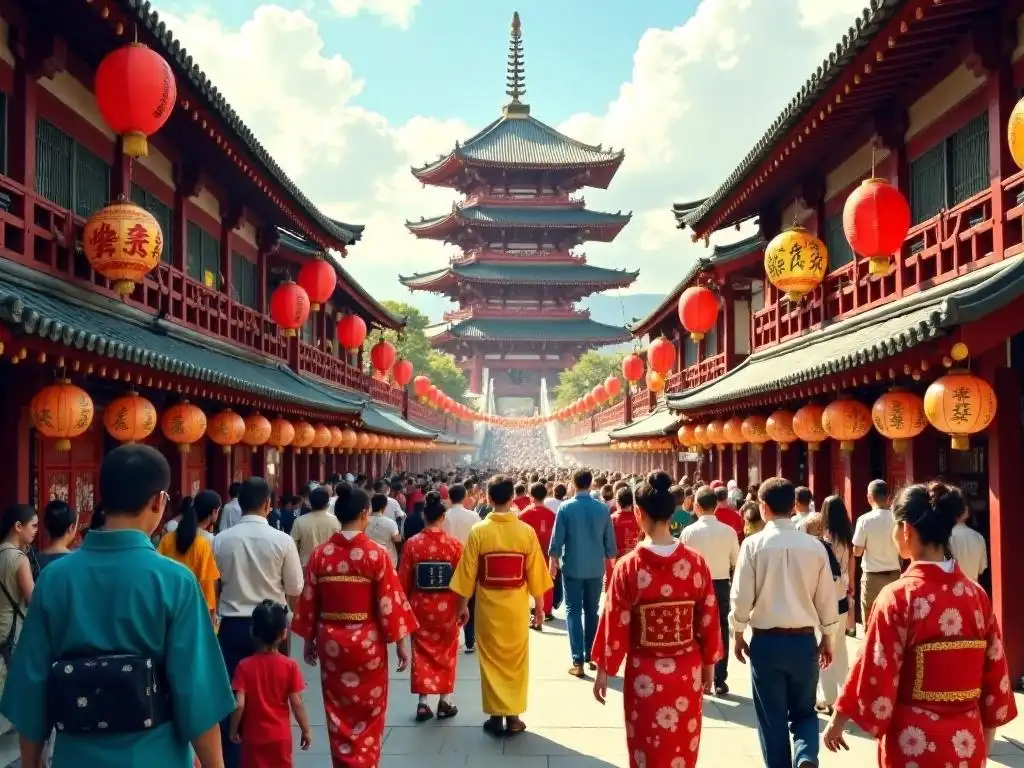
Festivals have a profound economic impact on regional cuisine in feudal Japan, influencing both local agriculture and the food industry. By drawing visitors and locals alike, these events create a bustling marketplace for local food producers and artisans, helping to sustain and grow local economies.
Boosting Local Agriculture and Food Production
The celebration of regional festivals often coincides with the harvest seasons, allowing farmers to showcase their produce at these events. Festivals like the Takayama Matsuri in Gifu Prefecture highlight the region's agricultural bounty, featuring seasonal fruits, vegetables, and other local products. This not only boosts sales for local farmers but also encourages them to maintain traditional farming practices that have been passed down through generations.
Moreover, festivals incentivize the cultivation of specific crops that are tied to local culinary traditions. Farmers may increase the production of certain ingredients, such as rice, sake, or specialty vegetables, to meet the demand created by festival-goers. This symbiotic relationship between festivals and agriculture fosters a deeper appreciation for local produce and enhances the cultural significance of regional cuisine.
Supporting Local Artisans and Food Vendors
In addition to benefiting farmers, festivals provide a vital platform for local artisans and food vendors to showcase their products. Craftsmanship in food preparation, including the production of artisanal goods like pickles, sweets, and sake, is celebrated during festivals, allowing these artisans to reach a larger audience.
For instance, the Owari Tsushima Tenno Matsuri features local artisans who create and sell traditional sweets, contributing to the preservation of culinary crafts unique to the region. The visibility at such festivals can lead to increased sales and recognition, helping these artisans sustain their craft and pass it on to future generations.
Furthermore, the economic activity generated during festivals creates job opportunities in hospitality, food preparation, and event organization, benefiting the local economy. As a result, festivals play a crucial role in nurturing regional culinary traditions while simultaneously driving economic growth, making them invaluable to the cultural and economic fabric of feudal Japan.
Challenges and Changes in Festivals and Cuisine Over Time
The festivals that once thrived in feudal Japan faced numerous challenges and changes over the centuries, particularly during the transition from the Edo period to the modern era. As Japan entered the Meiji Restoration, the shift towards modernization and Westernization brought significant alterations to traditional practices, including culinary customs and festival celebrations. Many regional festivals, which were deeply embedded in local agricultural cycles and seasonal changes, began to decline as urbanization took hold and lifestyles transformed.
Economic pressures also played a role in the evolution of these festivals. The rise of industrialization led to a migration from rural areas to urban centers, disrupting the local traditions that had been nurtured over generations. With fewer people remaining in rural areas, the intimate connection between the community and its culinary heritage weakened, resulting in a diminished presence of regional cuisines at festivals. Additionally, globalization introduced new food trends and practices, further complicating the preservation of traditional culinary arts.
The Decline of Traditional Festivals in Modern Japan
The decline of traditional festivals can be traced back to several pivotal factors. First, the rapid urbanization and modernization of Japan led to a loss of local populations who traditionally participated in these celebrations. As cities expanded, many rural communities either shrank or disappeared, taking with them the festivals that celebrated their unique culinary heritage.
Moreover, the post-war economic boom shifted cultural priorities. With an emphasis on economic growth and efficiency, many communities began to prioritize commercial interests over traditional celebrations. This shift often resulted in the abandonment of local customs, including food-related practices associated with festivals. As a result, many traditional festivals either ceased to exist or were significantly altered, losing their original essence and culinary significance.
Adaptation of Regional Cuisines in Contemporary Celebrations
Despite the decline of traditional festivals, regional cuisines have shown remarkable adaptability in contemporary celebrations. Many communities have recognized the value of their culinary heritage and have sought to revive or reinvent their local festivals to attract tourism and promote cultural identity.
Today, festivals often incorporate modern elements while still showcasing traditional dishes. For instance, local chefs may reinterpret age-old recipes using contemporary cooking techniques or fusion elements, thereby appealing to a broader audience. Additionally, festivals now often celebrate not just food but also the stories and histories behind these dishes, creating a richer experience for attendees.
Furthermore, the rise of food tourism has led to increased interest in regional cuisines, prompting communities to highlight their culinary specialties during festivals. This resurgence has contributed to a renewed appreciation for local ingredients and traditional cooking methods, fostering a sense of pride among locals and visitors alike.
Conclusion: The Lasting Legacy of Festivals in Feudal Japan’s Culinary Heritage
The legacy of festivals in feudal Japan remains a vital part of the nation's cultural and culinary identity. These celebrations served not only as occasions for communal gathering but also as a means of transmitting culinary knowledge and practices from one generation to the next. The dishes prepared and shared during these festivals were often tied to the agricultural calendar, reinforcing the connection between food, culture, and the natural environment.
As modern Japan navigates the complexities of globalization and urbanization, the influence of these historical festivals continues to resonate. They remind contemporary society of the importance of maintaining cultural traditions and celebrating regional diversity through cuisine.
Reflection on the Importance of Festivals in Cultural Identity
Festivals play a crucial role in shaping cultural identity, serving as a reflection of a community's values, history, and culinary practices. In feudal Japan, festivals were instrumental in fostering social cohesion and reinforcing local customs, particularly through shared meals and communal participation.
By celebrating local cuisine during festivals, communities could express their unique identities while also preserving their culinary heritage. This celebration of food not only highlighted regional specialties but also created a sense of pride and belonging among community members. As such, the importance of festivals in maintaining cultural identity cannot be overstated; they serve as living histories that connect the past with the present.
Future Implications for Regional Cuisine Preservation in Japan
The future of regional cuisine preservation in Japan hinges on the continued recognition of the role of festivals in celebrating culinary heritage. As modern society faces the challenges of globalization, there is a growing need for communities to embrace their unique food traditions and integrate them into contemporary life.
Efforts to revitalize traditional festivals could lead to increased awareness and appreciation for regional cuisines, encouraging younger generations to engage with their cultural roots. Furthermore, collaboration between local governments, culinary experts, and community members can help to create sustainable models for preserving culinary traditions.
The enduring impact of festivals on regional cuisine in Japan is profound. By fostering a renewed commitment to cultural heritage, there is potential for a vibrant future where culinary traditions are celebrated, preserved, and passed on through generations.
- Introduction to Festivals and Regional Cuisine in Feudal Japan
- Overview of Feudal Japan's Culinary Landscape
- Importance of Festivals in Japanese Culture
- Historical Context of Festivals in Feudal Japan
- Types of Festivals Celebrating Regional Cuisine
- The Connection Between Festivals and Regional Cuisine
- Case Studies of Notable Festivals and Their Impact on Regional Cuisine
- The Economic Impact of Festivals on Regional Cuisine
- Challenges and Changes in Festivals and Cuisine Over Time
- Conclusion: The Lasting Legacy of Festivals in Feudal Japan’s Culinary Heritage
Frequently Asked Questions
What were the primary festivals in feudal Japan?
Feudal Japan celebrated various festivals, such as Matsuri, which were often tied to seasonal changes and agricultural cycles, showcasing local cuisine and traditions.
How did regional cuisine influence the festivals?
Regional cuisine played a significant role in festivals, as each region showcased its unique dishes, reflecting the local culture and agricultural practices during these celebrations.
What was the significance of food in these festivals?
Food served during festivals was not only a means of sustenance but also a way to honor deities, strengthen community ties, and celebrate the harvest, enhancing the overall festive experience.
How did festivals promote local culinary traditions?
Festivals provided a platform for local cooks and artisans to present their cuisines, fostering a sense of pride in regional specialties and encouraging their preservation through generations.
Were there any specific dishes associated with feudal Japanese festivals?
Yes, many festivals featured specific dishes like mochi, soba, and seasonal vegetables, which highlighted the season's bounty and underscored the importance of local ingredients in feudal Japan’s culinary heritage.
Final Reflection: Celebrating Heritage Through Festivals and Regional Cuisine
The intricate relationship between festivals and regional cuisine in feudal Japan remains profoundly relevant today, as it highlights the importance of cultural preservation and community identity. In a world increasingly driven by globalization, understanding how local traditions and culinary practices were celebrated through festivals can inspire contemporary societies to cherish their unique heritages. Festivals were not merely events; they were vibrant expressions of the community's spirit, showcasing the rich tapestry of flavors and customs that defined their way of life.
The influence of these historical festivals continues to resonate in our cultural landscape, reminding us of the power of food as a unifying force. The revival of local food festivals and culinary traditions across the globe reflects a growing appreciation for regional cuisines and their stories. As noted by food historian Masako Kato, Food is not just sustenance; it is a narrative of our history, our culture, and our identity.
This connection to the past encourages us to explore our roots and understand the significance of the dishes that have shaped our communities.
As we reflect on the lessons from feudal Japan's festivals, I invite you to consider how you can celebrate your own cultural heritage through food and community gatherings. Embrace the flavors of your region, participate in local festivals, and share your culinary traditions with others. By doing so, you not only honor the past but also contribute to a vibrant future where diverse cuisines and cultures can thrive together. Let the spirit of these historical festivals inspire you to create moments of connection and celebration in your own life.
Savor the Flavor: Experience Feudal Japan's Culinary Heritage!
Thank you for diving into the delicious world of feudal Japan and discovering how festivals celebrated regional cuisine. Your interest in this rich cultural tapestry is invaluable, and now it's time to bring that knowledge to life!
Here are a few ways you can embrace this culinary journey further:
- Join a local food festival that celebrates Japanese cuisine and explore authentic flavors firsthand.
- Experiment with traditional recipes from feudal Japan, and share your creations with friends or on social media to spark interest in this unique culinary heritage.
- Connect with fellow food enthusiasts both online and in person to share insights, stories, and recipes that highlight feudal Japan's regional specialties.
What unique dish would you most like to create or try from the festivals of feudal Japan? Share your thoughts below!