
The Relationship Between Daimyo and Peasants: A Social Study

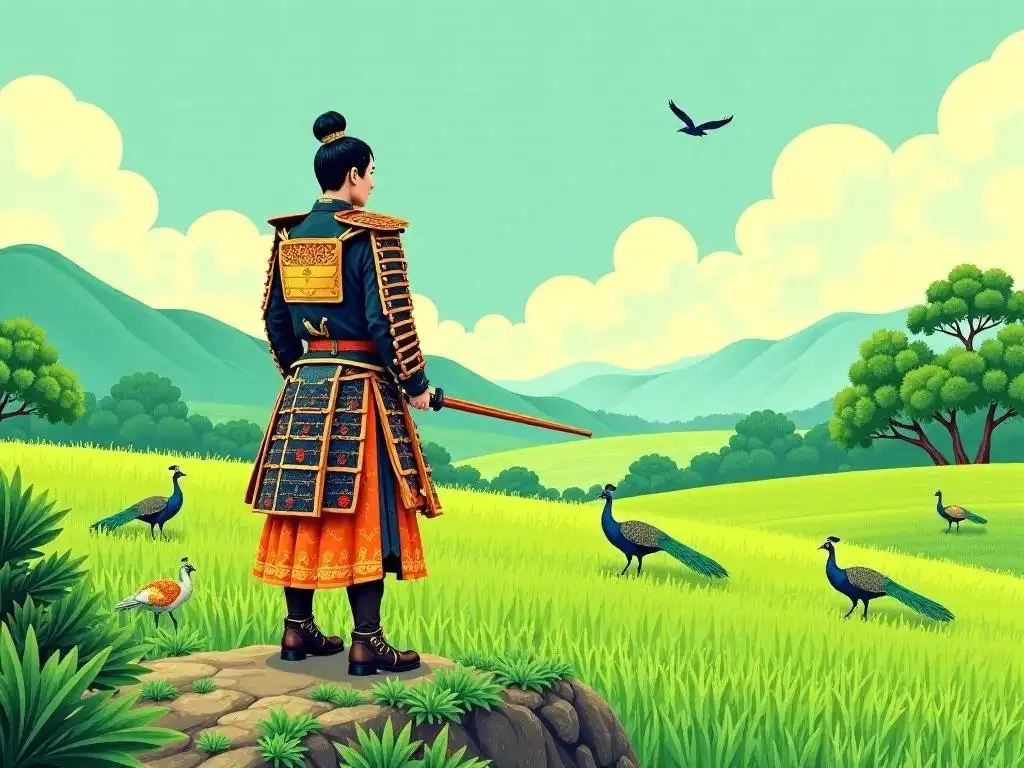
Welcome to Feudal Japan History, where we embark on a captivating journey through the intricate tapestry of Japan’s feudal era. Delve into our latest article, "The Relationship Between Daimyo and Peasants: A Social Study," as we unravel the complex dynamics between these powerful lords and the hardworking farmers who sustained their lands. What secrets lie within their interactions? How did these relationships shape the very fabric of society? Join us as we explore these compelling questions and more, inviting you to uncover the fascinating layers of Japan's political history. Your adventure into the past starts here!
Introduction to Daimyo and Peasant Relationships
The relationship between Daimyo and peasants forms a crucial cornerstone of Japan's feudal era, characterized by a complex interplay of power, obligation, and social structure. Understanding this dynamic offers insights into the broader political and cultural landscape of feudal Japan, revealing how these interactions shaped the lives of millions in an agrarian society.
The Daimyo, as powerful feudal lords, wielded significant authority over vast domains, while the peasants, often seen as the backbone of the economy, navigated their roles within a rigid social hierarchy. This exploration delves into the nuances of their relationships, examining the obligations, benefits, and conflicts that arose as a result of this interdependence.
Understanding the Feudal System in Japan
To fully grasp the Daimyo and Peasant Relationships, it is essential to understand the feudal system that defined Japan from the late 12th century until the Meiji Restoration in the 19th century. The feudal structure was characterized by:
- Hierarchical Organization:
- At the top were the Emperor and the shogunate, who held nominal power.
- Below them were the Daimyo, who controlled large territories.
- The lowest tier comprised the peasants, artisans, and merchants.
- Land Ownership and Responsibilities:
- The Daimyo owned the land and provided protection and governance.
- In return, peasants were required to cultivate the land and pay taxes, often in the form of rice, which was the primary currency of the era.
This system created a cycle of dependence, where the prosperity of the Daimyo relied heavily on the productivity of their peasants.
Significance of Daimyo in Feudal Japan
The Daimyo played a pivotal role in shaping the political landscape of feudal Japan. Their responsibilities included:
- Military Leadership:
- Daimyo were expected to provide warriors for their armies, often comprising samurai, to protect their domains and maintain order.
- Administrative Control:
- They governed their lands, implementing laws, collecting taxes, and ensuring agricultural production.
- Cultural Patronage:
- Many Daimyo became patrons of the arts, supporting cultural developments such as tea ceremonies, Noh theatre, and poetry, which enriched Japanese heritage.
The power wielded by the Daimyo often determined the stability and prosperity of their regions, influencing the overall development of Japanese society.
The Role of Peasants in the Social Hierarchy
Peasants were not merely laborers; they were integral to the feudal system's functioning. Their roles included:
- Agricultural Production:
- Peasants worked the land, cultivating rice and other crops essential for sustenance and trade.
- Taxation and Labor Obligations:
- In exchange for land use, they paid taxes to the Daimyo, which sustained the feudal economy.
- Social Mobility:
- Although typically confined to their status, some peasants could rise in rank through exceptional service or by becoming skilled artisans.
Understanding the position of peasants within this hierarchy sheds light on the socio-economic fabric of feudal Japan.
Historical Context of Daimyo and Peasant Relationships
Evolution of the Daimyo-Peasant Dynamics
Throughout the centuries, the relationship between Daimyo and peasants evolved significantly. Initially, it was characterized by a mutual dependence, but various factors, including political turmoil, economic changes, and agricultural advancements, reshaped this dynamic.
- Shifts in Power:
- As the Tokugawa shogunate solidified its control in the 17th century, the relationships became more structured, with peasants often facing heavier taxation.
- Resistance and Rebellion:
- Discontent among peasants occasionally led to uprisings, reflecting the tensions in their relationships with the Daimyo.
Key Historical Events Influencing Relationships
Several pivotal events influenced the nature of Daimyo and Peasant Relationships, including:
- The Onin War (1467-1477):
- This conflict led to a power vacuum, allowing peasants to assert more autonomy in some regions.
- The Edo Period (1603-1868):
- During this era, the consolidation of power by the Tokugawa shogunate significantly impacted the governance of Daimyo and their interactions with peasants.
- Land Reforms:
- Changes in land ownership laws throughout different periods affected peasant rights and their economic stability.
Case Studies of Prominent Daimyo and Their Peasants
Understanding specific case studies can offer a clearer picture of the Daimyo and Peasant Relationships. Notable examples include:
- Toyotomi Hideyoshi:
- His land survey policies in the late 16th century altered the landscape of land ownership, impacting peasant livelihoods.
- Ieyasu Tokugawa:
- The founder of the Tokugawa shogunate implemented strict regulations that shaped the dynamics between Daimyo and their subjects.
These case studies illustrate the varied experiences of peasants under different Daimyo, highlighting the complexities of their relationships across Japan's feudal history.
Through this comprehensive exploration, we can better appreciate the intricate web of social connections that defined Japan's feudal era, particularly the essential roles played by both Daimyo and peasants. Understanding these relationships is vital for any study of Japan's rich historical tapestry.
Economic Aspects of Daimyo and Peasant Relationships
The economic dynamics between the daimyo and peasants were a cornerstone of feudal Japan, shaping agricultural productivity and societal structure. This relationship was characterized by a complex interplay of land ownership, taxation, and mutual dependencies that ultimately determined the prosperity of both classes within the feudal system.
Land Ownership and Agricultural Production
In feudal Japan, land ownership was predominantly held by the daimyo, who governed vast territories. These lords were granted their lands by the shogunate in exchange for loyalty and military service. The peasants, on the other hand, worked these lands, cultivating rice and other crops that were vital for sustenance and trade. This separation of ownership and labor created a system where peasants were essentially tenants, bound to the land.
Production methods during this era were largely traditional, relying on wet-rice agriculture, which required significant labor and expertise. Peasants utilized advanced techniques, such as irrigation and crop rotation, to maximize yields. The daimyo's role was pivotal; they provided the necessary infrastructure, such as irrigation systems and granaries, to support agricultural productivity. In return, the daimyo expected a share of the harvest, which not only fed their households but also supported their military campaigns and administrative costs.
Taxation and Resource Distribution
Taxation was a critical element of the relationship between daimyo and peasants. The daimyo imposed taxes on the agricultural output of the peasants, typically calculated as a percentage of the harvest. This tax system was often harsh, with rates varying depending on the region and the whims of the daimyo. Taxes could be paid in rice or monetary equivalents, creating a direct link between agricultural productivity and the wealth of the daimyo.
The distribution of resources was often uneven, with daimyo prioritizing their own estates and military needs. However, some daimyo recognized the importance of equitable resource distribution to maintain stability and loyalty among their peasantry. Those who provided better conditions, such as lower taxes or support during poor harvests, often enjoyed greater loyalty and productivity from their subjects.
Economic Dependencies: Daimyo and Peasants
The economic relationship between daimyo and peasants was marked by mutual dependencies. While daimyo depended on the agricultural output of their peasants for economic stability, peasants relied on the protection and governance provided by their daimyo. This interdependence was reinforced through various mechanisms, such as the provision of security against banditry and the establishment of local administration.
In times of crisis, such as famines or natural disasters, these dependencies became particularly pronounced. Peasants were often at the mercy of their daimyo's generosity; those who received aid during hard times were more likely to remain loyal and productive. Conversely, a daimyo who failed to support their peasantry risked rebellion and unrest, highlighting the delicate balance of power within feudal Japan.
The social structure of feudal Japan was hierarchical, with the daimyo at the top and peasants forming the backbone of society. This structure influenced not only economic transactions but also cultural and social interactions, fostering a complex relationship between these two classes.
The Social Status of Peasants under Daimyo Rule
Peasants in feudal Japan were often viewed as the lowest class within the social hierarchy, yet their role was essential for the sustenance of the daimyo's power. While they lacked political influence, their labor was indispensable for agricultural production, leading to a paradoxical respect for their contributions.
Social mobility was limited, and peasants typically remained within their class throughout their lives. However, some daimyo acknowledged the value of skilled peasants, granting them certain privileges or titles in recognition of their contributions. This acknowledgment could lead to a sense of solidarity and loyalty among the peasant population, which was crucial for maintaining order and productivity.
Cultural Exchanges between Daimyo and Peasants
Cultural exchanges between daimyo and peasants were prevalent, often manifesting in the form of festivals, art, and religious practices. Daimyo would sometimes sponsor local festivals, fostering community spirit and loyalty among their subjects. These events allowed for interaction between classes, providing opportunities for peasants to showcase their talents and traditions.
Moreover, the daimyo's patronage of arts and culture had a trickle-down effect on peasant life. As daimyo commissioned local artisans, the influences of samurai culture began to permeate peasant communities, leading to a blending of traditions. This exchange enriched the cultural landscape of feudal Japan, making it a vibrant tapestry of class interactions.
Festivals and Local Traditions: A Unifying Force
Festivals played a significant role in unifying the social fabric of feudal Japan. These events, often tied to agricultural cycles or religious observances, provided essential opportunities for interaction between daimyo and peasants. Celebrations such as harvest festivals allowed peasants to express gratitude for their bountiful harvests while reinforcing loyalty to their daimyo.
During these festivals, peasants would showcase their crafts, music, and dances, celebrating their cultural heritage. The presence of the daimyo at these events often served as a reminder of their authority but also demonstrated a recognition of the peasants' contributions to the local economy. Thus, festivals acted as a bridge, fostering a sense of community and mutual respect within the hierarchical structure of feudal Japan.
Power Dynamics in Daimyo and Peasant Relationships
The relationship between daimyo and peasants during Japan's feudal era was characterized by intricate power dynamics that defined the social hierarchy of the time. Daimyo, as feudal lords, wielded significant authority over their domains, which included vast agricultural lands and the peasant populations who worked them. Conversely, peasants, as the backbone of the agrarian economy, played a critical role in sustaining the daimyo's wealth and power. This reciprocal dependency shaped their interactions, often leading to a complex interplay of authority, control, resistance, and cooperation.
Authority and Control: The Daimyo's Role
The daimyo held considerable authority over their territories, enforcing laws, collecting taxes, and managing agricultural production. They were responsible for maintaining order and ensuring the loyalty of their samurai and peasant subjects. The daimyo's role extended beyond mere governance; they were also military leaders who defended their lands against rival lords and external threats. This authority was often reinforced by a strict hierarchical structure, where peasants were expected to show deference to their daimyo.
In return for the peasants' labor and loyalty, daimyo offered protection and the promise of a stable living environment. However, this relationship was not always equitable. The demands placed on peasants, including high taxation and labor obligations, could lead to exploitation and hardship. Thus, the authority of the daimyo was both a source of stability and a potential catalyst for dissent among the peasant class.
Resistance and Rebellion: Peasant Responses
Peasants, while largely subservient to daimyo, did not passively accept their circumstances. Throughout the feudal era, instances of resistance and rebellion emerged as responses to oppression and exploitation. Peasant uprisings were often sparked by excessive taxation, forced labor, or the encroachment of daimyo on communal lands. These revolts, such as the famous Jōkyū War in the late 12th century, illustrated the tension between the ruling class and the agrarian populace.
Resistance took various forms, ranging from organized rebellions to more subtle acts of defiance, such as work slowdowns or the abandonment of fields. These actions not only highlighted the peasants' dissatisfaction but also demonstrated their agency within the rigid social structure. The responses of the peasant class were crucial in shaping the policies and practices of the daimyo, as they often had to navigate the delicate balance between authority and the need to maintain the support of their subjects.
Alliances and Conflicts in Feudal Society
The relationship between daimyo and peasants was further complicated by the broader context of feudal society, which was rife with alliances and conflicts. Daimyo often formed strategic alliances with other lords to strengthen their power and protect their interests. These alliances could influence the treatment of peasants, as cooperative agreements might lead to more benevolent rule, while conflicts could result in harsher conditions for the agrarian class.
Conflicts between rival daimyo frequently resulted in shifts in power that affected local peasant populations. During times of war, peasants might be conscripted to serve in military campaigns, disrupting agricultural production and leading to famine. Conversely, periods of peace could allow for the flourishing of agriculture, enhancing the lives of the peasants. Ultimately, the dynamics of power and conflict within feudal society played a critical role in shaping the experiences of both daimyo and peasants.
Comparative Analysis of Daimyo and Peasant Relationships
The relationships between daimyo and peasants varied significantly across different regions of Japan, influenced by local customs, economic conditions, and the individual characteristics of the daimyo themselves. This comparative analysis reveals the diverse experiences of peasants throughout the feudal era.
Differences in Relationships Across Regions
In regions such as Kanto, where rice cultivation was predominant, the relationship between daimyo and peasants was often characterized by a system of sharecropping. Peasants would cultivate rice fields owned by the daimyo, providing a portion of their harvest as rent. In contrast, in regions like Hokkaido, where agriculture was less established, the interactions were shaped by the need for cooperation in resource management among disparate communities. These regional differences resulted in varied degrees of autonomy and exploitation experienced by peasants, with some regions enjoying more favorable conditions than others.
Variations in Treatment of Peasants by Different Daimyo
Not all daimyo treated their peasant subjects equally. Some daimyo, recognizing the importance of a stable agricultural base, adopted policies that favored peasant welfare, such as fair taxation and investment in irrigation projects. Others, however, were more exploitative, imposing heavy burdens that led to widespread discontent. The personal philosophies and governance styles of individual daimyo greatly influenced the quality of life for their peasants, leading to a spectrum of experiences that ranged from relative prosperity to severe oppression.
The Impact of Geography on Social Structures
Geography played a vital role in shaping the social structures within feudal Japan. The physical landscape influenced agricultural practices, which in turn affected the relationships between daimyo and peasants. For instance, mountainous regions with limited arable land often led to smaller, more close-knit communities where peasants had more bargaining power. Conversely, in fertile plains, where agricultural output was high, daimyo could exert more control due to the abundance of resources. This geographical variation helped create distinct social dynamics, which further complicated the overarching narrative of daimyo and peasant relationships in feudal Japan.
The Legacy of Daimyo and Peasant Relationships
The relationships between daimyo and peasants during Japan's feudal era have left a profound legacy that continues to influence Japanese society today. These dynamics were characterized by a complex system of obligations, rights, and social hierarchies that dictated the lives of millions. The legacy of these interactions can be seen in various aspects of modern Japanese culture, social structure, and even in contemporary land ownership patterns.
Feudalism created a sense of loyalty and duty among the classes, where peasants relied on daimyo for protection and governance while providing agricultural produce and labor in return. This mutual dependence fostered a unique social contract that persists in Japanese values, emphasizing community and collective well-being. Moreover, the historical context of these relationships has shaped the societal attitudes toward authority, hierarchy, and work ethic, which remain relevant in modern Japan.
Long-term Effects on Japanese Society
The long-term effects of the daimyo-peasant relationships are evident in the way modern Japanese society is structured. The feudal system established a precedent for land ownership and agricultural practices that can still be observed today. For example, the concept of "shōen", or estate management, influenced land tenure systems that evolved after the Meiji Restoration.
Additionally, the loyalty and service that characterized these relationships have translated into modern corporate cultures, where hierarchical relationships and employee loyalty are highly valued. The remnants of this feudal loyalty are particularly visible in the enduring respect for authority and seniority, which can be traced back to the daimyo-peasant dynamics of the past.
Modern Interpretations of Feudal Relationships
Modern interpretations of the daimyo and peasant relationships vary widely, reflecting the complex nature of their historical context. Scholars often analyze these relationships through different lenses, such as economic dependency, social hierarchy, and cultural exchange.
In contemporary discourse, the feudal bonds are sometimes romanticized as a harmonious connection between classes, focusing on mutual respect and shared goals. However, critical perspectives highlight the power imbalances inherent in these relationships, pointing out that the daimyo wielded significant authority, often leading to exploitation and hardship for the peasant class.
This duality invites a deeper exploration of the social constructs that defined these relationships and how they can inform our understanding of modern Japanese society's values and challenges.
Lessons Learned from Historical Dynamics
The historical dynamics between daimyo and peasants offer valuable lessons for contemporary society. One significant lesson is the importance of balance in power dynamics. Just as the relationships between daimyo and peasants were marked by both cooperation and conflict, modern societies must navigate the complexities of authority and responsibility.
Moreover, the feudal era illustrates the consequences of neglecting the needs of lower social classes. The hardships faced by peasants due to oppressive taxation and labor demands serve as a warning against social and economic inequality. Recognizing the historical implications of these relationships can encourage modern societies to foster more equitable systems, ensuring that all members have a voice and share in the benefits of their labor.
Conclusion: The Complexity of Daimyo and Peasant Relationships
The complexity of the relationships between daimyo and peasants reveals the multifaceted nature of social structures in feudal Japan. These interactions were not merely transactional; they were woven into the very fabric of Japanese society, influencing cultural norms and social expectations for generations.
Summary of Key Insights
Key insights from this exploration include the recognition of the reciprocal obligations inherent in daimyo-peasant relationships, the long-lasting effects on contemporary Japanese culture, and the lessons that can be drawn from the historical dynamics of power and dependency. Understanding these relationships provides a critical perspective on how historical contexts shape modern social structures.
The Relevance of Historical Relationships in Contemporary Japan
The relevance of these historical relationships is apparent in contemporary Japan, where echoes of feudal loyalty and hierarchy can still be felt in various aspects of life, from family structures to workplace dynamics. The societal respect for elders and authority figures, along with a strong sense of community responsibility, are remnants of the past that continue to influence modern Japanese identity.
Final Thoughts on Social Structures in Feudal Japan
The social structures established during the feudal period in Japan were complex and multifaceted, characterized by a blend of cooperation, loyalty, and inequality. By examining the relationships between daimyo and peasants, we gain valuable insights into the historical context that shaped not only Japan's past but also its present. Acknowledging these dynamics allows us to appreciate the intricate tapestry of social relations that define Japan's cultural identity today.
- Introduction to Daimyo and Peasant Relationships
- Historical Context of Daimyo and Peasant Relationships
- Economic Aspects of Daimyo and Peasant Relationships
- Social Structure and Interaction
- Power Dynamics in Daimyo and Peasant Relationships
- Comparative Analysis of Daimyo and Peasant Relationships
- The Legacy of Daimyo and Peasant Relationships
- Conclusion: The Complexity of Daimyo and Peasant Relationships
- What was the role of the Daimyo in feudal Japan?
- How did peasants contribute to the economy during the feudal era?
- What were the main challenges faced by peasants under Daimyo rule?
- How did the relationship between Daimyo and peasants evolve over time?
- What cultural aspects influenced the Daimyo and peasant relationships?
Frequently Asked Questions
What was the role of the Daimyo in feudal Japan?
The Daimyo were powerful landlords who held significant political and military authority. They managed large estates and governed their territories, providing protection to peasants in exchange for taxes and military service.
How did peasants contribute to the economy during the feudal era?
Peasants formed the backbone of the agricultural economy, working the land to produce food and other goods. Their labor was essential for the Daimyo to maintain their wealth and power, making their relationship crucial.
What were the main challenges faced by peasants under Daimyo rule?
Peasants often dealt with heavy taxation, harsh working conditions, and the threat of military conscription. Many faced difficulties in land ownership, leading to a cycle of poverty and dependence on their Daimyo.
How did the relationship between Daimyo and peasants evolve over time?
Initially built on mutual dependence, the relationship became more exploitative as the Daimyo sought to increase their wealth and power. Over time, this led to peasant uprisings and social changes in the Edo period.
What cultural aspects influenced the Daimyo and peasant relationships?
Cultural elements, such as Confucian ideals and the Bushido code, shaped expectations of loyalty and duty. These influences fostered a complex dynamic that integrated both social hierarchy and communal obligations.
Final Reflection: Understanding the Bonds of Power and Dependence
The intricate dynamics between daimyo and peasants remain profoundly relevant today, as they highlight the enduring themes of power, loyalty, and social hierarchy. In a world where economic disparities and social stratification continue to shape human interactions, the historical relationship between these two groups serves as a poignant reminder of how authority can influence the lives of the many. The lessons drawn from this relationship are not merely relics of the past; they resonate in contemporary discussions about governance, community, and the responsibilities of those in power.
The relationship between daimyo and peasants has left an indelible mark on our cultural and social landscape, shaping the way we perceive authority and community engagement. This historical context encourages us to reflect on our own societal structures and the roles we play within them. As we navigate modern challenges, we can draw inspiration from the resilience and adaptability of peasants who, despite their subordinate status, often found ways to assert their agency. > “In every society, the balance of power is a dance, where the steps are dictated by history, culture, and the will of the people.”
As we conclude this exploration of daimyo and peasant relationships, I invite you to reflect on your own position within the social fabric. Consider how you can foster connections that transcend power dynamics, promoting mutual respect and understanding in your community. Whether through acts of kindness, advocacy for social justice, or simply by listening to the voices of those around you, each of us has the potential to contribute to a more equitable society. Let us carry forward the lessons of the past, shaping a future where relationships are built on trust, collaboration, and shared purpose.
Discover the Power of Community in Feudal Japan!
Thank you for exploring the intricate dynamics between **daimyo** and **peasants**! Your interest in this critical aspect of feudal Japan not only enriches your understanding but also fosters a deeper connection with history. Now, let’s transform your newfound knowledge into actionable steps that enhance your engagement with this captivating topic.
- Join a Local History Group: Connect with others who share your passion for feudal Japan by participating in discussions or events focused on historical studies.
- Share Your Insights: Post your favorite takeaway from this article on social media and invite friends to explore the relationship between different social classes in Japan.
- Explore Related Readings: Delve deeper into the lives of peasants by seeking out books or documentaries that highlight their experiences and contributions to society.
What valuable insights do you think the stories of these historical relationships can teach us about community and societal structures today?