
The Samurai's Library: MustRead Texts of the Feudal Era

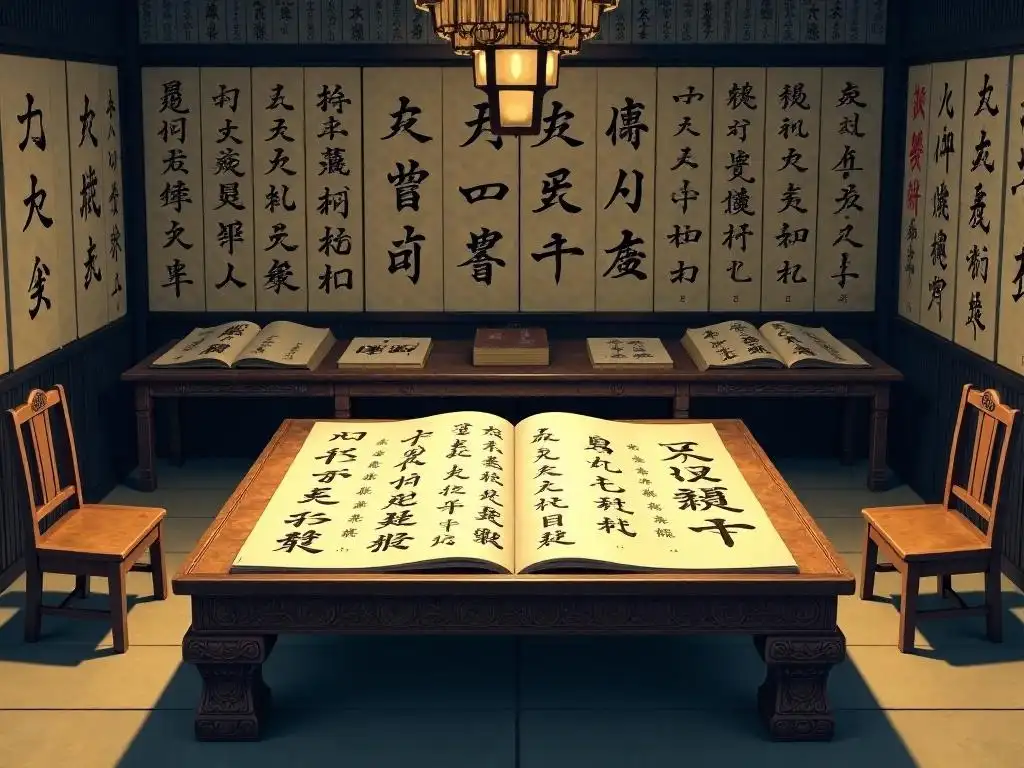
Welcome to Feudal Japan History, your gateway to the captivating world of Japan’s feudal era! Dive deep into the rich tapestry of historical, cultural, and societal nuances that shaped a nation. In our featured article, “The Samurai's Library: Must-Read Texts of the Feudal Era,” we unravel the wisdom and philosophy behind the legendary samurai through the lens of essential texts.
What secrets do these ancient writings hold? Join us as we embark on a journey through time, exploring the profound impact these texts had on the samurai spirit and the broader cultural landscape of feudal Japan. Prepare to be intrigued and inspired!
Introduction to Samurai Texts in Feudal Japan
The feudal era of Japan, spanning from the late 12th century to the mid-19th century, was characterized by a complex social hierarchy, military conflicts, and a rich cultural landscape. Among the most significant contributors to this cultural tapestry were the samurai, the warrior class that not only excelled in martial arts but also engaged deeply with literature, philosophy, and the arts.
This article, "The Samurai's Library," serves as a comprehensive guide to the must-read texts from the feudal era, highlighting works that shaped the samurai ethos and provided insight into their worldview. By exploring these essential texts, readers will gain a deeper understanding of the values, strategies, and philosophies that defined the samurai and their lasting impact on Japanese culture.
Overview of the Feudal Era in Japan
The feudal era in Japan was marked by a unique social structure where power was decentralized, and land was held by feudal lords (daimyō) in exchange for military service. The samurai served as the military nobility, playing a pivotal role in both governance and warfare. This period saw significant developments in various fields, including art, religion, and literature.
Key features of the feudal era include:
- Military Conflicts: Constant warfare among rival daimyōs led to the emergence of powerful warrior clans.
- Cultural Flourishing: Despite the turmoil, literature and arts thrived, influenced by Buddhist, Confucian, and Shinto philosophies.
- Social Hierarchy: The rigid class system dictated societal roles, with samurai at the top, followed by farmers, artisans, and merchants.
Understanding the context of the feudal era is essential for appreciating the literary works produced during this time, as they reflect the challenges and values of samurai life.
Importance of Literature in Samurai Culture
Literature in samurai culture was not merely a source of entertainment; it was a vital part of their education and moral upbringing. Samurai texts often encompassed themes of loyalty, honor, and the warrior's way (bushidō), serving both as guides for personal conduct and reflections on the nature of life and death.
The significance of literature in samurai culture can be summarized as follows:
- Moral Instruction: Texts provided ethical guidance, emphasizing virtues such as loyalty, bravery, and self-discipline.
- Strategic Insight: Works on military strategy and philosophy informed samurai tactics and decision-making.
- Cultural Identity: Literature helped to cultivate a sense of identity and pride among the samurai, reinforcing their role as protectors of Japan.
As we delve into the key samurai texts of the feudal era, we will uncover the profound wisdom and cultural significance embedded in these works.
Key Samurai Texts of the Feudal Era
The Book of Five Rings: A Guide to Strategy and Philosophy
Written by the legendary swordsman Miyamoto Musashi in 1645, The Book of Five Rings (Go Rin no Sho) is a seminal text that outlines Musashi's philosophy on martial arts and strategy. The book is divided into five sections, each corresponding to a different element (earth, water, fire, wind, and void), reflecting Musashi's holistic approach to combat and life.
Key themes include:
- Strategy and Tactics: Musashi emphasizes the importance of adaptability and understanding one’s enemy.
- Spirituality: The text intertwines martial proficiency with deeper philosophical insights, advocating for a balance between mind and body.
Hagakure: The Book of the Samurai's Soul
Hagakure, written by Yamamoto Tsunetomo in the early 18th century, serves as a practical guide to the samurai way of life. This text is a collection of reflections on bushidō and the nature of loyalty, duty, and honor, often presented through anecdotes and teachings.
Key insights include:
- The Nature of Death: Tsunetomo stresses the importance of accepting death as an integral part of a samurai's life.
- Loyalty and Service: The text emphasizes unwavering loyalty to one's lord and the moral obligations of the samurai class.
The Tale of the Heike: A Reflection on War and Honor
The Tale of the Heike (Heike Monogatari) is an epic historical narrative that chronicles the rise and fall of the Taira clan during the Genpei War (1180-1185). This text not only recounts battles but also delves into the emotional and moral dimensions of warfare, making it a critical piece of samurai literature.
Notable aspects include:
- Themes of Impermanence: The text reflects on the fleeting nature of power and the inevitability of change.
- Heroic Ideals: It portrays the valor and tragedy of warriors, serving as a poignant reminder of the samurai's complex relationship with honor and fate.
The Art of War: Influence on Samurai Tactics and Ideology
While not originally Japanese, The Art of War by Sun Tzu significantly influenced samurai tactics and military philosophy. Translated and studied in Japan, this ancient Chinese treatise on strategy became essential reading for samurai leaders.
Key contributions include:
- Principles of Warfare: The text outlines fundamental strategies that emphasize intelligence, deception, and the importance of understanding the terrain and enemy.
- Philosophical Underpinnings: It advocates for a mindset that values preparation and adaptability, concepts that resonated deeply with the samurai ethos.
Through these texts, we can see how literature shaped the samurai's identity, values, and practices, providing a rich legacy that continues to influence Japanese culture today.
Themes and Concepts in Samurai Literature
Samurai literature is rich with themes and concepts that reflect the values and philosophies of the samurai class during Japan's feudal era. At the core of these texts lies bushido, the ethical code that governed the lives of samurai warriors. This literature not only served as a guide for personal conduct but also as a reflection of the societal expectations placed upon them. Other recurring themes include honor, loyalty, and the profound influence of nature, which often served as a backdrop for the samurai's internal struggles and philosophical musings.
The texts showcase a blend of martial prowess and artistic expression, embodying the samurai's dual role as both a warrior and a scholar. Moreover, the literature often explores the conflict between duty and emotion, highlighting the samurai's struggle to maintain their values in a turbulent world. This intricate tapestry of themes offers readers insights into the complexities of feudal Japanese society, allowing us to appreciate the depth and breadth of samurai culture.
Bushido: The Way of the Warrior
Bushido, or "the way of the warrior," is a central tenet in samurai literature, encapsulating the moral code that samurai were expected to uphold. This code emphasizes virtues such as courage, integrity, compassion, respect, honor, and loyalty. Texts discussing bushido often illustrate how these virtues were not merely guidelines but essential qualities that defined a samurai's character.
One of the most significant works that delve into bushido is "Hagakure" by Yamamoto Tsunetomo, which serves as a practical guide for samurai conduct. It emphasizes the importance of living in accordance with one's principles, even in the face of death. The notion of seppuku, or ritual suicide, is frequently mentioned as a means to preserve honor when faced with disgrace.
In literature, bushido is portrayed as a path of self-discipline and spiritual growth, leading samurai to seek not only external victories but also internal harmony. This concept has transcended time, influencing not just samurai but also the broader Japanese society, shaping cultural attitudes toward bravery and integrity.
Honor and Loyalty in Samurai Texts
Honor and loyalty are fundamental themes that permeate samurai literature, deeply influencing the relationships between warriors and their lords, families, and comrades. The samurai's unwavering loyalty to their daimyo (feudal lord) is not just a matter of duty but a sacred obligation that reflects their identity and purpose.
Many samurai texts, such as "The Tale of the Heike," narrate stories of loyalty and betrayal, illustrating the consequences of these values on both personal and societal levels. The loyalty displayed by characters in these narratives often leads to acts of remarkable bravery, yet it can also result in tragic outcomes, showcasing the complex nature of samurai relationships.
Honor, closely tied to loyalty, is depicted as a driving force behind samurai actions. The concept of honor governs decisions, influencing everything from battlefield conduct to personal interactions. The literature emphasizes that maintaining one's honor is paramount, often dictating a samurai's choices even at the cost of their life. This intricate interplay of honor and loyalty remains a poignant aspect of samurai texts, resonating through Japan's cultural history.
The Role of Nature in Feudal Japanese Literature
Nature plays a significant role in samurai literature, often serving as a metaphor for the emotional and spiritual states of the characters. The beauty and transience of nature are reflected in the stoic lives of samurai, who find both solace and inspiration in their surroundings. This connection to nature is deeply rooted in Shinto and Buddhist philosophies, which permeate the samurai’s understanding of life and death.
Poetry, particularly haiku, exemplifies this relationship, capturing fleeting moments in nature that resonate with the samurai's quest for enlightenment and inner peace. Works by poets like Matsuo Bashō illustrate how the changing seasons mirror the samurai's own experiences of struggle and acceptance, creating a profound sense of harmony.
Furthermore, nature often serves as a backdrop in samurai tales, highlighting the contrasts between the beauty of the landscape and the brutality of warfare. This juxtaposition emphasizes the samurai's internal conflict, revealing a deeper narrative about the impermanence of life and the inevitability of death. The role of nature in feudal Japanese literature speaks to a fundamental aspect of samurai philosophy, intertwining their existence with the world around them.
The Impact of Samurai Texts on Japanese Society
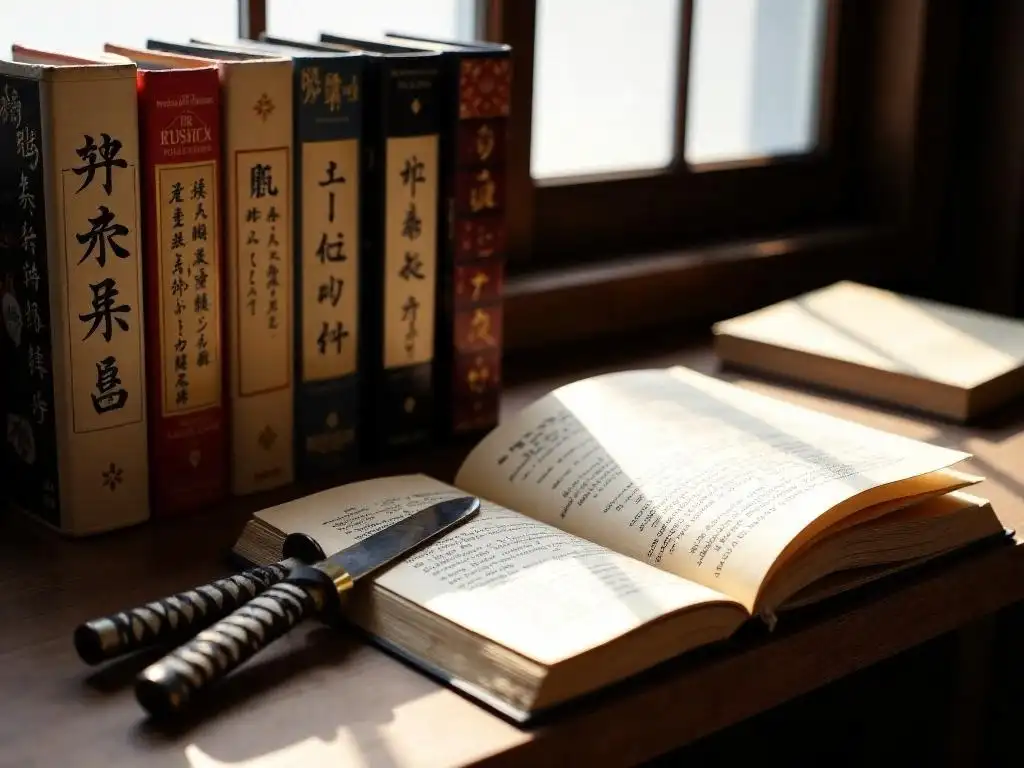
Samurai texts have had a lasting impact on Japanese society, shaping cultural norms and values that continue to influence modern Japan. These texts not only provided guidance for the samurai class but also reached broader audiences, embedding the ideals of bushido and the samurai spirit into the national consciousness.
The narratives of loyalty, honor, and sacrifice found in these texts resonate with Japanese cultural identity, fostering a sense of pride and historical continuity. As such, samurai literature has played a crucial role in the formation of societal values, promoting virtues that uphold the integrity of both individuals and communities.
Influence on Modern Japanese Culture
The legacy of samurai texts is evident in modern Japanese culture, where the themes of honor, loyalty, and discipline continue to be celebrated. Contemporary literature, films, and anime often draw inspiration from the samurai ethos, portraying characters who embody these ideals in various contexts.
For instance, the popularity of samurai films, such as "Seven Samurai" by Akira Kurosawa, reflects a cultural fascination with the samurai's moral dilemmas and heroic narratives. Additionally, modern literature frequently revisits the bushido code, exploring its relevance in today's society and its implications for personal conduct and ethical living.
Furthermore, the samurai's image has been commercialized, influencing fashion, art, and even corporate culture in Japan. The concept of ganbaru, or persevering through challenges, echoes the samurai spirit, inspiring individuals to approach their endeavors with determination and integrity.
Preservation of Samurai Ideals in Contemporary Literature
Contemporary literature serves as a vessel for preserving samurai ideals, exploring their relevance in the modern world. Authors often revisit themes of honor, loyalty, and sacrifice, translating the experiences of the samurai into narratives that resonate with contemporary readers.
Works like "Shogun" by James Clavell and "Musashi" by Eiji Yoshikawa retell the stories of iconic samurai figures, weaving historical accuracy with fictional elements to engage readers with the samurai ethos. These texts not only celebrate the samurai's legacy but also invite reflection on the moral complexities that arise in the face of adversity.
Moreover, modern authors frequently incorporate the philosophical underpinnings of samurai literature into their works, encouraging readers to contemplate issues of duty, identity, and the human condition. This ongoing dialogue with the past ensures that the ideals of the samurai endure, inspiring new generations to embrace the values that have shaped Japanese culture for centuries.
Conclusion: The Legacy of Samurai Texts in Feudal Japan
The literary works produced during the feudal era of Japan, particularly those crafted by and for the samurai, represent a rich tapestry of cultural heritage. These texts have not only chronicled the philosophical and ethical frameworks that guided the samurai but also reflected the intricate socio-political landscape of the time.
The legacy of samurai literature is profound, offering insights into the values of honor, loyalty, and martial prowess that defined the samurai class. As these texts were often written in a context of war and peace, they serve as crucial historical documents that illuminate the complexities of the feudal system, the rise of individual samurai, and the shifting dynamics of power in Japan.
The narratives and philosophies contained within these works have transcended their historical context, continuing to resonate with modern audiences. They challenge readers to consider concepts of duty, sacrifice, and the human condition, ensuring their relevance far beyond the feudal era. In this way, samurai texts have forged a lasting legacy that not only enriches our understanding of Japan's past but also informs contemporary discussions on ethics and leadership.
Lasting Relevance of Samurai Literature Today
Samurai literature continues to hold significant relevance in today’s society, inspiring various forms of art, film, and literature around the world. The principles articulated in these texts, such as bushido (the way of the warrior), emphasize values like integrity, courage, and respect. This philosophical framework is frequently invoked in discussions of leadership and personal development, illustrating how the samurai ethos can be applied to modern life.
Moreover, the themes of conflict resolution, honor, and perseverance found in samurai texts resonate with contemporary readers facing their own challenges. Many self-help books and motivational speakers draw upon these ancient principles to inspire individuals seeking guidance in a fast-paced, often chaotic world. The continued study and application of samurai literature underscore its timeless appeal and the universal truths it embodies.
Encouragement to Explore Further Reading on Samurai Texts
For those intrigued by the profound insights and narratives within samurai literature, further exploration is highly encouraged. There are numerous texts that delve deeper into the philosophies and historical context of the samurai, providing both academic and personal perspectives. Engaging with these works can enhance one's understanding of not only the samurai's role in feudal Japan but also the broader implications of their values and traditions in today’s society.
Additional Resources for Exploring Samurai Literature
Recommended Books and Articles on Samurai Texts
-
"Hagakure: The Book of the Samurai" by Yamamoto Tsunetomo
A seminal text that encapsulates the philosophy and code of conduct of the samurai, providing insights into their mindset and way of life.
-
"The Book of Five Rings" by Miyamoto Musashi
A treatise on strategy, tactics, and philosophy written by one of Japan's most famous swordsmen, offering timeless principles applicable in various fields.
-
"The Tale of the Heike"
An epic account of the Genpei War, this text explores themes of loyalty, honor, and the tragic nature of war, serving as a crucial historical document.
-
"Bushido: The Soul of Japan" by Inazo Nitobe
This book provides a Western perspective on the samurai code of ethics, bridging cultural gaps and fostering understanding of samurai values.
-
Academic Journals
Articles in journals such as "Japan Review" and "The Journal of Japanese Studies" often feature research on samurai literature, offering in-depth analyses and interpretations.
Online Archives and Libraries for Feudal Japanese Literature
-
The National Diet Library of Japan
This library provides access to a wealth of digitized texts and manuscripts, including samurai literature and historical documents from the feudal era.
-
Japan's National Archives
The archives house a range of historical documents, providing insights into samurai life and literature, with many texts available for public viewing.
-
Internet Archive
A vast resource where many classic samurai texts and translations can be found, allowing readers to explore these works freely.
-
HathiTrust Digital Library
A collaborative repository of digital content from research libraries, offering a diverse array of samurai literature and historical texts.
These resources provide a valuable entry point for anyone wishing to delve deeper into the rich literary heritage of feudal Japan and the samurai's enduring legacy in literature.
- Introduction to Samurai Texts in Feudal Japan
- Key Samurai Texts of the Feudal Era
- Themes and Concepts in Samurai Literature
- The Impact of Samurai Texts on Japanese Society
- Conclusion: The Legacy of Samurai Texts in Feudal Japan
- Additional Resources for Exploring Samurai Literature
Frequently Asked Questions
What are some essential Samurai texts from feudal Japan?
Key texts include the "Book of Five Rings" by Miyamoto Musashi and "Hagakure" by Yamamoto Tsunetomo, which offer insights into samurai philosophy and war strategies.
How did Samurai texts influence Japanese culture?
These texts shaped the values and ethics of the samurai, emphasizing loyalty, honor, and discipline, which permeated broader Japanese societal norms.
What themes are prevalent in feudal Japan's Samurai literature?
Common themes include the art of warfare, the path of the warrior, and the spiritual journey of the samurai, reflecting their complex relationship with life and death.
Are there modern interpretations of Samurai texts?
Yes, many scholars and authors have produced modern interpretations that make these ancient philosophies accessible and relevant to today’s readers and leaders.
They are available in libraries, bookstores, and online platforms, often under categories like Japanese history, philosophy, or martial arts.
Final Reflection: The Enduring Wisdom of Samurai Texts
The legacy of the samurai texts from feudal Japan continues to resonate in our modern world, reminding us of the profound values of honor, discipline, and wisdom. As we navigate the complexities of contemporary life, the teachings found within these ancient manuscripts offer timeless guidance that transcends their historical context. The samurai's commitment to their principles serves as a powerful reminder of the importance of integrity and purpose in our own pursuits.
Cultural narratives shaped by the samurai texts have not only influenced literature and philosophy but have also woven themselves into the fabric of our social consciousness. The principles of bushido, or the way of the warrior, still inspire individuals to strive for excellence and ethical conduct in their lives. The ultimate aim of the martial arts is not having to use them,
reflects the essence of these teachings, highlighting the importance of self-restraint and the pursuit of inner peace over conflict.
As you reflect on the insights gleaned from the samurai's library, consider how these lessons can be integrated into your own life. Embrace the spirit of the samurai by cultivating discipline, seeking knowledge, and living with honor. Let the wisdom of feudal Japan inspire you to forge your own path, grounded in the values that have stood the test of time. Your journey toward personal growth and understanding can be enriched by the teachings of those who came before us, urging you to become a modern-day warrior in your own right.
Unveil the Wisdom of the Samurai!
Thank you for diving into the fascinating world of feudal Japan with us! We hope you’ve gathered profound insights on the essential texts that shaped samurai philosophy and culture. Now, it’s time to put that knowledge into action and explore further!
- Start your journey by selecting a book from our curated list and immersing yourself in its pages today.
- Share your newfound knowledge with friends or fellow history enthusiasts—consider hosting a book discussion or recommending your favorite text on social media.
- Discover hidden gems of samurai culture by exploring online archives or visiting your local library for rare texts.
What piece of samurai wisdom resonates with you the most, and how do you plan to incorporate it into your own life?