
Edo Period Fashion: The Evolution of Clothing and Status Symbols

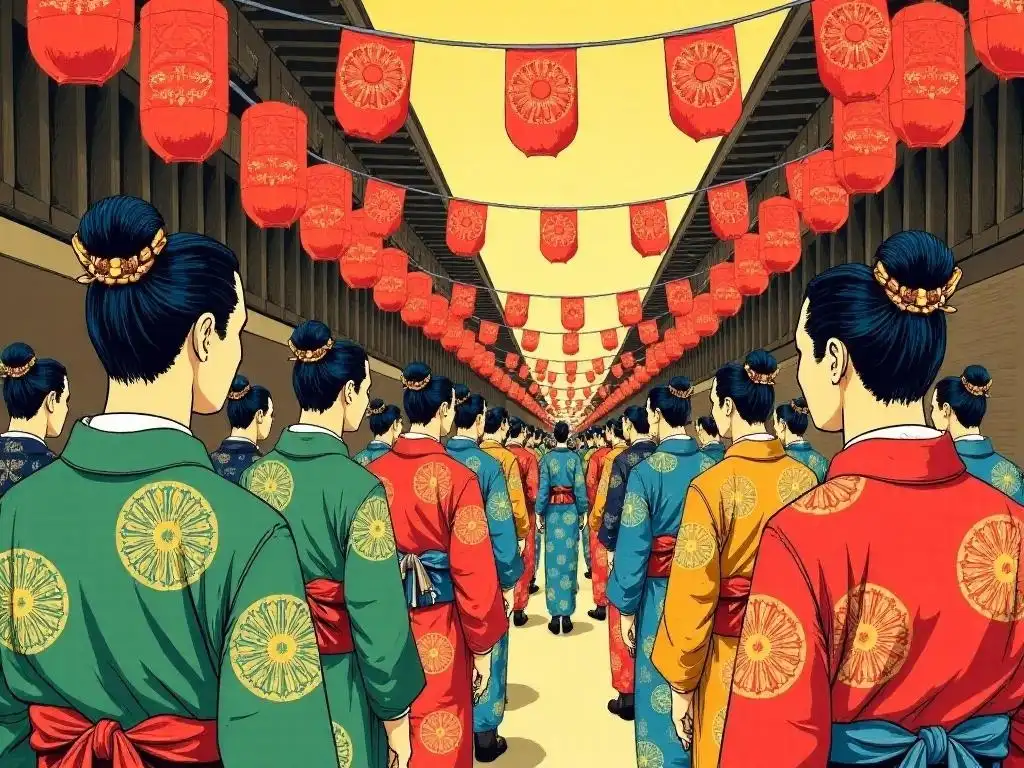
Welcome to Feudal Japan History, where we take you on a captivating journey through the intricate tapestry of Japan's feudal era. As you delve into our expert-driven articles, prepare to uncover the rich cultural and societal nuances that shaped this fascinating period. In our featured piece, “Edo Period Fashion: The Evolution of Clothing and Status Symbols,” we unravel the threads of history that define not just what was worn, but what it meant to wear it.
Discover how fashion served as a powerful indicator of status and identity, igniting your curiosity to explore the profound connections between attire and societal hierarchy. Join us as we unveil the secrets of the past—your adventure begins here!
-
Edo Period Fashion History: An Overview of Clothing and Status Symbols
- Understanding the Edo Period (1603-1868)
- The Evolution of Clothing in the Edo Period
- Social Status and Clothing: A Reflection of Power
- The Influence of Geisha Fashion on Edo Period Trends
- Fabrics and Dyes: The Materials Behind Edo Period Fashion
- Accessories and Ornamentation in Edo Period Fashion
- The Impact of Western Influence on Edo Period Fashion
- Conclusion: The Legacy of Edo Period Fashion History
- Frequently Asked Questions
- Final Reflection: The Timeless Influence of Edo Period Fashion
- Unveil the Elegance of Edo Period Fashion!
Edo Period Fashion History: An Overview of Clothing and Status Symbols
The Edo period (1603-1868) stands as a pivotal chapter in Japan's history, marked by significant cultural, social, and political transformations. This era, defined by the rule of the Tokugawa shogunate, not only established a long-lasting peace but also fostered a rich tapestry of artistic and social developments.
One of the most compelling aspects of this period is its fashion, which serves as a vivid reflection of the societal structures, class distinctions, and evolving aesthetics of the time. In this article, we will delve into the intriguing world of Edo period fashion history, exploring how clothing evolved as a critical status symbol and an expression of identity.
Understanding the Edo Period (1603-1868)
The Historical Context of the Edo Period
The Edo period was initiated by Tokugawa Ieyasu's victory at the Battle of Sekigahara in 1600, culminating in his establishment of the Tokugawa shogunate. This period heralded a time of stability, isolation from foreign influence, and a flourishing of culture and commerce within Japan. The strict social hierarchy of the time, categorized into classes such as samurai, farmers, artisans, and merchants, played a crucial role in shaping the clothing styles and trends of the era. Each class had distinct regulations regarding attire, reflecting their status and responsibilities within society.
Key Features of Edo Period Culture
Edo culture is characterized by its emphasis on urbanization and the rise of a vibrant merchant class in cities like Edo (modern Tokyo). The period saw the emergence of unique art forms, such as ukiyo-e (woodblock prints) and kabuki theater, which not only entertained but also influenced fashion trends. The aesthetic principles of simplicity and beauty permeated daily life, including clothing, which evolved to showcase not just function but also artistry and social markers.
The Evolution of Clothing in the Edo Period
Early Edo Period Attire: Influences and Styles
During the early Edo period, clothing was heavily influenced by the styles of the preceding Muromachi period, with a focus on practicality and modesty. The samurai class, in particular, wore garments such as the hakama (pleated trousers) and kimono adorned with subtle patterns, indicative of their noble status. Fabrics such as silk and cotton were commonly used, and colors were often muted, reflecting a sense of restraint that was valued in samurai culture.
The Middle Edo Period: Changes in Fashion Trends
As the Edo period progressed into the middle stages, fashion began to flourish, influenced by the growing merchant class and a surge in cultural exchange. The introduction of vibrant colors and intricate designs became more prevalent, particularly among the merchant and artisan classes. The kosode, a shorter kimono, became popular, and elaborate patterns showcased an individual's wealth and aesthetic sensibility. This era also saw the emergence of accessories, such as obi (sashes) and geta (elevated sandals), which further enhanced the visual statement of clothing.
Late Edo Period Fashion: Peak of Elegance
By the late Edo period, fashion reached its zenith, with styles becoming more extravagant and expressive. The rise of geisha culture contributed to this evolution, as their elaborate kimonos and intricate hairstyles became highly sought after. Fabrics were richly dyed and featured complex motifs, symbolizing luck, longevity, and prosperity. The significance of fashion as a status symbol became firmly established, with distinct styles associated with various social classes, indicating not just personal taste but also social hierarchy.
The Edo period fashion history encapsulates a fascinating journey through Japan's cultural evolution, where clothing served as both a practical necessity and a profound expression of identity and status. Through this exploration, we can better understand the intricate relationship between attire and the societal dynamics of the time.
The Edo period (1603-1868) was marked by a rigid social hierarchy that deeply influenced clothing styles and the symbolism associated with them. Fashion during this era was not merely an expression of personal taste; it was a clear indicator of one’s social status, wealth, and profession. Nobility, samurai, merchants, and commoners all had distinct styles that not only showcased their status but also reinforced the societal structure of the time.
Throughout the Edo period, the concept of “iki,” or stylishness, became increasingly important. Clothing was meticulously crafted, with different colors, fabrics, and designs signifying various ranks and professions. This reliance on clothing as a status symbol played a crucial role in maintaining the social order, as individuals were often judged and categorized based on their attire, making it essential for members of society to adhere to established fashion norms.
The Role of Clothing in Social Hierarchy
Clothing during the Edo period was intrinsically linked to one’s position within the social hierarchy. The samurai class, for example, donned elaborate garments that reflected their status as warriors and protectors of the realm. Their attire often included garments made from luxurious fabrics such as silk, adorned with intricate patterns, and displayed family crests, known as “mon.” This visual representation of status helped to reinforce their authority and power within society.
In contrast, the merchant class, who were seen as lower in social standing despite their wealth, wore simpler yet still fashionable clothing. They often opted for garments that were less elaborate than those of the samurai, but they still showcased their affluence through high-quality fabrics and vibrant colors. Commoners, on the other hand, were restricted to more utilitarian clothing, which was practical for their daily labor and often made from coarser materials.
Distinctive Garments for Different Classes
Distinctive garments defined each social class during the Edo period.
- Samurai: Samurai wore the “kimono,” characterized by wide sleeves and a wrap-around design. They often layered their kimonos with a “haori” (jacket) and carried swords, which further emphasized their martial status.
- Nobility: The nobility, including the daimyō (feudal lords), flaunted their wealth through elaborate kimonos often made from expensive silk and featuring intricate embroidery. The use of seasonal colors and patterns also played a role in showcasing their status.
- Merchants: Merchants wore kimonos that, while less ornate, still exhibited a sense of style. They often accessorized with “obi” (sashes) that featured bold patterns, reflecting their wealth and social aspirations.
- Commoners: For commoners, clothing was practical and simple. Their garments were typically made from cotton or hemp, featuring subdued colors and minimal decoration, reflecting their lower social status.
The stark differences in clothing among these classes were not only a reflection of social hierarchy but also served to maintain the societal order by visually reinforcing the boundaries between each group.
The Influence of Geisha Fashion on Edo Period Trends
The geisha, or “geiko,” were a significant cultural phenomenon during the Edo period, and their unique fashion sense played a vital role in shaping the styles of the era. As entertainers skilled in conversation, music, and dance, geisha became icons of elegance and sophistication, leading to the widespread adoption of their fashion trends across various social strata.
The Origin of Geisha Attire
Geisha attire originated from traditional Japanese clothing but evolved into a distinctive style characterized by vibrant colors, elaborate patterns, and intricate layering. The foundational garment, the kimono, was often paired with a “obi” tied in elaborate knots at the back. Geisha would wear multiple layers, often showcasing different patterns and colors that conveyed a sense of grace and artistry.
Additionally, the use of accessories such as ornate hairpins, called “kanzashi,” and elaborate obiage (sashes) contributed to their overall appearance. These elements were not only decorative but also served to highlight the status and skill of the geisha, as the artistry involved in their attire was a reflection of their training and dedication to their craft.
How Geisha Fashion Shaped Mainstream Styles
As geisha became symbols of beauty and refinement, their fashion choices influenced the broader trends of the Edo period. The public fascination with geisha culture led to the incorporation of their style into the clothing of women across different classes.
- Color and Pattern: The vibrant colors and intricate patterns associated with geisha attire began to appear in the everyday fashion of women from various social backgrounds. This democratization of style allowed for greater expression of individuality, even among lower classes.
- Layering Techniques: The layering techniques employed by geisha also inspired women to experiment with their kimonos, leading to a more diverse range of styles and combinations that reflected personal taste while still adhering to societal norms.
- Accessibility of Fashion: As the popularity of geisha fashion grew, textile merchants and artisans began to produce fabrics that emulated the luxurious materials used by geisha, making these trends more accessible to the general populace.
Overall, the influence of geisha fashion during the Edo period not only elevated the status of these entertainers but also contributed significantly to the evolution of clothing styles, bridging the gap between social classes while fostering a shared appreciation for beauty, artistry, and cultural expression.
Fabrics and Dyes: The Materials Behind Edo Period Fashion
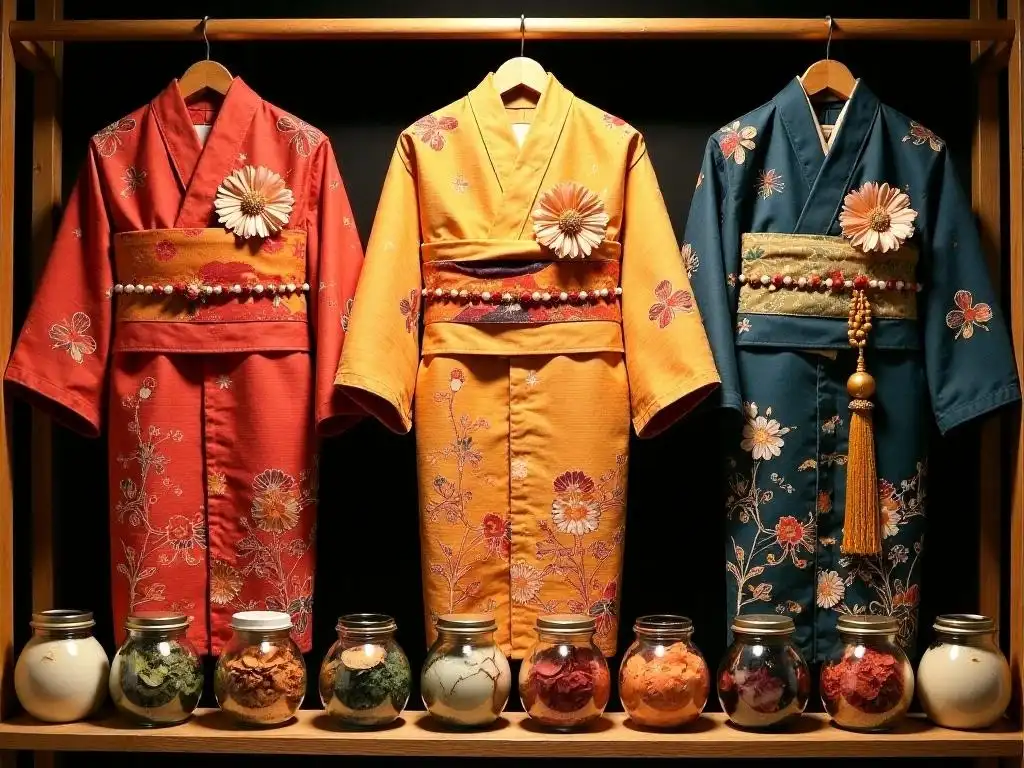
The Edo period, spanning from 1603 to 1868, is renowned for its distinct fashion that reflected the social hierarchies and cultural nuances of the time. At the core of this fashion evolution were the fabrics and dyes that characterized clothing styles, which not only signified status but also conveyed regional identities and craftsmanship. Understanding these elements is crucial in appreciating the intricate tapestry of Edo period fashion history.
Traditional Fabrics Used in Edo Period Clothing
During the Edo period, various fabrics were utilized, each with specific characteristics and cultural significance. The most notable fabrics included:
- Silk (Kinu): Silk was the epitome of luxury and was primarily used by the nobility and affluent merchants. Its smooth texture and vibrant colors made it a preferred choice for formal garments, such as kimonos.
- Cotton (Momen): With the rise of the merchant class, cotton became increasingly popular. It was more affordable than silk and became the fabric of choice for everyday wear. Cotton kimonos were often dyed in bright colors and patterns, reflecting the wearer's personality and status.
- Ramie (Asa): This plant-based fiber was valued for its durability and lightweight properties. Ramie fabrics were often used in summer garments due to their breathability.
- Wool (Uru): While not as common, wool was sometimes used for outer garments, especially in colder regions. It was primarily worn by the working class and lower strata of society.
These fabrics were often combined and layered to create distinct looks, with the choice of material reflecting the wearer’s social standing.
The Art of Dyeing: Natural Dyes and Techniques
The dyeing techniques of the Edo period were as sophisticated as the fabrics themselves. Artisans employed natural dyes derived from plants, minerals, and insects, creating an array of colors that were vibrant yet harmonious. Some key aspects of the dyeing process included:
- Indigo Dyeing (Ai-zome): Indigo, derived from the plant Indigofera, was a staple in Edo period dyeing. This deep blue color was associated with the working class but became fashionable across all classes during the period.
- Brocade and Yuzen Techniques: Yuzen dyeing, a method involving detailed stencil work, allowed for intricate designs on silk. Brocade, often woven with gold or silver threads, showcased opulence and was reserved for the elite.
- Shibori: This tie-dye technique created beautiful patterns by binding the fabric in specific ways before dyeing. Shibori became a popular method for creating unique textile designs and was often used with indigo dye.
These dyeing techniques not only enhanced the visual appeal of clothing but also reflected the artistry and cultural traditions of Edo period Japan.
Accessories and Ornamentation in Edo Period Fashion
Accessories played a significant role in Edo period fashion, serving both functional and decorative purposes. They were vital in conveying social status, personal style, and regional identity. The thoughtful selection of accessories could elevate a simple outfit to one of elegance and sophistication.
The Significance of Obi and Other Accessories
The obi, a wide sash, is perhaps the most iconic accessory of Edo period fashion. Its significance goes beyond mere function, as it symbolizes various elements of the wearer's identity:
- Status Indicator: The width, material, and design of the obi often indicated the wearer's social class. Wider and more elaborate obis were worn by the upper classes, while simpler styles were favored by the lower classes.
- Fashion Statement: The obi served as a canvas for artistic expression, showcasing exquisite embroidery and dye techniques. Different tying styles (musubi) could also convey various meanings, enhancing the outfit's overall aesthetic.
- Complementary Accessories: Other accessories included obijime (cords), obidome (ornaments), and obiage (sashes), all of which were carefully coordinated with the kimono to create a cohesive look.
These accessories not only completed the outfit but also underscored the cultural significance of clothing in Edo society.
Artistic Embellishments: Patterns and Motifs
The patterns and motifs found in Edo period fashion were rich in symbolism and artistry. They often reflected nature, mythology, and social ideals, adding layers of meaning to the garments. Key elements included:
- Nature-Inspired Designs: Common motifs included flowers, birds, and landscapes, which were often depicted in vibrant colors. These motifs celebrated the beauty of the natural world and were particularly popular in kimono design.
- Seasonal Patterns: Fabrics were often adorned with seasonal themes, such as cherry blossoms in spring or maple leaves in autumn, allowing wearers to express their appreciation for the changing seasons.
- Cultural Symbols: Certain patterns held specific cultural significance, such as the crane symbolizing longevity and good fortune. The incorporation of these motifs into clothing allowed individuals to convey their aspirations and values.
The intricate designs and patterns of Edo period fashion reflect not only aesthetic preferences but also a deep cultural connection to nature and tradition, making clothing a powerful medium for self-expression.
The Impact of Western Influence on Edo Period Fashion
The Edo period, spanning from 1603 to 1868, was characterized by a rich tapestry of cultural evolution, with fashion playing a pivotal role in this transformation. While traditional Japanese clothing dominated the earlier part of the period, the gradual influx of Western influences began to reshape fashion norms and practices. This impact was felt not only in the styles and materials used but also in the very perception of status and identity among the populace.
Early Encounters with Western Attire
The initial contact between Japan and the West occurred during the late 16th and early 17th centuries, primarily through Portuguese and Dutch traders. These early interactions introduced new fabrics, such as cotton and silk blends, which were previously unknown in Japan. The introduction of Western attire, such as the doublet and trousers, began to spark interest among the samurai and merchant classes.
As foreign merchants settled in Japan, Western clothing styles became a symbol of modernity and sophistication. The elite, eager to adopt these new fashions, began to incorporate elements of Western clothing into their wardrobes. This blending of aesthetics is evident in the adoption of tailored jackets and vests, which retained traditional Japanese motifs while mimicking Western silhouettes.
Shifts in Fashion Trends Due to Globalization
As Japan opened its doors to increased international trade in the mid-19th century, the impact of globalization on Edo period fashion became even more pronounced. The Meiji Restoration in 1868 marked a significant turning point, leading to a full-scale adoption of Western fashion trends. The government encouraged the wearing of Western-style clothing as part of a broader effort to modernize the nation.
This shift was reflected in the design and manufacturing of clothing, with Japanese artisans incorporating Western techniques into traditional garment construction. Fabrics became more diverse, and the use of vibrant colors and patterns expanded. The kimono, while still a staple of Japanese fashion, began to coexist with Western styles, leading to the creation of hybrid forms. This era saw the emergence of yukata—a casual summer kimono—paired with Western accessories, symbolizing the new cultural landscape of Japan.
Conclusion: The Legacy of Edo Period Fashion History
The fashion landscape of the Edo period represents a fascinating convergence of tradition and innovation. The incorporation of Western influences not only transformed clothing styles but also signified broader societal changes during this era. The legacy of Edo period fashion continues to resonate in contemporary Japanese society, influencing modern fashion and cultural identity.
Lasting Influences on Modern Japanese Fashion
Today, the impact of Edo period fashion can be seen in various aspects of modern Japanese clothing. Designers often draw inspiration from the intricate patterns and craftsmanship of traditional garments while incorporating contemporary styles and materials. Events such as Tokyo Fashion Week showcase collections that reflect this blend, highlighting how historical influences continue to shape the fashion industry.
Moreover, the resurgence of interest in traditional clothing, such as the kimono, among younger generations underscores the lasting significance of Edo period fashion. Many choose to wear kimonos for special occasions, embracing their cultural heritage while integrating modern aesthetics.
The Cultural Significance of Edo Period Clothing Today
Edo period clothing serves as a critical cultural symbol in Japan, representing a rich historical narrative and regional identity. Museums and cultural festivals often feature exhibitions that celebrate this era's fashion, showcasing the craftsmanship and artistry involved in garment creation.
Additionally, the principles of Edo period fashion—such as the emphasis on natural materials and craftsmanship—find relevance in today's discussions around sustainable fashion. As contemporary society grapples with environmental concerns, the appreciation for the thoughtful design and durability inherent in traditional clothing takes on renewed importance.
In essence, the legacy of Edo period fashion history is not only a reflection of the past but also a living influence on Japan's cultural fabric today, bridging the gap between tradition and modernity.
Frequently Asked Questions
What defines Edo period fashion?
Edo period fashion refers to the unique styles of clothing that emerged in Japan between 1603 and 1868, characterized by vibrant colors, intricate patterns, and the use of luxurious fabrics.
Clothing during the Edo period was a strong indicator of social status, with specific styles and colors reserved for the samurai, merchants, and peasants, showcasing hierarchical distinctions in society.
What role did geisha play in Edo period fashion?
Geisha were not just entertainers; they were also fashion icons. Their elaborate kimonos and hairstyles influenced trends and set standards for elegance and refinement in Edo period fashion.
How did regional variations affect fashion in the Edo period?
Regional variations resulted in diverse styles, with different areas showcasing unique fabrics, patterns, and techniques, leading to a rich tapestry of cultural expression throughout Japan.
What impact did the Edo period have on modern Japanese fashion?
The Edo period laid the foundation for many contemporary Japanese fashion trends, blending traditional elements with modern aesthetics, thus continuing to influence designers and fashion enthusiasts today.
Final Reflection: The Timeless Influence of Edo Period Fashion
Edo period fashion history serves as a powerful reminder of how clothing transcends mere fabric and stitches; it embodies culture, identity, and social status. Today, as we navigate a world increasingly defined by fast fashion and fleeting trends, the enduring elegance and significance of Edo period attire challenge us to reconsider our relationship with clothing. The intricate designs and symbolism of this era not only reflect the aesthetics of their time but also offer profound insights into the societal structures that shaped them.
The impact of Edo period fashion continues to resonate in contemporary culture, influencing designers and fashion enthusiasts alike. The meticulous craftsmanship and rich symbolism of this historical fashion era have inspired countless modern interpretations, reminding us of the importance of heritage in our personal style. Fashion is the armor to survive the reality of everyday life.
— Bill Cunningham. This quote encapsulates how fashion, much like in the Edo period, serves as a means of expression and identity, allowing us to navigate our social landscapes with confidence and grace.
As we reflect on the lessons of Edo period fashion, let us embrace the idea that our clothing choices can tell our stories and reflect our values. I invite you to explore your own wardrobe with intention, considering how your personal style can honor tradition while also expressing your individuality. By doing so, we can create a more meaningful connection to our attire, celebrating the artistry of fashion history while forging our unique paths in the present and future.
Unveil the Elegance of Edo Period Fashion!
Thank you for diving into the captivating world of Edo Period fashion! You’ve explored how clothing styles evolved as powerful symbols of status and identity. Now, it’s time to take your newfound knowledge and put it into action!
Here are some steps you can take to broaden your understanding and appreciation of this fascinating era:
- Explore your own style: Research clothing or accessories inspired by Edo Period fashion and incorporate them into your wardrobe. Discover how these historical influences can elevate your personal aesthetic today!
- Share your insights: Engage in discussions about Edo fashion trends with friends or in online communities. Initiate conversations about how historical fashion informs our current societal values and trends.
- Visit a museum or exhibition: Look for local events showcasing Japanese art, textiles, or historical garments to experience the beauty of Edo Period fashion up close.
What aspect of Edo Period fashion intrigued you the most, and how do you see it influencing modern trends today? We’d love to hear your thoughts!