
How to Invest in HighQuality Training Gear That Lasts: A LongTerm Guide

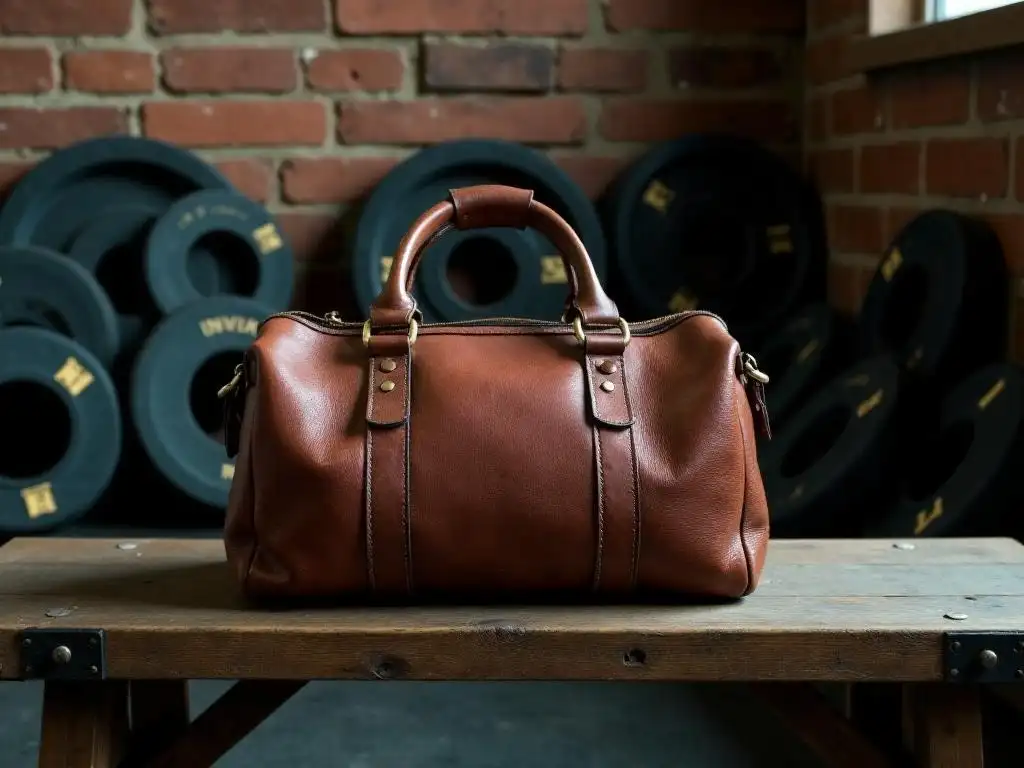
Welcome to Feudal Japan History, where we invite you on a captivating journey through the intricate tapestry of Japan's feudal era. Here, the past comes alive as we delve into the historical, cultural, and societal aspects that shaped a nation. In our featured article, "How to Invest in High-Quality Training Gear That Lasts: A Long-Term Guide," we explore the essential durable training gear investment guide that not only enhances your martial arts practice but also connects you to the enduring legacy of the warriors of yore.
Curious about how to make your training investments stand the test of time? Join us as we uncover the secrets that lie within this timeless tradition.
- Understanding the Importance of Durable Training Gear Investment
- Key Features to Look for in High-Quality Training Gear
- Types of Training Gear for Martial Arts
- How to Evaluate Durability of Training Gear
- Budgeting for Your Durable Training Gear Investment
- Maintenance Tips for Prolonging the Life of Your Training Gear
- Conclusion: Making Informed Decisions for Lasting Value
-
Frequently Asked Questions
- What types of training gear are considered high-quality investments?
- How can I determine if a training gear brand is reputable?
- What is the importance of proper maintenance for training gear?
- How much should I expect to spend on high-quality training gear?
- Are there specific features to look for in durable training gear?
- Final Reflection: Investing in Quality for a Lasting Impact
- Unleash Your Potential: Invest in Quality Today!
Understanding the Importance of Durable Training Gear Investment
In the realm of martial arts, the right training gear is not just a matter of comfort and aesthetics; it is a crucial component that can greatly influence your performance and safety. Investing in high-quality, durable training gear is essential for practitioners who are serious about their craft. This guide aims to provide you with insights on why durable training gear matters and how making informed choices can yield long-term benefits. Whether you are a novice or a seasoned martial artist, understanding the value of your gear can enhance your training experience and provide you with lasting benefits.
Why Quality Matters in Training Gear
When it comes to training gear, quality should never be compromised. Here are several reasons why investing in high-quality gear is essential:
- Safety: Durable training gear is designed to withstand rigorous use and provide adequate protection. This is particularly important in martial arts where injuries can occur due to inadequate equipment.
- Performance: Quality gear enhances your performance by offering better support and functionality. For instance, well-constructed gloves or uniforms allow for greater freedom of movement and reduce distractions during training.
- Longevity: High-quality materials tend to last longer than cheaper alternatives. This means that while the initial investment may be higher, the cost per use diminishes over time, making it a more economical choice in the long run.
- Comfort: Durable training gear is often designed with comfort in mind. Features such as moisture-wicking fabric and ergonomic designs can significantly improve your training experience.
The Long-Term Benefits of Investing in Durable Gear
Investing in durable training gear provides several long-term advantages that go beyond the immediate benefits of safety and performance. Consider the following:
- Cost-Effectiveness: Although high-quality gear may require a larger upfront investment, its durability means fewer replacements over time. This can lead to significant savings, especially for frequent practitioners.
- Enhanced Training Experience: Quality gear often includes advanced features that enhance training. For example, shock-absorbing materials in pads and gloves can reduce fatigue during long training sessions.
- Better Resale Value: Higher-end gear tends to retain its value better than lower-quality options. Should you decide to upgrade or change your gear, you may find that you can resell durable items for a reasonable price.
- Positive Psychological Impact: Training with quality gear can boost your confidence and motivation. Knowing that you have reliable equipment can enhance your focus and commitment to improvement.
- Support for Local or Ethical Brands: Investing in durable gear often means supporting local manufacturers or brands that prioritize ethical production practices. This can contribute positively to the community and environment.
The investment in durable training gear is not just a purchase; it's a commitment to enhancing your martial arts journey. By understanding the importance of quality gear and its long-term benefits, you position yourself for success in your training endeavors.
Key Features to Look for in High-Quality Training Gear
When it comes to investing in durable training gear, understanding the key features can significantly impact your experience and performance. Selecting high-quality gear not only enhances your training sessions but also ensures long-term use, making it a wise investment. Here are the essential aspects to consider:
Material Quality: What to Consider
The material of training gear plays a crucial role in its durability. Different types of materials offer various levels of strength, flexibility, and comfort. Here are some characteristics to keep in mind:
- Fabric Type: Opt for materials like nylon, polyester, or cotton blends that offer resilience and breathability. For instance, ripstop nylon is excellent for its tear resistance, making it ideal for martial arts uniforms.
- Weight and Thickness: Heavier fabrics tend to be more durable, but they may also affect mobility. Consider the balance between weight and functionality for your specific training needs. For example, a thicker martial arts gi can withstand rigorous training but may restrict movement if too heavy.
- Moisture-Wicking Properties: Look for gear with moisture-wicking technology, as it helps keep you dry during intense workouts. This is particularly important in martial arts, where sweat can lead to discomfort and reduced performance.
- Reinforcement Areas: Areas that experience the most stress—like elbows, knees, and seams—should be reinforced with additional layers or stitching. This attention to detail can significantly extend the lifespan of the gear.
Craftsmanship and Design: The Hallmarks of Durability
The craftsmanship and design of training gear are just as important as the materials used. High-quality gear often features superior construction techniques that enhance durability:
- Stitching Quality: Inspect the stitching for tightness and consistency. Double stitching or reinforced seams provide extra strength, preventing wear and tear during high-impact sessions.
- Adjustability: Look for adjustable features, such as straps, closures, or elastic materials that allow for a customized fit. This not only improves comfort but also ensures that the gear stays in place during training.
- Functional Design: Well-designed gear considers the movements involved in martial arts. Features like gussets in pants or ergonomic cuts in uniforms allow for a full range of motion, enhancing both comfort and performance.
- Breathable Linings: The interior lining of training gear should promote airflow to prevent overheating. Materials such as mesh or cotton can enhance comfort, especially during prolonged use.
Brand Reputation: Why Trusted Brands Matter
Investing in high-quality training gear often means choosing brands with a proven track record in the industry. Here’s why brand reputation is crucial:
- Quality Assurance: Established brands typically have rigorous quality control processes, ensuring that their products meet high standards. This can reduce the risk of defects that compromise durability.
- Customer Reviews and Feedback: Trusted brands often have a wealth of customer reviews and testimonials available. Researching these can provide insights into product performance and longevity.
- Warranty and Support: Well-known manufacturers may offer warranties or customer support, giving you peace of mind regarding your investment. This added layer of security can be a significant factor when choosing gear.
- Innovation and Technology: Renowned brands often invest in research and development, leading to innovative materials and designs that enhance the quality of their products. Staying up-to-date with the latest advancements can inform your purchasing decisions.
When searching for high-quality training gear, focus on material quality, craftsmanship, and brand reputation to ensure you make a durable training gear investment. By considering these key features, you can enhance your training experience and achieve better results.
Types of Training Gear for Martial Arts
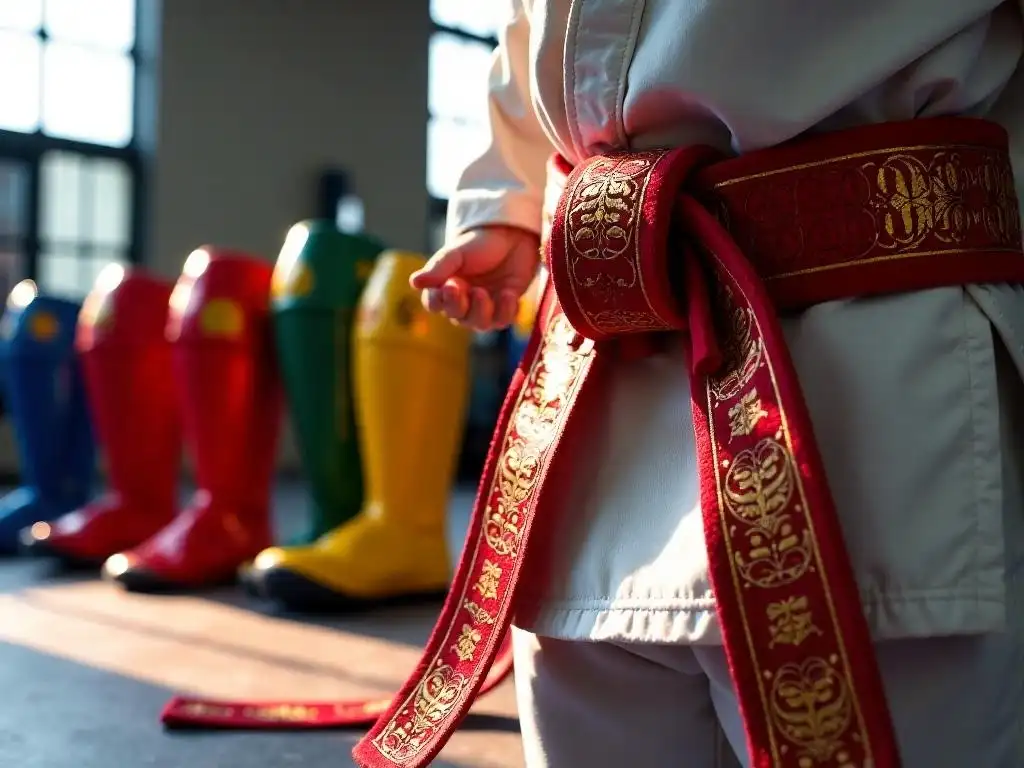
In the world of martial arts, the right gear can significantly impact training effectiveness and safety. With a plethora of options available, understanding the different types of training gear is essential for making a durable training gear investment. Here, we will explore the main types of training gear used in martial arts, focusing on protective gear and training uniforms.
Protective Gear: Ensuring Safety and Longevity
Protective gear is paramount in martial arts training, as it helps to prevent injuries while allowing practitioners to train at their full potential. Investing in high-quality protective gear not only ensures safety during training but also contributes to the longevity of the equipment itself.
Best Options for Protective Gear: Hayabusa, Venum, and Century Martial Arts
When it comes to protective gear, several brands stand out for their commitment to quality and durability. Here are some of the top options:
- Hayabusa
- Highlights: Known for their advanced technology and innovative designs, Hayabusa offers a range of protective gear including gloves, shin guards, and headgear. Their products often feature high-quality materials designed to withstand rigorous training sessions.
- Durability: Many Hayabusa items come with reinforced stitching and high-grade padding to enhance longevity.
- Venum
- Highlights: Venum is another reputable brand that provides a variety of protective gear. Their products are often favored for their stylish designs and comprehensive protection.
- Durability: Venum gear is built with durable synthetic materials, making it resistant to wear and tear, which is crucial for long-term training use.
- Century Martial Arts
- Highlights: Century is renowned for its extensive range of martial arts gear, including protective equipment. They prioritize safety and comfort, offering products that are suitable for all levels of practitioners.
- Durability: Century's protective gear is rigorously tested to ensure it can withstand the demands of martial arts training.
Training Uniforms: Choosing the Right Fabric
Selecting the right training uniform is critical for both comfort and performance. The fabric of the uniform plays a significant role in its durability, breathability, and overall functionality during training sessions.
Recommended Training Uniforms: Fuji, Tatami, and Elite Sports
For those looking to invest in high-quality training uniforms, consider the following reputable brands:
- Fuji
- Highlights: Fuji uniforms are well-regarded in the martial arts community, particularly for Brazilian Jiu-Jitsu. Their gis are designed for durability and comfort, making them ideal for intensive training.
- Fabric: Fuji uses a blend of cotton and polyester, ensuring breathability while maintaining strength.
- Tatami
- Highlights: Tatami is known for producing high-quality gi that caters to various martial arts disciplines. They focus on both functionality and aesthetics, providing stylish options without compromising quality.
- Fabric: Tatami uniforms often feature pre-shrunk cotton, which enhances durability and keeps the fit consistent after washing.
- Elite Sports
- Highlights: Elite Sports offers a range of training uniforms that are praised for their affordability without sacrificing quality. They provide options for both beginners and seasoned practitioners.
- Fabric: Utilizing a blend of breathable materials, Elite Sports uniforms are designed for comfort and longevity, making them a solid investment for regular training.
Investing in high-quality training gear is essential for martial arts practitioners who want to ensure safety and performance during their training. By focusing on reputable brands and understanding the importance of durable materials, you can make informed decisions that will enhance your training experience over the long term.
Accessories and Equipment: Small Investments for Big Returns
Investing in high-quality accessories and equipment for martial arts training can often yield significant returns in terms of performance and longevity. While the main gear such as uniforms and protective wear are essential, accessories play a crucial role in enhancing training efficiency and safety. They are typically more affordable than major equipment but can significantly improve your training experience.
When considering your investment, think about how these accessories can augment your training regimen. For example, items like hand wraps, mouthguards, and training gloves not only help prevent injuries but also improve your technique and confidence during practice. Additionally, specialized training tools such as focus mitts and heavy bags are invaluable for developing striking skills and overall conditioning.
By focusing on high-quality accessories, you can ensure that your training is both effective and safe. Remember, the right accessories can make a substantial difference, leading to better performance and a more enjoyable training experience over time.
Essential Accessories: Everlast, Ringside
When discussing essential accessories in the martial arts training gear landscape, two brands frequently come to the forefront: Everlast and Ringside. Both brands have established themselves as leaders in the industry, providing gear that combines durability, functionality, and comfort.
Everlast is renowned for its commitment to quality and innovation. Their range of training accessories includes:
- Hand Wraps: Offering excellent wrist support and protection for the knuckles, Everlast hand wraps are a staple for any serious martial artist. They are available in various lengths and materials, catering to different preferences and training styles.
- Mouthguards: Essential for protecting your teeth and jaw during sparring, Everlast mouthguards are designed for comfort and security, ensuring they stay in place while you train.
- Focus Mitts: Ideal for improving striking accuracy and speed, these mitts are lightweight and durable, making them perfect for partner drills.
On the other hand, Ringside is celebrated for its extensive offering of boxing and martial arts gear, particularly focusing on training equipment. Their essential accessories include:
- Training Gloves: Ringside gloves are known for their superior padding and ergonomic design, providing excellent protection during sparring and bag work. They come in various weights and styles, allowing martial artists to select the perfect fit for their training needs.
- Heavy Bags: A staple in any martial arts gym, Ringside heavy bags are built to withstand rigorous training sessions. They come in multiple sizes and weights, catering to different skill levels and training goals.
- Skipping Ropes: These are perfect for enhancing cardio and footwork. Ringside's skipping ropes are designed for speed and durability, making them an excellent addition to any training regimen.
Both Everlast and Ringside exemplify how investing in high-quality accessories can lead to a more fruitful and effective martial arts training experience. By selecting gear from these reputable brands, practitioners can ensure that their investments yield long-term benefits.
How to Evaluate Durability of Training Gear
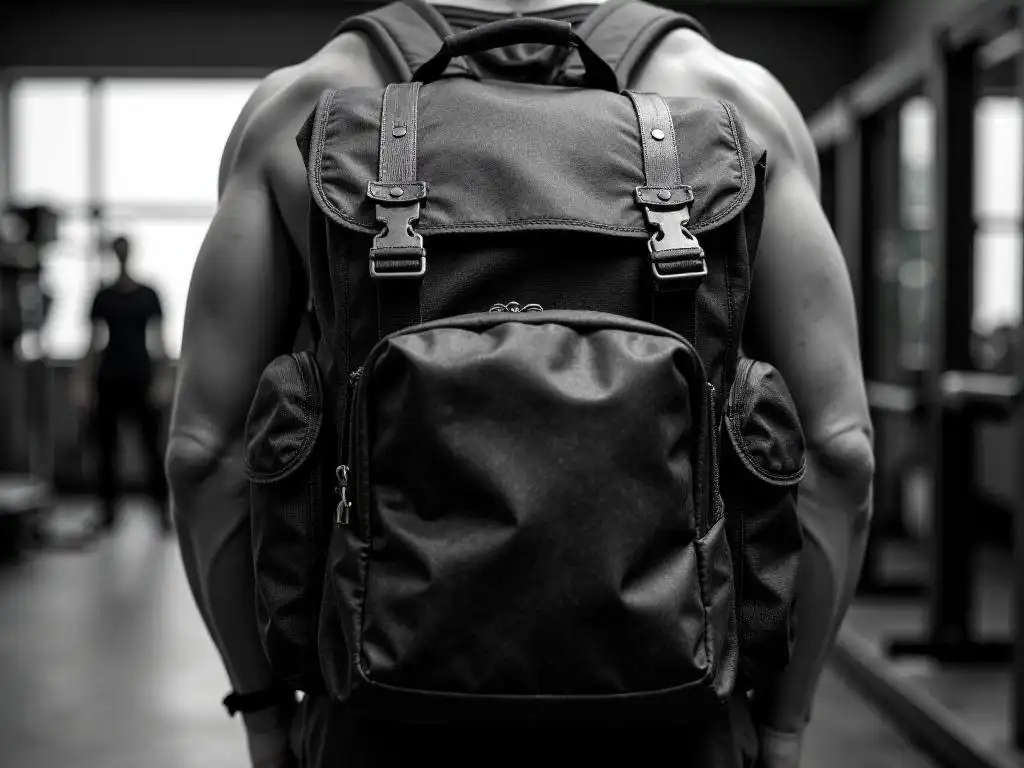
Customer Reviews and Ratings: What to Look For
When investing in durable training gear, customer reviews and ratings serve as invaluable resources. They provide insights into the performance and longevity of products based on real user experiences. Here are key factors to consider when assessing reviews:
- Material Feedback: Look for comments regarding the materials used. High-quality materials such as reinforced stitching, durable fabrics, and weather-resistant coatings often indicate longevity.
- Wear and Tear Reports: Pay attention to feedback related to the gear's resistance to wear and tear. Users may share how well the gear held up after extended use or under specific training conditions.
- Longevity Claims: Reviews that mention how long the gear lasted before showing signs of damage can be particularly telling. A product that consistently earns praise for its durability across multiple reviews tends to be a wise investment.
- Comparison with Similar Products: Some reviews may compare products directly. These comparisons can highlight which gear outperforms others in terms of durability.
- Star Ratings: While a high star rating is a good indicator, consider the number of reviews. A product with a lower average rating but a high volume of reviews may provide a more reliable gauge of performance than a product with few reviews.
Warranty and Return Policies: Indicators of Quality
The warranty and return policies of training gear manufacturers are often reflective of their confidence in the product's durability. Here's what to keep in mind:
- Length of Warranty: A longer warranty typically suggests that the manufacturer stands behind their product. For example, a warranty of two years or more may indicate that the gear has been rigorously tested for durability.
- Coverage Details: Review what the warranty covers. Does it include defects in materials and workmanship? Understanding the specifics can help you gauge the level of protection you have.
- Return Policy: A generous return policy can be a sign of quality. If a manufacturer allows returns within a reasonable timeframe, it may indicate confidence in the durability of their gear.
- Customer Service: Research customer service experiences related to warranty claims. Positive interactions can further affirm the quality and durability of the product.
Real-Life Examples of Durable Gear Performance
Examining real-life examples not only provides insight into the performance of training gear but also illustrates how durability plays a crucial role in martial arts practice. Here are a few notable examples:
- MMA Gloves: Many practitioners have reported that brands like Venum and Hayabusa offer gloves that withstand rigorous training sessions over time. For instance, a user noted that their Venum gloves remained intact after two years of daily use, showcasing exceptional durability.
- Karate Gis: The Shureido Karate Gi is often highlighted for its robust fabric and craftsmanship. Users frequently mention that these gis can endure intense sparring sessions without fraying or losing shape, thus proving their worth as a long-term investment.
- BJJ Belts: The Fuji BJJ belts are renowned for their resilience. A user shared that their belt had maintained its integrity and color after countless washes and training sessions, illustrating how a strong belt can enhance performance without the need for frequent replacements.
Assessing customer reviews, understanding warranty policies, and examining real-life examples of gear performance are essential steps in making a durable training gear investment. By focusing on these elements, you can ensure that your training gear not only meets your needs but also stands the test of time.
Budgeting for Your Durable Training Gear Investment
How to Determine Your Budget for Quality Gear
Establishing a budget for your durable training gear is a crucial first step in making a smart investment. Here are some steps to help you determine your budget effectively:
- Assess Your Training Needs:
- Evaluate the type of martial arts you practice. Different disciplines may require specific gear. For example, a karate practitioner might need a gi and protective gear, while a jiu-jitsu student might prioritize mats and rash guards.
- Consider the frequency of your training. If you train multiple times a week, investing in higher-quality gear that can withstand wear and tear is essential.
- Research Market Prices:
- Conduct thorough research to understand the price range for the gear you need. Visit multiple retailers, both online and in physical stores, to compare prices.
- Look for user reviews and recommendations to identify brands known for durability and performance.
- Set a Realistic Budget:
- Based on your findings, set a budget that reflects your financial capacity while also allowing for investment in quality gear. A budget of $100 to $300 is common for beginners looking to invest in quality gear.
- Remember to account for potential additional costs, such as shipping, taxes, and maintenance.
Cost vs. Value: Making Smart Investment Choices
When considering your durable training gear investment, it's essential to focus on the value rather than just the cost. Here’s how to assess cost versus value:
- Understanding Value:
- Value refers to the quality and longevity of the item in relation to its price. A higher upfront cost may yield a longer-lasting product, ultimately saving you money in the long run.
- Evaluate Brand Reputation:
- Brands with a solid reputation often provide better warranties and customer service, which can enhance the overall value of your investment.
- Consider brands that offer guarantees for their products; this is a strong indicator of their commitment to quality.
- Prioritize Essential Gear:
- Focus on purchasing essential items first. For instance, investing in a quality pair of training gloves or a durable uniform can significantly impact your performance.
- Once you have the essentials, you can gradually add more specialized gear based on your evolving training needs.
| Item Type | Average Price Range | Expected Lifespan | Value Consideration |
|---|---|---|---|
| Training Gi | $50 - $150 | 2 - 5 years | Quality gi can improve performance. |
| Protective Gear | $30 - $100 | 1 - 3 years | Essential for injury prevention. |
| Training Gloves | $40 - $120 | 1 - 3 years | Higher durability = better value. |
Affordable High-Quality Options: ProForce, Adidas
When it comes to durable training gear, two brands stand out for their combination of affordability and quality: ProForce and Adidas. Both brands offer a range of products that cater to various martial arts disciplines.
- ProForce:
- Known for its extensive range of martial arts gear, ProForce provides high-quality items at competitive prices. Their training uniforms, protective gear, and accessories are designed for durability and performance.
- Example Products:
- ProForce Deluxe Karate Gi: Made from high-quality cotton, this gi is both durable and comfortable, priced around $60.
- ProForce Sparring Gear: Offers excellent protection and is available for approximately $80.
- Adidas:
- A globally recognized brand, Adidas offers martial arts gear that combines style with functionality. Their products are often designed with advanced materials that enhance performance and longevity.
- Example Products:
- Adidas Taekwondo Dobok: This uniform is lightweight yet durable, typically priced between $70 and $120.
- Adidas Combat Sports Gloves: Ideal for training and sparring, these gloves offer great support and are priced around $90.
Investing in durable training gear is not just about the initial cost; it’s about understanding the value it brings to your training journey. By budgeting wisely and choosing brands known for their quality, you can ensure that your gear lasts and enhances your martial arts experience.
Maintenance Tips for Prolonging the Life of Your Training Gear
Maintaining your training gear is essential not only for ensuring its longevity but also for enhancing your performance and safety. Investing in high-quality gear is just the first step; how you care for it will determine how long it lasts. Here are some essential maintenance tips to help you prolong the life of your durable training gear.
Cleaning and Care: Best Practices for Longevity
Cleaning your training gear regularly is crucial. Different materials require different cleaning methods, so understanding the specifics is key to maintaining their integrity.
- Wash According to Material:
- Cotton Gear: Machine wash in cold water with mild detergent. Avoid bleach, as it can degrade natural fibers.
- Synthetic Materials: Hand wash or use the delicate cycle on your washing machine. Use a detergent specifically designed for synthetics to prevent residue buildup.
- Leather Gear: Wipe down with a damp cloth after each use. For deeper cleaning, use a leather cleaner followed by a conditioner to keep the material supple.
- Drying Techniques:
- Air Drying: Always air dry your gear when possible. Hang items in a well-ventilated area away from direct sunlight to prevent fading and cracking.
- Avoid Tumble Drying: The heat from dryers can damage synthetic materials and shrink cotton.
- Storage Solutions:
- Use Breathable Bags: Store your gear in breathable bags to prevent moisture buildup and mold growth. Avoid plastic bags that trap humidity.
- Regular Inspections: Check for wear and tear after each use. Address any issues like fraying or loose seams immediately to prevent further damage.
By implementing these best practices, you can significantly increase the lifespan of your training gear, ensuring that your investment remains worthwhile.
Repairing vs. Replacing: When to Invest More
Understanding when to repair your training gear versus when to replace it is crucial for maintaining a sustainable investment. Here are some guidelines to help you make informed decisions:
- Assessing Damage:
- Minor Repairs: If your gear has small tears or loose stitching, consider repairing it. Simple fixes like sewing up a seam or patching a small hole can extend the life of your gear without the need for replacement.
- Major Damage: If your gear has significant structural damage (e.g., broken straps, major tears), assess whether the cost of repair is worth it compared to the price of a new item.
- Cost Analysis:
- Create a table comparing the cost of repairs versus replacements for common items:
| Item | Repair Cost | Replacement Cost | Recommendation |
|---|---|---|---|
| Gi (uniform) | $20 | $100 | Repair for minor issues |
| Gloves | $15 | $60 | Replace if severely worn |
| Shin Guards | $25 | $50 | Repair if minor damage |
| Headgear | $30 | $80 | Replace if compromised |
- Emotional Attachment: Sometimes, gear holds sentimental value. If you have a favorite item that has served you well, consider investing in repairs to keep it in use.
Regular maintenance and knowing when to repair or replace your training gear are vital for making a durable training gear investment. By following these tips, you can enjoy your gear for many years to come while maximizing your initial investment.
Conclusion: Making Informed Decisions for Lasting Value
Investing in high-quality training gear is essential for anyone serious about martial arts. The durability of the equipment not only impacts performance but also plays a significant role in your long-term training experience. This section summarizes the key takeaways and offers final recommendations to ensure you make informed choices.
Recap of Key Points on Durable Training Gear Investment
When considering durable training gear, keep the following points in mind:
- Material Quality:
- Opt for materials known for their longevity, such as leather, heavy-duty nylon, or canvas. These materials withstand wear and tear better than cheaper alternatives.
- Brand Reputation:
- Research brands that have a history of producing reliable gear. Established brands often provide warranties or guarantees that can be indicative of their confidence in the product's durability.
- User Reviews and Testimonials:
- Look for feedback from other martial artists. Real-life experiences can provide insights into how gear performs under various training conditions.
- Cost vs. Value:
- While investing in durable training gear may require a higher upfront cost, consider it a long-term investment. Cheaper gear may save money initially but often leads to repeated purchases over time.
- Maintenance and Care:
- Proper care can significantly extend the life of your training gear. Regular cleaning, appropriate storage, and timely repairs can prevent premature wear.
- Functionality and Fit:
- Ensure the gear not only fits well but also meets the specific demands of your training style. Gear that is designed for your martial art discipline will typically last longer and perform better.
Final Recommendations for Your Training Gear Choices
To maximize your investment in durable training gear, consider these final recommendations:
- Prioritize Essentials: Focus on acquiring essential items first, such as a quality gi, protective gear, or training pads. Build your collection gradually based on your training needs and preferences.
- Test Before You Buy: Whenever possible, try on gear or test it out before making a purchase. This can help ensure comfort and suitability for your training style.
- Consider Custom Options: If budget allows, consider custom-made gear tailored to your specifications. This can enhance both comfort and durability, making it a worthwhile investment.
- Stay Informed: Keep up with trends and innovations in training gear. New materials and designs may offer improved durability and functionality.
- Join a Community: Engage with local martial arts communities or online forums. These platforms can provide valuable recommendations and insights that may help you choose the best gear for your needs.
By following this durable training gear investment guide, you can ensure that your martial arts journey is supported by reliable and lasting equipment. Make informed decisions and invest wisely for a training experience that stands the test of time.
Frequently Asked Questions
What types of training gear are considered high-quality investments?
High-quality training gear typically includes durable materials, reinforced stitching, and ergonomic designs. Look for items that offer long-term performance and come with warranties.
How can I determine if a training gear brand is reputable?
To evaluate a brand, check for customer reviews, testimonials, and expert recommendations. Brands that have been around for a while often guarantee quality and durability.
What is the importance of proper maintenance for training gear?
Proper maintenance extends the life of your gear. Regular cleaning, storage practices, and following manufacturer instructions can prevent wear and tear, ensuring your investment lasts.
How much should I expect to spend on high-quality training gear?
While prices vary, expect to invest more in durable gear. A budget of $100 to $300 is typical for high-quality items, but this can pay off in the long run through improved performance and reduced need for replacements.
Are there specific features to look for in durable training gear?
Look for features such as water-resistant materials, reinforced seams, and adjustable components. These aspects contribute to the gear’s longevity and make it a worthwhile investment.
Final Reflection: Investing in Quality for a Lasting Impact
In a world where fast fashion and disposable products dominate, the importance of investing in durable training gear cannot be overstated. As we navigate through our fitness journeys, the choices we make about our equipment not only affect our performance but also reflect our values regarding sustainability and long-term commitment to our health. The decision to invest in high-quality training gear is not just about immediate benefits; it’s a pledge to prioritize longevity and resilience in our fitness endeavors.
The impact of our choices in training gear resonates far beyond personal fitness; it shapes our cultural attitudes towards consumption and sustainability. As we become more aware of the environmental implications of our purchases, the shift towards durable products signifies a collective movement towards responsible living. The greatest threat to our planet is the belief that someone else will save it.
– Robert Swan. This quote encapsulates the urgency of taking personal responsibility in our choices, reminding us that each investment we make can contribute to a larger narrative of sustainability and thoughtful consumption.
As you reflect on your own fitness journey, consider how the principles outlined in this guide can inspire you to make informed decisions. Embrace the challenge of investing in gear that not only meets your immediate needs but also stands the test of time. By choosing quality over quantity, you not only enhance your training experience but also contribute to a more sustainable future. Let this be an invitation to take action, to invest wisely, and to cultivate a mindset that values durability in every aspect of life.
Unleash Your Potential: Invest in Quality Today!
Thank you for exploring the crucial insights on investing in high-quality training gear! By understanding the value of durable and effective equipment, you’ve taken a significant step toward enhancing your skills and performance. Now, let's turn that knowledge into action.
Here are some steps you can take to elevate your training game:
- Start by assessing your current gear: Identify which pieces are underperforming and consider what upgrades could enhance your training experience.
- Research top brands and reviews: Dive into the community to find recommendations and firsthand experiences that highlight the best quality gear available.
- Join a training group or forum: Connect with others who share your passion for excellence and exchange tips on the best investments for quality gear.
What are the top three qualities you look for when choosing your training gear, and how can they impact your performance? Let's discuss in the comments below!